Why an Untested Abyssinian Is Cheaper for a Reason
It’s a heart-wrenching scenario many prospective cat parents face: you’re dreaming of bringing home an Abyssinian, that energetic, inquisitive little shadow, but then you see the price tags. Some breeders list kittens for significantly less, and the appeal of saving money upfront can be incredibly strong. However, that lower price often comes with a steep hidden cost – a lack of proper health testing. This guide is here to shed light on why an untested Abyssinian kitten might seem like a bargain, but nearly always turns into a far more expensive, and often heartbreaking, journey in the long run.
The Allure of the "Bargain" Abyssinian Kitten
We’ve all been there, browsing online, seeing an adorable Abyssinian kitten with that distinctive ticked coat and those intelligent eyes, listed at a price that seems too good to be true compared to others. It’s natural to feel a pull towards these more affordable options, especially when you’re already anticipating the ongoing costs of a new pet. The initial purchase price of a pedigree cat can be substantial, and any opportunity to reduce that upfront investment can seem like a smart move.
The Immediate Price Difference
When you compare listings, the contrast can be stark. A reputable breeder who invests heavily in health screening, quality nutrition, veterinary care for their breeding cats, and early socialization for their kittens will naturally have a higher asking price. This isn't because they're being greedy; it's because they're covering genuine, non-negotiable costs. An individual or backyard breeder who skips these critical steps can offer a kitten for hundreds, sometimes even a thousand dollars less. On the surface, this difference in price can feel like a huge win for your wallet, allowing you to perhaps afford that dream cat tree or a stash of gourmet food right from the start.
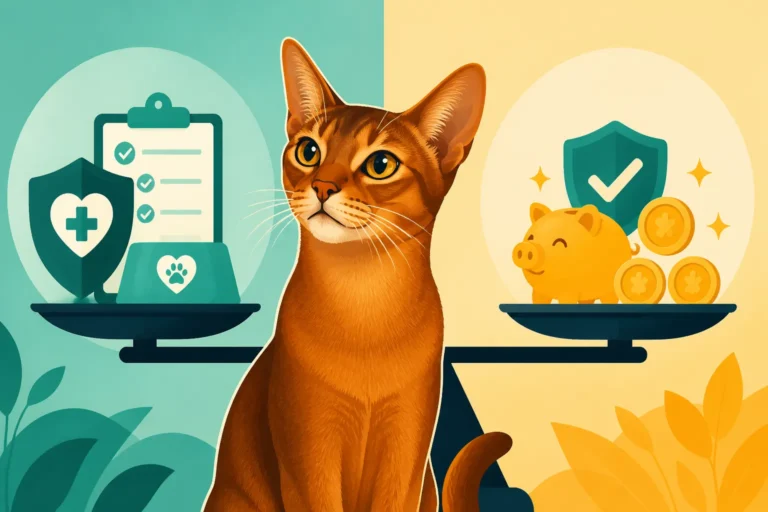
However, this immediate saving rarely accounts for the full picture. That "bargain" price tag often reflects a total absence of investment in preventative health measures, pushing those potential costs directly onto your shoulders later. What you save on the purchase price, you very often pay back tenfold in vet bills, specialized care, and emotional distress down the line. It's an illusion of savings, one that can lead to significant financial and emotional strain when you're deeply bonded with a sick pet.
The Psychology of a Lower Price Tag
It’s completely understandable why a cheaper kitten is tempting. For many, the cost of a pedigree cat is a significant hurdle, and finding a way to make it more accessible feels like achieving a goal. We tend to focus on the immediate financial outlay, perhaps telling ourselves that "it won't happen to me" or that any health issues can be managed if they arise. There's also a strong emotional component; you fall in love with pictures of a kitten, and the lower price just makes that dream feel more attainable right now.
However, this short-term thinking often overlooks the long-term realities of pet ownership, especially with breeds known for certain genetic predispositions. The breeder who cuts corners on health testing isn't just saving money; they're externalizing potential risks onto you, the new owner. They know that once you've brought that tiny bundle of fluff home, you'll do everything in your power to care for it, regardless of the financial cost. This psychological appeal of a lower price can tragically lead owners into situations where they are suddenly faced with overwhelming veterinary expenses for conditions that could have been prevented or predicted.
Understanding Essential Abyssinian Health Testing
When you're looking for an Abyssinian, understanding what "tested" actually means is paramount. It’s not just a fancy add-on; it’s a fundamental part of responsible breeding that directly impacts your future cat's health and your peace of mind. Untested Abyssinians might be cheaper, but they are an unknown quantity in terms of genetic health.
What is "Tested" vs. "Untested"?
A "tested" Abyssinian kitten comes from parents who have undergone specific genetic screenings for diseases known to affect the breed. This means a reputable breeder has invested time and money in sending DNA samples (often cheek swabs) to specialized laboratories to identify if their breeding cats carry genes for certain inherited conditions. They will typically have certificates to prove these tests were done, and the results will dictate their breeding decisions. For example, a cat that tests as a carrier for a specific disease might only be bred to a cat that tested completely clear, ensuring no affected kittens are produced. To learn more about this process, you can read our guide on how an Abyssinian's DNA panel is ordered.
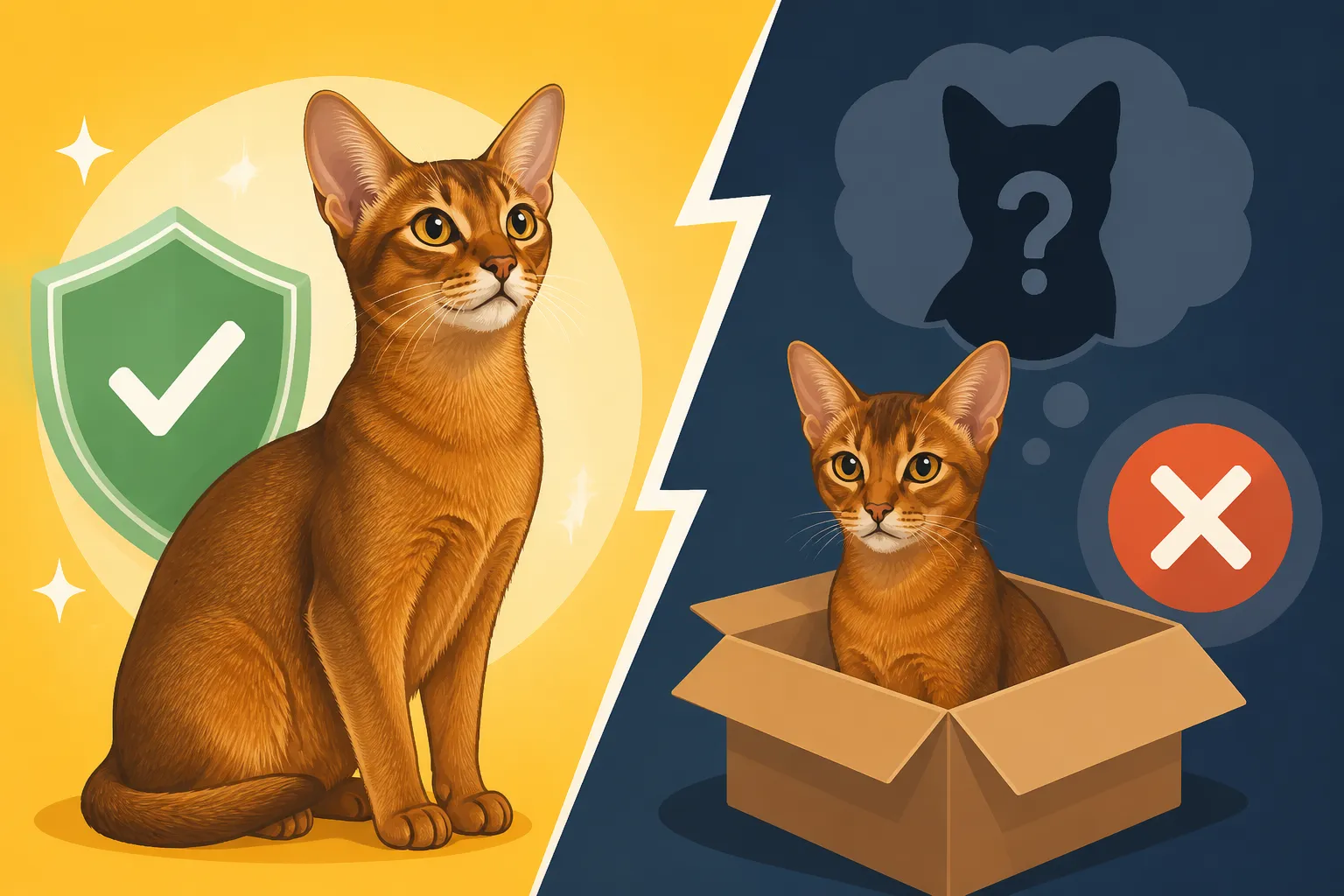
An "untested" Abyssinian, conversely, comes from parents whose genetic status for these conditions is entirely unknown. The breeder simply hasn't done the screening, either out of ignorance, unwillingness to pay the cost, or perhaps even a deliberate choice to avoid discovering adverse results. This doesn't necessarily mean the kitten will be sick, but it means you're taking a significant gamble. Without testing, there's no way to know if your kitten is a carrier, or worse, if it will develop a debilitating inherited disease. This lack of information is the core reason for the cheaper price tag; the breeder isn't factoring in the costs of comprehensive health checks, and by extension, they aren't mitigating the risks for you.
Key Genetic Tests: PK Deficiency and PRA-rdAc
For Abyssinians, there are two primary genetic tests that every responsible breeder absolutely must perform on their breeding cats:
- Pyruvate Kinase Deficiency (PK Deficiency): This is a serious inherited hemolytic anemia, meaning it causes red blood cells to break down prematurely. Affected cats can suffer from intermittent anemia, lethargy, weight loss, and jaundice. While a cat can be a carrier without showing symptoms, if two carriers are bred together, their kittens have a 25% chance of being affected. Knowing a cat's status for PK deficiency is crucial for making informed breeding decisions and preventing this painful disease. You can dive deeper into this condition with our article, Pyruvate Kinase Deficiency Is the Abyssinian's Best Known Test.
- Progressive Retinal Atrophy (PRA-rdAc): This inherited eye disease causes the gradual degeneration of the retina, eventually leading to blindness. The onset of symptoms can vary, but most affected cats begin to show signs of vision loss by around two to five years of age, often starting with night blindness. Again, it’s a recessive gene, meaning two carriers can produce affected kittens. A breeder testing for PRA-rdAc is actively working to ensure their lines produce kittens with healthy eyesight for life. For more detail, check out PRA-rdAc Takes an Abyssinian's Sight by Five.
When a breeder provides verifiable test results for both parents, showing them to be either clear or carriers (and bred appropriately to a clear cat), they are giving you a strong assurance of your kitten's genetic health concerning these specific conditions. Without these tests, you're buying a kitten blind, hoping for the best but without any factual basis to ease your concerns.
The Un-testable Concern: Renal Amyloidosis
Beyond the genetic tests, there's another significant health concern in Abyssinians: Renal Amyloidosis. This is a devastating kidney disease where abnormal protein (amyloid) builds up in the kidneys, eventually leading to kidney failure. Unlike PK Deficiency and PRA-rdAc, there isn't a simple DNA test for Renal Amyloidosis that breeders can perform. This makes it an even more frustrating and difficult condition to manage within a breeding program, as outlined in our piece, Renal Amyloidosis Is the Abyssinian Problem Nobody Can Test For.
Because there's no genetic test, reputable breeders rely heavily on meticulous pedigree research and tracking the health of their breeding lines. They keep detailed records of any kidney-related deaths in their cats' ancestry, paying close attention to the age of onset. They might even participate in voluntary screening programs that involve regular blood and urine tests for their breeding cats to catch early signs of kidney issues. This proactive, albeit complex, approach minimizes the risk for kittens, even without a direct gene test. An "untested" Abyssinian often comes from a background where no such family health history is kept or considered, leaving you completely exposed to this potentially fatal condition. This is why when considering What an Abyssinian breeder should have tested before you buy, it's not just DNA; it's also about a commitment to ethical, transparent breeding practices.
| Health Condition | Type of Test | Implications for Untested Kitten | Potential Cost Implications (if affected) |
|---|---|---|---|
| PK Deficiency | DNA Blood/Swab | Risk of developing hemolytic anemia, or being a carrier | Regular vet visits, blood transfusions, splenectomy, specialized diet, ongoing medication |
| PRA-rdAc | DNA Blood/Swab | Risk of developing progressive blindness, or being a carrier | Specialist vet visits (ophthalmologist), home modifications, managing quality of life as blind cat |
| Renal Amyloidosis | No direct DNA test | Increased risk of kidney failure due to unknown family history | Frequent vet visits, special kidney diets, fluid therapy, medications, potential hospitalization |
| Juvenile Gingivitis | Clinical Exam | Higher chance of developing severe gum disease early in life | Frequent dental cleanings, gingivectomies, tooth extractions, pain management |
| Patellar Luxation | Physical Exam (Vet) | Risk of kneecap dislocation, leading to lameness | Orthopedic surgery, pain medication, physical therapy |
The Hidden Costs of an Untested Kitten
That initially cheaper price tag on an untested Abyssinian can quickly unravel when you factor in the veterinary bills that often accompany genetic predispositions or conditions stemming from poor breeding practices. These aren't just minor sniffles; these can be chronic, debilitating, and incredibly expensive health challenges.
Veterinary Bills for Manageable Conditions
Even for conditions that are considered "manageable," the costs can add up alarmingly fast. Take, for instance, juvenile gingivitis, a condition where an Abyssinian kitten's gums become inflamed and overgrown, often requiring frequent dental procedures. While not life-threatening like kidney failure, a gingivectomy in an Abyssinian kitten can involve significant expense, followed by regular dental cleanings under anesthesia throughout their life. These are not minor costs. When an Abyssinian needs its teeth cleaned more often than other breeds, it quickly becomes a major line item in your budget.
Then there are issues like patellar luxation, a condition where the kneecap slips out of place. While some mild cases can be managed with weight control and pain medication, more severe cases often require expensive orthopedic surgery. Imagine your active, climbing Abyssinian suddenly skipping steps or limping, and the urgent need for specialist veterinary care. These are the kinds of expenses that an "untested" kitten, coming from lines without proper health screening or structural evaluation, is more prone to developing. Investing in pet insurance from a provider like Healthy Paws as early as possible can certainly help mitigate these unexpected costs, but even then, deductibles and co-pays can be substantial.
The Emotional and Financial Toll of Severe Illness
The true heartbreak, however, often comes with the more severe inherited diseases. Imagine bringing home your beautiful Abyssinian, only to find them lethargic and pale a few months later. A diagnosis of PK Deficiency can lead to a lifetime of intermittent anemia, requiring frequent veterinary visits, blood work, specialized diets, and potentially even blood transfusions or a splenectomy to manage the condition. The cost of emergency care for an anemic Abyssinian can be astronomical, and the constant worry about their well-being takes an immense emotional toll.
Or consider PRA-rdAc, where you watch your vibrant, playful cat slowly lose its sight. While a blind Abyssinian can live a full and happy life with proper care, adapting your home and providing consistent support requires a great deal of dedication. The specialist consultations to confirm the diagnosis and monitor progression, while less frequent than for PK deficiency, are still significant expenses. The emotional impact of witnessing your beloved pet struggle with a debilitating condition, knowing it could have been largely avoided through responsible breeding, is often far greater than any financial cost. These severe illnesses don't just drain your bank account; they drain your spirit.
Long-Term Care and Quality of Life
When you bring an untested Abyssinian into your home, you're not just risking acute illness; you're signing up for a potential lifetime of compromised quality of life for your pet and ongoing financial strain for yourself. A cat with a chronic condition like PK Deficiency or early-onset kidney disease from Renal Amyloidosis will require specialized diets, daily medications, and regular veterinary check-ups for the rest of its life. These ongoing costs for special food (which you might find at places like Chewy that offer subscription services for specialty items), medications, and monitoring appointments can easily dwarf the initial savings you thought you made on the purchase price.
It's not just about money, though. It's about the daily management, the worry, and the heartache. Caring for a chronically ill pet means constant vigilance, administering medications, and adapting your life to their needs. While we love our pets unconditionally, facing these challenges due to preventable issues can be incredibly frustrating. A healthy Abyssinian, on the other hand, allows you to focus on enrichment, play, and building a joyful bond, rather than managing a constant health crisis. The question then becomes: what is your peace of mind, and your cat's long-term health, truly worth? It's a fundamental part of What an Abyssinian costs over fifteen years.
The Breeder's Responsibility and Transparency
Choosing an Abyssinian breeder isn't just about picking the cutest kitten; it's about evaluating their ethics, knowledge, and commitment to the breed's health. A responsible breeder is transparent about their practices because they have nothing to hide.
Ethical Breeding Practices and Costs
Ethical breeding is a costly endeavor, and it's important for prospective owners to understand why. A responsible Abyssinian breeder invests heavily in the health and welfare of their cats long before a kitten is even conceived. This includes:
- Genetic Health Testing: Sending DNA samples for PK Deficiency and PRA-rdAc tests costs money per cat.
- Veterinary Care: Breeding queens and stud cats receive regular health check-ups, vaccinations, parasite control, and often specialized nutrition. Pregnancy and kitten care require additional vet visits.
- Quality Nutrition: Feeding high-quality, species-appropriate food to pregnant queens and growing kittens is essential for healthy development.
- Environmental Enrichment: Providing a clean, stimulating, and safe environment for their cats and kittens with ample vertical space, toys, and scratching posts.
- Show Fees & Registry Memberships: Participating in cat shows and maintaining memberships with breed registries (like CFA or TICA) adds to their expenses but also demonstrates their commitment to breed standards and improvement.
- Time and Education: The time spent researching pedigrees, learning about genetics, and continuously educating themselves on feline health and behavior is invaluable.
All these factors contribute to the higher price of a kitten from a reputable breeder. This price reflects the investment in reducing the risk of illness for your future pet. They aren't just selling you a kitten; they're selling you a carefully planned, ethically raised companion with the best possible start in life. The price of an Abyssinian DNA panel, for example, is a small fraction of what it saves you in potential vet bills.
Red Flags for Untested or Unscrupulous Breeders
Spotting a breeder who isn't doing their due diligence is crucial. While a lower price is the most obvious red flag, others include:
- Lack of Health Test Documentation: If a breeder claims their cats are "healthy" but cannot provide verifiable, official documentation for PK Deficiency and PRA-rdAc tests for both parents, walk away. They should be able to show you the parents' results. Don't accept vague assurances.
- Early Kitten Placement: Reputable breeders generally do not let kittens go to new homes before 12-14 weeks of age. This allows for full vaccination, proper socialization with their mother and littermates, and ensures they are robust enough to handle the transition. Earlier placement often means cost-cutting.
- No Spay/Neuter Contract: Ethical breeders almost always sell pet-quality kittens on a spay/neuter contract to prevent indiscriminate breeding and protect the health of the breed.
- Poor Living Conditions: If you visit a cattery (or see pictures/videos) and it appears dirty, overcrowded, or the cats seem timid, unhealthy, or poorly socialized, it's a huge warning sign.
- Multiple Breeds/Always Available Kittens: Breeders who seem to always have multiple breeds or kittens readily available might be operating a kitten mill, where profit takes precedence over health and welfare.
- No Questions Asked: A good breeder will interview you extensively to ensure their kitten is going to a suitable home. If they just want your money without caring about your lifestyle or experience, be very wary. This ties into why an Abyssinian advertised as rare is a warning.
Verifying Breeder Claims and Health Guarantees
Don't just take a breeder's word for it. Always ask to see physical copies of the genetic test certificates for both parent cats. These documents should clearly state the names of the cats, the type of test, the testing laboratory, and the results (e.g., "Clear," "Carrier," "Affected"). Many reputable labs allow you to verify results online using a certificate number. Learning how to verify an Abyssinian's test certificate is an essential step in protecting yourself and your future kitten.
Furthermore, discuss the breeder's health guarantee. A solid health guarantee typically covers inherited genetic diseases for a specified period (e.g., one to two years) and might offer a replacement kitten or a refund if a severe, covered genetic disease is diagnosed. However, be aware that many guarantees specifically exclude conditions like renal amyloidosis due to the lack of a genetic test. Understanding whether an Abyssinian guarantee covers kidney disease is a critical question to ask, and it highlights the ongoing commitment required to track lines for this condition. While a guarantee is important, the best guarantee is prevention through responsible testing and breeding practices.
Why a "Cheaper" Abyssinian Often Isn't
The initial financial relief of a lower purchase price for an untested Abyssinian quickly fades when faced with the actual costs of ownership, especially if health issues arise. It's a classic case of paying more in the long run for short-term savings.
The Math of Lifetime Care
Let's do some realistic, hypothetical math. Suppose an untested Abyssinian kitten is offered for $500 less than a fully health-tested one. That $500 might feel substantial initially. However, if that untested kitten develops a genetic condition:
- PK Deficiency: Managing this could involve monthly vet visits for blood work, specialized food, and medication. A single crisis requiring a blood transfusion and hospitalization could run into thousands of dollars. Over a cat's potential lifespan of 12-15 years, these recurring costs could easily amount to many thousands, perhaps even tens of thousands, of dollars.
- PRA-rdAc: While not requiring constant medical intervention, regular ophthalmic check-ups and adaptations to your home to ensure a blind Abyssinian thrives will add up.
- Renal Amyloidosis: If kidney failure manifests early, the cost of managing it with prescription diets, medications, and subcutaneous fluids at home can be hundreds of dollars a month. Over several years, this is a profound expense, not to mention the emotional toll.
When you factor in these potential costs, that initial $500 saving looks incredibly small. In fact, it's almost negligible compared to the lifetime financial burden and emotional stress. The real question is not "How much a pet Abyssinian costs from a breeder?" but "What owning an Abyssinian really costs a year?" when unforeseen health issues crop up. It quickly becomes clear that a "cheaper" untested Abyssinian is almost never cheaper in the long run.
The Value of a Reputable Breeder
A reputable breeder provides immense value beyond just a healthy kitten. They offer:
- Mentorship and Support: A good breeder is a lifelong resource. They want to ensure their kittens thrive and are available to answer questions about behavior, nutrition, or health throughout your cat's life.
- Peace of Mind: Knowing your cat comes from a line of health-tested parents significantly reduces your anxiety about potential inherited diseases. You can focus on enjoying your cat, not worrying about what health bomb might drop next.
- Breed Preservation: Responsible breeders contribute to the overall health and integrity of the Abyssinian breed by carefully selecting breeding pairs and eliminating genetic issues from their lines.
- Transparency: They are open about their practices, share all health certificates, and welcome you to ask questions and visit their cattery (within reasonable boundaries).
This level of commitment, expertise, and ongoing support is priceless. It’s an investment in a well-adjusted, healthy companion and a responsible approach to cat ownership. The seemingly higher initial cost for a well-bred, health-tested Abyssinian is truly an investment in preventing future heartache and financial strain, allowing you to enjoy The twelve to fifteen years an Abyssinian usually gets.
When to Consider an Adult Abyssinian
If the cost of a health-tested kitten from a reputable breeder is genuinely out of your budget, or if you're uncomfortable with the idea of a young, untested cat, consider adopting an adult Abyssinian. There are often breed-specific rescues that work to rehome older Abyssinians. These cats might come from situations where their previous owners could no longer care for them, or perhaps they are retired breeding cats from reputable catteries.
An adult Abyssinian often comes with a known health history, sometimes even having had genetic tests performed by the rescue or a previous owner. Their personality is already established, so you know exactly what kind of companion you're getting. While an adult rescue Abyssinian might still require dental work or have other age-related conditions, these are often apparent and manageable. The adoption fee for an adult rescue Abyssinian is typically significantly lower than a kitten from a breeder, and it gives a deserving cat a second chance at a loving home. It's a wonderful way to bring this amazing breed into your life without the gamble of an untested kitten.
Making an Informed Decision: Prioritizing Health Over Price
Ultimately, the choice of where to acquire your Abyssinian rests with you, but making that choice with your eyes wide open is essential. The allure of a lower price tag on an untested kitten is a siren call that has led many well-meaning owners into difficult situations.
It's natural to want to save money, but with a living, breathing creature, cutting corners on health is a gamble that rarely pays off. The financial burden of managing an inherited disease can be staggering, quickly eclipsing any initial savings. More importantly, the emotional toll of watching your beloved pet suffer, knowing it might have been preventable, is a heavy burden to bear.
Choosing a reputable breeder who performs all recommended health tests and is transparent about their lines is an investment in your Abyssinian's health, longevity, and your family's peace of mind. While the initial outlay might be higher, it's a proactive step that protects you from potentially devastating future costs and heartbreaks. Prioritizing health over a perceived bargain price isn't just a smart financial decision; it's a compassionate one.
Disclaimer
This article is for general informational purposes only and does not constitute professional advice. Laws, prices and regulations vary by location and change over time. Consult a qualified professional for guidance on your specific situation.