How Long Abyssinian Test Results Take to Come Back
Waiting for genetic test results for your beloved Abyssinian can feel like an eternity. That nervous anticipation, wondering if your furry family member carries a gene that could impact their health or the health of future generations, is a very real source of stress for many owners and ethical breeders alike. This guide aims to pull back the curtain on the typical timelines involved in getting those crucial Abyssinian DNA test results back, offering clarity on what to expect during the waiting game.
The Essential Genetic Tests for Abyssinian Cats
When you send off a sample from your Abyssinian, you're usually looking for answers to specific, important questions about their genetic health. These tests are a cornerstone of responsible breeding and provide invaluable information for pet owners about their cat's potential health trajectory.
Screening for Pyruvate Kinase Deficiency (PKD)
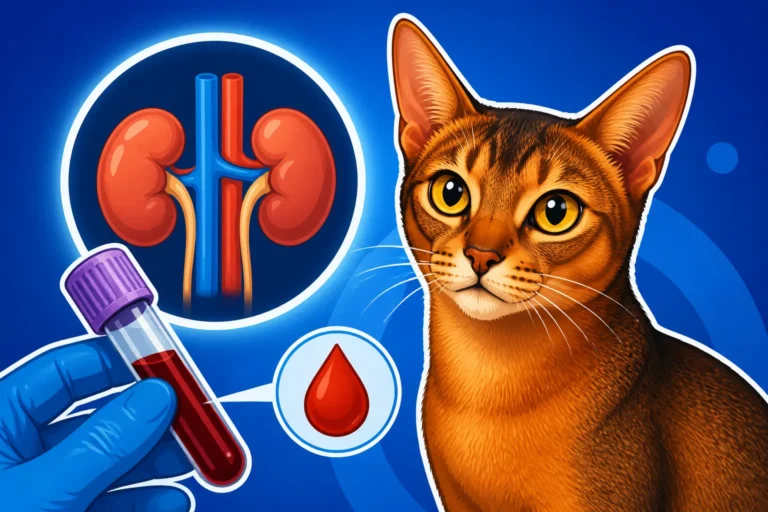
Pyruvate Kinase Deficiency (PKD) is probably the best-known genetic test for the Abyssinian breed, and for good reason. It's an inherited condition that can lead to intermittent anemia in affected cats. The good news is that there's a reliable DNA test for it. When you submit a sample, the lab is specifically looking for the PKLR mutation that reaches an Abyssinian—a tiny error in their genetic code that affects the red blood cells. Knowing your cat's status helps you understand if they are clear, a carrier, or affected, which is vital for their care and for any breeding decisions.
Understanding this test is often the first step in ensuring a long and healthy life for your Aby. Many reputable breeders insist on testing their entire breeding stock to avoid passing this gene down. If you're wondering What PK Deficiency Does to an Abyssinian's Red Cells, it essentially makes them fragile and prone to premature destruction, leading to anemia. While a carrier Abyssinian might be completely healthy, knowing their status helps prevent unknowingly breeding two carriers together, which could produce affected kittens.
Identifying Progressive Retinal Atrophy (PRA-rdAc)
Another critical genetic screening for Abyssinians is for Progressive Retinal Atrophy (PRA), specifically the rdAc variant. This is a cruel, inherited eye condition that causes the retina to degenerate over time, ultimately leading to blindness. It's incredibly heartbreaking to watch an active, vibrant cat slowly lose their sight, and unfortunately, PRA-rdAc takes an Abyssinian's sight by five in affected individuals. Thankfully, just like PKD, a DNA test is available to identify cats that are clear, carriers, or affected by this condition.
This test looks for a specific mutation in the CEP290 gene. Getting a clear result, or understanding that your cat is a carrier, is paramount for a breeder. The goal is always to produce healthy kittens that will never suffer from this debilitating disease. Even if your Abyssinian is a pet, knowing their status can help you prepare for potential vision changes and adapt their environment if needed. For more details on this, you might explore How the CEP290 Test Clears an Abyssinian.
Other Genetic Screens and Why They Matter
While PKD and PRA-rdAc are the heavy hitters, some breeders and owners opt for additional genetic screenings. One common one is for the long-hair gene, which, if present in two parents, can result in a Somali (long-haired Abyssinian) kitten appearing in an otherwise Abyssinian litter. For those focused purely on the Abyssinian standard, identifying carriers of the long-hair gene is useful.
It's also worth noting that while these two specific tests are invaluable, not all Abyssinian health concerns have a direct genetic test. For example, Renal Amyloidosis is the Abyssinian problem nobody can test for genetically, emphasizing that while DNA tests are powerful, they don't cover every single health risk. A comprehensive approach involves not just DNA testing but also careful observation and regular vet check-ups. Which two DNA tests an Abyssinian must have are almost universally considered to be PK Deficiency and PRA-rdAc.
Expected Turnaround Times for Abyssinian Genetic Test Results
Once you've carefully collected that cheek swab from your energetic Abyssinian, sealed it up, and sent it off, the wait begins. It's a period filled with anticipation, but understanding the typical timelines can help manage expectations.
The Laboratory Process and Standard Timelines
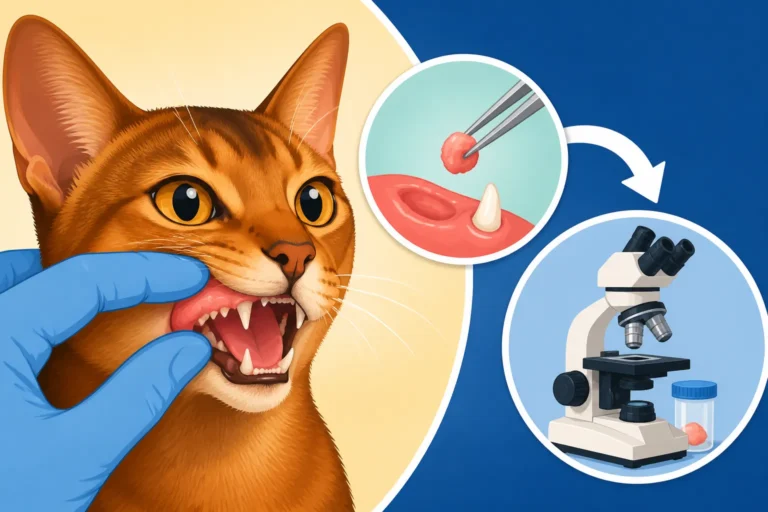
When your sample arrives at a reputable genetic testing lab, it goes through a series of meticulous steps. First, it's logged in, then the DNA is extracted from the cells on the swab. This extracted DNA is then amplified using a process called PCR (Polymerase Chain Reaction), which creates millions of copies of the specific gene regions being tested. Finally, these amplified DNA segments are analyzed for the presence of known mutations. This entire process takes time and precision.
Generally, for a standard genetic panel for an Abyssinian, you can expect results to come back within 2 to 4 weeks from the moment the laboratory receives your sample. This timeline usually applies to panels that include both PK Deficiency and PRA-rdAc. Some labs might be a bit faster, perhaps closer to 10-14 business days, while others might lean towards the longer end if they have a higher volume of samples. Always check with the specific laboratory you're using for their current estimated turnaround times, as these can fluctuate.
Reputable Labs and Their Specific Timeframes
Several laboratories specialize in feline genetic testing, and each might have slightly different average processing times. Popular labs include Orivet, Neogen GeneSeek, and some university-affiliated labs. For instance, a common genetic panel through Orivet, which tests for various conditions including PK Deficiency and PRA-rdAc, typically quotes a turnaround time of 10-15 business days once the sample is received. Neogen GeneSeek, another well-respected lab, often falls within a similar window, sometimes stating 2-3 weeks.
It's crucial to remember that these quoted times are almost always in "business days," meaning they don't count weekends or public holidays. So, if a lab says 15 business days, that could easily translate to three full weeks, or even longer if there's a holiday thrown into the mix. This is a common point of frustration for owners, as a "two-week wait" can often stretch into three or four calendar weeks.
Understanding the Impact of Specific Tests
The complexity of the test itself can also play a minor role, though for standard panels like those for PK Deficiency and PRA, the process is quite streamlined now. Breeders often order How an Abyssinian's DNA panel is ordered as a single package, which means the lab processes multiple tests concurrently from one sample. This efficiency helps keep the overall turnaround relatively consistent across different genetic conditions within the panel. The beauty of Why an Abyssinian cheek swab is enough is that a single, non-invasive sample can yield a wealth of genetic information, making the collection process easy, even if the wait for results feels long.
Factors That Can Lengthen Your Wait for Results
While laboratories strive for efficiency, several real-world factors can extend the time it takes for your Abyssinian's genetic test results to come back. It’s important to understand these potential snags to manage your expectations and avoid unnecessary worry.
Shipping and Transit Delays
The journey of your Abyssinian's cheek swab from your home to the testing laboratory is the first potential bottleneck. Standard mail services, while usually reliable, can experience unexpected delays due to weather, holiday volumes, or unforeseen logistical issues. If you're sending samples internationally, customs processing can add significant time to the transit, sometimes days or even a week, before the sample even reaches the lab's receiving department.
Even within the same country, mailing a sample from a remote location compared to a major city could see a difference of a few days. Always ensure you're using a reliable shipping method, and if tracking is available, use it to confirm the sample's arrival at the lab. The clock on the lab's stated turnaround time usually only starts after they have physically received and logged your sample, not from when you drop it in the mail.
Lab Workload and Seasonal Fluctuations
Genetic testing laboratories, just like any other business, experience fluctuations in their workload. Peak breeding seasons, around spring and fall, often see a surge in submitted samples from breeders across the country. This increased volume can sometimes lead to temporary backlogs and slightly longer processing times. Likewise, major holidays can impact staffing and operational hours, causing delays.
It's not uncommon for a lab that usually delivers results in two weeks to stretch to three or four during these busy periods. While they do their best to maintain efficiency, the sheer volume can be overwhelming. This is a common frustration for breeders who need results back quickly to plan breedings or finalize sales, sometimes needing results to verify What an Abyssinian breeder should have tested before you buy. A quick check of a lab's website or a direct call can sometimes give you insight into their current expected processing times if you suspect a delay.
The Dreaded "Insufficient Sample"
One of the most disheartening delays occurs when the lab informs you that the sample you provided was insufficient or of poor quality. This could mean there wasn't enough cellular material on the cheek swab, the swab became contaminated, or it wasn't packaged correctly, leading to degradation. If this happens, you'll need to collect a new sample and send it in, essentially restarting the entire process. This doubles your waiting time and can be incredibly frustrating.
To minimize this risk, always follow the lab's instructions for sample collection meticulously. Ensure your Abyssinian hasn't eaten for at least an hour before swabbing, as food particles can contaminate the sample. Swab firmly against the inside of their cheek and gums for the recommended duration. Taking two separate swabs is often a good preventative measure, allowing the lab to use the second if the first isn't viable.
Expedited Services and Lab Choice
While standard turnaround times are what most people encounter, some larger labs offer expedited services for an additional fee. This can cut down the processing time significantly, sometimes to less than a week. For breeders facing tight deadlines, this can be a worthwhile investment. However, these services come at a premium cost.
The choice of lab itself can also influence your wait. Some smaller labs might have a more personalized service but potentially longer processing times if they send samples to external facilities for certain analyses. Researching different labs and reading reviews can provide insights into their reliability and typical turnaround times. Considering the long-term health implications, and even the financial aspects, it's good to understand What an Abyssinian DNA panel costs and factor in potential shipping or expedited fees.
Receiving and Interpreting Your Abyssinian's Test Results
The moment that email or notification finally arrives, confirming your Abyssinian's genetic test results are ready, is always a mix of relief and anxiety. But what do these results actually mean, and how should you use this information?
How Results Are Typically Delivered
Most modern genetic testing laboratories deliver results electronically. This usually means an email notification directing you to a secure online portal where you can view, download, and print your cat's official certificate. Some labs may also offer the option to mail a physical copy, but digital access is almost universal for speed and convenience. It's crucial to ensure your contact information, especially your email, is accurate when you submit your sample to avoid missing these important notifications.
Once you log in, you'll typically find a clear report for each test conducted. For a quick reference, here's what you might commonly see for the key Abyssinian genetic tests:
| Genetic Test | Possible Result Categories | Implications | Typical Turnaround (Business Days) | Potential for Delay |
|---|---|---|---|---|
| Pyruvate Kinase Deficiency | N/N (Clear) | Cat does not carry the mutation. | 10-15 | Moderate |
| (PKD) | N/K (Carrier) | Cat carries one copy of the mutation; usually healthy but can pass it on. | ||
| K/K (Affected) | Cat has two copies of the mutation; at risk for anemia. | |||
| Progressive Retinal Atrophy | N/N (Clear) | Cat does not carry the mutation. | 10-15 | Moderate |
| (PRA-rdAc) | N/P (Carrier) | Cat carries one copy of the mutation; usually healthy but can pass it on. | ||
| P/P (Affected) | Cat has two copies of the mutation; at risk for vision loss/blindness. | |||
| Long-Hair Gene (L/L locus) | N/N (Short Hair) | Cat has two copies of the short hair gene. | 10-15 | Low |
| N/L (Short Hair Carrier) | Cat has one copy of the long hair gene; will produce short-haired kittens. | |||
| L/L (Long Hair) | Cat has two copies of the long hair gene; will have long hair (Somali phenotype). |
This table provides a generalized overview, and individual lab reports will offer more specific details. Learning How to read an Abyssinian's normal test result will set you up for success.
Understanding "Clear," "Carrier," and "Affected" Status
The core of genetic test results revolves around three statuses:
- Clear (N/N): This means your Abyssinian does not carry the specific genetic mutation being tested for. For conditions like PKD and PRA, this is the ideal result, indicating the cat is not at risk for developing the disease due to this mutation and cannot pass it on to offspring.
- Carrier (N/K for PKD, N/P for PRA): A carrier cat has one copy of the gene mutation but generally does not show symptoms of the disease. They are healthy themselves, but if bred with another carrier, some of their offspring could inherit two copies of the mutation and become affected. This is why Why an Abyssinian marked as a carrier is still fine from a health perspective, but requires careful breeding consideration. How a carrier Abyssinian differs from an affected one is a crucial distinction for both health and breeding strategy.
- Affected (K/K for PKD, P/P for PRA): An affected cat has two copies of the gene mutation and is therefore at risk of developing or already experiencing the symptoms of the disease. For breeders, mating two carriers is the most common way to produce affected kittens.
These results are absolutely crucial for breeders practicing ethical breeding. They must ensure that they are not breeding two carriers together, which significantly increases the risk of producing affected kittens. This is a critical aspect of What an Abyssinian breeder should have tested before you buy.
Utilizing Results for Breeding, Health, and Peace of Mind
Beyond breeding decisions, these test results offer significant peace of mind and help guide your Abyssinian's long-term care. Knowing your pet's genetic predispositions allows you to work proactively with your veterinarian. For instance, if your cat is an affected carrier of PKD, your vet might recommend more frequent blood work to monitor for anemia. If they're affected with PRA-rdAc, you can start making environmental adjustments early to help them navigate vision loss safely.
For breeders, publishing and verifying these results publicly (often through registries or online databases) builds trust and transparency within the Abyssinian community. It also helps prospective kitten buyers make informed decisions. Furthermore, understanding these genetic risks might influence your choices regarding pet insurance, such as plans offered by companies like Healthy Paws, which can help cover unexpected veterinary costs. Even though Why an Abyssinian guarantee usually excludes amyloidosis, comprehensive insurance can be a lifesaver for other unforeseen health issues, including those that might arise from genetic predispositions not covered by initial breeding guarantees. The more information you have, the better equipped you are to provide the best possible life for your active, intelligent Abyssinian.
Disclaimer
Please remember that this guide provides general information and should not replace professional veterinary advice. Always consult with your veterinarian for any health concerns or before making decisions about your Abyssinian's care. Genetic testing is a valuable tool, but it is just one part of a comprehensive health plan for your pet.