Why Abyssinian Breeders Track Kidney Deaths by Line
It’s a heartbreaking reality for Abyssinian lovers: the sudden, often silent, onset of kidney disease, sometimes even in relatively young cats. The profound frustration comes from knowing that, unlike some other genetic conditions, there isn't a simple DNA test to definitively predict or prevent this particular issue. This guide will delve into why dedicated Abyssinian breeders meticulously track kidney deaths by lineage, offering a crucial, albeit complex, strategy to safeguard the future of this magnificent breed.
The Frustrating Reality of Renal Amyloidosis in Abyssinians
Few things are as devastating as watching a beloved Abyssinian decline due to kidney failure, especially when it strikes unexpectedly early in their life. While kidney disease is a common ailment for senior cats of all breeds, Abyssinians face a unique and particularly insidious challenge: renal amyloidosis. This condition isn't merely "old age" kidney issues; it's a specific, inherited disorder that can cut short a vibrant cat's life with little warning. Owners and breeders alike grapple with the fear and uncertainty surrounding this disease, wishing for a clear-cut solution that simply doesn't exist yet.
What Makes Abyssinian Kidneys So Vulnerable
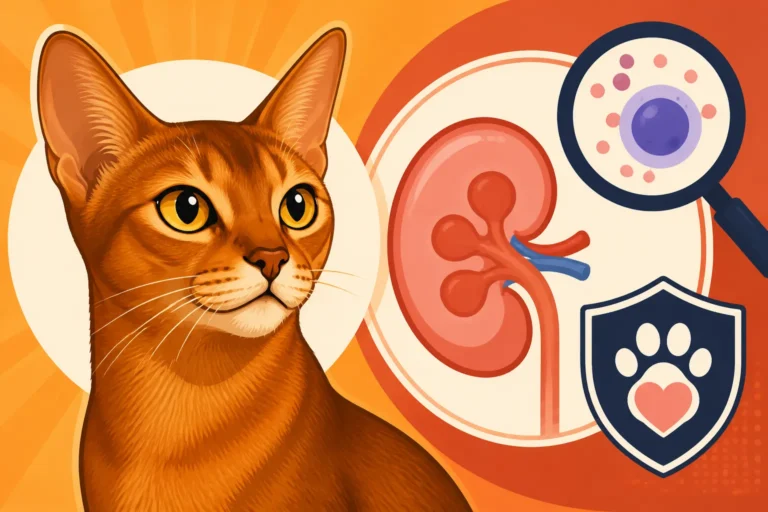
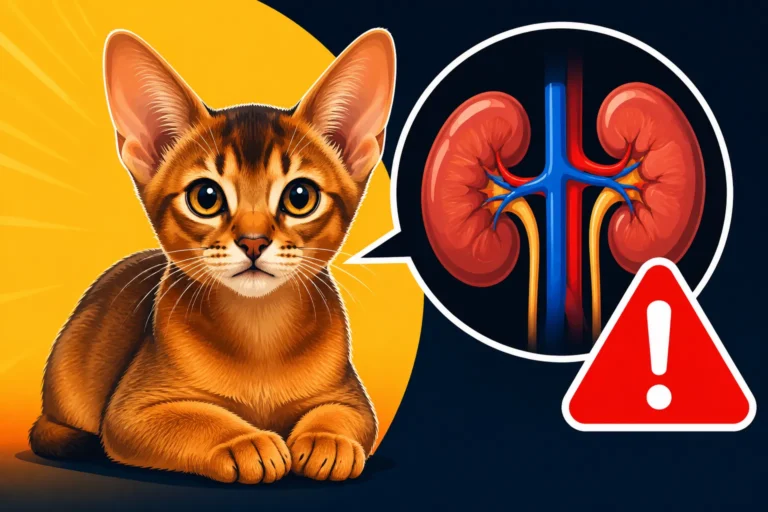
Renal amyloidosis is characterized by the abnormal deposition of amyloid protein in the kidneys. This isn't just any protein; it’s a specific type, often a serum amyloid A (SAA) protein, that misfolds and accumulates. Imagine tiny, sticky, insoluble clumps slowly building up within the delicate structures of the kidneys, particularly in the glomeruli – the filtering units. Over time, these deposits choke off the kidneys' ability to function, leading to progressive and irreversible damage.
The accumulation of this amyloid gradually impairs the kidneys' critical role in filtering waste products from the blood and maintaining fluid balance. As more and more of these delicate structures become compromised, the kidneys simply cannot keep up with their essential tasks. This slow but relentless process means that by the time overt clinical signs of kidney failure appear, a significant portion of the kidney tissue is already irrevocably damaged, leaving limited options for treatment.
It’s a cruel irony that such an active, vivacious breed like the Abyssinian can harbor such a silent, destructive process within. The initial stages are often asymptomatic, meaning your cat can appear perfectly healthy, playing and climbing with their usual enthusiasm, while their kidneys are steadily being compromised. This silent progression is precisely why the disease can feel so sudden and shocking when symptoms finally become apparent. You might notice subtle changes, like increased thirst, but often by then, the disease has a firm hold.
The Genetic Conundrum: Why No Easy Test Exists
If amyloidosis is inherited, why can't we just get a DNA test, right? This is the central question that plagues breeders and owners, and the answer lies in the complex nature of the genetic inheritance. Unlike some conditions caused by a single, identifiable gene mutation – like Pyruvate Kinase Deficiency or PRA-rdAc, for which there are reliable DNA tests – renal amyloidosis in Abyssinians is believed to be polygenic. This means it’s influenced by multiple genes acting together, possibly in combination with environmental factors.
Because there isn't one "amyloidosis gene" to pinpoint, scientists haven't been able to develop a simple genetic test like a cheek swab. This absence of a clear genetic marker is the reason Why No Gene Test Exists for Abyssinian Amyloidosis, leaving breeders without the easy "clear, carrier, or affected" status updates they get for other genetic diseases. The complexity makes it incredibly challenging to predict which individual cats will develop the disease, even if their lineage shows a predisposition.
The lack of a direct genetic test means breeders cannot simply screen out affected or carrier animals with a quick lab panel. They are left relying on less direct methods, piecing together a puzzle using historical data and observing patterns over generations. This highlights the immense burden on responsible breeders who genuinely want to eliminate or reduce the incidence of this devastating condition, forcing them to adopt rigorous and long-term tracking methods instead.
The Critical Role of Pedigree Tracking
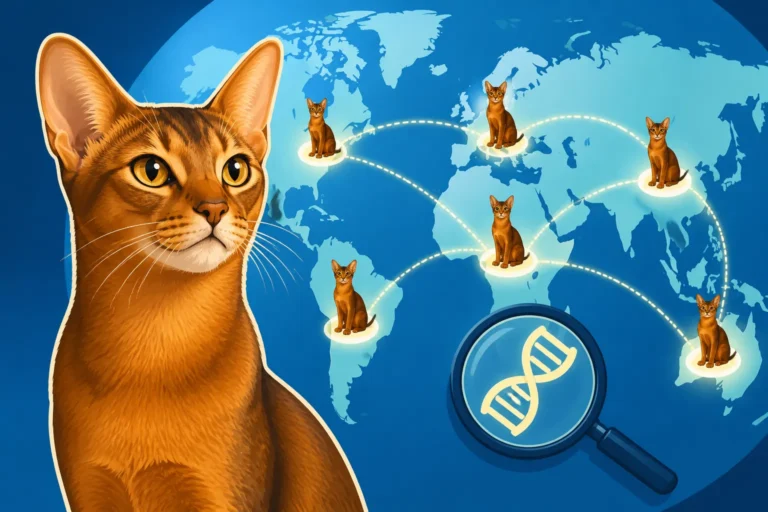
Given the impossibility of a simple DNA test, Abyssinian breeders are compelled to use the next best thing: meticulous historical record-keeping. They aren't just looking at the immediate parents; they're delving deep into the ancestry, often going back many generations, to identify patterns of renal amyloidosis. This isn't just a hobby; it’s a vital, ongoing commitment to understanding and mitigating a significant health threat to the breed. This dedication demonstrates Why Abyssinian Lines Are Judged on Family History Instead.
Building a Comprehensive Family Tree of Health
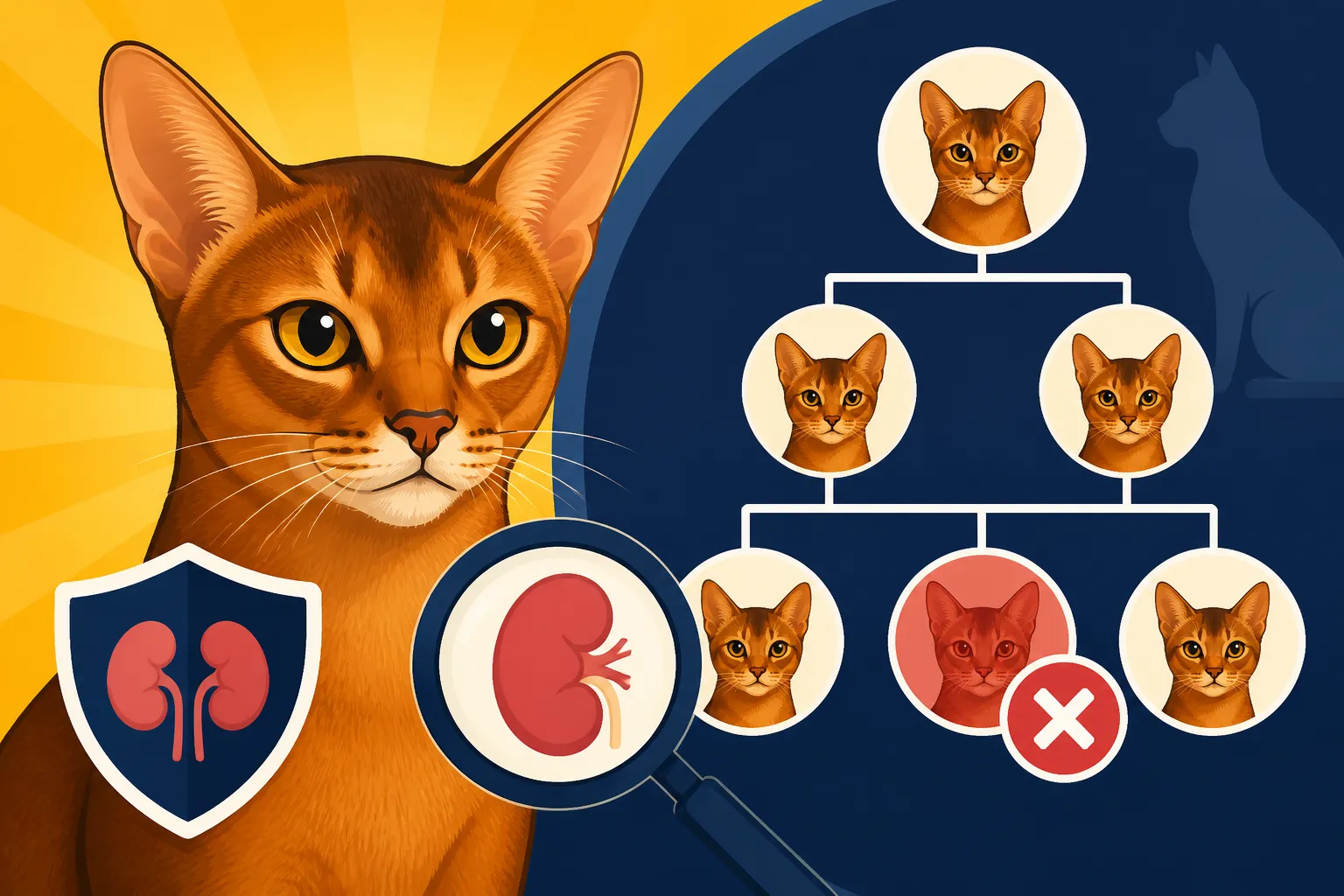
Imagine a massive family tree, not just listing names, but health outcomes, specifically focusing on kidney health and lifespan. This is what dedicated Abyssinian breeders strive to create. They document every known case of kidney disease, the age of onset, and, crucially, the cause of death for as many cats in a lineage as possible. This information isn't always easy to obtain, often requiring open communication with previous buyers, other breeders, and veterinary clinics.
This means asking uncomfortable questions: "Did your cat develop kidney issues?" "At what age?" "What was the final diagnosis?" It's a testament to their dedication that breeders often follow up on their kittens for years, sometimes decades, after they leave the cattery. They understand that every piece of information, even anecdotal, contributes to a larger dataset that might reveal critical patterns. This diligent record-keeping, often spanning generations of cats and their owners, forms the backbone of their breeding decisions.
These records extend beyond just official veterinary diagnoses. Breeders pay close attention to signs like unexplained weight loss, increased thirst, or a decline in energy – all potential indicators of underlying health issues. While not definitive, these observations, when correlated across multiple individuals in a line, can suggest a predisposition. It's a painstaking process, but it's the only way to gain insights into a disease that defies easy scientific detection in living cats.
Identifying Patterns and Risks Across Generations
Once this extensive health data is compiled, breeders analyze it to identify common threads and potential risk factors. If multiple cats from a particular dam or sire, or a recurring grandparent, developed renal amyloidosis, it raises a significant red flag. They're looking for clusters of cases, ages of onset, and relationships between affected individuals, trying to understand What an Abyssinian's Grandparents Reveal About Its Kidneys.
For example, a breeder might notice that cats descending from a specific grand-sire consistently developed kidney disease in their middle years (e.g., between 5 and 9 years old), even if the grand-sire himself lived to a ripe old age with no obvious kidney issues. This pattern suggests a genetic predisposition being passed down, even if the grand-sire was merely a carrier or had a mild, subclinical form of the disease. This is where the long-term observation and tracking become absolutely indispensable.
This kind of lineage analysis helps breeders make informed decisions about which cats to include in their breeding programs and which pairings to avoid. If a particular line shows a concerning number of kidney deaths, even if the immediate parents are currently healthy, a responsible breeder might choose to outcross, bring in new bloodlines, or even retire certain cats from breeding altogether. It's a proactive, albeit imperfect, method to reduce the chances of passing on a devastating genetic predisposition.
How This Tracking Benefits Future Generations
While the challenge of renal amyloidosis remains significant, the diligent efforts of Abyssinian breeders tracking kidney deaths by line directly benefit the health and longevity of future generations. This isn't just about preventing disease; it's about fostering a healthier, more robust breed overall. Their commitment ensures that kitten buyers receive not just a beautiful pet, but one backed by generations of careful health management.
Making Informed Breeding Decisions
The primary benefit of meticulous lineage tracking is the ability it gives breeders to make more informed and responsible breeding decisions. When a breeder has a clear, albeit complex, picture of the health history of multiple generations, they can assess risk much more accurately. They can avoid pairings where both sides of the pedigree show a history of renal amyloidosis, thereby significantly reducing the likelihood of producing affected offspring.
This often means difficult choices. A breeder might have a stunning cat with an otherwise impeccable pedigree, but if that cat's lineage includes a higher-than-average incidence of kidney disease, a responsible breeder may choose not to breed them. It's a decision driven by ethical responsibility rather than immediate gain, prioritizing the health of the breed over show success or personal preference. This proactive approach is a cornerstone of ethical breeding.
Furthermore, this deep understanding of lineage allows breeders to identify "longevity lines"—cats that consistently produce offspring living long, healthy lives, free from early-onset diseases. By carefully incorporating these lines, breeders can strengthen the overall health of the Abyssinian population. It’s a slow, generational process, but one that is essential for the breed's long-term well-being and a better understanding of How Long an Abyssinian Lives After Amyloidosis Shows.
Supporting Buyers with Transparency and History
For prospective kitten buyers, choosing a breeder who actively tracks kidney deaths by line is paramount. Such breeders offer invaluable transparency and a detailed health history that simply isn't available from those who don't prioritize this extensive record-keeping. When you inquire about a kitten, a responsible breeder will openly discuss the known health issues in their lines, including renal amyloidosis, and explain the steps they take to minimize risk. They will likely share information about the parents' and grandparents' health, including their age and cause of death.
This level of transparency empowers buyers to make educated decisions and provides peace of mind. While no breeder can guarantee a kitten will never develop any health issues, especially with a polygenic disease like amyloidosis, a breeder who tracks lineage demonstrates a profound commitment to the health of their cats. They won't just tell you the parents are "healthy"; they'll have the data to back it up, as much as possible, regarding their family's health history. This is also important when considering insurance, as companies like Healthy Paws often have waiting periods or exclusions for pre-existing conditions, so knowing family history helps you plan.
Furthermore, a breeder who tracks lineage will likely emphasize the importance of ongoing veterinary care and regular check-ups, even for young Abyssinians. They may suggest specific early diagnostic tests, such as yearly SDMA blood tests and urine protein-to-creatinine ratio (UPC) checks, to catch any signs of kidney issues as early as possible. This proactive communication fosters a partnership between breeder and owner, working together for the cat’s long-term health and explaining Which Blood Values Catch an Abyssinian's Kidneys Early.
The Limitations and Ongoing Challenges
Despite the incredible dedication of Abyssinian breeders in tracking kidney deaths by line, this method is not without its limitations and ongoing challenges. The nature of renal amyloidosis, combined with the complexities of cat ownership and data collection, means that eliminating the disease entirely is a monumental task that requires continuous vigilance and collaboration.
The Silent Nature of Early Kidney Disease
One of the most significant challenges is the silent, insidious nature of renal amyloidosis itself. As mentioned, the disease often progresses significantly before any outward symptoms appear. Cats are masters at hiding illness, and active, energetic Abyssinians can mask discomfort even more effectively than some other breeds. By the time an owner notices something amiss – perhaps a subtle increase in thirst, a slight decrease in appetite, or a change in litter box habits – the kidney damage is often advanced. This makes it incredibly hard to collect accurate data on the true onset of the disease, as many cats are diagnosed only in later stages.
This silent progression also means that some cats may die of other causes before renal amyloidosis has a chance to manifest, or they may have a subclinical form of the disease that is never diagnosed. This creates gaps in the breeders' data, making it difficult to get a complete picture of a particular line's predisposition. For example, if a cat is hit by a car at age four, a kidney condition that might have developed at age six goes undiscovered, skewing the observed statistics for that lineage.
Owners also play a crucial role in providing accurate feedback to breeders. Unfortunately, not all owners follow up diligently, or they may be hesitant to share difficult news. This makes the breeder's job of maintaining comprehensive records even harder. The ongoing effort to educate owners about the importance of sharing health updates, even years down the line, is essential for improving the accuracy of these lineage tracks.
The Collaborative Effort for a Healthier Future
Successfully combating a complex genetic disease like renal amyloidosis requires more than just individual breeder efforts; it demands a collaborative, breed-wide approach. This means open communication and data sharing among breeders, working alongside geneticists and veterinary researchers. Imagine a centralized, anonymized database where breeders could input their lineage health data, allowing for broader statistical analysis and the identification of trends that might not be apparent within a single cattery.
Organizations like the Cat Fanciers' Association (CFA) or The International Cat Association (TICA) could play a larger role in facilitating such initiatives, encouraging breeders to contribute to shared resources. The ultimate goal is to identify potential genetic markers or environmental factors that influence the disease, moving beyond pedigree tracking towards more definitive diagnostic or preventative tools. This kind of collaborative research is how we continue to learn more about Which Four Diseases the Abyssinian Actually Carries and how to address them.
In the meantime, pet owners can contribute by choosing responsible breeders, providing excellent veterinary care, and being proactive with their cat's health. Pet insurance from providers like Healthy Paws can also be a lifeline, helping to cover the often-significant costs associated with managing chronic conditions like kidney disease. Supporting research efforts and being diligent in providing health updates to breeders can help build a more robust future for the Abyssinian breed, ensuring that the next generation of these playful, devoted companions lives long, healthy lives.
| Factor | Description | Importance for Abyssinian Kidney Health |
|---|---|---|
| Renal Amyloidosis | Inherited condition causing abnormal protein deposits (amyloid) in kidney filtering units. | Critical: Unique to the breed, often early onset, leads to irreversible kidney failure. No direct DNA test. |
| Polygenic Inheritance | Influenced by multiple genes, not a single one. | Challenging: Prevents simple genetic screening tests, forcing reliance on lineage tracking. |
| Pedigree Tracking | Meticulous record-keeping of ancestors' health outcomes, age of onset, and cause of death (especially kidney disease). | Essential: Primary tool for breeders to identify patterns, assess risk, and make informed breeding decisions. |
| Transparency from Breeders | Open sharing of health history, including known disease incidence in lines, with prospective buyers. | Crucial: Empowers buyers to choose reputable breeders and understand potential health risks. |
| Early Detection | Routine vet check-ups, annual bloodwork (SDMA, Creatinine), and urine tests (UPC) starting at a young age. | Important: Helps catch subtle signs of kidney decline before extensive damage occurs, offering more management options. |
| Owner Diligence | Sharing health updates and final diagnoses with breeders, even years after purchase. | Collaborative: Provides vital data for breeders to refine their tracking and improve breed health over time. |
Disclaimer
This article is for general informational purposes only and does not constitute professional advice. Laws, prices and regulations vary by location and change over time. Consult a qualified professional for guidance on your specific situation.