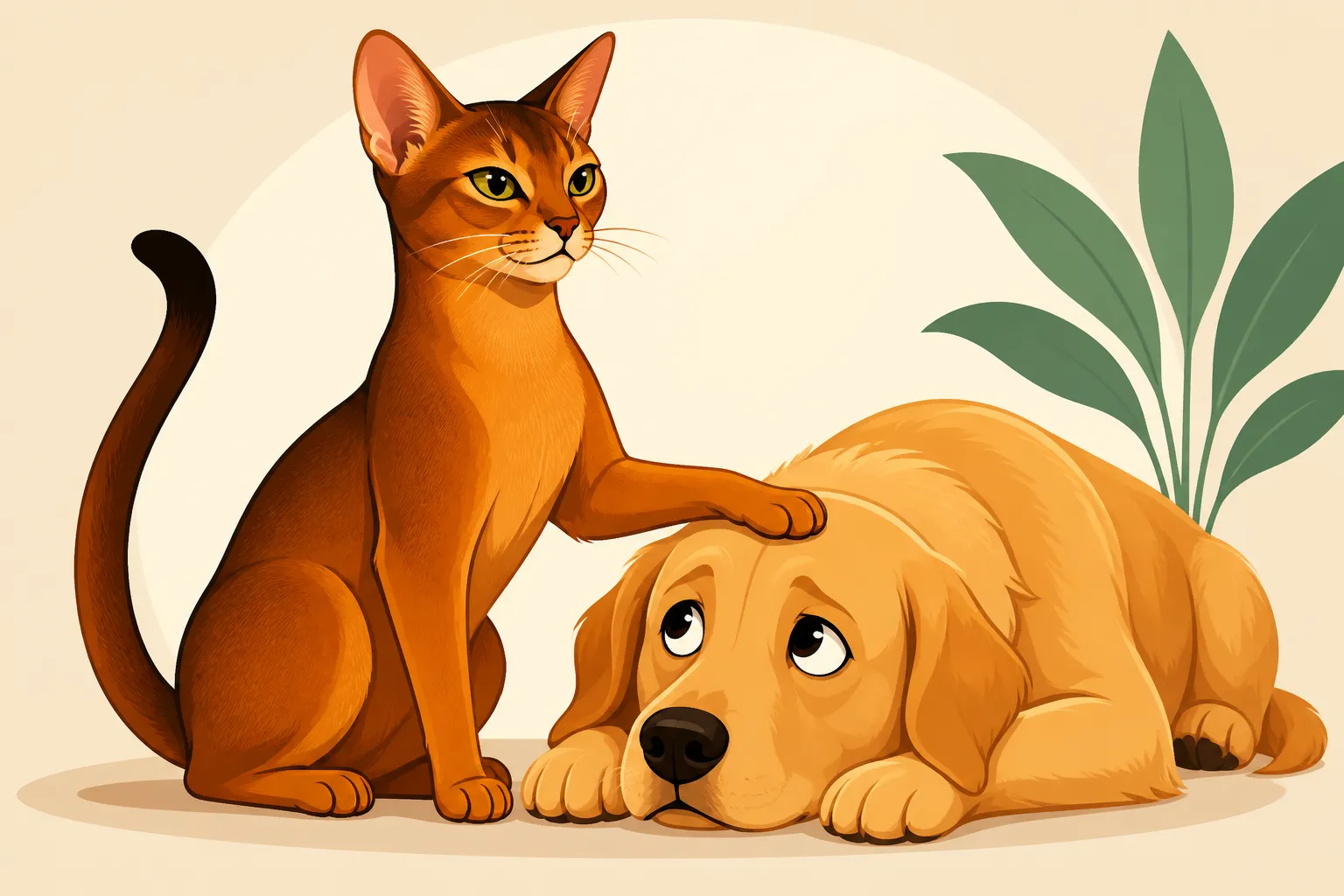
How an Abyssinian Treats a Dog
Bringing a new pet into your home is always an adventure, and if you’re thinking about introducing the incredibly dynamic Abyssinian cat to a household that already has a dog, you’re likely facing a whole unique set of questions. It's not just about two different species coexisting; it's about blending the Abyssinian's fiery, curious spirit with the often equally energetic, but fundamentally different, nature of a dog. You might be picturing chaos, or perhaps a beautiful friendship, but navigating that initial meeting and ensuring long-term harmony can feel like walking a tightrope. This guide is here to help you understand the dynamics, set the stage for success, and manage the relationship so both your Abyssinian and your canine companion can thrive together.
Understanding the Abyssinian's Unique Personality
Abyssinians aren't your typical couch potato cats. They're often described as dog-like in their personalities, which can be both a blessing and a challenge when you're actually introducing them to a dog! Their boundless energy, intelligence, and intense curiosity mean they interact with their environment and its inhabitants in very particular ways.
High Energy and Boundless Curiosity
If you’ve spent any time with an Abyssinian, you know that "mellow" isn't exactly in their vocabulary. These cats are perpetual motion machines, always on the go, exploring every nook and cranny, and rarely sitting still for long. They thrive on activity, whether it's chasing a wand toy, scaling the highest cat tree, or "helping" you with household chores. This high energy level is a huge factor in how they interact with dogs. A bored Abyssinian is a destructive Abyssinian, and that applies to their interactions with other pets too. They crave mental and physical stimulation, and if a dog is willing to engage, an Abyssinian might see them as a fantastic, albeit sometimes oversized, playmate. This can be wonderful if the dog is equally playful and gentle, but it can be overwhelming for a more sedate dog.
Their curiosity is equally intense. An Abyssinian wants to know everything that's happening, everywhere, all the time. They're the original "nosy neighbors" of the feline world. This means they won't shy away from investigating a new dog, often with a bold confidence that can surprise dog owners. They won't necessarily hide under the bed for days; instead, they might stalk, observe, and eventually approach the dog, perhaps with a swat or two to test the waters. This fearless nature means a proper, slow introduction is crucial, as their curiosity can sometimes lead them into situations they're not quite prepared for if the dog isn't handled correctly. You might find them peering around a doorway, then dashing out for a quick assessment of the new creature before retreating to safety. The Abyssinian Is the Busiest Cat in the House touches on their constant activity levels.
Social and Engaged Nature
Despite their independence, Abyssinians are incredibly social creatures who thrive on interaction with their human families. They don't typically enjoy being ignored or left alone for long periods. They form strong bonds and often "talk" to their owners with a range of chirps and trills, demanding attention and participation in whatever activity is at hand. This social drive extends to other animals in the household, given the right circumstances. While they might not be lap cats – they often prefer to perch on your shoulder or sit next to you rather than on you, as described in Why an Abyssinian Will Not Sit on Your Lap – they still crave companionship.
This social nature means an Abyssinian is often open to the idea of a dog companion, provided the dog is respectful and doesn't pose a threat. They're more likely to see a dog as a potential playmate or another member of their "pride" rather than purely as a predator, which is a key difference from some more timid cat breeds. However, their social drive also means they'll defend their resources and status within the household hierarchy. They won't tolerate being bullied or having their personal space constantly invaded. A well-adjusted Abyssinian will engage, play, and even nap near a dog they trust, making them excellent candidates for multi-pet households if the dog's temperament is a good match. They are truly companion animals, and they expect their companions, whether human or canine, to be engaged with them.
Understanding the Dog's Temperament
Just as every Abyssinian has its own quirks, so too does every dog. The success of an Abyssinian-dog pairing largely hinges on selecting or preparing the right canine companion. Not all dogs are created equal when it comes to living with cats, especially one as dynamic as an Abyssinian.
Breed Considerations and Drive
Certain dog breeds are naturally more predisposed to get along with cats due to lower prey drive or a more laid-back disposition. Breeds known for their gentleness and tolerance, such as Golden Retrievers, Labradors, or Greyhounds (especially retired racers who are often surprisingly calm indoors), can make excellent companions. Conversely, breeds with a strong prey drive, like many terriers, hounds, or sight hounds, might present a greater challenge. Their instincts can be incredibly difficult to overcome, and even if they don't mean harm, their natural inclination to chase or "herd" can be terrifying and dangerous for a cat, particularly one that moves as quickly as an Abyssinian.
It's not just about breed, though; individual temperament within a breed varies widely. You could have a calm terrier or a high-strung Golden. However, being aware of general breed tendencies helps you understand the baseline you're working with. If you're bringing a dog into an Abyssinian household, research breeds known for their cat-friendliness. If you already have a dog, be honest about its natural instincts. A dog that obsessively chases squirrels, birds, or even small children might struggle immensely with an agile Abyssinian. This isn't to say it's impossible, but it requires far more dedicated training and management.
Individual Personality Traits
Beyond breed, a dog's individual personality is paramount. A calm, well-socialized dog that has previously lived with cats or has shown little interest in chasing smaller animals is an ideal candidate. An older, more settled dog might be less inclined to engage in high-intensity play, which can be a good match for an Abyssinian that still wants company but might not need constant rough-and-tumble interaction. Conversely, a young, rambunctious puppy might be too overwhelming for an Abyssinian, even if it means well. Puppies often haven't learned impulse control and can be relentless in their attempts to play, which can quickly turn into harassment from the cat's perspective.
Consider the dog's previous experiences and how it reacts to novelty. Is it generally anxious or confident? An anxious dog might see a quick-moving Abyssinian as a threat, reacting defensively, while an overly confident or poorly trained dog might assert dominance aggressively. The best dog for an Abyssinian is one that is generally relaxed, has good impulse control, and is either indifferent to cats or gently curious. A dog that is patient, willing to ignore the cat, and responds well to commands is far more likely to integrate successfully. A dog that has a history of aggression towards small animals or other dogs is not a good candidate.
The Art of Introduction: Steps for Success
Introducing an Abyssinian to a dog isn't something you rush. It's a gradual process that requires patience, controlled environments, and a keen eye for both animals' body language. Skipping steps or forcing interaction can set back progress significantly and create lasting fear or aggression.
Pre-Introduction Preparations
Before your Abyssinian and dog ever lay eyes on each other, you need to set up the environment for success. This means creating separate, secure territories for each animal. Your Abyssinian absolutely needs vertical space and escape routes that the dog cannot access. Think cat trees, wall shelves, and even baby gates to block off entire rooms that are solely for the cat. A great sturdy cat tree is a must, and if you’re looking, Amazon offers a wide array that can withstand an energetic Abyssinian’s leaps and bounds. An Abyssinian Needs Height More Than It Needs Floor explains why this is so critical. Ensure your cat has food, water, and a litter box in their safe zone, inaccessible to the dog.
For the dog, ensure they have their own safe space, like a crate or a designated bed in a quiet area, where they can retreat. Stock up on high-value treats to reward calm behavior. It’s also wise to trim your Abyssinian’s claws before introductions begin, just in case a swat becomes necessary – it lessens the risk of injury to the dog, which in turn might reduce reactive aggression from the dog. Think about installing some baby gates in doorways, creating a physical barrier but allowing scent and sound to pass through. This initial separation is crucial for both animals to adjust to the new scents and sounds without the stress of direct visual contact.
Scent Swapping and Gradual Exposure
The very first step in introducing a dog and an Abyssinian is purely olfactory. Animals communicate a great deal through scent. Start by swapping bedding or toys between the two pets. Take a blanket the Abyssinian has been sleeping on and place it in the dog's area, and vice versa. Observe their reactions: does the dog sniff curiously, or does it try to destroy the cat's bedding? Does the cat react with fear or just a casual sniff? This helps them get used to each other's presence without the visual stimulus.
Next, you can try "sight without contact" sessions. This often involves a sturdy pet gate or a kennel where one animal is securely contained while the other is allowed to approach and observe. For example, put the dog on a leash and have them calmly sit or lie down on one side of a closed-door or gate, while the Abyssinian is on the other. Allow them to sniff under the door. Then, with the dog on a leash and under strict control, allow the Abyssinian to explore the area where the dog has been, picking up residual scents. Gradually, you can introduce very brief, highly controlled visual access through a glass door or pet gate. Keep these sessions short, positive, and always end them before either animal shows signs of stress. Use treats generously for calm behavior from both sides.
Supervised Visual Introduction
Once both pets are tolerating each other's scents and brief, indirect visual encounters without excessive stress, you can move to supervised visual introductions in the same room. This is where patience truly comes into play. Keep the dog on a leash, or ideally, have them secured in a crate, allowing the Abyssinian to freely explore the room and approach the dog on its own terms. Never force the cat to approach the dog. The Abyssinian needs to feel safe and in control. Ensure your cat has easy access to their escape routes – those tall cat trees or hidden shelves are invaluable here.
During these sessions, the focus should be on calmness from the dog. Reward the dog profusely with treats for ignoring the cat or for showing gentle curiosity. If the dog lunges, barks excessively, or shows any signs of aggression, the session ends immediately. For the Abyssinian, look for signs of curiosity, relaxed body language, or even playful swatting. If the cat is hissing, growling, or bolting, they're not ready. Keep these sessions very short at first – just a few minutes – and gradually increase the duration as both animals show comfort. Think about distractions for the dog, like a long-lasting chew toy from Amazon, to keep their focus off the cat initially. The goal is for them to simply exist in the same space without conflict, slowly building positive associations. How to Settle an Abyssinian in a New Home offers good advice on creating a secure environment.
Short, Controlled Interactions
After successful visual introductions, you can start allowing very short, controlled interactions where the dog is on a loose leash (or still in their crate, allowing the Abyssinian to approach). This might involve the cat briefly approaching the dog, sniffing, or even a tentative head boop from the Abyssinian. Again, positive reinforcement is key. Praise and reward both animals for calm, appropriate behavior. If the dog is still too excited, jumping, or trying to chase, they need more work on leash manners and impulse control before moving forward.
Never leave them unsupervised until you are absolutely certain that both animals are not only tolerating each other but are comfortable and safe. This can take weeks, months, or even longer, depending on the personalities involved. Remember, Abyssinians are smart and will test boundaries; they need to know the dog is not a threat. Your primary goal is not instant friendship, but mutual respect and safety.
Managing the Relationship: Daily Life and Challenges
Once the initial introductions are over and your Abyssinian and dog are coexisting, the work isn't done. You'll need to actively manage their daily interactions to foster a harmonious relationship and address potential challenges.
Establishing Play Styles and Boundaries
Abyssinians love to play, and their play style can be intense, involving chasing, pouncing, and swatting. If your dog is also playful, this can be a wonderful match. However, it's crucial that the dog understands the cat's boundaries and doesn't get too rough. A dog's idea of play can quickly overwhelm a cat, even an energetic Abyssinian. Supervise all play sessions, especially initially. Interrupt any play that becomes too one-sided or aggressive. Ensure the Abyssinian always has an easy escape route to their An Abyssinian Needs Height More Than It Needs Floor and can "tap out" when they've had enough.
Teach your dog "leave it" and "gentle" commands, and reinforce them constantly. Provide plenty of appropriate toys for both animals so they don't feel the need to compete for attention or objects. Sometimes, an Abyssinian might initiate play with a dog by batting at its tail or ears; if the dog reacts calmly, it can lead to a fun interaction. If the dog reacts aggressively, you need to intervene immediately. It’s also important to ensure that the dog isn't constantly chasing the cat, as this can turn into bullying rather than play. A laser pointer can be a great way to engage your Abyssinian in play that doesn't directly involve the dog, giving both animals some separate exercise. How Much Play an Abyssinian Needs Each Day emphasizes the importance of consistent play for Abyssinians.
Training and Consistent Boundaries
Consistent training for your dog is non-negotiable in a multi-pet household. Commands like "stay," "leave it," and a solid recall are essential. These commands empower you to intervene and redirect your dog if they're bothering your Abyssinian or getting too excited. A dog that respects your commands is a dog that can safely live with a cat. Rewards-based training is highly effective. Every time your dog ignores the cat or stays calm in its presence, offer a high-value treat and praise.
Establishing clear boundaries for both animals is also important. For example, perhaps the kitchen counter is a cat-only zone, or the dog's bed is off-limits to the cat. These boundaries help reduce tension and provide each animal with a sense of security in their own space. While Abyssinians are notoriously adept at opening doors and cabinets, as detailed in Why an Abyssinian Opens Doors and Cabinets, they still need clear boundaries to maintain household harmony. Consistency from everyone in the household is key; all family members must enforce the same rules to avoid confusing the pets.
Addressing Jealousy and Resource Guarding
Even in the most harmonious households, jealousy or resource guarding can emerge. This often manifests around food, favorite toys, or even attention from you. Feed your Abyssinian and dog in separate locations to prevent any food-related stress. The Abyssinian should ideally eat on a raised surface, safe from the dog's reach. This also reduces the risk of the dog eating the cat's food, which is often too high in calories and protein for a dog, or vice versa.
When giving attention, ensure both pets receive individual quality time. Spend time petting and playing with your Abyssinian without the dog present, and do the same for your dog. This helps prevent either animal from feeling overlooked or needing to compete for your affection. If you notice signs of resource guarding – growling over a toy, hissing when one approaches the other's food bowl – address it immediately with professional guidance if necessary. Redirecting attention and separating resources are usually the first steps. For example, if your dog guards a specific toy, put it away when the cat is around. If the Abyssinian guards a perch, ensure the dog has an equally attractive alternative spot.
When Things Go Wrong: Signs of Stress and Conflict
Even with the best intentions and careful introductions, sometimes things can go awry. It's vital to recognize the signs of stress and escalating conflict in both your Abyssinian and your dog so you can intervene quickly and effectively.
Cat's Cues of Distress
An Abyssinian cat, despite its bold nature, will show clear signs of distress when feeling threatened or stressed by a dog. Look for:
- Hissing, Growling, or Spitting: These are unmistakable warnings. Your Abyssinian is communicating "back off!"
- Flattened Ears and Dilated Pupils: These indicate fear or aggression. The cat is on high alert.
- Arched Back and Piloerection (Hair Standing on End): This makes the cat appear larger and is a defensive posture.
- Tail Held Tightly to Body or Lashing: A tightly tucked tail suggests fear, while a rapidly lashing tail can indicate agitation or an impending attack.
- Hiding or Refusing to Eat/Drink: If your Abyssinian is consistently hiding and avoiding common areas, or suddenly loses interest in food or water, it's a strong sign of chronic stress. This can be particularly concerning given Why a Lean Abyssinian Hides Illness Longer Than a Heavy Cat, as a sudden loss of appetite could mask other problems.
- Overgrooming or Urinating Outside the Litter Box: These are common stress-related behaviors in cats. If your Abyssinian starts grooming excessively to the point of bald patches, or begins eliminating inappropriately, it's a red flag.
- Constant Vigilance: An Abyssinian constantly scanning the room for the dog, unable to relax, is under immense stress.
If you see these signs, you need to reassess the situation and potentially return to earlier stages of the introduction process, increasing separation and control.
Dog's Cues of Stress or Predatory Behavior
Dogs also communicate their discomfort or intentions. Recognizing these signs is crucial for protecting your Abyssinian.
- Fixed Stare or Obsessive Focus: If the dog is constantly staring at the cat, unable to break eye contact, this can be a precursor to a chase or attack, especially if combined with a stiff body posture.
- Stiff Body Language, Raised Hackles: Like cats, dogs can show fear or aggression through their posture. Raised hackles on the back of the neck are a clear warning.
- Low Growling or Snarling: These vocalizations indicate aggression or a strong warning.
- Lunging, Chasing, or Herding: Even if the dog doesn't intend harm, a persistent chase can cause severe stress or injury to the cat. Some dogs have a strong herding instinct that can be misdirected towards cats.
- Whining or Excessive Panting: These can indicate anxiety or over-excitement, both of which can lead to unpredictable behavior around the cat.
- Ignoring Commands: If your dog is usually obedient but suddenly ignores you when the cat is present, their prey drive or excitement is overriding their training, making them a risk.
- Submissive Postures (Crouching, Tail Tucked): While seemingly harmless, an anxious or fearful dog might lash out if they feel cornered or threatened by the cat.
Any of these behaviors warrant immediate intervention. It’s better to be overly cautious than to risk injury to either animal. If your dog exhibits consistent predatory behavior, professional help from a certified behaviorist is highly recommended.
Escalating Conflict and Intervention
If you observe escalating conflict, such as actual physical altercations, prolonged chasing, or one animal preventing the other from accessing resources, immediate and firm intervention is necessary. Never put yourself in the middle of a physical fight; use a blanket, a loud noise, or a spray of water to break them up if necessary.
After any conflict, separate the animals immediately into their safe zones. Re-evaluate your introduction strategy and consider seeking help from a professional animal behaviorist or trainer. Sometimes, despite all efforts, an Abyssinian and a dog simply aren't compatible, and it might be necessary to consider rehoming one of the pets for their safety and well-being. It's a tough decision, but a compassionate one if continuous stress is affecting their quality of life. The goal is always to create a safe and peaceful environment for all your beloved pets. How an Abyssinian and a Dog Work Out Their Ranking discusses the complexities of interspecies dynamics.
Setting Up for Harmony: Environmental Considerations
Creating an environment that supports a peaceful coexistence between an Abyssinian and a dog is just as important as the introduction process itself. Thoughtful planning can mitigate many potential conflicts.
Vertical Territory and Escape Routes
Abyssinians are climbers. They need vertical space to feel secure, observe their surroundings, and escape from anything they perceive as a threat – which often includes an overzeenthusiastic dog. Providing ample cat trees, wall-mounted shelves, and high perches gives your Abyssinian an elevated sanctuary where the dog cannot reach. These spaces aren't just for escape; they are also crucial for your cat's mental well-being and exercise. Your Abyssinian will naturally seek the highest point in any room, so capitalize on this by installing sturdy shelves or tall cat trees.
Think of it this way: if your Abyssinian feels safe, they are less likely to be defensive or aggressive towards the dog. If they know they can easily climb out of reach, they'll be more confident in interacting on the ground level. Ensure these vertical spaces are strategically placed, offering multiple escape routes from various points in the house. A cat tree near a window can also double as an enrichment spot, as detailed in An Abyssinian Needs Height More Than It Needs Floor. Look for durable, multi-level cat trees on Amazon that can withstand an Abyssinian's energetic climbing and jumping.
Safe Zones and Retreat Spaces
Beyond vertical territory, both your Abyssinian and your dog need their own designated safe zones where they can retreat and be completely undisturbed. For the Abyssinian, this might be a room with a baby gate that only the cat can jump over, or a cat bed placed high on a shelf. For the dog, it could be a cozy crate with their favorite blanket, or a specific dog bed in a quiet corner that the cat is trained to respect. These spaces are invaluable for reducing stress and preventing conflicts.
These safe zones should contain all the necessary resources for each animal – food, water, and litter for the cat; water and a comfortable bed for the dog. This ensures that no animal feels pressured to share or compete for essential items. A solid routine around these safe zones, such as feeding times or designated quiet periods, can further enhance their sense of security. If your Abyssinian feels cornered or constantly harassed, they will become stressed, and that stress can manifest in behavioral or even health issues. Giving them autonomy over their own space is paramount. Why an Abyssinian Hates a Closed Door highlights their desire to explore, but they still need a secure retreat.
Resource Management and Feeding Protocols
Managing resources effectively is key to preventing conflict between an Abyssinian and a dog. This includes food, water, toys, and even attention. As mentioned, always feed your Abyssinian and dog separately. Cat food is typically higher in protein and fat than dog food, and dog food lacks essential nutrients like taurine that cats require, so eating each other's meals is not only a source of conflict but also a nutritional problem. A good practice is to feed your Abyssinian on a counter or in a room inaccessible to the dog, while the dog eats in its own designated area.
Water bowls should also be plentiful and placed in various locations. While both can share a water bowl, having multiple options reduces competition. Consider a cat fountain for your Abyssinian, as many cats prefer running water, and it encourages hydration, which is important for their health. When it comes to toys, provide separate enrichment for each animal. While they might occasionally play with the same toys, having distinct sets helps prevent possessiveness. Schedule dedicated play sessions with each animal individually to ensure they both receive your undivided attention. This structured approach to resources helps to minimize potential friction points and ensures both pets feel secure and valued in the home.
Conclusion
Bringing an Abyssinian and a dog together can be one of the most rewarding experiences, watching two different species form a unique bond. Their interaction can be dynamic, full of playful chases, curious sniffs, and even shared naps in sunbeams. However, it's a journey that demands patience, understanding, and proactive management from you, their devoted human. By understanding the Abyssinian's vibrant personality and your dog's specific temperament, meticulously planning their introduction, and consistently managing their shared environment, you're not just hoping for the best – you're actively building the foundation for a peaceful, engaging, and loving multi-pet home. It won't always be perfect, but with effort, your Abyssinian and your canine friend can certainly become the best of pals.
Disclaimer
This article is for general informational purposes only and does not constitute professional advice. Laws, prices and regulations vary by location and change over time. Consult a qualified professional for guidance on your specific situation.