How Much Play an Abyssinian Needs Each Day
If you're living with an Abyssinian, you know that "lounging around" isn't exactly in their vocabulary. These cats are bundles of kinetic energy, always exploring, climbing, and demanding engagement, which can leave even the most dedicated owner feeling a little worn out. Understanding just how much play your Abyssinian truly needs each day is key to a happy, well-adjusted cat and a peaceful home, and that's exactly what we're going to dive into here.
Understanding the Abyssinian's Boundless Energy
It's a common refrain among Abyssinian owners: "My cat never stops!" And honestly, it's not much of an exaggeration. These incredible felines are renowned for their high energy levels, insatiable curiosity, and almost dog-like desire for interaction. They're not content to simply be a decorative presence on your sofa; they want to be involved in everything, and that drive manifests most strongly in their need for play.
Why "Enough Play" Feels Like a Moving Target
For many cat owners, fifteen minutes of chasing a feather wand might seem like plenty. For an Abyssinian, that's barely a warm-up. Their minds are constantly whirring, their bodies primed for action, and their playful antics can sometimes feel relentless. It’s easy to feel like you’re falling short, constantly trying to keep up with a creature whose energy reserves seem limitless. This isn't a reflection of your efforts, but rather the unique, intense personality of the Abyssinian breed. They possess a deep-seated instinct for hunting and exploring, a trait that’s been carefully preserved, making them far more active than many other domesticated cats.
Think of it this way: while some cats are built for comfort, the Abyssinian is built for adventure. Their lean, muscular bodies and sharp minds are wired to seek out stimulation. They don't just want to play; they need to play to truly thrive. Without adequate outlets, that energy doesn't simply disappear; it gets redirected, often in ways that aren't ideal for your furniture or your sanity. So, if you've ever thought your Abyssinian acts like a perpetual motion machine, you're not wrong – and understanding this fundamental aspect of their nature is the first step to meeting their needs.
The Downsides of Insufficient Play for an Abyssinian
When an Abyssinian isn't getting enough mental and physical stimulation, their natural drive doesn't just switch off. Instead, it can manifest in a whole host of less-than-desirable behaviors that are often misinterpreted as naughtiness. This isn't your Abyssinian being "bad"; it's them trying to tell you, in the only way they know how, that their needs aren't being met. They're literally asking for a job to do, and if you don't provide one, they'll create their own.
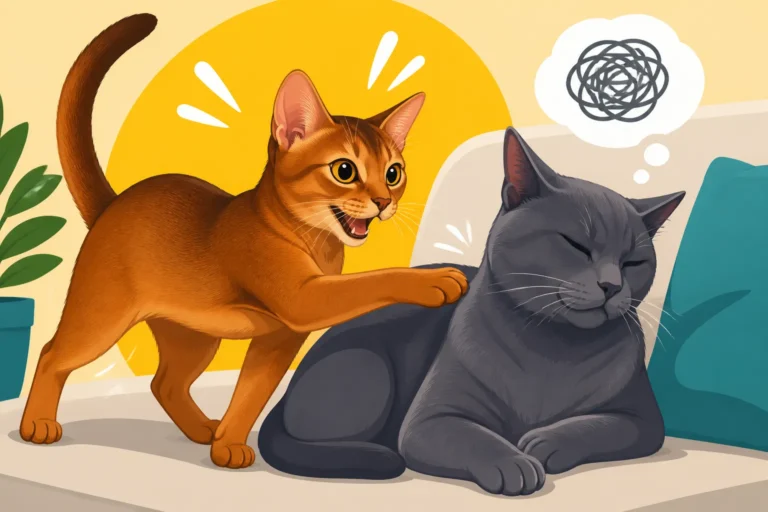
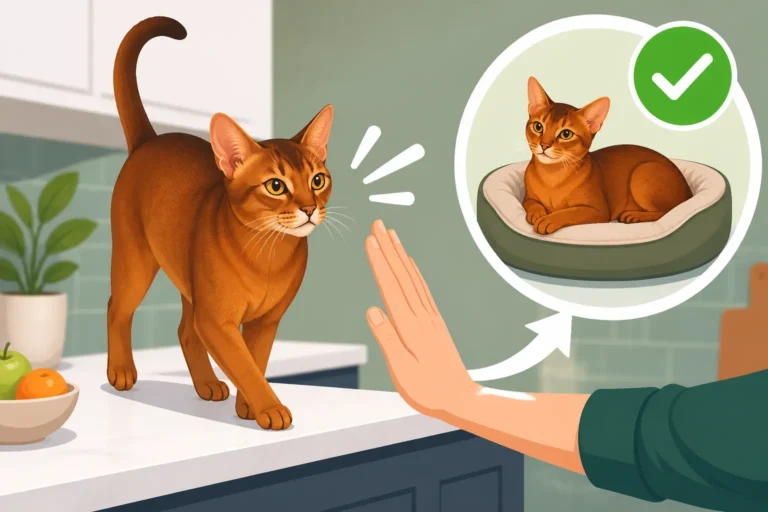
You might find them scaling your curtains, shredding toilet paper, "redecorating" your shelves by knocking items to the floor, or incessantly exploring forbidden countertops. Some Abyssinians may become overly vocal, constantly chirping or meowing for attention, while others might resort to play-biting or swatting. In more extreme cases, a chronically under-stimulated Abyssinian might even start overgrooming, causing bald patches, or develop anxiety-related behaviors. These are all signs of a cat whose incredible intelligence and energy are not being properly channeled. Addressing these issues isn't about punishment; it's about providing the enrichment they so desperately crave.
How Much is "Enough" Play for Your Abyssinian?
Defining "enough" play for an Abyssinian isn't a one-size-fits-all answer, but there are definitely baseline recommendations that will help guide you. It's about quality as much as quantity, and understanding their natural rhythms can make all the difference in structuring their day.
The Baseline: Daily Minimums and Session Lengths
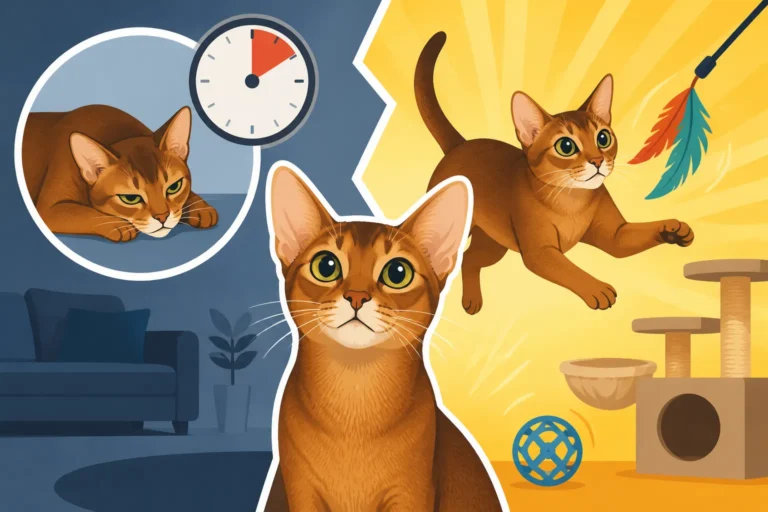
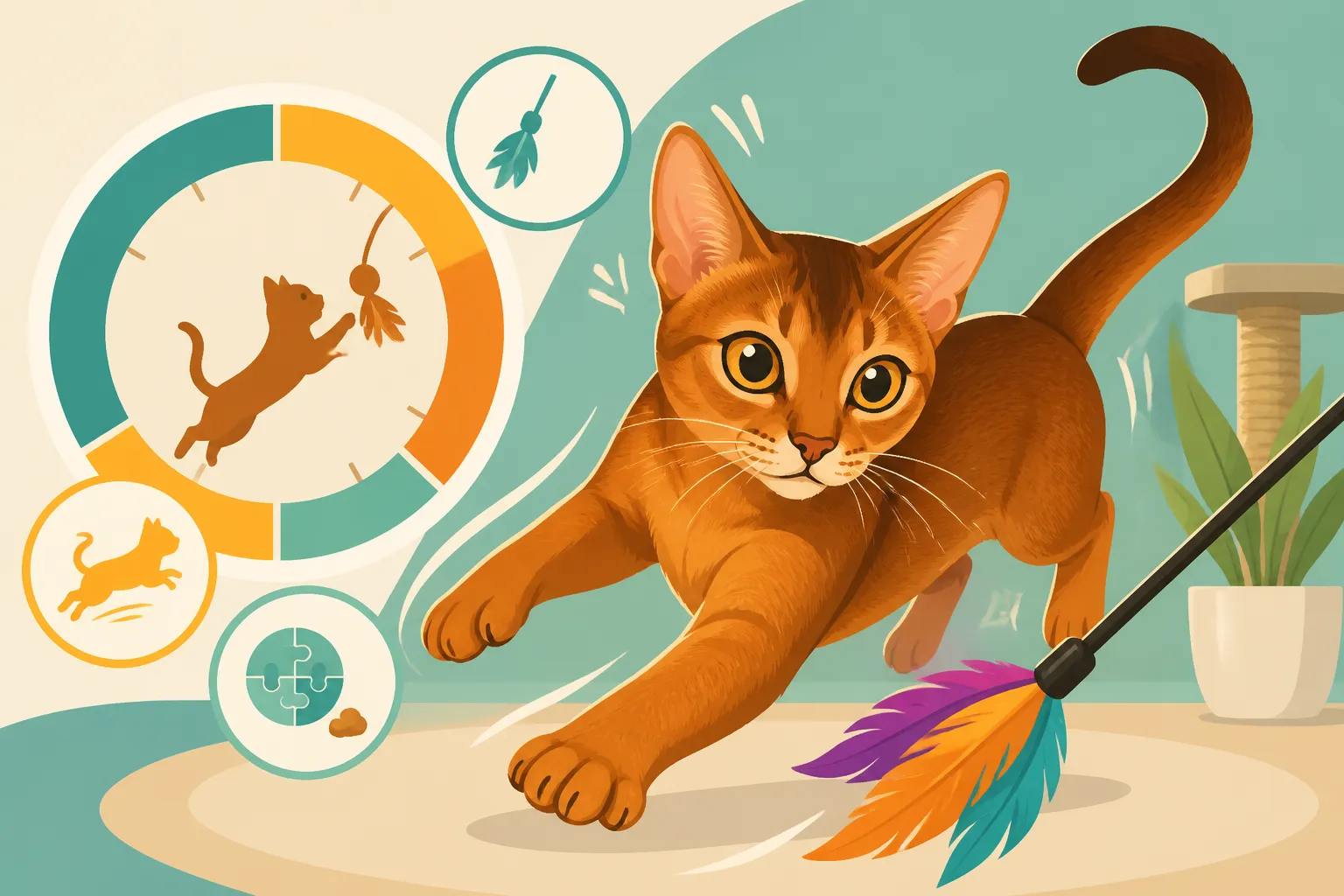
For an adult Abyssinian, you should aim for a minimum of 30 to 60 minutes of dedicated, interactive play per day. However, this isn't a single, continuous block of time. Abyssinians, like all cats, are crepuscular hunters, meaning they're most active at dawn and dusk. Breaking play into shorter, more frequent sessions throughout the day is far more effective and mimics their natural hunting patterns. Aim for at least three to five sessions, each lasting 10-15 minutes. A session could be a vigorous chase with a wand toy in the morning, a puzzle feeder challenge at midday, and another interactive hunt in the evening.
These sessions should be intense and engaging, allowing your Abyssinian to stalk, pounce, and "catch" their prey. Remember, the goal is not just exercise, but mental stimulation. Ending each interactive play session with a successful "kill" (allowing them to capture the toy) is crucial for their satisfaction and builds their confidence. Without this sense of accomplishment, they can become frustrated, which defeats the purpose of the play. Think of these sessions as mini-hunts that fulfill their deepest instincts. To really get the most out of your cat's energy, consider How to Split an Abyssinian's Play Into Sessions for more ideas on structuring their day.
Adjusting Play for Age and Temperament
While the 30-60 minute baseline is a good starting point, it's vital to remember that every Abyssinian is an individual, and their play needs will naturally evolve over their lifetime. A young kitten, for example, is a whirlwind of pure, unadulterated energy. They often seem to be in perpetual motion, learning about their world through play. Why an Abyssinian Kitten Is Relentless is no exaggeration – they'll need almost constant supervision and engagement, often much more than the adult baseline. Short, frequent bursts of play are best for kittens, as their attention spans are shorter, but their need for stimulation is immense. You'll likely find yourself playing with them for many small segments throughout the day, ensuring they're getting both physical exercise and crucial developmental enrichment.
As they mature into adulthood, their play becomes a bit more refined but no less demanding. While they might still have bursts of "zoomies," they'll also appreciate more structured playtime, like complex puzzle feeders or focused sessions with a wand toy. They've learned the ropes, and now they're ready for advanced challenges. On the other end of the spectrum, senior Abyssinians, even those past ten years old, still need play, though it might look different. Their bodies may not be as agile, and they might tire more quickly. For these distinguished elders, gentler, more thoughtful play that focuses on mental engagement – like slower laser pointer games (still ending with a "catch"!), treat-dispensing toys, or even just quiet interaction with a favorite plush toy – is perfect. They still crave connection and stimulation, but their limits should always be respected. You can find excellent ideas for Which Games Suit an Old Abyssinian to keep them spry and engaged in their golden years. Always observe your individual cat; some will remain incredibly active well into their teens, while others might start slowing down a bit earlier. Tailoring your approach ensures they stay happy and healthy, whatever their age.
Strategies to Maximize Play and Enrichment
Meeting an Abyssinian's intense play needs requires a multi-faceted approach. It's not just about whipping out a feather wand; it's about creating an environment that continually stimulates their mind and body. This means a mix of interactive play with you and engaging solo activities.
Interactive Play: The Cornerstone of Abyssinian Happiness
When it comes to Abyssinians, nothing beats interactive play with their favorite human. These cats thrive on connection and the thrill of the hunt, and you are their ultimate hunting buddy. Forget just leaving a ball on the floor; your Abyssinian wants you to be an active participant in their games. Wand toys are absolutely essential here. Look for durable, long wands with various attachments like feathers, crinkly plastic, or soft fabric streamers. They allow you to simulate prey movements – darting, hiding, flying, and pouncing – without putting your fingers at risk. You can find a fantastic selection of durable wand toys on Amazon, often in multi-packs, so you always have a fresh "bird" or "mouse" at the ready.
The key is to make it a realistic hunt. Let them stalk the toy, hide it behind furniture, make it "fly" overhead, and then bring it down to the ground for a satisfying capture. Ending each session with a definitive "kill" where they get to sink their claws and teeth into the toy is incredibly important. This provides psychological closure to the hunting cycle and prevents frustration. Laser pointers can be fun, but always, always follow a laser session with a tangible toy they can catch and chew on. Otherwise, your Abyssinian will be left perpetually frustrated by an elusive red dot. Abyssinians can quickly lose interest if a toy isn't engaging enough, so for more tips on keeping their attention, check out Which Wand Toy an Abyssinian Prefers.
Solo Play and Environmental Enrichment
While interactive play with you is paramount, your Abyssinian also needs ways to entertain themselves when you're busy or away. This is where environmental enrichment truly shines, turning your home into a stimulating playground that caters to their intelligent and active nature. Puzzle feeders are an absolute game-changer for Abyssinians. These toys require your cat to use their brains and paws to extract treats or kibble, simulating foraging behavior. You can find a wide variety on Amazon, from simple treat balls to more complex mazes. Start with easier ones and gradually introduce more challenging designs to keep them engaged. Which Puzzle Feeders Hold an Abyssinian's Attention delves deeper into finding the perfect fit for your clever cat.
Vertical space is another non-negotiable for an Abyssinian. These cats are natural climbers and feel safest and happiest when surveying their domain from a high vantage point. Invest in tall, sturdy cat trees that reach the ceiling, and consider installing wall shelves for them to navigate. This not only provides exercise but also a sense of security and mental mapping. For comprehensive ideas, read An Abyssinian Needs Height More Than It Needs Floor and Why Wall Shelves Work Better Than a Tree for an Abyssinian. To prevent boredom with toys, implement a rotation system. Don't leave all toys out all the time; instead, swap them out every few days. This keeps things fresh and exciting, making old favorites feel new again. How to Rotate an Abyssinian's Toys offers excellent advice on managing your cat's toy collection. Additionally, window perches offer a prime viewing spot for outdoor "cat TV," and if you have the space, a secure outdoor catio can provide a safe way for your Abyssinian to experience fresh air and new smells. To understand the benefits and setup, see How an Abyssinian Uses a Catio. When selecting solo toys, prioritize durability, as these energetic cats can be tough on their playthings. Many excellent, long-lasting options, from crinkle balls to plush kickers, are available on Amazon.
Harness Training and Outings Safely
For some Abyssinians, their boundless energy and adventurous spirit extend beyond the confines of the home. Harness training can be an incredibly enriching experience for certain individuals, offering new sights, sounds, and smells that indoor environments simply can't provide. It’s not for every Abyssinian, and patience is definitely a virtue here, but for those who take to it, it can be a wonderful outlet.
The key is to start slowly and positively. Begin by simply letting your Abyssinian wear a comfortable, well-fitting harness (a vest-style harness is often best for their sleek physique, and you can find many reputable brands on Amazon) for short periods inside the house, rewarding them with treats and praise. Gradually introduce the leash, letting them drag it around. Once they're comfortable with both, you can venture into a quiet, secure outdoor space, like your backyard or a calm park. Always supervise them closely, as even the most well-behaved Abyssinian can be startled. This isn't about letting them roam freely; it's about controlled exploration on a leash. For a detailed guide on how to approach this, How to Leash Train an Abyssinian provides excellent step-by-step instructions. This unique form of enrichment provides unparalleled mental stimulation, burning off excess energy and satisfying their innate curiosity in a safe, controlled manner.
Recognizing When Your Abyssinian Needs More (or Different) Play
One of the most valuable skills an Abyssinian owner can cultivate is the ability to "read" their cat's signals. Abyssinians are very expressive, and they'll often tell you, through their behavior, when their play needs aren't being adequately met or when they're simply bored with the current routine.
Behavioral Cues for Undermet Needs
If your Abyssinian is acting out, chances are they're not trying to be naughty; they're trying to communicate. Common behavioral cues that indicate a need for more or different play include a sudden increase in destructive behaviors like scratching furniture (even if they have scratch posts), chewing on inappropriate items, or knocking things off shelves more frequently than usual. Excessive vocalization – constant meowing, chirping, or trilling that seems agitated rather than conversational – can also be a sign of boredom or frustration.
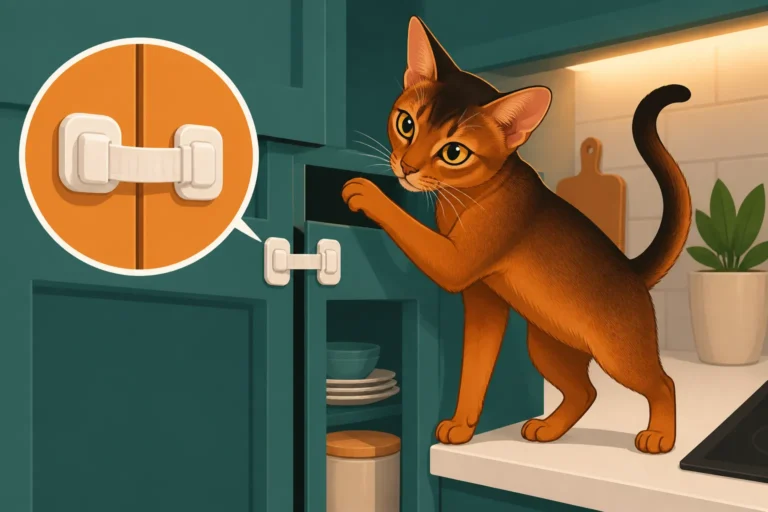
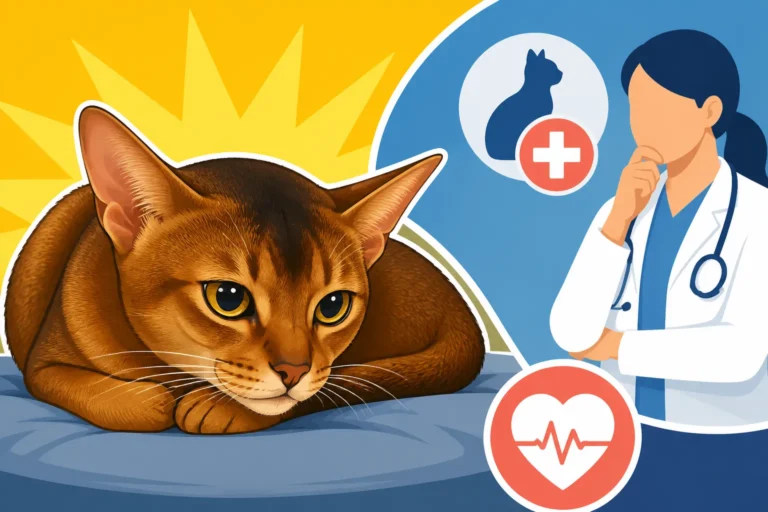
Another red flag is repetitive, obsessive behaviors, such as tail-chasing, constantly trying to get into closed cabinets, or even overgrooming to the point of hair loss. While Abyssinians are naturally active and curious, a marked increase in these kinds of frantic or destructive activities often points to underlying stress from insufficient mental and physical outlets. It's important to differentiate between their typical high-energy antics and behaviors that seem more desperate or anxious. For instance, a sudden, uncharacteristic stillness can also be a major concern, as highlighted in What a Suddenly Still Abyssinian Needs a Vet, indicating a need for professional attention rather than just more play. By paying close attention to these signals, you can proactively adjust their play schedule and enrichment to keep them happy and healthy.
Tailoring Play to Your Cat's Signals
Once you've tuned into your Abyssinian's unique language, you can become a master at tailoring their play to their immediate needs. If a standard 10-15 minute session with a feather wand leaves them still bouncing off the walls, it might mean two things: either that session wasn't intense enough to truly engage their hunting drive, or they simply need a longer or additional session. Try increasing the pace, making the "prey" more elusive, or adding a follow-up session with a different type of toy. Perhaps they need more horizontal chasing, or more vertical climbing, or a combination of both to fully expend their energy.
Conversely, if your Abyssinian seems to ignore their usual favorite toys or shows a lack of interest in a play session, it could be a sign of boredom. This is when your toy rotation system comes into play – bring out a "new" toy they haven't seen in a while, or introduce a new puzzle feeder with a different challenge. Sometimes, a change of scenery for play, like moving from the living room to a long hallway, can re-ignite their interest. The beauty of the Abyssinian is their intelligence and adaptability; they respond well to variety and new challenges. Continual observation and adaptation are key to keeping them stimulated and preventing them from resorting to less desirable behaviors. It's an ongoing conversation with your cat, where you're constantly learning and responding to their energetic demands.
Here’s a quick overview of play needs by age:
| Age Group | Recommended Daily Interactive Play | Session Length & Frequency | Key Enrichment Focus |
|---|---|---|---|
| Kitten (0-1 year) | 60+ minutes | Short, frequent (5-10 min, 5-7x/day) | Learning through play, variety of textures, climbing |
| Adult (1-7 years) | 30-60 minutes | Moderate (10-15 min, 3-5x/day) | Hunting simulation, puzzle feeders, vertical space |
| Senior (8+ years) | 15-30 minutes | Gentle (5-10 min, 2-3x/day) | Mental stimulation, easy access climbing, comfort |
Disclaimer
This article is for general informational purposes only and does not constitute professional advice. Laws, prices and regulations vary by location and change over time. Consult a qualified professional for guidance on your specific situation.