Renal Amyloidosis Is the Abyssinian Problem Nobody Can Test For
One of the most heartbreaking challenges of loving an Abyssinian is the silent threat of renal amyloidosis. Unlike some other genetic conditions with clear DNA tests, this devastating kidney disease often strikes without warning, leaving owners and even experienced veterinarians feeling powerless and frustrated. This guide is here to shed light on what renal amyloidosis is, how it manifests, what to look for, and how best to support your beloved Abyssinian through this complex and often unpredictable illness.
Understanding Renal Amyloidosis in Abyssinians
Renal amyloidosis is a truly insidious disease, particularly within the Abyssinian breed. It’s not just "kidney disease"; it’s a specific, progressive condition caused by the abnormal deposition of a protein called amyloid in the kidney tissues. The insidious part is how quietly it begins and how challenging it is to diagnose definitively until it has already taken a significant toll.
What is Amyloid and How Does It Affect the Kidneys?
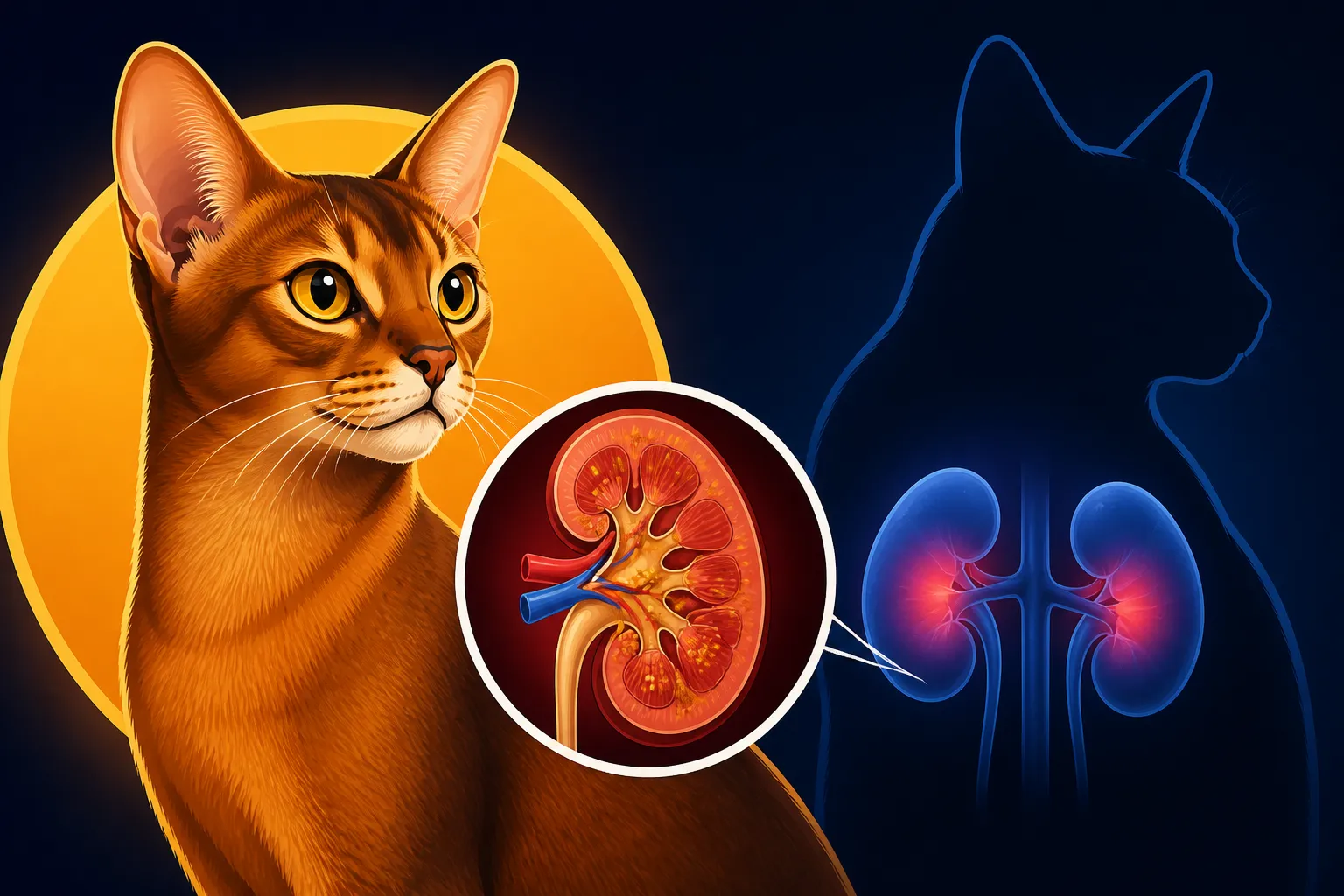
At its core, amyloidosis involves a rogue protein. Think of it like a faulty building material. Normally, proteins are vital components of every cell and tissue, folding into precise shapes to perform their functions. In amyloidosis, specific proteins misfold and then aggregate, forming insoluble fibers called amyloid fibrils. These fibrils don't break down; instead, they accumulate in various organs, disrupting their normal structure and function.
For Abyssinians, the primary target is often the kidneys, though other organs like the liver can also be affected. When these amyloid deposits build up in the kidneys, they infiltrate the delicate filtering units, called glomeruli, and the surrounding blood vessels. Over time, this accumulation acts like sand in a finely tuned engine. It clogs the filters, reduces the kidneys' ability to process waste and retain essential proteins, and ultimately leads to progressive kidney failure. The kidneys, once efficient waste removers, slowly become stiff, scarred, and incapable of doing their job, leading to a cascade of health problems.
The Genetic Conundrum: Why No Single Gene Test Exists
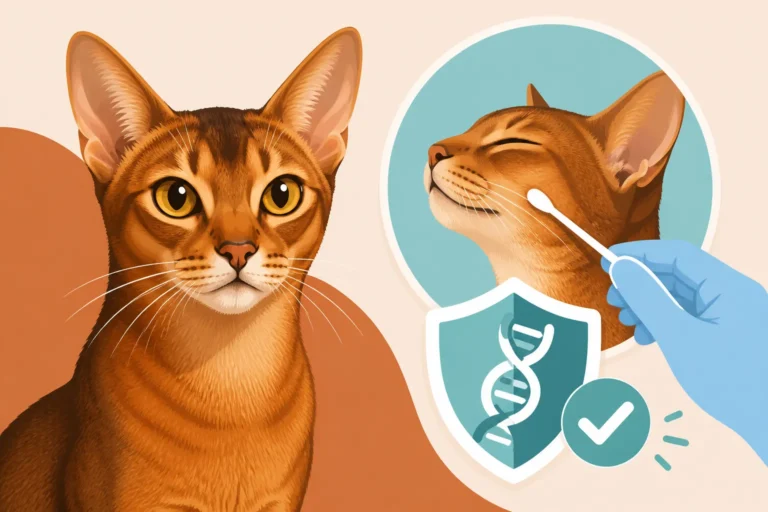
This is where the real frustration for Abyssinian owners and breeders comes in. For conditions like Pyruvate Kinase Deficiency or PRA-rdAc, we have clear genetic tests, allowing responsible breeders to screen their cats and eliminate the disease from their lines. But for renal amyloidosis, it’s a different story. When you ask, "Why no gene test exists for Abyssinian amyloidosis?", the answer lies in the complex nature of its inheritance.
Unlike single-gene disorders, renal amyloidosis in Abyssinians is believed to be polygenic, meaning multiple genes, possibly combined with environmental factors, contribute to its development. This makes isolating a single "culprit gene" incredibly difficult. Researchers have identified a mutation in the SAA1 gene that is associated with amyloidosis in some cat breeds, including the Abyssinian, but it’s not a straightforward "yes/no" determinant. Some cats with the mutation may never develop the disease, while others without it still do. This variability means a simple DNA test, like those used for other genetic diseases, isn't currently possible. It’s a frustrating reality that leaves breeders relying on family history and careful observation, rather than a definitive scientific clearance.
The Silent Threat: How It Progresses Unnoticed
One of the most devastating aspects of renal amyloidosis is its silent progression. Early in the disease, your Abyssinian might seem completely normal. Cats are masters at hiding illness, and Abyssinians, with their inherent energy and zest for life, are particularly adept at this. Their bodies have an incredible ability to compensate for declining kidney function, especially in the initial stages.
This means that by the time overt symptoms like increased thirst or weight loss become noticeable, a significant portion of kidney function—sometimes as much as 75%—may already be lost. Your energetic, playful companion might be quietly battling a severe internal struggle. They might still climb their favorite cat tree or chase a wand toy with enthusiasm, all while their kidneys are slowly failing. It’s a cruel irony that their vibrant nature can mask the disease, delaying diagnosis until the condition is advanced and treatment options become more limited. This makes understanding subtle changes and regular veterinary check-ups even more critical.
Recognizing the Early Warning Signs
Because renal amyloidosis progresses so stealthily, it falls to us as observant owners to pick up on the most subtle shifts in our Abyssinian's behavior and physical condition. These early clues, often dismissed as normal variations or signs of aging, can be crucial in catching the disease before it reaches a critical stage.
Subtle Behavioral Changes in Your Abyssinian
Abyssinians are known for being active, curious, and incredibly engaged with their environment and their people. They are the "clowns of the cat world" for a reason! So, any deviation from this norm, no matter how slight, should pique your attention.
One of the first things you might notice is a change in their typical energy levels. While an Abyssinian will always be active, perhaps they're not quite as enthusiastic about their morning zoomies, or they're taking more naps than usual. It’s not a dramatic collapse, but a subtle dip, like a battery running at 80% instead of 100%. Maybe they don't seem quite as interested in chasing that laser dot for as long, or they decide to watch you from a distance rather than join you on the counter for "help" with dinner. Another common sign can be subtle shifts in appetite. They might still eat, but perhaps they're a bit pickier, or they leave a small amount of food behind rather than clearing their bowl. Sometimes, they might show a sudden preference for wet food over dry, which, ironically, is better for their kidneys anyway. Increased hiding or a change in vocalization could also be indicators. Your usually chatty Abyssinian might become a little quieter, or conversely, more plaintive if they're uncomfortable. Remember, for an Abyssinian, even a slightly less enthusiastic greeting could be a red flag.
Physical Indicators That Often Go Missed
Beyond behavior, there are physical changes that can signal trouble, yet they're so subtle they're often overlooked. One of the most heartbreaking for owners is when their Abyssinian starts to lose weight, despite still seemingly eating well. You might feel their ribs a little more prominently when you pet them, or notice their waist becoming more defined. Because Abyssinians are naturally lean and athletic, a slight weight loss can be hard to distinguish from their normal lithe physique. It’s important to know How to Read an Abyssinian's Body Condition Through That Coat, as even a small change can be significant.
Another critical indicator, often dismissed until quite advanced, is increased thirst and urination. You might find yourself refilling their water bowl more often, or scooping the litter box with larger, more frequent clumps. This symptom, often referred to as polydipsia (increased thirst) and polyuria (increased urination), is a classic sign of kidney dysfunction. The damaged kidneys can no longer concentrate urine efficiently, so the cat drinks more to compensate for the fluid loss. A thirsty young Abyssinian is a red flag, and should prompt an immediate vet visit. Your Abyssinian's coat might also subtly change; it might lose some of its characteristic luster, appearing a bit duller or less silky than usual, though this is often a later sign. Their gums might also look slightly paler than normal, indicating potential anemia, a common complication of advanced kidney disease.
Why Young Abyssinians Can Be Affected
It’s a cruel twist of fate that renal amyloidosis isn't exclusively a disease of old age. While it certainly affects older cats, it can, shockingly, strike down young Abyssinians. Owners often struggle to comprehend How Young an Abyssinian Can Lose Its Kidneys, expecting such a grave illness to be reserved for their senior years. We're talking about cats as young as two or three years old.
When the disease manifests in younger cats, it often progresses more aggressively. You might see a rapid decline in a short period, leaving everyone baffled and devastated. This juvenile presentation makes the disease particularly heartbreaking and highlights the genetic predisposition within the breed. A young Abyssinian can look vibrant and healthy one day, and within months, be showing severe signs of kidney failure. This reinforces the need for extreme vigilance from kittenhood and throughout their adult lives, and why breeders must be transparent about the kidney health of their lines across generations. The idea that a seemingly healthy, youthful cat could be suffering internally is a difficult pill to swallow, but it’s the reality of this particular challenge in the Abyssinian breed.
The Diagnostic Journey: Catching Renal Amyloidosis
Diagnosing renal amyloidosis isn't always a straightforward process, largely because those early, subtle signs can be vague and mimic other conditions. It requires a dedicated veterinarian, diligent monitoring, and sometimes, a bit of detective work to piece together the full picture.
Routine Bloodwork and What It Tells You
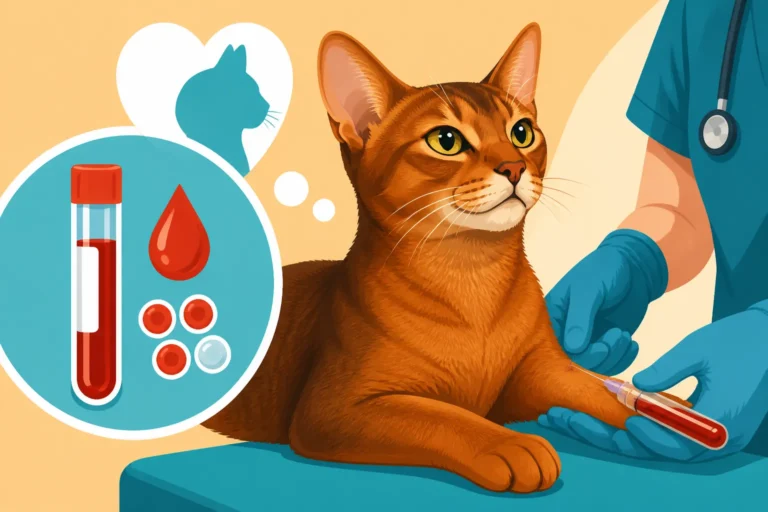
When you bring your Abyssinian to the vet with concerns about their drinking, eating, or general demeanor, one of the first things they’ll do is run a blood panel. This is absolutely critical. Standard kidney values like Blood Urea Nitrogen (BUN) and creatinine are often what people focus on, but here's the kicker: by the time BUN and creatinine are elevated, a significant portion of kidney function is already compromised. Why a Normal Creatinine Does Not Clear an Abyssinian is a crucial point to understand. These values only rise once about 75% of kidney function is lost due to the kidney's incredible compensatory ability.
This is where the newer Symmetric Dimethylarginine (SDMA) test comes in as a game-changer. SDMA is a more sensitive marker for kidney function and can detect a decline when as little as 25% of kidney function has been lost, long before BUN or creatinine change. This means your vet can catch kidney issues much earlier, potentially years before the disease becomes clinically obvious. Knowing How the SDMA Value Reads on an Abyssinian can provide invaluable early insights, giving you more time to implement supportive care. Other blood values, like phosphorus and calcium, are also important, as imbalances can occur as kidney disease progresses.
Urine Analysis: The Unsung Hero of Early Detection
While blood tests get a lot of attention, a comprehensive urine analysis is equally, if not more, vital for early detection of kidney problems, especially in Abyssinians predisposed to amyloidosis. The quality and concentration of your cat's urine can tell a story.
A specific gravity test measures how concentrated your cat's urine is. If the kidneys are struggling to concentrate urine, the specific gravity will be low, meaning the urine is dilute. This is one of the earliest signs of kidney dysfunction and can be present even before SDMA levels rise. A low urine specific gravity in a well-hydrated cat is a serious warning sign. Beyond concentration, proteinuria – the presence of excess protein in the urine – is another critical indicator. Amyloid deposits in the glomeruli often lead to "leaky" filters, allowing valuable protein to escape into the urine. A urine protein:creatinine ratio (UPC) is a quantitative test that can measure this protein loss. Even subtle amounts of protein (microalbuminuria) can be detected through specific tests, providing further early warning. These tests, often part of a routine check, are incredibly powerful in identifying early signs of kidney damage. For Abyssinians, understanding Which Urine Test Catches an Abyssinian's Kidneys First is absolutely essential.
Imaging and Biopsy: Confirming the Diagnosis
Once blood and urine tests point towards kidney issues, your veterinarian might recommend further diagnostics to get a clearer picture of the kidney's structure and to confirm amyloid deposition. Abdominal ultrasound is often the next step. It allows the vet to visualize the kidneys, assess their size, shape, and internal architecture. While ultrasound can't definitively diagnose amyloidosis, it can reveal abnormalities like kidney enlargement, changes in texture, or even signs of pyelonephritis (kidney infection) which can coexist. However, the true "gold standard" for diagnosing renal amyloidosis is a kidney biopsy.
A biopsy involves taking a small tissue sample from the kidney and having it analyzed by a veterinary pathologist. Specialized stains, like Congo Red, can identify amyloid deposits within the tissue. While a biopsy provides a definitive diagnosis, it’s not without risks. It's an invasive procedure requiring anesthesia, and there's a risk of bleeding or other complications. Therefore, the decision to pursue a biopsy is often made after careful consideration, especially if the cat is already frail. Often, the clinical picture from bloodwork, urinalysis, and ultrasound, combined with the breed predisposition, is enough for a presumptive diagnosis, allowing for management to begin without the risks of a biopsy.
Managing the Condition: Treatment and Support
Once a diagnosis of renal amyloidosis or significant kidney dysfunction is made, the focus shifts to management. There's no cure for amyloidosis, but with proactive and dedicated care, you can significantly improve your Abyssinian's quality of life and potentially slow the progression of the disease. This is where your partnership with your veterinarian becomes paramount.
Dietary Management and Nutritional Support
Diet plays a monumental role in managing kidney disease. Your vet will almost certainly recommend a prescription kidney-specific diet. These diets are carefully formulated to support failing kidneys in several ways. Firstly, they have restricted phosphorus levels, as high phosphorus contributes to bone disease and further kidney damage in cats with kidney failure. Secondly, they contain high-quality, but often moderately restricted, protein levels. The aim is to provide enough protein to maintain muscle mass without overworking the kidneys with excess waste products from protein breakdown.
It can be a challenge to get a finicky Abyssinian to eat a new diet, especially if their appetite is already waning. Many kidney diets come in both wet and dry forms, and it's often a good idea to prioritize wet food to increase water intake, which is vital for kidney health. Don't be afraid to try different brands and flavors. Heating wet food slightly, adding a little low-sodium chicken broth, or using appetite stimulants prescribed by your vet can help. Remember, even a small amount of the right food is better than none. Learning How a Kidney Diet Buys an Abyssinian Time means adapting and being patient with their preferences.
Fluid Therapy and Hydration Strategies
Maintaining proper hydration is absolutely critical for cats with kidney disease. Their kidneys are struggling to process waste, and adequate fluid helps flush these toxins out of their system. Your veterinarian might recommend subcutaneous (under the skin) fluid therapy at home. This sounds intimidating at first, but many owners quickly learn how to administer fluids, and many cats tolerate it well once they get used to it. Your vet will teach you the technique and the appropriate volume and frequency.
Beyond supplemental fluids, encouraging your Abyssinian to drink more water naturally is vital. Providing multiple water bowls in different locations, trying various types of bowls (ceramic, stainless steel, glass), and even investing in a feline-specific water fountain can make a big difference. Many Abyssinians love running water, and a fountain can significantly increase their daily water intake. As mentioned, incorporating wet food into their diet is another excellent strategy to boost hydration. Every drop of fluid helps those hardworking kidneys.
Symptomatic and Supportive Care
Managing kidney disease involves a holistic approach that goes beyond diet and fluids. Your vet will often prescribe medications to address specific symptoms and complications that arise. For example, anti-nausea medications are common, as cats with kidney disease can feel nauseous and lose their appetite. Appetite stimulants can also be incredibly helpful to encourage eating.
High blood pressure is another frequent complication of kidney disease in cats, and it can further damage the kidneys, eyes, and heart. Medications to manage blood pressure will often be prescribed if your cat tests positive for hypertension. If your Abyssinian develops anemia, which is common in chronic kidney disease, your vet might discuss treatments like iron supplements or, in severe cases, erythropoietin injections. Regular monitoring of bloodwork, blood pressure, and urine is essential to adjust treatments as needed. The goal is always to keep your Abyssinian as comfortable and happy as possible, addressing each symptom proactively as it arises. When an Abyssinian needs bloodwork yearly, especially once they are middle-aged, these tests are critical for ongoing management.
The Role of Responsible Breeding and Family History
Given the lack of a definitive genetic test for renal amyloidosis, the responsibility falls heavily on ethical breeders and prospective owners to understand and prioritize lineage and family history. This isn't just about looking at a piece of paper; it's about a deep commitment to the health of the breed.
Why Lineage and Pedigree Matter More Than Ever
In the absence of a DNA test, a comprehensive pedigree and thorough understanding of the cat's lineage become paramount. A responsible breeder isn't just selling you a kitten; they're offering you a piece of their breeding program's history and future. This means they should be able to discuss the health and longevity of the ancestors, particularly concerning kidney disease.
You want to see a history of long-lived cats in the pedigree, with a minimal incidence of early kidney failure. If a breeder avoids discussing the health of their breeding cats' parents, grandparents, or even great-grandparents, that’s a significant red flag. This transparency allows you to gauge the potential risk. Why Abyssinian Lines Are Judged on Family History Instead of a simple test is because this disease is so complex, making diligent record-keeping and open communication essential for minimizing the risk of passing on this devastating condition. It speaks volumes about a breeder's commitment to the health of their lines.
What to Ask Your Breeder About Kidney Health
When you’re looking for an Abyssinian kitten, your questions should go far beyond color and personality. You need to become an informed advocate for your future cat's health. Ask directly about renal amyloidosis. A good breeder will not only acknowledge the issue but will also be transparent about how they've addressed it in their lines.
Ask about the longevity of their breeding cats and their ancestors. What did the grandparents and great-grandparents of the kitten you're considering die of? At what age? Specifically, ask if there have been any documented cases of kidney failure at a young age in the line. A breeder should be able to provide detailed information, perhaps even sharing veterinary records or attestations. They might track deaths by line for generations, which can reveal patterns that individual tests cannot. This dedication helps to reduce the prevalence of this heartbreaking disease. Don't shy away from asking tough questions; a truly responsible breeder will welcome them.
Beyond Testing: The Future of Abyssinian Renal Amyloidosis Research
The challenges of renal amyloidosis in Abyssinians are widely recognized within the veterinary and breeding communities. Researchers are continually working to unravel the complex genetics behind this disease. While a simple gene test remains elusive, advancements in genetic mapping and understanding polygenic traits offer hope for the future.
Collaborative efforts between university researchers, veterinary geneticists, and dedicated Abyssinian breeders are crucial. By pooling data, sharing pedigree information, and meticulously documenting health outcomes, scientists can gather the large datasets needed to identify genetic markers that might indicate susceptibility. This is a long and arduous process, but every piece of information contributes to the puzzle. Until a breakthrough provides a definitive diagnostic or screening tool, the best defense remains responsible breeding practices focused on health longevity and transparent communication. It's a testament to the dedication of the Abyssinian community that this difficult problem continues to be a focus of ongoing study and concern.
Living with an Abyssinian Diagnosed with Amyloidosis
Receiving a diagnosis of renal amyloidosis for your Abyssinian is incredibly difficult. It can feel overwhelming, but remember that many cats can live fulfilling lives for a significant period with proper care. Your role transitions to providing comfort, diligent monitoring, and unwavering love.
Adjusting Your Home Environment for Comfort
When your Abyssinian is battling kidney disease, their energy levels might fluctuate, and they might not be as agile as they once were. Adjusting their home environment can make a world of difference to their comfort and sense of security. Make sure their favorite resting spots are easily accessible. While Abyssinians love to climb, an old Abyssinian needs lower steps, so consider adding ramps or lower steps to their preferred perches, especially if they are having a bad day.
Ensure warmth, as cats with kidney disease can sometimes feel colder. Provide soft, inviting beds in quiet, draft-free areas. Minimizing stress is also paramount. Keep their routine as consistent as possible, and ensure they have easy access to food, water, and litter boxes. If they are prone to accidents outside the box due to increased urination, consider adding more litter boxes in convenient locations. Think about a wide, open litter box that allows easy entry and exit, as they might feel less flexible.
Emotional Toll and Support for Owners
The emotional burden of caring for a cat with a chronic, progressive disease like renal amyloidosis is immense. It's perfectly normal to feel a rollercoaster of emotions – sadness, frustration, guilt, and fear. You’re watching your vibrant Abyssinian slowly decline, and it's heartbreaking. Allow yourself to feel these emotions.
It’s important to connect with support networks, whether that's online forums for owners of cats with kidney disease, your veterinary team, or friends and family who understand. Discussing your fears and challenges can be incredibly helpful. Focus on quality of life for your cat. There will come a time when you need to have honest conversations with your vet about their comfort level and when further intervention might cause more stress than benefit. Knowing when to say goodbye is one of the hardest decisions any pet owner faces, but it's an act of ultimate love and compassion.
Financial Implications and Pet Insurance
Caring for an Abyssinian with renal amyloidosis, or any chronic kidney disease, involves ongoing veterinary care, medications, special diets, and potentially fluid therapy at home. These costs can quickly add up, creating a significant financial burden on top of the emotional one. Regular blood tests, urine analyses, medication refills, and specialized foods become part of your monthly budget.
This is where pet insurance can be a literal lifesaver. Policies from providers like Healthy Paws can help offset a substantial portion of these expenses, from diagnostic tests to medications and even specialized veterinary visits. It’s important to note that most pet insurance policies have waiting periods and typically do not cover pre-existing conditions, so ideally, you would have enrolled your Abyssinian when they were a kitten or young adult, before any signs of kidney disease emerged. However, even if your cat is older, it's worth checking policies as they might cover subsequent conditions or offer accident-only coverage. Having pet insurance can provide immense peace of mind, allowing you to focus on your cat's care rather than worrying about the accumulating bills. An Abyssinian's lifetime cost dwarfs its purchase price, and chronic illness significantly adds to that. It’s why many recommend insuring your pet before their first birthday.
Disclaimer
This article is intended for informational purposes only and does not constitute medical advice. Always consult with a qualified veterinarian for any health concerns or before making any decisions about your pet's care.