Why an Abyssinian Kitten’s Gums Fail at Six Months
It's incredibly disheartening and often perplexing to discover your lively, playful Abyssinian kitten, barely six months old, is already facing serious dental issues. You expect a kitten to be full of boundless energy, maybe getting into a little mischief, but certainly not grappling with sore, inflamed gums that make eating painful. This early onset of gum problems, specifically juvenile gingivitis, is a common and frustrating reality for many Abyssinian owners, and understanding why it happens and what you can do is crucial for your kitten's long-term health and comfort.
Understanding Juvenile Gingivitis in Abyssinian Kittens
When we talk about juvenile gingivitis in Abyssinians, we're not just referring to a mild bit of redness. This is a specific, often aggressive inflammatory condition that targets young cats, particularly certain breeds like our beloved Abyssinians, usually beginning around the six-month mark. It's an early and severe form of gum disease that can quickly escalate if not recognized and managed.
What is Juvenile Gingivitis?
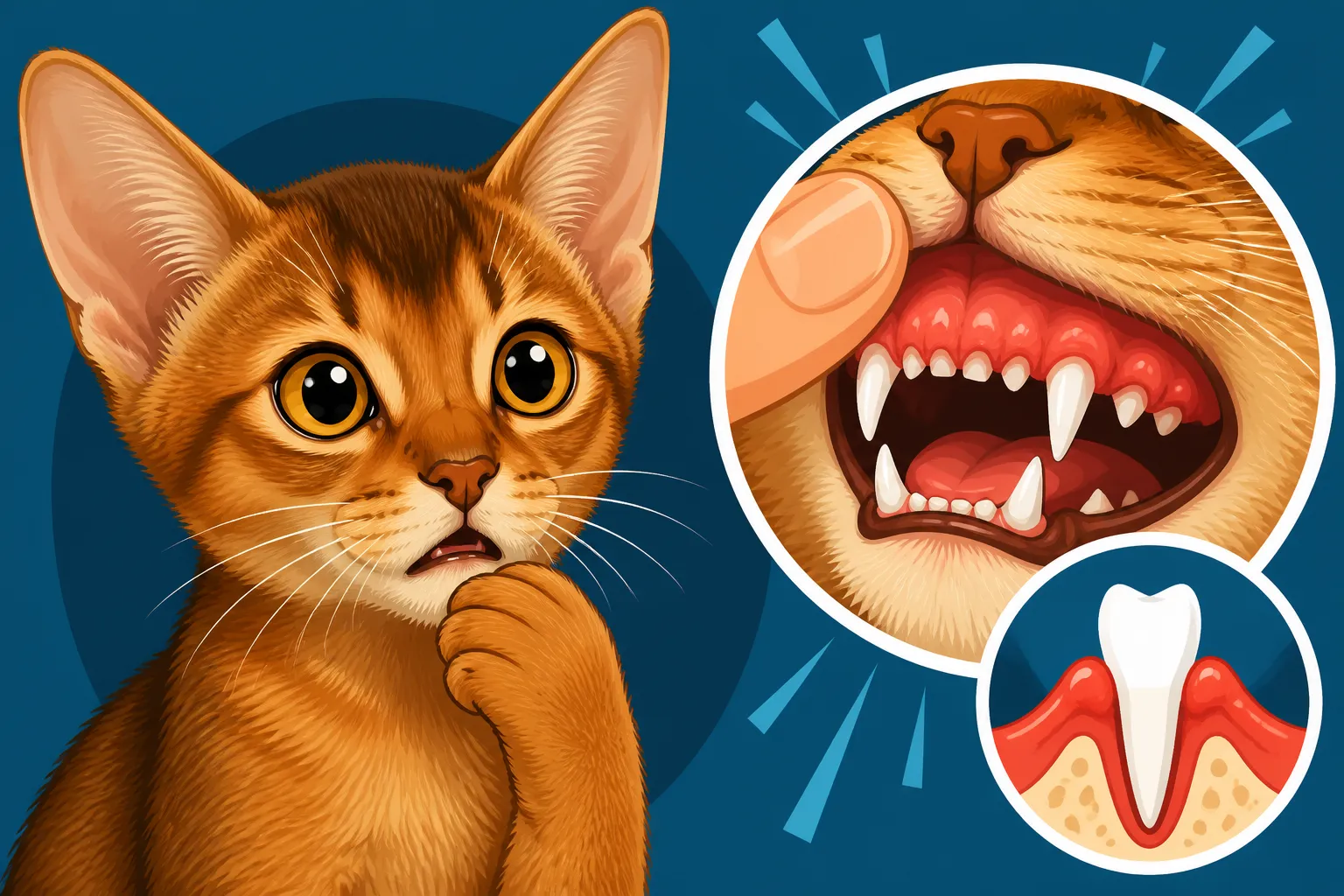
Juvenile gingivitis is, at its core, an inflammation of the gingiva – the soft tissues surrounding your cat's teeth. What sets it apart from typical adult gingivitis is its aggressive nature and the age of onset. Instead of developing slowly over years due to plaque and tartar accumulation, juvenile gingivitis often flares up during the transition from kittenhood to adolescence. The gums become intensely red, swollen, and sometimes bleed easily. You might notice a strong, unpleasant smell from your kitten's mouth, even with relatively clean teeth. It’s not simply a matter of poor hygiene, though plaque certainly exacerbates it; there’s often an underlying immune component that makes Abyssinians so prone to this issue. It's almost as if their immune system overreacts to the normal bacteria found in the mouth, leading to an exaggerated inflammatory response. This can be a really distressing thing to see in such a young cat.
Why Abyssinians Are Uniquely Susceptible
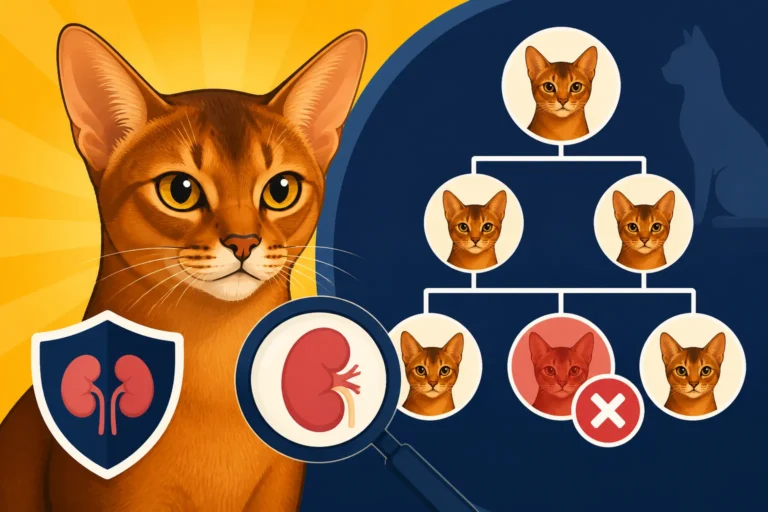
Abyssinians, along with a few other pedigree breeds like the Siamese and Maine Coon, have a genetic predisposition to develop juvenile gingivitis. This isn't just bad luck; it's thought to be tied to a specific immune system response. Their bodies react more intensely to the presence of plaque bacteria on their teeth, causing an exaggerated inflammatory cascade in their gums. It's not that Abyssinians necessarily have more plaque than other cats; it's that their immune system overreacts to it. This can lead to a vicious cycle where inflammation makes the gums more susceptible to further bacterial irritation. This predisposition means that even with diligent home care, some Abyssinian kittens will still develop the condition. You might find yourself asking, "How Juvenile Gingivitis Starts in an Abyssinian Kitten," and the answer often lies deep within their genetic makeup and immune system. It's a cruel irony for a breed known for its robust health and long lifespan.
The Typical Age of Onset
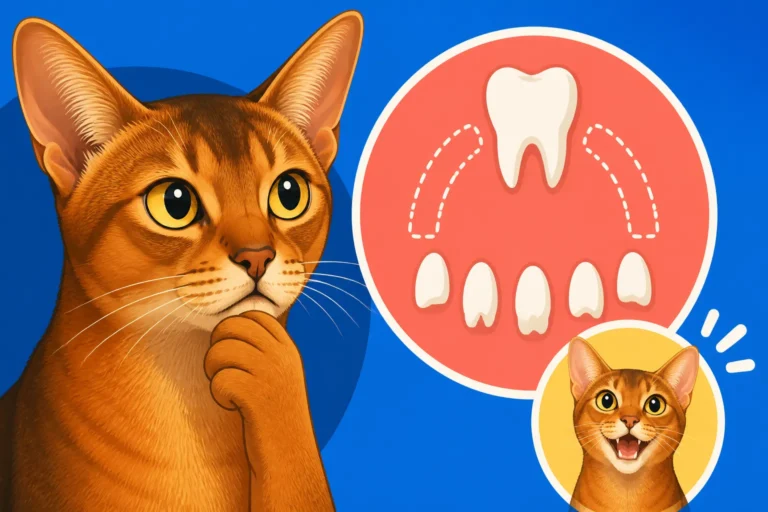
The "six months" mark isn't just a number plucked out of the air; it's a critical window for many Abyssinian kittens. This is the age when most kittens have shed their deciduous (baby) teeth and their permanent adult teeth are fully erupted. It’s a period of significant change in the mouth, and for susceptible Abyssinians, this is precisely when the immune system seems to kick into overdrive. It’s a bit like an autoimmune response, where the body's defenses turn against its own tissues. The combination of newly erupted adult teeth providing more surface area for plaque to accumulate, coupled with this heightened immune reactivity, creates the perfect storm for inflammation. You might notice "Why Abyssinian Gum Trouble Starts at Six Months" seems to coincide with them looking like little adult cats, and indeed, it's often linked to these developmental milestones.
The Immune System's Role in Abyssinian Gum Problems
It's easy to assume all dental problems stem from not brushing enough, but with Abyssinians and juvenile gingivitis, the story is far more complex. Their unique genetic makeup means their immune system plays a starring, and often unhelpful, role in their gum health.
Genetic Predisposition and Immune Response
For years, breeders and veterinarians observed that certain cat breeds, Abyssinians among them, seemed to suffer from severe gum inflammation at a young age, disproportionately compared to the amount of plaque present. Research has started to shed light on this, suggesting a genetic component that influences how an Abyssinian's immune system responds to oral bacteria. While the exact gene or genes are still under investigation, it's understood that these cats have a predisposition for an overactive inflammatory response. Their immune cells, upon encountering the normal bacterial flora in the mouth, don't just clear the invaders; they launch an excessive attack that damages the gum tissue itself. This means that even with perfect dental hygiene, a genetically predisposed Abyssinian kitten might still develop significant gingivitis. It’s not a failing on your part, but an unfortunate biological reality. This is why when considering a kitten, it's vital to research "What an Abyssinian Breeder Should Have Tested Before You Buy," even if specific genetic tests for this condition aren't yet available.
Exaggerated Inflammation and Its Consequences
Imagine your body reacting to a tiny splinter as if it were a massive infection. That's somewhat akin to what happens in an Abyssinian's mouth with juvenile gingivitis. The immune system's exaggerated inflammatory response leads to significant swelling, redness, and pain. This persistent inflammation can cause the gum tissue to become boggy and soft, sometimes even starting to overgrow. You might see "Why an Abyssinian's Gums Overgrow Its Teeth," leading to a condition called gingival hyperplasia, where the gum tissue actually starts to cover parts of the teeth. This overgrowth creates pockets and crevices where more bacteria can hide, making the problem even worse. It also makes effective cleaning, both at home and professionally, much more challenging. The consequences aren't just cosmetic; severe inflammation can be incredibly painful, leading to a reluctant eater and a generally unhappy kitten.
The Link to Plaque Accumulation
While the immune system is the primary driver, plaque still plays a crucial role. Plaque, a sticky film of bacteria and food particles, constantly forms on teeth. In cats with normal immune responses, a reasonable amount of plaque might cause mild gingivitis, easily managed with home care. However, for an Abyssinian genetically prone to juvenile gingivitis, even a small amount of plaque can trigger that exaggerated inflammatory response. The bacteria in the plaque act as the initial trigger, and then the immune system's overreaction takes over, driving the severe symptoms. This means that while diligent dental hygiene won't necessarily prevent the condition in a susceptible kitten, it is absolutely essential for managing it and preventing it from spiraling out of control. It's a delicate balance of controlling the trigger (plaque) and mitigating the body's response.
Recognizing the Early Signs of Trouble
Catching juvenile gingivitis early is paramount to managing it effectively and preventing long-term complications. Abyssinian cats are notoriously stoic, often hiding discomfort until it's quite advanced, so being vigilant and knowing what to look for is key.
Visual Cues of Inflamed Gums
The most obvious signs of juvenile gingivitis are visual. Start by gently lifting your kitten's lips and looking at their gums, especially where the gum tissue meets the teeth. Normal cat gums are a healthy, pale pink, tight against the teeth. With gingivitis, you'll see a marked difference. The gums will appear bright red, sometimes even a deep purplish-red, and look swollen or puffy. They might bleed very easily, even with a gentle touch or when your kitten eats. In some severe cases, you might observe "What Red Gums Mean in an Abyssinian Kitten" is not just a sign of inflammation, but also a precursor to the gum tissue starting to proliferate or grow over the teeth, making them look even more pronounced. This gum overgrowth, or hyperplasia, is a distinctive feature often seen in affected Abyssinians. Don't ignore these visual cues; they are your kitten's way of silently signaling distress.
Behavioral Changes to Watch For
Beyond the visual, your kitten's behavior can offer crucial clues that something is amiss in their mouth. A kitten with sore gums might show a decrease in appetite or be reluctant to eat dry kibble, preferring softer wet food. You might notice them dropping food or tilting their head awkwardly while chewing, trying to avoid painful areas. They might also become less playful, more lethargic, or even irritable due to constant discomfort. Excessive drooling, pawing at their mouth, or rubbing their face against furniture are also signs that their mouth is bothering them. For such an energetic breed, any noticeable shift in their usual boisterous activity level should raise a red flag. If your typically voracious "Why an Abyssinian Kitten Stops Chewing Its Food," it's time for a vet visit.
Oral Examination at Home
While you're not expected to be a veterinary dentist, regular, gentle oral examinations at home are an invaluable tool for early detection. Start by simply getting your kitten used to having their mouth handled from a young age – this is part of "Why Home Dental Care Starts Early in an Abyssinian." Once a week, gently lift their lips on both sides, examining the front, side, and back teeth and the surrounding gums. Look for any changes in color, swelling, or texture. Pay attention to any foul odor that seems to linger, even after they've eaten. The goal is to notice subtle changes before they become severe. If you notice any of the visual cues or behavioral shifts mentioned above, don't hesitate to contact your veterinarian. Early intervention can make a significant difference in the prognosis and management of juvenile gingivitis.
Diagnosis and Initial Veterinary Steps
Once you've spotted the worrying signs, a trip to the vet is the next crucial step. A professional diagnosis isn't just about confirming gingivitis; it's about understanding its severity and ruling out other potential issues.
The Importance of a Comprehensive Oral Exam
When you bring your Abyssinian kitten to the vet, the first thing they'll do is perform a thorough visual oral examination. This involves carefully looking at all surfaces of the gums, teeth, tongue, and the entire oral cavity. They'll assess the degree of redness, swelling, and any evidence of bleeding or gum recession. They'll also check for plaque and tartar accumulation, fractured teeth, or any foreign objects that might be causing irritation. In many cases, especially with the unique predisposition of Abyssinians, a dental exam will need to be performed under anesthesia to allow for a truly comprehensive assessment. This is because a kitten's mouth is small, and they rarely tolerate a full examination while awake, making it impossible to check underneath the gum line or probe for pockets. Under anesthesia, the vet can carefully evaluate each tooth, probe the gum pockets to measure their depth, and take dental radiographs (X-rays) to assess the tooth roots and underlying bone structure. This detailed approach is vital because much of the problem can be hidden beneath the gum line.
Bloodwork and Other Diagnostic Tools
To get a complete picture of your kitten's overall health and to prepare for any necessary dental procedures, your vet will likely recommend pre-anesthetic bloodwork. This blood panel typically includes a complete blood count (CBC) and a biochemistry profile. The CBC checks for signs of infection or anemia, while the biochemistry panel assesses organ function, particularly the kidneys and liver, ensuring your kitten is a good candidate for anesthesia. While bloodwork won't diagnose juvenile gingivitis directly, it's an essential part of the diagnostic process to ensure safety during treatment. In some complex or resistant cases, your vet might also recommend biopsies of the gum tissue to rule out other inflammatory conditions or even oral cancers, though these are thankfully rare in young kittens. Tissue samples might also be sent to a lab to confirm the nature of any gum overgrowth, as seen in "How a Vet Removes an Abyssinian's Excess Gum" where the removed tissue is often analyzed.
Differentiating from Other Oral Conditions
It's important for your vet to rule out other oral conditions that can present similarly to juvenile gingivitis. For instance, stomatitis, a more widespread and painful inflammation of the oral cavity, can sometimes be confused with severe gingivitis. Eosinophilic granuloma complex, an immune-mediated skin condition that can affect the mouth, also needs to be considered. Even common issues like retained baby teeth (deciduous teeth) can cause localized inflammation and discomfort, as they can trap food and bacteria. During the comprehensive oral exam under anesthesia, your vet will meticulously examine all aspects of your kitten's mouth to differentiate between these conditions. The specific presentation of severe, generalized gum inflammation in a young Abyssinian, often accompanied by gum overgrowth, usually points strongly towards juvenile gingivitis, but confirming it and ruling out other possibilities is always part of a thorough diagnostic process.
Treatment Options for Abyssinian Juvenile Gingivitis
Once your Abyssinian kitten has been diagnosed with juvenile gingivitis, the focus shifts to treatment. This isn't a "one-and-done" situation; it often requires a multi-pronged approach combining professional veterinary care with dedicated home management.
Professional Cleaning and Medical Management
The cornerstone of treating juvenile gingivitis begins with a professional dental cleaning under anesthesia. This isn't just a quick brush; it's a comprehensive procedure known as a COHAT (Comprehensive Oral Health Assessment and Treatment). During a COHAT, your vet or a veterinary dental specialist will meticulously scale all surfaces of your kitten's teeth, both above and below the gum line, to remove all plaque and tartar. This is critical because, as we discussed, even small amounts of plaque can trigger that aggressive immune response. The teeth will then be polished to smooth the enamel, making it harder for new plaque to adhere.
Following the cleaning, your vet might prescribe anti-inflammatory medications, such as a short course of corticosteroids, to help calm the exaggerated immune response and reduce swelling and pain. Antibiotics may also be used if there's evidence of bacterial infection complicating the gingivitis, but they are not a standalone solution for the underlying inflammation. Pain management is also crucial to ensure your kitten is comfortable during recovery. Sometimes, specific oral gels or rinses are prescribed to help reduce bacterial load and soothe irritated tissues. It’s a thorough process, and it’s often the first step in getting the inflammation under control.
The Role of Gingivectomy in Severe Cases
For Abyssinians where the juvenile gingivitis has progressed to significant gum overgrowth (gingival hyperplasia), a simple cleaning might not be enough. In these cases, a procedure called a gingivectomy may be necessary. "What a Gingivectomy Involves for an Abyssinian" is essentially the surgical removal of the excess gum tissue. This is done with precision, often using a scalpel or a laser, to trim the gums back to a healthy contour. The goal is to eliminate the deep pockets created by the overgrown tissue, which act as breeding grounds for bacteria and make home care impossible. By reshaping the gums, the veterinarian creates a healthier environment that is easier to keep clean, reducing the chances of recurring inflammation. This procedure requires a skilled hand and is performed under general anesthesia. It might sound drastic for a kitten, but for those suffering from severe hyperplasia, it can be life-changing, significantly improving their comfort and long-term oral health. Your veterinarian may send a sample of the removed gum tissue for histopathology to ensure there are no other underlying issues.
Long-Term Management and Home Care
Treatment doesn't end when your kitten leaves the vet's office. Long-term management and diligent home care are absolutely vital to prevent recurrence and maintain gum health. This includes daily tooth brushing, which is the most effective way to control plaque. You'll need to use a pet-specific toothbrush and toothpaste. Some cats tolerate special dental diets, chews, or water additives, but these are generally supplementary and not a replacement for brushing. Regular check-ups with your vet are also essential to monitor progress and catch any signs of relapse early. You might find yourself needing to ask "How Often an Abyssinian Needs Its Teeth Cleaned" professionally, and for many with juvenile gingivitis, it might be more frequent than average. It’s a commitment, but one that ensures your energetic Abyssinian can continue to enjoy their food and their life without the constant pain of inflamed gums.
Preventing Recurrence and Maintaining Oral Health
The fight against juvenile gingivitis in Abyssinians is an ongoing one. While you can't change their genetic predisposition, you can absolutely empower yourself with strategies to prevent recurrence and ensure your kitten enjoys excellent oral health throughout their life.
Establishing a Consistent Home Dental Routine
This is arguably the most impactful thing you can do for your Abyssinian, especially after initial treatment. Daily tooth brushing is the gold standard for plaque control. Start slowly, introducing a pet-specific finger brush or a very soft baby toothbrush with cat-safe toothpaste. Begin by letting them taste the toothpaste, then gently rub their gums, gradually working up to brushing the outer surfaces of their teeth. The key is consistency and making it a positive experience with praise and treats. Remember, "Why Toothbrushing Fails on an Untreated Abyssinian" is often because the existing inflammation makes it too painful; once treated, it becomes much more feasible. If daily brushing isn't possible, aim for every other day, and supplement with other methods. Water additives designed to reduce plaque buildup can be helpful, as can specially formulated dental diets or treats that mechanically scrub teeth as your cat chews. However, always remember these are secondary to direct brushing.
Dietary Considerations for Gum Health
While diet isn't a direct cause of juvenile gingivitis, certain dietary choices can support overall oral health. A high-quality diet that provides optimal nutrition can contribute to a robust immune system, which is important for an Abyssinian predisposed to immune-mediated gum issues. Some vets recommend diets with kibble designed to reduce plaque by encouraging chewing or containing specific ingredients that prevent tartar formation. However, it’s crucial to understand that even the best dental kibble cannot fully replace brushing. For cats that are particularly sensitive or prone to rapid plaque buildup, incorporating more wet food can be beneficial. Wet food contributes to better hydration, which is good for overall health, and its softer texture can be less irritating if the gums are still sensitive. Just be sure to rinse their mouth or offer a quick water drink after wet food to minimize residue.
Regular Veterinary Dental Check-ups
Even with the most diligent home care, Abyssinians prone to juvenile gingivitis will need more frequent professional oversight. "Why an Abyssinian Needs Dentals More Often" than many other breeds comes back to that underlying predisposition. After an initial severe bout, your vet might recommend follow-up dental check-ups every six months, or even more frequently, to monitor the gums and address any plaque accumulation before it can trigger a full-blown relapse. These check-ups will likely involve a visual assessment by your vet, and potentially more frequent professional cleanings under anesthesia if the gingivitis shows signs of recurring. Building a strong relationship with your veterinarian and potentially a veterinary dental specialist is invaluable. They can tailor a long-term dental health plan that suits your specific Abyssinian's needs, often recommending dental radiographs at regular intervals to catch any issues below the gum line, such as "Why Tooth Resorption Follows Abyssinian Gum Disease." This proactive approach is your best defense against the long-term impact of this challenging condition.
The Long-Term Outlook for Affected Abyssinians
Hearing your kitten has a condition like juvenile gingivitis can be overwhelming, making you worry about their future. However, with consistent care, many Abyssinians can lead full, happy lives.
Potential Complications if Untreated
Ignoring juvenile gingivitis in an Abyssinian kitten is not an option. If left untreated, the chronic inflammation can lead to severe and irreversible complications. The persistent gum inflammation can progress to periodontitis, which is the destruction of the supporting structures of the teeth, including the bone. This can result in significant pain, gum recession, and ultimately, tooth loss. "How Many Teeth an Abyssinian Can Lose by Five" can be quite shocking if the condition isn't addressed, with some cats losing most of their molars and premolars. The painful mouth can lead to an inability or unwillingness to eat, resulting in weight loss and malnutrition. Chronic oral inflammation can also have systemic effects, potentially impacting other organs as bacteria from the mouth enter the bloodstream. This is why addressing the issue promptly and consistently is vital for your Abyssinian's overall well-being and health.
Quality of Life with Proactive Management
The good news is that with dedicated, proactive management, Abyssinians affected by juvenile gingivitis can enjoy a very good quality of life. The key is continuous partnership with your vet, committing to regular professional cleanings, and, most importantly, diligent home dental care. When the inflammation is controlled, and the gums are healthy, your Abyssinian will be able to eat comfortably, play without pain, and simply be their vibrant, energetic self. You’ll find that "Why an Abyssinian's Gums Should Be Checked Monthly" becomes second nature, just like petting them or playing fetch. While they may require more dental attention than the average cat, the investment in their oral health pays dividends in their comfort and happiness. It's a commitment, yes, but for a cat as engaging and affectionate as an Abyssinian, it's a commitment many owners are more than willing to make. And remember, exploring options like pet insurance from providers such as Healthy Paws early on can help manage the financial burden of these ongoing dental needs throughout your cat's life.
The Importance of Breeder Awareness
For those considering bringing an Abyssinian kitten into their home, breeder awareness plays a significant role in mitigating the risk of juvenile gingivitis. While there isn't a specific DNA test for the condition yet, responsible breeders are acutely aware of health issues prevalent in their lines, including dental problems. A reputable breeder will openly discuss the health history of their breeding cats and previous litters, including any incidence of juvenile gingivitis. They should also provide guidance on early dental care and proper nutrition from the moment you bring your kitten home. Asking about the dental health of the kitten's parents and grandparents can offer valuable insight into potential predispositions. While no breeder can guarantee a kitten will never develop the condition, choosing a breeder who prioritizes health and transparency is an important step in setting your Abyssinian up for a healthy start.
| Aspect | Normal Abyssinian Gums | Juvenile Gingivitis Affected Gums |
|---|---|---|
| Color | Pale pink, healthy | Bright red, purplish-red, inflamed |
| Texture | Firm, tight against teeth | Swollen, puffy, often boggy |
| Bleeding | Rare, only with trauma | Bleeds easily, even with light touch |
| Odor | Neutral | Foul, strong, persistent |
| Gum Overgrowth | Absent | Often present (gingival hyperplasia) |
| Kitten's Behavior | Enthusiastic eater, playful | Reluctant to eat, drops food, irritable |
| Plaque/Tartar Level | Minimal, easily removed | Varies, but inflammation disproportionate to amount |
| Age of Onset | Not a specific age issue | Typically 4-8 months, often around 6 months |
Disclaimer
This article is intended for informational purposes only and does not constitute veterinary medical advice. Always consult with a qualified veterinarian for any health concerns or before making any decisions about your pet's medical care.