How American Breeders Rebuilt the Abyssinian
It's truly heartbreaking to think of a beloved cat breed, one as vibrant and intelligent as the Abyssinian, facing the brink of extinction. For those of us who adore these active, curious companions, the idea of a world without them is unimaginable. This guide will take you through the harrowing period when the Abyssinian breed nearly vanished from existence, and shine a light on the dedicated efforts of American breeders who played a crucial, almost miraculous, role in their revival and securing their future for generations to come.
The Abyssinian's Near Demise in Europe
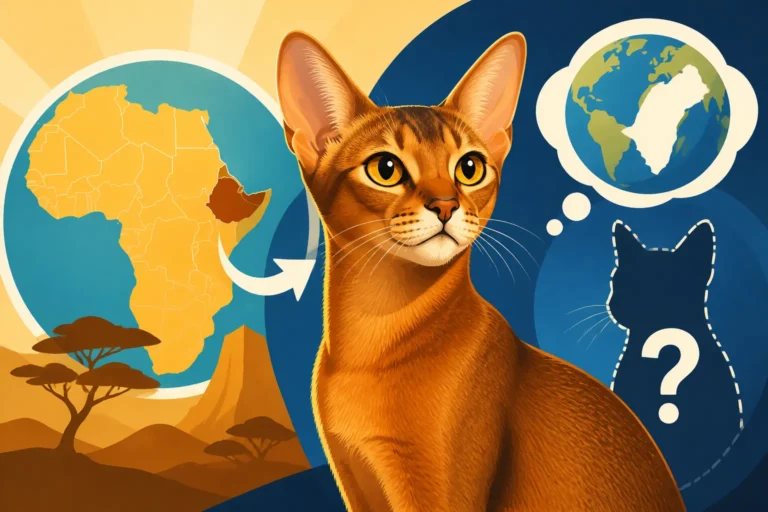
The Abyssinian cat, despite its ancient appearance and popular myths about Egyptian origins, truly flourished in Europe, particularly in Britain, during the late 19th and early 20th centuries. Breeders there cultivated the distinctive ticked coat and lively personality that we associate with the breed today. However, the path of any purebred animal is precarious, relying on careful breeding, consistent interest, and, crucially, avoiding major societal upheavals. The 20th century, unfortunately, brought more than its share of challenges.
World Wars and Breed Devastation
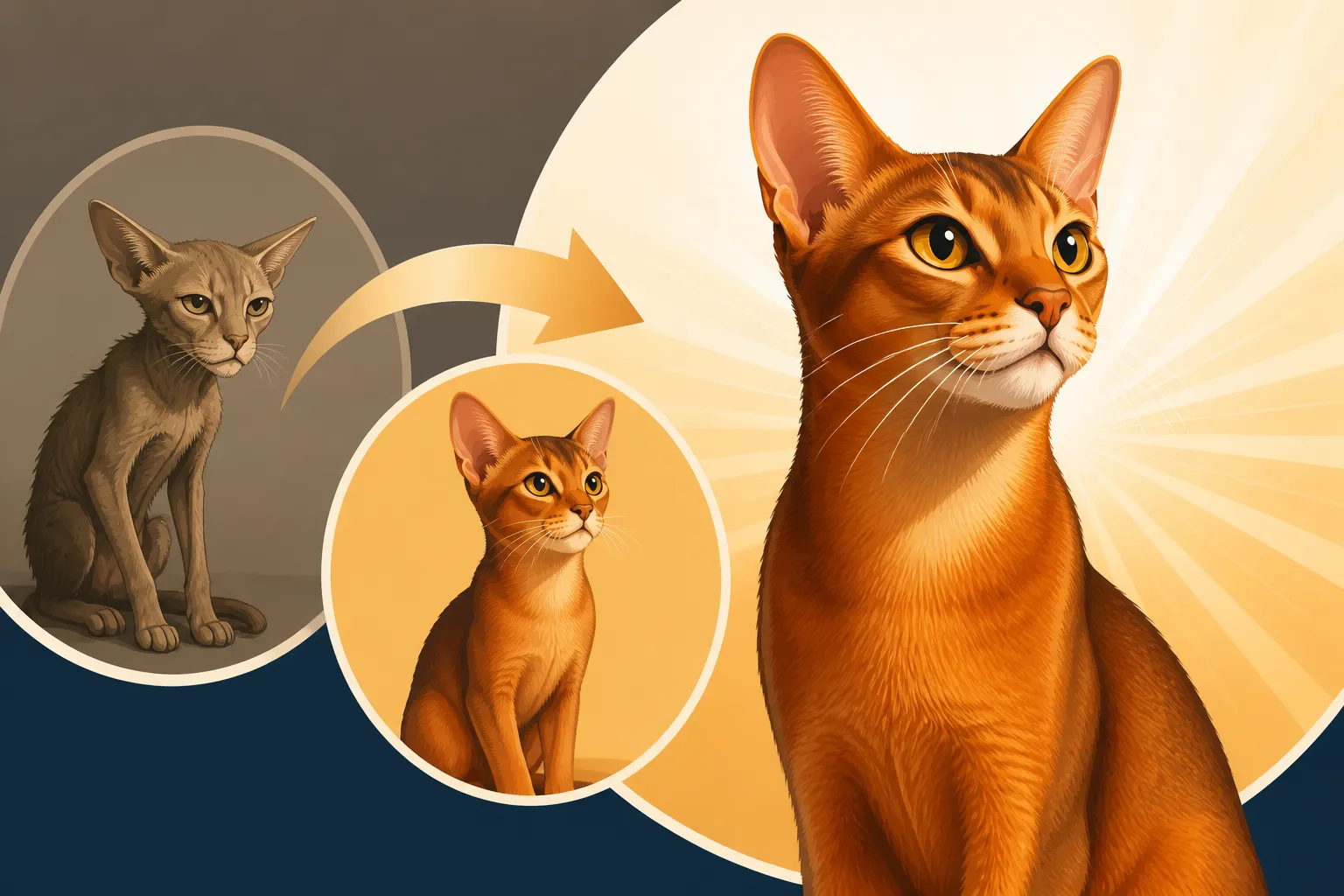
Imagine trying to keep a breeding program afloat during a global conflict. The First and Second World Wars were devastating not just for humans, but for many domestic animal breeds, including pedigree cats. Resources became scarce, travel was restricted, and the focus shifted, quite understandably, from hobby breeding to sheer survival. Maintaining bloodlines, finding suitable mates, and even just feeding cats became an immense struggle. Many catteries had to close, and valuable breeding stock was lost. It wasn't just individual cats, but entire family lines and genetic diversity that simply vanished during those dark years. How Few Abyssinians Were Left in Britain by 1900 speaks to the early struggles even before the major wars hit, indicating a breed that was already delicate in numbers. By the time the dust settled after World War II, the Abyssinian population in Europe had been decimated. There were terrifyingly few individuals left, leaving the breed on the precipice of disappearing entirely.
The Feline Leukemia Crisis
As if two world wars weren't enough, the post-war era brought another insidious threat: widespread feline diseases, particularly Feline Leukemia Virus (FeLV). This highly contagious and often fatal retrovirus tore through catteries in the mid-20th century. For breeds like the Abyssinian, which already had critically low numbers, FeLV outbreaks were catastrophic. What Feline Leukemia Did to British Abyssinian Lines paints a grim picture of how this disease further eroded the already fragile gene pool. Breeders who had managed to hold onto a few precious cats through the wars now faced the agonizing choice of culling entire catteries to prevent the spread, or watching their remaining lines succumb to illness. This period was one of profound despair for those dedicated to the Abyssinian, as it felt like every step forward was met with another devastating setback. The cumulative effect of war and disease left the European Abyssinian population teetering on the edge of oblivion.
The American Rescue Mission Begins
While Europe struggled, across the Atlantic, the Abyssinian had found a small but growing foothold in the United States. Though not as numerous as in Britain initially, American breeders had begun to import Abyssinians before and between the wars. This geographically separate population, albeit small, proved to be an unexpected lifeline when the European lines faltered. It was a testament to the foresight of those early American fanciers who saw the beauty and potential of the breed and decided to bring it to their shores.
Importation of European Stock
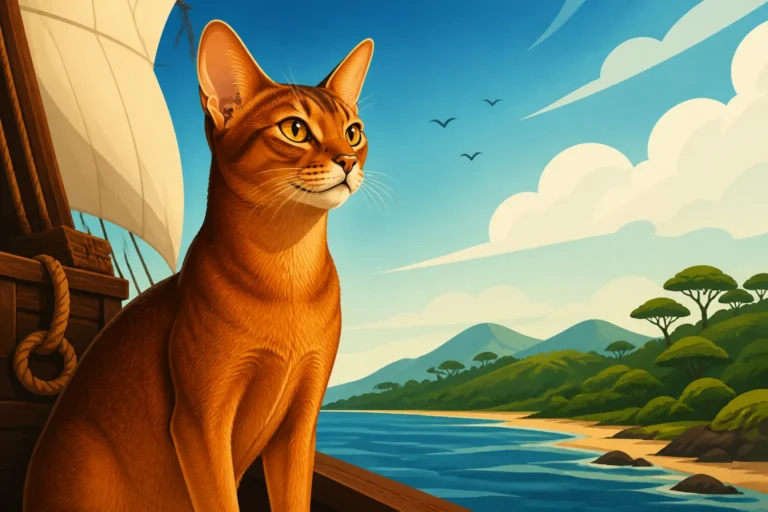
The realization that the European Abyssinian population was in dire straits spurred a concerted effort by American breeders. They understood that if the breed was to survive, new bloodlines were desperately needed. This meant carefully identifying and importing any available Abyssinian cats from Europe, even those with less-than-perfect pedigrees or those who had been through immense hardship. These importations were often complex, expensive, and emotionally charged undertakings. Each cat brought over represented a precious genetic contribution, a sliver of hope against a looming extinction. When the First Abyssinians Reached America describes the very beginning of this journey, laying the groundwork for the later rescue efforts. The breeders meticulously worked to bring over these survivors, knowing that the future of the entire breed rested on their ability to rebuild a robust and healthy gene pool from these few individuals.
Establishing New Breeding Programs
With the imported cats, American breeders set about the monumental task of establishing and expanding new breeding programs. This wasn't just about mating cats; it was about strategic planning, meticulous record-keeping, and a deep understanding of genetics. They had to balance the need to increase numbers rapidly with the imperative to maintain breed type and genetic health. This meant carefully selecting pairs to maximize genetic diversity and minimize the risk of concentrating undesirable traits. It was a long, painstaking process that required immense patience and dedication. Breeders spent countless hours studying pedigrees, consulting with other fanciers, and making difficult decisions about which cats to breed. Supplies were ordered through places like Chewy, ensuring the new mothers and their precious kittens had everything they needed to thrive, from specialized foods to comfortable bedding. This period was characterized by a genuine passion for the breed, driving breeders to overcome every obstacle in their path.
Shaping the Modern American Abyssinian
The American effort to rebuild the Abyssinian was not merely about increasing numbers; it was also about refining and solidifying the breed's characteristics, leading to what many now recognize as the distinct "American Abyssinian" look. This involved a blend of careful selection and an emerging philosophy among breeders.
Emphasizing Health and Genetic Diversity
One of the profound lessons learned from the near-extinction of the breed was the critical importance of health and genetic diversity. American breeders became pioneers in advocating for robust health testing and for making responsible breeding choices that prioritized long-term vitality over fleeting show ring trends. They recognized that a beautiful cat with a short, sickly life was a disservice to the breed. This emphasis led to a focus on screening for genetic conditions known to affect the Abyssinian, such as Pyruvate Kinase Deficiency (PKD) and Progressive Retinal Atrophy (PRA-rdAc). Pyruvate Kinase Deficiency Is the Abyssinian's Best Known Test highlights one of these crucial tests. While not all diseases had tests available, like Renal Amyloidosis, breeders still worked to understand family lines and minimize risk. This commitment to health meant that new bloodlines were integrated thoughtfully, always with an eye toward broadening the gene pool and producing vigorous, long-lived cats. They also tracked the incidence of conditions like Renal Amyloidosis Is the Abyssinian Problem Nobody Can Test For, relying on careful observation and family history.
The American Look vs. European Variations
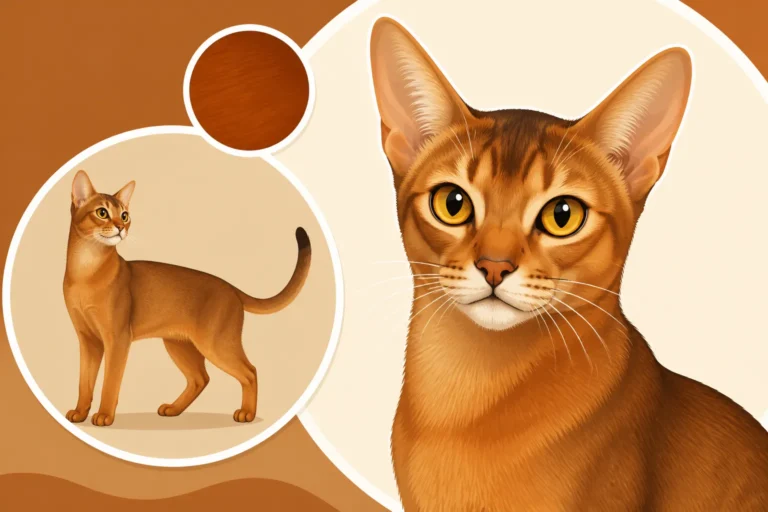
As the American Abyssinian population grew, subtle differences began to emerge between the cats bred in the United States and those in Europe, which were also slowly recovering. American breeders generally favored a sleeker, more elegant cat with a slightly longer body, larger ears, and a refined head profile. The eye shape and expression also became a point of distinction, often described as having an "alert, intelligent" look. This wasn't a conscious decision to diverge but rather the natural evolution of different breeding preferences and foundational cats. How the American Abyssinian Differs From the British delves deeper into these variations. European lines, having faced their own unique challenges and perhaps drawing from a slightly different remnant population, often maintained a stockier, more compact build. These differences created a fascinating duality within the breed, with both types contributing to the global Abyssinian gene pool, yet retaining their regional characteristics.
Registering and Standardizing the Breed
To truly secure the Abyssinian's future, American breeders also focused on formalizing its presence within major cat registries. The Cat Fanciers' Association (CFA), a prominent American registry, played a significant role in this. Achieving championship status and solidifying the breed standard provided a clear blueprint for what a well-bred Abyssinian should embody. This standardization helped guide breeding decisions, ensured consistency in type, and provided a framework for judging cats in the show ring. When CFA Recognized the Abyssinian was a pivotal moment, giving the breed official recognition and a platform for growth. Breeders meticulously worked within these standards, ensuring that their cats not only maintained health but also conformed to the established ideals. This process gave structure and direction to the rebuilding efforts, uniting breeders under a common goal for the Abyssinian's future. For new owners, this standardization also made it easier to verify a kitten's lineage and health background, often involving detailed contracts outlining responsibilities for spaying or neutering and guarantees, and many new owners found their first supplies and food for their pedigreed kittens from reputable online stores like Chewy.
The Legacy of American Breeders
The efforts of American breeders were nothing short of heroic. They didn't just save a breed; they actively shaped its future, ensuring that the Abyssinian would continue to captivate cat lovers worldwide. Their legacy is evident in every healthy, vibrant Abyssinian we see today.
Global Influence and Resilience
The success of the American rebuilding program had a ripple effect across the globe. As European lines slowly started to recover, they often looked to American Abyssinians to infuse new vigor and genetic diversity into their own populations. American-bred cats became highly sought after, helping to re-establish the breed in countries where it had nearly disappeared entirely. This international collaboration demonstrated the resilience of the breed and the power of dedicated communities to work together for a common purpose. The Abyssinian's story is a powerful reminder that while catastrophic events can decimate populations, human passion and commitment can bring them back stronger than ever. The average The Twelve to Fifteen Years an Abyssinian Usually Gets lifespan is a testament to the healthy foundations laid by these efforts.
Ongoing Preservation Efforts
The work, however, is never truly done. Even with the breed firmly re-established, dedicated breeders continue to prioritize genetic health and diversity. They understand that vigilance is key to preventing future crises. Modern breeding programs still rely on careful health screening, thoughtful selection of breeding pairs, and a commitment to understanding the genetic heritage of each cat. Organizations and individual breeders maintain detailed records, often going back many generations, to track health trends and avoid potential pitfalls. This ongoing commitment ensures that the Abyssinian remains a robust and healthy breed, ready to face whatever challenges the future may hold. Breeders often share information about health and responsible ownership, and sometimes even recommendations for where to get the best kitten supplies, whether it's specific food brands or durable scratching posts from retailers like Chewy.
The Continued Evolution of the Breed
The Abyssinian is not a static entity; it continues to evolve. While the core characteristics remain, subtle refinements occur over time as breeders strive for perfection within the established standard. This evolution involves a continuous dialogue among breeders, judges, and enthusiasts, ensuring the breed remains true to its active, intelligent, and elegant nature. The breed's popularity, though not as widespread as some other breeds, remains consistent, attracting those who appreciate its unique blend of beauty and boundless energy. The story of the American breeders' role in saving the Abyssinian is a testament to what can be achieved with unwavering dedication and a profound love for these incredible felines. It reminds us that every pedigree cat we welcome into our homes is a living legacy, a product of generations of careful stewardship.
Disclaimer
This article is for general informational purposes only and does not constitute professional advice. Laws, prices and regulations vary by location and change over time. Consult a qualified professional for guidance on your specific situation.