What a Sorrel Abyssinian Looks Like
One of the most common questions new Abyssinian owners or those interested in the breed have revolves around their incredible coat colors. It’s easy to get confused when breeders or enthusiasts throw around terms like "Ruddy," "Sorrel," "Blue," and "Fawn." This guide will specifically break down what a Sorrel Abyssinian looks like, helping you truly appreciate this stunning variant and distinguish it from its equally beautiful relatives.
Understanding Abyssinian Colors Beyond the Basics
The Abyssinian breed is renowned for its distinctive ticked coat, a characteristic that makes them appear to shimmer and shift color with every movement. This agouti pattern is unlike a tabby's stripes or spots; instead, each individual hair shaft has bands of color, typically three or four, with a darker tip. This unique genetic trait is what gives the Abyssinian its wild, untamed look, often compared to miniature cougars or pumas. While the coat patterning is consistent, the base colors vary, leading to the different named varieties. For someone just stepping into the world of Abyssinians, it can feel like trying to decipher a secret code. You might see a cat and think it’s brown, only to be told it’s "Ruddy," or assume another is just a red cat, only to learn it’s a "Sorrel." It’s a learning curve, but once you understand the nuances, it's quite fascinating.
The Core Four: Ruddy, Red (Sorrel), Blue, and Fawn
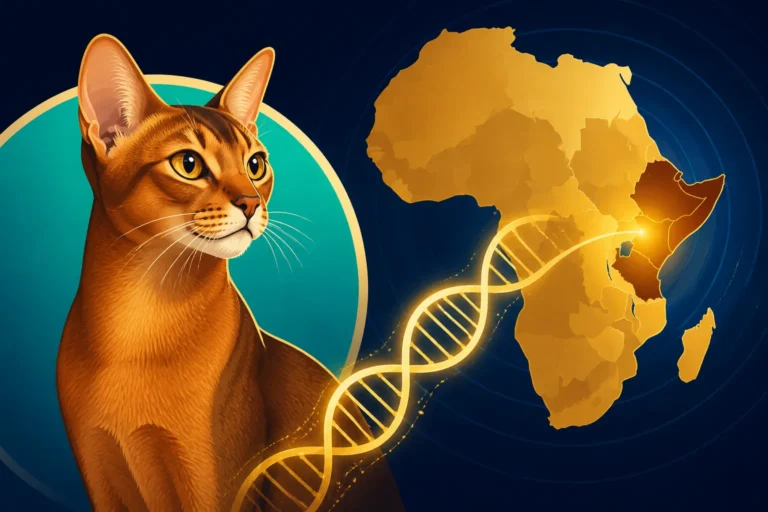
When you delve into the official breed standards and talk to experienced breeders, you’ll consistently hear about the four core recognized colors: Ruddy, Sorrel (often called Red), Blue, and Fawn. These are the foundational colors from which other, sometimes less common or unrecognized, variations may arise. Each of these colors has its own distinct charm and characteristics, but they all share the fundamental ticked pattern. The difference lies in the specific pigments and their distribution along each hair shaft, as well as the underlying skin pigmentation. Understanding these main categories is the first step to truly appreciating the depth and variety within the Abyssinian breed. It's not just about a simple hue; it's about the intricate play of light and shadow on their short, fine coats. For a deeper dive into the overall genetics, you might want to read The Abyssinian Has Three DNA Tests and One Disease With None.
What Makes a Sorrel Unique in the Line-Up
Among the four main colors, Sorrel stands out with its warm, glowing appearance. It’s often the color that people mistakenly identify as "red" in a general sense, and indeed, many registries still refer to it as "Red" Abyssinian. However, it's a very specific kind of red, deeply infused with cinnamon and copper tones, rather than the bright, fire-engine red you might imagine on, say, an Irish Setter. What makes the Sorrel unique is the particular genetic combination that dilutes the black pigment found in the Ruddy into a rich reddish-brown, while maintaining the warm, vibrant orange or apricot bands on the hair shaft. This gives the cat an overall impression of warmth and brightness that can look quite different from the earthy tones of a Ruddy. When you see a Sorrel Abyssinian basking in the sun, its coat seems to radiate warmth, truly living up to its fiery reputation.
The Defining Characteristics of a Sorrel Abyssinian's Coat
The coat of a Sorrel Abyssinian is truly a sight to behold, a testament to the intricate genetics that create such a beautiful animal. It's not just the overall impression of redness, but the fine details of the ticking that give the Sorrel its characteristic glow. The individual hairs are crucial here; it’s the layering of color on each strand that builds up the vibrant hue across the entire cat. People often marvel at how their Abyssinian's coat seems to change color as the cat moves, and this is particularly evident in the Sorrel, where the interplay of the warm base and the darker ticking creates a dynamic visual effect. You might notice your Sorrel looking more reddish in direct sunlight, and a deeper, richer cinnamon indoors.
The Warm, Cinnamon-Red Base Color
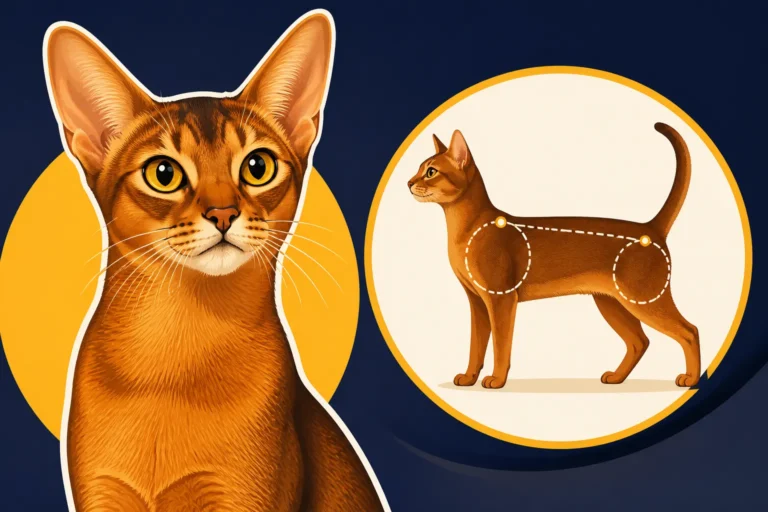
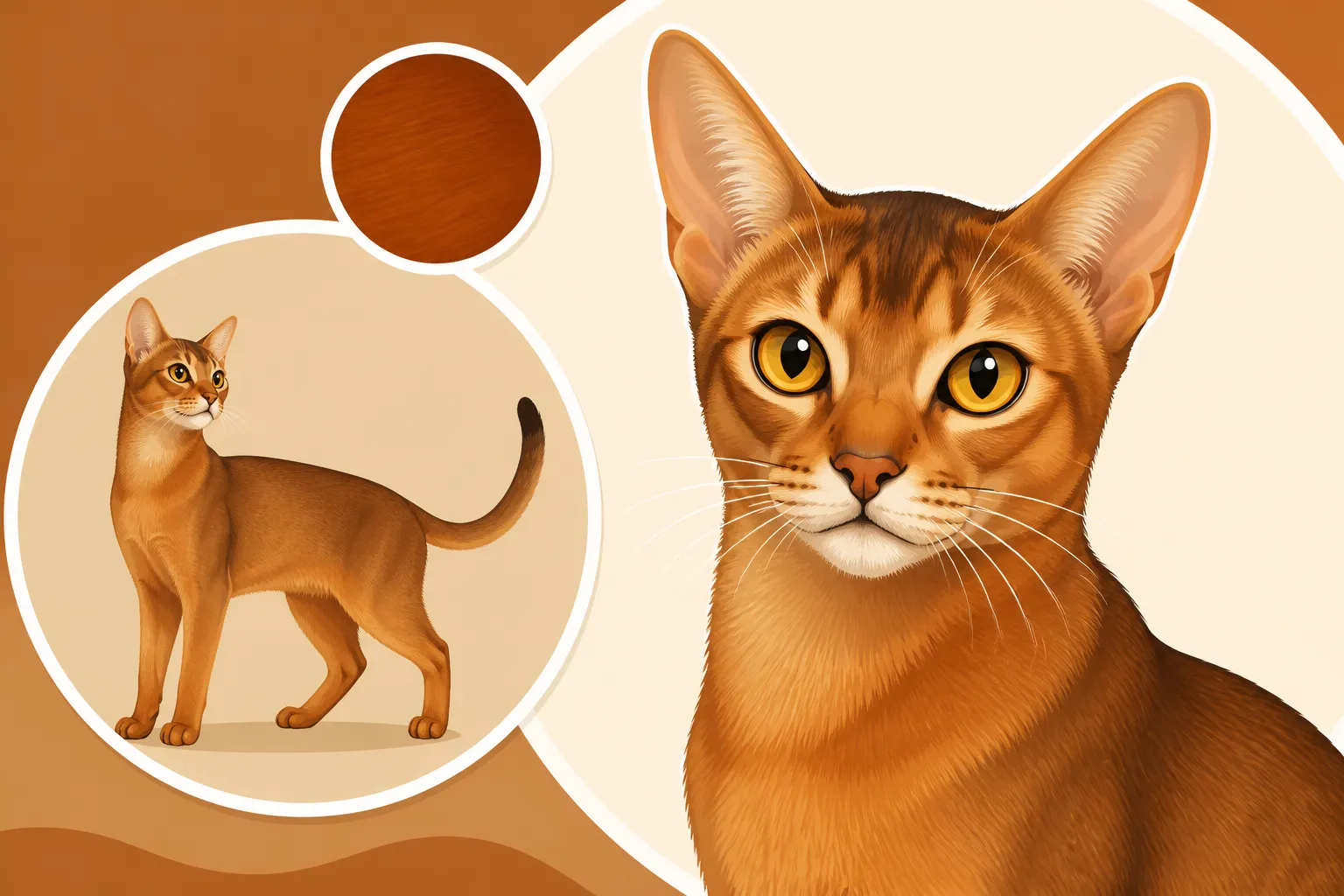
The most striking feature of a Sorrel Abyssinian is its base color. Imagine the richest, warmest cinnamon stick you’ve ever seen, or perhaps the deep russet and copper hues of autumn leaves just before they fall. This is the essence of the Sorrel's background color, often described as an apricot to deep copper or cinnamon red. Unlike the Ruddy, which has a darker, black-based ticking and a burnt orange undercoat, the Sorrel's ticking is a warm reddish-brown. This means that even the darker bands on each hair shaft contribute to the overall impression of redness, rather than creating a stark contrast. The lighter bands, which are typically found closer to the skin, are a vibrant apricot, creating a lovely depth and glow.
This warm base color should be consistent across the cat's body, though you might find it slightly lighter on the undersides or the inner legs. The intensity of the color can also vary from one individual to another, with some Sorrels exhibiting a more vibrant, almost fiery red, while others lean towards a softer, more mellow cinnamon. Regardless of the exact shade, the hallmark is that undeniable warmth, setting it apart from the cooler tones of a Blue or Fawn. Breeders put a lot of effort into selecting lines that express this rich, clear color, as it's a key element of the breed standard. You can learn more about how the colors develop by checking out When an Abyssinian's Adult Color Settles.
The Ticking Pattern and Its Effect on Sorrel
The ticking is the magic behind the Abyssinian coat, and in a Sorrel, it's what truly brings the cinnamon-red to life. As mentioned, each hair shaft has multiple bands of color. In a Sorrel, the bands alternate between that rich apricot-orange and a darker, reddish-brown. The very tip of the hair is always the darkest band. This unique arrangement means that as light hits the coat, it catches these different color bands, creating a shimmering effect that makes the coat appear to vibrate with color. It's this continuous, even ticking across the entire body, without any visible bars, stripes, or spots (which would be considered a fault in the show ring), that defines the Abyssinian look.
The lack of barring on the legs or tail is particularly important for a show-quality Sorrel. Sometimes, very young kittens might show some faint ghost tabby markings, especially on the legs or neck, but these should fade as they mature and their adult coat comes in. The ticking in a Sorrel contributes to its "warm" overall appearance because both the lighter and darker bands are within the red spectrum, avoiding the contrasting black or grey tones found in other Abyssinian colors. This harmonious blend of warm tones gives the Sorrel its characteristic soft, yet vibrant, appearance, making it distinct even from its Ruddy counterparts. Understanding this intricate banding is key to appreciating How an Abyssinian's Agouti Banding Works.
Understanding the "Red" Misnomer
It’s completely understandable why many people, especially those new to the breed, refer to the Sorrel Abyssinian simply as "red." After all, if you look at it, it is red! However, in the precise language of cat fancy and genetics, the term "red" can be a bit ambiguous. In some breeds, "red" refers to a clear, un-ticked ginger or orange color, caused by the sex-linked orange gene. This isn't what's happening with an Abyssinian Sorrel. The Sorrel color in Abyssinians is a result of the dilution of black pigment into a reddish-brown, combined with the agouti ticking pattern. It’s a specific genetic expression that creates a rich, warm, cinnamon-red appearance.
The reason it's often called "Sorrel" in North America and "Red" in the UK and Europe speaks to this slight difference in terminology. Regardless of the name, the visual result is the same: a stunning cat with a coat that glows with the warmth of cinnamon and copper. It’s a color that evokes images of wild nature, perfectly suiting the Abyssinian's energetic and curious personality. So, while you might hear people use "red" interchangeably, especially outside of breeder circles, know that "Sorrel" points to that specific, ticked, cinnamon-infused red that makes the Abyssinian so special. You can read more about it in What Sorrel Means on an Abyssinian.
Complementary Features: Eyes, Nose, and Paw Pads
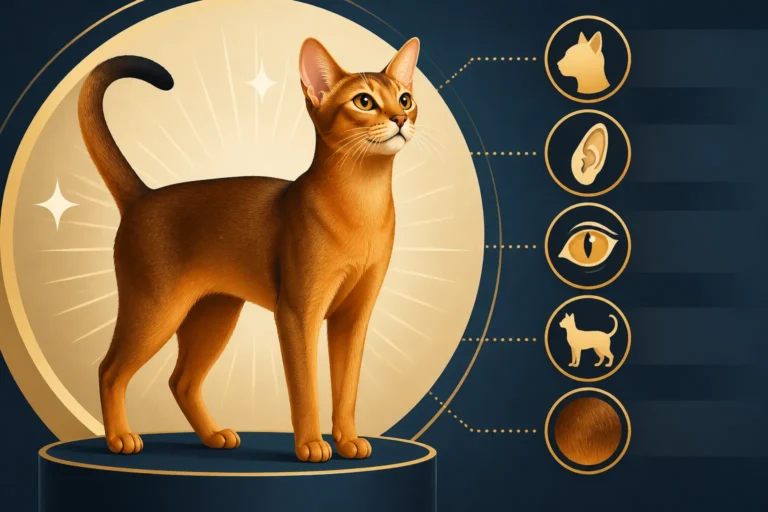
Beyond the magnificent coat, the eyes, nose leather, and paw pads of an Abyssinian play a crucial role in completing their distinctive look. These features aren't just details; they are integral parts of the breed standard and contribute to the overall harmony and balance of the cat's appearance. For a Sorrel, these complementary features are typically aligned to enhance the warm, rich tones of their fur, ensuring that every aspect of the cat presents a cohesive and beautiful picture. It’s these subtle touches that differentiate one color variant from another, and a good breeder pays close attention to how these elements come together in their kittens.
The Eye Colors That Harmonize with Sorrel
The eyes of an Abyssinian are often described as having an expressive, almond shape, giving them an intelligent and watchful gaze. For a Sorrel Abyssinian, the acceptable eye colors are typically gold or green. Both of these colors create a striking contrast against the warm cinnamon tones of the coat, making the eyes truly pop. Imagine bright emerald green or deep amber gold peering out from that rich reddish fur – it's simply captivating. The depth and intensity of the eye color can vary, but a strong, clear color is always preferred. You won't often see a Sorrel with light, watery eyes; instead, they usually possess a vibrant, deep hue that adds to their allure.
Crucially, the eyes of an Abyssinian, regardless of coat color, are famously rimmed with a darker pigment, giving them a lined, almost kohl-rimmed appearance. For the Sorrel, this rimming will typically be a reddish-brown, complementing the coat's ticking rather than standing out as a harsh black line. This "makeup" effect enhances their exotic appeal, making their already large and luminous eyes even more prominent. When considering a kitten, observing the developing eye color is part of the joy, as it often deepens and settles as they mature.
Nose Leather and Paw Pad Pigmentation
Just like the eyes, the nose leather and paw pads of a Sorrel Abyssinian also carry specific pigmentation that harmonizes with their coat color. For a Sorrel, the nose leather should ideally be a salmon pink, edged with a reddish-brown line, consistent with the ticking. This isn't a bright, bubblegum pink, but a soft, warm salmon hue that subtly blends with the surrounding fur. It's another indicator of the underlying genetic expression of the Sorrel color, showcasing how the pigments are distributed throughout the cat's entire body.
The paw pads follow a similar pattern, typically being a soft salmon pink, often with some reddish-brown intermixed. This combination creates a cohesive color scheme from head to paw, reinforcing the overall warm and inviting appearance of the Sorrel. Unlike Ruddy Abyssinians, where the paw pads might be a darker brick red or even blackish-brown, the Sorrel's pads are distinctly lighter and pinker. These small details are often overlooked by casual observers, but they are important markers for breed enthusiasts and judges, completing the elegant presentation of a well-bred Sorrel Abyssinian. It's a testament to the meticulous standards that define these magnificent animals.
Common Confusions and Distinguishing a Sorrel
It’s completely normal to get a little mixed up when trying to distinguish between Abyssinian colors, especially for the untrained eye. The subtle differences in ticking and underlying pigment can be tricky to pinpoint, and lighting conditions can play a huge role in how a cat's coat appears. Many potential owners, and even some who have owned Abyssinians for a while, struggle to articulate the exact distinction between a Ruddy and a Sorrel, or how a diluted color like Fawn compares. Don't feel frustrated if you're in this boat; it's a common experience. The key is to understand the core genetic differences that lead to these visual variations. Learning these distinctions not only helps in identifying the color correctly but also deepens your appreciation for the genetic artistry behind the breed.
Sorrel vs. Ruddy: The Warmth Factor
The most frequent confusion arises between the Sorrel and the Ruddy Abyssinian. At first glance, both can appear to be "brownish" or "reddish" cats, but there's a crucial difference that seasoned Abyssinian lovers immediately spot: the warmth factor.
A Ruddy Abyssinian is considered the "original" or "usual" color. Its ticking is black or very dark brown, contrasting with a rich, burnt orange or apricot ground color. The overall impression is one of a darker, earthier, more traditional wild cat. Think of the color of a fox or a deer. The black ticking creates a distinct depth and sometimes a slightly cooler undertone compared to the Sorrel. The paw pads and nose leather of a Ruddy are typically a deeper brick red, often edged with black. You can see more about this by reading What a Ruddy Abyssinian Actually Looks Like.
The Sorrel, on the other hand, lacks this black pigment. All the darker bands in its ticking are a warm reddish-brown, cinnamon, or even chocolate-like hue, not black. This means that the entire coat, from the ground color to the ticking, stays within the warm spectrum of reds and coppers. This gives the Sorrel a consistently brighter, lighter, and distinctly warmer appearance. There are no harsh dark contrasts; instead, everything blends into a glowing, cinnamon-red ensemble. When you see them side-by-side, the Ruddy looks more grounded and autumnal, while the Sorrel looks more like a fiery sunset. This warmth is the primary distinguishing characteristic.
Sorrel vs. Fawn or Blue: The Dilution Difference
Distinguishing a Sorrel from a Fawn or Blue Abyssinian is generally easier because the genetic mechanism at play is different. Fawn and Blue are both "diluted" colors, meaning the intensity of the pigment is reduced, resulting in softer, pastel shades.
A Blue Abyssinian has ticking that is a slate blue or grey, contrasted with a creamy or peach ground color. The overall effect is a cooler, smoky grey-blue, a stark departure from the reds and browns of the Sorrel. Imagine a misty morning or a soft storm cloud; that's the feeling a Blue Abyssinian evokes. Their nose leather and paw pads are typically pinkish-grey or slate blue. You can dive deeper into this specific coloration with What a Blue Abyssinian Looks Like.
The Fawn Abyssinian is an even further dilution, the dilute of the Sorrel itself. Where the Sorrel is cinnamon-red, the Fawn is a soft, warm cream or beige, with ticking in a softer, fawn-like brown. It’s the palest of the four main colors, giving a very delicate and ethereal appearance. Their nose leather and paw pads are pink. What a Fawn Abyssinian Looks Like will give you a full picture.
The difference with the Sorrel is its sheer vibrancy and saturation of red/cinnamon pigment. It’s not a pastel or a muted tone; it’s a full-bodied, warm color. If you see a cat that looks distinctly reddish-brown or cinnamon, with no grey or cream undertones, you’re almost certainly looking at a Sorrel. The "dilution" colors often have a velvety, almost dusty appearance due to the way the pigment is spread out, whereas the Sorrel has a clear, rich, glowing quality.
How a Sorrel's Appearance Develops Over Time
Just like human babies, Abyssinian kittens don't arrive looking exactly like their adult selves. The development of their full, rich coat color and ticking is a gradual process that unfolds over several months, sometimes even into their second year. This can be a source of bewilderment for new owners, who might wonder why their kitten's coat looks a bit "off" compared to the photos of adult Sorrels they've seen. It’s important to remember that a kitten’s coat is still a work in progress, and patience is key. Experienced breeders understand this natural progression and can often predict how a kitten’s coat will mature, but for the average person, it’s a fascinating journey to witness. You may notice your kitten's energy levels changing, too; Abyssinians are known for being perpetually active, and a kitten is just a compact ball of unstoppable motion! Maintaining that energy often involves a high-quality diet, and you might find useful resources for this at retailers like Chewy.
Sorrel Kitten Coats: The Early Stages
When a Sorrel Abyssinian kitten is born, its coat is usually much less defined than what you see in an adult. They often appear somewhat "blotchy" or even a bit dark and muddled, lacking the clear, crisp ticking and vibrant ground color that will eventually emerge. This early stage is sometimes referred to as "kitten uglies" by breeders, though they are undeniably cute! You might see faint tabby stripes or barring, especially on their legs, tail, and sometimes around the neck, which are known as "ghost markings." These markings are completely normal at this age and are not indicators of a fault in an adult cat; they are residual patterns from their tabby ancestors that typically disappear as the coat matures.
During these first few weeks and months, the individual hair shafts are still developing their full banding pattern. The full depth of the cinnamon-red ground color and the rich reddish-brown ticking slowly start to fill in. It's a bit like a painting being layered over time. The "clear" coat, where distinct barring is absent and the ticking is even, is a gradual development. Owners should be prepared for their Sorrel kitten to look quite different from its adult self, and they should trust the breeder's assessment of its eventual color and pattern. This developmental phase is a natural part of becoming that stunning, shimmering adult Abyssinian. Checking Why an Abyssinian Kitten Looks Blotchy at First can provide more context on this phase.
Maturation and the Full Expression of Sorrel Ticking
The full beauty of a Sorrel Abyssinian's coat truly begins to reveal itself as the kitten matures. By about 6 months of age, you'll start to see more definition, but it can take up to one to two years for the coat to fully "clear" and for the richness of the Sorrel color to reach its peak intensity. During this maturation process, the ghost markings on the legs and neck should fade entirely, leaving behind a clear, even ticking across the body. The ground color will deepen into that glorious apricot to copper-red, and the ticking will become more pronounced in its reddish-brown hue.
The texture of the coat also plays a role in its appearance. A mature Abyssinian's coat is short, fine, and lies close to the body, which allows the ticking to be seen clearly and creates that characteristic shimmer. As the kitten grows, the coat density and texture will refine, contributing to the overall visual effect. Environmental factors, like exposure to sunlight, can also subtly influence coat color, sometimes causing a slight fading if a cat spends a lot of time basking in bright sun. Providing a well-balanced diet, perhaps sourced from a reputable pet supply retailer like Chewy, is also vital for healthy coat development. By the time a Sorrel Abyssinian is a year and a half to two years old, you will likely be looking at the fully realized, breathtaking cinnamon-red masterpiece you envisioned when you first fell in love with the breed. The journey from blotchy kitten to vibrant adult is one of the most rewarding aspects of owning this incredible feline.
| Feature | Sorrel Abyssinian | Ruddy Abyssinian | Blue Abyssinian | Fawn Abyssinian |
|---|---|---|---|---|
| Overall Impression | Warm, glowing cinnamon-red | Earthy, rich burnt orange/black | Cool, smoky blue-grey | Soft, creamy beige/rose |
| Ground Color | Apricot to deep copper-red | Burnt orange to apricot | Creamy peach to pale fawn | Warm cream to mushroom |
| Ticking Color | Reddish-brown, cinnamon | Black or very dark brown | Slate blue-grey | Soft fawn or rose-beige |
| Paw Pads | Salmon pink, sometimes with reddish-brown flecks | Brick red, often edged with blackish-brown | Pinkish-grey or slate blue | Pink |
| Nose Leather | Salmon pink, edged with reddish-brown | Brick red, edged with black | Pinkish-grey, edged with slate blue | Pink, edged with fawn |
| Eyes | Gold or Green | Gold or Green | Gold or Green | Gold or Green |
| Genetic Basis | Black pigment modified to red, no true black | Full black pigment, normal agouti | Black pigment diluted to blue, normal agouti | Sorrel pigment diluted to fawn, normal agouti |
Disclaimer
This article is for general informational purposes only and does not constitute professional advice. Laws, prices and regulations vary by location and change over time. Consult a qualified professional for guidance on your specific situation.