How the Abyssinian’s DNA Panel Is Ordered
It's incredibly disheartening to realize that even with the best intentions, you might not fully understand the genetic health of your beloved Abyssinian. Many new and even experienced owners feel overwhelmed by the alphabet soup of DNA tests and wonder how to even start. This guide will walk you through the essential process of ordering a DNA panel for your Abyssinian, ensuring you have the knowledge to protect their health and future.
Understanding the Importance of Abyssinian DNA Testing
Bringing an Abyssinian into your home is a commitment to a vibrant, active companion, but it also comes with a responsibility to understand their unique health needs. Unlike simply taking a cat to the vet for a check-up, DNA testing offers a window into their predispositions that no physical exam ever could. It’s about proactive care, not just reactive treatment when something goes wrong.
Why Genetic Screening Matters for Abyssinian Cats
Abyssinians, like many purebred cats, carry certain genetic markers that can lead to specific health conditions. These aren't just random illnesses; they're inherited traits passed down through generations. Ignoring them can lead to heartbreaking and expensive surprises down the line. Knowing your cat’s genetic status allows you to anticipate potential health challenges, work with your vet on preventative measures, and even ensure you’re not unwittingly contributing to the spread of these conditions if you ever consider breeding (though most pet Abyssinians are spayed or neutered, of course). It's a cornerstone of responsible pet ownership, offering peace of mind and empowering you to make informed decisions throughout your Abyssinian's life. Think of it as a roadmap for their lifelong wellness journey, something any pet owner, particularly one with a breed as special as an Abyssinian, will appreciate.
The Peace of Mind a DNA Panel Offers
Imagine knowing, with a high degree of certainty, that your lively Abyssinian doesn't carry the genes for a debilitating disease that could strike early in life. That’s the kind of assurance a DNA panel provides. It takes away much of the guesswork and allows you to enjoy their playful antics without a constant underlying worry. While no test can predict every single health issue, addressing the known genetic predispositions is a huge step. For instance, if your cat tests "clear" for Pyruvate Kinase Deficiency, you can breathe a little easier knowing you won't face the challenges of managing chronic anemia from that specific cause. This knowledge also helps you save on unnecessary diagnostic tests in the future if a symptom arises that might be related to a genetic condition but you already know your cat is clear. This proactive approach can even influence your choice of pet insurance, as some conditions might be covered if they haven't been diagnosed prior to enrollment; having DNA results can clarify risk factors. A solid plan with a provider like Healthy Paws can truly alleviate financial stress if unexpected health issues arise.
What Diseases an Abyssinian DNA Panel Covers
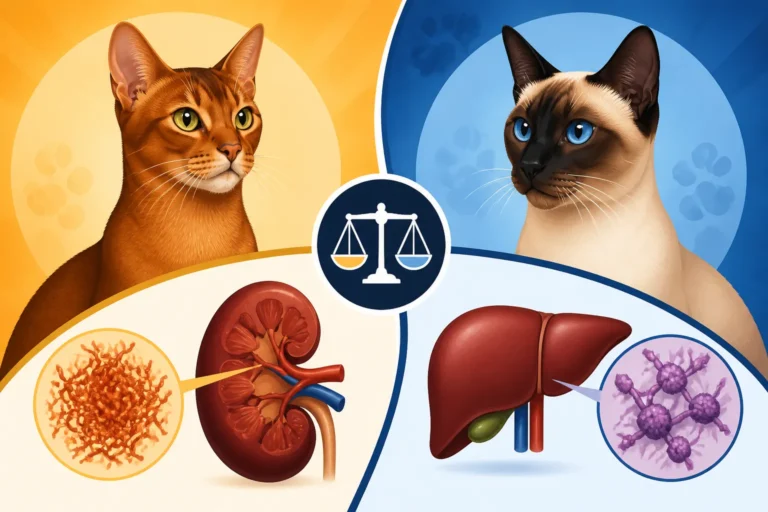
When you order a comprehensive DNA panel for an Abyssinian, you’re primarily looking at two major genetic conditions that have specific tests available. These are Pyruvate Kinase Deficiency (PKD) and Progressive Retinal Atrophy (PRA-rdAc). Understanding what each of these means for your Abyssinian is critical, as they can significantly impact their quality of life.
Pyruvate Kinase Deficiency (PKD) in Abyssinians
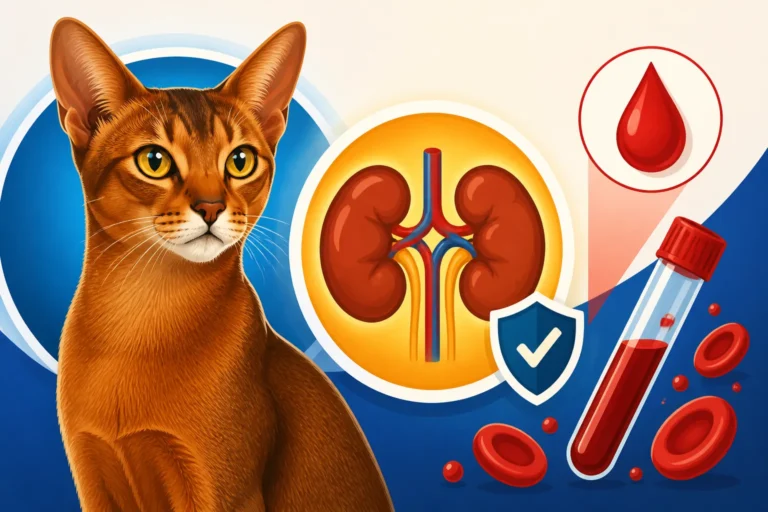
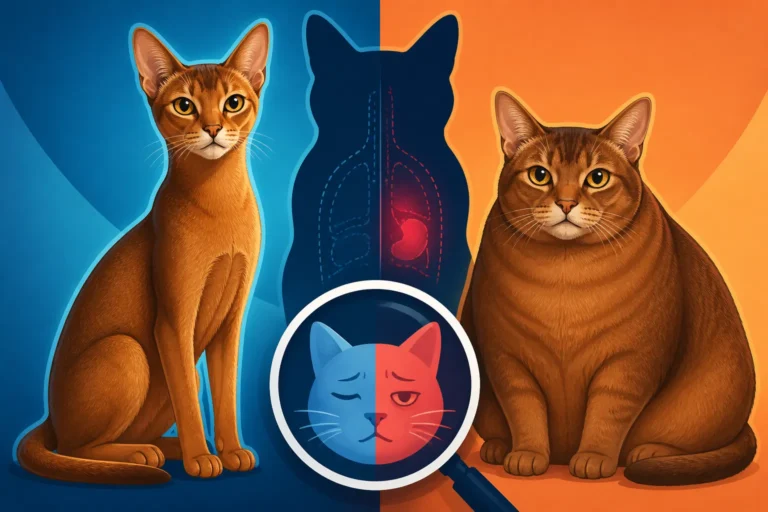
Pyruvate Kinase Deficiency, often abbreviated as PKD or PK Deficiency, is an inherited disease that affects an Abyssinian's red blood cells. Cats with this condition lack a crucial enzyme, pyruvate kinase, which is necessary for the proper functioning and lifespan of red blood cells. Without it, their red blood cells break down prematurely, leading to intermittent or chronic anemia. You might see signs like lethargy, weakness, pale gums, and sometimes an enlarged spleen. The severity can vary wildly, from cats who live a relatively normal life with only mild symptoms to those who experience life-threatening anemic crises.
The good news is that this is one of the conditions we can test for. The gene responsible, PKLR, has been identified, and a simple DNA test can tell you if your Abyssinian is clear, a carrier, or affected. A "carrier" cat has one copy of the gene and won't show symptoms, but can pass it on, while an "affected" cat has two copies and will likely develop the disease. For more on this, you can read about What PK Deficiency Does to an Abyssinian's Red Cells. This distinction is vital for breeders but also for pet owners to understand the potential future health of their cat.
Progressive Retinal Atrophy (PRA-rdAc)
Progressive Retinal Atrophy, specifically the rdAc form, is a cruel disease that gradually causes the degeneration of the photoreceptor cells in an Abyssinian's retina. These are the cells responsible for detecting light, meaning affected cats will slowly lose their vision, eventually leading to complete blindness. The initial signs often involve night blindness, as the rods (responsible for low-light vision) are usually affected first. As the disease progresses, owners might notice their cat bumping into furniture, especially in dimly lit areas, or becoming more hesitant to jump.
The onset of PRA-rdAc typically occurs by the age of five, but it can start earlier or later. Unfortunately, there is no cure, but knowing your cat's status means you can prepare for and manage their eventual blindness, making their home environment safe and predictable. Much like PKD, a DNA test for the CEP290 gene mutation can identify clear, carrier, and affected Abyssinians. Understanding How PRA-rdAc Blinds an Abyssinian Slowly can help you empathize with the changes your cat might experience. Thankfully, if you ensure Why Two Clear Abyssinian Parents End the Problem you can prevent future generations from suffering.
The Abyssinian Problem Without a Test: Renal Amyloidosis
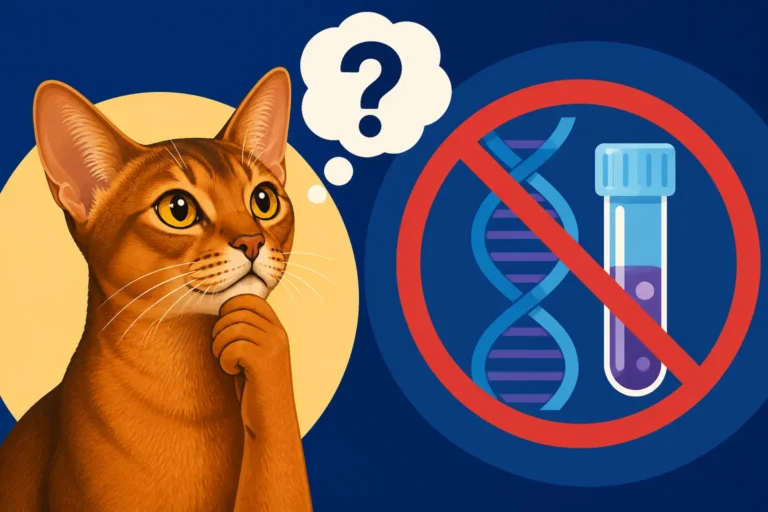
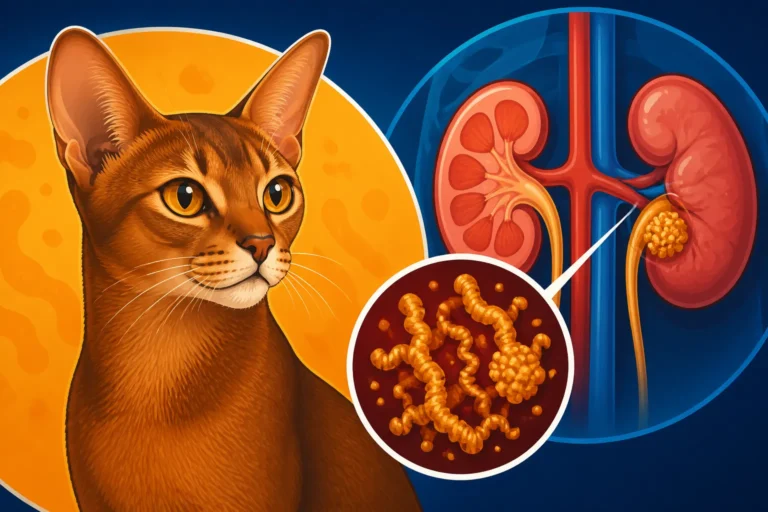
While a DNA panel gives you crucial insights into PKD and PRA-rdAc, it's essential to understand that not all genetic diseases have a direct DNA test. Renal Amyloidosis is a devastating condition that is notoriously prevalent in the Abyssinian breed, yet there's no genetic test to identify carriers or affected cats. This disease involves the abnormal deposition of amyloid protein in the kidneys, leading to progressive kidney failure. It's often silent until the later stages, making it incredibly challenging to manage.
Affected Abyssinians can show signs of kidney disease, such as increased thirst, frequent urination, weight loss, and lethargy, often as young as 1 to 5 years of age, though it can occur later. Because there's no genetic test, breeders rely heavily on pedigrees and careful tracking of kidney-related deaths in their lines to try and reduce its incidence. This is a prime example of Why No Gene Test Exists for Abyssinian Amyloidosis and highlights why comprehensive health guarantees and asking about family history are so important when acquiring an Abyssinian kitten. Even with diligent DNA testing for other conditions, this one remains a significant concern, making it vital to prioritize a vet-recommended diet and encourage good hydration to support kidney health.
Here’s a quick overview of the primary genetic conditions to test for in Abyssinians:
| Condition | Gene Affected | Inheritance Pattern | Typical Onset Age | Symptoms | DNA Test Available? |
|---|---|---|---|---|---|
| Pyruvate Kinase Deficiency | PKLR | Autosomal Recessive | 6 months to several years | Anemia, lethargy, pale gums, weight loss, enlarged spleen | Yes |
| Progressive Retinal Atrophy | CEP290 | Autosomal Recessive | 1-5 years | Night blindness, reduced vision, eventual complete blindness | Yes |
| Renal Amyloidosis | Multiple/Complex | Polygenic/Complex | 1-5 years (variable) | Kidney failure, increased thirst, weight loss, lethargy | No |
Choosing the Right Lab for Your Abyssinian's DNA Panel
When it comes to something as important as your Abyssinian's genetic health, you want to make sure you're using a reputable and accurate laboratory. Not all labs are created equal, and choosing the right one can make a significant difference in the reliability of your results and your overall experience. This isn't just about getting a certificate; it's about making crucial health decisions for your furry family member.
Reputable Genetic Testing Laboratories
Several established veterinary genetic testing laboratories worldwide specialize in feline DNA panels. When selecting a lab, look for those with a strong track record, peer-reviewed research, and clear communication regarding their testing methods and turnaround times. Some of the most widely recognized and trusted labs that breeders and owners use include:
- Optimal Selection by Wisdom Panel: This comprehensive panel tests for a wide array of genetic health conditions, blood types, and even trait variants. It's often favored for its thoroughness and user-friendly reports.
- UC Davis Veterinary Genetics Laboratory (VGL): Based out of the University of California, Davis, VGL is a highly respected institution known for its scientific rigor and expertise in a variety of feline genetic tests, including those for Abyssinians.
- Neogen (formerly GeneSeek): Neogen offers various animal genetic testing services, including specific disease panels for different breeds.
- Veternity (formerly MyCatDNA): This lab, particularly popular in Europe, offers comprehensive genetic panels for multiple breeds, often partnering with breed clubs.
These labs are typically reliable and provide clear, actionable results. It’s always a good idea to check with your Abyssinian breeder or a breed club for their specific recommendations, as they often have experience with certain labs and can offer insights into which ones are best for How Many Abyssinians Carry the PK Mutation or PRA-rdAc genes.
What to Look for in a Testing Service
Beyond just reputation, there are several key factors to consider when choosing where to send your Abyssinian's DNA sample:
- Specific Abyssinian Panel: Ensure the lab offers a specific panel that includes Pyruvate Kinase Deficiency (PKD) and Progressive Retinal Atrophy (PRA-rdAc). Some labs offer broad "cat panels" but you want to confirm these two crucial Abyssinian-specific tests are included. Remember, The Abyssinian Has Three DNA Tests and One Disease With None, and you want to cover the two that do exist.
- Accuracy and Validation: Ask if their tests are validated for Abyssinians and if they participate in any external quality assurance programs. While most reputable labs have high accuracy, it’s worth confirming.
- Turnaround Time: How long will it take to get your results? Most labs provide an estimated timeframe, usually a few weeks. If you're eager for results, a quicker turnaround might be a factor.
- Sample Collection Method: Most labs prefer a simple cheek swab, which is non-invasive and easy to collect at home. Some might offer blood sample options, but for routine screening, a swab is usually sufficient, as detailed in Why an Abyssinian Cheek Swab Is Enough.
- Cost: DNA panels can range in price. Compare costs between labs, but remember that the cheapest option isn't always the best when it comes to reliability and comprehensive testing. Consider the peace of mind you're buying.
- Customer Support: Good customer service is invaluable if you have questions about the process, results, or need help with sampling.
- Reporting Clarity: Look for labs that provide clear, easy-to-understand reports, explaining what each result means. They should differentiate between "clear," "carrier," and "affected" statuses and what the implications are.
For instance, Wisdom Panel provides detailed online reports that are quite user-friendly, whereas UC Davis might offer more technical scientific reports, which your vet can help you interpret. You can also explore How Much an Abyssinian DNA Panel Costs from various providers to compare options.
The Step-by-Step Process of Ordering and Submitting Samples
Once you've decided on a reputable lab, the actual process of getting your Abyssinian's DNA panel ordered and the sample submitted is quite straightforward. It might seem daunting at first, but it’s designed to be simple enough for any pet owner to do from home. No special vet visit needed just for the sample collection, which is a huge convenience.
Ordering Your DNA Kit
The first step is to visit the website of your chosen genetic testing lab. Navigate to their feline testing section and look for Abyssinian-specific panels or comprehensive cat panels that include PKD and PRA-rdAc.
- Select Your Panel: Add the appropriate DNA panel to your cart. Sometimes, they offer different tiers – a basic health panel or a more extensive one that includes traits or breed identification. For health, ensure PKD and PRA-rdAc are covered.
- Provide Cat Information: You'll typically need to input your Abyssinian's name, breed, date of birth (if known), and often their microchip number for identification. This information will be linked to your sample.
- Complete Purchase: Follow the prompts to pay for the kit. The cost usually includes the collection kit, the lab analysis, and the reporting of results.
- Shipping: The lab will ship a DNA collection kit directly to your home. This kit usually contains all the necessary materials and instructions. Shipping times can vary, so be patient.
When considering the cost, it's worth remembering that this is a one-time expense that provides lifetime genetic information. While the upfront cost can feel like a lot, especially when factoring in the general yearly vet expenses, it pales in comparison to the potential costs of managing an undiagnosed genetic condition later on. Many Abyssinian owners find the investment worthwhile, particularly when combined with robust pet insurance from providers like Healthy Paws, which can cover future unexpected health issues not caught by DNA testing.
Collecting and Submitting the Cheek Swab
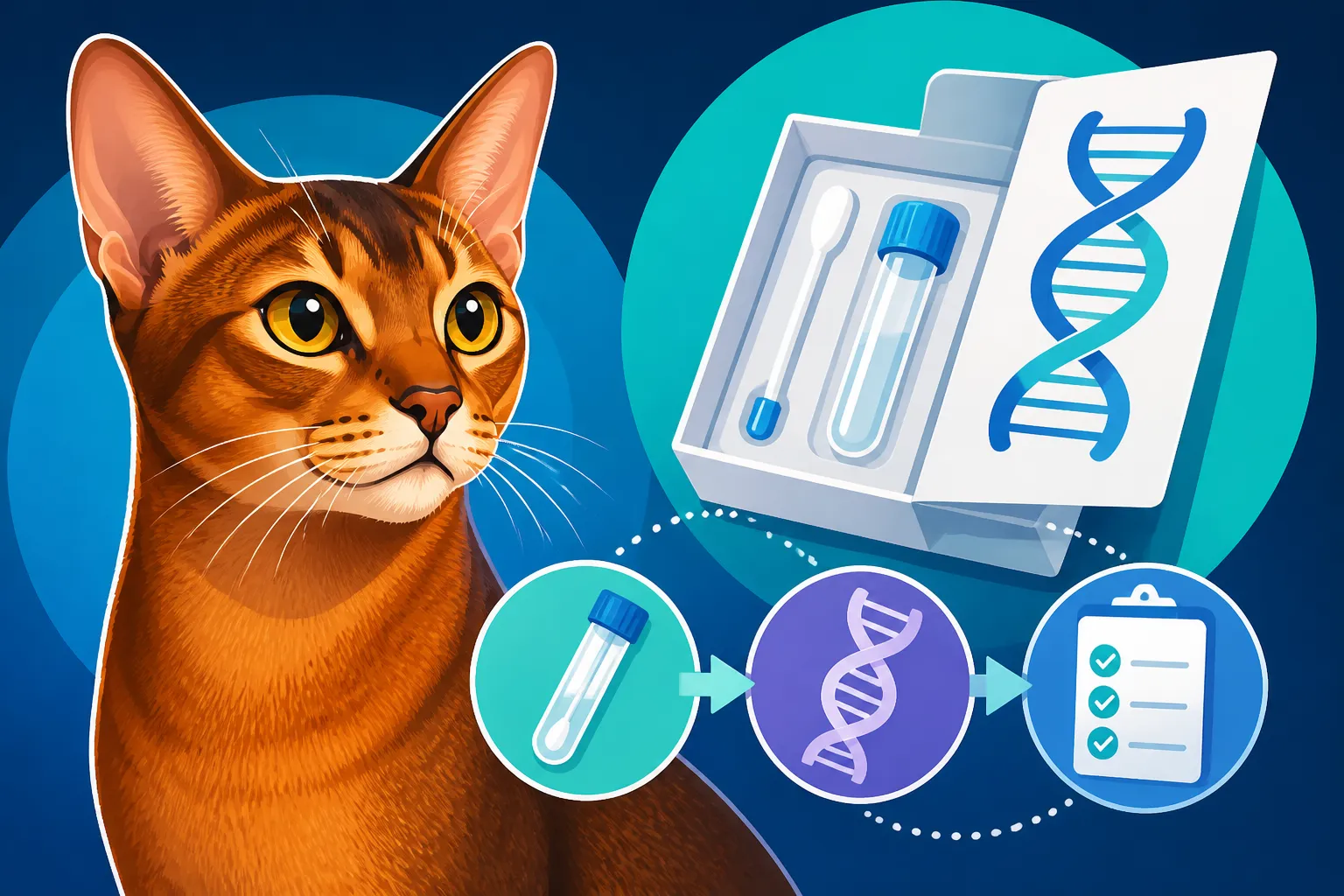
Once your DNA kit arrives, carefully read all the instructions provided by the lab. They are usually very clear and often include diagrams or links to video tutorials. The most common method involves a simple cheek swab.
- Prepare Your Cat: Choose a time when your Abyssinian is relaxed and cooperative. Avoid feeding them or letting them play with toys for at least 30-60 minutes before collection, as food particles can contaminate the sample. You want their mouth to be as clean as possible.
- Gather Materials: The kit will typically contain sterile cotton swabs (often with a brush-like end), a sterile envelope or tube for each swab, and return postage information. Ensure you don't touch the swab ends with your fingers to prevent contamination.
- Perform the Swab: Gently but firmly rub the sterile swab against the inside of your Abyssinian's cheek and gums. You want to collect as many cheek cells as possible, not just saliva. Rotate the swab for 10-20 seconds for each swab. Most kits provide two swabs per cat, and it's best to use both to ensure enough genetic material is collected.
- Air Dry: Crucially, do not put wet swabs directly into an airtight container. Allow the swabs to air dry for several minutes (usually 5-10 minutes) to prevent mold growth, which can degrade the DNA sample.
- Package and Return: Once dry, place the swabs into the provided sterile envelopes or tubes. Ensure all labels are filled out accurately, including your cat's name and any unique ID numbers from the kit. Seal the package and send it back to the lab using the provided return label.
This might sound like a bit of a wrestle, especially with a lively Abyssinian, but with a calm approach and maybe a second pair of hands, it's usually over quickly. Remember, the quality of your sample directly impacts the accuracy and speed of your results.
Interpreting Your Abyssinian's DNA Test Results
Receiving your Abyssinian's DNA results can be exciting, but also a little nerve-wracking. The language used in genetic reports can sometimes feel like a foreign language, but understanding the key terms – Clear, Carrier, and Affected – is fundamental to interpreting what the results mean for your cat and for your peace of mind.
Understanding Clear, Carrier, and Affected Status
For autosomal recessive genetic diseases like PK Deficiency and PRA-rdAc, your Abyssinian's DNA test results will fall into one of three categories:
- Clear (N/N or Homozygous Normal): This is the best possible result. It means your Abyssinian does not carry the gene mutation for the tested disease. They cannot develop the disease themselves (from this gene) and cannot pass it on to any offspring. You can breathe a sigh of relief on this front!
- Carrier (N/K, N/P, or Heterozygous): A carrier cat has one copy of the gene mutation but also one normal copy. For recessive diseases, this means they will not develop the disease themselves because the normal gene copy provides enough healthy protein function. However, they can pass the gene mutation on to about 50% of their offspring. This status is extremely important for breeders to manage, as Why an Abyssinian Marked as a Carrier Is Still Fine is key for understanding their personal health, but Why Two Carrier Abyssinians Should Never Be Bred is equally critical for preventing affected kittens.
- Affected (K/K, P/P, or Homozygous Affected): An affected cat has two copies of the gene mutation, meaning they have inherited the faulty gene from both parents. These cats will develop the disease. The severity and onset age can vary, but the genetic predisposition is there. Knowing this early allows for proactive discussions with your veterinarian about monitoring, management, and preparing for the disease's progression.
The lab reports typically use clear terminology and often include a brief explanation of each status. If you ever have doubts or questions, don't hesitate to contact the lab's customer service or schedule a consultation with your veterinarian to review the results together. Your vet can provide context and guidance tailored to your specific Abyssinian.
Implications for Your Cat's Health and Management
The practical implications of these results vary depending on the status.
If your Abyssinian is "Clear":
This is fantastic news! It means that for the diseases tested, your Abyssinian does not have the genetic predisposition. You can largely rule out these specific conditions as a cause for future health issues. Continue with routine veterinary care, a high-quality diet, and plenty of enrichment, knowing you've eliminated some major genetic risks. While a clear result doesn't mean your Abyssinian is immune to all diseases, it does cross off some significant concerns.
If your Abyssinian is a "Carrier":
For a pet Abyssinian, being a carrier usually means they will live a normal, healthy life without developing the disease. The primary implication here is for breeding purposes. If you were considering breeding (and responsibly, you wouldn't without extensive health testing and adherence to breed standards), you would need to ensure your Abyssinian is only bred to a cat that is "Clear" of the same condition. This ensures no "Affected" kittens are produced. For pet owners, it simply means you're aware of a genetic trait they carry, but it shouldn't impact their personal health. This is why it's so helpful to understand How a Carrier Abyssinian Differs From an Affected One.
If your Abyssinian is "Affected":
This is understandably the most concerning result. It means your Abyssinian has a genetic predisposition to develop, or is already developing, the disease. This is where proactive management becomes paramount.
- For PK Deficiency: An affected Abyssinian will likely experience episodes of anemia. Your vet will recommend regular blood work to monitor red blood cell counts, discuss diet adjustments, and potentially supplements. Some severely affected cats might require blood transfusions or even a splenectomy in extreme cases. Knowing this early allows you to prepare for these possibilities and work closely with your vet on a management plan.
- For PRA-rdAc: An affected Abyssinian will slowly lose their sight. While there's no cure, knowing in advance allows you to make adjustments to your home environment to keep them safe and comfortable. Avoid moving furniture, maintain consistent routines, and use sound cues to help them navigate. You can also work with your vet to monitor their eye health and ensure comfort. Exploring What an Abyssinian Does First as Its Sight Goes can help you anticipate and support them through this transition.
In all cases, these results are valuable tools for you and your veterinarian to provide the best possible care for your Abyssinian throughout their life. It empowers you to address potential issues head-on, rather than waiting for symptoms to become severe.
Integrating DNA Testing into Responsible Abyssinian Ownership
Getting your Abyssinian's DNA panel done isn't just a one-off task; it's a vital component of a holistic approach to their well-being. It fits seamlessly into a broader framework of responsible ownership that includes everything from diet and exercise to routine vet visits and, yes, even careful financial planning.
Beyond the DNA Panel: A Holistic Approach
While DNA testing provides invaluable insight into genetic predispositions, it's crucial to remember that it's just one piece of a much larger puzzle. An Abyssinian's health is a complex interplay of genetics, environment, diet, and lifestyle.
- Regular Veterinary Check-ups: Even the healthiest, genetically clear Abyssinian needs routine vet care. Annual check-ups are essential for detecting non-genetic issues, monitoring overall health, and staying up-to-date on vaccinations. These visits are also crucial for early detection of conditions like What Kidney Failure Looks Like in a Young Abyssinian, which has no current DNA test.
- Quality Nutrition: A balanced, high-quality diet appropriate for their age and activity level is paramount. Abyssinians are active cats, so their caloric and nutritional needs are specific. Proper hydration is also key, especially given the breed's predisposition to kidney issues like Amyloidosis.
- Environmental Enrichment: Abyssinians are intelligent, high-energy cats who thrive on mental and physical stimulation. Plenty of climbing structures, puzzle toys, and interactive playtime are essential for their well-being. A bored Abyssinian is an unhappy, and potentially destructive, Abyssinian.
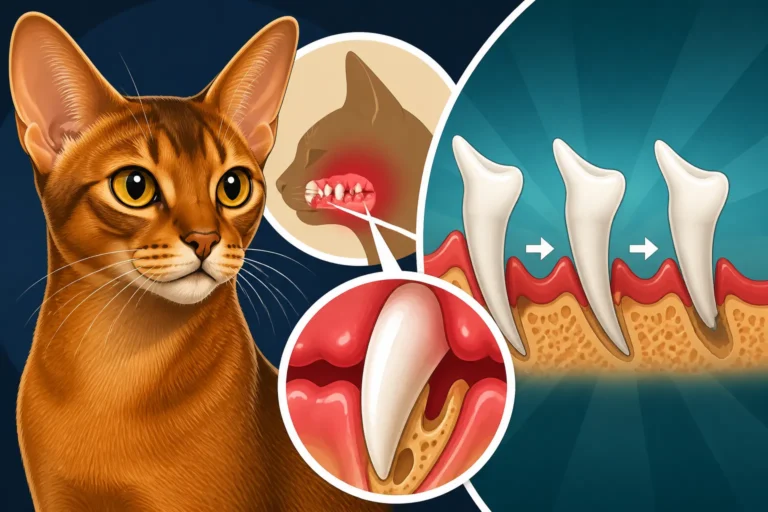
- Dental Care: This is a major one for Abyssinians. They are notoriously prone to gingivitis and other dental problems, often starting at a young age. Regular brushing at home and professional dental cleanings are not optional; they are critical. You can read more about Why an Abyssinian Kitten's Gums Fail at Six Months to understand the early challenges.
Integrating DNA results means using that knowledge to inform these other aspects. For an affected cat, a vet might recommend specific dietary considerations or more frequent monitoring for certain conditions during routine exams.
When and How Often to Test Your Abyssinian
For most pet Abyssinians, a single DNA panel performed when they are young is sufficient. The genetic makeup doesn't change over time, so the results are lifelong.
- When to Test: It's ideal to test an Abyssinian kitten soon after you acquire them, or as soon as possible if you've adopted an adult without known genetic history. Many reputable breeders will have already tested both parents, and sometimes even the kittens, before they go to their new homes. Always ask What an Abyssinian Breeder Should Have Tested Before You Buy.
- No Repeat Testing Needed: Unlike blood tests that monitor organ function and need to be repeated, a DNA test for genetic markers is a one-time affair. Once you know your cat's genetic status for PKD and PRA-rdAc, you have that information for life.
- Breeding Considerations: For breeders, DNA testing is an ongoing, critical part of their program. They test all breeding cats to ensure they are making informed decisions about pairings to reduce or eliminate the incidence of genetic diseases in their lines. If you adopt an adult Abyssinian, especially one that was previously used for breeding, it's wise to ensure you have access to their full genetic panel history.
Being a responsible Abyssinian owner means more than just providing food and love. It means being proactive about their health, understanding their unique needs, and leveraging all available tools, including genetic testing, to ensure they live the happiest, healthiest life possible. And remember, having a solid financial buffer or pet insurance like Healthy Paws can truly help manage any health curveballs that come your way, genetic or otherwise.
Disclaimer
Please remember that this article is intended for informational purposes only and should not replace professional veterinary advice. Always consult with a qualified veterinarian regarding your Abyssinian's specific health concerns, diagnoses, and treatment plans. Genetic testing provides valuable insights but is just one component of comprehensive veterinary care.