How Juvenile Gingivitis Starts in an Abyssinian Kitten
It’s incredibly disheartening to watch your lively Abyssinian kitten, full of youthful exuberance, suddenly show signs of discomfort, especially when it comes to something as fundamental as eating. Many Abyssinian owners find themselves puzzled and worried by red, swollen gums in their young cats, often before they even reach their first birthday. This condition, known as juvenile gingivitis, is a particular bane for our spirited Abyssinians, and this guide aims to pull back the curtain on why it happens, how to spot it early, and what proactive measures you can take to safeguard your cherished companion’s oral health from the get-go.
The Early Onset of Gum Inflammation in Abyssinian Kittens
Abyssinian cats are renowned for their playful antics, stunning ticked coats, and deeply engaging personalities. They’re a breed that captivates, but they also come with a few breed-specific quirks, and unfortunately, a susceptibility to certain health conditions is one of them. Juvenile gingivitis is a prime example, often emerging when other breeds are still enjoying pristine oral health. It’s not just a minor irritation; it can be a painful, progressive condition if ignored, and understanding its roots is the first step toward prevention and effective management.
Why Abyssinian Gums Are Prone to Early Redness
The exact reasons why Abyssinian kittens are so predisposed to juvenile gingivitis aren't fully understood, but it's widely believed to involve a combination of genetic factors and a unique immune response. Unlike many other cat breeds that might only develop gingivitis much later in life due to plaque buildup, Abyssinians can experience significant inflammation even with minimal plaque. It’s as if their immune systems are simply overreacting to the normal bacteria found in a cat’s mouth, leading to an exaggerated inflammatory response.
Imagine your kitten’s gums as a finely tuned sensor. For an Abyssinian, this sensor seems to be set on high alert. When the adult teeth start to push through, around four to six months of age, the gums are already undergoing a natural, albeit mild, inflammatory process. For Abyssinians, this normal physiological event can quickly spiral into severe inflammation. This isn't just cosmetic redness; it's a painful condition that can make chewing, playing, and even grooming uncomfortable. When an Abyssinian kitten's gums first go red, it’s not always a sign of poor hygiene; it could be the first indicator of this breed-specific vulnerability that demands early attention.
Some veterinary dentists also theorize that subtle differences in the Abyssinian's oral anatomy, such as the way their teeth erupt or their jaw structure, might contribute to areas where bacteria can accumulate more easily, thereby aggravating this immune-mediated inflammation. It’s a complex interplay, but the bottom line is that your Abyssinian kitten isn't necessarily doing anything wrong; they're simply built in a way that makes them more susceptible to this particular challenge.
The Critical Period Around Six Months of Age
For many Abyssinian owners, the six-month mark is a significant milestone – not just for growth and mischievous development, but often for the first appearance of juvenile gingivitis. This timing isn't coincidental; it aligns almost perfectly with the eruption of permanent teeth. As those strong adult teeth push through the gum line, it creates tiny openings, micro-traumas that can act as entry points for bacteria. In an Abyssinian with an already hypersensitive immune system, this natural process can trigger a disproportionately aggressive inflammatory response.
This is often the point when many owners first notice something isn't quite right. What might start as a faint pinkness can rapidly progress to an alarming, angry red line along the gum margin. It’s a frustrating time because your kitten is still growing and developing, full of energy, yet their mouth is causing them pain. This is precisely why an Abyssinian kitten's gums fail at six months – it's a perfect storm of erupting adult teeth and an overzealous immune response. Many kittens of other breeds sail through this period with barely a whimper, but for an Abyssinian, it can be the start of a chronic battle with gum health.
It's also worth noting that during this period, kittens are exploring the world with their mouths, chewing on toys, and engaging in rough-and-tumble play. Any added irritation or trauma to already inflamed gums can exacerbate the problem, making the kitten even more uncomfortable. Vigilance during this critical developmental phase is paramount for Abyssinian owners, as early detection and intervention can make a world of difference in preventing further complications down the line.
Identifying the Subtle and Overt Signs of Juvenile Gingivitis
Spotting juvenile gingivitis in your Abyssinian kitten requires a keen eye and a bit of detective work, as cats are masters at hiding pain. Their instinct is to appear strong and healthy, even when they’re suffering. However, Abyssinians are generally quite communicative and expressive, and with careful observation, you can pick up on the subtle cues their body language or habits might be sending. The earlier you recognize these signs, the better your chances of swift and effective intervention.
Visual Clues in Your Kitten's Mouth
The most direct way to check for gingivitis is to peek inside your kitten's mouth, though this can be a challenge with a wiggly, uncooperative Abyssinian! Healthy kitten gums should be a pale, uniform pink, smooth, and tightly adherent to the teeth. There should be no swelling, no redness, and certainly no bleeding. The breath should be relatively neutral, without a strong, foul odor.
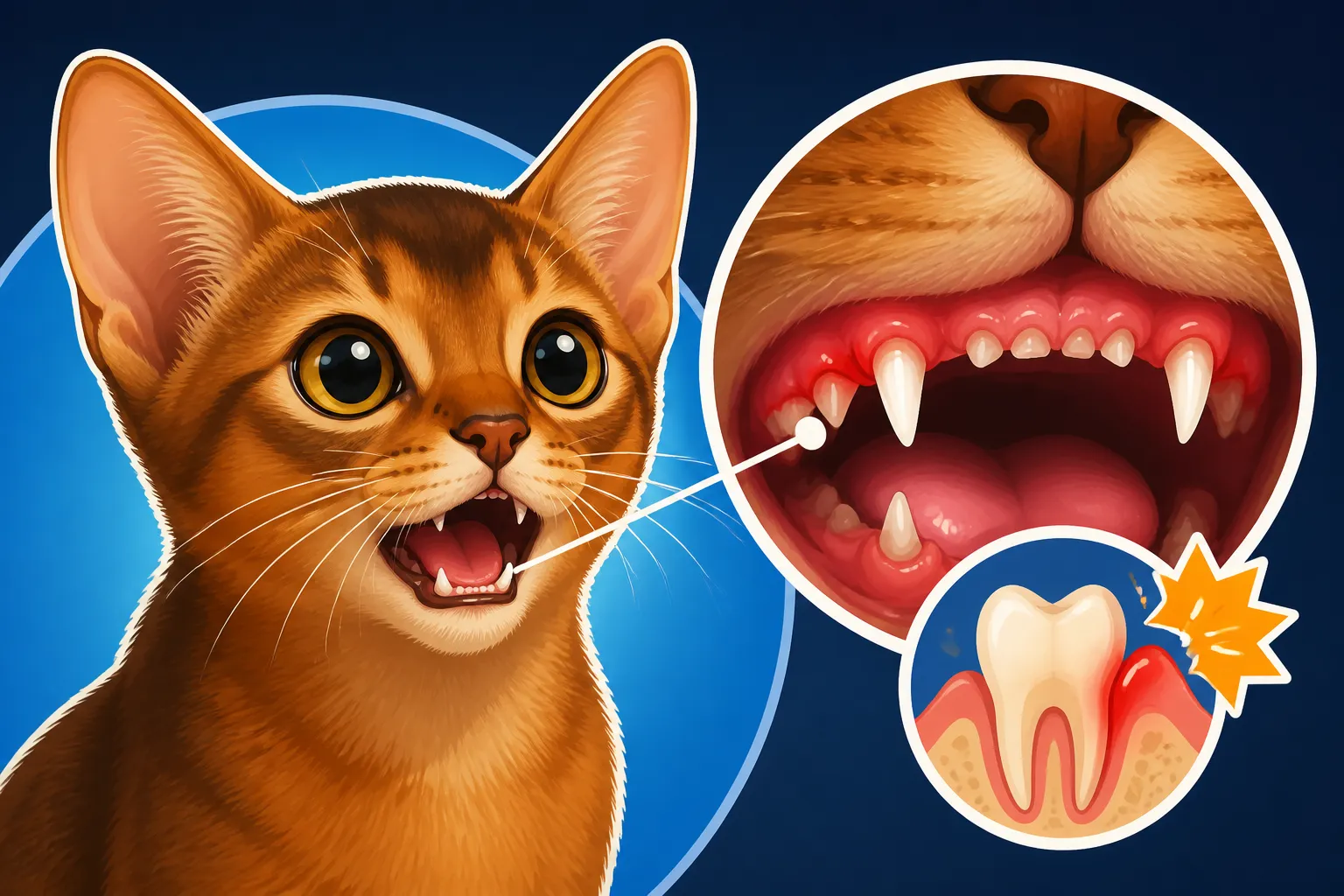
With juvenile gingivitis, the visual changes can range from subtle to stark. You might first notice a thin red line along the gum margin where the gum meets the tooth. As the condition progresses, this redness will become more pronounced, possibly appearing bright red or even purple. The gums might look swollen or puffy, losing their smooth, firm texture. In more severe cases, you might see bleeding, especially after your kitten eats or if you gently touch the gums. Bad breath, often described as a metallic or unusually strong odor, is another common indicator. This isn't just "cat breath;" it's a sign of bacterial overgrowth and inflammation.
It's essential to get your kitten comfortable with mouth handling from an early age, even before dental issues arise. This practice will make it much easier to conduct these visual checks and to perform any necessary home care. Remember, the goal is to catch these signs when they are still mild, before the inflammation becomes severe and truly painful for your energetic little friend.
Behavioral Indicators of Oral Discomfort
Beyond the direct visual evidence, your Abyssinian kitten will often exhibit behavioral changes that signal oral discomfort. These can be particularly telling for an owner who knows their cat's normal habits well. One of the most common signs is a change in eating habits. A kitten with painful gums might approach their food bowl eagerly, only to drop food repeatedly or chew on one side of their mouth. They might eat more slowly, take smaller bites, or show reluctance to eat hard kibble, preferring softer wet food. If your previously ravenous Abyssinian kitten stops chewing its food with gusto, or you notice them dropping pieces, it’s a big red flag. Similarly, if your Abyssinian drops food while eating, it’s a clear sign their mouth is hurting.
Beyond eating, observe their play. Abyssinians are known for their boundless energy and love for interactive play. If your kitten is suddenly less enthusiastic about chasing wand toys, or if they seem hesitant to bite down on their favorite chew toy, it could indicate oral pain. They might also become less engaged in grooming, as mouth pain can make it difficult or uncomfortable to clean themselves thoroughly. You might notice their coat becoming less pristine. Some cats might also paw at their mouths, drool excessively, or become unusually withdrawn or irritable.
Any deviation from your Abyssinian's normal, vibrant behavior should prompt a closer look, particularly at their mouth. These behavioral changes are your kitten’s way of telling you they’re in pain, and it’s our responsibility as their caregivers to listen and act. This kind of nuanced observation is key, especially since the financial aspect of treatment can be a concern, and having a good pet insurance plan like Healthy Paws can truly alleviate stress when these issues arise.
Understanding the Progression and Unique Abyssinian Challenges
Juvenile gingivitis in Abyssinians isn't typically a static condition; it tends to progress if left unaddressed. What begins as mild redness can quickly escalate, causing more significant discomfort and leading to more complex dental issues. This rapid progression is particularly frustrating for owners because Abyssinians are known for their overall hardiness, making dental fragility a surprising challenge.
The Phenomenon of Overgrown Gum Tissue
One of the most concerning aspects of juvenile gingivitis in Abyssinians is the tendency for their gum tissue to overgrow, a condition known as gingival hyperplasia. Unlike typical gingivitis where the gums are inflamed but generally maintain their shape, in Abyssinians, the gum tissue can become thick, bulbous, and begin to cover parts of the teeth. This is a significant issue because when an Abyssinian's gums overgrow its teeth, it creates deeper pockets around the teeth where food particles and bacteria can become trapped, hidden away from even the most diligent brushing.
These deeper pockets become breeding grounds for more bacteria, leading to further inflammation, pain, and a vicious cycle of gum overgrowth and infection. It's not just unsightly; it’s genuinely painful for the cat. Imagine having your gums constantly swollen and pressing down on your teeth, with bits of food stuck in crevices that are impossible to clean. This condition makes eating incredibly difficult and can lead to a reluctance to chew, further contributing to plaque buildup on the teeth that are now partially buried by tissue. Addressing this overgrowth often requires more than just scaling; it can necessitate a surgical procedure known as a gingivectomy to carefully trim away the excess tissue.
The Impact on Developing Adult Teeth
The long-term effects of juvenile gingivitis, especially when accompanied by gingival hyperplasia, can be quite severe for an Abyssinian's developing adult teeth. Persistent inflammation around the erupting permanent teeth can damage the supporting structures of the tooth – the periodontal ligament and the alveolar bone. While gingivitis is technically reversible and doesn't initially involve bone loss, chronic or severe cases, especially those with hyperplasia, can predispose the cat to periodontitis, which does involve irreversible bone and tissue loss around the teeth.
If the gums are constantly inflamed and swollen, the teeth may not erupt correctly, or they may become misaligned. The chronic presence of bacteria and inflammation can weaken the overall oral environment, making the adult teeth more vulnerable to decay, resorption, and ultimately, early loss. This is a critical concern, as you want your Abyssinian to enjoy a full set of healthy teeth throughout their long life. This early inflammation essentially sets the stage for a lifetime of potential dental struggles if not managed aggressively and proactively. It highlights why consistent care, potentially supported by a robust pet insurance like Healthy Paws, is so important for ongoing well-being.
The Urgency of Veterinary Intervention and Diagnostic Steps
Given the unique challenges juvenile gingivitis presents for Abyssinian kittens, prompt and professional veterinary intervention is not just recommended, it's essential. Waiting to see if it "gets better on its own" is almost always a mistake, as the condition is progressive and can lead to irreversible damage. Your veterinarian is your best partner in navigating this sometimes-complex issue.
When to Seek Professional Veterinary Care
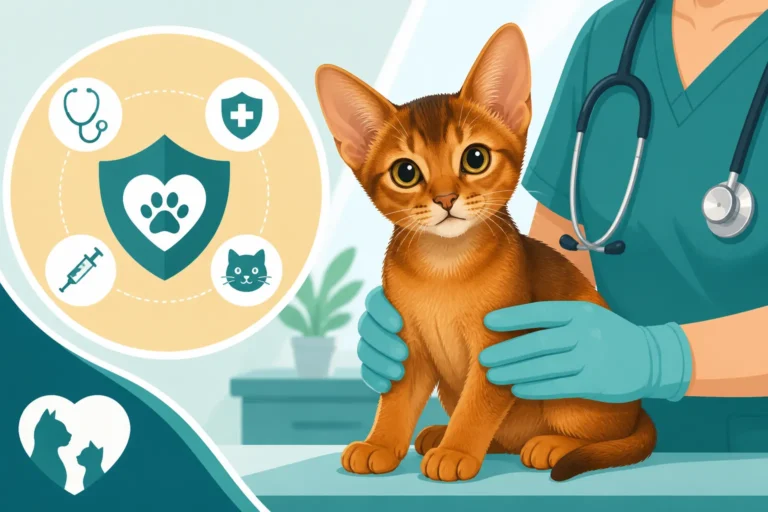
Anytime you notice redness, swelling, bad breath, or behavioral changes indicating oral discomfort in your Abyssinian kitten, it's time to schedule a vet visit. Don't delay. What might seem like a minor issue can quickly escalate, particularly with the breed's predisposition to gingival hyperplasia. If your kitten is dropping food, showing reluctance to eat, pawing at its mouth, or generally seems subdued, these are clear signals that pain is present and needs immediate attention.
Even if the signs are subtle, like just a faint red line on the gums, it's worth getting it checked out. It's much easier to manage gingivitis in its early stages than to tackle advanced inflammation, overgrown tissue, or the beginnings of periodontal disease. A veterinary examination will allow a professional to assess the severity, rule out other potential causes of oral pain (such as injuries or other infections), and formulate a targeted treatment plan. Think of it as an early warning system; addressing it promptly can save your Abyssinian from significant pain and prevent much more expensive and invasive procedures down the road.
Diagnostic Procedures and Initial Treatment Plans
When you bring your Abyssinian kitten to the vet with suspected juvenile gingivitis, the process usually begins with a thorough oral examination. The vet will carefully inspect the gums, teeth, and other oral structures, looking for redness, swelling, plaque, tartar, and signs of gum recession or overgrowth. They'll also check for any loose teeth or other abnormalities. Often, a full and proper oral exam requires sedation or general anesthesia, especially in a young, active Abyssinian, to allow for a detailed, pain-free assessment and to perform dental X-rays.
Dental X-rays are crucial because they allow the vet to see below the gum line, where a lot of the action happens. They can detect bone loss, root resorption, unerupted teeth, or other issues that are invisible during a surface examination. Once a diagnosis of juvenile gingivitis is confirmed and its severity assessed, an initial treatment plan will be formulated. This often includes a professional dental cleaning (scaling and polishing) to remove any plaque and tartar, which can contribute to the inflammation, even if they aren't the primary cause in Abyssinians. Antibiotics or anti-inflammatory medications might be prescribed to reduce infection and discomfort.
In cases where gingival hyperplasia is significant, the vet might recommend a gingivectomy, a surgical procedure to remove the excess gum tissue. What a gingivectomy involves for an Abyssinian is typically a precise trimming of the overgrown gum tissue using a scalpel, laser, or electrosurgery, carefully reshaping the gum line to expose the teeth and eliminate the deep pockets where bacteria thrive. This procedure significantly improves oral hygiene and reduces the inflammatory cycle. Your vet will discuss all options, risks, and post-procedure care, ensuring you have a clear understanding of what’s best for your kitten.
Home Management and Preventative Strategies for Abyssinian Owners
Once your veterinarian has assessed and initiated treatment for your Abyssinian kitten's juvenile gingivitis, a significant part of ongoing management and prevention falls to you, the owner. Home care is not a substitute for professional veterinary attention, but it's an indispensable component of maintaining long-term oral health and preventing recurrence. This means establishing routines and being consistent, even if your spirited Abyssinian initially resists.
Establishing an Effective Home Dental Care Routine
The cornerstone of home dental care for an Abyssinian, especially one prone to gingivitis, is regular toothbrushing. I know, it sounds daunting, like trying to herd cats (pun intended!), but it's genuinely the most effective way to mechanically remove plaque and massage the gums. Start slowly and gently, making it a positive experience with treats and praise. The goal is to get your kitten accustomed to having their mouth handled. How to brush an Abyssinian's teeth from day one is about gradual desensitization. Begin by simply touching their face, then lifting their lips, then briefly touching their gums with your finger. Gradually introduce a finger brush or a soft, small pet toothbrush.
Consistency is far more important than intensity. Even a minute or two of gentle brushing every day, or at least every other day, can make a huge difference. You'll need cat-specific toothpaste, as human toothpaste contains ingredients that are toxic to felines. Which toothpaste is safe for an Abyssinian? Look for enzymatic toothpastes specifically formulated for cats, often flavored with poultry or seafood to make them more palatable. These toothpastes work to break down plaque and inhibit bacterial growth. While dental treats and water additives can be marketed as solutions, they are generally not enough on their own for a breed like the Abyssinian with a predisposition to severe gingivitis. They can be complementary, but not a replacement for brushing.
Dietary Considerations and Supportive Supplements
While diet is not typically the direct cause of juvenile gingivitis in Abyssinians, it can certainly play a role in its management and potentially in reducing inflammation. For kittens experiencing significant oral pain, a switch to softer wet food might be necessary to ensure they continue to eat and receive adequate nutrition. Wet food also has the added benefit of increasing hydration, which is generally good for overall feline health.
For long-term management, some vets advocate for dental-specific diets that are formulated with unique kibble shapes and textures designed to mechanically scrub the teeth as the cat chews. However, for Abyssinians prone to gingival hyperplasia, the effectiveness of these diets might be limited if the gum tissue is already covering the tooth surfaces. Always discuss any dietary changes with your veterinarian to ensure they are appropriate for your kitten's specific health needs and developmental stage.
In terms of supplements, some owners and vets explore options like omega-3 fatty acids, which have anti-inflammatory properties, or probiotics aimed at balancing oral microbiota. However, scientific evidence specifically supporting their efficacy in treating or preventing juvenile gingivitis in Abyssinians is limited. These should always be discussed with your vet and considered as supportive measures rather than primary treatments. The real heavy lifting comes from consistent physical cleaning and, when necessary, professional veterinary dental care. A good pet insurance plan from a provider like Healthy Paws can give you peace of mind that these treatments, whether dietary or medicinal, are financially viable.
Long-Term Outlook and Preventing Recurrence
Managing juvenile gingivitis in an Abyssinian kitten is rarely a "fix it once and forget it" situation. Due to their inherent predisposition, it often requires ongoing vigilance and a dedicated approach throughout their lives. Understanding the long-term outlook and committing to preventative measures is crucial for ensuring your Abyssinian enjoys a healthy and comfortable existence.
Post-Treatment Care and Ongoing Vigilance
Even after successful professional dental cleanings or a gingivectomy, the journey isn't over. Post-treatment care is vital to prevent the condition from flaring up again. Your vet will likely recommend a follow-up schedule. How often an Abyssinian needs cleaning after a gingivectomy will vary based on the severity of the initial condition and the individual cat's response, but it's often more frequent than for other breeds, perhaps every 6-12 months. Regular at-home brushing, as discussed, becomes even more critical during this phase.
You’ll need to remain vigilant for any returning signs of redness, swelling, or behavioral changes. Make checking your Abyssinian's mouth a regular part of your routine. This might feel like a chore, but it's an investment in their comfort and health. Remember that even with the best care, some Abyssinians might continue to experience intermittent flare-ups of inflammation, requiring further veterinary intervention. This ongoing need for monitoring and potential treatment underscores the value of having comprehensive pet insurance, such as that offered by Healthy Paws, to help manage the recurring costs.
Preventing Future Complications and Tooth Loss
If juvenile gingivitis is left untreated or poorly managed, it almost inevitably leads to more severe and irreversible dental problems. The persistent inflammation can progress from gingivitis to periodontitis, which involves the destruction of the structures supporting the teeth, including the bone. This can ultimately lead to tooth mobility, chronic pain, and early tooth loss. Why an Abyssinian loses teeth younger than most cats is often directly linked to these untreated or recurring early-life gum issues.
Preventing these future complications hinges on a proactive and consistent approach to dental health throughout your Abyssinian's life. This includes:
- Regular Veterinary Dental Check-ups: Beyond the initial treatment, regular dental exams, often yearly, are paramount. These allow your vet to spot any subtle signs of recurrence or progression before they become serious.
- Professional Cleanings: As mentioned, Abyssinians might need professional dental cleanings more frequently than other breeds. How often an Abyssinian needs its teeth cleaned will depend on their individual predisposition and the effectiveness of your home care.
- Consistent Home Oral Hygiene: Brushing, even if imperfect, significantly contributes to reducing plaque and bacterial load, keeping inflammation at bay.
- Addressing Relapses Promptly: Don't ignore returning signs. Early intervention is always less invasive, less painful for your cat, and less costly in the long run.
By embracing this comprehensive approach, you can significantly reduce the risk of your beloved Abyssinian developing painful, advanced dental disease and help ensure they maintain a healthy, comfortable smile for many years to come.
Disclaimer
This article is intended for informational purposes only and is not a substitute for professional veterinary advice, diagnosis, or treatment. Always seek the advice of your veterinarian or other qualified health provider with any questions you may have regarding a medical condition. Never disregard professional veterinary advice or delay in seeking it because of something you have read in this article.