Why an Abyssinian Loses Teeth Younger Than Most Cats
It’s a heart-wrenching reality for many Abyssinian cat owners: discovering your beloved, energetic companion is facing significant dental issues, sometimes even losing teeth, at an age when other cats are just starting to show minor tartar. This isn't just bad luck; it's often a predisposed challenge for the breed that can lead to pain, infection, and a hefty vet bill if not understood and addressed proactively. This guide aims to shed light on why Abyssinians are prone to premature tooth loss and what you can do to protect their dental health.
Understanding the Abyssinian's Unique Oral Health Challenges
Abyssinians are known for their lively personalities, sleek coats, and striking appearance, but beneath that beautiful exterior lies a genetic and anatomical predisposition that makes their mouths a battleground for dental disease. It's a cruel twist that such a vibrant breed can face such discomfort and health risks related to their teeth far earlier than many other feline companions.
The Genetic Predisposition to Gum Disease
Unlike some other breeds where dental issues might stem more from neglect, Abyssinians often carry a genetic susceptibility to severe forms of gingivitis and periodontal disease. This isn't just typical bad breath; it's an inflammatory response that can start aggressively in kittenhood. Many Aby owners find themselves asking, "Why an Abyssinian Kitten's Gums Fail at Six Months?" It's because some lines are simply wired for it. This isn't to say every Abyssinian will suffer, but the risk is significantly elevated. This genetic component means that even with diligent home care, some Abyssinians will still face an uphill battle. It’s not about blame; it’s about awareness and proactive management from day one. Breeders often screen carefully, but the genetic puzzle of dental health can be complex and multifactorial.
How Their Mouth Anatomy Contributes to Problems
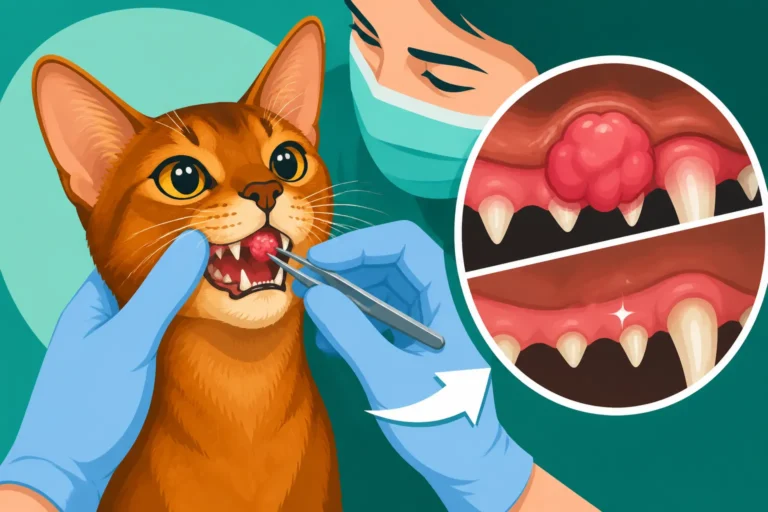
Beyond genetics, the specific oral anatomy of an Abyssinian can exacerbate their dental woes. Abyssinians tend to have somewhat smaller mouths and sometimes crowded teeth, creating more nooks and crannies where plaque and tartar can accumulate rapidly. This crowding makes it harder for their saliva to naturally rinse away food particles and bacteria, and it also makes it harder for you, the owner, to effectively clean their teeth at home. Furthermore, some Abyssinians are prone to what's known as juvenile hyperplastic gingivitis, where the gum tissue actually overgrows, sometimes to the point of covering part of the teeth. This creates deep pockets around the teeth, perfect hiding places for bacteria to flourish, leading to inflammation and infection that attacks the supporting structures of the teeth. This is exactly Why an Abyssinian's Gums Overgrow Its Teeth.
Juvenile Gingivitis: A Silent Attacker in Young Abyssinians
It’s truly unfair how early dental problems can manifest in these active little felines. Juvenile gingivitis isn't just a minor irritation; it's a significant concern that can kickstart a lifetime of dental struggles if not caught and managed swiftly.
Recognizing Early Signs in Abyssinian Kittens
Many new Abyssinian owners are completely unaware that dental issues can begin so early, often dismissing subtle signs or attributing them to "kitten breath." However, the truth is, a kitten’s breath should generally be quite fresh. If you notice a distinct, unpleasant odor from your Abyssinian kitten’s mouth, that’s a red flag. Beyond bad breath, you might see redness or swelling along the gum line. The gums, particularly where they meet the teeth, might appear a brighter red than a healthy, pale pink. Some kittens might also show sensitivity, perhaps pulling away when you try to touch their mouth, or exhibiting a slight reluctance to chew hard kibble or toys. This initial stage is crucial, as it’s often How Juvenile Gingivitis Starts in an Abyssinian Kitten, typically around 6 to 8 months of age, coinciding with the eruption of adult teeth. Don't underestimate these early warnings; they are your best chance to intervene before the problem escalates.
The Progression of Untreated Gingivitis
If juvenile gingivitis isn't addressed, it doesn't just stay put; it relentlessly progresses. The inflammation deepens, attacking the ligaments and bone that hold the teeth in place. This is where gingivitis transforms into full-blown periodontal disease, a much more serious condition that leads directly to tooth loss. The bacteria thriving in the gum pockets produce toxins that destroy tissue and bone. Over time, the gum line recedes, exposing the sensitive roots of the teeth. The infection can spread, leading to abscesses and even systemic health issues if bacteria enter the bloodstream. Imagine the constant pain your energetic Abyssinian would endure, silently, because cats are masters at hiding discomfort. The sad reality is that many Abyssinians with untreated gingivitis will face extractions by the time they are just a few years old, losing teeth much younger than their domestic shorthair counterparts who might not experience such severe issues until old age.
Periodontal Disease and Tooth Resorption: The Culprits Behind Loss
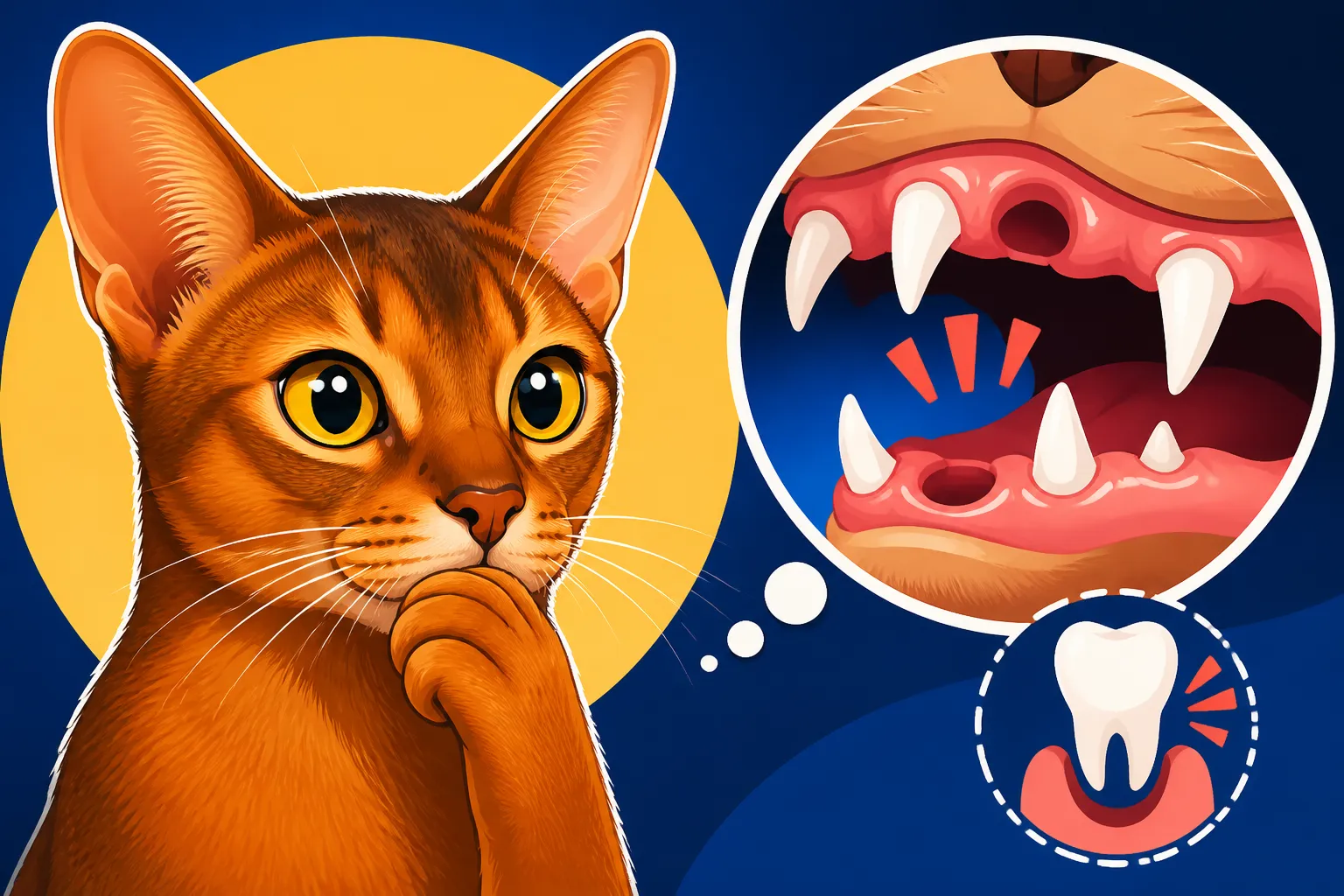
Once gingivitis takes hold, it often paves the way for more devastating dental conditions like periodontal disease and feline odontoclastic resorptive lesions (FORLs), both of which are major reasons Why an Abyssinian Loses Teeth Younger Than Most Cats.
The Link Between Gum Disease and Bone Loss
Periodontal disease is a nasty infection of the tissues surrounding the teeth, and it's almost always a direct consequence of untreated gingivitis. What starts as red, swollen gums eventually spirals into the destruction of the bone that supports the teeth. As the bacteria colonize the deep pockets formed by receding gums, they trigger an immune response that, ironically, helps destroy the very structures meant to protect the teeth. Over time, the bone weakens and resorbs, leading to loose teeth that eventually fall out or require extraction. This process is painful, chronic, and significantly impacts a cat's quality of life, making eating, playing, and even grooming uncomfortable. It's not just about a missing tooth; it's about the systemic inflammation and pain that can ripple through your cat's entire body. Preventing this severe bone loss starts with aggressive management of gingivitis early on. If you're wondering How Often an Abyssinian Needs Its Teeth Cleaned, the answer is often more frequently than you might think, especially if they have a history of gum issues.
Unpacking Feline Odontoclastic Resorptive Lesions (FORLs)
While periodontal disease is a significant threat, many Abyssinians also suffer from Feline Odontoclastic Resorptive Lesions (FORLs), often referred to as "cavities" by owners, though they are biologically distinct from human cavities. These lesions are excruciatingly painful and involve the progressive destruction of the tooth structure, often starting at the gum line and working inward. Imagine a slow, relentless erosion of your tooth, exposing sensitive nerve endings; that's what an Abyssinian with FORLs experiences. The exact cause isn't fully understood, but genetics, inflammation, and metabolic factors are all thought to play a role. Unfortunately, FORLs can affect any tooth and are notoriously difficult to spot without a thorough veterinary dental examination under anesthesia, including dental X-rays. Many times, the visible part of the tooth looks perfectly fine, while underneath the gum line, a significant lesion is devouring the tooth. There's no cure for FORLs; once a tooth is affected, extraction is usually the only way to alleviate the cat's pain. This destructive process is a major contributor to Why Tooth Resorption Follows Abyssinian Gum Disease, leading to premature tooth loss even in seemingly well-cared-for cats. It’s a silent, insidious issue that demands vigilance.
Beyond Genetics: Other Factors Accelerating Dental Decline
While genetics and anatomy lay the groundwork, other lifestyle factors can either accelerate or mitigate the severity of dental disease in Abyssinians. Understanding these can empower you to take additional steps to protect your cat's oral health.
The Impact of Diet and Chewing Habits
The food your Abyssinian eats plays a surprisingly large role in their dental health. While dry kibble is often touted as "dental-friendly" because of its abrasive action, the truth is, most kibble simply shatters before it can effectively scrape plaque off the teeth. High-carbohydrate diets can also contribute to plaque formation, as sugars feed the bacteria in the mouth. A diet rich in high-quality protein and moisture, such as wet food, can be beneficial, as it encourages higher water intake which helps flush the mouth and promotes a healthier oral microbiome. However, wet food alone doesn't prevent plaque buildup. What really helps are specific dental diets designed with larger, fibrous kibble that encourages chewing, or veterinary-approved dental treats that physically clean teeth or contain enzymes that reduce plaque. Chewing habits also matter. An Abyssinian that enthusiastically chews on appropriate dental toys might experience slower plaque accumulation than one who avoids chewing altogether. Owners must also be mindful of what their cat is chewing; hard objects like bones can fracture teeth, leading to more immediate and painful problems.
The Critical Role of Consistent Home Dental Care
This might sound like a broken record, but brushing your Abyssinian's teeth at home is, without a doubt, the single most impactful thing you can do to prevent premature tooth loss. Brushing, ideally daily, physically removes the plaque before it hardens into tartar. And yes, it can be a challenge with a wiggly Aby! Start young, make it a positive experience with treats and praise, and be patient. Even a few seconds of brushing is better than none. Use a cat-specific toothbrush or a finger brush and enzymatic toothpaste – never human toothpaste, which contains ingredients toxic to cats. Regular home care can significantly slow the progression of gingivitis and periodontal disease. Many owners feel overwhelmed by the thought, but imagine the relief of preventing painful dental extractions down the line. It's a small investment of time for a massive payoff in your cat's comfort and longevity.
Why Regular Veterinary Check-ups Are Non-Negotiable
Even with the best home care, Abyssinians require regular professional veterinary dental assessments. Your vet can spot issues you might miss, and professional cleanings under anesthesia are essential for thoroughly removing tartar above and below the gum line. During these cleanings, your vet can perform dental X-rays, which are absolutely critical for detecting hidden problems like FORLs or bone loss that are invisible to the naked eye. Given the breed's predisposition, a thorough dental check-up should be part of their annual wellness exam, and professional cleanings might be recommended more frequently, perhaps every 1-2 years, starting earlier in their lives. The cost of dental work can be significant, which is why a plan with a provider like Healthy Paws can be a lifesaver, helping to cover unexpected (or even expected, for this breed!) dental care expenses. Regular vet visits aren't just about clean teeth; they are about catching problems early, managing pain, and ultimately extending your Abyssinian's healthy lifespan. It's easy to see Why Abyssinian Dental Work Is the Biggest Line in the Budget, but it's an investment in their overall health.
Proactive Strategies to Preserve Your Abyssinian's Pearly Whites
Understanding the problem is the first step; taking action is the next. Protecting your Abyssinian's teeth requires a multi-pronged approach, integrating home care with professional veterinary support, all with an eye toward early prevention.
Starting Early with Prevention
The mantra for Abyssinian dental health should be: start early, stay consistent. Begin introducing your Abyssinian kitten to mouth handling and tooth brushing as soon as they come home, even before their adult teeth fully emerge. Make it a positive, gentle experience, associating it with treats and affection. This early exposure makes them much more receptive to brushing as adults. Simultaneously, ensure they have access to appropriate chew toys designed for feline dental health. Forging good habits from kittenhood is paramount. It’s also wise to discuss your Abyssinian’s specific dental risks with your veterinarian at their very first check-ups. They can guide you on the best dental care products and routine for your individual cat, as well as advise on when to consider that first professional cleaning. The proactive approach here can make a world of difference in preventing severe issues later on.
Professional Interventions and Advanced Care
When home care isn't enough, professional interventions become crucial. This often means regular dental cleanings under anesthesia. During these procedures, the veterinary team performs a comprehensive oral exam, scaling away plaque and tartar, polishing the teeth, and taking full-mouth dental X-rays. X-rays are especially vital for Abyssinians to detect those insidious FORLs and assess bone health. If problems like severe periodontal disease or FORLs are found, extractions are often necessary to alleviate pain and prevent further infection. While removing teeth sounds drastic, it's often the kindest solution for a cat suffering from chronic dental pain. Post-extraction, your Abyssinian will be much more comfortable and able to eat normally. Sometimes, a Gingivectomy Involves for an Abyssinian if they suffer from gum hyperplasia, reducing those deep pockets that harbor bacteria. Don't shy away from these necessary procedures; they're critical for your cat's well-being. Pet insurance plans like those offered by Healthy Paws can often help cover these significant costs, making comprehensive dental care more accessible without breaking the bank.
Long-Term Management and Lifestyle Adjustments
Managing an Abyssinian's dental health is a lifelong commitment. After any professional treatment, maintaining rigorous home care is more important than ever. This includes daily brushing, incorporating veterinary dental diets or treats, and ensuring plenty of fresh water, perhaps even with a water fountain to encourage drinking, which naturally helps rinse the mouth. Regular check-ups are key to monitoring the condition of their remaining teeth and gums. If your Abyssinian has had extensive extractions, consider transitioning to a softer diet, though many cats with few teeth still manage kibble surprisingly well once the pain is gone. Be vigilant for any changes in eating habits, bad breath returning, or signs of discomfort. It’s also important to remember that a significant part of your annual vet budget will likely be dedicated to dental care. Consider setting up a dedicated savings fund, or ensure your pet insurance, like Healthy Paws, has robust dental coverage. It's a continuous process, but by staying proactive, you can help ensure your agile Abyssinian keeps their zest for life, free from the burden of dental pain for as long as possible. Remember that understanding How Many Teeth an Abyssinian Can Lose by Five can be a stark reminder of the importance of early and consistent care.
Dental problems are a challenging aspect of Abyssinian ownership, but with informed care, you can make a huge difference in your cat's life. Don't let the potential for these issues deter you from enjoying this wonderful breed; instead, let it empower you to be their best advocate.
Disclaimer
This article is intended for informational purposes only and does not constitute professional veterinary advice. Always consult with a qualified veterinarian for any health concerns or before making any decisions about your pet's medical care.