Why an Abyssinian Stud Must Be Cleared Before Use
Bringing an Abyssinian stud into a breeding program without thorough health clearance is like building a house on a shaky foundation – it looks fine at first glance, but the structural integrity is compromised, leading to heartbreaking and costly problems down the line. This guide will walk you through exactly why comprehensive health testing and clearance are non-negotiable for any Abyssinian stud, safeguarding not just his health, but the future well-being of the entire breed.
The Essential Health Clearances for an Abyssinian Stud
When we talk about a stud being "cleared," we're not just talking about a quick vet check-up. We're talking about a rigorous panel of genetic tests and careful evaluation of health history that delves deep into the Abyssinian's unique predispositions. Skipping these steps, or hoping for the best, isn't just irresponsible; it actively undermines years of dedicated breeding efforts to produce healthy, vibrant kittens.
Understanding Pyruvate Kinase Deficiency PKD
Pyruvate Kinase Deficiency, often abbreviated as PKD or PK Deficiency, is arguably the best-known genetic condition affecting Abyssinians, and it's absolutely paramount that any stud used for breeding is cleared for it. This inherited metabolic disorder impacts the red blood cells, leading to their premature destruction and causing a form of chronic, intermittent anemia. Imagine your cat feeling lethargic, weak, and unwell, sometimes needing emergency care, and then seemingly recovering, only for the cycle to repeat. That's the reality for an affected Abyssinian.
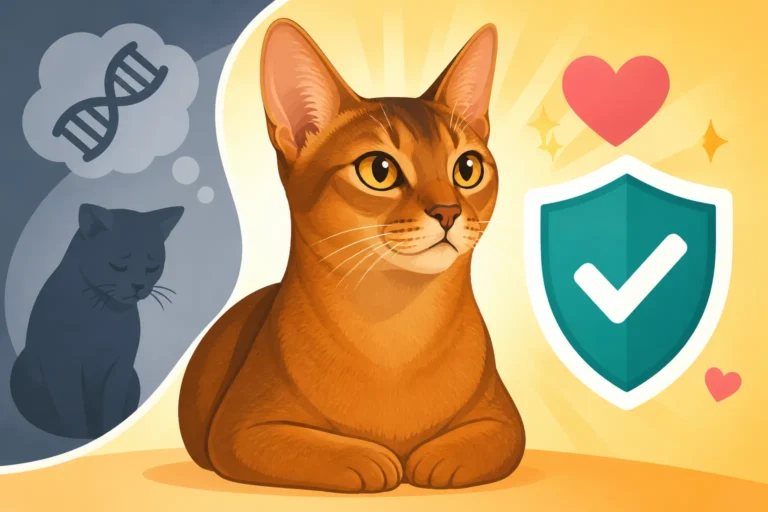
The real kicker here is that PKD is an autosomal recessive condition. This means a cat only needs two copies of the faulty gene (one from each parent) to be affected and show symptoms. However, a cat can carry one copy of the gene and be a carrier – completely healthy themselves, showing no signs of illness, but capable of passing the gene on to their offspring. This is why testing the stud is so critical. If you breed a carrier stud with a carrier queen, roughly 25% of their kittens will be affected, 50% will be carriers, and only 25% will be completely clear. You'd be inadvertently introducing a serious, life-altering condition into a new generation. Understanding how a carrier Abyssinian differs from an affected one is key to responsible breeding decisions. Reputable breeders know that even a carrier status means careful mate selection to avoid producing affected kittens.
Navigating Progressive Retinal Atrophy PRA-rdAc
Another devastating genetic condition that demands attention in Abyssinian studs is Progressive Retinal Atrophy, specifically the rdAc form (PRA-rdAc). This is an inherited eye disease that causes the gradual degeneration of the retina, eventually leading to blindness. For an Abyssinian, this isn't just a minor inconvenience; it's a slow, distressing loss of one of their primary senses, often taking an Abyssinian's sight by five years of age.
The heartbreaking part about PRA-rdAc is its progressive nature. It usually starts with an impairment of night vision, meaning your active, agile Abyssinian might start bumping into furniture in dim light or be hesitant to navigate familiar spaces after dark. As the condition advances, their daytime vision also deteriorates, until they are completely blind. This is a cruel fate for such an energetic and observant breed. Like PKD, PRA-rdAc is also an autosomal recessive trait. A stud can be a carrier, appear perfectly healthy with keen eyesight, but still pass the gene on. Breeding an untested stud could mean unknowingly producing kittens destined for blindness, a burden on both the cat and its future owners. Ensuring a stud is genetically clear of PRA-rdAc is a fundamental step in preventing this suffering and preserving the breed's excellent vision.
Beyond Genetic Tests: The Broader Health Picture
While DNA tests are indispensable for specific gene-linked diseases, a stud's overall health clearance extends far beyond them. Many conditions are complex, multifactorial, or don't yet have a definitive genetic marker. A responsible breeder considers the whole cat, scrutinizing family health histories and conducting thorough physical examinations.
The Silent Threat of Renal Amyloidosis
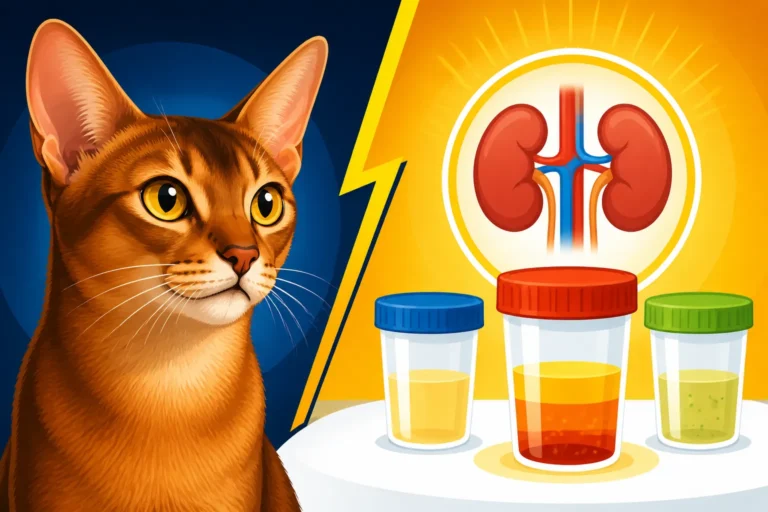
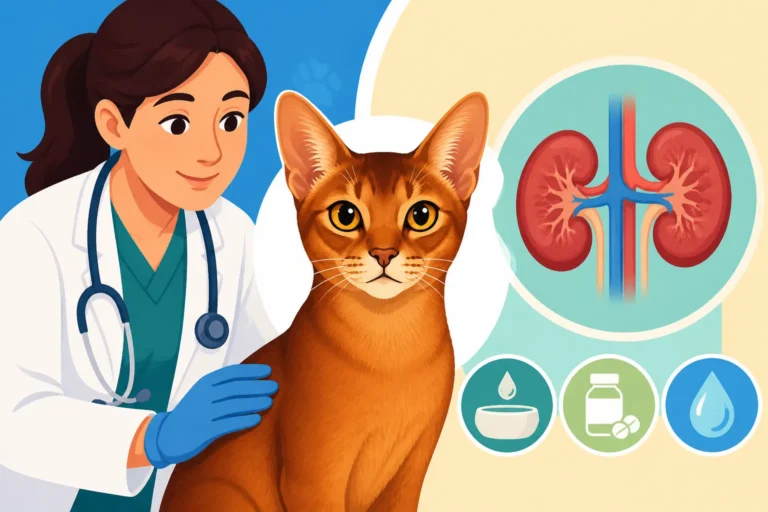
Renal Amyloidosis is a particularly insidious and tragic disease in Abyssinians, and it's one of the Abyssinian problems nobody can test for with a simple cheek swab. This condition involves the abnormal deposition of amyloid protein in the kidneys, which progressively destroys kidney tissue and eventually leads to kidney failure. What makes it so frustrating for breeders and owners alike is that there's currently no gene test that exists for Abyssinian amyloidosis. This means breeders must rely on meticulous record-keeping and a deep understanding of their lines' health histories.
A stud may look perfectly healthy and energetic, but if his close relatives—parents, grandparents, siblings—have succumbed to renal amyloidosis at a young age, he carries an elevated risk. This is where pedigree research becomes vital. You need to know what an Abyssinian's grandparents reveal about its kidneys, looking for patterns of early kidney failure. Without a genetic test, the only way to mitigate risk is through careful selection based on family history, avoiding lines with a known prevalence of the disease. While pet insurance companies like Healthy Paws can be a lifesaver for unexpected illnesses, it's crucial to remember that they generally do not cover pre-existing or congenital conditions that could have been identified or prevented through responsible breeding practices. This underscores the need for breeders to be vigilant in their screening efforts to reduce the likelihood of such devastating and uninsurable conditions.
Dental Health and Its Impact on Breeding
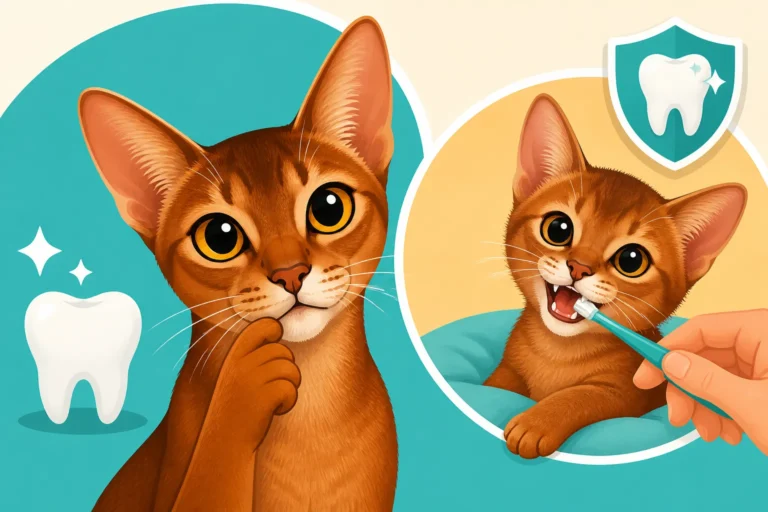
It might seem a bit odd to bring up dental health when discussing a stud's breeding clearance, but for Abyssinians, it’s a significant factor. This breed is notoriously prone to juvenile gingivitis, a severe inflammation of the gums that often starts when an Abyssinian kitten's gums fail at six months old. This isn't just bad breath; it's painful, leads to gum overgrowth, and can eventually cause tooth resorption and loss. A stud with poor dental health, especially if it's severe and early-onset, could indicate a genetic predisposition that he might pass on to his offspring.
A healthy stud is one that is in peak physical condition, and that includes his mouth. Chronic dental issues can affect appetite, energy levels, and overall well-being. A thorough veterinary examination for a breeding stud should always include a comprehensive dental check. This looks for signs of gingivitis, periodontal disease, or any structural abnormalities. Passing on a predisposition to painful and expensive dental problems like aggressive gingivitis or early tooth loss is a disservice to the breed and future owners. It's a testament to overall health and genetic robustness when a stud has a healthy mouth.
The Ethical and Practical Implications of Uncleared Breeding
The decision to breed an Abyssinian stud isn't just about his individual potential; it's a profound responsibility to the entire breed and to the future families who will welcome his kittens into their homes. Ignoring health clearances carries significant ethical and practical consequences.
Protecting the Breed and Future Generations
Every reputable Abyssinian breeder aims to improve the breed, not just perpetuate it. This means making thoughtful choices that enhance health, temperament, and adherence to the breed standard. Breeding an uncleared stud can rapidly undo years of progress in reducing genetic diseases. Imagine the frustration and heartache for families when their beloved, energetic Abyssinian kitten, full of boundless joy, starts showing signs of a debilitating genetic disease that could have been prevented. It's not just about that one kitten; it's about the potential for that disease to spread through new lines and reduce the overall health of the breed population.
The goal is to produce healthy, robust kittens. For example, knowing why two clear Abyssinian parents end the problem of passing on recessive genes for diseases like PKD and PRA-rdAc is fundamental. By ensuring both parents are clear of these known genetic mutations, breeders can confidently offer kittens that will not suffer from these specific conditions. This preventative approach minimizes suffering and maintains the reputation and health of the Abyssinian as a whole. While some genetic illnesses are unavoidable, diligent testing and careful breeding choices are critical components of ethical breeding. Many dedicated owners choose to protect their pets with health insurance from providers like Healthy Paws, but the absolute best protection starts with responsible breeding that minimizes the chances of inherited conditions from the outset.
Financial and Emotional Costs of Negligence
Let's be realistic: owning a pedigree cat is an investment, both financially and emotionally. For a buyer, the initial cost of an Abyssinian kitten is just the beginning; what an Abyssinian costs to keep every year, especially if health issues arise, can be substantial. If a stud has not been properly cleared, and a kitten develops a genetic disease like PKD or PRA-rdAc, the financial burden on the new owner can be immense. Emergency vet visits for anemia, ongoing treatment for kidney failure, or specialized care for a blind cat can quickly add up to thousands of dollars.
Beyond the financial strain, there's the emotional toll. Watching your vibrant kitten suffer from a preventable illness is heartbreaking. Owners become deeply attached to their pets, and facing a chronic or terminal condition that could have been avoided through responsible breeding is a profound disappointment and source of grief. This is why thorough clearance isn't just a good idea; it's a moral imperative. While pet insurance, such as a plan from Healthy Paws, can certainly help manage the costs of unforeseen accidents or illnesses, it typically does not cover conditions that are identified as genetic or pre-existing from birth, especially if these conditions are known to be prevalent in the breed and testable. Therefore, the breeder's due diligence at the stud stage is the ultimate preventative measure, shielding new owners from preventable heartbreak and financial stress, and ensuring that the lifetime cost of an Abyssinian dwarfs its purchase price in joy, not in vet bills.
Choosing a Reputable Stud and Breeder
For queens owners looking to breed, or potential kitten buyers, understanding what constitutes a "cleared" Abyssinian stud is crucial. Knowing what questions to ask and what documentation to expect can make all the difference in making informed, responsible decisions.
What to Look for in a Stud's Documentation
When considering an Abyssinian stud, whether for your own queen or when evaluating a kitten's parents, documentation is king. A truly cleared stud will have an extensive paper trail that proves his health status. First and foremost, you should expect to see official DNA test results for Pyruvate Kinase Deficiency (PKD) and Progressive Retinal Atrophy (PRA-rdAc). These certificates should clearly state whether the stud is "clear," "carrier," or "affected." For a stud to be safely used without risk of producing affected kittens, he should ideally be "clear" of both conditions. If he is a carrier for one, then his mate must be clear of that specific condition.
Beyond genetic tests, reputable breeders will also have documentation of recent veterinary check-ups, including any dental evaluations, and ideally, records of an echocardiogram if there's any concern about cardiac health, though this is less common in Abyssinians compared to some other breeds. Crucially, you should also be given a clear, multi-generational pedigree that details the health history of his ancestors, particularly regarding conditions like renal amyloidosis. A breeder should be able to discuss their lines' history transparently, including any health issues that have appeared in the past. This diligent record-keeping helps verify an Abyssinian's test certificate and ensures the stud is indeed a healthy choice. What an Abyssinian breeder should have tested before you buy a kitten or use a stud is a comprehensive list, and you shouldn't settle for less.
The Importance of a Breeder's Transparency
Transparency and open communication are hallmarks of an ethical breeder. A breeder who has genuinely put in the work to clear their stud will be more than happy to share all health documentation and discuss their breeding philosophy. They won't shy away from questions about genetic testing protocols, the health history of their cattery, or even the potential risks that still exist within the breed (like amyloidosis, where testing is not yet available). In fact, a good breeder will often be the one to proactively offer this information.
You should be able to visit the cattery, observe the stud's living conditions, and see his temperament firsthand. A healthy, well-adjusted stud is not just genetically sound but also behaviorally stable, which is equally important to pass on to kittens. If a breeder seems hesitant to provide documentation, dodges questions about health history, or insists on meeting in a neutral location without showing you the cattery environment, these are significant red flags. Remember, selecting a stud is a critical decision that impacts many lives, and transparency is your best indicator of a breeder's commitment to the long-term health and welfare of the Abyssinian breed.
| Test/Condition | Type of Test | Why It's Crucial for Studs | Outcome for Breeding |
|---|---|---|---|
| Pyruvate Kinase Deficiency (PKD) | DNA (Cheek Swab) | Prevents inherited anemia; avoids affected kittens. | Clear or Carrier |
| Progressive Retinal Atrophy (PRA-rdAc) | DNA (Cheek Swab) | Prevents inherited blindness; avoids affected kittens. | Clear or Carrier |
| Renal Amyloidosis | Pedigree History, Vet Monitoring | Identifies genetic predisposition to kidney failure (no direct gene test). | Risk Assessment |
| Comprehensive Vet Check | Physical Exam | Ensures overall health, identifies dental/cardiac issues. | Healthy to Breed |
Disclaimer
Please remember that this article is intended for informational purposes only and should not be considered a substitute for professional veterinary advice. Always consult with a qualified veterinarian for any health concerns or before making any decisions related to your pet's health and breeding.