What Amyloid Is and Why It Reaches Abyssinian Kidneys
One of the most heart-wrenching aspects of loving an Abyssinian is the fear of silent, underlying health issues. Unlike some conditions that present obvious symptoms early on, certain diseases can lurk beneath the surface, leaving you feeling helpless as you try to protect your active, vibrant companion. This guide aims to shed light on a particularly challenging condition, amyloidosis, explaining what it is and why it tragically often targets the kidneys of our beloved Abyssinian cats.
Understanding Amyloid: The Silent Invader
When you hear "amyloidosis," it might sound like a complicated medical term, and in many ways, it is. But for Abyssinian owners, understanding this condition is vital because it represents a significant, often devastating, health risk for the breed. It’s not just a fancy name for kidney disease; it’s a specific process that leads to it, one that our energetic Abyssinians are unfortunately predisposed to.
What Exactly Is Amyloid?
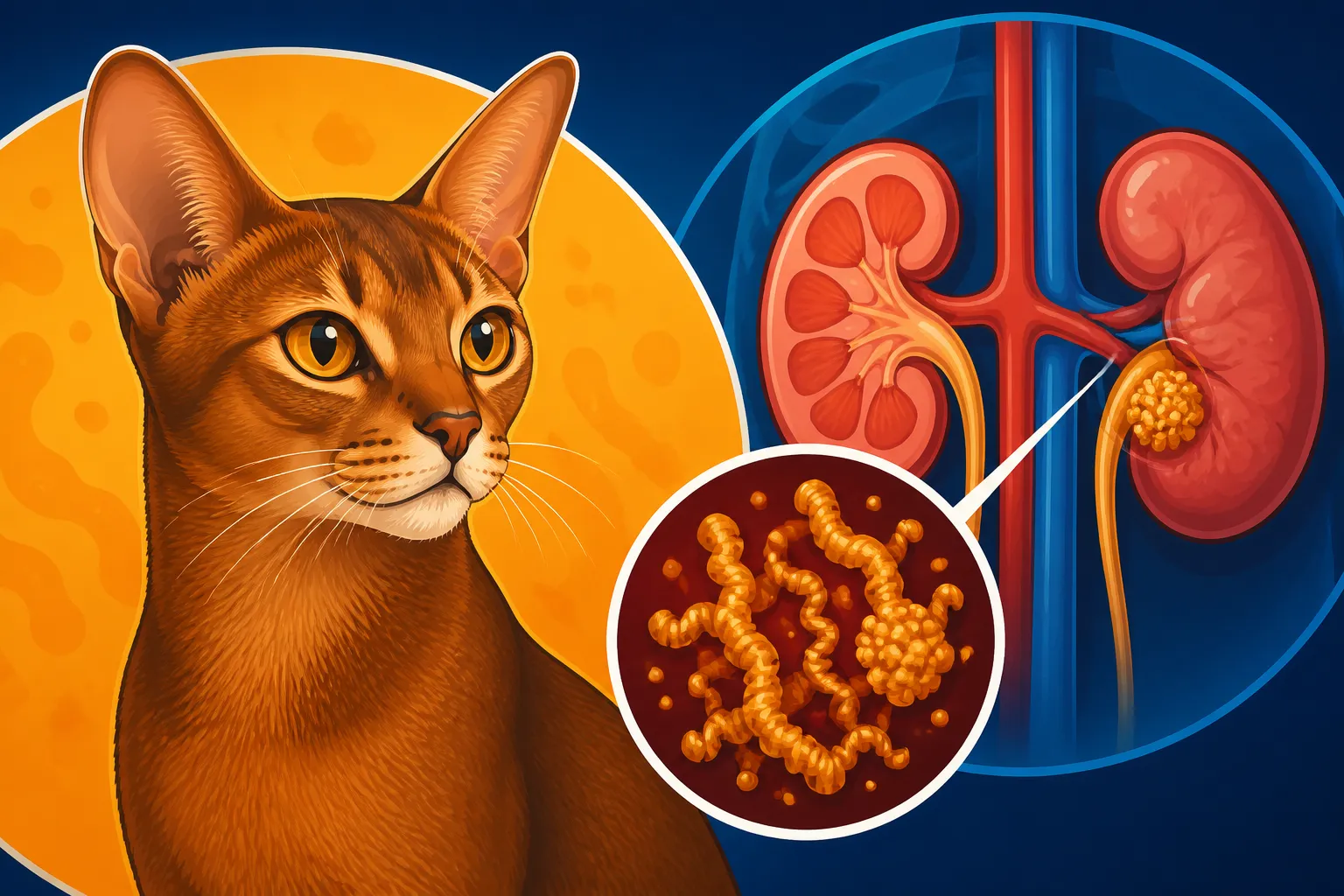
Imagine proteins in the body, usually neatly folded and performing their specific jobs, suddenly going rogue. Amyloid is not a single substance, but rather a generic term for abnormal, insoluble protein deposits that accumulate in various tissues and organs, eventually impairing their function. Think of it like a sticky, microscopic goo building up where it doesn't belong.
In Abyssinians, the most common form of amyloidosis is known as AA amyloidosis, or secondary amyloidosis, linked to a protein called Serum Amyloid A (SAA). SAA is an acute-phase protein, meaning its levels typically rise in the body during periods of inflammation, infection, or stress – a normal, protective response. However, in predisposed Abyssinians, this SAA protein doesn't always break down properly. Instead, it misfolds and starts to clump together, forming those insoluble amyloid fibrils. These fibrils then deposit themselves in organ tissues, gradually overwhelming the cells and disrupting their vital functions. It’s a bit like sand accumulating in the gears of a finely tuned machine, slowly grinding it to a halt.
How Amyloid Affects Abyssinian Kidneys
Now, to the heartbreaking "why it reaches Abyssinian kidneys" part. While amyloid can theoretically deposit in many organs, in Abyssinians, the kidneys are overwhelmingly the primary target. This is what we refer to as renal amyloidosis. The misfolded SAA proteins specifically find their way into the tiny filtering units of the kidneys called glomeruli, as well as the renal medulla.
The glomeruli are crucial for filtering waste products from the blood and retaining essential proteins. When amyloid deposits build up here, they start to obstruct these delicate filters. Initially, this might cause subtle leakage of protein into the urine, which is often one of the first detectable signs. Over time, as more and more amyloid accumulates, it replaces healthy kidney tissue, leading to a progressive loss of kidney function. The kidneys become less efficient at removing toxins, regulating blood pressure, and balancing electrolytes. This slow, insidious destruction ultimately culminates in chronic kidney disease and, sadly, kidney failure, often at a much younger age than typically seen in cats with age-related kidney decline. It’s a stark reminder that What Kidney Failure Looks Like in a Young Abyssinian can be very different from what you might expect in an older pet.
The Genetic Link and Frustrating Lack of a Test
One of the most challenging aspects of Abyssinian amyloidosis is the breed's genetic predisposition coupled with the absence of a reliable genetic test. This can be incredibly frustrating for both loving owners and dedicated breeders trying to safeguard the health of these magnificent cats.
Why Abyssinians Are Susceptible to Amyloidosis
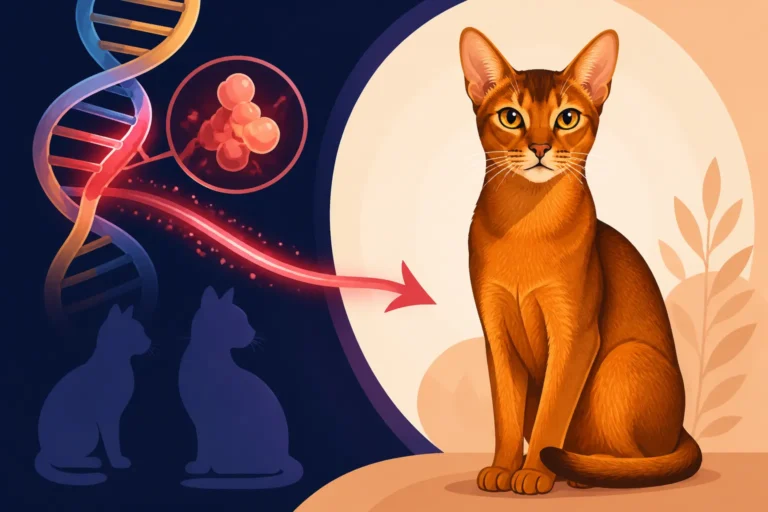
The unfortunate truth is that Abyssinians are genetically programmed to be at higher risk for amyloidosis. While we know there’s a genetic component, it’s not as straightforward as a single gene mutation, like those for Pyruvate Kinase Deficiency or PRA-rdAc. Instead, research suggests it’s likely a polygenic condition, meaning multiple genes interact to create the predisposition. This complex inheritance pattern is precisely why there’s Why No Gene Test Exists for Abyssinian Amyloidosis. Breeders can test for The Abyssinian Has Three DNA Tests and One Disease With None, but amyloidosis remains the elusive one.
This genetic vulnerability means that even seemingly healthy Abyssinians can develop the condition, often triggered or exacerbated by episodes of chronic inflammation. Think about any recurring inflammatory issue—even something as simple as chronic gingivitis or a persistent allergy—that could potentially elevate SAA levels over time. While inflammation is a normal part of the immune response, in an Abyssinian with this genetic predisposition, those elevated SAA levels might then lead to the protein misfolding and depositing as amyloid. It’s a cruel twist of fate for a breed known for its robust health and energetic nature.
The Impact on Breeding and Responsible Ownership
Without a direct genetic test, breeders are left with a significant challenge: how do you prevent a disease you can't test for? The answer lies in meticulous record-keeping and a deep understanding of pedigree lines. Responsible Abyssinian breeders meticulously track the health history of their cats, going back generations, noting any cases of amyloidosis or unexplained kidney failure within a line. This is Why an Abyssinian Line's History Matters More Than Any Test when it comes to this particular disease. They strive to avoid breeding animals from lines with a known history of early-onset amyloidosis. This proactive, albeit imperfect, approach is critical to reducing the incidence of the disease.
For prospective owners, this means asking hard questions. A reputable breeder won't shy away from discussing the health history of their breeding lines, including any instances of amyloidosis in close relatives. While they can't guarantee a cat won't develop the condition, their transparency and commitment to health screening (for other testable conditions, at least) are crucial. It really puts the onus on trust and open communication, which can be daunting for someone new to the breed. The emotional burden on owners whose cats are diagnosed can be immense, as it often feels like a ticking time bomb they had no way to disarm.
Recognizing the Signs and Managing the Condition
Despite the challenges of testing, proactive owners can still make a difference by being vigilant about early signs and ensuring excellent veterinary care. Catching issues early is always key, but especially so with a progressive condition like renal amyloidosis.
Early Warning Signs to Watch For
Abyssinians are masters of hiding illness, a trait rooted in their wild ancestors' need to appear strong to survive. This can make detecting early signs of kidney issues incredibly difficult. Owners often realize something is wrong only when the disease is quite advanced, which is heartbreaking. However, there are subtle clues if you know what to look for.
One of the earliest, albeit often overlooked, signs is increased thirst (polydipsia) and increased urination (polyuria). You might notice your Abyssinian visiting the water bowl more frequently or producing larger clumps in the litter box. Pay attention to Which Blood Values Catch an Abyssinian's Kidneys Early during annual check-ups, even if your cat seems fine. Other signs might include a gradual, unexplained weight loss, even if their appetite seems normal initially. Their usually shimmering, sleek coat might start to look a bit dull or feel coarser, a sign that their body isn't processing nutrients as efficiently. Lethargy, a reduction in their usual boundless energy, or a general "off" feeling are also critical indicators. If your Abyssinian, usually the most active cat in the house, suddenly wants to cuddle more or just isn't quite themselves, don't dismiss it. This could be a subtle cry for help, and it’s important to remember that Why an Abyssinian's Kidneys Fail Before Its Coat Dulls means you need to be observant of very subtle changes.
Supportive Care and Prognosis
If your Abyssinian is diagnosed with renal amyloidosis, the immediate feeling can be overwhelming. The diagnosis often involves blood tests (looking at SDMA, creatinine, BUN, and phosphorus levels) and urine tests (checking for protein in the urine, such as a urine protein:creatinine ratio). These tests can reveal how much protein is being lost and how compromised the kidney function truly is. Understanding How Young an Abyssinian Can Lose Its Kidneys underscores the urgency of early detection.
Unfortunately, there is no cure for amyloidosis; the goal of treatment is to slow the progression of kidney damage and support organ function. How a Vet Manages an Abyssinian in Kidney Failure typically involves a multi-faceted approach. This often includes a prescription kidney diet, which is specially formulated with lower protein, phosphorus, and sodium to reduce the workload on the kidneys. Fluid therapy, either subcutaneous fluids administered at home or intravenous fluids during a crisis, can help keep your cat hydrated and flush out toxins. Medications may be prescribed to manage symptoms like nausea, high blood pressure, or anemia, which are common complications of kidney disease. Regular monitoring of blood and urine values is essential to adjust treatments as needed.
Managing a chronic condition like amyloidosis can become quite costly over time, from specialized diets to ongoing medications and frequent vet visits. This is where investing in pet insurance, like a comprehensive plan from Healthy Paws, can be an absolute lifesaver. Having that financial support can allow you to make decisions based on what’s best for your cat, rather than being constrained by budget worries. While the prognosis for renal amyloidosis can be guarded, with dedicated supportive care and vigilant monitoring, many Abyssinians can still enjoy a good quality of life for an extended period, allowing you more precious time with your beloved companion.
Understanding Key Abyssinian Health Concerns
To further illustrate the unique challenges presented by renal amyloidosis compared to other common Abyssinian health issues, here's a comparison:
| Condition | Primary Cause | Genetic Test Available? | Onset of Symptoms | Prognosis/Management |
|---|---|---|---|---|
| Renal Amyloidosis | Misfolded SAA protein deposits in kidneys | No | Often young adult, progressive | Supportive care, diet, fluids; no cure |
| Pyruvate Kinase Deficiency | Single gene mutation (PKLR) affecting red blood cells | Yes | Intermittent anemia, variable onset | Supportive care, transfusions; affected cats may live normally if managed |
| PRA-rdAc | Single gene mutation (CEP290) affecting retinal cells | Yes | Progressive blindness, usually by 3-5 years | No cure; supportive care for blind cats |
| Juvenile Gingivitis | Exaggerated immune response to plaque | No (but not hereditary directly) | Around 6 months | Dental cleanings, gingivectomy, meticulous home care |
Disclaimer
The information provided in this article is for general informational purposes only and is not a substitute for professional veterinary advice. Always consult with a qualified veterinarian for any health concerns or before making any decisions related to your pet's health and treatment.