Why Abyssinian Amyloidosis Is Not a Single Gene
It’s truly disheartening when you learn about the health challenges that can affect our beloved Abyssinian cats, especially something as insidious and complex as amyloidosis. This condition isn't like some of the other genetic diseases we can test for with a simple swab, and that often leaves owners and breeders feeling helpless and frustrated. This guide aims to shed light on why Abyssinian amyloidosis isn't linked to a single, identifiable gene and what this means for understanding, preventing, and managing this challenging disease.
Understanding Abyssinian Amyloidosis
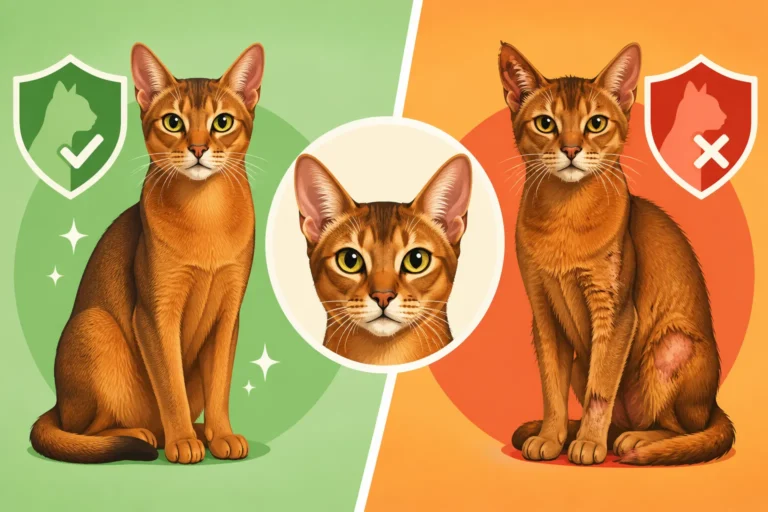
Amyloidosis in Abyssinians is a truly devastating disease that primarily targets the kidneys, though it can affect other organs. It's not a direct infection or a tumor, which can make it feel even more baffling to deal with. Instead, it’s a build-up of abnormal protein deposits, called amyloid, within the tissues.
What Amyloid Is and Why It Reaches Abyssinian Kidneys
Imagine tiny, sticky protein fragments that, instead of being properly processed and removed by the body, start clumping together. That’s essentially what amyloid is. In Abyssinians, the amyloid deposits are specifically derived from a protein called Serum Amyloid A (SAA). SAA is an acute phase protein, meaning its levels typically rise during inflammation, infection, or stress. For some reason, in genetically predisposed Abyssinians, this SAA protein doesn't always fold correctly and forms insoluble fibrils. These fibrils then accumulate, particularly in the kidneys, and specifically in the tiny filtering units called glomeruli, as well as the medullary interstitium. Over time, these amyloid deposits act like internal concrete, hardening the kidney tissue, impairing its function, and eventually leading to kidney failure. You might remember reading about a similar process in humans, but for Abyssinians, it’s a genetic ticking time bomb. Knowing what amyloid is and why it reaches Abyssinian kidneys helps us understand the disease's mechanism, even if the exact trigger remains elusive.
How Early an Abyssinian Can Show Kidney Signs
One of the most heartbreaking aspects of renal amyloidosis is how silently it can progress. Abyssinians, being naturally active and stoic, are masters at hiding illness, which means the initial signs often go unnoticed. It’s not uncommon for an Abyssinian to appear perfectly healthy one day and then suddenly decline. While it's most often seen in middle-aged to older cats, usually between one and seven years old, we've sadly seen cases where an Abyssinian can lose its kidneys heartbreakingly young. I’ve known of cats as young as one or two years old showing symptoms, which is incredibly rare for typical kidney disease. This makes it imperative for owners to be vigilant. Early symptoms can be incredibly subtle – a slight increase in thirst, perhaps a little less appetite, or just a general "off" feeling that's hard to pin down. A common red flag is if you notice your normally energetic Abyssinian becoming a thirsty young Abyssinian, even if they're otherwise acting normally. These seemingly minor changes, especially in a younger cat, should never be dismissed.
The Genetic Complexity: Why Not a Single Gene?
This is where the frustration often peaks for Abyssinian owners and dedicated breeders. We have fantastic DNA tests for conditions like Pyruvate Kinase Deficiency and PRA-rdAc, giving us clear answers. But for renal amyloidosis, it’s a completely different story.
The Polygenic Puzzle
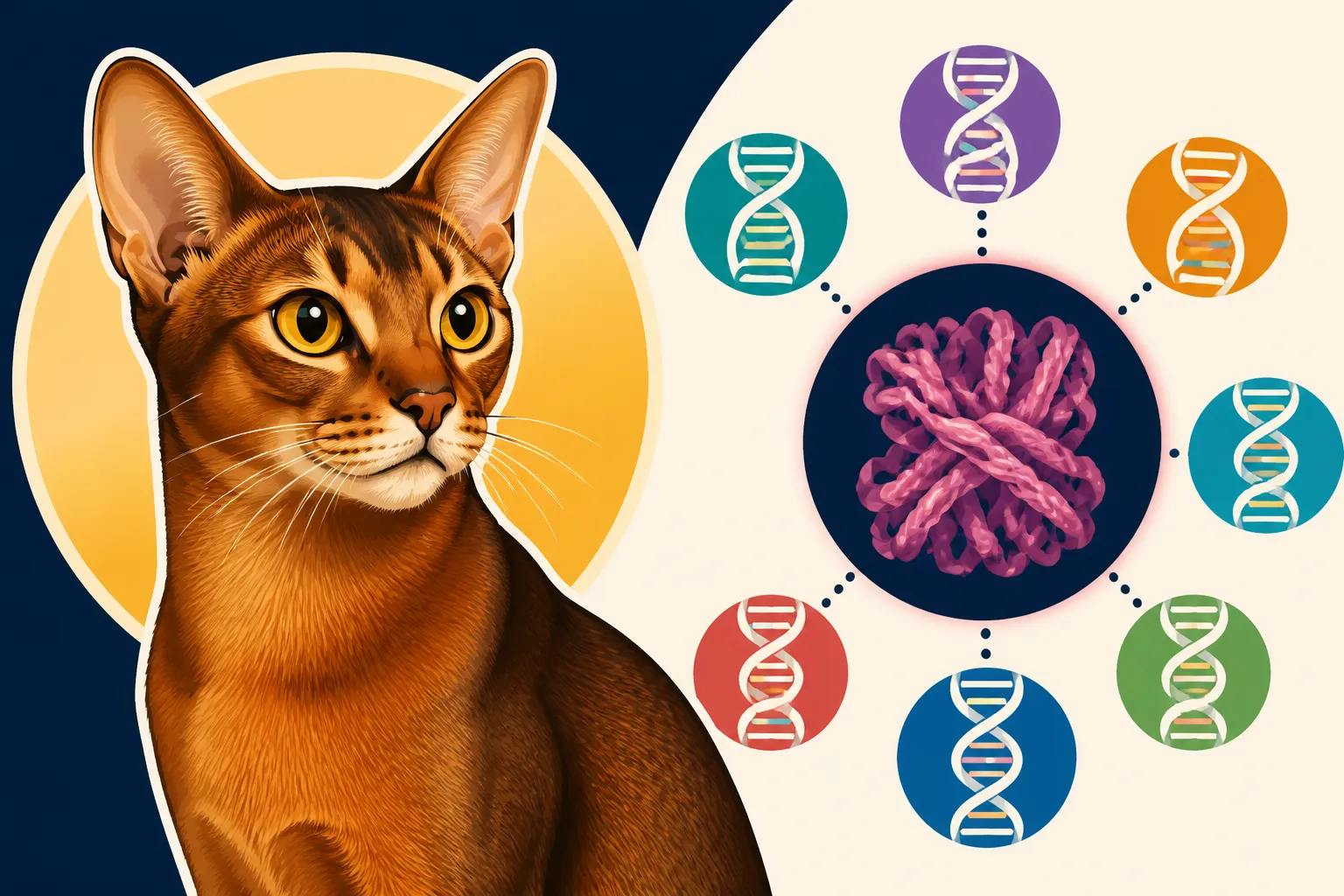
Unlike diseases caused by a mutation in a single gene, Abyssinian amyloidosis is believed to be a polygenic disease. This means that instead of one specific "bad" gene, there are likely several different genes, possibly interacting with environmental factors, that contribute to an individual cat's susceptibility. Think of it like a puzzle where you're missing several pieces, and some pieces might even be hidden. Each of these genes might only have a small effect, but together, their combined influence increases the risk significantly. This makes it incredibly difficult for scientists to pinpoint one culprit or even a small group of clear-cut genetic markers. Research into this area is ongoing, but the nature of polygenic inheritance means there isn't a simple "yes/no" test on the horizon like for other conditions. This inherent complexity is the primary reason why no gene test exists for Abyssinian amyloidosis.
Why No Gene Test Exists for Abyssinian Amyloidosis
The challenge of polygenic diseases is compounded by several factors. Firstly, identifying all the contributing genes is a massive undertaking. Scientists would need to study the entire genome of many affected and unaffected Abyssinians, looking for subtle differences across multiple chromosomal regions. Secondly, even if potential genes are identified, proving their direct causal link and understanding how they interact is another hurdle. Environmental triggers – things like chronic stress, diet, or recurrent infections that might increase SAA levels – could also play a significant role in tipping a genetically predisposed cat into developing the disease. This intricate dance between multiple genes and external factors makes developing a simple DNA test incredibly complex, if not impossible with current technology. It’s not for lack of trying by dedicated researchers; it’s the nature of the beast itself.
How Abyssinian Lines Are Judged on Family History Instead
Given the lack of a direct genetic test, responsible Abyssinian breeders must rely heavily on meticulous record-keeping and family history. This means looking back several generations in a pedigree, not just at the immediate parents, but at grandparents and even great-grandparents, for any incidence of amyloidosis. Breeders are constantly trying to assess a line's risk, noting which cats developed the disease, at what age, and who their relatives were. This painstaking process helps them make informed breeding decisions, aiming to avoid combining lines with known histories of early-onset amyloidosis. It’s a bit like detective work, trying to piece together a complex family medical tree. If you're looking for a kitten, asking an Abyssinian breeder about their line's history matters more than any test they can't do for amyloidosis. This dedication to tracking history is the best defense we have against this silent killer in the breed.
Managing Risk and Supporting an Abyssinian with Amyloidosis
While the lack of a single gene test for amyloidosis is frustrating, it doesn't mean we are powerless. There are proactive steps both breeders and owners can take to mitigate risk and manage the disease if it appears.
Early Detection is Key
Because Abyssinians are so good at hiding illness, regular veterinary check-ups are non-negotiable, especially as they enter middle age. Catching kidney issues early can significantly extend and improve an affected cat's life. Your vet will recommend annual blood and urine tests, and these should include specific markers that can indicate early kidney stress. For instance, testing for which blood values catch an Abyssinian's kidneys early, such as SDMA (symmetric dimethylarginine), is far more sensitive than creatinine alone for detecting kidney disease. SDMA levels can elevate even when creatinine is still within the "normal" range, offering a crucial head start. Regular urine specific gravity tests can also alert your vet to potential issues before your cat shows overt symptoms. Don't be shy about discussing these specific tests with your veterinarian, as early intervention can make a world of difference.
How a Vet Manages an Abyssinian in Kidney Failure
If an Abyssinian is diagnosed with renal amyloidosis and its kidneys begin to fail, the focus shifts to supportive care and managing symptoms. The goal is to slow the progression of the disease and maintain the best possible quality of life. This often involves a multi-faceted approach:
- Dietary Management: A prescription kidney diet, which is typically lower in protein, phosphorus, and sodium, can significantly reduce the workload on the kidneys. These specialized diets are formulated to provide adequate nutrition without overburdening compromised kidneys.
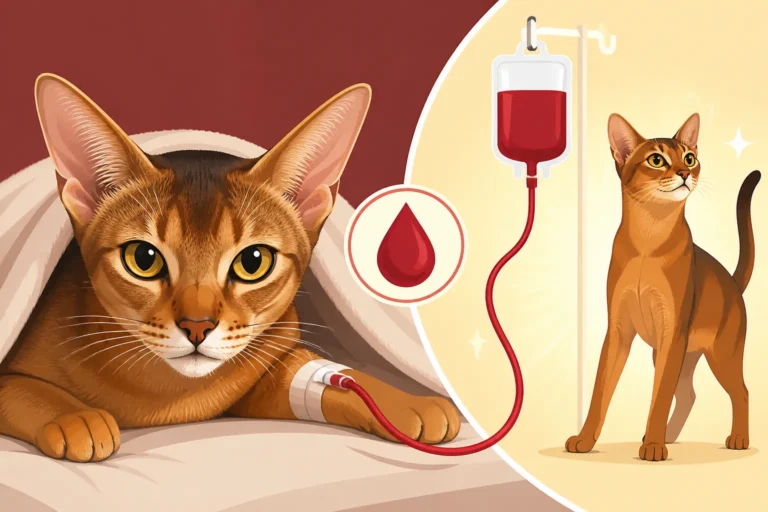
- Fluid Therapy: Dehydration is a major concern with kidney disease. Many cats with kidney failure benefit from subcutaneous fluid therapy, which can be administered at home. This helps flush toxins, maintain hydration, and support kidney function. Your vet can show you how to administer fluids at home, which, while daunting at first, can become a routine that greatly helps your feline friend.
- Medication: Depending on the specific symptoms, your vet might prescribe medications to manage blood pressure, reduce protein loss in the urine, alleviate nausea, or stimulate appetite.
- Regular Monitoring: Frequent vet visits for blood work and urine tests are essential to track the disease's progression and adjust treatments as needed.
Dealing with kidney failure is tough, both emotionally and financially. This is where comprehensive pet insurance, like a plan from Healthy Paws, can be invaluable, helping to cover the ongoing costs of diagnostics, prescription foods, and medications that can quickly add up.
Proactive Breeding Practices
For breeders, the primary tool against amyloidosis is careful selection based on pedigree health history. This means more than just knowing if a cat’s parents were healthy; it involves understanding the health and lifespan of every cat in a line. Breeders committed to eradicating this disease will meticulously track health outcomes, especially causes of death, for all their breeding cats and their offspring. They will share this information transparently with prospective buyers, ensuring that new owners are fully aware of any potential risks. While challenging, this dedication to transparency and historical knowledge is the strongest method we currently have to reduce the prevalence of this complex disease in the breed.
Living with Amyloidosis: What Owners Can Do
Bringing an Abyssinian into your home means committing to their health and well-being, especially when facing a condition like amyloidosis. The daily care and attention you provide are paramount.
Dietary Considerations for Kidney Health
Nutrition plays a crucial role in managing kidney disease. The right diet can help reduce the accumulation of waste products in the blood, manage electrolyte imbalances, and slow the progression of kidney damage. For cats diagnosed with renal amyloidosis or early kidney disease, your veterinarian will likely recommend a prescription renal diet. These diets are carefully formulated to be:
- Low in Phosphorus: High phosphorus levels can worsen kidney disease.
- Controlled Protein: While protein is essential, very high protein levels can stress failing kidneys. Renal diets provide high-quality, easily digestible protein in appropriate amounts.
- Omega-3 Fatty Acids: These can help reduce inflammation in the kidneys.
- Increased Moisture Content: Wet food is generally preferred as it helps increase overall hydration, which is vital for kidney function. Why kibble alone leaves an Abyssinian short of water can lead to increased stress on their kidneys.
Always consult your vet before making any drastic changes to your Abyssinian's diet. They can recommend the best food specific to your cat's condition.
Monitoring and Quality of Life
Living with an Abyssinian battling amyloidosis requires vigilant monitoring and a commitment to maintaining their quality of life. This means observing your cat closely for any changes, no matter how subtle.
Key things to watch for:
- Changes in Appetite or Thirst: Is your cat eating less, or drinking significantly more or less water? A sudden increase in thirst can be a significant indicator.
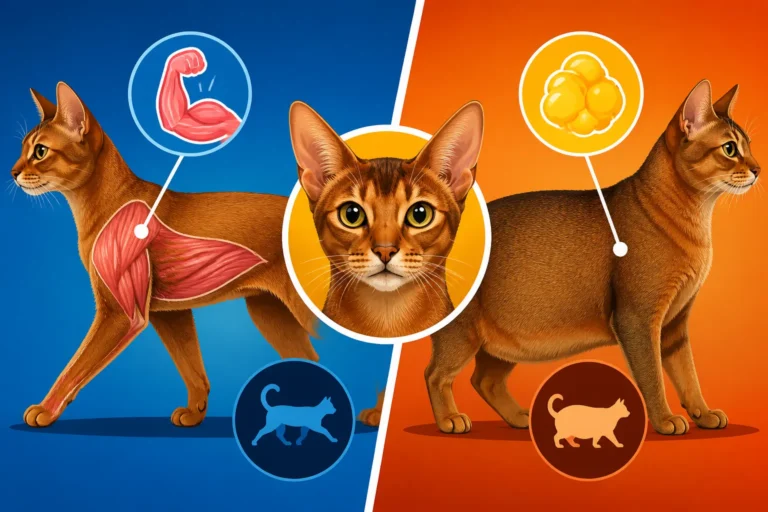
- Weight Loss: Why a lean Abyssinian hides illness longer than a heavy cat is important to remember. Regular weigh-ins at home can help you spot trends early.
- Lethargy or Reduced Activity: While Abyssinians are energetic, a sustained decrease in their usual zoomies or climbing can be a sign.
- Vomiting or Diarrhea: These can indicate a buildup of toxins.
- Changes in Urination: More frequent urination, or urinating outside the litter box, can point to kidney issues.
It's also essential to ensure your cat remains comfortable and mentally stimulated. Even if they're slowing down, providing accessible climbing opportunities, gentle play, and plenty of affection will contribute to their overall well-being. Regular vet visits, as discussed, are critical for monitoring blood values like SDMA, and if your cat starts showing more advanced signs, your vet will discuss options like administering fluids at home to manage symptoms. While the emotional toll of caring for a cat with a chronic illness can be significant, knowing that you're doing everything possible for your beloved companion, supported by a good vet and potentially a robust pet insurance plan like those offered by Healthy Paws, makes a real difference. How long an Abyssinian lives after amyloidosis shows depends heavily on early detection and consistent, dedicated care.
Disclaimer
This article is intended for informational purposes only and is not a substitute for professional veterinary advice. Always consult with a qualified veterinarian for any health concerns or before making any decisions about your pet's health or treatment.