Why a Normal Creatinine Does Not Clear an Abyssinian
It’s a truly disheartening moment when your beloved Abyssinian isn't quite themselves, you rush them to the vet, run all the diagnostics, and the creatinine comes back "normal." You breathe a sigh of relief, but a nagging feeling persists, because you know your lively, active Abyssinian is still off. This guide is for every Abyssinian parent who's faced that confusing situation, delving into why a normal creatinine value, while seemingly reassuring, absolutely does not give your energetic companion a full clean bill of health when it comes to their precious kidneys.
The Deceptive Nature of Creatinine in Abyssinian Kidney Health
For years, creatinine has been the go-to marker for assessing kidney function in cats, and for good reason. It’s a waste product from muscle metabolism, and healthy kidneys efficiently filter it out of the blood. If the kidneys aren’t doing their job properly, creatinine builds up. The problem, especially for our svelte, muscular Abyssinians, is when that buildup becomes noticeable.
Why Creatinine Isn't the Whole Story for Abyssinians
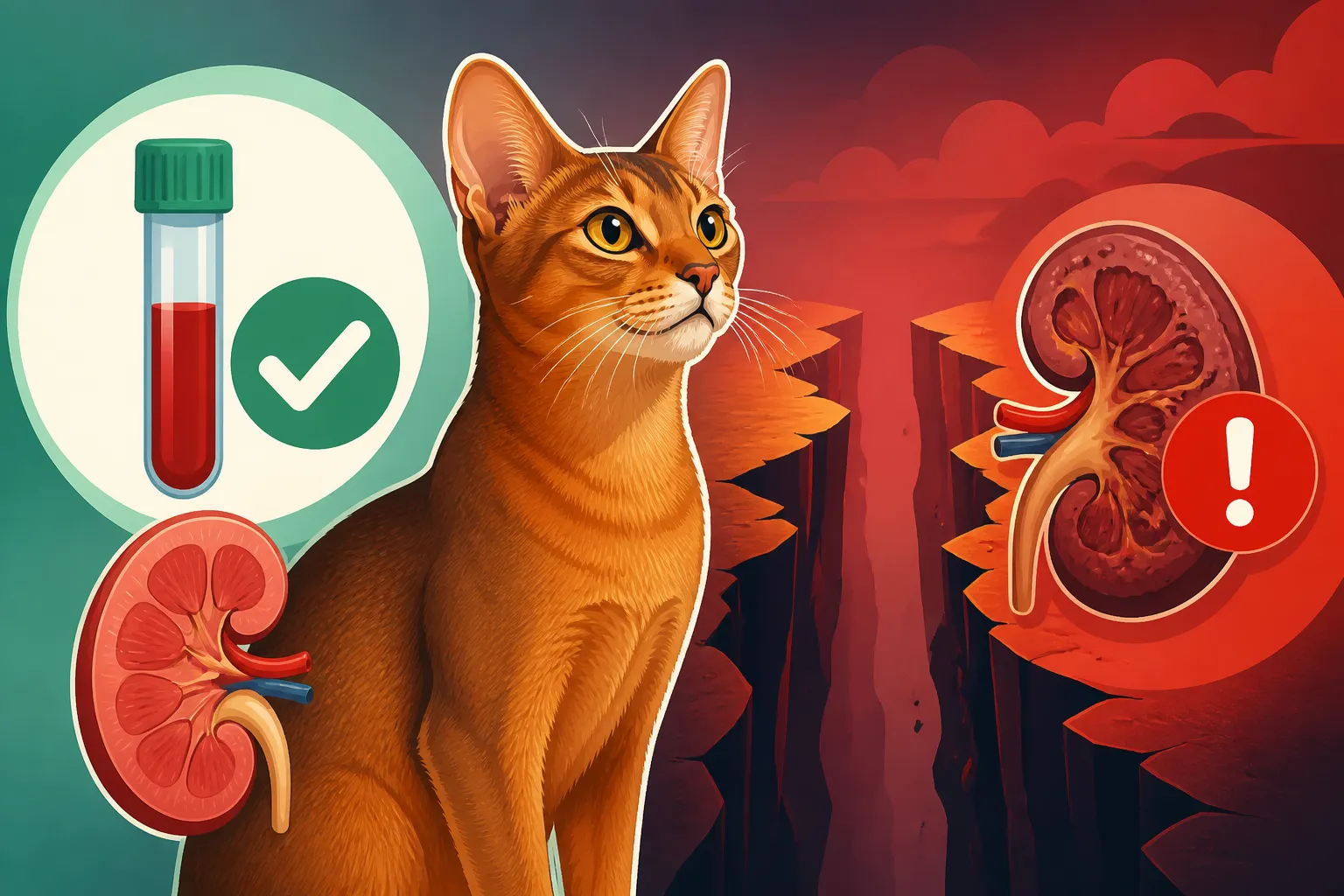
Creatinine is a bit of a late bloomer in the world of kidney diagnostics. Think of it like a smoke alarm that only goes off when the house is already engulfed in flames. For a cat, creatinine levels typically don't rise above the "normal" range until a staggering 75% of kidney function has been lost. Imagine three-quarters of your cat’s kidney capacity being gone before a standard blood test even flags an issue! This is incredibly frustrating for owners who are tuned into their Abyssinian’s subtle changes. You see your cat drinking more, perhaps a little less enthusiastic about their favorite wand toy, or maybe their coat just isn't quite as lustrous, but the vet says "creatinine normal, all good!" It’s a classic case where a "normal" result can provide a false sense of security, delaying critical intervention.
Our Abyssinians are unique; they’re lean, active, and notoriously good at masking illness. Their muscle mass, which contributes to creatinine production, might be lower than a sedentary cat, meaning their creatinine levels could remain deceptively low even with significant kidney damage. This breed's specific predisposition to certain kidney ailments makes relying solely on this traditional marker particularly risky.
The Silent Threat of Renal Amyloidosis in Abyssinians
When we talk about Abyssinian kidney health, we have to talk about renal amyloidosis. This isn't just any kidney disease; it's a condition where an abnormal protein, called amyloid, gets deposited in the kidneys, slowly but surely destroying their structure and function. It's a particularly nasty foe because it can strike young, often vibrant Abyssinians, and its progression can be incredibly insidious.
What happens is that these amyloid deposits accumulate, leading to inflammation and scarring, eventually causing irreversible damage. The kidneys lose their ability to filter waste and maintain fluid balance, but because creatinine only spikes when the damage is severe, your Abyssinian could be quietly battling this devastating disease for months or even years without it showing up on a routine blood panel. This is precisely why a normal creatinine does not clear an Abyssinian from concern. What Renal Amyloidosis Deposits in an Abyssinian's Kidney provides more detailed insight into the destructive process. The heartbreaking reality is that there's currently no specific gene test for Abyssinian amyloidosis, making diligent monitoring and the use of more sensitive diagnostic tools absolutely crucial. This lack of a direct test is a huge challenge for breeders and owners alike, as detailed in Why No Gene Test Exists for Abyssinian Amyloidosis.
Unpacking the Earlier Indicators of Kidney Trouble
Given the limitations of creatinine, proactive Abyssinian owners and veterinarians must look beyond this single value and embrace a more comprehensive diagnostic approach. Early detection is not just helpful; it can genuinely extend and improve the quality of your Abyssinian's life.
The Importance of Specific Gravity and Urinalysis
Before we even get to the more advanced blood tests, a simple urinalysis can be a lifesaver. One of the earliest signs of kidney trouble isn't always a buildup of waste products in the blood, but rather the kidneys losing their ability to concentrate urine.
Your Abyssinian’s kidneys are designed to conserve water, producing urine that is more concentrated than their blood. When kidney function declines, this ability is one of the first things to go. They start producing dilute urine, even if they're dehydrated. This is measured by urine specific gravity (USG). A low USG, meaning dilute urine, can be a major red flag, even if your Abyssinian's creatinine is still firmly within the normal range. It tells your vet that the kidneys are already struggling, perhaps at only 25-30% loss of function, long before creatinine would give you any warning.
Beyond USG, a full urinalysis looks for other crucial indicators like protein in the urine (proteinuria), which can signal damage to the kidney’s filtering units, or the presence of casts and crystals. All these tiny details, often overlooked if only bloodwork is performed, can paint a much clearer picture of early kidney distress. Which Urine Test Catches an Abyssinian's Kidneys First offers a deeper dive into these vital urine markers.
SDMA: The Game-Changer in Early Detection
Thankfully, veterinary medicine has advanced, providing us with a much more sensitive biomarker for kidney function: Symmetric Dimethylarginine (SDMA). If creatinine is the smoke alarm for a house on fire, SDMA is the carbon monoxide detector that alerts you to an invisible, insidious threat long before it becomes catastrophic.
SDMA is another waste product primarily excreted by the kidneys, but unlike creatinine, its levels increase much earlier in the disease process – often when only 25-40% of kidney function has been lost. This is a monumental difference compared to creatinine's 75% threshold. For an active Abyssinian, this earlier detection window is invaluable. It means your vet can identify a problem, and you can start interventions, much sooner, potentially slowing the progression of disease and preserving more kidney function.
Incorporating SDMA into your Abyssinian’s routine annual blood panel, especially once they reach middle age, is perhaps one of the most proactive steps you can take. It offers a window into their renal health that creatinine alone simply cannot provide. Learning How the SDMA Value Reads on an Abyssinian can help you better understand these crucial test results when you speak with your veterinarian. Combined with urinalysis, SDMA provides a far more complete and sensitive picture of your Abyssinian’s kidney health. These early indicators, alongside the traditional creatinine, are the blood values that catch an Abyssinian's kidneys early.
Holistic Approaches to Monitoring Your Abyssinian's Kidney Health
Beyond specific lab tests, a truly holistic approach to kidney health for your Abyssinian involves keen observation and consistent veterinary partnership. Their natural athleticism and intelligence often mean they're experts at hiding discomfort, so owners need to be extra vigilant.
Beyond Bloodwork: Clinical Signs and Behavioral Changes
As Abyssinian parents, you know your cat best. You're the first line of defense, and your observations can be more telling than any lab value, particularly in the early stages of kidney disease. These cats are naturally energetic and curious, so any subtle shift in their usual routine warrants attention.
Keep an eye out for these subtle cues:
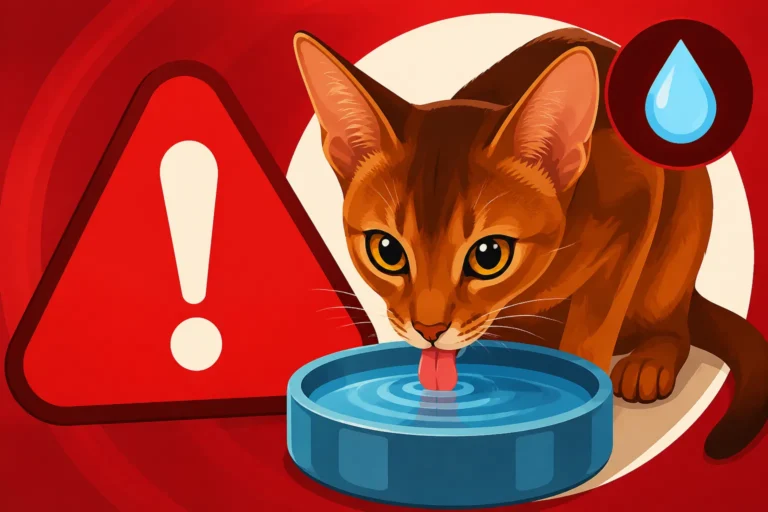
- Increased Thirst (Polydipsia): Are you refilling the water bowl more often? Is your Abyssinian suddenly fascinated by the dripping faucet? Increased thirst, even if subtle, can be one of the earliest signs that the kidneys are having trouble concentrating urine, leading the cat to drink more to compensate for fluid loss. Why a Thirsty Young Abyssinian Is a Red Flag really highlights this critical symptom.
- Increased Urination (Polyuria): This often goes hand-in-hand with increased thirst. You might notice larger or more frequent clumps in the litter box, or perhaps they're visiting the box more often than usual.
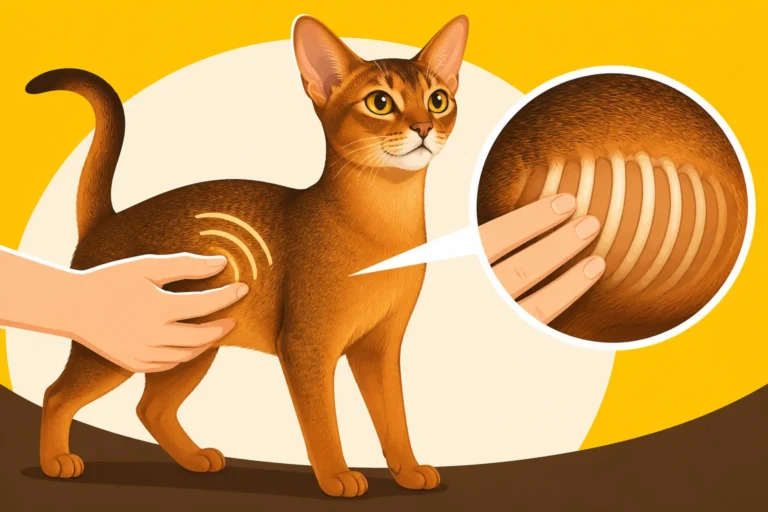
- Weight Loss: Abyssinians are naturally lean, so any unexplained weight loss is a serious concern. They burn a lot of calories, but if they're losing weight despite eating normally, it could signal an underlying health issue, including kidney problems. Our Abyssinians are masters of disguise, and Why a Lean Abyssinian Hides Illness Longer Than a Heavy Cat explains just how effectively they can hide serious illness.
- Subtle Changes in Appetite: Maybe they're not quite as excited about mealtime, or they leave a few kibbles behind. A reduced appetite can be an early indicator of nausea or a general feeling of malaise associated with toxin buildup.
- Dull or Poor Coat Quality: While Abyssinians have a low-maintenance coat, a lack of luster or a dull appearance can sometimes signal internal health issues.
- Reduced Energy or Lethargy: This is often one of the hardest to spot in an Abyssinian because they are typically so active. If your usually playful companion is napping more, less interested in chasing the laser pointer, or foregoing their usual climbing adventures, pay attention.
- Hiding or Changes in Social Interaction: A sick cat, even a gregarious Abyssinian, might start to withdraw or seek out quiet, secluded spots more often.
Any of these changes, even if slight, warrant a conversation with your vet, regardless of what a creatinine test might say.
The Power of Proactive Veterinary Care and Record Keeping
Building a strong partnership with your veterinarian is key to managing your Abyssinian’s long-term health. Regular check-ups are non-negotiable, even if your Abyssinian seems perfectly healthy. For Abyssinians reaching middle age (around 7 years old) and certainly for senior cats, yearly bloodwork and urinalysis including SDMA testing should be part of their routine care. When a Middle Aged Abyssinian Needs Yearly Bloodwork is an excellent resource for understanding this age-based screening.
Consider maintaining a simple journal or even just mental notes on your Abyssinian's daily habits:
- How much water do they typically drink? (You can use a measuring cup to fill their bowl to track this.)
- How many times a day do they urinate? What size are the clumps in the litter box?
- What is their average weight? A digital pet scale can be a great investment.
- Are there any changes in their appetite or energy levels?
This information, shared with your vet, can provide invaluable context to lab results. For example, if your Abyssinian’s USG is consistently on the lower side of normal, but they're also consistently drinking a lot of water, it helps your vet connect the dots.
Lastly, be prepared for the financial aspect of long-term care for kidney disease. Ongoing monitoring, specialized diets, and potential medications can add up. Many Abyssinian owners find that pet insurance, such as Healthy Paws, provides invaluable peace of mind, allowing them to make healthcare decisions based on what’s best for their cat, not just their wallet. Healthy Paws offers comprehensive plans that can cover a significant portion of diagnostic tests and treatments for chronic conditions like kidney disease, helping ensure your Abyssinian gets the best possible care throughout their life.
Managing Kidney Disease and Supporting Renal Function
If early indicators do point to kidney trouble, it's not a death sentence. While kidney damage is often irreversible, proactive management can significantly slow its progression and improve your Abyssinian's quality of life for many years.
Dietary Management and Hydration Strategies
Diet plays a colossal role in managing feline kidney disease. The cornerstone of kidney care is often a prescription renal diet. These diets are carefully formulated to:
- Reduce Phosphorus: High phosphorus levels are detrimental to failing kidneys, and these diets minimize it.
- Control Protein: While cats need protein, excessive amounts can put a strain on the kidneys. Renal diets contain high-quality, easily digestible protein in controlled amounts.
- Sodium Management: Lower sodium helps manage blood pressure, which is often elevated in kidney disease.
- Omega-3 Fatty Acids: These often included for their anti-inflammatory properties, which can be beneficial for kidney health.
Your vet will recommend the most appropriate diet based on the stage of your Abyssinian's kidney disease. Patience is key, as cats can be finicky eaters, and transitioning to a new food might take time. How a Kidney Diet Buys an Abyssinian Time provides excellent insights into this crucial aspect of care.
Hydration is equally, if not more, critical for Abyssinians with kidney issues. Increased water intake helps flush toxins and prevents dehydration. Here are some strategies:
- Prioritize Wet Food: Since canned food has a high moisture content, it significantly boosts your cat's overall water intake. Why Wet Food Protects an Abyssinian's Kidneys explains this in detail.
- Multiple Water Sources: Place several water bowls around the house, some in quiet spots, some near their favorite lounging areas.
- Water Fountains: Many cats prefer moving water to still water. A circulating water fountain can entice them to drink more.
- Add Water to Food: If your Abyssinian primarily eats kibble, adding a little warm water or low-sodium chicken broth can increase moisture.
- Flavored Water: Some cats enjoy a tiny bit of tuna juice (in water, not oil!) or specialized pet rehydration liquids in their water.
Medications and Supportive Therapies
Depending on the stage and specific symptoms, your Abyssinian might benefit from a range of medications and supportive therapies:
- Phosphate Binders: These are often given with food to reduce the absorption of phosphorus from the gut, protecting the kidneys from further damage.
- Blood Pressure Medication: High blood pressure (hypertension) is common in cats with kidney disease and can further damage the kidneys. Medications like amlodipine are often prescribed.
- Potassium Supplements: Some renal diets or kidney conditions can lead to low potassium, which needs to be corrected.
- Anti-Nausea Medication/Appetite Stimulants: If your Abyssinian is feeling nauseous from toxin buildup, these can help them feel better and maintain their appetite.
- Subcutaneous Fluids (Sub-Q fluids): For cats with more advanced kidney disease, administering fluids under the skin at home can be a game-changer. It helps to keep them hydrated and flushes out toxins, making them feel significantly better. Your vet can teach you how to do this safely. How a Vet Manages an Abyssinian in Kidney Failure details many of these treatment options.
The table below summarizes the key diagnostic tools and their relevance in detecting different stages of kidney disease in your Abyssinian:
| Diagnostic Tool | What It Measures | When It Detects Disease (Approx.) | Abyssinian Relevance |
|---|---|---|---|
| Creatinine | Muscle waste product in blood | ~75% kidney function loss | Often deceptively normal until late-stage; unreliable early indicator. |
| Urine Specific Gravity | Urine concentration ability | ~25-30% kidney function loss | Excellent early indicator, especially for Abyssinians prone to dilute urine. |
| SDMA (Symmetric Dimethylarginine) | Kidney-specific waste product in blood | ~25-40% kidney function loss | Highly sensitive, detects disease much earlier than creatinine; crucial for Abyssinians. |
| Proteinuria (UPC ratio) | Protein in urine | Early kidney damage | Signals damage to filtering units; important for identifying protein-losing nephropathies. |
| Blood Pressure | Systemic blood pressure | Can be elevated at any stage | High BP can damage kidneys further; routine screening is vital. |
Early detection, often through tools like SDMA and diligent monitoring, allows for more effective management strategies to be put in place, leading to a much better quality of life for your Abyssinian. While the cost of these tests and ongoing treatments might seem daunting, pet insurance from providers like Healthy Paws can significantly ease the financial burden, ensuring you don't have to compromise on the best care for your furry family member.
Disclaimer
This article is intended for informational purposes only and does not constitute veterinary advice. Always consult with a qualified veterinarian for any health concerns or before making any decisions about your pet's medical care.