Why Abyssinian Gum Trouble Starts at Six Months
It's incredibly frustrating when your lively, playful Abyssinian kitten, full of boundless energy, suddenly starts showing signs of discomfort around their mouth. Many Aby owners find themselves scratching their heads, wondering why their six-month-old kitten, seemingly at the peak of health and mischief, begins to suffer from red, swollen, or bleeding gums. This guide aims to peel back the layers of this common issue, known as juvenile gingivitis, explaining why it often strikes at this tender age and what you can do about it.
Understanding Juvenile Gingivitis in Abyssinians
Abyssinians, for all their glorious energy and stunning looks, are unfortunately prone to a specific type of dental problem often called juvenile gingivitis or, more precisely, juvenile hyperplastic gingivitis. Unlike a general gum inflammation that might affect any cat, Abyssinians often experience an exaggerated inflammatory response, where their gum tissue actually overgrows. This isn't just a minor irritation; it can be quite painful and, if left unchecked, lead to much more severe issues. The fact that it often starts around six months old isn't a coincidence; several factors converge during this critical developmental stage to make them particularly vulnerable.
The Unique Abyssinian Predisposition
The truth is, Abyssinians seem to have a genetic predisposition to this condition. It's not something you necessarily did wrong as an owner; it's often baked into their unique physiology. Imagine it like a subtle glitch in their immune system that makes their gum tissue react much more intensely to the normal presence of plaque and bacteria in the mouth. While all cats develop plaque, an Abyssinian's body might perceive it as a much greater threat, launching an aggressive inflammatory response.
For a new owner, this can be incredibly disheartening. You bring home a tiny, adorable kitten, and by the time they’re a rambunctious half-year-old, you’re already dealing with a painful health issue. I remember a friend, Sarah, with her first Abyssinian, Loki. At six months, Loki, usually a voracious eater, started batting at his face and dropping kibble, leaving little red smears on his favorite blanket. Sarah initially thought he just had a loose baby tooth, but a quick peek revealed angry red, puffy gums. It quickly became clear that this was more than just typical teething. This exaggerated response is why early detection and intervention are so crucial for Abyssinians when it comes to their oral health. Understanding how juvenile gingivitis starts in an Abyssinian kitten is the first step toward effective management.
Hormonal Changes and Their Impact
Six months is a significant milestone for a kitten. It's often around this age that they are reaching sexual maturity, even if they're spayed or neutered soon after. These hormonal shifts, particularly the surge in sex hormones, can have a profound effect on the entire body, including the delicate tissues of the mouth. In humans, we see similar phenomena with "pregnancy gingivitis" or gum issues during puberty – hormones can increase blood flow to the gums, making them more sensitive and reactive to plaque.
For your Abyssinian, these hormonal fluctuations combined with their breed's inherent predisposition create a perfect storm. Their gums become more vascular and responsive, priming them for an exaggerated inflammatory reaction to even a small amount of plaque. This isn't just about teething – which typically involves the shedding of baby teeth and eruption of adult ones – it's about the systemic changes happening within their rapidly developing bodies. It’s a bit like a teenage growth spurt, but for their gums. The body is undergoing so much change, and for Abyssinians, those changes can manifest as overly reactive gum tissue.
The Role of Plaque and Bacteria
While Abyssinians have a genetic susceptibility and hormonal triggers, the ultimate culprit that sets off the inflammation is still plaque and the bacteria it harbors. Plaque is a sticky film of food particles, saliva, and bacteria that constantly forms on teeth. If it's not removed regularly, it hardens into tartar, and the bacteria irritate the gum line, leading to gingivitis. For an Abyssinian with their particular predisposition, even a modest amount of plaque can trigger a severe response.
The issue is compounded by the speed at which this can escalate. Normal cats might develop mild gingivitis over time, but for Abyssinians, the progression can feel incredibly fast. One week, you might notice slightly redder gums, and the next, they're swollen and bleeding. This is why consistent and thorough oral hygiene from day one is paramount for this breed. It's not just about preventing bad breath; it's about actively managing a known health risk that can quickly get out of control. It explains why an Abyssinian's gums overgrow its teeth when this process goes unchecked.
Recognizing the Early Warning Signs
Spotting gum trouble early in an Abyssinian kitten can save them a lot of discomfort and you a lot of worry and vet bills. These cats are masters of hiding pain, often continuing to play and explore even when they're not feeling 100%. This makes it even more vital for owners to be vigilant and know exactly what to look for.
Visual Cues and Behavioral Changes
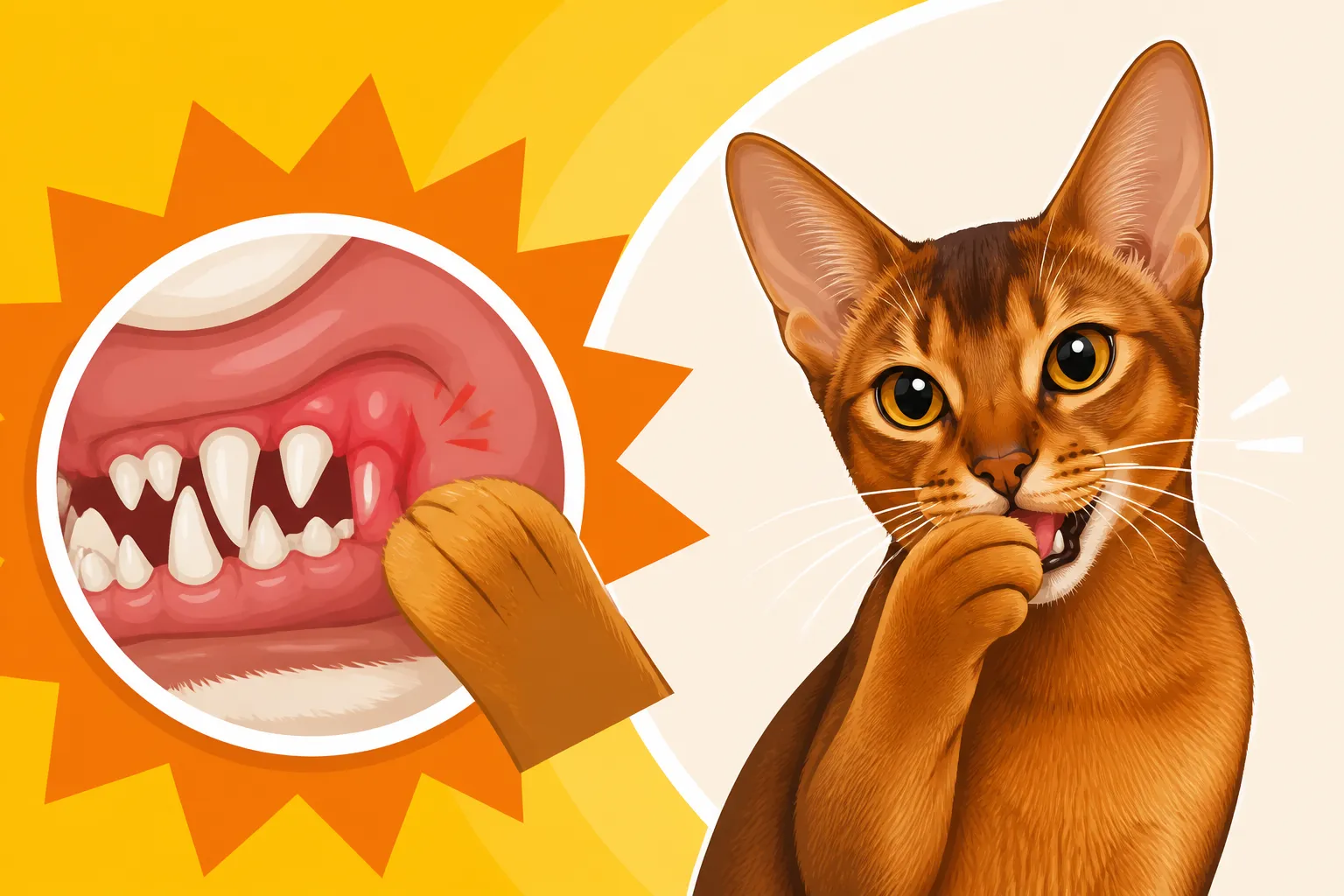
When you're dealing with juvenile gingivitis, the most obvious visual cue is the appearance of your kitten's gums. Instead of a healthy, pale pink, you'll see a distinct redness, especially along the gum line where it meets the tooth. This redness can quickly progress to swelling, making the gums look puffy and inflamed. In more severe cases, you might notice bleeding when your cat eats a hard kibble or even during gentle examination. The gums might also appear shiny or unusually moist.
Beyond the visual, pay close attention to subtle shifts in behavior. Your typically ravenous Aby might start eating more slowly, approaching their food bowl with hesitation, or even dropping pieces of kibble as they try to chew. They might favor one side of their mouth, or suddenly develop a noticeable aversion to hard treats or dry food. Sometimes, an early sign is excessive drooling, or an unusual interest in pawing at their mouth. My client, Mark, mentioned his Abyssinian, Cleo, began dipping her paws in her water bowl and then rubbing her face with wet paws. It was her way of trying to soothe her sore mouth, a very subtle clue he almost missed. This type of discomfort also explains why an Abyssinian kitten stops chewing its food, sometimes losing weight.
The Difference Between Normal Teething and Trouble
It’s completely normal for kittens to go through a teething phase, usually between 3 and 6 months of age. During this time, they lose their deciduous (baby) teeth and their permanent adult teeth erupt. This can cause some mild inflammation, slight redness, and increased chewing behavior. You might find tiny baby teeth around the house, or your kitten might have slightly sensitive gums for a few weeks. This is typically a temporary, manageable discomfort.
However, juvenile gingivitis goes beyond normal teething. The redness will be more intense, the swelling more pronounced, and the discomfort clearly greater than simple tooth eruption. If your kitten's gums are bleeding, consistently bright red, or if the gum tissue appears to be growing over the teeth, you're looking at something more serious than routine teething. Another key differentiator is the duration and severity: normal teething usually resolves itself as the adult teeth settle in, whereas juvenile gingivitis tends to worsen without intervention. If you're ever in doubt, a quick vet check is always the safest bet. It’s much better to be told it’s just normal teething than to let a serious issue fester.
Proactive Care and Veterinary Intervention
When it comes to Abyssinian gum trouble, being proactive is truly your best defense. Waiting until symptoms are severe means more pain for your cat and more intensive (and costly) treatments for you. Building good habits early and knowing when to call the vet are critical.
Essential Home Dental Care from a Young Age
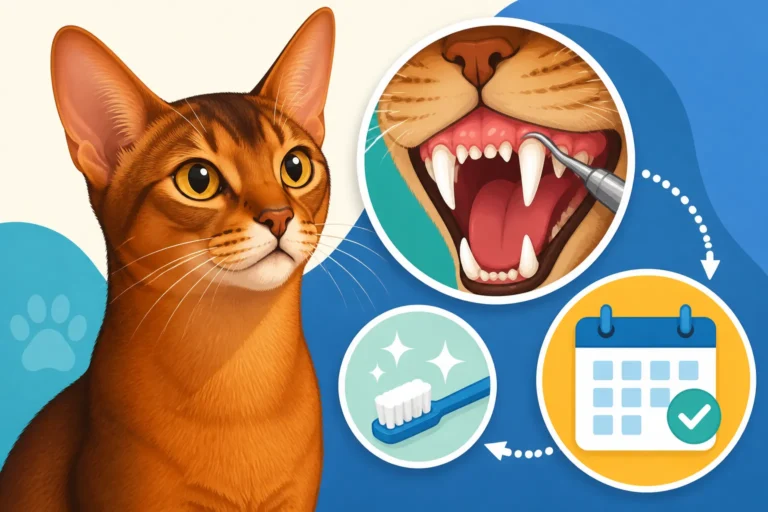
Believe it or not, dental care for your Abyssinian should start as soon as they arrive in your home as a kitten. The earlier you introduce them to having their mouth handled and a toothbrush, the better. This isn't just about preventing gingivitis, it's about making them comfortable with a routine that will be essential for their entire life. Start by gently touching their face and mouth, then progress to rubbing their gums with your finger. Once they tolerate that, introduce a finger brush or a very small, soft-bristled cat toothbrush with feline-specific enzymatic toothpaste (never use human toothpaste!).
Aim for daily brushing, even if it's just for a minute or two. Consistency is key. Think of it as a small, non-negotiable part of your daily bonding routine. If you can only manage a few seconds at first, that's okay. Gradually increase the duration as your kitten becomes more accustomed to it. This early intervention helps manage plaque before it can trigger their sensitive gums. Learning how to brush an Abyssinian's teeth from day one can genuinely make a world of difference. Don't rely solely on dental treats or water additives; while they can be supplementary, they don't replace the physical removal of plaque through brushing.
When to Seek Professional Help
Even with the best home care, Abyssinians are genetically prone to these issues, so professional veterinary input is often necessary. If you notice any of the visual or behavioral signs we discussed – persistent redness, swelling, bleeding, eating difficulties, or pawing at the mouth – it's time to schedule a vet visit. Don't delay, thinking it will just get better. For this breed, it rarely does.
Your veterinarian will perform a thorough oral exam, often requiring sedation to get a good look at all surfaces of the teeth and gums. They'll assess the severity of the gingivitis, check for any tooth resorption (another common Abyssinian issue), and discuss treatment options. This early vet visit for your Abyssinian kitten is crucial. They can confirm the diagnosis, rule out other conditions, and establish a baseline for your cat's oral health. Early intervention often means simpler, less invasive treatments and a better prognosis for preventing long-term damage.
Understanding Treatment Options: From Cleaning to Gingivectomy
Once your vet confirms juvenile gingivitis, treatment typically begins with a professional dental cleaning under anesthesia. This allows the vet to thoroughly scale away all plaque and tartar, both above and below the gum line. They'll also polish the teeth to create a smooth surface that's harder for plaque to adhere to. This deep clean helps to reduce the bacterial load and calm the inflammation.
However, for many Abyssinians with juvenile hyperplastic gingivitis, a simple cleaning isn't enough because their gum tissue has overgrown. In these cases, a procedure called a gingivectomy may be necessary. This involves surgically trimming back the excess gum tissue that has covered parts of the teeth. This removes the inflamed, overgrown tissue and creates a more normal gum contour, which makes it easier for you to clean at home and reduces pockets where bacteria can thrive. It sounds daunting, but it’s often a very effective treatment for managing this specific condition in Abyssinians. Knowing what a gingivectomy involves for an Abyssinian can prepare you for the discussion with your vet. The procedure focuses on carefully reshaping the gums, and how a vet removes an Abyssinian's excess gum is a precise process designed to restore health and prevent recurrence.
Long-Term Management and Prevention
Dealing with juvenile gingivitis isn't a one-and-done situation for many Abyssinians. It's often a lifelong management journey that requires diligence and a close partnership with your veterinarian. The good news is that with consistent care, you can help your Abyssinian live a comfortable, healthy life, free from the chronic pain of untreated gum disease.
Nutritional Considerations for Gum Health
While diet alone won't cure severe juvenile gingivitis, it plays a supportive role in overall oral health and can help prevent recurrence after professional treatments. High-quality dry kibble designed for dental health can mechanically scrub teeth slightly as your cat chews, reducing plaque buildup. Look for veterinary dental diets approved by organizations like the Veterinary Oral Health Council (VOHC) for proven efficacy.
However, don't rely solely on dry food. Many Abyssinians also benefit from a diet rich in wet food, which contributes to overall hydration and urinary tract health – important considerations for a breed also prone to kidney issues. Discuss specific dietary recommendations with your vet, especially if your cat has other health concerns. Sometimes, simply ensuring your cat has an appropriate chew toy designed for dental health can also make a small difference, though it's never a substitute for brushing or professional care.
The Importance of Regular Vet Check-ups
Even after successful treatment for juvenile gingivitis, regular veterinary check-ups are absolutely non-negotiable for your Abyssinian. These are not just routine visits; they are crucial monitoring opportunities. Your vet will assess the condition of their gums, check for any signs of recurrence, and recommend further action if needed. For Abyssinians, annual dental check-ups, often including professional cleanings, are usually part of the standard care.
Depending on the severity of their initial condition and their response to treatment, your vet might recommend more frequent cleanings, perhaps every six months, especially during their younger, more vulnerable years. It’s an investment, but one that prevents far more painful and expensive problems down the line. Remember, why Abyssinian dental care is a yearly budget line isn't just about sparkling teeth; it's about preventing chronic pain and systemic health issues. You'll also learn how often an Abyssinian needs its teeth cleaned based on their individual needs.
Supporting Your Abyssinian's Overall Health
Ultimately, managing juvenile gingivitis is part of a holistic approach to your Abyssinian's well-being. A cat that is otherwise healthy, with a strong immune system and good nutrition, is better equipped to fight off inflammation and recover from procedures. Ensure they have a stimulating environment, plenty of exercise to keep their high energy levels in check, and a consistent routine to minimize stress. These factors, while not directly dental, contribute to their overall resilience.
Given the potential for ongoing dental issues and other breed-specific health concerns, considering pet insurance like Healthy Paws can be a smart move. Policies from providers like Healthy Paws can help offset the significant costs associated with multiple dental procedures, specialized veterinary care, or unexpected health emergencies. While specific conditions might have waiting periods or exclusions, having a plan in place before problems arise can provide immense peace of mind. It’s definitely worth exploring whether pet insurance is worth it for an Abyssinian, as the lifetime cost of care can be substantial, often dwarfing the initial purchase price of your kitten. For a breed known for its longevity, What an Abyssinian costs over fifteen years is a figure that can easily reach into the tens of thousands, and insurance can mitigate some of that financial burden.
| Aspect | Normal Teething (3-6 months) | Juvenile Gingivitis (starts ~6 months) |
|---|---|---|
| Gum Appearance | Mildly red, slightly swollen, may show baby teeth emerging | Bright red, significantly swollen, often bleeding, tissue overgrowth |
| Pain Level | Mild discomfort, increased chewing | Moderate to severe pain, reluctance to eat hard food |
| Appetite | Usually normal, perhaps slightly pickier | Hesitant eating, dropping food, weight loss possible |
| Duration | Temporary, resolves as adult teeth come in | Persistent, worsens without intervention |
| Underlying Cause | Eruption of adult teeth, normal physiological process | Exaggerated immune response to plaque, hormonal influence |
| Intervention Needed | Comfort measures, chew toys | Veterinary examination, professional cleaning, possible gingivectomy |
Disclaimer
The information provided in this article is for general informational purposes only and is not intended as a substitute for professional veterinary advice. Always consult with a qualified veterinarian for any health concerns or before making any decisions related to your pet's health and treatment.