How Many Teeth an Abyssinian Can Lose by Five
It's incredibly disheartening when you start noticing your lively Abyssinian, usually a whirlwind of energy, suddenly hesitates to crunch their favorite dry food or begins dropping kibble. This isn't just a quirky habit; it's often the first subtle sign of serious dental pain, and unfortunately, Abyssinians are famously prone to issues that can lead to significant tooth loss surprisingly early in life. This guide will walk you through why this happens, what to look for, and how to safeguard your beloved Abyssinian's oral health, aiming to keep those pearly whites (or what's left of them) in tip-top shape for as long as possible.
The Alarming Reality of Abyssinian Dental Health
Abyssinians, with their sleek coats and boundless energy, are truly special cats. However, their genetics, and perhaps some aspects of their craniofacial structure, seem to predispose them to certain dental challenges that many other breeds don't face to the same extent. It's not a matter of if, but often when dental issues will arise, and they can progress with alarming speed if not addressed.
Why Abyssinian Gum Trouble Starts at Six Months
One of the most frustrating and common issues Abyssinian owners face is the early onset of gum inflammation, often starting around six months of age, right when those adult teeth are settling in. This condition, known as juvenile gingivitis, manifests as visibly red, swollen gum lines that might bleed easily. You might notice your kitten still playing hard, seemingly unaffected, but if you manage a peek into their mouth, the difference from healthy pink gums is stark. Unlike typical gingivitis in other cats, which might take years to develop, in Abyssinians, it can appear almost overnight in their adolescence. It's believed that their immune systems might react more aggressively to plaque buildup, leading to an exaggerated inflammatory response. Many breeders will tell you that it's a constant battle, and it's certainly true that "Why an Abyssinian Kitten's Gums Fail at Six Months" is a topic that comes up all too often in breed discussions.
How Overgrown Gum Tissue Buries an Abyssinian's Teeth
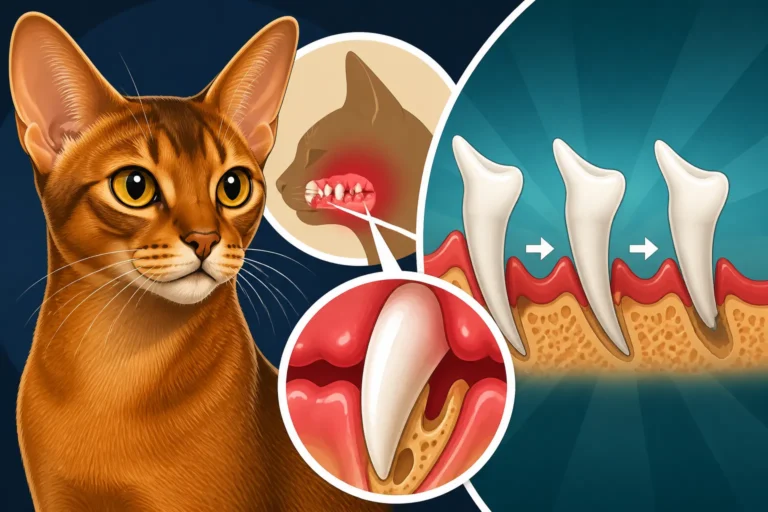
If juvenile gingivitis isn't managed aggressively, it can quickly progress to a more severe condition known as gingival hyperplasia, or overgrown gum tissue. Imagine your gums swelling so much they start to envelop your teeth, creating deep pockets where food and bacteria can easily accumulate. This is precisely what happens in many Abyssinians. These overgrown flaps of gum tissue become perpetually inflamed, painful, and provide a perfect breeding ground for even more plaque and tartar. This isn't just uncomfortable; it makes effective cleaning impossible, both for you and for the vet. The teeth effectively become 'buried' under puffy, angry gum tissue, accelerating the rate of decay and further inflammation underneath the gum line, where you can't even see the damage happening. Understanding "Why an Abyssinian's Gums Overgrow Its Teeth" is crucial for appreciating the uphill battle many of these cats face.
The Path to Early Tooth Loss in Abyssinians
The combination of aggressive gingivitis and gingival hyperplasia sets the stage for more severe, irreversible dental problems. It's a cascade effect where one problem feeds into the next, ultimately leading to painful complications and the early loss of teeth.
Why Tooth Resorption Follows Abyssinian Gum Disease
Perhaps one of the most insidious and painful dental conditions affecting Abyssinians is tooth resorption. This isn't just decay; it's when the cat's own body starts to break down and absorb the structure of the tooth, usually starting at the gum line. It's akin to having a cavity that works from the inside out, causing excruciating pain as the nerve is exposed. You might see a small red lesion on the tooth near the gum, or sometimes nothing at all until a vet examines it under anesthesia. The link between chronic gum inflammation and the development of these painful lesions is strong in Abyssinians. "Why Tooth Resorption Follows Abyssinian Gum Disease" is a critical question for owners to understand, as these lesions are incredibly common and often undetected until they cause severe discomfort. Many vets report that a significant percentage of cats over three years old have at least one resorptive lesion, and for Abyssinians, this age can be even younger.
How Many Teeth an Abyssinian Can Lose by Five
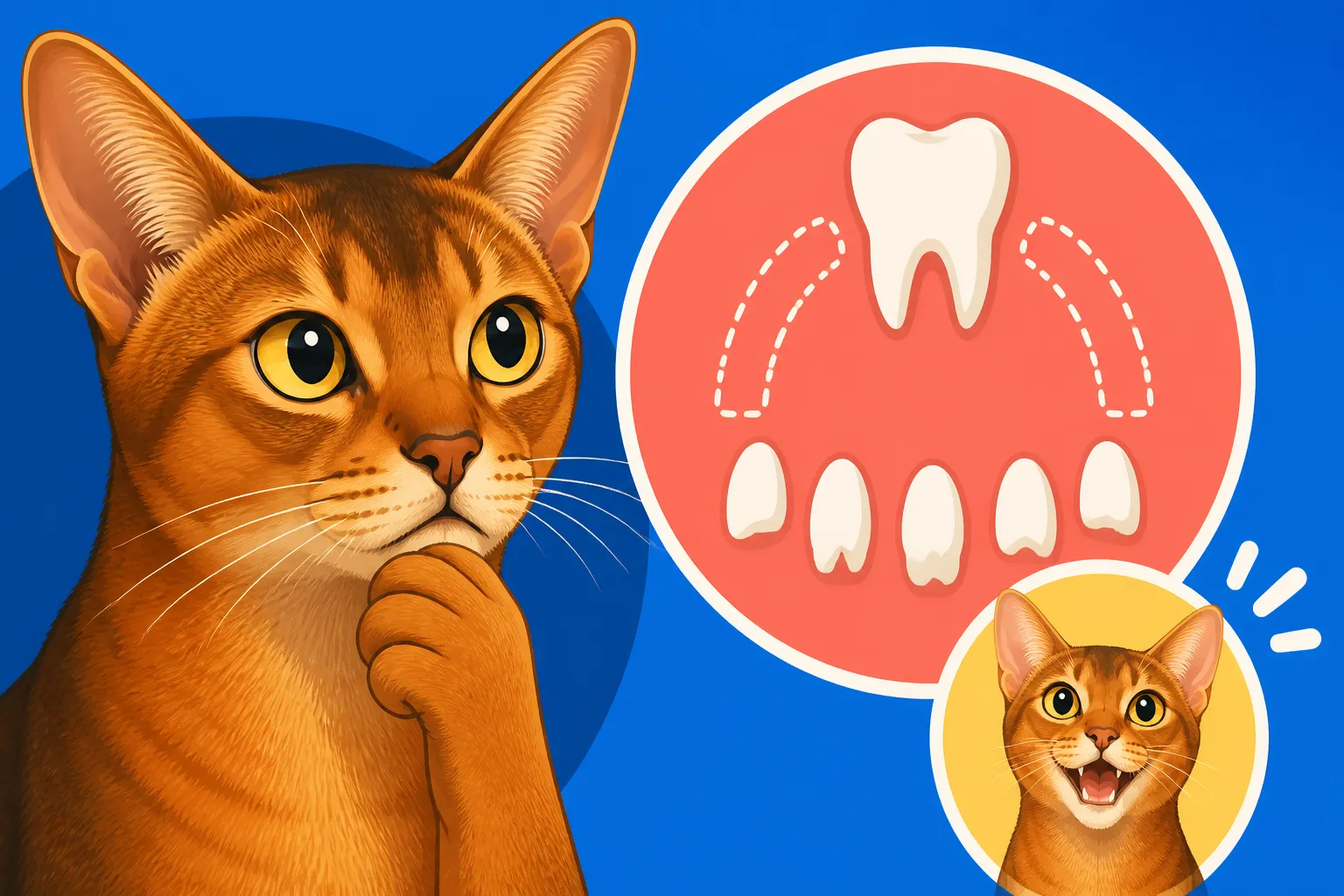
Given the propensity for juvenile gingivitis, gingival hyperplasia, and subsequent tooth resorption, it's sadly not uncommon for an Abyssinian to lose several teeth, even a substantial number, by the age of five. While every cat is different, and good home care and professional intervention can certainly slow the process, many Abyssinians will have had at least one, if not multiple, dental surgeries involving extractions before their fifth birthday.
Consider a typical scenario: an Abyssinian kitten develops noticeable gingivitis by 8-12 months. Despite your best efforts with brushing, the gums remain inflamed. By two or three years old, the vet recommends a professional cleaning under anesthesia. During this procedure, they might discover a few teeth with early resorptive lesions or severe periodontal disease that necessitates extraction. Perhaps one or two incisors or a premolar. Fast forward to another dental cleaning at four or five, and suddenly more advanced lesions are present, or deeper pockets of infection around molars, leading to the extraction of several more teeth – perhaps three, four, or even five or six teeth in total by the time they are five years old. It sounds drastic, but it's a realistic outcome for many Abyssinians who inherit this predisposition. "Why an Abyssinian Loses Teeth Younger Than Most Cats" really boils down to this perfect storm of genetic factors and aggressive inflammatory responses. The goal isn't necessarily to save every tooth at all costs, but to relieve pain and prevent further progression.
| Age (Approx.) | Typical Dental Issue (General Cat) | Common Dental Issue (Abyssinian) | Potential for Tooth Loss by Five |
|---|---|---|---|
| <1 Year | Healthy gums, adult teeth emerge | Juvenile Gingivitis often present | Low, but foundation for future issues |
| 1-3 Years | Mild plaque/gingivitis | Moderate to severe Gingivitis, early Gingival Hyperplasia, first signs of Resorptive Lesions | Moderate (1-3 teeth) |
| 3-5 Years | Moderate gingivitis, some tartar | Advanced Periodontal Disease, severe Gingival Hyperplasia, multiple Resorptive Lesions | High (3-8+ teeth) |
| 5+ Years | Periodontal disease progression | Ongoing extractions likely necessary | Very High |
Proactive Strategies to Protect Your Abyssinian's Smile
The thought of your young Abyssinian losing teeth can be alarming, but there’s a great deal you can do to manage their dental health and minimize the impact of these common issues. It requires vigilance, commitment, and a strong partnership with your veterinarian.
The Critical Role of Early and Consistent Dental Care
The absolute best defense against early tooth loss is starting proactive dental care as soon as you bring your Abyssinian kitten home. This means gentle introduction to toothbrushing, ideally daily. Even if it’s just for 30 seconds, getting them used to the sensation is paramount. Investing in a feline-specific toothbrush and enzymatic toothpaste is crucial, as human toothpaste contains ingredients toxic to cats. Remember, "Why Home Dental Care Starts Early in an Abyssinian" isn't just about preventing bad breath; it's about establishing habits that can literally save their teeth.
Beyond home care, regular veterinary check-ups are non-negotiable. Your vet can spot early signs of gingivitis or hyperplasia that you might miss. They can also advise on specific dental diets or water additives, although these are rarely a standalone solution. Discussing your Abyssinian's dental history with your breeder can also provide valuable insights into their specific line's predisposition.
When Professional Intervention Becomes Necessary
Despite diligent home care, many Abyssinians will still require professional dental cleanings under anesthesia. This is where your vet can thoroughly examine each tooth, scale away tartar above and below the gum line, and polish the tooth surfaces. It's also the only way to accurately diagnose issues like tooth resorption or severe periodontal disease through dental X-rays. If your Abyssinian has significant gingival hyperplasia, a gingivectomy, where excess gum tissue is surgically removed, might be recommended. This procedure reduces those deep pockets and allows for better cleaning and healthier gums, and "What a Gingivectomy Involves for an Abyssinian" is a good topic to discuss with your vet if this is recommended.
These procedures, while essential, can be costly. It’s wise to factor "Why Abyssinian Dental Work Is the Biggest Line in the Budget" into your financial planning. This is also where pet insurance, like a plan from Healthy Paws, can really make a difference. Having coverage for these inevitable dental procedures can alleviate a huge financial burden and ensure you can always make the best decision for your cat's health without financial stress. Many owners find that while the initial premium might seem like an extra expense, it pays for itself quickly when faced with extensive dental work. Regular professional cleanings are key, and understanding "How Often an Abyssinian Needs Its Teeth Cleaned" will help you plan your vet visits.
Navigating a Diagnosis and Treatment Plan
If your vet identifies significant tooth resorption or severe periodontal disease during a dental exam under anesthesia, extractions might be the necessary next step. While it's natural to feel anxious about your cat losing teeth, removing a diseased or painful tooth is always the kindest option. Cats adapt incredibly well to eating without several teeth, especially if the pain is relieved. The procedure for "What Extracting an Abyssinian's Teeth Costs" varies widely depending on the complexity, but it’s a necessary part of managing their long-term comfort.
Post-extraction care typically involves pain medication, antibiotics, and a switch to soft food for a period. Your vet will provide detailed instructions for home care during recovery. It's also vital to maintain ongoing discussions about your Abyssinian's dental health, even after extractions. The underlying predisposition for gum disease and resorption doesn't disappear, so continued vigilance and future check-ups are essential to prevent new problems from developing. Consider adding a dedicated dental fund to your yearly budget; "Why Abyssinian Dental Care Is a Yearly Budget Line" becomes very clear once you've been through a few procedures. With proactive care and a good veterinary partnership, your Abyssinian can still enjoy a long, happy life, even if their smile isn't quite as full as it once was.
Disclaimer
The information provided in this article is for general informational purposes only and does not constitute veterinary advice. Always consult with a qualified veterinarian for any health concerns or before making any decisions related to your pet's health and treatment.