When an Abyssinian’s Knee Needs Surgery
Discovering that your beloved Abyssinian is limping, skipping, or showing any discomfort in their stride can be absolutely heartbreaking. These spirited, athletic cats are known for their boundless energy and incredible agility, so when their ability to leap and play is compromised, it's not just a minor inconvenience – it's a profound change that signals something is truly wrong. This guide aims to shed light on patellar luxation, a common knee issue in Abyssinians, and help you understand when surgery might be the necessary next step to restore your cat's quality of life.
Understanding Patellar Luxation in Abyssinians
Patellar luxation, often just called a "luxating patella," sounds complex, but it simply means the kneecap (patella) slips out of its normal groove on the thigh bone (femur). For an Abyssinian, a cat that lives for climbing and jumping, this condition can be particularly debilitating, affecting their ability to move freely and comfortably. It's a condition that can cause owners a great deal of worry, especially given how active these cats are meant to be.
What is Patellar Luxation?
Imagine your kneecap is supposed to slide smoothly up and down a little track at the end of your thigh bone. In patellar luxation, that kneecap decides to take a detour, popping out of that groove either towards the inside of the leg (medial luxation, which is more common in cats) or towards the outside (lateral luxation). When it pops out, it can cause pain, lameness, and a distinct skipping gait as the cat tries to put weight on the affected leg. Sometimes, the kneecap pops back in on its own, and the cat appears fine for a while, only for the problem to recur. This on-again, off-again limping can be incredibly frustrating for owners to witness, as it's hard to know just how much discomfort your cat is truly experiencing.
This condition is often congenital, meaning cats are born with the anatomical predispositions that allow it to happen, but it might not show symptoms until they're older or after an injury. The shallow groove in the femur, combined with potential misalignment of the supporting structures, creates the perfect storm for the kneecap to dislocate. Given that an Abyssinian is constantly leaping and landing, the repetitive stress on an already compromised joint can quickly escalate the problem. You might first notice that your Abyssinian Skips a Step on the Stairs, or suddenly holds up a back leg mid-play.
Why Abyssinians are Prone to This Condition
While patellar luxation can affect any cat, Abyssinians, along with other active breeds like Bengals and Siamese, seem to have a higher incidence. Their slender, athletic build and incredible jumping prowess might actually contribute to making this condition more noticeable and problematic. They put their bodies through a lot! A cat that spends its days scaling cat trees and bookshelves needs its joints to be in top working order. If there's an underlying anatomical issue, an Abyssinian's lifestyle will certainly expose and exacerbate it.
Think about it: an Abyssinian will regularly perform impressive vertical leaps and quick, sharp turns during playtime. Each of these actions puts strain on the knee joint. If the trochlear groove (that little track the kneecap slides in) is too shallow, or if the quadriceps muscle group pulls the kneecap out of alignment, every jump, every sprint, every playful pounce becomes a risk. This isn't just about avoiding pain; it's about preserving their fundamental joy in movement. Understanding How Patellar Luxation Shows in a Jumping Abyssinian is often the first step in realizing something needs attention.
The Grading System for Luxating Patellas
Veterinarians use a grading system to classify the severity of patellar luxation. This helps determine the best course of action, whether it's conservative management or surgery. It's not always a clear-cut path, and your vet will consider many factors beyond just the grade.
Here's a general breakdown of the grades:
| Grade | Description | Symptoms Often Seen in Abyssinians |
|---|---|---|
| Grade 1 | The patella can be manually luxated (pushed out of the groove) but immediately returns to its normal position when released. | Often asymptomatic or only very occasional, subtle "skipping" or stiffness. You might not even notice it, or it could be attributed to a clumsy landing. |
| Grade 2 | The patella luxates spontaneously or can be manually luxated, but it doesn't immediately return to its normal position. It might stay out for a few steps or require manipulation to get back in. | Intermittent lameness, often characterized by a noticeable "skip" or sudden three-legged gait for a few steps, especially after jumping or active play. The cat might stretch the leg out behind them to pop the kneecap back in. |
| Grade 3 | The patella is luxated most of the time but can be manually reduced (pushed back into the groove). It will re-luxate easily once released. | Persistent, more severe lameness. The cat often walks with a crouched stance, and its athletic activities are significantly hampered. They might visibly struggle to jump or climb. |
| Grade 4 | The patella is permanently luxated and cannot be manually reduced. The limb is often severely deformed. | Chronic, severe lameness, often with significant conformational changes to the leg. The cat typically carries the leg or walks with great difficulty, and their range of motion is severely limited. This is a very painful and debilitating stage. |
For energetic cats like Abyssinians, even a Grade 2 can cause significant issues because of their high activity levels. While a Grade 1 might genuinely go unnoticed, a Grade 2 or higher almost always impacts their quality of life. Understanding Which Patella Grade an Abyssinian Can Live With can be a complex decision, weighing their specific symptoms against their natural inclination to be active.
Recognizing the Signs Your Abyssinian Needs Surgery
Deciding on surgery for your cherished Abyssinian is never easy. It's a big step, with financial implications, recovery time, and the inherent risks of any medical procedure. However, for a cat that thrives on movement and exploration, an unaddressed patellar luxation can lead to chronic pain, arthritis, and a dramatically reduced quality of life. The key is to recognize when conservative measures are no longer enough and surgical intervention becomes the kindest choice.
When Conservative Management Isn't Enough
Many owners, understandably, want to avoid surgery if possible. For milder cases of patellar luxation (often Grade 1, sometimes early Grade 2), conservative management might be attempted first. This usually involves a combination of:
- Weight Management: Keeping your Abyssinian at a lean, healthy weight is crucial. Excess weight puts additional strain on joints, exacerbating luxation and accelerating arthritis. If you've been wondering Why a Lean Abyssinian Puts Less Load on Its Joints, this is precisely why.
- Anti-inflammatory Medication and Pain Relief: Your vet might prescribe NSAIDs (non-steroidal anti-inflammatory drugs) or other pain medications to manage discomfort and reduce inflammation. What Pain Relief an Arthrin Abyssinian Can Take will be carefully managed by your vet.
- Joint Supplements: Glucosamine and chondroitin supplements can support joint health, though their efficacy can vary.
- Restricted Activity: This is often the hardest part for an Abyssinian owner! Temporarily limiting high-impact activities like jumping and prolonged running can help the joint stabilize. However, trying to tell an Abyssinian not to jump is like telling a fish not to swim – it goes against their very nature.
- Physical Therapy: Gentle exercises or hydrotherapy can help strengthen the muscles around the joint, providing better support.
The point where conservative management isn't enough often becomes clear when the lameness persists despite these efforts, or when it worsens in frequency and severity. If your Abyssinian is still visibly uncomfortable, consistently skipping steps, or showing signs of pain like reluctance to move, a surgical consultation is warranted. It's about recognizing that you've done what you can with non-invasive methods, and now it's time to consider a more definitive solution. For an Abyssinian, an animal that thrives on being in constant motion, this inability to participate in normal activities is a severe blow to their happiness.
Impact on Quality of Life
The most compelling reason to consider surgery is the profound impact a luxating patella has on your Abyssinian's quality of life. These cats are known for their playful, inquisitive, and high-energy personalities. They live to explore, climb, and interact. When their knee causes pain or prevents them from moving normally, it doesn't just affect their physical health; it affects their mental well-being too.
You might notice changes in behavior that go beyond just a limp:
- Reluctance to Jump or Climb: An Abyssinian that stops using its favorite cat tree or avoids jumping onto counters is a significant red flag. Why an Abyssinian That Stops Climbing Needs a Vet immediately, as this is often a sign of pain or debilitating discomfort.
- Reduced Play: A less playful Abyssinian is an unhappy Abyssinian. If they're no longer chasing toys with enthusiasm or engaging in their usual antics, pain is likely a factor.
- Withdrawal or Irritability: While Abyssinians are typically social, a cat in chronic pain might become withdrawn, hide more often, or even show irritability when touched, especially around the affected limb.
- Muscle Atrophy: Over time, if they're not using the leg properly, the muscles around the thigh can start to waste away, making the problem even worse.
- Early Onset Arthritis: Chronic instability and abnormal movement in the joint will inevitably lead to the early development of painful arthritis, which can significantly shorten their comfortable lifespan.
If you're seeing these changes, it's a clear indication that the condition is no longer a minor nuisance but a serious impediment to your Abyssinian's happiness and health.
Veterinary Assessment and Diagnostics
When you bring your Abyssinian to the vet for suspected patellar luxation, a thorough examination is the first step. Your veterinarian will carefully palpate the knee joint, flexing and extending the leg to try and manually luxate the patella. They'll also observe your cat's gait and how they move naturally.
Beyond the physical exam, diagnostic imaging is crucial:
- X-rays: Radiographs are essential to assess the bone structure of the knee and hip, check the depth of the trochlear groove, evaluate for signs of arthritis, and ensure there are no other concurrent bone or joint issues. Your vet will look for any abnormal angles in the femur and tibia that might predispose to luxation.
- Sedation: For a complete and accurate orthopedic exam, especially with an active or potentially painful Abyssinian, light sedation might be necessary. This allows the vet to fully relax the muscles and manipulate the joint without causing undue stress or masking the true extent of the luxation due to muscle tension.
After reviewing the clinical signs, the severity of the luxation (based on the grading), and the X-ray findings, your vet will discuss whether surgery is the most appropriate recommendation. They'll explain the procedure, potential outcomes, and what to expect during recovery. Don't hesitate to ask every question you have – this is a major decision, and you deserve to feel fully informed and confident in the path forward. Regular vet visits and open communication are key, and What an Abyssinian's Annual Checkup Costs is a small price for this level of care.
The Surgical Process and Recovery for an Abyssinian's Knee
Once the decision for surgery has been made, it’s natural to feel a mix of relief and apprehension. You're relieved that your beloved Abyssinian is getting the help they need, but also anxious about the procedure itself and the recovery period. Rest assured, veterinary orthopedic surgery has advanced significantly, and successful outcomes are very common.
Types of Surgical Procedures
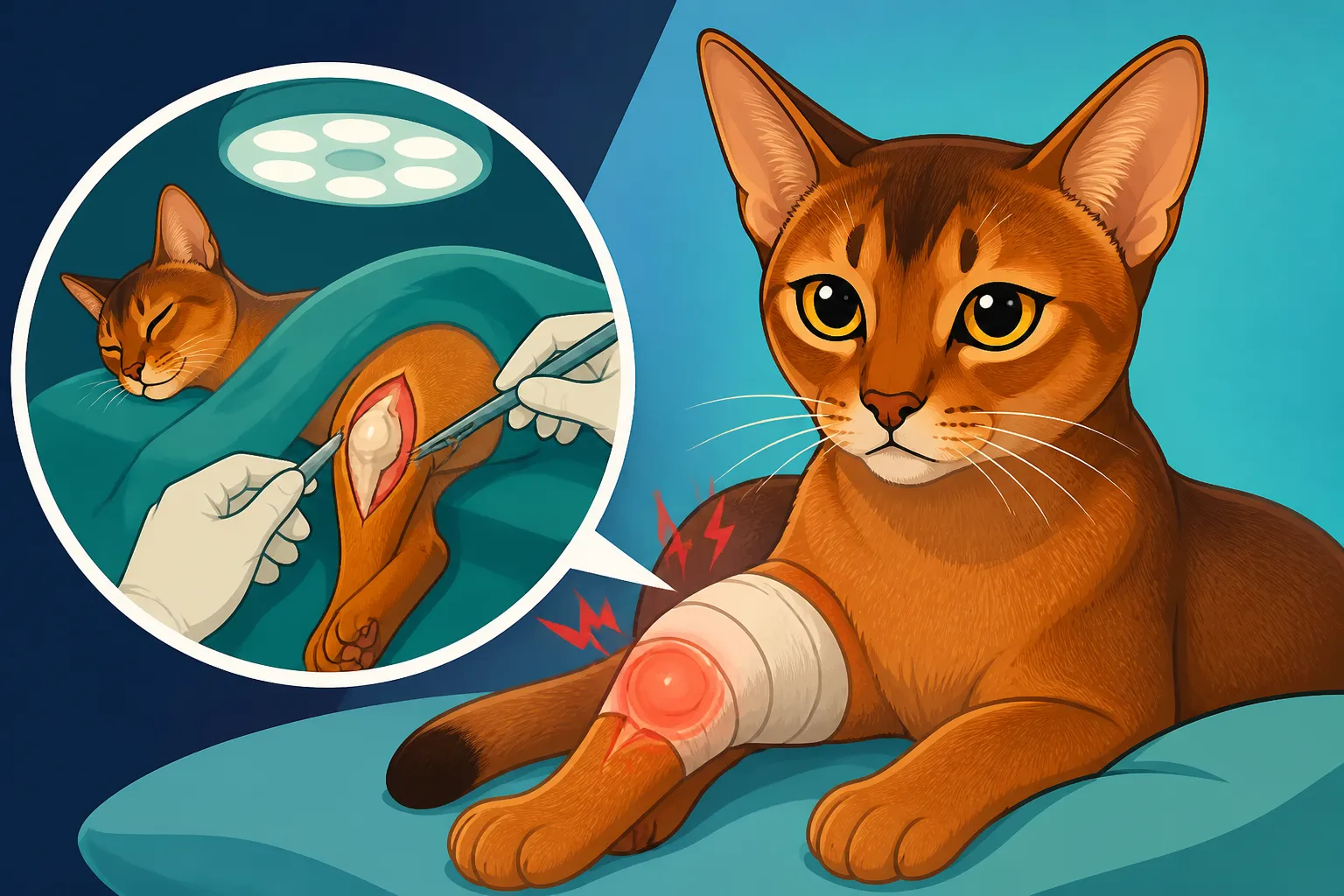
The goal of patellar luxation surgery is to prevent the kneecap from slipping out of its groove, restoring normal knee function. There isn't a one-size-fits-all approach; the specific surgical technique or combination of techniques will depend on the individual anatomy of your Abyssinian, the grade of luxation, and whether it's medial or lateral. A veterinary orthopedic specialist will carefully determine the best course of action.
Common surgical techniques include:
- Trochlear Wedge Resection or Block Recession: This is one of the most common procedures. The surgeon deepens the trochlear groove in the femur (thigh bone) where the kneecap sits. This creates a deeper "track" for the patella to stay within, preventing it from slipping out. This can be done by removing a wedge or block of cartilage and bone from the groove, then replacing it in a recessed position.
- Tibial Tuberosity Transposition (TTT): The tibial tuberosity is the bony prominence on the shin bone (tibia) where the patellar ligament attaches. If this attachment point is misaligned, it can pull the kneecap out of the groove. In a TTT, the surgeon cuts this piece of bone, moves it to a more appropriate position to realign the patella, and then reattaches it with pins or screws.
- Lateral or Medial Release/Imbrication: These procedures address the soft tissues (joint capsule and ligaments) around the knee. A "release" involves cutting tight tissues on the side the patella is luxating towards, allowing it to move centrally. An "imbrication" involves tightening the joint capsule on the opposite side to hold the patella in place. These are often performed in conjunction with bone-altering procedures.
- Fascial Overlap: In some cases, a small strip of fascia (connective tissue) from an adjacent muscle can be used to create a "sling" to help hold the patella in place.
Your orthopedic surgeon will explain exactly which combination of techniques they plan to use and why it’s the best option for your Abyssinian. While the prospect of surgery is daunting, remember that most Abyssinians are resilient, and with proper care, they bounce back remarkably well. It's also worth noting that pet insurance, like policies from Healthy Paws, can be incredibly beneficial in offsetting the cost of these specialized procedures, giving you peace of mind to choose the best treatment. Considering Whether Pet Insurance Is Worth It for an Abyssinian, especially early in their life, can really save you stress down the line.
Post-Operative Care and Rehabilitation
Surgery is only half the battle; the recovery period is just as critical for a successful outcome. This phase requires dedication and patience from you as the owner. Your vet will provide detailed post-operative instructions, and it’s vital to follow them precisely.
Here's what you can generally expect during your Abyssinian's recovery:
- Strict Rest: This is paramount. For the first few weeks, your Abyssinian will need strict confinement, often in a crate or a small, secure room. This prevents jumping, running, and twisting motions that could jeopardize the surgical repair. This is challenging for an Abyssinian, as their natural inclination is to be on the go, but it's non-negotiable for healing.
- Pain Management: Your cat will be sent home with pain medication and possibly anti-inflammatories. Administer these exactly as prescribed to keep your cat comfortable and aid healing. Don't stop medication prematurely, even if they seem fine.
- Incision Care: You'll need to monitor the surgical incision daily for any signs of redness, swelling, or discharge. Keep it clean and dry. An Elizabethan collar (cone) will be necessary to prevent your Abyssinian from licking or chewing at the stitches, which could lead to infection.
- Physical Therapy: After the initial period of strict rest, your vet or a veterinary physical therapist will guide you through a rehabilitation program. This usually starts with passive range-of-motion exercises (gently flexing and extending the leg) and gradually progresses to controlled, short walks on a leash (yes, even for cats!) and other strengthening exercises. This helps prevent muscle atrophy, improves joint mobility, and builds strength.
- Follow-up Appointments: Regular check-ups with your vet will be scheduled to monitor healing, remove stitches (if applicable), and assess progress. X-rays may be taken at intervals to ensure bone healing is progressing as expected.
The entire recovery process can take several weeks to a few months, depending on the individual cat and the surgery performed. It’s a marathon, not a sprint, but the payoff is a healthier, happier Abyssinian who can once again enjoy their active life.
Long-Term Outlook and Management
For most Abyssinians, surgical correction of patellar luxation leads to an excellent long-term prognosis, with many cats regaining full function and returning to their normal athletic activities. However, it’s important to have realistic expectations and continue with thoughtful long-term management.
Key aspects of long-term care include:
- Continued Weight Management: Always keep your Abyssinian at an ideal, lean body condition. Regularly learning How to Feel an Abyssinian's Ribs Under a Ticked Coat can help you monitor their weight, ensuring no extra stress is put on their repaired knee.
- Regular Exercise: Once fully recovered, encourage appropriate, regular exercise to maintain muscle strength and joint flexibility. This means providing plenty of opportunities for play, climbing (safely, with secure cat trees and shelves), and mental stimulation.
- Monitoring for Arthritis: Even with successful surgery, there is still a risk of developing arthritis in the joint over time, especially if the condition was severe or present for a long time before surgery. Your vet may recommend continued joint supplements or periodic check-ups to monitor for arthritic changes.
- Annual Vet Check-ups: These are crucial. Your veterinarian can assess joint health, muscle condition, and overall well-being. They can catch any new issues early and adjust care as needed. This aligns with the importance of consistent veterinary care for your Abyssinian's overall health and lifespan.
While surgery is a significant undertaking, for many Abyssinians suffering from a luxating patella, it is the best and often only way to alleviate pain, prevent further damage, and allow them to live the vibrant, active lives they were meant to lead. The financial aspect of such a procedure can be daunting, but companies like Healthy Paws can offer significant support, potentially covering a large portion of the expenses, allowing you to focus purely on your Abyssinian's recovery.
| Surgical Procedure | Primary Goal | Recovery Time (Typical) | Potential Benefits | Considerations |
|---|---|---|---|---|
| Trochlear Block/Wedge Resection | Deepen the groove for the kneecap | 6-8 weeks strict rest, 3-4 months full recovery | Highly effective for patella stability | Requires careful bone work, potential for pins/screws |
| Tibial Tuberosity Transposition | Realign patellar ligament attachment | 6-8 weeks strict rest, 3-4 months full recovery | Corrects major alignment issues | Involves cutting and reattaching bone, hardware often used |
| Soft Tissue Procedures (Release/Imbrication) | Correct tension of surrounding joint capsule | Often combined with bone procedures, similar recovery | Addresses soft tissue component of luxation | Rarely sufficient on its own for higher grades of luxation |
| Overall | Restore normal knee function, reduce pain | Varies per cat, 2-4 months intensive, longer monitoring | Significant improvement in quality of life, prevents arthritis progression | Strict post-op care, potential for complications (rare), cost of procedure |
Disclaimer
This guide is intended for informational purposes only and does not constitute veterinary advice. Always consult with a qualified veterinarian for any health concerns or before making any decisions about your pet's medical care. The information provided here should not be used as a substitute for professional veterinary diagnosis or treatment.