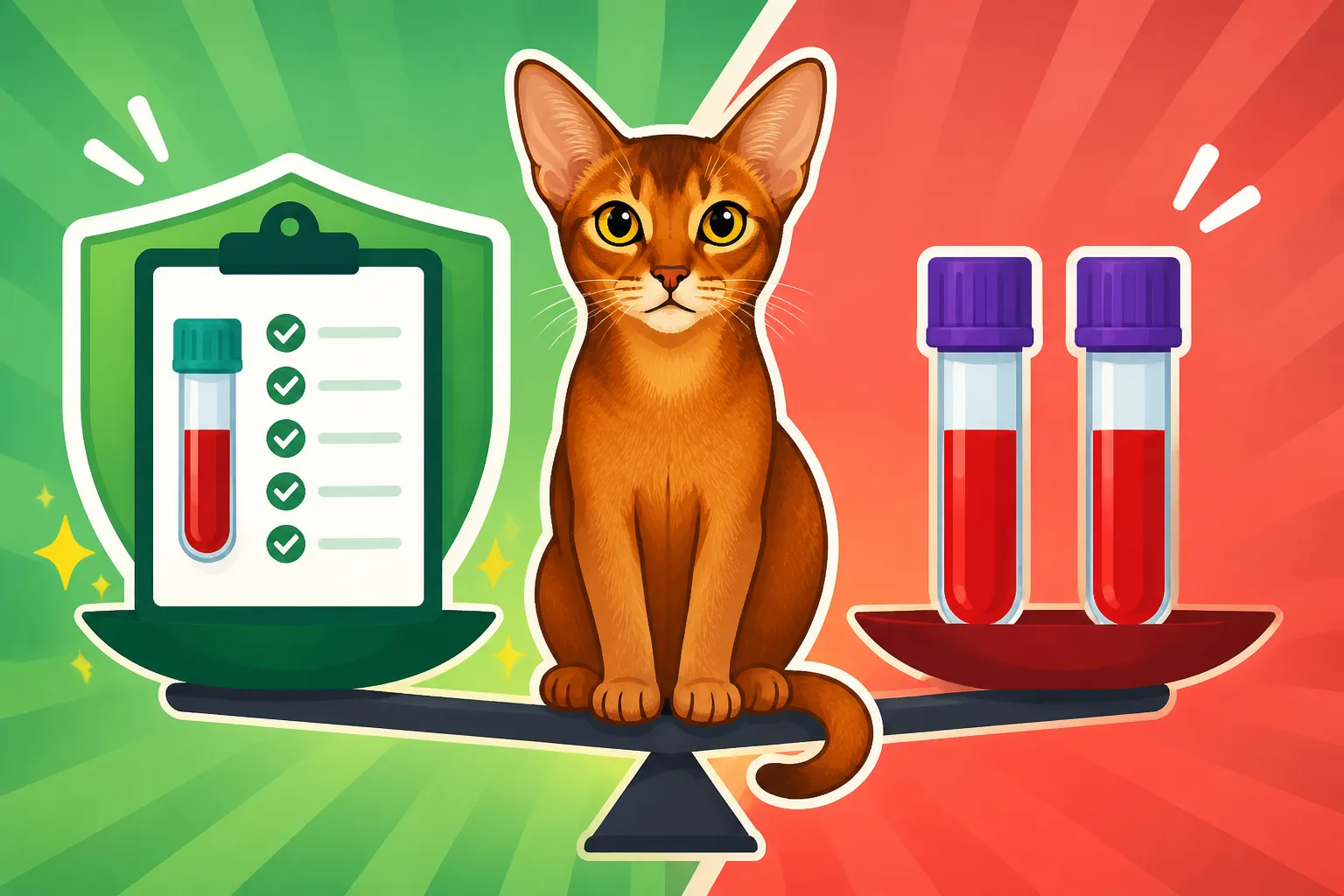
Whether an Abyssinian Panel Is Cheaper Than Two Tests
It’s a common scenario for anyone bringing a beautiful Abyssinian kitten home: you're already over the moon, maybe a little overwhelmed by the initial costs, and then you start hearing about genetic tests. Suddenly, you're faced with questions about Pyruvate Kinase Deficiency (PKD) and Progressive Retinal Atrophy (PRA-rdAc), and the big one: is it cheaper to run these tests individually or to opt for a full genetic panel? This guide is here to demystify the options, walk you through the costs, and help you make an informed decision for your energetic and beloved Abyssinian.
The Crucial Genetic Tests for Your Abyssinian
Bringing an Abyssinian into your life is a joyful experience, but it also comes with the responsibility of understanding their unique health needs. Unlike many domestic shorthairs, Abyssinians have a well-documented genetic history that includes specific inheritable conditions. Being proactive about testing isn't about being paranoid; it's about giving your cat the best possible start and ensuring you're prepared for any challenges.
The two primary genetic conditions that breeders and owners are most concerned about in Abyssinians are Pyruvate Kinase Deficiency (PKD) and Progressive Retinal Atrophy, particularly the rdAc form (PRA-rdAc). These aren't just obscure ailments; they are serious issues that can significantly impact your cat's health and lifespan. Knowing your cat's status for these conditions is absolutely paramount, not just for their well-being but also for responsible breeding if you ever consider that path.
Pyruvate Kinase Deficiency
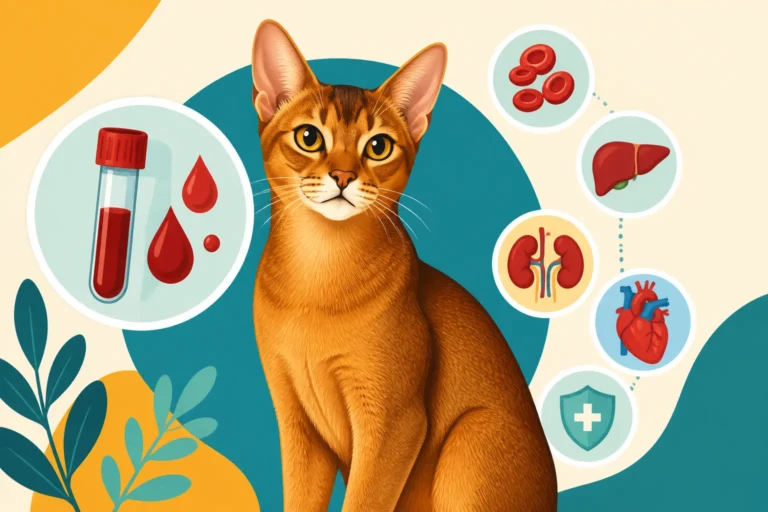
Pyruvate Kinase Deficiency, often simply referred to as PK Deficiency, is an inherited hemolytic anemia. What this means in plain language is that your cat's red blood cells, which are crucial for carrying oxygen throughout the body, don't function correctly and break down too quickly. This leads to anemia, which can range from mild and intermittent to severe and life-threatening. Affected cats may show symptoms like lethargy, pale gums, weight loss, and an enlarged abdomen. It’s a condition that can manifest at various ages, from kittenhood to adulthood, and its progression can be unpredictable. Owners often report seeing their otherwise vibrant Abyssinian suddenly seem exhausted after a burst of play, or their normally keen appetite wane.
The good news is that Pyruvate Kinase Deficiency Is the Abyssinian's Best Known Test. This DNA test can definitively identify whether your Abyssinian is clear, a carrier, or affected by the condition. A carrier cat won't develop the disease but can pass the gene on, while an affected cat will eventually show symptoms. Understanding How Many Abyssinians Carry the PK Mutation can help you appreciate why testing is so widespread and important within the breed community. It's a significant health concern that a simple cheek swab can shed light on, giving you immense peace of mind or the information needed to work with your vet on a management plan.
Progressive Retinal Atrophy (PRA-rdAc)
The second critical genetic test for Abyssinians targets Progressive Retinal Atrophy (PRA), specifically the rdAc variant. As the name suggests, this condition leads to the progressive degeneration of the retina, the light-sensitive tissue at the back of the eye. Over time, this degeneration causes a gradual loss of vision, ultimately leading to blindness. It's a cruel condition because it often starts subtly, with night blindness, and slowly progresses, sometimes making it difficult for owners to notice until the vision loss is quite advanced. Imagine your highly active and curious Abyssinian, usually darting through the house, starting to hesitate on jumps or bump into familiar furniture. That's often the painful reality of PRA.
The test for PRA-rdAc is also a DNA test, and it can determine if your Abyssinian carries the gene for this debilitating eye condition. PRA-rdAc Takes an Abyssinian's Sight by Five, which means signs typically begin to appear in young to middle-aged cats. Just like with PK Deficiency, knowing your cat's genetic status allows you to anticipate potential health issues and work with your veterinarian on supportive care. It also plays a vital role in responsible breeding to prevent passing this gene to future generations. The prevalence of this gene, like PK Deficiency, means that testing is a foundational step in responsible Abyssinian ownership, and knowing How Many Abyssinians Carry rdAc Worldwide highlights its global impact on the breed.
Understanding Genetic Panels Versus Individual Tests
When it comes to genetic testing for your Abyssinian, you'll generally encounter two main approaches: ordering individual tests for specific conditions or opting for a comprehensive genetic panel. Both methods aim to provide you with crucial health information, but they differ in convenience, scope, and often, cost. It’s vital to understand these distinctions to choose the best option for your situation.
An individual test, as the name implies, focuses solely on one specific genetic condition. For an Abyssinian, this would mean ordering a test specifically for Pyruvate Kinase Deficiency, and then a separate test specifically for PRA-rdAc. This approach might seem straightforward, especially if you're only concerned about one particular condition or if you've already had one test done and just need the other. However, it requires careful tracking of each test and often means dealing with separate paperwork or submissions. For those with a specific concern, it offers a targeted approach, but it can quickly become cumbersome if you need multiple pieces of information.
On the other hand, a genetic panel is a bundled service offered by specialized veterinary genetic laboratories. Instead of just one or two conditions, a panel screens for multiple genetic markers associated with various diseases relevant to the Abyssinian breed, all from a single DNA sample. So, when you order an "Abyssinian panel," it will almost certainly include tests for PK Deficiency and PRA-rdAc, but it might also screen for other conditions that are less common in the breed or are generally found in many cat breeds. How the Abyssinian's DNA Panel Is Ordered usually involves a single cheek swab that is sent to the lab, and then you receive a comprehensive report covering all the conditions included in the panel. It’s like getting a full health dossier on your cat's genetic predispositions in one go.
The primary advantage of a panel is convenience and comprehensiveness. You only collect one sample, send it in once, and receive one consolidated report. This streamlines the process significantly, especially if you're a new owner trying to cover all your bases, or a breeder needing a full genetic profile for your breeding cats. While the initial list of conditions tested might seem extensive, it means you're not missing anything critical that might emerge later. It truly offers a holistic view of your Abyssinian’s genetic health, far beyond just the two most common concerns.
Comparing the Costs: Panel Versus A La Carte
Now, let's get down to brass tacks: the cost. This is often where the decision-making really happens, especially when you're looking at significant investments in your cat's health. The prevailing wisdom often suggests that buying things in a bundle is cheaper than buying them separately, and for genetic testing, this generally holds true.
When you look at the cost of ordering individual tests, you're often paying a base fee per test. For instance, What a PK Deficiency Test Costs for an Abyssinian might be one amount, and What a Retinal Atrophy Test Costs for an Abyssinian might be another. While these amounts may seem reasonable on their own, when you combine them, you also combine any associated administrative fees, processing charges, and potentially even separate shipping costs if you're sending samples at different times or to different labs. It can feel like you're being nickel-and-dimed, and the total can quickly add up, sometimes exceeding what a panel would cost.
Most reputable genetic testing laboratories recognize the value of bundling and therefore price their panels to be more cost-effective than purchasing each test individually. They offer a discount for the convenience of processing multiple tests from one sample. Think of it like buying groceries – often a family-sized pack is cheaper per unit than buying several smaller packs. The lab saves on processing multiple individual orders, and those savings are often passed on to you. This means that a genetic panel designed for Abyssinians will typically be less expensive than ordering the PK Deficiency test and the PRA-rdAc test separately. While I can't give you specific figures, the difference can be notable, making the panel a smart financial choice in most circumstances.
Here’s a simplified illustration of how the costs might generally stack up:
| Testing Method | Conditions Covered | Estimated Cost Structure (relative) | Convenience |
|---|---|---|---|
| Individual Test (PKD) | Pyruvate Kinase Deficiency Only | Moderate (per test) | Low (requires separate submission if multiple tests) |
| Individual Test (PRA) | Progressive Retinal Atrophy (rdAc) Only | Moderate (per test) | Low (requires separate submission if multiple tests) |
| Combined Individual | PKD + PRA-rdAc | Higher (sum of two tests + fees) | Medium (two submissions, two results) |
| Genetic Panel | PKD, PRA-rdAc, and often more | Lower (bundled discount) | High (one submission, comprehensive report) |
Beyond the direct cost savings, there's also the peace of mind that comes with a comprehensive panel. You might think you only need to test for PKD and PRA-rdAc, but a panel often includes screening for other conditions that you might not even be aware are relevant to Abyssinians. This means you're proactively addressing a wider range of potential health issues without incurring additional charges down the line. It's an investment in holistic health screening that can prevent future surprises and potentially higher veterinary bills. For instance, should a significant health issue arise, having comprehensive genetic data can be invaluable for your vet, potentially saving diagnostic costs. If you're also considering pet insurance, a company like Healthy Paws would appreciate thorough screening information when assessing your Abyssinian's health profile, and it can help you understand what conditions might be covered, or excluded as pre-existing, down the line. Remember that Why an Untested Abyssinian Is Cheaper for a Reason often points back to skipped health screenings like these.
Where to Get Your Abyssinian Tested and What to Expect
Once you understand the benefits of genetic testing, especially using a panel, the next step is finding a reputable laboratory to perform the tests. This isn't something you want to skimp on or choose haphazardly. The accuracy of the results directly impacts your Abyssinian's future health and any breeding decisions.
When looking for a lab, you want one that specializes in feline genetic testing and has a strong reputation within the purebred cat community. Many breeders will already have a preferred lab, and it’s always a good idea to ask your breeder for recommendations or to see which lab they use for their cats. Reputable organizations like the Cat Fanciers' Association (CFA) or The International Cat Association (TICA) also often list recommended genetic testing services. Which Lab Runs the Abyssinian Genetic Panel is a key question to ask when you are researching, and you'll find there are a few well-established names that consistently come up in discussions among Abyssinian enthusiasts.
The testing process itself is surprisingly simple and non-invasive. For genetic testing, all that's typically required is a cheek swab. You'll receive a kit from the lab, which usually contains sterile swabs and clear instructions. You simply gently swab the inside of your Abyssinian’s cheek to collect cells, then follow the packaging instructions to send it back to the lab. It's a quick, stress-free process for your cat, making it easy to do even with the most energetic Abyssinian. There’s no blood draw needed, which saves both you and your cat a trip to the vet just for the sample collection. This ease of collection means you can even pick up some replacement swabs or other cat care essentials from places like Chewy while you're waiting for your results to come back.
After you've sent the sample, patience is key. How Long Abyssinian Test Results Take to Come Back can vary, but generally, you can expect to wait a few weeks. Some labs offer expedited services for an additional fee if you're in a hurry, but standard processing is usually efficient enough. When the results arrive, you'll receive a report detailing your Abyssinian's genetic status for each condition included in the panel. This report will clearly state whether your cat is "clear" (does not carry the gene), a "carrier" (carries one copy of the gene but will not develop the disease, though can pass it on), or "affected" (carries two copies of the gene and will develop the disease).
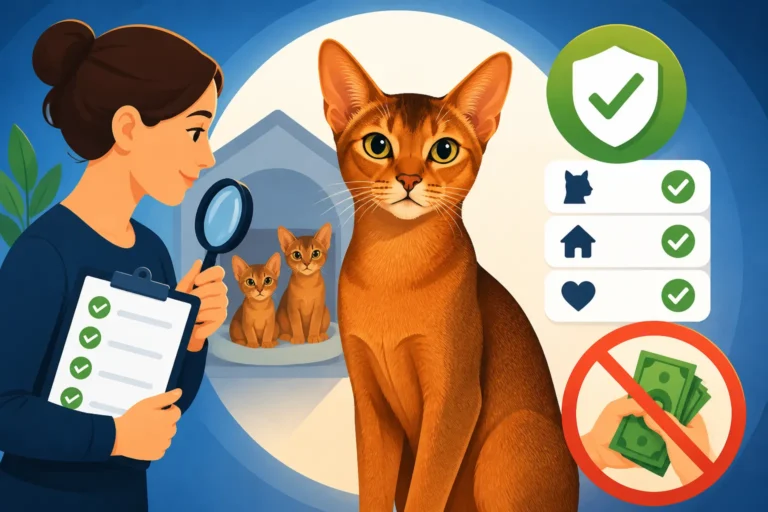
If your Abyssinian is identified as a carrier or affected for any condition, don't panic. This information is a gift, allowing you to be proactive. If your cat is a carrier, it means you need to be mindful of its breeding partners to avoid producing affected kittens. If affected, it provides your veterinarian with crucial information to anticipate and manage health issues early on, potentially improving your cat's quality of life. For example, if PK Deficiency is identified, you and your vet can discuss monitoring and dietary strategies, perhaps with a focus on high-quality foods that support overall health. Always remember that a responsible breeder will willingly share the genetic test results of the parent cats. Why a Breeder Should Show You the Abyssinian Parents' Results isn't just a suggestion; it's a non-negotiable step in ensuring you're getting a healthy kitten from a responsible source.
Disclaimer
This article is for general informational purposes only and does not constitute professional advice. Laws, prices and regulations vary by location and change over time. Consult a qualified professional for guidance on your specific situation.