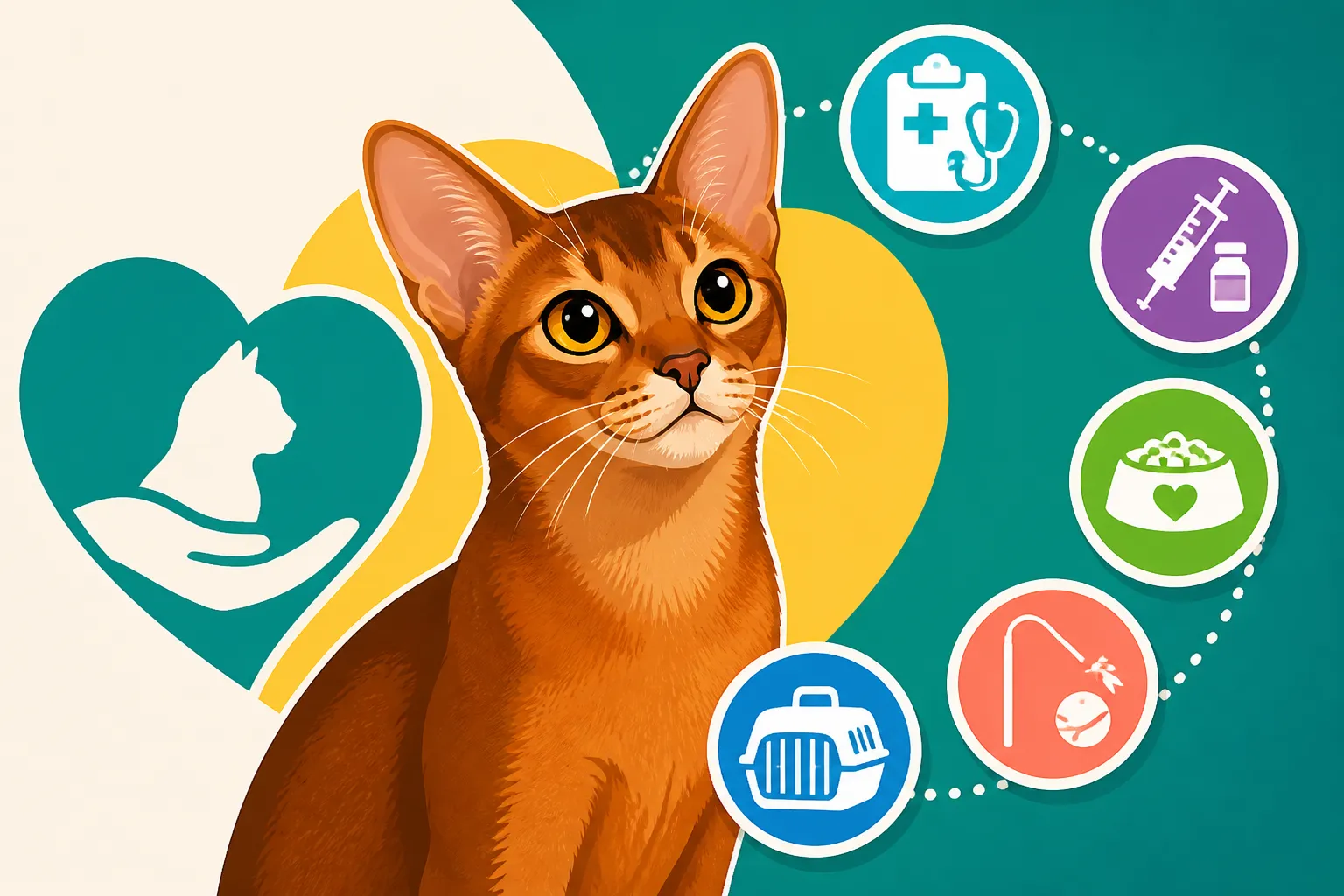
What an Abyssinian Rescue Adoption Fee Covers
Bringing an Abyssinian into your home is an exciting adventure, but if you're looking at rescue organizations, you might find yourself wondering why there's an adoption fee. It's easy to assume these fees are pure profit, but the reality is they cover a staggering array of costs involved in rehabilitating and rehoming these dynamic cats. This guide will walk you through exactly what those fees are designed to cover, giving you a clearer picture of the investment rescues make in each precious Abyssinian.
The Foundation: Initial Veterinary Care and Health Screening
When an Abyssinian first arrives at a rescue, whether from a shelter, an owner surrender, or a stray situation, their health status is often a big question mark. Rescues are committed to ensuring every cat leaves their care in the best possible condition, and that starts with comprehensive veterinary attention. This initial vet work forms a significant portion of the adoption fee.
Full Veterinary Examination and Vaccinations
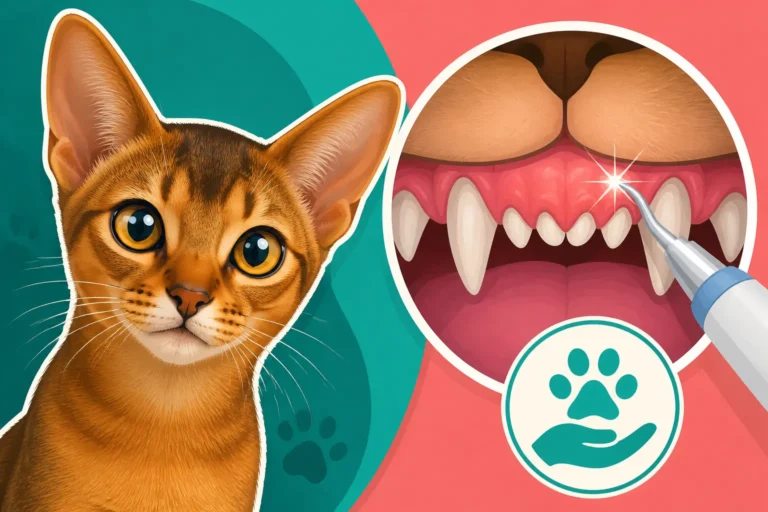
Every Abyssinian coming into a reputable rescue immediately gets a thorough check-up from a veterinarian. This isn't just a quick glance; it's a head-to-tail examination to identify any obvious injuries, dental issues, skin conditions, or underlying health problems. During this visit, they'll also receive core vaccinations to protect them from common feline diseases like feline panleukopenia (distemper), feline herpesvirus, and calicivirus. If they're old enough and will be considered for any supervised outdoor time or come from a high-risk area, they might also receive a rabies vaccine. These initial protective measures are vital, as many cats arriving at rescues have an unknown vaccination history. This foundational health work can be quite extensive, especially if the cat has been neglected.
Spaying or Neutering
One of the absolute cornerstones of responsible pet ownership, and a non-negotiable for almost all rescues, is spaying or neutering. This isn't just about preventing unwanted litters, though that's a huge part of addressing pet overpopulation. Spaying females drastically reduces the risk of mammary cancer and eliminates the chance of uterine infections, while neutering males prevents testicular cancer and can significantly reduce behavioral issues like spraying, roaming, and aggression. The cost of this surgery, including anesthesia, pain medication, and post-operative care, is always factored into the adoption fee. It’s a crucial step to ensure the Abyssinian lives a healthier, happier life, and helps to curb the cycle of homelessness. You can read more about this general procedure in What Neutering an Abyssinian Costs.
Microchipping and Parasite Control
Imagine the heartbreak of an Abyssinian, known for their curiosity and athleticism, slipping out an open door. A microchip offers a permanent form of identification, vastly increasing the chances of a lost cat being reunited with their family. When scanned by a vet or shelter, the chip reveals the owner's contact information. Rescues almost always microchip their Abyssinians before adoption, and the fee covers the chip itself and the registration process.
Beyond that, parasite control is a constant battle for rescue animals. Fleas, ticks, ear mites, and various intestinal worms are common, especially in cats whose past care is unknown. The adoption fee covers multiple rounds of deworming, flea and tick treatments, and sometimes even specialized medication for specific parasites. These treatments ensure your new Abyssinian isn't bringing any unwelcome guests into your home, which is a relief for any new pet parent.
Necessary Blood Tests and Genetic Screening
While not every rescue can afford comprehensive genetic testing for every cat, many reputable Abyssinian-specific rescues will go the extra mile. They understand the breed's predispositions to certain conditions. This might include testing for Feline Immunodeficiency Virus (FIV) and Feline Leukemia Virus (FeLV), two serious viral diseases that can affect a cat's immune system. Knowing a cat's status is critical for their long-term care and for introducing them safely into a multi-cat household.
For a purebred Abyssinian, some rescues might even conduct DNA tests for common genetic conditions. For instance, Pyruvate Kinase Deficiency (PKD) and Progressive Retinal Atrophy (PRA-rdAc) are known issues in the breed. A rescue might test for these or ensure the cat's lineage has been cleared. This level of screening, while adding to the upfront fee, provides immense peace of mind. You might find information on What a PK Deficiency Test Costs for an Abyssinian or What a Retinal Atrophy Test Costs for an Abyssinian helpful for understanding these specific costs.
Beyond the Basics: Ongoing Wellness and Behavioral Support
The journey of a rescue Abyssinian doesn't end with initial vet care. They often require continued attention to their overall well-being, including good nutrition, comfortable living conditions, and sometimes, specialized behavioral support to help them adjust and thrive. These ongoing costs are also part of the adoption fee.
Quality Food and Litter
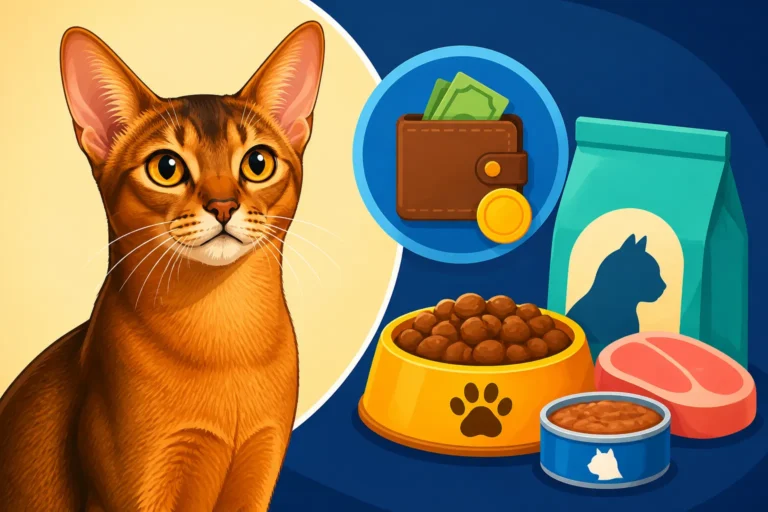
An Abyssinian is a high-energy cat, and good nutrition is paramount for their health, especially after the stress of being in a rescue environment. Rescues invest in providing high-quality food to help these cats regain optimal health and maintain their vibrant energy. They’re not just given any kibble; efforts are often made to provide species-appropriate diets that support their metabolism and lean muscle.
Then there's the less glamorous but equally essential cost of litter. Abyssinians are clean cats, and a rescue will ensure their litter boxes are meticulously maintained, requiring a constant supply of quality litter. This is an ongoing, daily expense for every cat in their care. The amount of food and litter consumed by a dozen or more cats adds up quickly. Find more details on What Litter Costs for One Abyssinian.
Shelter, Enrichment, and Medical Supplies
While waiting for their forever home, Abyssinians need a safe, clean, and stimulating environment. This means warm bedding, toys, scratching posts, and plenty of vertical space, which Abyssinians adore. Rescues often purchase these items in bulk, but the costs are still substantial. Enrichment helps keep the cats mentally and physically active, reducing stress and promoting positive behavior. You want an Abyssinian that's confident and playful, not one stressed from confinement.
Beyond these comforts, there's a steady need for various medical supplies: bandages, antiseptic solutions, specialized diets for cats with sensitive stomachs, medications for minor ailments, and sometimes even long-term medications for chronic conditions. Consider a cat needing ongoing medication for allergies or an older Abyssinian requiring joint supplements. These expenses are absorbed by the rescue until adoption.
Behavioral Assessment and Training
One of the most valuable, yet often unseen, services rescues provide is behavioral assessment and support. Abyssinians are known for their intelligence and active personalities. Sometimes, cats arrive with behavioral quirks or anxieties dueving past trauma or lack of socialization. Rescue staff and volunteers spend countless hours observing, interacting with, and gently working with these cats to understand their personalities and address any challenges.
This might involve introducing them to other cats or even cat-friendly dogs, helping them with litter box etiquette, or simply providing consistent, positive reinforcement to build trust. For an Abyssinian, proper socialization is key to ensuring they settle well into a new home. The rescue uses this knowledge to match cats with appropriate families, increasing the likelihood of a successful, lifelong placement. This labor of love, expertise, and time is a huge part of why an adoption fee is what it is.
The Hidden Costs: Operational Expenses and Why They Matter
Beyond the direct care for each individual cat, adoption fees also contribute to the broader operational expenses that keep a rescue running. These are the "hidden" costs that many adopters don't think about but are absolutely essential for the rescue to continue its life-saving work.
Facility Overhead and Utilities
Whether a rescue operates out of a dedicated facility or a network of foster homes, there are significant overhead costs. A physical shelter requires rent or mortgage payments, insurance, and maintenance. Even foster homes have increased utility bills from heating/cooling for the cats, extra laundry, and general wear and tear. Imagine the electricity needed for lighting, heating, and cooling an entire facility full of sensitive Abyssinians, or the water used for daily cleaning.
These infrastructure costs are constant, regardless of how many cats are currently in care. They ensure that there is a safe, clean, and warm place for every Abyssinian in transition. Without these funds, the rescue couldn't exist, let alone care for cats.
Administrative Support and Fundraising
Running a rescue is essentially running a non-profit business. There's a mountain of administrative work: processing applications, conducting interviews, maintaining records, organizing transport, coordinating volunteers, and managing finances. While many rescues rely heavily on volunteers, there are often paid staff members to handle critical, specialized tasks or manage the sheer volume of work.
Moreover, rescues constantly engage in fundraising efforts to supplement adoption fees, which rarely cover the total cost of care. From organizing events to writing grant applications and managing social media, these activities require time, resources, and often, their own set of expenses. Your adoption fee helps to sustain these essential functions, allowing the rescue to reach more cats in need and educate the public.
Legal and Insurance Fees
Rescues operate under specific legal frameworks and often carry insurance to protect their animals, volunteers, and the public. This includes liability insurance, property insurance if they have a facility, and potentially specialized policies covering animal care. Legal fees might arise from contract drafting (like adoption agreements, which often include clauses about returning the cat if things don't work out), or navigating complex cases involving animal cruelty or neglect.
These are not trivial expenses and are absolutely critical for a legitimate rescue organization. They protect everyone involved and ensure the rescue can operate responsibly and transparently.
What Your Investment in a Rescue Abyssinian Truly Means
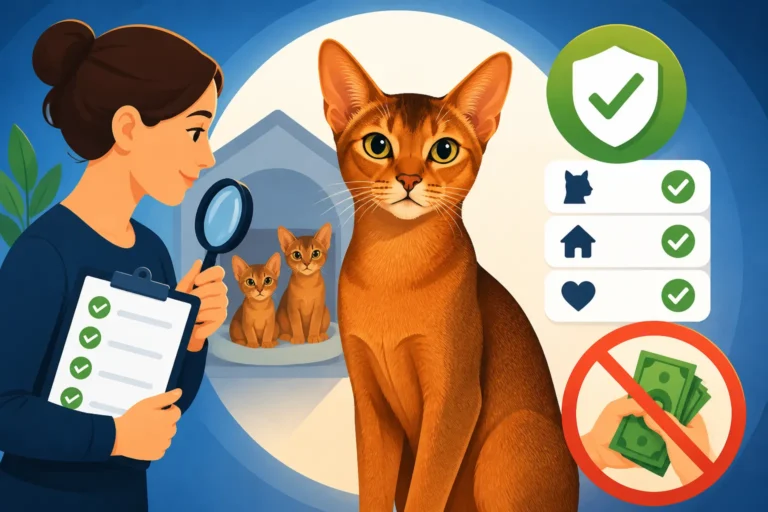
When you pay an adoption fee for an Abyssinian from a reputable rescue, you are doing so much more than just buying a cat. You're contributing to a cycle of care, rehabilitation, and responsible placement. You're effectively sponsoring the past and future medical care, nourishment, and emotional support that allowed that Abyssinian to thrive and find its way to you.
| Service/Cost Covered | Description | Estimated Value Contribution |
|---|---|---|
| Initial Vet Exam | Comprehensive physical, health check, fecal exam, basic blood work. | Significant |
| Vaccinations | Core feline vaccines (FVRCP, Rabies). | Moderate |
| Spay/Neuter | Surgical procedure, anesthesia, pain management, post-op care. | High |
| Microchipping | Chip implant and registration. | Low to Moderate |
| Parasite Control | Deworming, flea/tick prevention, ear mite treatment. | Moderate |
| FIV/FeLV Test | Screening for Feline Immunodeficiency Virus and Feline Leukemia Virus. | Moderate |
| Genetic Tests | PKD, PRA-rdAc DNA tests (for Abyssinians, if done). | High (if included) |
| Food & Litter | Ongoing high-quality nutrition and sanitary litter. | Moderate (per cat's stay) |
| Enrichment | Toys, bedding, scratching posts, vertical structures. | Low to Moderate |
| Behavioral Care | Assessment, socialization, basic training. | Invaluable |
| Overhead | Facility rent/mortgage, utilities, maintenance, insurance. | Proportional |
| Admin/Fundraising | Staffing, paperwork, volunteer coordination, outreach. | Proportional |
This table provides a glimpse, but remember, the actual costs can fluctuate wildly based on the cat's specific needs. An Abyssinian with a complicated dental issue, requiring multiple extractions and extensive recovery, will incur far greater expenses than a young, healthy one. This is where the community aspect of rescue fees comes in: a portion of your fee helps subsidize the care for those who need it most.
When considering the lifetime cost of an Abyssinian, the adoption fee is truly just the beginning. While it ensures your new companion starts life with you on the best possible paw, you'll still have ongoing expenses for food (perhaps from a brand like Chewy, where you can get a wide selection), routine vet visits, and unexpected medical needs. This is why many Abyssinian owners consider pet insurance from providers like Healthy Paws, to help manage future healthcare costs. Why an Abyssinian's Lifetime Cost Dwarfs Its Purchase Price is a topic that resonates deeply with rescue owners, understanding that the love and care for these active cats is a long-term commitment. Choosing to adopt from a rescue means you're supporting an organization dedicated to saving lives and setting cats up for success, and that's something truly priceless.
Disclaimer
This article is for general informational purposes only and does not constitute professional advice. Laws, prices and regulations vary by location and change over time. Consult a qualified professional for guidance on your specific situation.