Why Foraging Suits an Abyssinian’s Mind
You've brought home one of these magnificent, intelligent cats, only to find that their boundless energy and sharp mind can sometimes lead to what feels like a constant battle against boredom-induced mischief. Many Abyssinian owners experience the frustration of a cat that, despite all the toys and play sessions, still seems to be looking for trouble, opening cabinets, or vocalizing endlessly. This guide will delve into why foraging is not just a fun activity but an essential mental outlet for your Abyssinian, transforming their daily routine and helping them thrive.
Understanding the Abyssinian's Innate Drive for Activity
The Abyssinian isn't just a pretty face; they are a powerhouse of energy and intellect, often described as the "clowns of the cat world." Their playful antics and curious nature stem from a deep-seated evolutionary history that demands more than just a comfy couch. Understanding this innate drive is key to providing them with a truly enriching life.
The Abyssinian's Wild Ancestry and Instincts
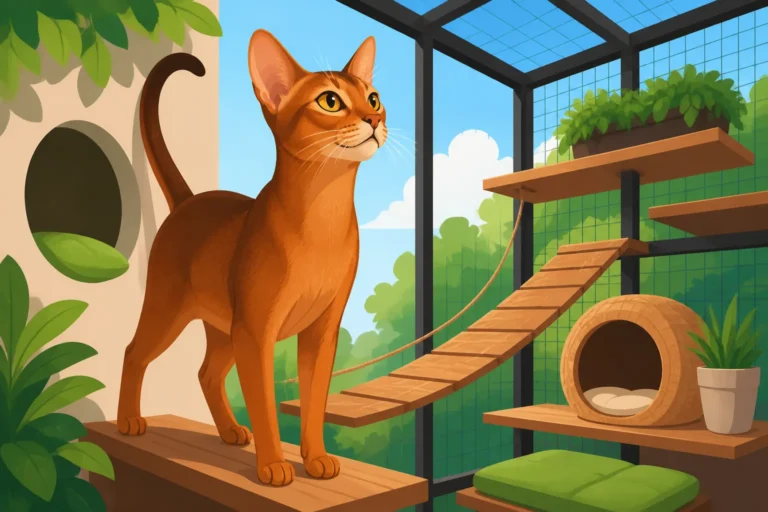
When you look at your Abyssinian, with their lean, muscular body and alert, intelligent eyes, it's easy to imagine them as miniature wildcats. And in many ways, that's precisely what their ancestors were. Though the exact origins of the breed are debated, genetic studies point to their lineage tracing back to the coast of the Indian Ocean, where cats lived a life far removed from the modern domestic setting. These weren't idle creatures; they were hunters, strategists, constantly on the move, searching for food, and surveying their territory.
This history has hardwired certain instincts into the modern Abyssinian. They possess an incredible prey drive, an insatiable curiosity, and a need for constant engagement. They are problem-solvers by nature, always investigating, always exploring. It's why they can seem restless even after a vigorous play session – their minds are still buzzing, looking for the next challenge. Simply put, their brains are built for action, and if that action isn't provided, they'll find it themselves, often in ways that aren't ideal for your household decor or your sanity.
Why Mental Stimulation Is as Crucial as Physical Play
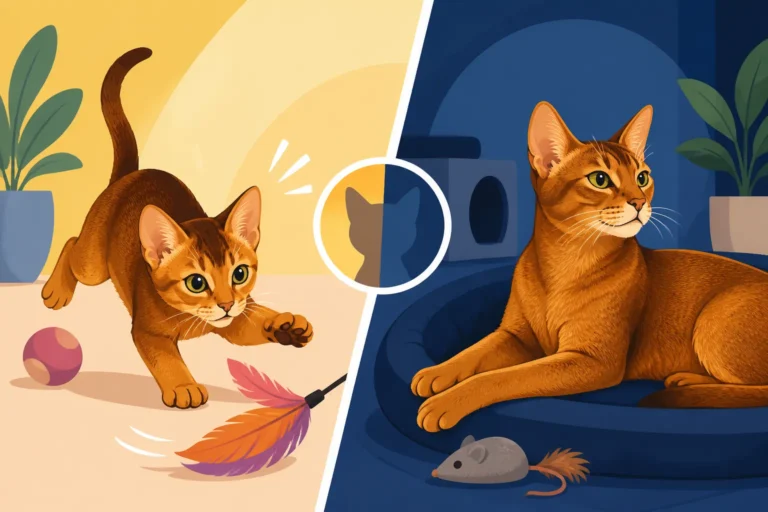
It's a common misconception that if a cat is tired out physically, their needs are met. For an Abyssinian, this couldn't be further from the truth. Yes, they need plenty of opportunities to run, jump, and climb. The Abyssinian Is the Busiest Cat in the House is not an exaggeration – these cats have energy reserves that seem endless. But physical exertion only scratches the surface of what their intelligent minds require. Imagine being a brilliant human, capable of complex thought, but only being allowed to run on a treadmill all day. You'd get physically tired, but your mind would still crave a challenge, a puzzle, something to truly engage it.
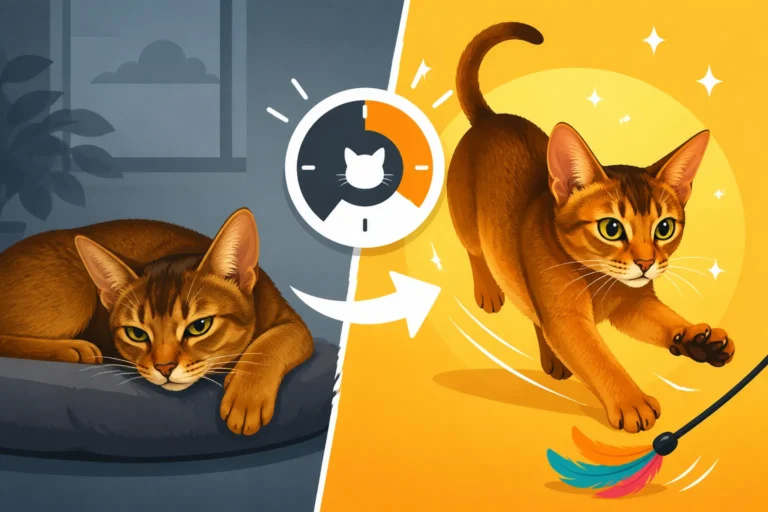
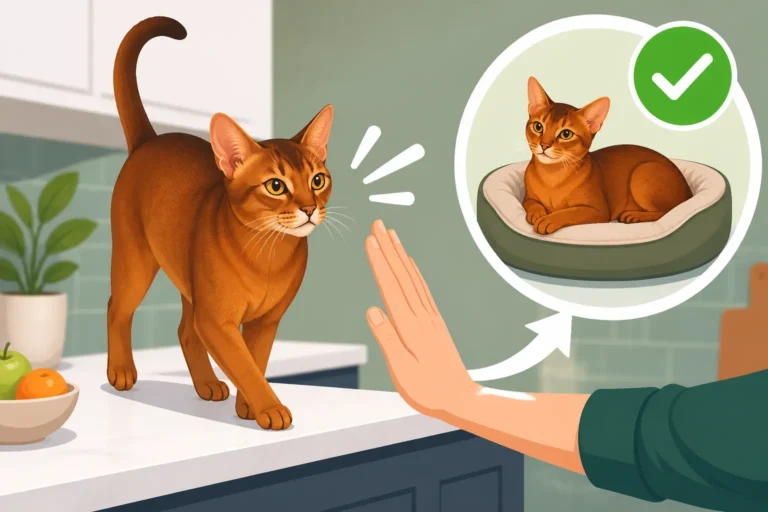
This is precisely the situation many Abyssinians find themselves in. Owners try their best, providing toys, laser pointers, and climbing structures, but still wonder, What an Abyssinian Does When It Is Bored. The truth is, their minds need a workout just as much as their bodies. Without it, that incredible intelligence can turn into frustration, leading to behaviors like excessive vocalization, destructive scratching, or an obsessive need to "help" you with everything, often by getting in the way or opening cupboards they shouldn't. It's not malice; it's a desperate plea for engagement, a cry from a brilliant mind that needs a job to do. Foraging provides that critical mental outlet, tapping into their deepest instincts in a safe and constructive way.
How Foraging Engages an Abyssinian's Intellect
Foraging isn't just about food; it's about the process of acquiring food, which for an Abyssinian, is a prime intellectual exercise. It taps into their natural instincts and offers a rich, rewarding experience that conventional mealtime simply cannot.
Problem-Solving and Cognitive Challenge
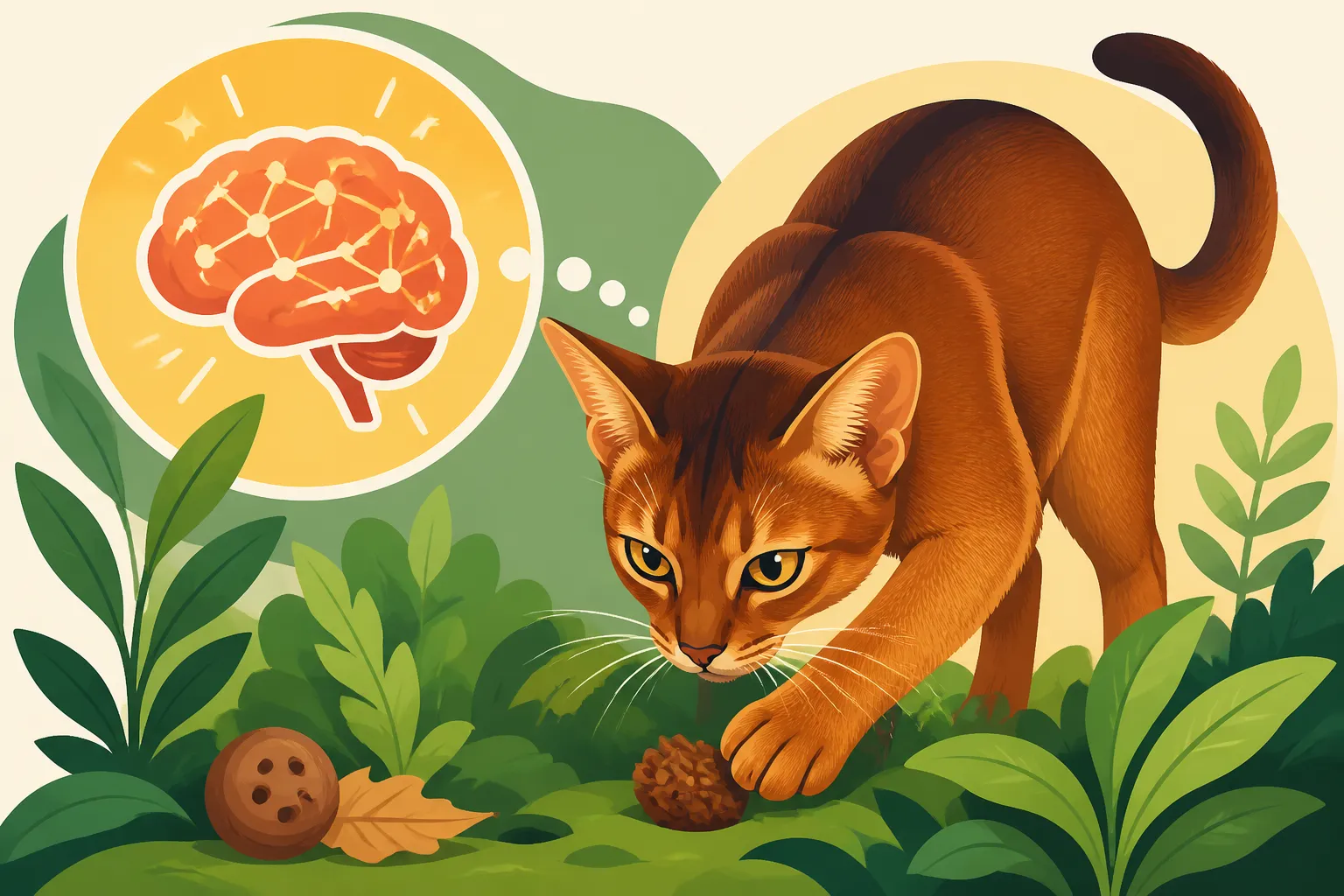
Think about how a wild cat gets its dinner. It's not handed to them on a platter. They have to stalk, chase, outwit, and often solve mini-puzzles to access their prey. Foraging brings this element of problem-solving into your home. When your Abyssinian has to figure out how to retrieve a piece of kibble from a tricky dispenser, or uncover a hidden treat, they are exercising their cognitive abilities in a profound way. It’s like a daily brain game.
These challenges require focus, spatial reasoning, and often, a bit of trial and error. They learn through experimentation: "If I bat it this way, maybe it will fall out." "If I push this lever, does something happen?" This continuous mental engagement prevents boredom and helps keep their minds sharp. It validates their intelligence, giving them an outlet for that ceaseless curiosity. You’ll see them intently working on a puzzle feeder, their brow furrowed (or as close as a cat gets to it!), completely absorbed in the task. This deep concentration is a sign of true mental enrichment. You can find a vast array of options, from simple treat balls to more complex multi-level puzzles, on platforms like Amazon, ensuring there's always a new challenge to keep them guessing.
Satisfying the Prey Drive in a Safe Environment
The prey drive is incredibly strong in Abyssinians. It's the engine behind their lightning-fast reflexes and their intense focus during play. In a domestic setting, this drive needs to be managed and satisfied constructively. Simply feeding them from a bowl, no matter how good the food is, bypasses this fundamental instinct. It's the equivalent of a human enjoying a delicious meal but missing the satisfaction of having hunted or prepared it themselves.
Foraging allows your Abyssinian to "hunt" for their food in a controlled, safe, and rewarding manner. The act of seeking, finding, and finally "capturing" their meal (even if it's just a bit of kibble from a tube) mimics the natural hunting sequence. This satisfies that deep-seated need to work for their food, without you having to worry about them bringing you live "gifts" from the outdoors. It provides a sense of accomplishment that a full food bowl can never replicate. When they finally get that treat out, you'll see a flash of satisfaction in their eyes, a sense of having successfully completed a mission. It's a fantastic way to How to Give an Abyssinian a Job, channeling their incredible energy and intelligence into a positive activity.
Practical Ways to Implement Foraging for Your Abyssinian
Introducing foraging doesn't have to be complicated or expensive. The key is to start simple and gradually increase the challenge as your Abyssinian learns and gains confidence. Consistency is also vital to turn foraging into a beneficial habit.
Starting Simple: Hiding Treats and Kibble
The easiest way to start foraging is to use what you already have: your cat's regular kibble or favorite small treats. Forget the fancy toys for a moment and just begin hiding food.
Here's a simple step-by-step approach:
- Start in Plain Sight: Begin by placing a few pieces of kibble or treats on a flat, easily accessible surface, like a small mat or a low, wide bowl, but slightly spread out. The goal is to make them move their head, not just eat from one spot.
- Move to Easy Hiding Spots: Once they understand this, move to slightly more challenging, but still obvious, spots. Think under a lightweight towel, behind a book on a low shelf, or nestled into the folds of a blanket on the sofa. Make sure they can still easily see or smell the food.
- Use Paper Rolls: Toilet paper or paper towel rolls are fantastic beginner foraging tools. Simply fold the ends or stuff them lightly with paper to create a barrier, then drop a few treats inside. Your Abyssinian will have to bat the roll around to get the food out.
- Rotate Locations: Don't always hide food in the same place. Vary the spots daily to keep them engaged and prevent them from memorizing a routine. Good spots include empty shoe boxes, inside open paper bags (never plastic!), or even under a slightly raised laundry basket.
The idea is to build their confidence and show them that searching is rewarding. You want them to succeed initially, so they don't get frustrated and give up. Keep initial sessions short and positive, praising them when they find the treats.
Graduating to Commercial Puzzle Feeders and DIY Solutions
Once your Abyssinian masters the basics, it's time to up the ante. This is where commercial puzzle feeders truly shine, offering varying levels of difficulty and unique challenges. You can find an incredible range of these on platforms like Amazon, from slow feeders that require pawing at small wells to more elaborate toys that involve levers, slides, and multiple compartments. Brands like Doc & Phoebe's Interactive Feeder or Nina Ottosson's line of cat puzzles offer excellent options.
Here's a table comparing common types of foraging enrichment:
| Foraging Type | Description | Ideal For | Engagement Level |
|---|---|---|---|
| Hidden Treats | Small portions of food hidden around the room, under objects, or in plain sight but spread out. | Beginners, easy introduction to concept, low cost. | Low-Moderate |
| Treat Dispensing Balls | Hollow balls with holes; food falls out as the cat bats it around. | Active cats, moderate challenge, encourages movement. | Moderate |
| Slow Feed Bowls | Bowls with raised obstacles or mazes that force cats to eat around them, slowing down consumption. | Fast eaters, cats needing controlled portions, minimal effort. | Low |
| Puzzle Boards/Mats | Flat boards or fabric mats with various compartments, nooks, and crannies for hiding food. | Cats that enjoy problem-solving, good for mental stimulation. | Moderate-High |
| DIY Cardboard Puzzles | Homemade feeders using toilet paper rolls, egg cartons, or cardboard boxes. | Budget-friendly, customizable difficulty, creative owners. | Moderate-High |
| Vertical Feeders | Wall-mounted or tall structures that require cats to reach, climb, or pull food down from different levels. | Climbers, high-energy cats, excellent for vertical enrichment. | High |
For those who enjoy a bit of DIY, you can create effective foraging toys from household items. An empty egg carton with treats in each cup, covered by light crumpled paper, works wonders. A clean, empty plastic bottle with small holes drilled into it can become a treat dispenser when rolled. Even an old t-shirt knotted around a few pieces of kibble provides a fun challenge. The key is to make it safe, ensuring there are no small pieces that can be ingested or sharp edges. Don't underestimate Which Puzzle Feeders Hold an Abyssinian's Attention for extended periods – a good feeder can keep them busy for ages.
Integrating Foraging into Daily Feeding Routines
Perhaps the most impactful way to use foraging is to incorporate it into your Abyssinian's daily meal routine, not just as an occasional treat. Instead of serving their entire meal in a bowl, consider distributing a portion of it through various foraging methods. This can dramatically change their relationship with food and prevent issues like your Abyssinian asking for food it does not need.
You could, for example, put half their dry kibble in a puzzle feeder and scatter the other half around a designated "hunting ground" in your home. Some owners even divide their Abyssinian's daily dry food into multiple small puzzle feeders, placing them in different locations throughout the house. This forces them to move, search, and work for every morsel, mimicking a natural eating pattern.
This approach means that mealtime becomes an extended period of activity and mental engagement, rather than a quick scarf-and-dash. It's especially beneficial for a breed like the Abyssinian, who often eats more than a bigger cat due to their high metabolism. By slowing down their eating and engaging their brains, you're not just feeding their body but nourishing their mind and spirit too. Just remember to adjust portion sizes carefully, especially for a neutered Abyssinian, to avoid overfeeding.
The Benefits Beyond Boredom: Health and Behavior
Foraging does more than just alleviate boredom; it contributes significantly to your Abyssinian's overall health and well-being, addressing several common challenges faced by owners of this dynamic breed.
Slowing Down Fast Eaters and Aiding Digestion
Many Abyssinians are enthusiastic eaters, to put it mildly. They can often inhale their food in mere minutes, leading to a range of digestive issues like regurgitation, bloating, or simply not feeling satisfied. This rapid consumption is a natural instinct from their wild past, where competition for food meant eating quickly. However, in a domestic setting, it's rarely necessary and can be detrimental.
Foraging effectively slows down the eating process. By forcing your Abyssinian to work for each bite, whether by extracting it from a puzzle or searching for it, they naturally eat at a much more leisurely pace. This extended mealtime allows their digestive system to prepare properly, reducing the likelihood of upset stomachs and promoting better nutrient absorption. It turns a rushed, stressful event into a calm, engaging one. Plus, the extra movement involved in searching for food can also help stimulate their digestive tract, contributing to overall gut health.
Reducing Destructive Behaviors and Anxiety
An Abyssinian with an understimulated mind is a recipe for trouble. Their intelligence and energy, when not properly channeled, can manifest as a variety of destructive or undesirable behaviors. You might find them relentlessly scratching furniture, climbing curtains, opening doors and cabinets, or even excessively grooming themselves as a coping mechanism for stress. What Destructive Behavior in an Abyssinian Really Means is often a cry for more engagement.
Foraging provides a positive outlet for all that pent-up mental and physical energy. When your Abyssinian is busy problem-solving for their next meal, they are less likely to be engaging in destructive activities. The mental effort and the sense of accomplishment from successful foraging can significantly reduce anxiety and frustration, leading to a calmer, happier cat. It's a proactive approach to behavior management: instead of trying to stop unwanted behaviors, you're providing a rewarding alternative that meets their innate needs. This is far more effective than simply shouting "no" or using deterrent sprays, which rarely work long-term with such smart cats.
Enhancing the Bond Between You and Your Abyssinian
Beyond the tangible benefits to their health and behavior, incorporating foraging into your Abyssinian's life can profoundly enhance the bond you share. When you're the one setting up these exciting "hunts" and providing the challenges, you become the source of enriching experiences. This builds trust and positive association, deepening your relationship.
Watching your Abyssinian intently work a puzzle, hearing their little chirps of satisfaction when they succeed, and seeing the sheer joy in their movements as they explore for hidden treasures, is incredibly rewarding for an owner. You're not just their caretaker; you're their enabler, their game master, their partner in adventure. It transforms feeding time from a simple chore into an interactive, engaging activity that you both can appreciate. It allows you to understand their instincts better and gives them a sense of purpose and achievement, strengthening the unique connection you have with your intelligent and active Abyssinian.
Disclaimer
This article is for general informational purposes only and does not constitute professional advice. Laws, prices and regulations vary by location and change over time. Consult a qualified professional for guidance on your specific situation.