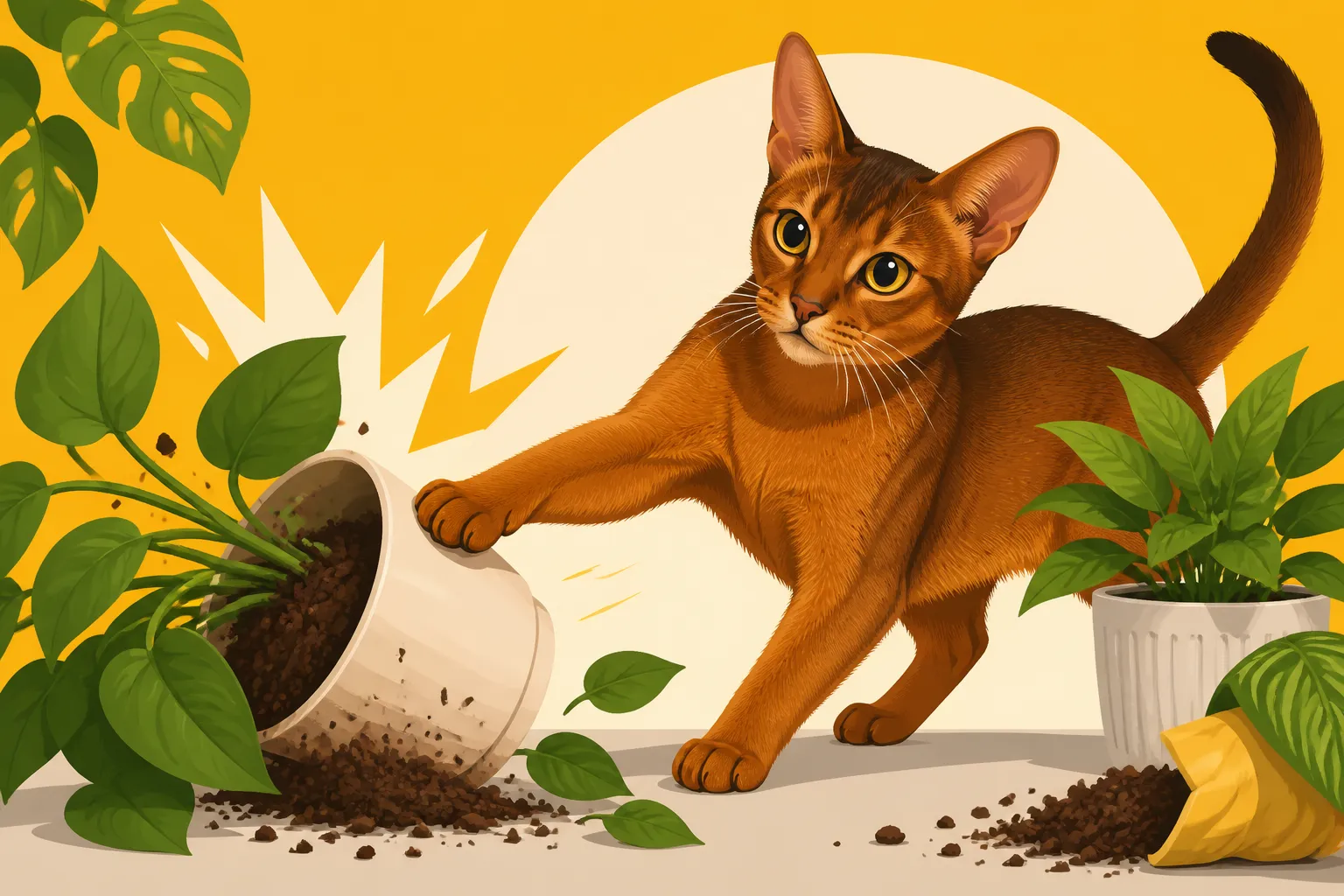
Which Houseplants an Abyssinian Will Destroy
If you're an Abyssinian owner, you know their boundless energy and insatiable curiosity often lead them into every nook and cranny of your home. This playful nature, while endearing, can turn your beloved houseplants into tempting targets for batting, climbing, and even snacking. It’s a common frustration to walk into a room only to find shredded leaves or knocked-over pots, leaving you to wonder which plants are truly safe from your adventurous feline. This guide will delve into why your Abyssinian seems intent on redecorating with your greenery, identify the types of plants they're most likely to 'destroy,' and provide practical strategies to protect both your botanical beauties and your spirited companion.
Why Abyssinians See Plants as Tempting Targets
Abyssinians are not just cats; they're tiny, intelligent explorers with a deep-seated need for interaction and stimulation. When a new plant appears, or an old one gets moved, it instantly becomes a novel object ripe for investigation. This isn't out of malice, but pure, unadulterated Aby curiosity and play drive.
The Instinct to Climb and Bat
Anyone who shares their home with an Abyssinian quickly learns that vertical space is paramount to them. These cats are natural climbers, athletes who view every elevated surface as a potential perch or a new challenge. A tall, leafy houseplant can look like an invitation to scale a miniature tree. The rustling leaves and swaying branches mimic prey, triggering their innate hunting instincts. They might bat at leaves, try to climb the stem, or even attempt to scale the entire pot and plant structure. It's a game to them, a dynamic, ever-changing toy that offers both physical and mental stimulation. You might notice them springboarding off nearby furniture to reach higher branches, a testament to their incredible agility. Why an Abyssinian Needs Height More Than It Needs Floor explains just how crucial verticality is to their happiness.
The Urge to Chew and Taste
Beyond the physical play, Abyssinians often explore the world with their mouths. Leaves and stems offer interesting textures to chew on, sometimes even a novel taste. It’s not always about hunger; sometimes it's simply an exploratory behavior, a way to interact with their environment. Young Abyssinians, especially kittens, are particularly prone to this as they are still learning what is and isn't appropriate to chew. The fibrous texture of a leaf can also appeal to their dental needs, or perhaps they're seeking something to help with a hairball, much like wild cats eat grass. This chewing can range from a delicate nibble to a full-on feast, depending on the plant and the cat's mood.
Boredom and Energy Outlets
Perhaps one of the most significant reasons an Abyssinian might turn its attention to your houseplants is sheer boredom. These are not cats content to lounge all day; they thrive on activity and engagement. If they're not sufficiently stimulated with interactive play, puzzle feeders, or the company of another active pet, they will find their own entertainment. And often, that entertainment involves your belongings. A plant, swaying gently in a breeze or simply sitting there, represents an opportunity for an otherwise understimulated Abyssinian to burn off some energy. This isn't destructive behavior born of spite; it's a creative outlet when more appropriate options aren't available. What an Abyssinian Does When It Is Bored delves deeper into how Abyssinians channel their immense energy.
Common Houseplants That Are a Magnet for Abyssinian Mischief
While any plant can be a target, some seem to have an irresistible pull for Abyssinians. It's often about their physical characteristics – how they look, feel, and move – that makes them prime candidates for an Aby's attention.
Long, Dangly, and Leafy Specimens
Plants with long, flowing leaves or dangling tendrils are like an open invitation for an Abyssinian. Think of a spider plant with its baby "spiderettes" hanging down, a Boston fern with its feathery fronds, or a prayer plant with its constantly shifting leaves. These plants mimic the movement of prey animals, making them incredibly enticing for a cat with a strong prey drive. An Abyssinian will bat at the leaves, stalk the plant from across the room, and inevitably try to pounce on the dangling parts. This makes them a triple threat: tempting to bat, easy to climb, and fun to chew. They are interactive by their very nature, which is exactly what an Abyssinian seeks in a toy.
Anything with an Interesting Scent or Texture
Beyond visual appeal, certain plants offer unique sensory experiences that pique an Abyssinian's interest. Herbs like basil, mint, or rosemary, while generally safe in small quantities, can be incredibly aromatic. An Abyssinian might be drawn to the scent, leading them to investigate with a curious sniff and then, inevitably, a taste. Succulents, with their thick, often rubbery leaves, offer a different textural experience compared to a typical houseplant. The distinct feel of a jade plant or a string of pearls might be too intriguing for an Abyssinian to ignore, leading to experimental chewing. The very novelty of these sensations can make them targets.
The "New" and the "Untouched"
Abyssinians are creatures of routine but are also inherently curious about changes in their environment. Introducing a new houseplant, no matter how innocuous, is like putting a giant "investigate me" sign on it. It’s shiny, it’s new, and it hasn't been thoroughly explored yet. This also applies to plants that have been neglected or placed in a new spot. If you've just brought home a new potted plant from the nursery or rearranged your existing botanical collection, expect your Abyssinian to be the first one to conduct a full inspection. This initial fascination can be intense, often leading to immediate attempts to interact with the plant, so this is when you need to be most vigilant.
Protecting Your Plants and Your Abyssinian
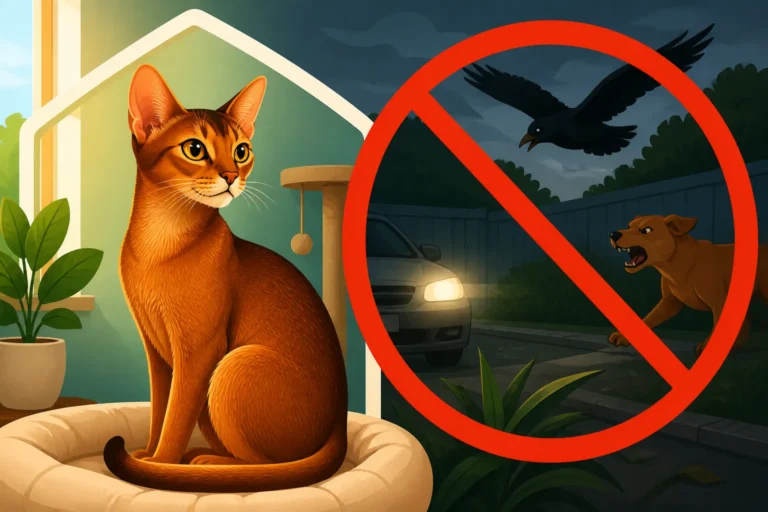
Living harmoniously with an Abyssinian and your beloved houseplants requires a proactive approach. It's not just about stopping destruction; it's about ensuring your cat's safety, especially considering how many common houseplants are toxic.
Strategic Placement and Physical Barriers
The first line of defense is often location, location, location. Placing plants in rooms that your Abyssinian cannot access is the most foolproof method, though not always practical. For plants within shared spaces, consider high shelves or hanging planters that are truly out of jumping reach. Remember, Abyssinians are exceptional jumpers and climbers, so "out of reach" for them is much higher than for your average housecat. A plant on a tall bookcase might still be accessible if there's a nearby cat tree or furniture that provides a launching pad. Look for sturdy wall shelves specifically designed for cats, which you can find on Amazon, and use them to elevate your plants instead.
Physical barriers can also be effective. Decorative cages, cloches, or even enclosed terrariums can protect smaller plants. For larger floor plants, consider using heavy, stable pots that are difficult to tip over. Some people have success with placing large, smooth river rocks on top of the soil to deter digging and chewing directly from the pot. Foil or sticky tape around the pot rim can also act as a tactile deterrent, as many cats dislike the feel. You can also find citrus-scented or bitter apple sprays on Amazon that are designed to deter pets from chewing, though results vary with individual cats.
Providing Alternatives and Redirection
A crucial part of preventing unwanted plant interaction is providing more appealing alternatives. If your Abyssinian is chewing on plants out of an innate need to graze, offer cat grass. These readily available kits can be grown at home and provide a safe, digestible green snack. Many Abyssinians adore fresh catnip or cat thyme, which can be grown in pots designated specifically for them.
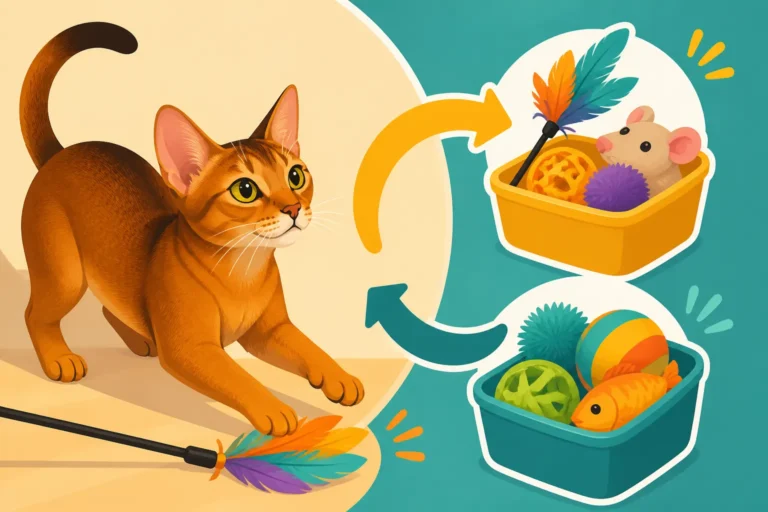
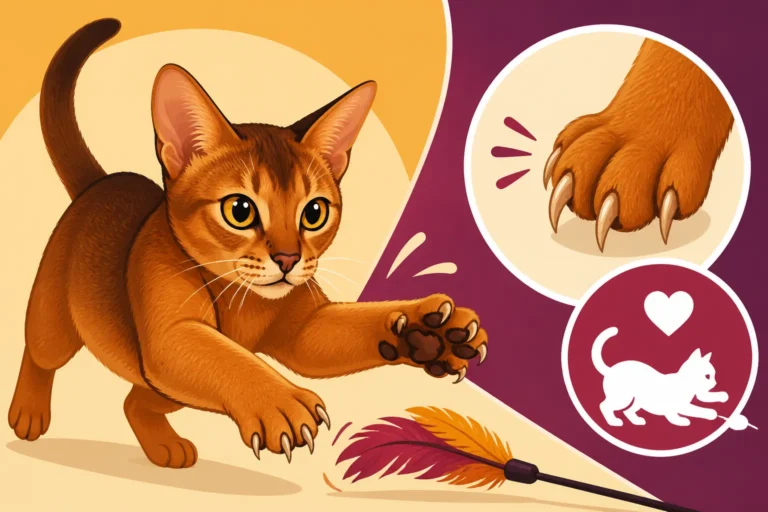
Engage your Abyssinian daily with plenty of interactive play. Use wand toys that mimic birds or mice to satisfy their prey drive. Rotate their toys regularly to keep things fresh and exciting. A bored Abyssinian is a destructive Abyssinian. Consider installing wall-mounted cat shelves or a sturdy cat tree to give them approved climbing outlets. Why an Abyssinian Needs More Vertical Furniture Than Most Cats highlights why this is so important for their wellbeing.
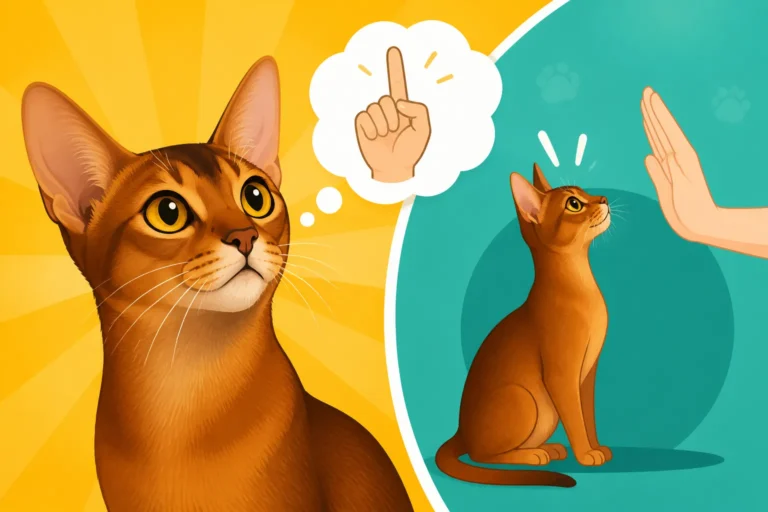
When you see your Abyssinian approaching a forbidden plant, immediately redirect their attention to an appropriate toy. A loud clap or a firm "no" followed by offering a favorite wand toy can effectively shift their focus. Consistency is key here; every time they eye a plant, you need to offer a better alternative.
Beyond Destruction: The Dangers of Toxic Plants
While the shredded leaves and overturned pots are annoying, the real danger lies in the toxicity of many common houseplants. An Abyssinian's exploratory chewing can quickly lead to a veterinary emergency if they ingest a poisonous plant.
Identifying Common Toxic Culprits
It's vital for any cat owner to know which plants are dangerous. Even a small nibble from certain plants can cause severe symptoms. Some of the most common and highly toxic houseplants include:
- Lilies (all types, especially Easter Lilies, Tiger Lilies, Day Lilies): Extremely toxic. Even pollen on the fur can be deadly if ingested during grooming. Causes acute kidney failure.
- Sago Palm: Highly poisonous, causing liver failure, vomiting, diarrhea, and seizures.
- Peace Lily/Calla Lily: Contains calcium oxalate crystals, causing oral irritation, burning, swelling of the mouth, tongue, and throat, difficulty swallowing, and vomiting.
- Dumb Cane (Dieffenbachia): Similar to lilies, causes intense oral pain, swelling, and difficulty breathing.
- Aloe Vera: While medicinal for humans, it's a laxative for cats and can cause vomiting, diarrhea, lethargy, and tremors.
- Pothos/Devil's Ivy: Contains calcium oxalates, causing oral irritation.
- Philodendron: Similar to Pothos, causes oral and digestive irritation.
- Snake Plant (Sansevieria): Causes nausea, vomiting, and diarrhea.
- Oleander: Highly toxic, affecting the heart.
- Cyclamen: Root and tubers are most toxic, causing vomiting, diarrhea, cardiac arrest, and seizures.
- Azaleas and Rhododendrons: Highly toxic, causing vomiting, diarrhea, weakness, and cardiac issues.
This is by no means an exhaustive list, but these are frequent offenders. Always check the toxicity of any plant before bringing it into a home with cats. A quick search online for "pet-safe plants" can provide a wealth of information.
Symptoms of Plant Poisoning
Knowing what to look for can be life-saving. Symptoms of plant poisoning in cats can vary widely depending on the plant and the amount ingested, but common signs include:
- Gastrointestinal upset: Vomiting, diarrhea, loss of appetite, drooling, pawing at the mouth.
- Lethargy and weakness: Your usually energetic Abyssinian might become unusually quiet or less active. Why a Lean Abyssinian Hides Illness Longer Than a Heavy Cat emphasizes how subtle these changes can be.
- Oral irritation: Redness, swelling, pain in the mouth or gums, difficulty swallowing.
- Increased thirst or urination: Potentially indicating kidney issues.
- Neurological signs: Tremors, seizures, disorientation, difficulty walking.
- Breathing difficulties: Labored breathing, coughing, gasping.
- Changes in heart rate: Either unusually fast or slow.
If you suspect your Abyssinian has chewed on or ingested a toxic plant, time is of the essence.
Emergency Protocol and Prevention
Your immediate action can make a huge difference. If you witness your Abyssinian eating a toxic plant, try to remove any plant material from their mouth and save a sample of the plant for identification if you're unsure what it is. Do not try to induce vomiting unless specifically instructed by a veterinarian.
Contact your veterinarian or an animal poison control center immediately. Have the name of the plant (if known), your cat's weight, and any observed symptoms ready. They will guide you on the next steps, which may involve bringing your Abyssinian to the clinic for examination and treatment. It's always better to be safe than sorry when it comes to plant toxicity.
To prevent such emergencies, the safest approach is to remove all toxic plants from your home. If you can't part with a particular plant, ensure it is in a room that is absolutely inaccessible to your cat, with the door always closed. For non-toxic plants, focus on high placement, barriers, and providing plenty of safe, stimulating alternatives. Creating a cat-friendly environment means giving them approved ways to express their natural behaviors, saving both your plants and potentially your cat's life. Consider adding a pet first aid kit to your emergency supplies, which you can easily assemble with items found on Amazon.
| Plant Type | Abyssinian Appeal | Toxicity Level | Recommended Action |
|---|---|---|---|
| Spider Plant | Dangling "spiderettes", leafy | Non-toxic | Hang high, provide alternatives, monitor for chewing |
| Lilies (all types) | Often decorative, strong scent | Highly Toxic | Remove from home entirely |
| Pothos / Philodendron | Dangly vines, leafy | Mildly Toxic | Hang high, place in inaccessible rooms |
| Cat Grass | Edible, textured | Non-toxic | Offer freely as a safe alternative |
| Sago Palm | Sturdy texture | Highly Toxic | Remove from home entirely |
| Herbs (Basil, Mint) | Aromatic, leafy | Mildly Toxic | Place in secured areas, grow catnip as alternative |
Remember, your Abyssinian's health and safety are paramount. While their mischievous charm is part of their appeal, it's our job as owners to anticipate their curious nature and ensure their environment is safe and enriching.
Disclaimer
This article is for general informational purposes only and does not constitute professional advice. Laws, prices and regulations vary by location and change over time. Consult a qualified professional for guidance on your specific situation.