Why Abyssinian Lines Are Judged on Family History Instead
Abyssinian health issues like renal amyloidosis lack DNA tests, making family history vital for tracking kidney failure in young cats.
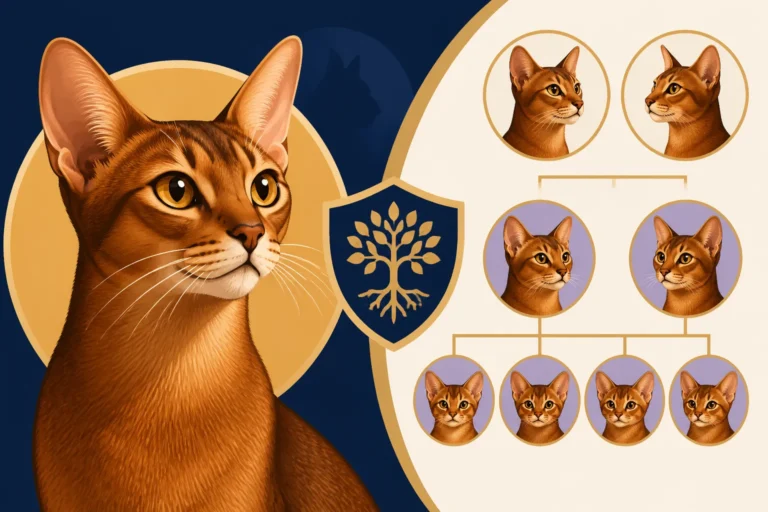
Abyssinian health issues like renal amyloidosis lack DNA tests, making family history vital for tracking kidney failure in young cats.
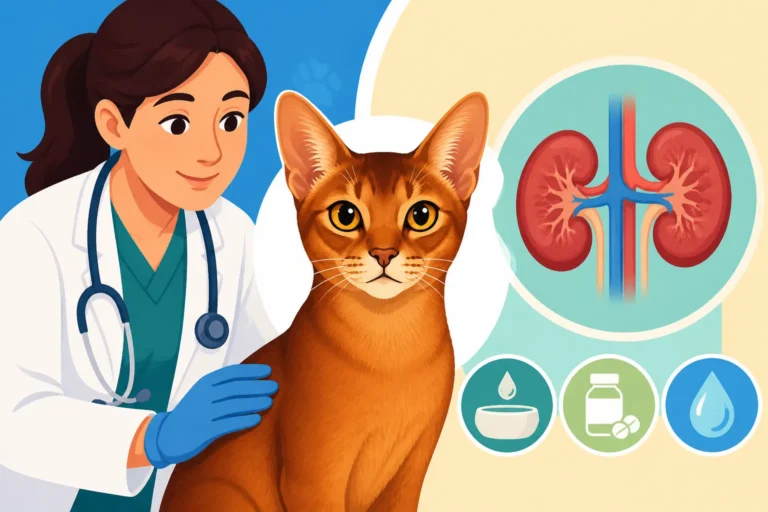
Abyssinian kidney failure management involves early blood testing, specialized diets, fluid therapy, and monitoring complications.
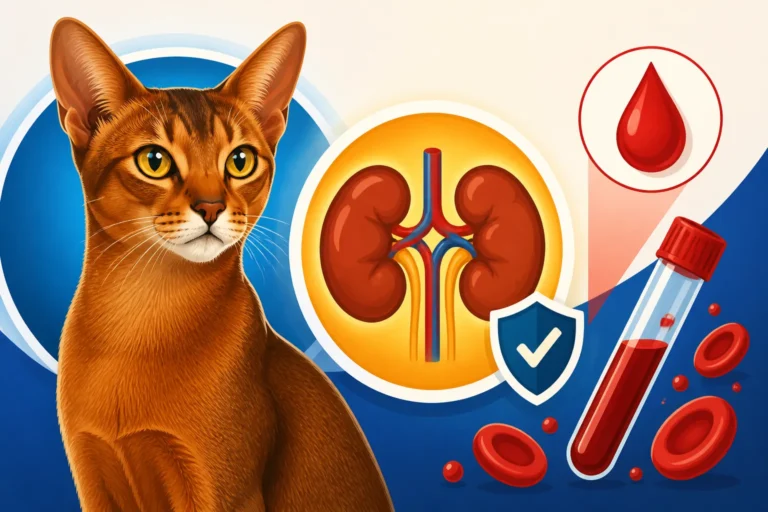
Abyssinian kidney health screening requires measuring SDMA, creatinine, blood urea nitrogen, and urine specific gravity.
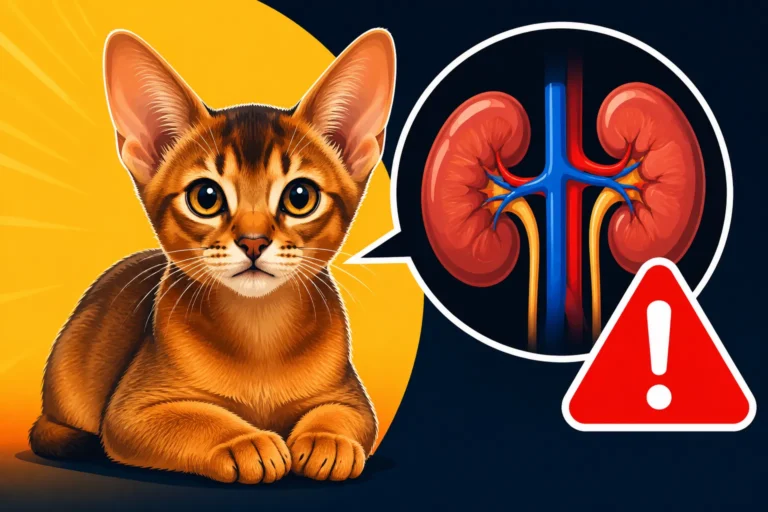
Abyssinian renal amyloidosis causes kidney failure in young cats through inherited protein deposits that clog filtering units.
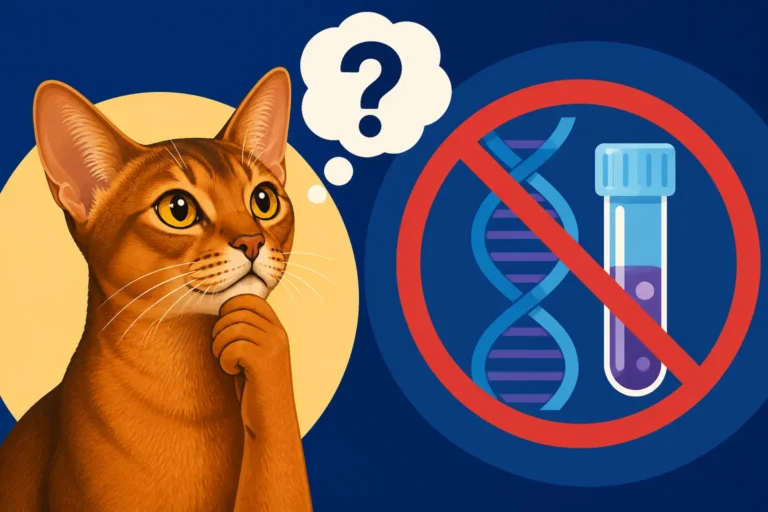
Abyssinian amyloidosis lacks a simple genetic test because the hereditary kidney disease is a complex polygenic trait influenced by multiple genes.
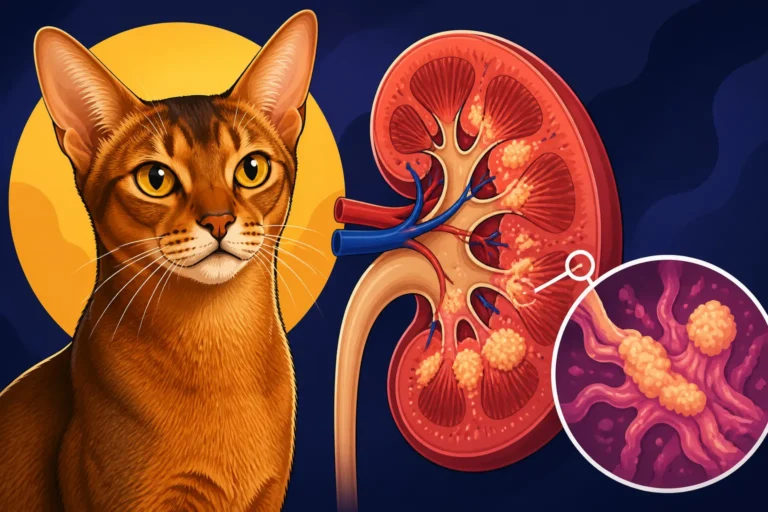
Renal amyloidosis deposits Amyloid A proteins in Abyssinian cat kidneys, causing progressive damage, protein loss, and eventual organ failure.
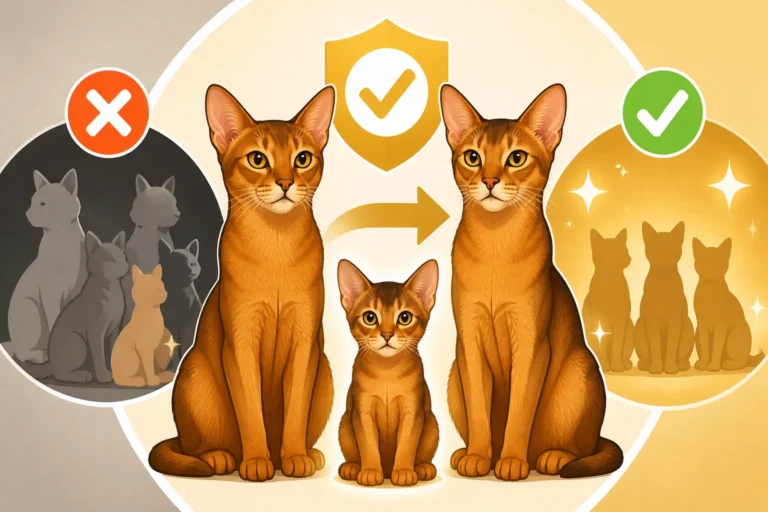
Two clear Abyssinian parents eliminate genetic diseases like progressive retinal atrophy, guaranteeing healthy kittens for future owners.
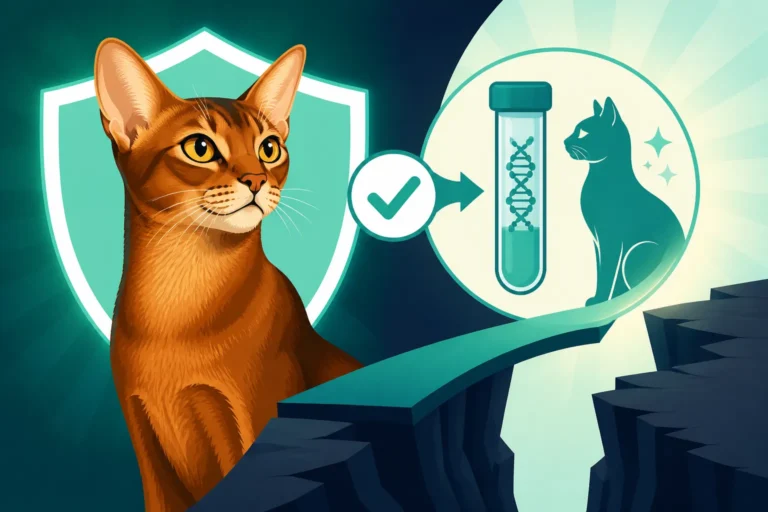
The CEP290 genetic test detects progressive retinal atrophy in Abyssinians, classifying cats as clear, carrier, or affected.

A blind Abyssinian still climbs using enhanced hearing, whiskers, muscle memory, and consistent environmental routes to navigate.
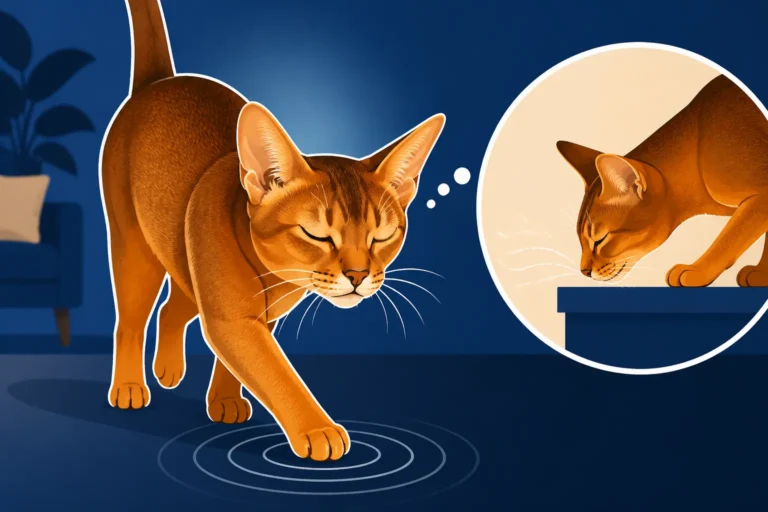
Abyssinian early vision loss displays subtle behavioral shifts, altered play patterns, pupil changes, and genetic causes like Progressive Retinal Atrophy.