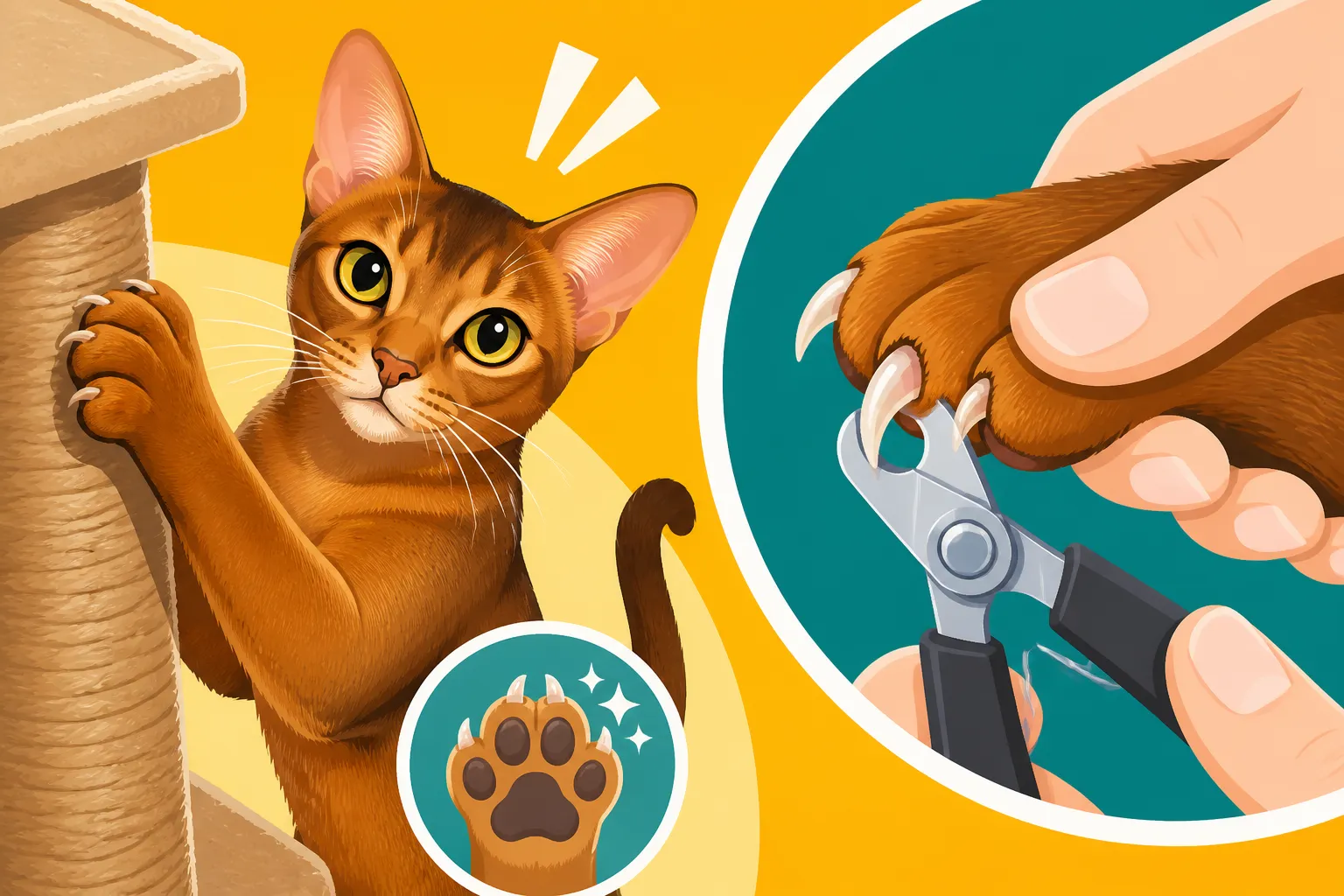
How to Trim a Climbing Abyssinian’s Claws
You've got a busy, athletic Abyssinian, which means you're probably no stranger to their incredible climbing prowess. But with all that vertical exploration comes a challenge many of us face: keeping those needle-sharp claws properly trimmed. Left unchecked, those claws aren't just a hazard to your furniture; they can actually be uncomfortable or even dangerous for your adventurous feline. This guide will walk you through everything you need to know to make claw trimming a manageable, even positive, experience for both you and your agile Aby.
Understanding Your Abyssinian's Claws and Why Trimming Matters
It’s easy to think of a cat’s claws as just, well, claws. But for an Abyssinian, these aren't just tools; they're integral to their entire lifestyle. Their love for scaling cat trees, curtain rods, and even your shoulders means their claws get a serious workout, but not always the kind that keeps them perfectly short. Understanding the unique nature of their claws is the first step toward effective care.
The Anatomy of an Abyssinian's Claw
Imagine your Aby's claw as a tiny, retractable hook. It's made of keratin, just like our fingernails, but it’s designed for gripping, climbing, and defense. Each claw has two main parts: the outer, hard shell you can see and the quick, which is the sensitive inner part containing blood vessels and nerves. The quick is typically pinkish and visible if your Aby has light-colored claws, but it can be harder to spot on darker claws. The crucial thing to remember is that cutting into the quick is painful and can cause bleeding, so precision is key.
Because Abyssinians are known for their active, playful nature, their claws are constantly extended and retracted. This action helps shed the outer layers, leading to new, sharper claws underneath. They might use scratching posts diligently, but even the best scratching routine often isn't enough to keep the very tips from becoming too long and dangerously sharp. Think of it like this: a scratching post helps maintain the overall health and shape of the claw, but trimming addresses the sharp, pointed tip that an active, climbing Aby needs to have a bit blunted for safety and comfort.
Why Long Claws Are a Problem for Climbing Abyssinians
You might think an active climber needs long claws for grip, but that's not entirely true for indoor life. Overly long claws can actually hinder your Abyssinian's natural athleticism. When claws are too long, they can get snagged on carpets, furniture, or even their own climbing structures, leading to painful tears or even broken toes. Imagine trying to run a marathon with overly long toenails – it's just not comfortable or efficient. For a cat that loves to dart and leap, this can be a real impediment.
Beyond the physical risks, long claws pose a significant threat to your home and yourself. Abyssinians are famous for their interactive and sometimes physical play. Those playful pounces and shoulder rides become a lot less fun when accompanied by accidental scratches that could easily break the skin. Your furniture, too, bears the brunt. Even with plenty of Why an Abyssinian Needs a Post at Every Climbing Level, long claws can still do damage to upholstery, curtains, and even wooden surfaces as your Aby explores their vertical kingdom. Trimming isn't just cosmetic; it's a preventative measure for health, comfort, and home preservation.
The Difference Between Front and Back Claws for an Abyssinian
When it comes to trimming, not all claws are created equal, especially for a high-energy Abyssinian. Your Aby's front paws are equipped with five claws, including the dewclaw, which is like our thumb and sits higher on the inside of the leg. These front claws are their primary tools for climbing, gripping, and manipulating objects. They're often sharper and more frequently used, meaning they might wear down a bit more naturally from scratching, but also grow faster and tend to be the ones that cause the most "damage" to you or your sofa. Why an Abyssinian's Front Claws Wear Faster Than Its Back might give you some insight, but don't assume they wear down enough.
The back claws, on the other hand, are typically thicker and less curved, designed more for propulsion during running and jumping, and for scratching an itch behind their ear. There are usually four claws on each back paw. Because they're used less for direct climbing and scratching, they tend to wear down less naturally. This means your Aby's back claws can sometimes grow longer and more brittle if not regularly trimmed, potentially curling under and digging into their paw pads, which is incredibly painful. Paying attention to both sets is vital, but you might find the front ones need slightly more frequent attention due to their primary role in an Aby's busy life.
Essential Tools for a Successful Abyssinian Nail Trim
Before you even think about approaching your Abyssinian with clippers, it's crucial to gather the right equipment and set the stage for success. Trying to trim claws with subpar tools or in a chaotic environment is a recipe for stress for both you and your cat, and honestly, a potential disaster. Abyssinians are smart and perceptive; they'll pick up on your anxiety, so being prepared is key.
Choosing the Right Clippers for Your Abyssinian
There are a few types of cat nail clippers out there, and choosing the right one can make a huge difference in your confidence and your Aby's comfort. Scissor-style clippers are often favored by many cat owners because they offer good control and a clear view of the claw. Guillotine-style clippers work by placing the claw through a small hole and then squeezing the handle to cut, which some find efficient, but they can sometimes obstruct your view of the quick. A newer option, the Dremel-style rotary tool, can grind down the claw, which is excellent for avoiding the quick entirely, but it requires more patience and can be noisy, which might scare a sensitive Abyssinian.
For an Abyssinian, who might be a bit squirmy, I personally recommend a sharp, high-quality scissor-style clipper that fits comfortably in your hand. Look for brands that vets recommend, available at places like Chewy or Amazon. A sharp blade is paramount; dull clippers can crush the claw rather than cut it cleanly, causing pain and splintering. Invest a little extra here; it's worth it for cleaner cuts and less stress.
The Importance of a Styptic Powder
No matter how careful you are, accidents can happen. Even the most seasoned cat owners can sometimes nick the quick, especially if an Abyssinian suddenly wriggles or if the quick is unusually long. This is where styptic powder becomes your best friend. It’s a hemostatic agent designed to quickly stop bleeding. You can find it under various brand names, often at the same pet stores or online retailers where you buy clippers.
Always have styptic powder within arm's reach before you start trimming. If you do accidentally cut the quick, don't panic. Simply apply a small pinch of the powder directly to the bleeding tip of the claw and apply gentle pressure. The bleeding should stop almost immediately. It’s a momentary sting for your cat, but it’s far better than letting the claw continue to bleed, which can be unsettling for both of you. Having it ready means you can quickly manage any mishap and keep the experience as stress-free as possible.
Creating a Calm Environment
Abyssinians are highly intelligent and sensitive creatures. They pick up on moods and atmosphere. Trying to wrestle your Aby into submission for a nail trim in a noisy, brightly lit, or high-traffic area is a recipe for disaster. Instead, aim to create a serene "spa" environment. Choose a quiet time of day when your Abyssinian is naturally relaxed, perhaps after a strenuous play session or a meal, or even when they're drowsy in your lap.
Find a calm, well-lit space where you can sit comfortably and have good visibility of your Aby's paws. Soft lighting, a quiet room, and even some gentle, calming music can help. Have treats ready and a favorite blanket for them to snuggle into. The goal is to make the experience as positive and low-stress as possible. Remember, a single negative experience can make future trims much harder, so taking the time to set the right scene is an investment in your long-term success. It's similar to how you'd approach How to Start Grooming an Abyssinian Kitten – gentle introductions and positive associations are key.
Step-by-Step Guide to Trimming Your Abyssinian's Claws
Now that you've got your tools and your zen space, it's time to get down to the actual trimming. This isn't a race; it's a delicate operation that requires patience, gentleness, and a good understanding of your particular Abyssinian's temperament. Remember that an Abyssinian is a spirited cat, so expect some resistance, but don't let it derail your efforts.
Getting Your Abyssinian Comfortable with Handling
Before you even bring out the clippers, you need to desensitize your Abyssinian to paw handling. This is a process, not a one-time event. Start by simply touching their paws gently during petting sessions, especially when they're relaxed. Don't go straight for squeezing or manipulating; just soft touches. Gradually, work up to holding a paw, gently extending a claw, and releasing it. Do this for a few seconds at a time, several times a day, always ending on a positive note with praise and a small, high-value treat.
Consistency is key. The more your Abyssinian associates paw handling with positive experiences (like tasty treats or gentle praise), the less likely they are to view it as a threat. This is especially important for breeds like Abyssinians, who are known for their high energy and sometimes their reluctance to be held still. If you're struggling, consider the advice on How to Feel an Abyssinian's Ribs Under a Ticked Coat – gentle, confident handling around the body can build trust that extends to their paws. This preparatory phase can take days or even weeks, but it's an invaluable step in making future nail trims much smoother.
The "Purrito" Method for Nervous Abyssinians
For those Abyssinians who are particularly squirmy, anxious, or just plain not having it when it comes to claw trims, the "purrito" method can be a game-changer. This involves gently wrapping your cat in a towel or blanket, leaving only the paw you're working on exposed. It provides a sense of security and restricts their ability to wriggle free or scratch you. Make sure the wrap is snug but not overly tight, allowing them to breathe comfortably.
The purrito method needs to be introduced calmly. Don't just snatch your Aby and wrap them; that will only increase their stress. Instead, gently introduce the towel during a calm moment. Let them sniff it, drape it loosely over them, and give treats. Once they're accustomed to the towel, you can try the full wrap. Have a helper if possible: one person can gently hold the wrapped Aby and offer treats, while the other focuses on the trimming. Always aim to trim just one or two claws at a time if your Aby is particularly stressed, then release them, reward, and try again later or another day. It's better to do a few claws well than to traumatize your cat trying to do all of them in one go.
Making the Cut: Where and How to Trim
Once your Abyssinian is secure and calm, it’s time for the actual trim. Gently take one paw and press lightly on the top of the paw and the paw pad underneath to extend the claw. You'll see the clear, sharp tip and, hopefully, the pink quick. Your goal is to cut only the clear, very tip of the claw, avoiding the quick entirely. If your Aby has dark claws where the quick isn't visible, err on the side of caution and take off only the very smallest, sharpest point. It’s always better to take off too little than too much.
Hold the clippers so that you are cutting straight across the tip, or at a slight angle, depending on the claw’s curve, but never cut into the curve itself where the quick will be. Make a quick, decisive snip. Hesitation can cause the clippers to crush the claw, which is painful. After each successful snip, praise your Abyssinian and offer a tiny treat. Move to the next claw, taking breaks if your Aby shows signs of stress. Remember the dewclaws on the front paws; they don't get worn down as easily as the other claws and can grow quite long, sometimes curling back into the paw pad if neglected. Check them diligently. The table below outlines a quick visual guide for safe trimming.
| Claw Color | Quick Visibility | Trimming Guidance | Action If Bleeding |
|---|---|---|---|
| Clear/Light | Clearly visible | Cut only the translucent tip, well away from the pink quick. | Apply styptic powder immediately. |
| Dark/Opaque | Not visible | Take off only the very sharpest, tiny tip. "Nip the tip." | Apply styptic powder immediately. |
Overcoming Challenges and Maintaining a Routine
Claw trimming for an Abyssinian isn't always smooth sailing, even with the best intentions. They are creatures of habit and strong personalities, so it's natural to encounter some resistance. The trick is to not give up and to establish a consistent, positive routine that your Aby learns to tolerate, and perhaps even enjoy, over time.
When Your Abyssinian Hates Nail Trims
Let's be realistic: some Abyssinians simply despise having their claws trimmed. It’s a common frustration for many cat owners. If your Aby turns into a furry, wriggling tornado at the sight of clippers, don't despair. First, re-evaluate your approach. Are you stressing out? Are your tools dull? Is the environment calm enough? Sometimes, a slight adjustment to your routine can make a huge difference. If they truly fight you, trying to do all paws at once is futile and counterproductive. Instead, aim to trim just one or two claws per session, ending on a positive note, and repeating the process throughout the day or week.
Consider enlisting the help of another person – one to hold gently (perhaps in a purrito) and distract with treats, and one to trim. If even this is too much, it’s okay to acknowledge your limits. Many veterinary clinics offer nail trimming services, and some mobile vets will even come to your home, which can be less stressful for your cat than a trip to the clinic. This is a perfectly valid option if you and your Aby are both finding the process too upsetting. Just make sure it's done regularly to prevent problems.
Rewards and Positive Reinforcement
Positive reinforcement is your most powerful tool in making nail trims tolerable, and even acceptable, for your Abyssinian. Abyssinians are highly food-motivated and intelligent, making them excellent candidates for this approach. Every step of the process, from simply touching their paw to actually making a snip, should be immediately followed by praise and a high-value treat. Think soft, meaty treats that they adore, not just their regular kibble. This helps create a strong, positive association with the experience.
Even if you only manage to trim one claw, celebrate that success! Shower them with praise, affection, and treats. Over time, your Aby will start to associate the handling and the clippers with getting something delicious, making them more cooperative. Consistency is key here. Every single trim, no matter how brief or how many claws you manage, should end with a positive reward. This practice will build trust and reduce anxiety, turning a dreaded chore into a manageable part of their routine.
Incorporating Scratching Posts into the Routine
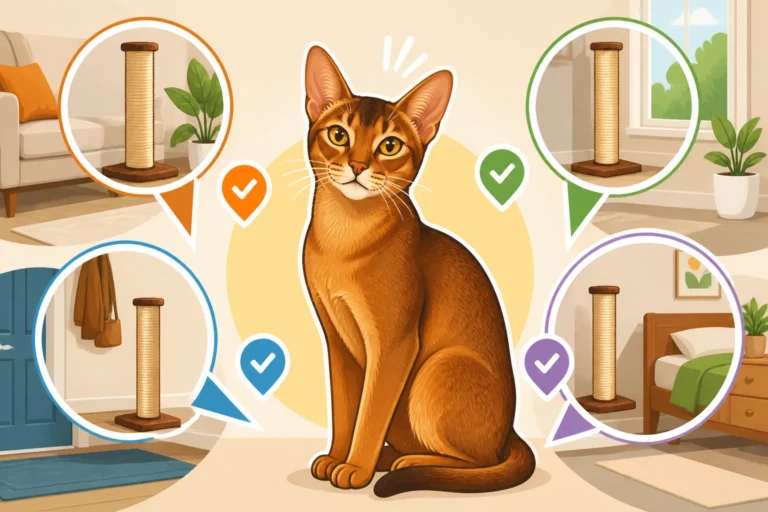
While trimming focuses on blunting those sharp tips, don't underestimate the importance of a good scratching routine for overall claw health and your Abyssinian's mental well-being. Abyssinians are active climbers and An Abyssinian Needs Height More Than It Needs Floor, so they instinctively need to scratch to stretch their muscles, mark their territory, and shed the outer layers of their claws. Providing a variety of scratching surfaces is crucial.
Invest in tall, sturdy sisal posts that your Aby can really lean into and stretch their full length on, as discussed in Why an Abyssinian Prefers a Tall Sisal Post. Consider horizontal scratchers, cardboard scratchers, and even wall-mounted options (which can be found on Amazon). Place them strategically in areas your Aby frequents, especially near their climbing zones and sleeping spots. Encourage their use with catnip or by playing near them. While scratching won't eliminate the need for trimming, it will keep their claws healthier, stronger, and potentially reduce the frequency of trims by helping them naturally shed more of the claw. This dual approach – regular trims and ample scratching opportunities – gives your climbing Abyssinian the best of both worlds.
Disclaimer
This article is for general informational purposes only and does not constitute professional advice. Laws, prices and regulations vary by location and change over time. Consult a qualified professional for guidance on your specific situation.