Why an Abyssinian Is Not a Hypoallergenic Cat
It’s a common and incredibly hopeful thought for cat lovers everywhere: finding a "hypoallergenic" cat that lets them share their home with a feline companion without suffering the sneezing, itchy eyes, and general misery of allergies. Unfortunately, when it comes to the Abyssinian, despite their short, sleek coats, the idea that they are hypoallergenic is a myth that can lead to a lot of disappointment and heartache. This guide will delve into what cat allergies truly are, why the Abyssinian isn't an exception, and how you can approach living with one if your heart is set on this incredible breed, or decide if it's simply not the right fit for your household.
The Truth About "Hypoallergenic" Cats and What Causes Allergies
Let's clear the air right from the start. The term "hypoallergenic" is a bit of a misnomer in the world of cats. No cat breed is truly 100% hypoallergenic, meaning they produce zero allergens. What the term usually implies is that certain breeds produce fewer allergens than others, or shed less, theoretically leading to a reduced allergic reaction. However, it's crucial to understand what causes those reactions.
It's Not the Hair, It's the Protein
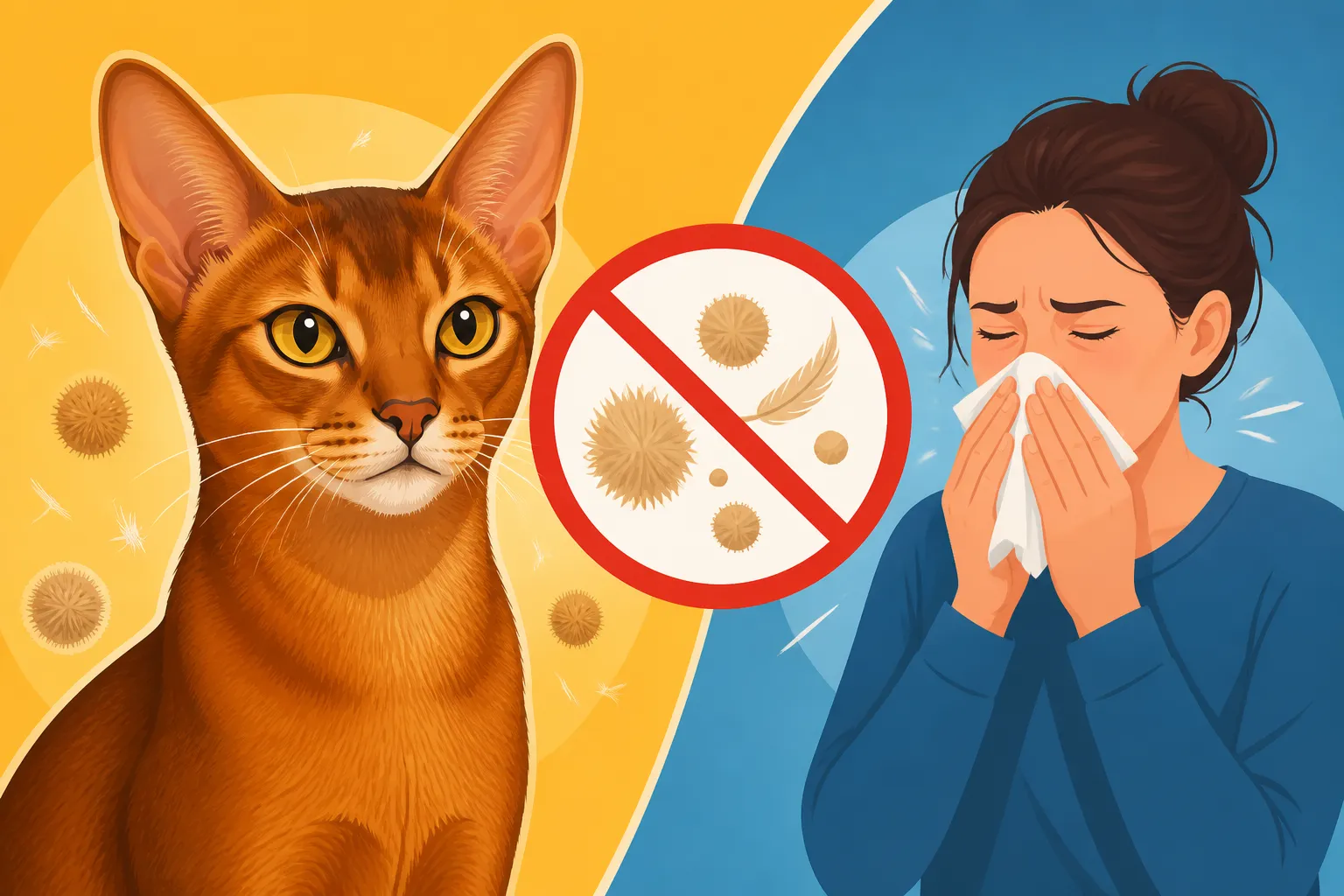
This is often the biggest surprise for people. Many assume that cat allergies are caused by the hair itself, or by excessive shedding. They might think, "Oh, an Abyssinian has such a short coat, it must not shed much, so it must be hypoallergenic!" While less shedding can help distribute allergens less widely, the hair itself isn't the primary culprit. The real issue is a specific protein, primarily Fel d 1, which is found in a cat's saliva, urine, and dander (dead skin flakes).
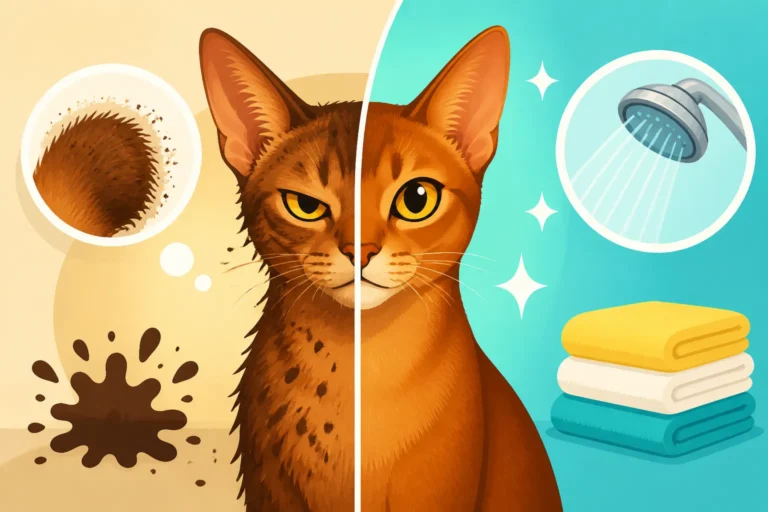
When a cat grooms itself, it deposits Fel d 1 protein onto its fur. As the fur sheds, or as tiny flakes of dander fall off the cat's skin, these microscopic protein particles become airborne and settle on every surface in your home – furniture, carpets, clothing, and even the walls. This protein is incredibly sticky and lightweight, allowing it to remain suspended in the air for long periods and travel far, clinging to everything. So, even a cat with very short hair is still constantly producing and spreading this protein just by existing and grooming.
Understanding Fel d 1 and How It Spreads
Fel d 1 is the primary allergen responsible for cat allergies in humans, affecting up to 90% of cat allergy sufferers. While some breeds might produce slightly less of this protein than others, every single cat, regardless of breed or coat length, produces Fel d 1. The level of production can vary from cat to cat, even within the same breed, and can be influenced by factors like sex (males tend to produce more, especially if unneutered), age, and individual genetic makeup. This is why some people might react less to one cat than another, even if they're both Abyssinians, leading to anecdotal evidence that can be misleading.
Think about it this way: your Abyssinian licks their beautiful ticked coat, leaving saliva (packed with Fel d 1) on every strand. Then, as they race through the house, climb their favorite Why an Abyssinian Needs More Vertical Furniture Than Most Cats, or simply settle down for a nap on your sofa, those protein-laden dander flakes are released. The short coat might mean you see less fur tumbleweeds, but the microscopic allergens are still very much present and doing their work on your immune system. It’s a frustrating reality when you just want to hug your furry friend without consequence.
Why the Abyssinian's Beautiful Coat Doesn't Prevent Allergies
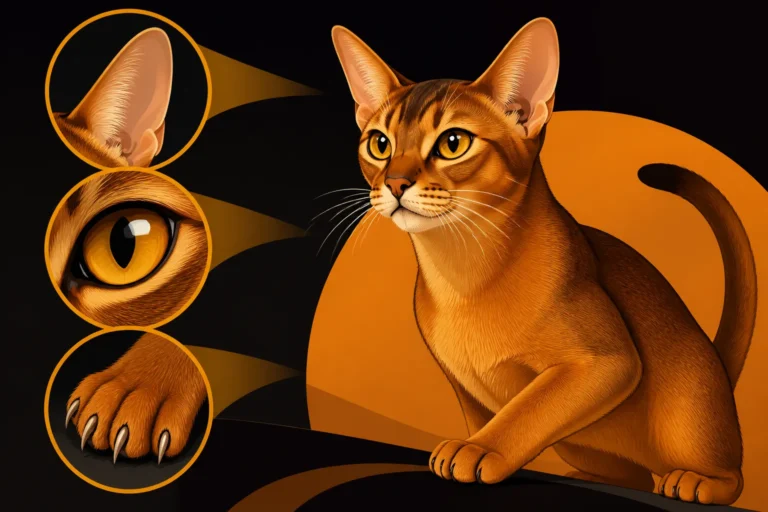
Abyssinians are undeniably stunning with their unique ticked coats and regal appearance, often described as miniature pumas. Their fur is short, fine, and lies close to their body, leading many to mistakenly believe they'd be a good choice for allergy sufferers. But alas, their distinct coat characteristics don't translate to a hypoallergenic status.
The Ticked Coat and Minimal Undercoat Myth
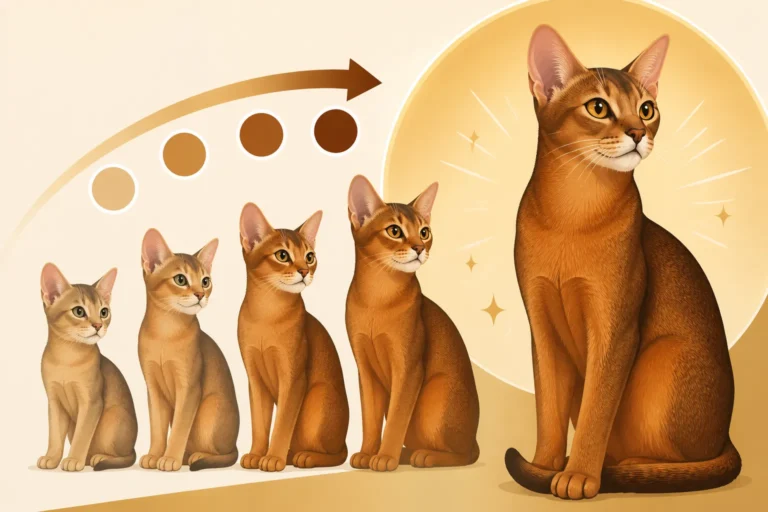
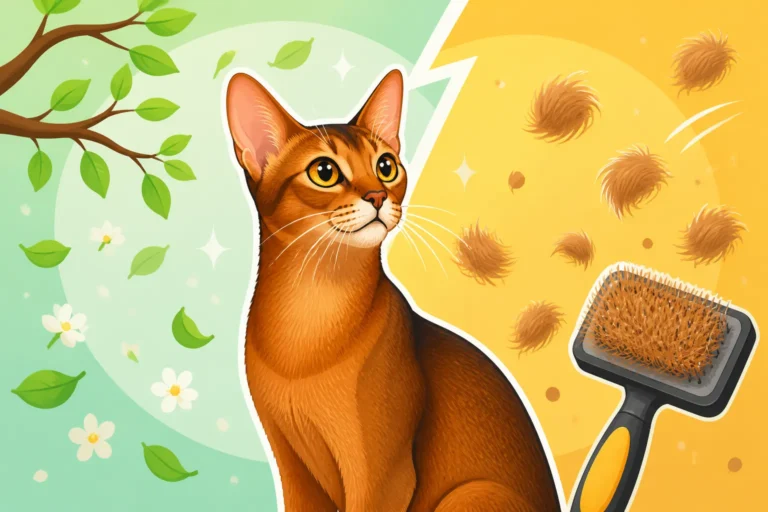
The Abyssinian's coat is truly a marvel. Each individual hair boasts bands of color, giving it that characteristic "ticked" or "agouti" appearance, much like a wild rabbit. This ticking is what makes their coats shimmer and appear to change color in different lights. They also have a famously minimal undercoat, which contributes to their sleek, almost silky feel. You can read more about The Ticked Coat Is the Whole Abyssinian Grooming Job and How Fine an Abyssinian's Coat Feels. This lack of a thick, fluffy undercoat does mean they shed less visibly than breeds with dense double coats. You might find fewer clumps of fur around your home, and certainly less than you would with, say, a Maine Coon or a Persian.
However, "less visible shedding" is not the same as "no allergen production." The Fel d 1 protein is produced by the skin glands and in the saliva, and it's present on every single hair and dander flake, regardless of how much undercoat there is or how short the hair shaft. While a reduced amount of shedding might mean less physical distribution of hair, the allergen itself is still being produced at roughly the same rate as any other cat. So, the myth that their short, fine coat somehow 'traps' allergens or prevents them from forming is simply untrue.
Shedding Still Happens, Dander Still Spreads
Even with a minimal undercoat, Abyssinians do shed. All cats shed. It's a natural process of hair growth and replacement. While you might not see massive fur piles, those tiny, almost invisible hairs, along with microscopic dander, are still being released into your environment. You can explore Why an Abyssinian's Shed Hair Is Hard to See to understand just how easily those fine hairs blend in.
Consider an Abyssinian's grooming habits. These cats are meticulously clean and spend a good portion of their day self-grooming. Every lick is a fresh application of Fel d 1 protein to their coat. As they move, play, and interact with their surroundings, those protein particles become airborne or settle on surfaces. So, while you might appreciate that your Abyssinian isn't constantly leaving a trail of visible fur behind them, the invisible allergens are still very much present. No amount of brushing, even the weekly session recommended for their coats (see An Abyssinian Needs Brushing Once a Week and No More), can eliminate the core issue of Fel d 1 production. You're simply not going to find a complete solution through coat care alone.
Here's a quick overview of why an Abyssinian isn't truly hypoallergenic:
| Factor | Common Misconception About Abyssinians | Reality for Abyssinians (and all cats) | Impact on Allergies |
|---|---|---|---|
| Allergen Source | Cat hair/shedding | Fel d 1 protein in saliva, dander, urine | Abyssinians produce Fel d 1 protein like all cats. |
| Coat Length | Short coat = less allergen | Coat length has minimal impact on Fel d 1 production | Short coat doesn't stop protein production or dander release. |
| Undercoat | Minimal undercoat = less dander/shedding | Minimal undercoat = less visible shedding, but dander still present | Less visible hair doesn't mean fewer allergens. |
| Grooming Habits | Clean cats = less allergens | Self-grooming spreads Fel d 1 from saliva onto coat | Regular grooming ensures constant distribution of allergens. |
| Shedding | Don't shed much | All cats shed; Abyssinian shedding is less visible due to fine hair | Shedding, even if subtle, releases dander into the environment. |
Living with an Abyssinian if You Have Mild Allergies
Okay, so the Abyssinian isn't hypoallergenic, and your allergy symptoms persist. But what if you've already fallen head over heels for their charming personalities and energetic antics? If your allergies are mild, and you're truly committed, there are strategies you can employ to minimize your exposure to allergens and potentially make living with an Abyssinian more manageable. It's about reducing the allergen load in your home, not eliminating it entirely.
Strategies to Reduce Allergen Load
The key here is diligence and consistency. You're fighting an uphill battle against invisible proteins, so every little bit helps.
- Establish "Cat-Free" Zones: Designate at least one room, ideally your bedroom, as a no-cat zone. This provides you with an allergen-reduced sanctuary where you can sleep and recharge without constant exposure. Use a high-efficiency particulate air (HEPA) filter in this room to further scrub the air clean.
- Frequent Cleaning: This is non-negotiable. Vacuum regularly with a vacuum cleaner equipped with a HEPA filter. Damp mop hard floors frequently. Wash bedding, curtains, and other fabrics often. Consider using anti-allergen sprays on furniture that can't be easily washed. Products are available on platforms like Amazon or Chewy that can help neutralize allergens on surfaces.
- Air Purification: Invest in good quality HEPA air purifiers for the main living areas where your Abyssinian spends time. These can significantly reduce airborne dander and other allergens.
- Grooming Routine: While brushing won't stop Fel d 1 production, it can help remove loose hairs and dander before they become airborne. Try to brush your Abyssinian regularly, perhaps outdoors or in a well-ventilated area, using a soft rubber brush or grooming mitt. Some owners even use specialized allergen-reducing wipes on their cats daily. Just remember, your Abyssinian might not sit still for long, as you'll discover if you read How to Groom an Abyssinian That Will Not Stay Still.
- Consider Allergen-Reducing Cat Food: Some specialized cat foods are formulated to reduce Fel d 1 in a cat's saliva, which in turn can reduce the amount of allergen transferred to their coat during grooming. Such foods might be worth exploring through pet food suppliers. It’s not a magic bullet, but it can contribute to a multi-pronged approach.
Managing Your Environment and Your Cat's Care
Beyond direct allergen reduction, consider these broader care and environmental adjustments:
- Handwashing: Make it a habit to wash your hands immediately after petting your Abyssinian. Avoid touching your face, especially your eyes, before washing.
- Ventilation: Open windows when weather permits to circulate fresh air, which helps dilute indoor allergens.
- Diet and Hydration: A healthy cat with a good diet and proper hydration tends to have healthier skin and coat, potentially reducing excessive dander. Ensure your Abyssinian has access to plenty of fresh water, perhaps even a flowing water fountain, as hydration is particularly important for this breed given the risk of kidney issues (though this doesn't directly impact allergen production, it's good overall care). You can learn more about Why an Abyssinian's Kidneys Make Water Intake Matter.
- Litter Box Hygiene: Cat urine also contains Fel d 1. Keep the litter box meticulously clean. Scooping daily and changing the litter frequently can help. Consider an open litter box, as some covered boxes can concentrate allergens, making for a stronger burst when opened, though some cats prefer covered ones. Why an Abyssinian Prefers an Open Litter Box discusses their preferences.
It's a lot of work, and it requires unwavering commitment. For some with very mild allergies, these steps can make a real difference. For others, unfortunately, it might not be enough.
The Reality Check: When an Abyssinian is Not the Right Fit
This is the hard truth no one wants to hear, especially when you've envisioned a life with a playful, intelligent Abyssinian. But sometimes, despite our best efforts and deepest desires, an Abyssinian, or any cat, might simply not be a viable companion for someone with significant allergies. It’s better to face this reality early than to bring a cat into your home only to have to rehome it later, causing distress for both you and the animal.
Allergy Testing and Personal Tolerance
Before you commit to bringing an Abyssinian, or any cat, into an allergy-prone household, consider getting a formal allergy test from an allergist. This can help confirm that cats are indeed the primary trigger and give you a sense of the severity of your reaction. A simple skin prick test or a blood test (like a RAST test) can provide valuable information.
More importantly, spend time with Abyssinians. Visit a reputable breeder's cattery (if they allow it for allergy testing purposes), or visit friends who own Abyssinians. Don't just spend five minutes; try to spend a few hours, or even a full day, if possible. See how your body reacts in a prolonged, real-world setting. Pay attention to how you feel the next day, too. Some people have delayed reactions. If you experience severe symptoms – significant respiratory distress, extreme itching, hives, or swelling – an Abyssinian is likely not a suitable pet for you. It's not worth compromising your health or living in constant discomfort.
Considering Alternatives (or a Different Pet)
If repeated exposure to Abyssinians consistently triggers strong allergic reactions, it's time to be realistic. It might be heartbreaking, but it's the responsible choice for your health and the cat's well-being. Continuously exposing yourself to an allergen can, over time, worsen your allergies, leading to more severe symptoms or even developing asthma.
Here are some alternatives to consider:
- Breeds Claimed to Produce Fewer Allergens (with caution): While no cat is truly hypoallergenic, some breeds are often cited as producing less Fel d 1 or shedding less. These include the Siberian, Balinese, or Sphynx. However, the same caveats apply: individual variation is huge, and personal tolerance is key. You'd need to test your reaction to these breeds just as thoroughly.
- Other Pets: If cat allergies are a deal-breaker, perhaps another type of pet could bring joy to your life. Dogs, fish, birds, or small mammals like guinea pigs (which have their own allergens, but different ones) might be options.
- No Pet: And sometimes, the honest answer is that a pet-free home is the healthiest and most peaceful option. It’s a difficult conclusion, but one that prevents future heartache and health issues.
Ultimately, wanting an Abyssinian when you have allergies is a tough spot to be in. Their vibrant personalities and stunning looks are incredibly appealing. But understanding the science behind cat allergies and being realistic about your own body's reactions is crucial. While you might reduce the allergen load in your home, you cannot eliminate it, and the well-being of both you and your potential feline companion should always be the top priority.
Disclaimer
This article is for general informational purposes only and does not constitute professional advice. Laws, prices and regulations vary by location and change over time. Consult a qualified professional for guidance on your specific situation.