Why a Slicker Brush Is Wrong for an Abyssinian
When you first bring home an Abyssinian, you might look at that sleek, shimmery coat and think, "Okay, a quick brush and we're done!" But it's not quite that simple. Many well-meaning cat parents grab a slicker brush, assuming it's the go-to for all cat coats, only to find it doesn't quite work, or worse, seems to be damaging that beautiful ticking. This guide will dive deep into why a slicker brush is the absolute wrong choice for your Abyssinian and what you should be using instead to keep their coat in tip-top condition.
The Abyssinian's Unique Coat: Why It's Not Like Other Cats'
The Abyssinian's coat is truly a marvel, and it's unlike many other cat breeds you might encounter. It's this unique structure that dictates how we should (and shouldn't) groom them. Understanding the science behind their shimmering fur is the first step to becoming a great Abyssinian parent.
The Ticked Pattern and Minimal Undercoat
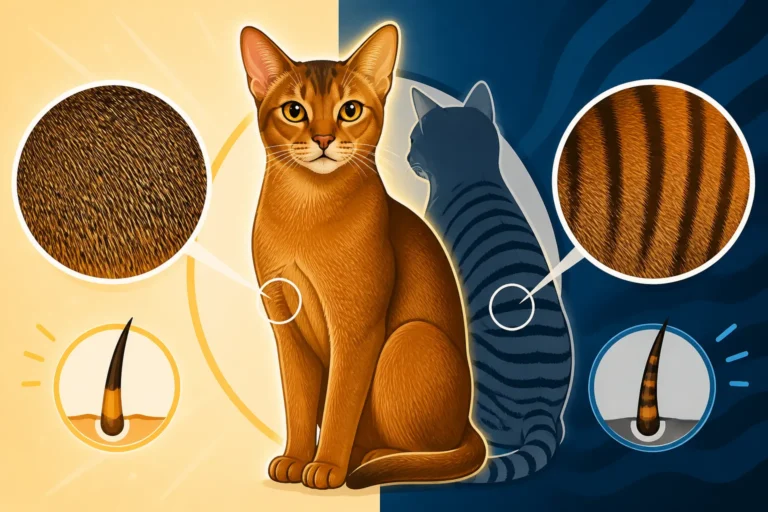
The hallmark of an Abyssinian's coat is its "ticking." This isn't just a fancy word; it's a specific genetic trait where each individual hair shaft has bands of color along its length, usually three or four, with darker bands at the tip and base, and lighter bands in the middle. This creates that stunning, iridescent quality where the coat seems to change color as your Abyssinian moves, catching the light in different ways. It’s what gives them that wild, un-domesticated look and why they are so often mistaken for small, wild felids. How an Abyssinian's Agouti Banding Works explains this in more detail.
What's crucial to understand is that Abyssinians also have a very minimal undercoat. Unlike breeds like Persians or Maine Coons, which have a dense, woolly layer beneath their topcoat, an Abyssinian's fur lies close to the body, feeling fine and soft to the touch. This lack of a heavy undercoat means they don't shed nearly as much as some other breeds, and their grooming needs are significantly different. Their coat is essentially a single layer of guard hairs, designed for sleekness and warmth without bulk, and it's often described as being the "whole Abyssinian grooming job." The Ticked Coat Is the Whole Abyssinian Grooming Job touches on this perfectly.
Why Common Brushing Tools Don't Understand the Abyssinian Coat
Because most commercially available brushes are designed for cats with thick, double coats – specifically, those with a lot of undercoat to de-shed – they are completely unsuitable for an Abyssinian. These tools, including many slicker brushes, often have stiff, closely packed wire bristles or sharp blades meant to pull out loose undercoat. When applied to an Abyssinian's delicate, single-layered coat, they can actually cause more harm than good.
Imagine trying to brush fine silk with a stiff wire brush; the fabric would snag, pull, and ultimately tear. The same principle applies here. The Abyssinian's coat doesn't have that dense under-layer to protect it from harsh bristles. Instead, those bristles go straight for the delicate guard hairs, which are essential for maintaining the ticked appearance and the coat's overall health and shine. It's a common misconception that all cats need aggressive brushing, but for the Abyssinian, less is definitely more, and the right tools make all the difference.
The Damage a Slicker Brush Can Do
It's natural to reach for a slicker brush if you've had other cats or haven't been specifically educated on Abyssinian coat care. After all, they're marketed heavily for "shedding control" and "detangling." But for your Aby, this popular tool can inadvertently wreak havoc on their beautiful, unique fur.
Ripping Out the Delicate Guard Hairs
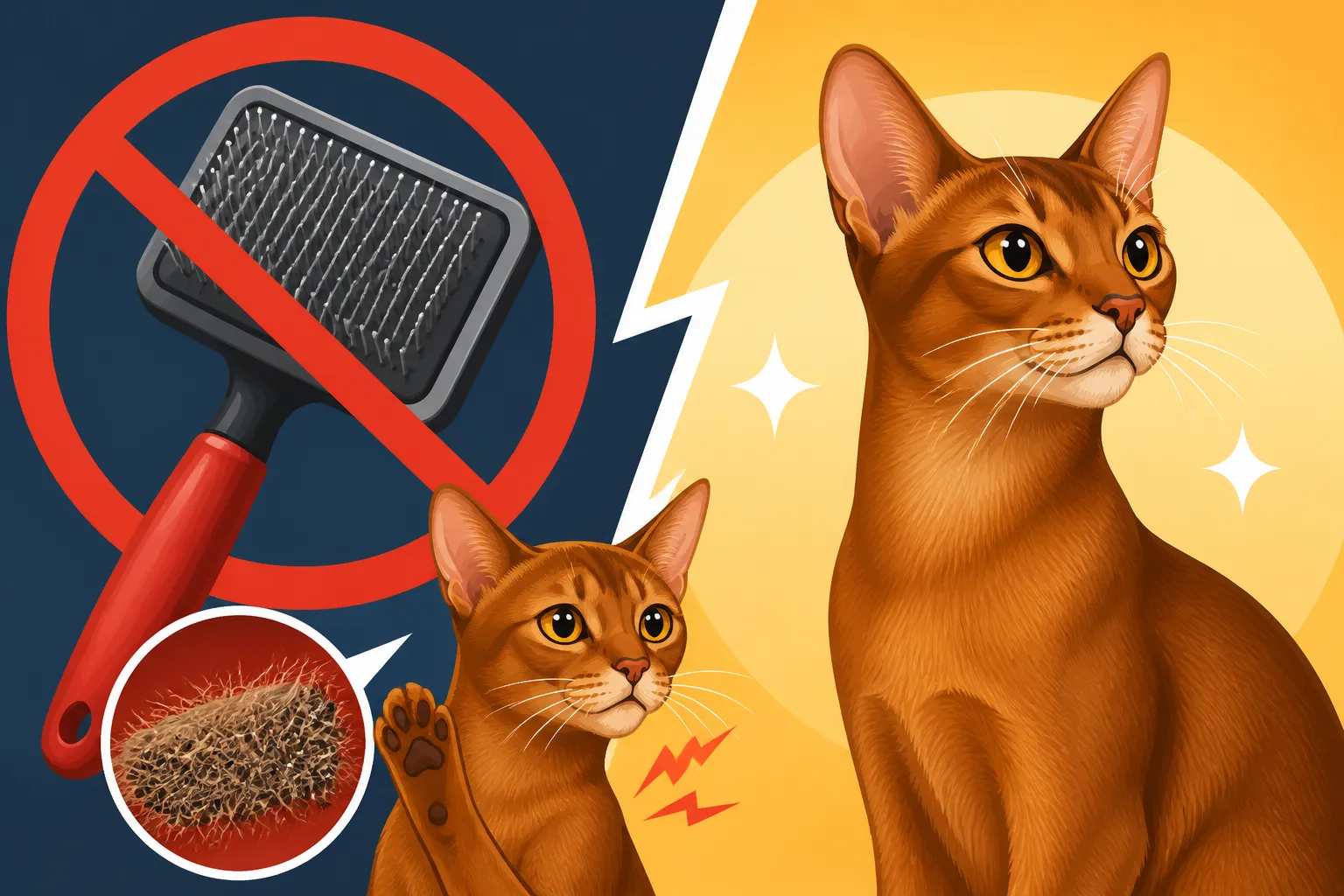
The main problem with slicker brushes for an Abyssinian lies in their design. They feature a dense bed of fine, stiff wire bristles, often with a slight bend at the tip, attached to a flat or curved base. These bristles are incredibly effective at grabbing and pulling out loose undercoat from breeds that have it. However, since your Abyssinian practically doesn't have an undercoat, these bristles instead latch onto the delicate guard hairs that form the outer, ticked layer of their fur.
When you use a slicker brush, those wire pins are literally tearing out healthy guard hairs. It's like trying to remove a splinter with pliers – you end up damaging the surrounding skin more than helping. This isn't just about aesthetics; these guard hairs are integral to your Abyssinian's natural protection and the structural integrity of their coat. You might notice your cat recoiling or becoming agitated during brushing, which is a clear sign that the process is uncomfortable and potentially painful because their delicate hairs are being pulled.
Destroying the Ticking and Causing Coat Damage
The most disheartening consequence of using a slicker brush on an Abyssinian is the destruction of their signature ticking. Each guard hair, with its multiple bands of color, is what gives the Abyssinian its distinct shimmer and depth. When these hairs are repeatedly pulled out, the coat starts to lose its vibrancy and can appear dull or patchy. You might even notice areas where the ticking seems "flattened" or less defined. Why the Wrong Brush Flattens an Abyssinian's Ticking further explains how detrimental improper tools can be to this unique coat characteristic.
Beyond the loss of ticking, frequent slicker brushing can also lead to more serious coat damage, such as breakage, thinning, and even skin irritation. The repeated friction and pulling can traumatize the hair follicles, potentially leading to slower regrowth or even bald patches in extreme cases. Instead of promoting a healthy, shiny coat, you could inadvertently be creating a dull, damaged one that is prone to static and less resilient. For Abyssinians, the goal isn't to remove vast amounts of fur but to maintain the health and beauty of what's already there, and a slicker brush fundamentally undermines this.
The Right Tools for a Happy Abyssinian Coat
Now that we understand why certain brushes are a no-go, let's talk about what actually works. The good news is, grooming an Abyssinian is usually a relatively quick and gentle affair, especially if you have the right tools and technique. It's all about enhancing their natural beauty, not fighting against it.
Gentle Brushing for Shine and Circulation
For your Abyssinian's short, sleek coat, the best tools are those that promote circulation, remove loose surface hair without pulling, and distribute natural oils. A soft rubber grooming mitt or a fine-toothed metal comb with rounded teeth are ideal choices. Which Grooming Mitt Suits an Abyssinian provides some excellent examples of the type of soft mitts that work wonders.
When using a rubber mitt, you're essentially giving your Abyssinian a gentle massage. The soft nubs stimulate the skin, which helps with blood flow and encourages healthy oil production, leading to a shinier coat. Any loose hairs that might be shed are gently picked up by the mitt. For a fine-toothed comb, choose one designed for short-haired cats. You'll want to comb in the direction of hair growth, using very light pressure. This helps to smooth the coat, remove any lingering loose hairs, and prevent the rare tangle. Both methods are comfortable for your cat and help maintain that beautiful ticked appearance.
The Art of the Finish: Chamois and Hand-Grooming
To truly bring out the lustrous shine of your Abyssinian's coat, you can't beat a final polish with a chamois cloth or even just your bare hands. After a gentle brushing session, take a clean, soft chamois cloth (the kind used for polishing cars or windows works perfectly) and lightly rub it over your cat's fur. You'll be amazed at how this simple step enhances the natural sheen. Why a Chamois Finishes an Abyssinian's Coat details this technique.
Alternatively, a quick rub-down with your hands can also do the trick. The natural oils from your skin, combined with the gentle friction, help to smooth down the cuticle of each hair shaft, reflecting light and making the coat look incredibly glossy. This is also a fantastic bonding experience for you and your cat, as most Abyssinians adore the attention and physical contact. It's not about aggressive removal of hair; it's about finessing what's already there to make it look its absolute best.
Beyond the Brush: Holistic Coat Health
While proper brushing tools are essential, a truly healthy and vibrant Abyssinian coat comes from a more holistic approach. What goes into their body, and the environment they live in, play equally crucial roles in maintaining that stunning ticked fur.
Nutrition for a Luminous Coat
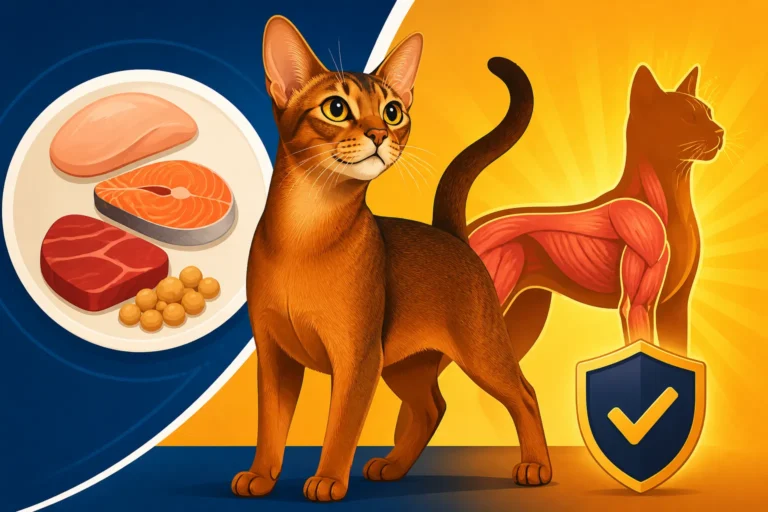
You know the saying, "you are what you eat"? Well, your Abyssinian's coat is what they eat too! A high-quality diet is paramount for maintaining a healthy, shiny coat. Look for cat foods that list real meat (like chicken, turkey, or fish) as the first ingredient and are rich in animal-based protein. These proteins provide the essential amino acids needed for healthy hair growth.
Beyond protein, omega-3 and omega-6 fatty acids are coat superstars. These fats, often found in fish oils or flaxseed, contribute to skin health and a glossy coat, reducing dryness and dullness. Many premium brands, available from places like Chewy or Amazon, offer formulas specifically designed for skin and coat health. While I can't name specific products, look for terms like “skin and coat support” or “rich in omega fatty acids” on the label. Foods made with fresh, high-quality ingredients often lead to noticeable improvements in coat quality. Remember, a dull coat can sometimes be the first indicator of a dietary imbalance, so feed them the best you can.
Environmental Factors and Shedding
Even though Abyssinians have a minimal undercoat, they still shed, albeit much less noticeably than many other breeds. Why an Abyssinian's Single Ticked Coat Barely Sheds highlights this. Seasonal changes can influence shedding patterns; many cats will "blow their coat" more in spring as they prepare for warmer weather, or thicken it slightly in winter. Indoor heating can sometimes create an unnaturally constant environment, leading to a more consistent, low-level shedding throughout the year.
Maintaining a comfortable indoor climate can help. While you can't stop natural shedding, providing a clean, dust-free environment and ensuring your Abyssinian has access to fresh water can support overall skin and coat health. Furthermore, a happy, stress-free cat generally has a healthier coat. If you notice excessive shedding or changes in coat texture, beyond what seems normal for the season, it's always a good idea to consult your veterinarian to rule out any underlying health issues. Sometimes, a dull or coarse coat can be a sign that something deeper is going on.
| Grooming Tool | Suitable for Abyssinian? | Reason | Ideal Outcome |
|---|---|---|---|
| Slicker Brush | No | Stiff wires rip out delicate guard hairs, damages ticking. | Dull, damaged, patchy coat |
| Rubber Grooming Mitt | Yes | Soft nubs gently remove loose hairs, stimulate skin, distribute oils. | Healthy, shiny, well-circulated coat |
| Fine-toothed Metal Comb | Yes (rounded teeth) | Gently smooths coat, removes surface debris, prevents tangles, minimal shedding. | Smooth, neat, tangle-free coat |
| Deshedding Tool (e.g., FURminator) | No | Designed for dense undercoats; will cut and damage the Abyssinian's single coat layer. | Coat damage, uneven texture, loss of ticking |
| Chamois Cloth | Yes | Polishes coat, enhances natural shine, removes fine dust. | Luminous, glossy, show-ready coat |
| Soft Bristle Brush | Yes (very soft) | Gentle for light daily grooming, helps distribute oils, light massage. | Soft, well-conditioned coat |
This table clearly illustrates the difference between tools that are beneficial for an Abyssinian and those that should be avoided. Investing in the right tools and understanding their coat's unique needs will ensure your Abyssinian's fur remains as magnificent as their personality. It’s not just about removing hair; it's about nurturing their natural beauty, ensuring they are comfortable, and preventing any unnecessary damage to their distinctive ticked coat.
Disclaimer
This article is for general informational purposes only and does not constitute professional advice. Laws, prices and regulations vary by location and change over time. Consult a qualified professional for guidance on your specific situation.