Why an Old Abyssinian Needs Its Protein Kept Up
It's a bittersweet truth that our vibrant, always-on-the-go Abyssinians eventually reach their golden years. Watching their boundless energy wane can be heartbreaking, and one of the biggest challenges we face as their guardians is making sure their changing bodies get the right fuel. Many owners struggle with finding the perfect balance for their senior cat's diet, especially when it comes to maintaining muscle mass, which is absolutely crucial for their long-term health and quality of life. This guide will walk you through why keeping your old Abyssinian's protein intake high is paramount, what to look for in their food, and how to encourage them to eat it.
The Shifting Sands of Senior Metabolism in Abyssinians
Just like us, our Abyssinian companions don't stay young forever. Their bodies undergo a series of changes that impact everything from their energy levels to how efficiently they process nutrients. What worked for them as a spry youngster might not be cutting it for their wise, senior self. Understanding these metabolic shifts is the first step in providing the best care possible.
Why Muscle Loss is a Silent Threat
One of the most insidious changes that comes with age in cats, including our active Abyssinians, is sarcopenia – the age-related loss of muscle mass. You might notice your cat looking a little less sleek, a bit bonier around the hips or spine, even if their overall weight hasn't dropped dramatically. This isn't just a cosmetic change; it's a significant health concern. Muscle isn't just for movement; it's a metabolic powerhouse, crucial for maintaining strength, agility, and even a robust immune system. As muscle mass diminishes, your Abyssinian becomes weaker, less capable of jumping to their favorite high perches, and more susceptible to injuries from falls. They might also find it harder to regulate their body temperature or recover from illness. We all want our Aby to retain that spring in their step for as long as possible, and preserving muscle is key to that. What an Old Abyssinian Slows Down From often includes this gradual muscle decline, making it harder for them to do the things they love.
Energy Demands and Nutrient Absorption
You might think that because your senior Abyssinian is less active, they need fewer calories overall. While they might burn slightly fewer calories from sheer zoomies, their bodies actually become less efficient at absorbing nutrients as they age. This means that to get the same amount of goodness from their food, they often need a higher concentration of certain key ingredients, particularly protein. Their digestive system might not be breaking down food as effectively, and their metabolism is working a little differently. This isn't about overfeeding them; it's about providing the right kind of calories and nutrients. If they're not absorbing enough, they can quickly fall into a deficit, exacerbating muscle loss and general weakness.
The Critical Role of Protein for Aging Abyssinians
Protein isn't just about big, bulging muscles; it's fundamental to nearly every bodily function. For a senior Abyssinian, it takes on an even more vital role, acting as the primary defense against the natural wear and tear of aging. Without adequate, high-quality protein, their body struggles to repair itself, fight off illness, and maintain essential bodily processes.
Building Blocks for Body Maintenance
Think of protein as the LEGO bricks for your cat's entire body. Every cell, every tissue, every enzyme, and every antibody relies on protein. For an aging Abyssinian, this means protein is essential for:
- Muscle Maintenance and Repair: Directly combating sarcopenia. It helps rebuild and maintain existing muscle fibers, keeping them stronger for longer.
- Immune System Support: Antibodies, which are crucial for fighting off infections and diseases, are made of protein. A protein-deficient cat will have a compromised immune system, making them more vulnerable.
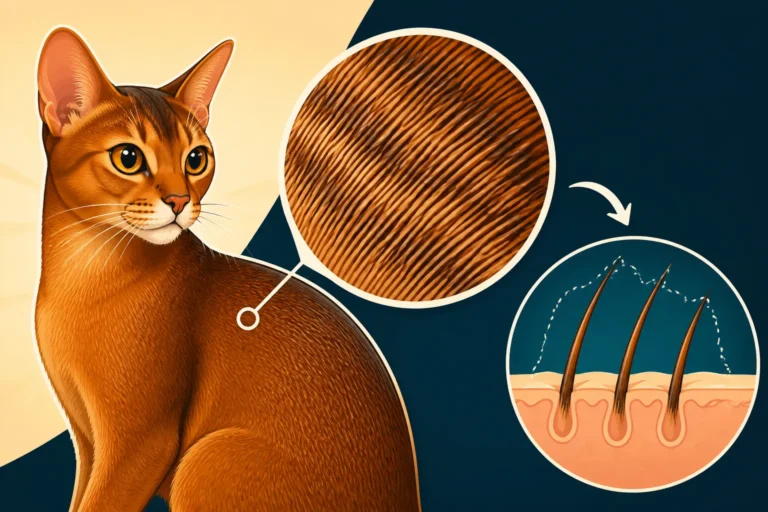
- Healthy Skin and Coat: Our Abyssinians are renowned for their stunning, ticked coats. Protein is vital for healthy skin and hair growth. A dull, coarse coat can sometimes be a sign of inadequate protein, or certainly a general decline in health. Caring for an Abyssinian Whose Ticking Has Gone Coarse often involves looking at their overall nutrition.
- Organ Function: Protein is necessary for the proper functioning of vital organs like the heart, liver, and kidneys. While some older cats might have kidney issues where protein needs careful management, high-quality, easily digestible protein is generally beneficial, not detrimental, for healthy senior kidneys, and your vet can guide you specifically on this balance.
It's a common misconception that protein is bad for older kidneys. Unless your Abyssinian has already been diagnosed with significant kidney disease and your vet has specifically prescribed a reduced protein diet, restricting protein can actually do more harm than good by accelerating muscle wasting. The focus should be on high-quality, highly digestible protein, not necessarily reducing the quantity if the kidneys are still functioning well. How an Old Abyssinian's Kidneys Are Monitored is crucial for making informed dietary decisions.
Sourcing Quality Protein
Not all protein is created equal. For your senior Abyssinian, quality absolutely matters. You're looking for highly digestible animal-based protein sources, which are far more bioavailable for cats than plant-based proteins.
When scanning ingredient lists on cat food, look for real meat as the first few ingredients. This means things like:
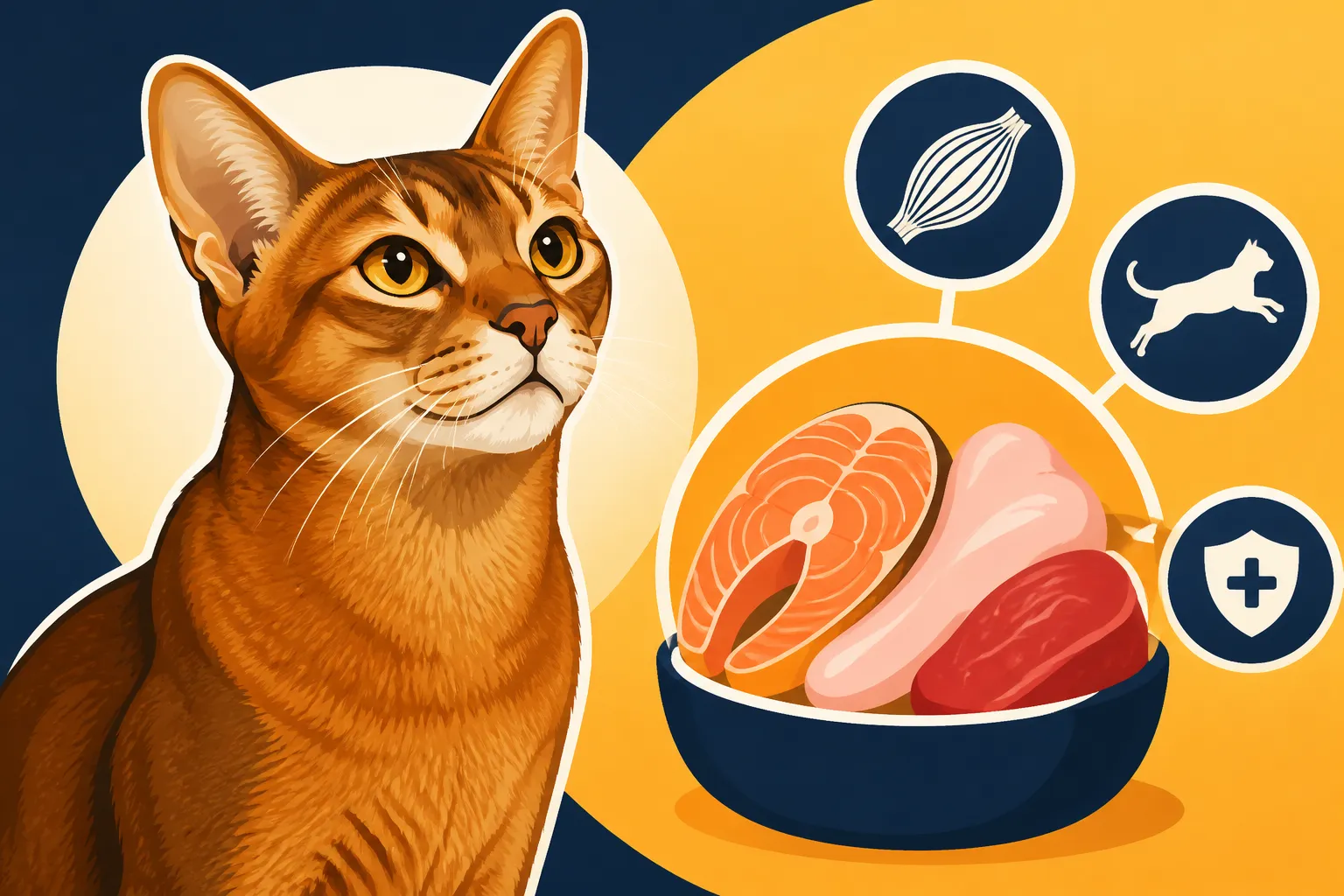
- Chicken, turkey, beef, lamb, fish (salmon, tuna)
- Meat meal (e.g., chicken meal, turkey meal – these are concentrated protein sources, not fillers, often higher in protein than whole meat by weight)
- Eggs
Avoid foods where the primary protein sources are vague "meat by-products" without further specification, or rely heavily on plant proteins like corn gluten meal or pea protein. While some plant protein might be present, it shouldn't be the main event.
Many premium cat food brands, available on platforms like Chewy or Amazon, specifically formulate diets for senior cats that emphasize higher quality protein. Fresh food made with human-grade, whole-meat ingredients can also be an excellent option for older cats who might be struggling with traditional kibble. Always check the guaranteed analysis on the back of the bag or can to see the actual protein percentage. For a senior Abyssinian, a diet with a crude protein content of at least 30-35% on a dry matter basis is a good starting point, though many high-quality wet foods will be even higher.
Practical Steps to Boost Your Senior Abyssinian's Protein Intake
Once you understand why protein is so vital, the next step is figuring out how to ensure your beloved Aby is actually getting enough. Sometimes it's not just about the food you buy, but how you present it, and how you manage their meals.
Choosing the Right Diet
The type of food you offer can make a huge difference in protein intake and overall hydration.
- Wet Food is Your Friend: If your Abyssinian is getting older, transitioning them to a mostly or exclusively wet food diet can be incredibly beneficial. Wet food typically has a higher protein content per calorie than dry kibble, and critically, it provides much-needed moisture. Hydration is vital for all cats, but especially seniors, as it supports kidney function and overall health. Why Wet Food Protects an Abyssinian's Kidneys is a topic every Aby owner should understand, particularly as their cat ages.
- High-Quality Kibble: If your Abyssinian insists on kibble, ensure it's a high-protein, low-carb formula. Many senior-specific dry foods exist, but always check the ingredient list carefully. If they struggle with chewing, you might need to moisten their kibble with a little warm water or broth.
- Protein Supplements: For very finicky eaters or those needing an extra boost, discuss protein supplements with your vet. Options like unflavored, unsweetened meat-based baby food (check ingredients carefully!), or even a dash of high-quality, plain bone broth can sometimes pique their interest and add a little extra protein.
Encouraging Eating and Hydration
Older cats can become picky, or their sense of smell might diminish, making food less appealing. Here are some strategies to get them to eat:
- Warm it Up: Gently warming wet food to body temperature can enhance its aroma and make it more palatable. Just ensure it's not hot.
- Small, Frequent Meals: Instead of one or two large meals, offer several small meals throughout the day. This can be less overwhelming for their digestive system and keep their interest piqued.
- Variety of Textures: Some older cats prefer pâtés, others chunks in gravy. Experiment to find what appeals most.
- Quiet Feeding Area: Ensure their eating spot is calm, safe, and away from noisy household traffic or other pets.
- Elevated Bowls: If your Abyssinian has arthritis or joint pain, an elevated bowl can make eating more comfortable by reducing strain on their neck and joints.
- Water, Water, Water: Alongside wet food, always provide fresh water in multiple locations. Consider a cat fountain, as many Abyssinians are drawn to running water. Hydration is crucial for processing protein and maintaining overall health.
- Stimulate Appetite: If your Aby is truly refusing food, your vet might be able to suggest an appetite stimulant. This should always be a last resort and under veterinary guidance.
Remember, How to Adjust an Old Abyssinian's Food isn't just about changing brands; it's about changing how you feed them, too.
Monitoring Your Senior Abyssinian's Health
You're doing your best with their diet, but how do you know if it's working? Regular monitoring, both at home and with your veterinarian, is paramount for ensuring your senior Abyssinian is thriving and that their protein intake is indeed sufficient for their needs.
Regular Vet Check-ups and Bloodwork
Annual, or even semi-annual, veterinary check-ups become increasingly important as your Abyssinian ages. Your vet is your best partner in navigating their senior years. During these visits, they can:
- Assess Body Condition Score: Beyond just weight, a vet can accurately assess your cat's body condition, looking for signs of muscle wasting. How to Read an Abyssinian's Body Condition Through That Coat is something a vet is expert at, even with the tricky ticked coat.
- Perform Bloodwork and Urinalysis: These tests are invaluable. Blood tests can check organ function (especially kidneys and liver), protein levels, and red blood cell counts, all of which can be affected by diet and aging. Urinalysis can detect early signs of kidney disease or urinary tract infections. Which Blood Panel an Abyssinian Should Have Yearly for a middle-aged or senior cat is comprehensive and designed to catch issues early.
- Discuss Dietary Needs: Your vet can recommend specific senior diets or supplements tailored to your Abyssinian's individual health status, factoring in any existing conditions. They can also advise on appropriate protein levels if kidney function is a concern.
These check-ups are not just about reactive treatment; they're about proactive care, catching potential issues before they become serious problems.
Observing Body Condition and Activity Levels
You are your Abyssinian's primary observer, and your daily insights are incredibly valuable. Keep a close eye on these indicators:
- Muscle Mass: Gently feel along their spine and hips. Do you feel bones protruding more than before? Can you easily feel their ribs without them being overly prominent? A healthy senior Aby should still have good muscle padding.
- Energy Levels: While some slowdown is normal, a drastic reduction in activity, reluctance to jump, or prolonged lethargy is a red flag. Are they still interested in Which Games Suit an Old Abyssinian? Even gentle play can tell you a lot.
- Appetite and Thirst: Any significant change in how much they eat or drink warrants attention. A sudden increase in thirst, for example, can be an early sign of underlying health issues, including kidney problems or hyperthyroidism.
- Coat Condition: A dull, greasy, or matted coat can indicate they're not grooming themselves properly due to discomfort or illness, or that their nutritional status is lacking.
- Stool Quality: Changes in stool consistency can signal digestive issues or that they're not absorbing nutrients effectively.
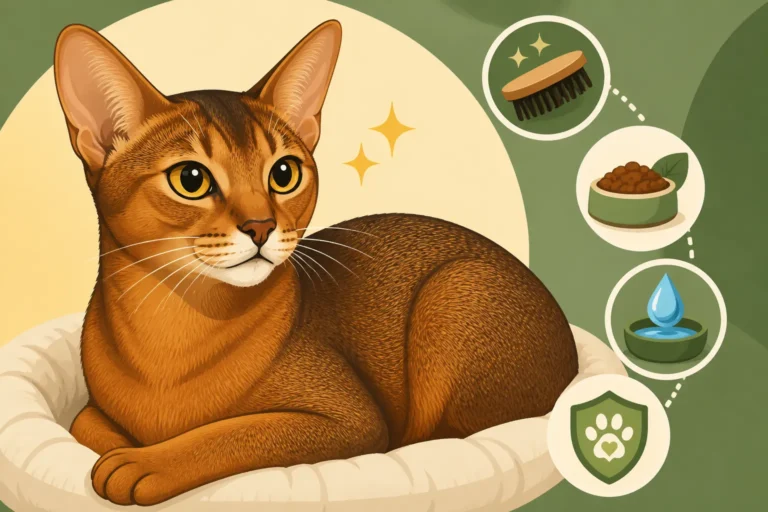
By paying close attention to these details, and coupling it with regular veterinary oversight, you can ensure your beloved Abyssinian receives the optimal nutrition, especially the vital protein, to enjoy their golden years with as much comfort and joy as possible.
Senior Abyssinian Dietary Considerations Checklist
To help you keep track of the key points for your senior Abyssinian's diet, here's a quick checklist. Remember, always consult your veterinarian for personalized advice!
| Consideration | Why It Matters | Action Point |
|---|---|---|
| High-Quality Protein | Combats muscle loss (sarcopenia), supports immunity. | Choose foods with real meat as top ingredients. Aim for 30-35%+ dry matter protein. |
| Hydration (Wet Food) | Supports kidney health, aids digestion, nutrient absorption. | Transition to wet food or mix wet with kibble. Offer water in multiple spots. |
| Digestibility | Older cats are less efficient at absorbing nutrients. | Look for highly digestible formulas; consider specific senior diets. |
| Appetite Stimulation | Declining senses can make food less appealing. | Warm food, offer small frequent meals, try different textures. |
| Joint Support | Protein, plus supplements like glucosamine, help mobility. | Discuss joint supplements with your vet. Consider elevated bowls. |
| Regular Vet Checks | Essential for monitoring health, bloodwork, and kidney function. | Schedule annual or bi-annual exams, including blood panels. |
| Observe Body Condition | Visual and tactile assessment of muscle mass and weight. | Regularly feel along spine/hips. Monitor for changes in activity levels. |
This article is for general informational purposes only and does not constitute professional advice. Laws, prices and regulations vary by location and change over time. Consult a qualified professional for guidance on your specific situation.