How a Carrier Abyssinian Differs From an Affected One
Finding out your beloved Abyssinian's genetic test results can be a rollercoaster of emotions, especially when you encounter terms like "carrier" and "affected." It's completely normal to feel confused, anxious, or even overwhelmed by the scientific jargon, wondering what these diagnoses truly mean for your cat's health and future. This guide aims to clear up that confusion, breaking down the critical differences between a carrier Abyssinian and one that is actually affected by a genetic condition, so you can confidently understand and care for your feline companion.
Understanding Genetic Inheritance in Abyssinians
The world of feline genetics might seem like a maze, but understanding a few basic principles can make a huge difference in interpreting your Abyssinian's health reports. When we talk about genetic diseases, especially in purebred cats like Abyssinians, we're often dealing with specific mutations that are passed down through generations.
The Basics of Recessive Genes
Many of the genetic conditions we test for in Abyssinians are inherited in an autosomal recessive pattern. What does this mean in plain language? It means that a cat needs to inherit two copies of the faulty gene – one from each parent – to actually develop the disease. If a cat inherits only one copy of the faulty gene and one normal copy, they become a "carrier." A carrier cat typically doesn't show any symptoms of the disease itself because the single normal gene copy is usually enough to produce the necessary proteins or functions. Think of it like a backup generator; as long as the main power is on, you don't even know the backup is there. But they can pass that single faulty gene copy on to their kittens.
This is a crucial distinction, as a carrier Abyssinian is, in most respects, a perfectly healthy cat. They live full, vibrant lives without ever experiencing the illness associated with the gene they carry. The concern with carriers primarily arises in breeding programs, where understanding Why Two Carrier Abyssinians Should Never Be Bred becomes paramount to prevent affected kittens from being born. For a pet Abyssinian who won't be breeding, being a carrier usually holds no personal health implications for them, which can be a huge relief for owners.
How a Gene Panel Is Interpreted
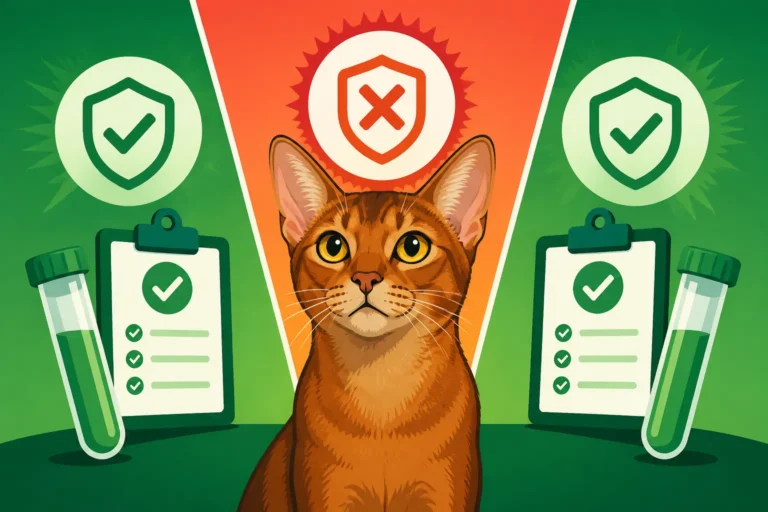
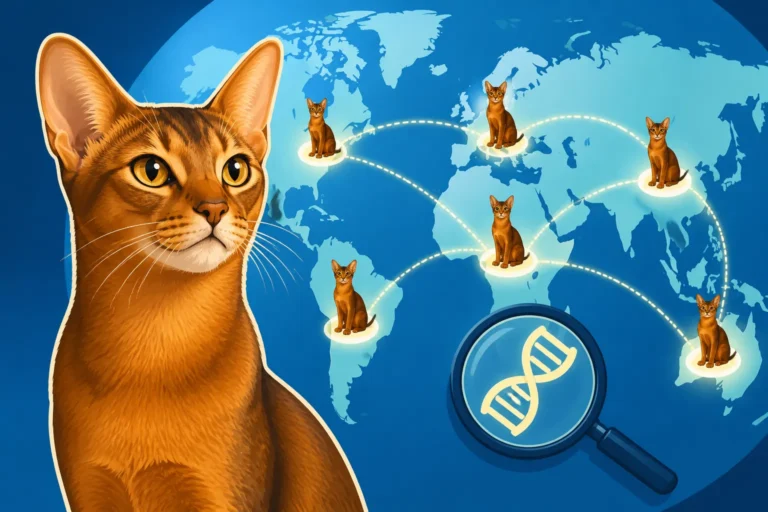
When your Abyssinian undergoes a genetic panel, like those offered by labs like Optimal Selection or Orivet, you'll receive results that typically categorize your cat as "Clear," "Carrier," or "Affected." A "Clear" result means your cat does not have the gene mutation in question and cannot pass it on. This is the ideal outcome for any gene test. A "Carrier" result, as discussed, means they have one copy of the mutated gene but usually won't show symptoms. An "Affected" result means they have inherited two copies of the mutated gene, meaning they are highly likely to develop, or are already developing, the disease.
These panels are incredibly powerful tools for responsible breeders and owners alike. Understanding How the Abyssinian's DNA Panel Is Ordered and interpreting its results can guide critical decisions. For example, a breeder might have a valuable cat who is a carrier for a condition like PK Deficiency. Instead of removing that cat from their breeding program entirely, they can responsibly pair them with a "Clear" mate, ensuring that no kittens will be born affected, although some may still be carriers. For a pet owner, knowing your cat's status can prepare you for potential future health issues if they are affected, or simply provide peace of mind if they are clear or a healthy carrier.
Pyruvate Kinase Deficiency PKD and Progressive Retinal Atrophy PRA-rdAc
Abyssinians, like many purebred cats, are predisposed to certain genetic conditions. The two most commonly tested-for and understood are Pyruvate Kinase Deficiency (PKD) and Progressive Retinal Atrophy (PRA-rdAc). Both are inherited in that autosomal recessive pattern, making the distinction between a carrier and an affected cat incredibly important.
What PK Deficiency Does to an Abyssinian's Red Cells
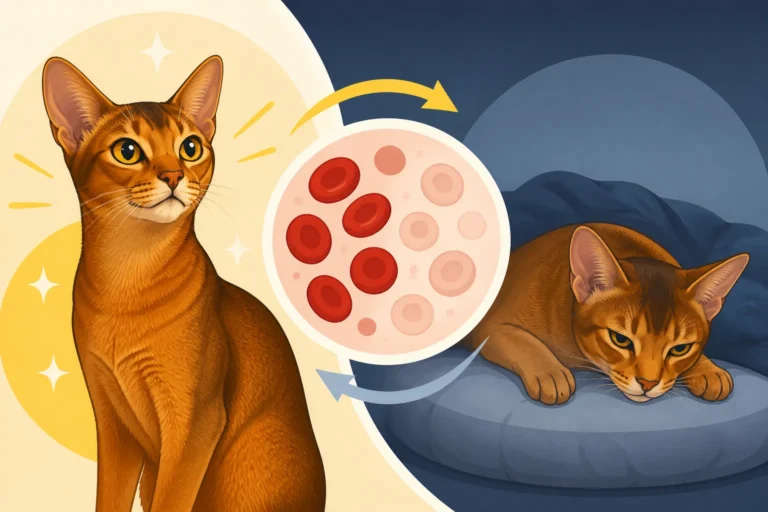
Pyruvate Kinase Deficiency (PKD) is a metabolic disorder that affects red blood cells. Specifically, it means the red blood cells lack a crucial enzyme called pyruvate kinase. Without enough of this enzyme, the red blood cells become fragile and break down prematurely. This leads to a condition called hemolytic anemia, where the cat's body can't produce new red blood cells fast enough to replace the ones being destroyed. An Abyssinian affected by PKD will typically experience intermittent anemia, which can manifest as lethargy, pale gums, weight loss, and jaundice. You can learn more about What PK Deficiency Does to an Abyssinian's Red Cells.
A carrier Abyssinian for PKD, on the other hand, has one normal gene and one faulty gene. They have enough functional pyruvate kinase enzyme to maintain healthy red blood cell levels and will not develop PKD or any of its associated symptoms. They are clinically normal and their day-to-day life is unaffected. Owners of carrier cats for PKD don't need to worry about their cat getting sick from this condition; the primary concern is if they are used for breeding, to ensure they are paired with a genetically clear partner.
How PRA-rdAc Blinds an Abyssinian Slowly
Progressive Retinal Atrophy, specifically the rdAc form, is an inherited eye disease that causes the photoreceptor cells in the retina (rods and cones) to degenerate over time. This leads to progressive vision loss, eventually resulting in blindness. The "rdAc" stands for "rod-cone degeneration, Abyssinian type." The disease typically starts with a loss of night vision, often subtly, making it hard for owners to notice early on. As it progresses, daylight vision also deteriorates. For a detailed understanding of this condition, consider reading How PRA-rdAc Blinds an Abyssinian Slowly. The onset of vision loss usually begins around 1.5 to 2 years of age, but full blindness may not occur until the cat is 3 to 5 years old, or even later.
Similar to PKD, an Abyssinian that is a carrier for PRA-rdAc will have one normal gene and one mutated gene. These cats have completely normal vision throughout their lives. They do not experience retinal degeneration, nor do they show any signs of impaired sight. Their vision remains perfect, and they can navigate, play, and interact just like any other cat. Again, the carrier status for PRA-rdAc is only relevant in a breeding context, ensuring that responsible pairings prevent the birth of affected kittens.
What It Means to Be a Carrier Abyssinian
Being told your Abyssinian is a "carrier" for a genetic disease can be unsettling at first, even if you know they aren't affected. It brings up a lot of questions about their health, their future, and perhaps even decisions you might have to make if they're part of a breeding program. Let's break down what this truly means for your individual cat.
Living a Normal Life as a Carrier
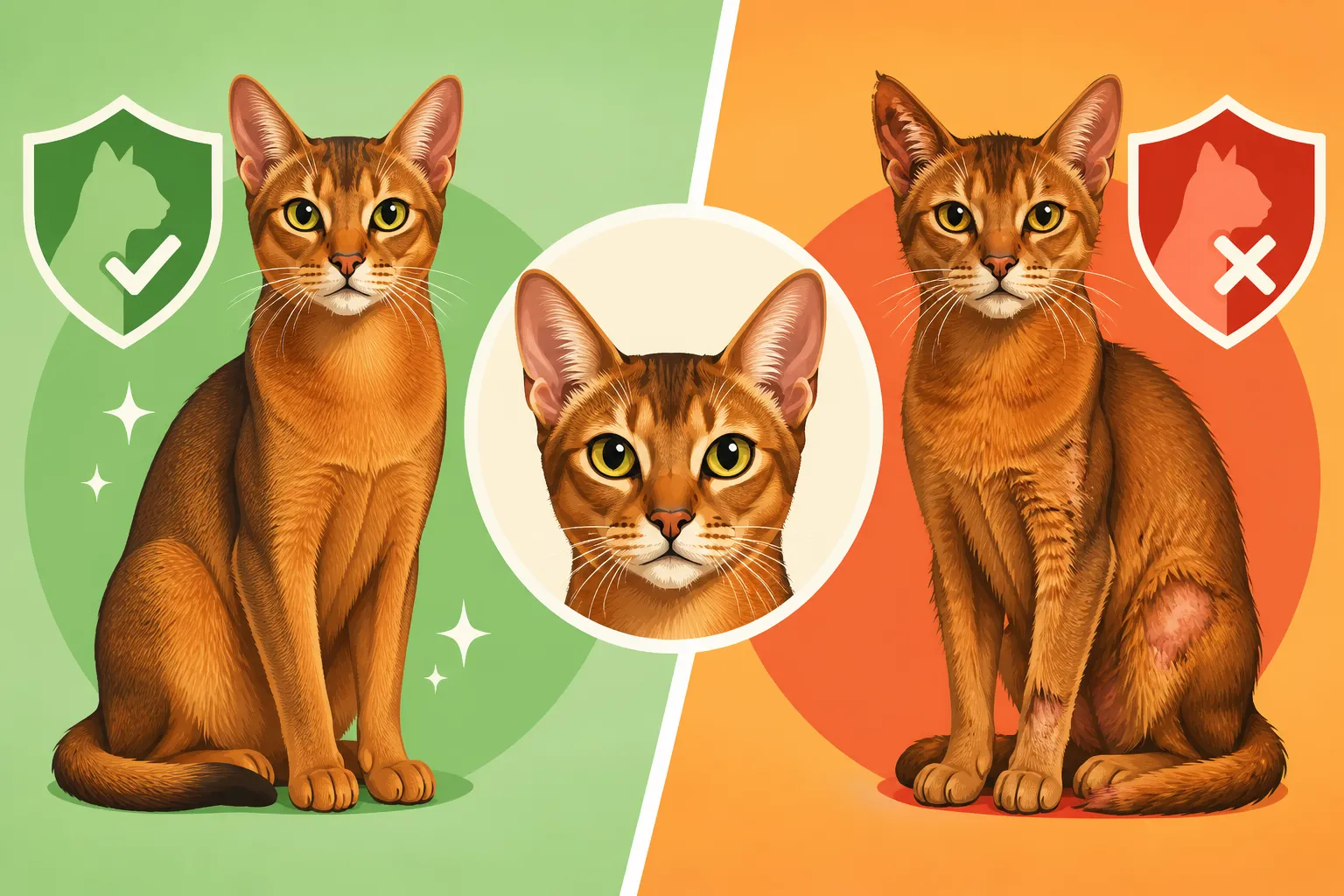
For the vast majority of recessive genetic conditions, including PK Deficiency and PRA-rdAc, an Abyssinian that is a carrier lives a completely normal, healthy life. They possess one functional copy of the gene, which is usually sufficient to perform all necessary physiological functions. This means they won't develop the disease themselves, nor will they show any symptoms related to it. You don't need to adjust their diet, activity levels, or vet care any differently than you would for a "clear" cat. They'll run, jump, play, and cuddle just as vigorously as any other Abyssinian, displaying that signature energetic personality the breed is known for.
It's really important to internalize this point: a carrier Abyssinian is not a "sick" Abyssinian. They are simply part of the genetic tapestry of the breed, carrying a gene that, if paired with another carrier gene, could lead to problems. For pet owners, once you understand this, the initial worry often dissipates. You can focus on enjoying your cat's vibrant personality, knowing they are unlikely to suffer from the specific conditions they carry. However, it's always wise to discuss any specific concerns with your veterinarian, who can offer tailored advice.
The Importance of Breeding Decisions for Carriers
While a carrier Abyssinian is healthy, their status becomes critically important for breeders. The primary concern is preventing the birth of "affected" kittens. If a carrier Abyssinian is bred to another carrier Abyssinian, there's a 25% chance with each kitten that it will inherit two copies of the faulty gene and thus be affected by the disease. There's a 50% chance it will be a carrier, and a 25% chance it will be clear. This is why responsible breeders diligently test their breeding cats and make careful mating choices.
A common strategy is to breed a carrier cat with a "clear" cat. In this scenario, none of the kittens will be affected, although approximately 50% will be carriers themselves. This approach allows breeders to maintain genetic diversity within the breed, especially if the carrier cat possesses other highly desirable traits, without producing sick kittens. The offspring that are carriers can then be carefully bred to clear mates in subsequent generations, gradually reducing the prevalence of the faulty gene. This careful management is crucial for the long-term health of the Abyssinian breed, ensuring that genetic conditions are kept in check. Knowing a cat's status helps breeders like those from the Cat Fanciers' Association (CFA) make informed decisions to uphold breed health standards.
When an Abyssinian Is Truly Affected by a Genetic Disease
This is where the real health challenges begin for an Abyssinian. Being "affected" by a genetic disease means your cat has inherited two copies of the faulty gene and will likely develop or is already experiencing the symptoms of the condition. This situation requires a proactive approach to veterinary care and ongoing management.
Recognizing Symptoms of PK Deficiency
An Abyssinian affected by Pyruvate Kinase Deficiency will typically show symptoms related to anemia, though these can wax and wane. The disease often presents in young cats, usually between 6 months and 5 years of age, but sometimes earlier or later. You might notice your cat seems less energetic than usual, spending more time resting or sleeping. Their gums might appear pale rather than a healthy pink, especially noticeable if you gently lift their lip. In some cases, you might observe a yellowish tint to their skin, gums, or the whites of their eyes (jaundice), indicating liver involvement as the body tries to process the rapidly breaking down red blood cells.
Weight loss, a decreased appetite, and an overall dullness in their normally bright and inquisitive demeanor are other red flags. It's vital to remember that these symptoms can be subtle and might come and go, making diagnosis tricky. If you see any of these signs, especially a sudden drop in energy or unusual paleness, it's critical to get your Abyssinian to the vet promptly. Early intervention can make a significant difference in managing this condition. You can read more about What Intermittent Anemia Looks Like in an Abyssinian for further detail.
Identifying Signs of PRA-rdAc
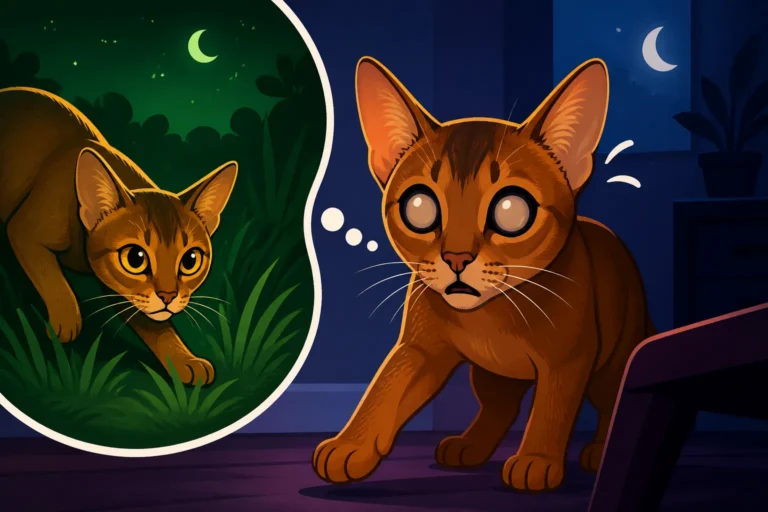
For Abyssinians affected by Progressive Retinal Atrophy (PRA-rdAc), the most obvious symptom is a gradual loss of vision. The earliest sign, often subtle and hard for owners to catch, is a decrease in night vision. Your cat might become more hesitant to move around in dimly lit rooms, or you might notice them bumping into furniture in the evening that they usually navigate with ease. As the disease progresses, their daytime vision will also start to fail.
Affected cats may show dilated pupils, even in bright light, as their eyes try to gather more light to compensate for the degenerating photoreceptors. They might also become clingier, relying more on their owners for guidance, or startle more easily if approached from an unexpected direction. They may hesitate before jumping onto familiar surfaces or struggle to track moving toys. Since the progression is slow, cats are incredibly adaptable, and many owners don't notice the full extent until the cat is almost completely blind. If you suspect any vision changes, a vet visit is paramount. An ophthalmologist can confirm the diagnosis through a specialized eye exam, often long before significant behavioral changes occur. Understanding What an Abyssinian Does First as Its Sight Goes can help owners spot these subtle indicators.
Managing and Caring for Affected Abyssinians
Receiving a diagnosis that your Abyssinian is affected by a genetic disease is, without a doubt, a heartbreaking moment. It's a challenging road, but with love, dedicated care, and the right veterinary support, many affected Abyssinians can still lead fulfilling lives. The key is to be proactive and informed.
Treatment Options and Supportive Care
For conditions like PK Deficiency, treatment is primarily supportive, focusing on managing the anemia. This might involve blood transfusions during severe anemic crises to stabilize the cat. In some cases, your vet might discuss a splenectomy (surgical removal of the spleen) if your cat is experiencing severe, recurrent episodes of anemia. The spleen is where many of the fragile red blood cells are destroyed, so removing it can sometimes improve red blood cell lifespan. However, this is a significant surgery and not a cure; it's a management strategy that needs careful consideration with your vet. Medications to stimulate red blood cell production or manage secondary issues can also be part of the regimen. Ongoing monitoring through regular blood tests is essential to track the cat's red blood cell count and overall health. For more on this, check out How an Anemic Abyssinian Is Treated.
For PRA-rdAc, unfortunately, there is currently no cure or treatment to stop or reverse the progression of vision loss. The focus shifts entirely to supportive care, helping your cat adapt to its diminishing and eventual loss of sight. This means creating a safe, consistent environment. Avoid rearranging furniture, keep pathways clear, and ensure food, water, and litter boxes are always in the same, easily accessible spots. Ramps or steps can help them reach favorite high perches safely. You can also use scents or textures to mark important areas, helping your cat navigate their world using their other heightened senses. A blind Abyssinian can thrive beautifully indoors with a consistent routine and a little extra patience and love from their human companions.
Financial Considerations and Pet Insurance
Caring for an Abyssinian with a chronic genetic condition can unfortunately incur significant veterinary expenses. Emergency blood transfusions, specialized diagnostic tests, potential surgeries like a splenectomy, and ongoing medications can quickly add up. This is where comprehensive pet insurance can be a true lifeline. Companies like Healthy Paws offer plans that can help mitigate the financial burden of unexpected and ongoing medical care. When you're managing a condition like PK Deficiency, knowing that a substantial portion of those emergency vet bills or long-term prescription costs might be covered can reduce a huge amount of stress.
It's wise to consider pet insurance, ideally when your Abyssinian is still a kitten and doesn't have any pre-existing conditions. For cats diagnosed as affected, conditions related to that diagnosis would typically be considered pre-existing and therefore wouldn't be covered by a new policy. However, even if your cat is already affected, discussing available options with an insurer like Healthy Paws might reveal some avenues for covering other unrelated illnesses or accidents, which are still a risk. Being financially prepared for the realities of managing a chronic health condition is a critical part of providing the best care possible.
The Breeder's Role in Genetic Health
Responsible breeders are the first line of defense against the spread of genetic diseases within the Abyssinian breed. Their commitment to health testing and ethical breeding practices is paramount for ensuring the well-being of future generations of Abyssinian kittens.
Why Two Clear Abyssinian Parents End the Problem
The most straightforward way to prevent genetic diseases like PK Deficiency and PRA-rdAc is to ensure both parents are "Clear" of the faulty gene. If both the queen (mother) and the stud (father) have been genetically tested and are certified "Clear," then 100% of their kittens will also be "Clear" for that specific condition. This means those kittens will neither develop the disease nor carry the gene to pass on to their own offspring. It effectively removes that particular genetic risk from their lineage. This is why when you're looking for an Abyssinian kitten, asking about the parents' genetic test results is not just good practice, it's essential. A reputable breeder will be transparent about these results and proud to show them to you. You can delve deeper into this concept with Why Two Clear Abyssinian Parents End the Problem.
Choosing a kitten from parents who are both clear for known genetic conditions gives you the greatest peace of mind regarding those specific diseases. It means you won't have to worry about your cat being a carrier or, more importantly, being affected. This rigorous testing and careful pairing are cornerstones of ethical breeding and a testament to a breeder's dedication to the health and longevity of the Abyssinian breed.
Questions to Ask Your Breeder
When you're considering bringing an Abyssinian into your home, whether as a pet or a potential breeding cat, asking the right questions about genetic testing is crucial. Beyond just asking if the parents were tested, inquire about which tests were performed. Ensure they include PK Deficiency and PRA-rdAc, which are the primary concerns for the breed. Ask to see the official test certificates for both parents, not just a verbal confirmation. These certificates should come from a reputable genetic testing lab and clearly state the cat's name, microchip number (if applicable), and their genetic status (Clear, Carrier, or Affected). Understanding What an Abyssinian Breeder Should Have Tested Before You Buy will empower you.
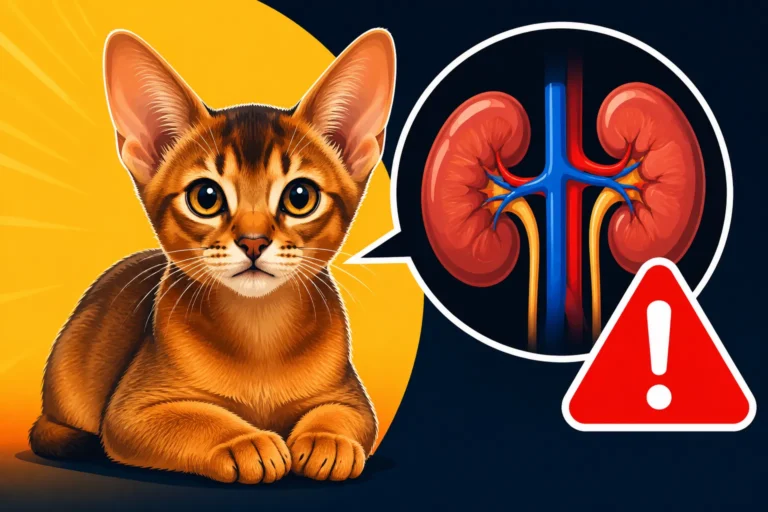
Also, ask about the health guarantee in their contract. While genetic tests cover specific conditions, no test covers everything, and some health issues, like Renal Amyloidosis, don't have a reliable genetic test yet. A responsible breeder will have a comprehensive health guarantee and be willing to discuss any health concerns within their lines openly. Be wary of breeders who are evasive, cannot provide documentation, or offer kittens at suspiciously low prices without health testing—these can be red flags that indicate a lack of commitment to breed health. A breeder who interviews you extensively is often a good sign, showing they care where their kittens go and are invested in their well-being.
Comparing Carrier vs. Affected Status
To help consolidate the information, here's a table summarizing the key differences between a carrier Abyssinian and an affected one, specifically for autosomal recessive genetic conditions.
| Feature | Carrier Abyssinian | Affected Abyssinian |
|---|---|---|
| Genetic Makeup | One normal gene, one faulty gene (heterozygous) | Two faulty genes (homozygous recessive) |
| Symptoms | No symptoms; clinically healthy | Will develop or is developing symptoms of the disease |
| Disease Impact | Does not develop the disease itself | Actively suffers from the disease |
| Lifespan/Quality | Normal lifespan and quality of life | May have reduced lifespan or quality of life due to disease impact |
| Breeding Risk | Can pass the faulty gene to offspring (50% chance per kitten if bred with clear mate, 25% chance of affected if bred with another carrier) | Will pass one faulty gene to all offspring (100% will be carriers) |
| Treatment Needed | None for the genetic condition | Medical management, supportive care, potentially surgery or emergency treatment |
| Veterinary Focus | Routine preventative care | Diagnostic workups, symptom management, specialized treatments |
Navigating the Emotional Journey of an Abyssinian Owner
It’s easy to get caught up in the technicalities of genetics, but let's not forget the emotional toll this can take on us as pet parents. Whether your Abyssinian is a healthy carrier or tragically affected by a genetic condition, your bond with them remains paramount. The initial shock or worry is a valid reaction, and it’s okay to feel that way.
If you have a carrier Abyssinian, that wave of anxiety about their health should ultimately pass, replaced by the understanding that your cat is fundamentally healthy. Your focus can remain on providing them with a stimulating, loving home, complete with plenty of vertical spaces for climbing, interactive play sessions, and all the usual joy an Abyssinian brings. There’s no need to treat them differently or worry about their personal health regarding that specific gene.
However, if your Abyssinian is affected, the journey becomes more challenging, requiring resilience and dedication. It means navigating vet visits, understanding complex medical terms, and making difficult decisions. It can be emotionally and financially draining, highlighting once again the importance of preparedness, perhaps even through pet insurance from providers like Healthy Paws. But even in these circumstances, remember the incredible strength and adaptability of cats. With your love and diligent care, an affected Abyssinian can still experience comfort, joy, and a deep connection with their family. Your willingness to learn and adapt is the greatest gift you can give them.
Ultimately, understanding the difference between a carrier and an affected Abyssinian isn't just about scientific accuracy; it's about making informed choices, mitigating risks, and ensuring that every Abyssinian gets the best possible chance at a long, happy, and healthy life.
Disclaimer
The information provided in this article is for general informational purposes only and is not a substitute for professional veterinary advice. Always consult with a qualified veterinarian or animal health specialist for any concerns about your Abyssinian's health, diagnosis, or treatment. Genetic testing interpretations and medical recommendations can be complex and should always be discussed with a professional.