How an Anemic Abyssinian Is Treated
Finding out your beloved Abyssinian is anemic can be an incredibly frightening and worrying experience. These vibrant, energetic cats are masters at hiding discomfort, so by the time you notice something is amiss, the condition can sometimes be quite advanced. This guide is here to walk you through the various treatment options available for an anemic Abyssinian, helping you understand the approaches veterinarians take and what you can do at home to support their recovery.
Understanding Anemia in Abyssinians
Anemia isn't a disease in itself; rather, it's a symptom that points to an underlying health issue. Essentially, it means your Abyssinian's blood lacks enough healthy red blood cells, which are crucial for carrying oxygen throughout their body. Without adequate oxygen, every organ and tissue struggles, leading to the lethargy and weakness you might observe. It's particularly concerning in an active breed like the Abyssinian, whose natural exuberance often masks early signs of illness, making timely detection a real challenge.
The causes of anemia are incredibly varied, ranging from acute blood loss due to injury or parasites, to chronic diseases affecting red blood cell production or survival. For an Abyssinian, there are a few specific conditions that frequently lead to anemia, and understanding these is key to effective treatment. One of the most well-known culprits in the breed is Pyruvate Kinase Deficiency, or PK deficiency, which directly impacts the lifespan of red blood cells. Other common causes include chronic kidney disease, certain autoimmune disorders, or even some nutritional deficiencies if their diet isn't balanced.
Identifying the Underlying Cause of Anemia
Before any treatment can begin, your veterinarian's absolute priority will be to determine what’s causing the anemia. This isn't just a shot in the dark; it involves a systematic diagnostic process. They'll start with a thorough physical exam, feeling your Abyssinian's abdomen, checking their gum color – which can be a vital indicator, as you might learn in How Pale Gums Show Up on an Abyssinian – and listening to their heart and lungs. After that, a complete blood count (CBC) will confirm the anemia and give clues about its type (regenerative, meaning the body is trying to make new red blood cells, or non-regenerative, where it isn't).
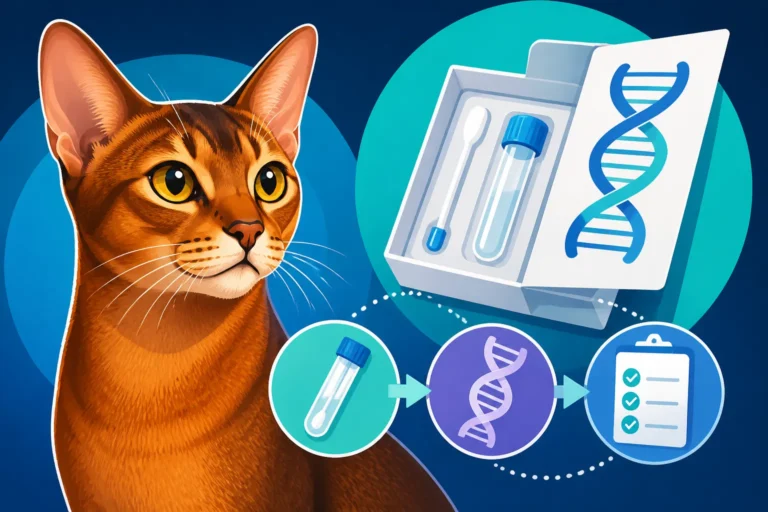
Beyond the basic blood work, your vet might recommend additional tests. This could include a biochemistry panel to assess organ function, especially kidney and liver values, and a urinalysis. Fecal tests are important to rule out internal parasites that might cause slow, chronic blood loss. For an Abyssinian, specifically, your vet might suggest genetic testing for Pyruvate Kinase Deficiency. This DNA test can definitively tell you if your cat carries or is affected by the gene mutation responsible for this inherited form of anemia. Knowing the root cause is paramount because treating anemia without addressing its source is like patching a leaky boat without finding the hole.
The Specific Challenge of Anemia in Abyssinians
Abyssinians are known for their playful, curious, and often relentless energy. This very trait, while charming, can complicate the detection and management of anemia. Unlike a more sedentary cat that might show obvious signs of lethargy quite quickly, an Abyssinian might push through discomfort, continuing to climb and play even when they're feeling quite unwell. This makes vigilance on your part incredibly important. You might notice subtle changes first, like a slight decrease in their usual zoomies, or perhaps they're taking more naps than usual, but still seem engaged when you actively interact with them.
The lean, athletic build of the Abyssinian can also mean that weight loss due to chronic illness, a common side effect of anemia, might not be as immediately obvious as in a heavier-boned breed. Their short, fine coat can sometimes make it harder to assess their body condition accurately by touch alone, compared to a fluffier cat. This is why paying close attention to any changes, no matter how small, in their energy levels, appetite, or even their desire to interact, is crucial. If you notice your vibrant companion becoming less active, even if still eating, it's a huge red flag that something deeper is happening. After all, Why a Lethargic Abyssinian Needs Blood Work Fast is not just a suggestion, it's a critical piece of advice for this breed.
Immediate Medical Interventions for Acute Anemia
When an Abyssinian presents with severe, acute anemia, the situation can be critical. The immediate goal is stabilization: to get enough oxygen-carrying capacity into their system to prevent organ damage and give the veterinary team time to pinpoint and address the underlying cause. This phase of treatment often occurs in an emergency setting and can be intense, but it's vital for giving your cat the best chance at recovery.
Your vet will act quickly to assess the severity of the anemia through packed cell volume (PCV) tests and will monitor vital signs like heart rate, respiratory rate, and blood pressure. They'll be looking for signs of shock or organ distress. The first steps in an emergency often involve providing immediate support to their circulatory and respiratory systems, buying precious time while further diagnostics are underway.
Blood Transfusions: When and Why
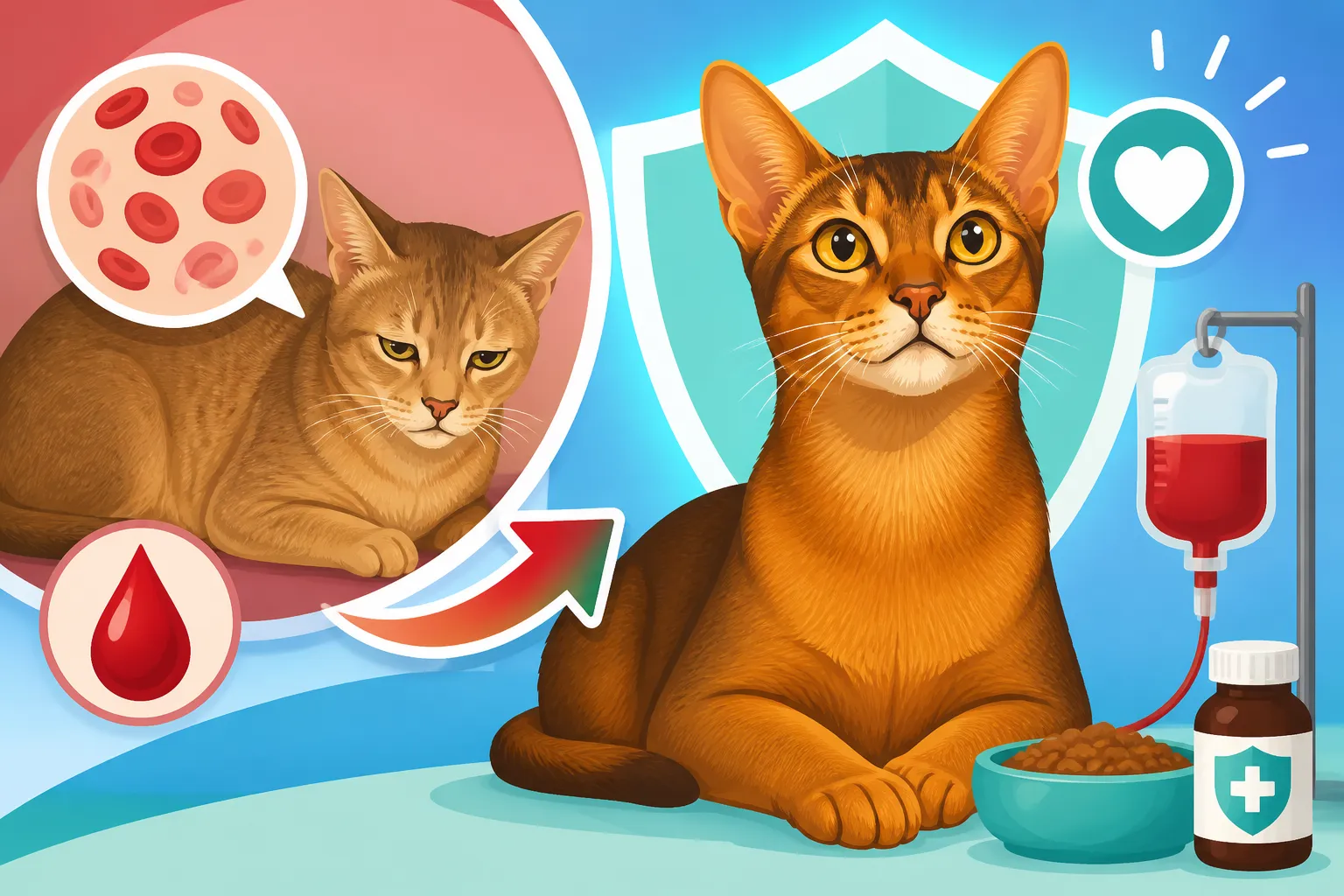
A blood transfusion is often the most critical intervention for an Abyssinian suffering from severe acute anemia. When their red blood cell count is dangerously low, a transfusion provides an immediate boost of oxygen-carrying cells, stabilizing them while the underlying cause is being investigated and treated. It's not a cure, but it's a life-saving measure that can pull a cat back from the brink. The decision to perform a transfusion is based on several factors, including the severity of the anemia (how low the PCV is), the cat's clinical signs (are they weak, collapsing, breathing rapidly?), and whether the anemia is rapidly progressing.
Finding a suitable donor for feline blood can be challenging, as cats have different blood types, and adverse reactions can occur if incompatible blood is given. Vets will typically have a supply of universal donor blood or, in some cases, may rely on a staff member's cat or a dedicated feline blood bank. The transfusion process involves carefully administering blood intravenously, monitoring your Abyssinian closely for any signs of reaction, such as fever, vomiting, or difficulty breathing. It's a procedure that requires careful attention and expertise, but when an Anemic Abyssinian Needs a Transfusion, it truly can be the difference between life and death.
Oxygen Therapy and Supportive Care
Alongside blood transfusions, oxygen therapy plays a vital role in stabilizing an anemic Abyssinian. Since their blood isn't effectively delivering oxygen, supplementing their intake directly helps ease the strain on their heart and lungs. Your cat might be placed in an oxygen cage, where the air is enriched with a higher concentration of oxygen, allowing their body to absorb more with each breath. This helps every cell function more efficiently, reducing the immediate risk of tissue damage.
Beyond oxygen, comprehensive supportive care is crucial. This can include intravenous fluids to maintain hydration and electrolyte balance, especially if the cat is dehydrated or struggling to eat and drink. Pain management might be necessary if the anemia is associated with injury or inflammation. Medications to support kidney function, prevent vomiting, or stimulate appetite might also be administered. The veterinary team will continuously monitor your Abyssinian’s vital signs, blood work, and overall comfort, adjusting treatments as needed. The aim is to create the most stable and comfortable environment possible for them to begin their recovery journey.
Managing Pyruvate Kinase Deficiency (PKD) Related Anemia
For Abyssinian owners, understanding Pyruvate Kinase Deficiency (PKD) is especially important because it's an inherited condition that can directly cause anemia. This genetic disorder affects an enzyme in red blood cells, leading them to break down prematurely. The result is a chronic, often intermittent, anemia that can flare up unpredictably. While there's no cure for the genetic defect itself, there are effective strategies to manage the anemia and improve your cat's quality of life. Understanding What PK Deficiency Does to an Abyssinian's Red Cells is the first step in preparing for this journey.
Living with an Abyssinian affected by PKD means embracing a proactive and vigilant approach to their health. The anemia caused by PKD can fluctuate, sometimes appearing mild, and at other times causing severe crisis. This unpredictable nature means that even when your Abyssinian seems well, careful monitoring and management are essential. Owners often report that their cats appear to "come and go" with their symptoms, highlighting Why an Abyssinian With PK Deficiency Comes and Goes.
The Role of Splenectomy in PK Deficiency
For many Abyssinians diagnosed with severe or recurrent PK deficiency-related anemia, a splenectomy – the surgical removal of the spleen – can be a game-changer. The spleen is an organ that, among other functions, acts as a filter for old or damaged red blood cells. In cats with PKD, their defective red blood cells are prematurely "flagged" and destroyed by the spleen, exacerbating the anemia. By removing the spleen, this primary site of red blood cell destruction is eliminated.
Research and clinical experience have shown that a splenectomy can significantly improve the red blood cell lifespan in PK deficient cats, often leading to a dramatic reduction in anemic episodes and the need for transfusions. It doesn't cure the underlying genetic defect, but it effectively manages the most debilitating symptom. Of course, any surgery carries risks, and your vet will thoroughly discuss these with you, weighing the potential benefits against the risks for your individual Abyssinian. However, for many, How a Splenectomy Helps an Anemic Abyssinian is a testament to its effectiveness in providing a much improved quality of life.
Long-Term Management and Monitoring for PKD
Even after a splenectomy, or if your Abyssinian’s PKD is managed without surgery, long-term care and monitoring are absolutely vital. This isn't a "one-and-done" treatment; it's an ongoing partnership between you, your cat, and your vet. Regular veterinary check-ups are paramount, often including routine blood work to keep an eye on their packed cell volume (PCV) and other red blood cell parameters. This helps catch any subtle drops in their numbers before they become critical.
You’ll also become an expert at observing your own Abyssinian. Look for any changes in their energy levels, appetite, gum color, or breathing patterns. Keep a journal if it helps you track these subtle shifts. While many Abyssinians with PKD can live relatively normal lives, understanding Whether an Abyssinian With PK Deficiency Can Live Normally involves dedicated, consistent attention. Your vet might also recommend specific dietary adjustments or supplements to support red blood cell health, which we'll delve into next. The goal is to minimize stress, ensure they’re getting optimal nutrition, and address any signs of relapse promptly.
Nutritional and Dietary Support
Nutrition plays a surprisingly large and often underestimated role in the recovery and ongoing management of anemic Abyssinians. What your cat eats directly impacts their ability to produce healthy red blood cells, maintain energy levels, and support their immune system during recovery. It's not just about getting calories in; it's about providing the right kind of fuel.
When your Abyssinian is battling anemia, their body is working overtime. They need a diet that is highly digestible, nutrient-dense, and palatable, especially if their appetite is suppressed due to illness. This isn't the time for drastic dietary changes or restrictive eating plans without veterinary guidance. Instead, focus on supporting their recovery with foundational nutritional principles tailored to their specific needs.
Tailoring Diet for Anemic Cats
For an anemic Abyssinian, their diet needs to be carefully chosen to support red blood cell production and overall health. Generally, this means a high-quality, protein-rich diet. Protein provides the essential amino acids needed to build new red blood cells and other critical body tissues. Look for foods that list a named meat source (like chicken, turkey, or beef) as the first ingredient. Many veterinarians recommend feeding wet food, not just for its palatability, but also for its higher moisture content, which is beneficial for overall hydration – particularly important for Abyssinians.
Your vet might also suggest specific supplements. Iron is a key component of hemoglobin, the protein in red blood cells that carries oxygen, so iron supplementation might be recommended in some cases of iron-deficiency anemia, although this is less common in cats than in dogs. B vitamins, particularly B12 and folate, are also vital for red blood cell maturation. Always consult your vet before adding any supplements, as excessive amounts of some nutrients can be harmful. A good commercial cat food, formulated for all life stages, often contains adequate levels of these nutrients, but individual needs can vary, especially during recovery.
Importance of Hydration and Supplementation
Hydration is absolutely critical for anemic cats. Red blood cells are suspended in plasma, which is largely water, and proper hydration supports healthy blood volume and circulation. If your Abyssinian is dehydrated, their blood becomes thicker, making the heart work harder and impairing oxygen delivery even further. Encourage water intake by offering multiple water bowls, especially wide, shallow ones that don't irritate their whiskers, and consider a pet fountain, as many Abyssinians are fascinated by running water. As mentioned, feeding wet food is an excellent way to boost their daily fluid intake.
Beyond diet and hydration, your vet might discuss specific nutritional supplements. As discussed, B vitamins and iron might be considered, but the exact recommendations will depend on the underlying cause of the anemia and your cat's specific deficiencies. For example, if kidney disease is a factor, a kidney-specific diet might be recommended, which balances protein and phosphorus levels. For some cats, antioxidants might also be beneficial to protect cells from damage. Always remember that supplements should complement, not replace, a balanced diet and veterinary-prescribed treatments. Never self-prescribe supplements, as this could do more harm than good.
Ongoing Care and Monitoring at Home
Bringing your anemic Abyssinian home after veterinary treatment is a huge step, but the care doesn't stop there. In fact, your role as their primary caregiver becomes even more crucial. Ongoing home care and meticulous monitoring are essential to prevent relapses, manage chronic conditions, and ensure your spirited companion returns to their vibrant self. This phase requires patience, consistency, and a keen eye for detail.
It’s about more than just administering medication; it’s about creating an environment that supports healing and recovery, recognizing subtle changes, and knowing when to reach back out to your vet. This journey can be long, particularly if the anemia is due to a chronic condition, but your dedication makes all the difference.
Recognizing Relapse Signs and When to Seek Help
After initial treatment, it’s vital to be vigilant for any signs that your Abyssinian’s anemia might be returning or worsening. Because Abyssinians often hide illness, these signs can be subtle. Keep a close watch on their energy levels; are they less playful or more lethargic than they were just a few days ago? Check their gums regularly – are they becoming paler again? Other signs might include increased breathing rate or effort, reduced appetite, weight loss, or an overall dullness in their demeanor. If you ever notice your Abyssinian becoming quiet and withdrawn, or if they stop climbing their favorite cat tree, these are significant indicators.
It's tempting to think a few days of improvement mean they're out of the woods, but with conditions like PK deficiency or chronic kidney disease, anemia can be a lifelong management challenge. Don't hesitate to contact your veterinarian if you observe any concerning symptoms, even if you’re unsure. It’s always better to be overly cautious than to wait until the condition becomes critical again. Your vet would much rather get a call about a false alarm than an emergency case that could have been prevented with earlier intervention.
Creating a Low-Stress Environment
Stress can put additional strain on an already compromised system, making it harder for an anemic Abyssinian to recover. Therefore, creating a calm, predictable, and low-stress home environment is paramount. This means maintaining a consistent routine for feeding, play, and quiet time. Avoid sudden loud noises, major changes in household dynamics, or introducing new pets during their recovery period. Ensure they have safe, comfortable resting spots where they feel secure and can retreat if they need solitude.
For Abyssinians, who thrive on vertical space and engagement, this doesn’t mean removing all their climbing opportunities. Instead, ensure their favorite perches are easily accessible, perhaps adding ramps or lower steps if they're still weak. Keep their litter boxes clean and easily accessible, and provide fresh water in multiple locations. Gentle, consistent interaction is beneficial, but avoid overstimulating them. Use calming pheromone diffusers like Feliway if your vet recommends them, to help reduce anxiety. Remember, a peaceful environment supports physical healing.
Financial Considerations and Pet Insurance
Caring for an anemic Abyssinian can, unfortunately, come with significant financial implications. The diagnostic tests, emergency treatments, potential surgeries like a splenectomy, and long-term medications can quickly add up, leaving many owners feeling overwhelmed not just emotionally, but financially too. It's a harsh reality that can put a lot of pressure on families, but understanding the potential costs and planning for them can ease some of that burden.
While we all wish we could simply open our wallets without a thought when our pets are ill, the practicalities of veterinary care often dictate otherwise. This is where foresight and options like pet insurance can become truly invaluable, helping you focus on your Abyssinian's recovery rather than the mounting bills.
Understanding Veterinary Costs for Anemia Treatment
The cost of treating an anemic Abyssinian can vary dramatically based on the underlying cause, the severity of the anemia, and where you live. Initial diagnostics alone, including blood work, imaging (X-rays or ultrasound), and specialized tests for conditions like PK deficiency, can run into hundreds of dollars. If a blood transfusion is needed, each unit of blood, plus the administration fees and monitoring, can be several hundred dollars per transfusion, and some cats might need more than one. Emergency overnight stays in a veterinary hospital will also add up quickly.
Should your Abyssinian require a splenectomy for PKD, the surgical costs, including pre-operative blood work, anesthesia, the surgery itself, post-operative care, and medications, can range from a couple of thousand dollars to several thousand, depending on the complexity and your clinic's pricing. Long-term management for chronic conditions like kidney disease also involves ongoing medication, specialized diets, and regular blood tests, which become recurring expenses over your cat's lifetime. It's a significant investment, but one that ensures your cherished companion receives the best possible care.
The Value of Pet Insurance for Abyssinians
Given the potential for high veterinary costs, especially with an active breed that can be prone to specific inherited conditions like PKD, pet insurance is something every Abyssinian owner should seriously consider. Pet insurance essentially works like health insurance for humans, helping to cover unexpected veterinary bills for accidents, illnesses, and sometimes even routine care, depending on the plan. For an Abyssinian, knowing that you have financial support in case of emergencies or chronic conditions can provide immense peace of mind.
Companies like Healthy Paws are well-regarded for their comprehensive coverage, often covering accidents, illnesses, surgeries, emergency care, and even genetic conditions, provided they are not pre-existing. This means if your Abyssinian develops anemia due to PKD after enrollment, your policy could help significantly offset the costs of diagnostics, transfusions, and even a splenectomy. It's truly worth investigating Whether Pet Insurance Is Worth It for an Abyssinian, because while monthly premiums are an upfront cost, they can save you thousands in the long run. Having a policy from a reputable provider like Healthy Paws can empower you to make treatment decisions based on what’s best for your cat, rather than solely on what you can afford at a moment’s notice.
| Treatment/Service | Estimated Cost Range (USD) | Notes |
|---|---|---|
| Initial Vet Visit & Exam | $50 – $150 | Basic check-up to assess initial symptoms |
| Complete Blood Count (CBC) | $50 – $150 | Confirms anemia, provides clues to type |
| Biochemistry Panel & Urinalysis | $100 – $300 | Assesses organ function (kidneys, liver), general health |
| PK Deficiency Genetic Test | $50 – $150 | Specific DNA test for Abyssinians to confirm/rule out PKD |
| X-rays/Ultrasound | $200 – $600 | To identify internal bleeding, organ issues, masses |
| Blood Transfusion (per unit) | $200 – $800 | Immediate stabilization, may require multiple units |
| Emergency Overnight Stay | $500 – $2,000+ | Includes monitoring, IV fluids, oxygen therapy, medications |
| Splenectomy (Surgery) | $2,000 – $6,000+ | For severe/recurrent PKD-related anemia, includes anesthesia, post-op care |
| Ongoing Medications/Diet | $50 – $200/month | For chronic conditions like kidney disease or ongoing PKD management |
| Pet Insurance (Monthly Premium) | $20 – $60/month | Varies by age, breed, coverage level; can mitigate large unexpected bills |
Please note: These are estimated costs and can vary significantly based on location, veterinary clinic, and the specific needs of your Abyssinian.
Disclaimer
The information provided in this article is for general informational purposes only and is not intended as a substitute for professional veterinary advice, diagnosis, or treatment. Always seek the advice of your veterinarian or other qualified animal health provider with any questions you may have regarding a medical condition or treatment for your Abyssinian. Never disregard professional veterinary advice or delay in seeking it because of something you have read in this article.