Which Diseases an Abyssinian Breeder Must Declare
Bringing an Abyssinian kitten into your home is an incredibly exciting time, full of dreams of playful antics and purring companionship. However, it can also be a minefield of anxiety, especially when it comes to understanding the health history of your new furry family member. Many prospective owners feel overwhelmed by the medical jargon or worry about hidden genetic issues, wondering what exactly a breeder must tell them. This guide aims to clear the confusion, detailing the critical diseases Abyssinian breeders are obligated to declare and why this transparency is so vital for your cat's future well-being.
The Frustration of Hidden Health Histories and the Need for Transparency
It’s a frustrating reality that in the world of pedigree cats, not all breeders operate with the same level of integrity or knowledge. You might find yourself falling in love with a charming Abyssinian kitten, only to be met with vague answers when you ask about its parents' health or genetic testing. This isn't just an inconvenience; it's a serious red flag. The lack of clear information can leave you feeling uneasy, wondering if you're unknowingly signing up for heartbreaking health struggles and significant veterinary bills down the line. It's a valid concern, as some health conditions can be devastating and incredibly costly, potentially affecting your Aby’s quality of life dramatically.
Responsible breeders understand this anxiety and actively work to alleviate it. They know that transparency isn't just good practice; it's an ethical obligation to the breed and to the families who welcome their kittens. They don't just sell you a cat; they sell you a piece of their breeding program's future, and that comes with a responsibility to be open about every known health aspect. This declaration of health status, both good and bad, allows you to make an informed decision and prepare for any potential challenges, ensuring a healthier and happier life for your Abyssinian from day one.
Mandatory Declarations: Genetic Diseases with Available Tests
When you're looking for an Abyssinian, there are two major genetic diseases that absolutely must be on every reputable breeder's radar, and they should be more than willing to provide documentation for both the kitten's parents. These aren't just obscure conditions; they're well-known within the breed, and tests exist to identify carriers and affected cats. If a breeder can't or won't provide these results, it's a serious cause for concern.
Pyruvate Kinase Deficiency (PK Deficiency)
Pyruvate Kinase Deficiency, often just called PK Deficiency, is one of the most well-known genetic tests for the breed. This condition affects the red blood cells, causing them to break down prematurely. In simple terms, it means your cat can't produce enough of an enzyme called pyruvate kinase, which is essential for the energy metabolism of red blood cells. Without it, these cells become fragile and are destroyed too quickly. This leads to anemia, which can manifest in various ways, from mild and intermittent to severe and life-threatening.
A breeder must declare the PK Deficiency status of both parent cats. They should provide official documentation from a reputable genetic testing laboratory, clearly stating whether the parents are "Clear," "Carrier," or "Affected." A "Clear" cat has two normal copies of the gene, meaning it cannot develop the disease or pass it on. A "Carrier" cat has one normal copy and one mutated copy; it usually won't show symptoms of the disease but can pass the mutated gene to its offspring. An "Affected" cat has two mutated copies and will develop the disease. Ideally, breeders should only be breeding "Clear" cats together, or a "Clear" cat with a "Carrier" cat, to ensure no "Affected" kittens are produced. Breeding two "Carrier" cats together carries a 25% risk of producing "Affected" kittens. Understanding what PK Deficiency does to an Abyssinian's red cells is crucial, as is knowing how a carrier Abyssinian differs from an affected one. This transparency gives you peace of mind and significantly reduces the risk of your kitten developing this debilitating illness.
Progressive Retinal Atrophy (PRA-rdAc)
The second crucial genetic disease for Abyssinians with an available test is Progressive Retinal Atrophy, specifically the rdAc form. This is a condition that, as the name suggests, causes the progressive degeneration of the cells in the retina, ultimately leading to blindness. It's a heartbreaking disease to witness, as your vibrant, active Abyssinian slowly loses its sight, often by the age of five. Initially, you might notice subtle changes in their night vision, perhaps a little more hesitation in dimly lit rooms, but it progresses to complete blindness.
Just like with PK Deficiency, a breeder must provide proof of PRA-rdAc testing for both parent cats. The results will again indicate "Clear," "Carrier," or "Affected." A "Clear" cat is free of the mutation and cannot pass it on or develop the disease. A "Carrier" cat carries one copy of the mutation and can pass it on, but will not develop the disease itself. An "Affected" cat has two copies of the mutation and will invariably go blind. Responsible breeding practices dictate that no "Affected" cats should be bred, and if a "Carrier" is used, it must only be bred with a "Clear" mate to ensure no affected kittens are produced. Learning how PRA-rdAc blinds an Abyssinian slowly can prepare owners, but prevention through proper breeding is always the best course. The CEP290 test clears an Abyssinian and ensures that a potential parent won't pass on this tragic condition. This is a non-negotiable part of what an Abyssinian breeder should have tested before you buy.
Navigating Diseases Without Simple Genetic Tests
While genetic tests offer clear answers for some conditions, not every significant health concern in Abyssinians has a straightforward DNA marker. This makes transparency even more vital, as breeders must rely on thorough health screening, careful record-keeping, and honest communication about their lines. These are the trickier ones, where the lack of a single "yes/no" test requires a deeper dive into the cat's lineage and a breeder's commitment to long-term health.
Renal Amyloidosis
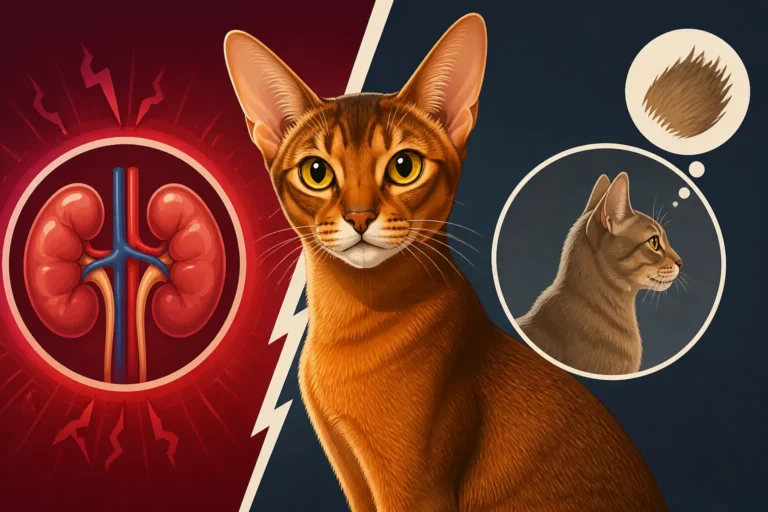
Renal Amyloidosis is arguably the most insidious and feared disease in the Abyssinian breed because, unlike PK Deficiency and PRA-rdAc, there is no direct genetic test for it. This condition involves the abnormal deposition of a protein called amyloid in the kidneys, which eventually leads to irreversible kidney failure. It can strike young Abyssinians, sometimes even before they are two years old, though it more commonly appears in middle-aged cats. The frustrating part is that cats can appear perfectly healthy until their kidneys are significantly compromised, making early detection incredibly difficult without diligent veterinary care.
Because there's no genetic test, breeders cannot declare a cat "Clear" or "Affected" in the same way. Instead, a responsible breeder must provide extensive information about the kidney health history of the kitten's parents, grandparents, and even great-grandparents. This means sharing details about any cats in their lines who have been diagnosed with kidney issues, the age of onset, and the confirmed cause if known. It's a grim but necessary conversation. They should be able to explain what Renal Amyloidosis deposits in an Abyssinian's kidney and why no gene test exists for Abyssinian Amyloidosis. This is where a breeder’s commitment to tracking family health and being open about historical issues becomes paramount. It's not about hiding potential problems, but about being upfront so you understand the potential risks in the line.
Juvenile Gingivitis and Periodontal Disease
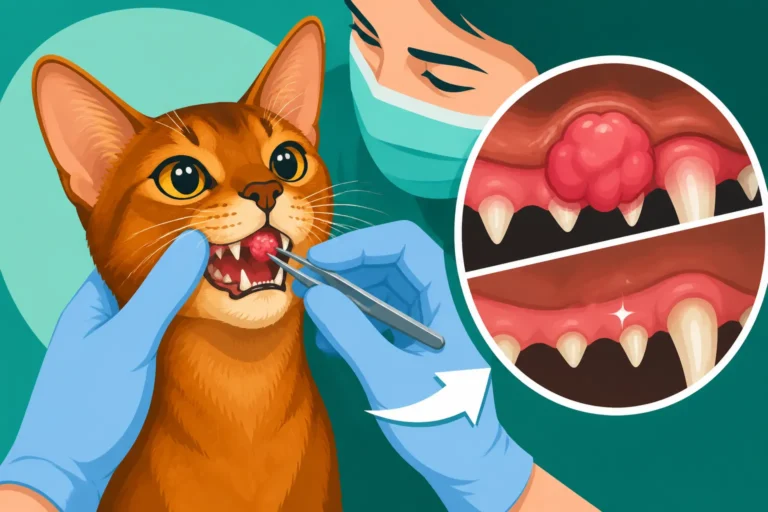
Another prevalent health concern in Abyssinians, particularly in kittens and young adults, is Juvenile Gingivitis, which can quickly progress to more severe periodontal disease. This condition often starts around six months of age, with inflammation and overgrowth of the gum tissue around the teeth. If left untreated, it can lead to painful tooth resorption and early tooth loss, impacting your cat's ability to eat comfortably and potentially leading to other systemic health issues.
While not a life-threatening genetic disease in the same vein as PK Deficiency or amyloidosis, severe dental problems can significantly reduce an Abyssinian's quality of life and lead to substantial veterinary costs. A breeder should absolutely declare if there's a history of severe juvenile gingivitis in their lines. They should also be able to discuss their dental care protocols for their breeding cats and kittens, and advise you on how to proactively manage your kitten's dental health from an early age. This includes recommending regular brushing and early veterinary dental checks. They should be transparent about why an Abyssinian kitten's gums fail at six months and the importance of preventive measures. If a cat in their line has needed a gingivectomy, they should mention this, as it indicates a predisposition.
The Role of a Good Breeder in Health Declarations
Beyond the specific diseases, a truly responsible Abyssinian breeder goes above and beyond mere declarations. They embody transparency, understanding that they are placing a living creature into your care, one that they have poured their heart and soul into raising. Their commitment extends far beyond the sale, aiming to ensure you and your new kitten have the best possible start and support for its entire lifespan.
Comprehensive Health Guarantees
A reputable breeder will almost always offer a written health guarantee with their kittens. This isn't just a formality; it's a promise. This guarantee should cover a certain period, usually the first year or two of life, against severe genetic or congenital defects, including the conditions mentioned above. It might outline what happens if a kitten is diagnosed with a covered condition during that time, such as offering a replacement kitten or a refund. While no guarantee can cover every single potential health issue (especially those without genetic tests), it demonstrates the breeder's confidence in their breeding program and their willingness to stand behind their cats. It also provides some financial protection, although it's always wise to look into pet insurance options like those offered by Healthy Paws to cover unexpected health emergencies or chronic conditions that may arise later.
Openness About Family History and Pedigrees
For diseases without a simple genetic test, like renal amyloidosis, the family history is your best, and often only, clue. A good breeder will freely share the pedigrees of the parent cats and discuss the health and longevity of the cats in those lines. They should know the average lifespan of their Abyssinian lines and be able to speak to any patterns of illness they've observed over generations. They should be tracking kidney deaths by line, for instance, and be open about any early losses.
They understand that you're investing a significant amount of money and emotion, and they respect your need for this detailed information. They'll also be happy to explain how the Abyssinian's DNA panel is ordered and what the results mean for their specific breeding program. This level of honesty is a hallmark of a breeder truly dedicated to improving the breed and providing healthy companions.
Continued Support and Education
Finally, a dedicated breeder doesn't just declare health information; they educate. They'll talk to you about the specific needs of an Abyssinian cat, including their high energy levels, their grooming requirements (or lack thereof, since the ticked coat is the whole Abyssinian grooming job), and how to recognize early signs of illness. They become a resource for you for the lifetime of your cat, offering advice, support, and even acting as a point of contact if you have health concerns or questions about your cat's behavior. They might even recommend specific veterinarians who are knowledgeable about the breed and its unique health considerations. This ongoing relationship is invaluable and speaks volumes about their commitment to the welfare of their cats and their new families.
Here's a quick overview of key diseases and breeder responsibilities:
| Disease | Genetic Test Available? | What Breeder Must Declare | Recommended Action for Owner |
|---|---|---|---|
| Pyruvate Kinase Deficiency (PKD) | Yes | Parent's "Clear," "Carrier," or "Affected" status (official lab results) | Ask for verified genetic test results for both parents. |
| Progressive Retinal Atrophy (PRA-rdAc) | Yes | Parent's "Clear," "Carrier," or "Affected" status (official lab results) | Ask for verified genetic test results for both parents. |
| Renal Amyloidosis | No | Detailed family health history (kidney issues, age of onset, longevity of ancestors) | Inquire about kidney health history of all lineage cats. Consider pet insurance like Healthy Paws. |
| Juvenile Gingivitis | No | History of severe dental issues in the line, proactive dental care regimen | Ask about dental history, implement early dental care. |
Empowering Your Search: Questions to Ask Every Abyssinian Breeder
Now that you know what to look for, how do you put this knowledge into practice? It all comes down to asking the right questions and observing the breeder's response. Don't be afraid to be thorough; a good breeder will appreciate your diligence.
Probing Genetic Test Results
When discussing PK Deficiency and PRA-rdAc, specifically ask for proof of testing for both the kitten's dam and sire. Don't just accept a verbal assurance. You want to see the official laboratory certificates. These should clearly state the names of the cats, their registration numbers, the date of the test, and the result (Clear, Carrier, or Affected). A breeder should be proud to share these. Understanding how many Abyssinians carry the PK mutation or how many Abyssinians carry rdAc worldwide helps put these tests into perspective. If you're told a cat is a carrier, ask about their breeding strategy – remember, two carrier Abyssinians should never be bred together.
Furthermore, ensure the lab results are from a reputable genetic testing laboratory, such as Optimal Selection or Wisdom Panel. These labs are well-recognized and their results are accepted across the feline fancy. Some breeders even register their cats' test results publicly with organizations like the Orthopedic Foundation for Animals (OFA), making verification even easier.
Investigating Untestable Conditions: Beyond the Genes
For conditions like renal amyloidosis, where direct genetic testing isn't available, your questions need to be more nuanced. Ask the breeder about the average lifespan of cats in their breeding program. Inquire specifically if they have had any cats in their lines diagnosed with kidney disease, and if so, at what age and what the confirmed diagnosis was. A breeder who truly understands their lines will be able to talk about this openly. They should explain why Abyssinian lines are judged on family history instead of a single gene test for amyloidosis.
Similarly, discuss juvenile gingivitis and general dental health. Ask what steps they take to promote good dental health in their cats and kittens. Do they brush their cats' teeth? Do they have regular veterinary dental cleanings? What is their policy on health guarantees if a kitten develops severe dental issues early on? This proactive discussion can help you gauge their overall commitment to health. Remember that even with the best intentions, unexpected health issues can arise, which is why considering options like Healthy Paws pet insurance early on can be a smart move for your Abyssinian's future.
General Health Practices and Red Flags
Beyond specific diseases, a good breeder will also declare general health practices. This includes confirming that the kittens receive their first vaccinations and deworming treatments, and often a microchip, before going to their new homes. They should provide a health record from their veterinarian for your kitten. They should also be transparent about the kitten's early socialization and living environment.
If a breeder seems hesitant to answer your questions, avoids showing you documents, or pressures you into a quick sale, these are significant red flags. Similarly, if the kittens seem unusually cheap compared to the breed standard, it might be an indicator that essential health testing has been skipped. Trust your gut. A responsible breeder wants their kittens to go to the best possible homes, and part of that means ensuring you are fully informed and prepared. Ultimately, choosing a kitten from a breeder who declares all known health information is choosing a healthier, happier future for your beloved Abyssinian.
Disclaimer
Please remember that this guide provides general information and should not replace professional veterinary advice. Always consult with a qualified veterinarian regarding your Abyssinian's specific health concerns.