How Much an Abyssinian DNA Panel Costs
Bringing home a new Abyssinian kitten is incredibly exciting, but many prospective owners worry about hidden health issues that could lead to heartbreak and unexpected vet bills down the line. It's a valid concern, given that even the most reputable breeders navigate complex genetics. This guide will walk you through the specifics of Abyssinian DNA panels, covering what they test for, the financial investment involved, and why understanding these costs is crucial for the health and well-being of your beloved companion.
Understanding the Abyssinian DNA Panel: What's Included and Why It Matters
When you welcome an Abyssinian into your home, you're not just getting a cat; you're adopting a tiny, energetic bundle of generations of careful breeding. Part of that careful breeding should include genetic testing, specifically a DNA panel tailored to the Abyssinian breed. These tests are vital tools that allow breeders, and eventually owners, to understand a cat's genetic predisposition to certain inherited diseases. Ignoring these tests is like buying a car without checking its engine — you simply don't know what issues might be lurking beneath the surface.
Why Specific Tests are Crucial for Abyssinians
The Abyssinian breed, like many purebreds, has specific genetic vulnerabilities that have been identified over the years. The two primary concerns that a standard Abyssinian DNA panel focuses on are Pyruvate Kinase Deficiency (PK Deficiency) and Progressive Retinal Atrophy (PRA-rdAc). These aren't just fancy medical terms; they represent real, debilitating conditions that can significantly impact your cat's quality of life and lifespan.
PK Deficiency, for instance, is a hereditary metabolic disorder that affects a cat's red blood cells. Cats affected by it can suffer from intermittent to severe anemia, leading to lethargy, jaundice, and reduced exercise tolerance. It's a condition that can manifest at various ages, from kittenhood to later in life, and it's certainly something you want to know about upfront. We delve deeper into What PK Deficiency Does to an Abyssinian's Red Cells The good news is that with DNA testing, we can identify carriers and affected cats, allowing breeders to make informed decisions and prevent affected kittens from ever being born.
Similarly, PRA-rdAc is a genetic eye disease that causes the slow degeneration of the retina, eventually leading to blindness. Imagine your active, curious Abyssinian slowly losing its sight; it's a heartbreaking prospect. This condition typically starts to show signs by around two years of age and progresses over time. Understanding How PRA-rdAc Blinds an Abyssinian Slowly, and getting your kitten tested, offers peace of mind or, if positive, allows you to prepare and support your cat through the changes. Without these tests, you're essentially playing a waiting game with potentially devastating consequences.
The Breeder's Responsibility Versus Owner Due Diligence
Ideally, a responsible Abyssinian breeder will have already tested their breeding cats for these genetic conditions and will provide you with the results. This is a non-negotiable step in ethical breeding, aiming to eradicate these genetic diseases from the gene pool. You should always ask to see the parents' DNA test results before committing to a kitten. A "clear" result means the cat does not carry the gene for the disease in question. A "carrier" means they have one copy of the gene but typically do not show symptoms themselves; however, they can pass it on to their offspring. Two carriers bred together can produce affected kittens. If you want to know more about this, we have a detailed guide on How a Carrier Abyssinian Differs From an Affected One.
However, even with the best intentions, sometimes things are missed, or you might adopt an adult Abyssinian from a rescue where their history is unknown. In these situations, taking the initiative to have a DNA panel done yourself is a crucial act of due diligence. It’s about being proactive in managing your pet's health, rather than reacting to a crisis. It protects your peace of mind and provides invaluable information for your veterinarian, should any symptoms arise later. Knowing your cat's genetic predispositions can influence preventative care and early detection strategies, which can make a world of difference.
The Real Cost of an Abyssinian DNA Panel: A Breakdown of Fees
Let's talk numbers because, let's be honest, that's often the elephant in the room. The cost of an Abyssinian DNA panel isn't usually a single, fixed price across the board. It can vary based on several factors, including the testing laboratory, whether you're testing for individual conditions or a full panel, and even your geographical location. However, understanding the typical ranges can help you budget and ensure you're getting comprehensive screening.
Average Costs for Individual Tests vs. a Full Panel
Most reputable genetic testing laboratories offer both individual tests for specific conditions and bundled panels that cover multiple breed-specific diseases. For Abyssinians, this usually means a panel that includes PK Deficiency and PRA-rdAc.
Here's a general idea of what you might expect to pay:
| Test Type | Estimated Cost Range (USD) | Notes |
|---|---|---|
| Single Test | $40 – $75 | For PK Deficiency or PRA-rdAc individually. |
| Abyssinian Panel | $70 – $150 | Often includes PK Deficiency, PRA-rdAc, and sometimes other non-Abyssinian genes. |
| Comprehensive Panel | $100 – $200+ | Broader panels that might cover traits (coat color) or more obscure conditions. |
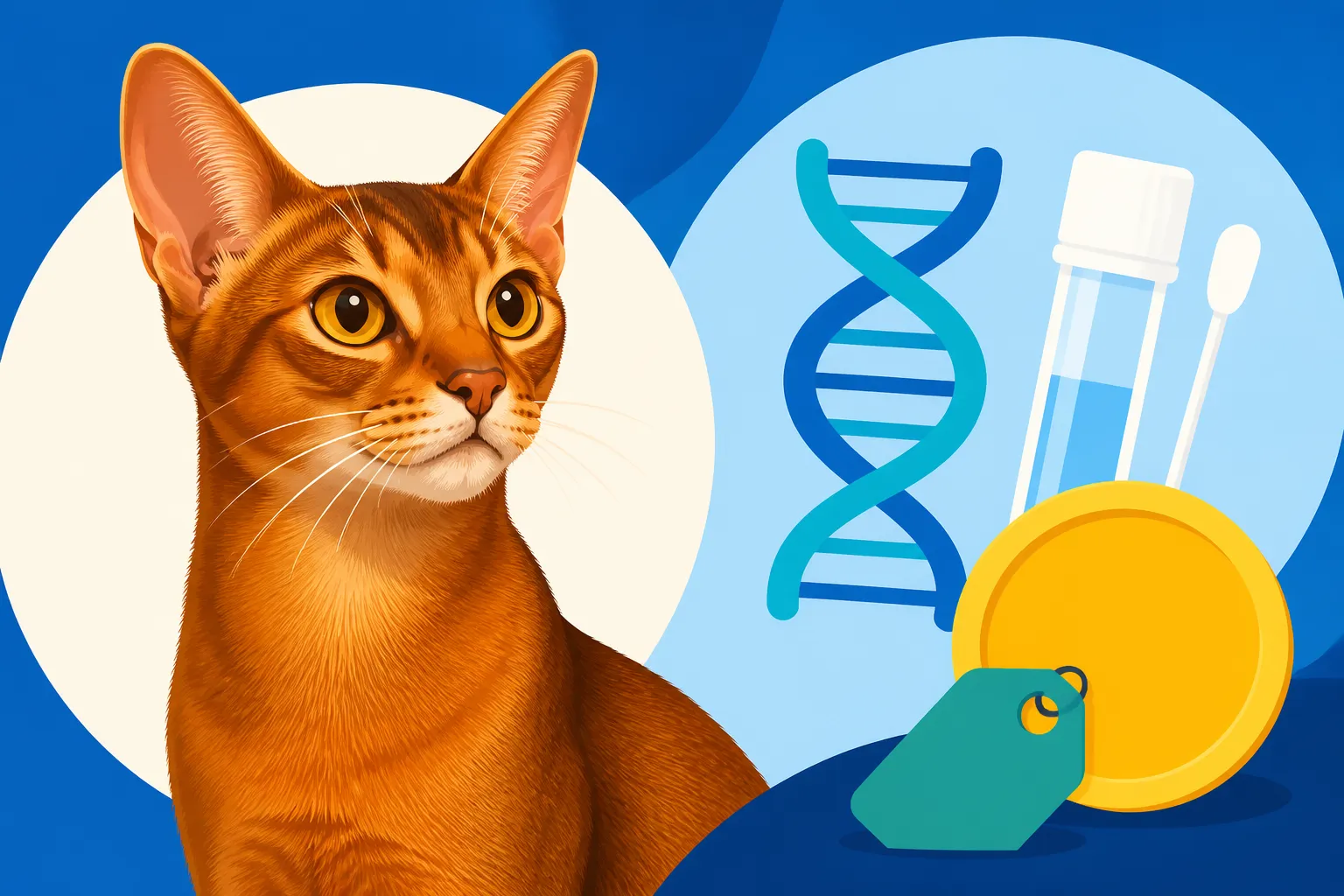
These prices typically include the cheek swab kit, laboratory analysis, and digital results. Shipping costs for the sample might be extra, depending on the lab and your location. While a single test seems cheaper, if you need both PK Deficiency and PRA-rdAc, purchasing a breed-specific panel often offers a better value. Many owners find that purchasing a panel is the most cost-effective way to get all the necessary genetic information, ensuring thorough screening without breaking the bank for multiple individual tests. You can usually find a good breakdown of How Much an Abyssinian DNA Panel Costs directly on the lab websites.
Factors Influencing the Price of Testing
Several elements can sway the final price you pay for an Abyssinian DNA panel:
- Testing Laboratory: Different labs have different pricing structures. Well-known labs like Wisdom Panel (which acquired Optimal Selection) and UC Davis Veterinary Genetics Laboratory (VGL) are popular choices. Wisdom Panel often offers comprehensive breed panels that might include a wider array of tests beyond the critical two for Abyssinians, sometimes influencing the price upwards but offering a more complete genetic profile. UC Davis VGL is renowned for its academic rigor and specialized tests. It's worth comparing their offerings.
- Number of Tests in the Panel: As mentioned, a panel covering both PK Deficiency and PRA-rdAc will be more expensive than just one, but usually less than buying them separately. Some labs might also include tests for coat color genetics or other conditions found in a broader cat population, which could increase the overall price.
- Promotions and Discounts: Keep an eye out for seasonal sales or breeder discounts. Some labs offer reduced rates if you're testing multiple cats at once, which is a common practice for catteries.
- Veterinarian Involvement: If your veterinarian collects the sample and sends it in, there might be a consultation fee for their time and handling. While you can often collect samples yourself with a simple cheek swab kit, having your vet involved can provide an extra layer of confidence and ensures correct collection, which is especially important if you're not comfortable doing it yourself.
It's clear that the initial purchase price of an Abyssinian is just the beginning of your financial commitment. While pet insurance providers like Healthy Paws typically focus on accident and illness coverage rather than preventative tests, understanding your cat's genetic predispositions through a DNA panel can inform your future healthcare budget and decisions. Knowing these risks allows you to proactively monitor for signs of disease and potentially budget for specialized care if needed, which can be invaluable over your cat's lifespan.
How to Navigate Testing: From Sample Collection to Receiving Results
Once you've decided to move forward with DNA testing for your Abyssinian, the process itself is surprisingly straightforward, especially with modern home-testing kits. You don't need to be a geneticist to ensure your cat gets properly screened.
Steps for Owner-Initiated Testing
For most common genetic tests, especially for the Abyssinian panel, the procedure is quite simple:
- Order the Kit: Visit the website of a reputable genetic testing lab (e.g., Wisdom Panel, UC Davis VGL). Select the Abyssinian breed panel or the individual tests you need. They will ship a kit directly to your home.
- Sample Collection: The kit will contain sterile cotton swabs, typically designed to collect cells from inside your cat's cheek. It’s crucial to follow the instructions carefully. You’ll gently rub the swab against the inside of your Abyssinian’s cheek for about 10-15 seconds. Make sure your cat hasn't eaten for at least an hour beforehand to avoid food contamination, which can interfere with the results. Most Abyssinians are curious and cooperative, but if your cat is squirmy, a second set of hands can be helpful. This simple process is why An Abyssinian Cheek Swab Is Enough, making it non-invasive and stress-free for your pet.
- Package and Mail: Once you've collected the sample, let the swab air dry for a few minutes to prevent mold growth, then place it back in its sterile packaging. Fill out any necessary paperwork and mail the kit back to the lab using the provided pre-paid envelope, if applicable.
- Wait for Results: This is often the hardest part! Turnaround times can vary from a few days to several weeks, depending on the lab and the specific tests ordered. You'll typically receive an email notification when your results are ready to view online.
What to Look For in a Reputable Lab
Choosing the right lab is paramount. Here’s what to consider:
- Accreditation and Reputation: Look for labs that are well-established and have a strong reputation in the veterinary genetics community. University-affiliated labs like UC Davis VGL often set the standard.
- Breed-Specific Expertise: Ensure the lab has specific tests for Abyssinian conditions (PK Deficiency, PRA-rdAc). Some generic panels might miss these critical ones.
- Clear Reporting: The results should be easy to understand, clearly stating whether your cat is "Clear," "Carrier," or "Affected" for each condition. They should also explain what each result means. Knowing How to Read an Abyssinian's Normal Test Result, or any other result, is important for informed decisions.
- Customer Support: Good customer service is essential in case you have questions about the collection process or interpreting the results.
- Data Security and Privacy: Understand how your cat’s genetic data will be stored and used. Reputable labs prioritize privacy.
Understanding the Results: Normal, Carrier, Affected
When your results finally arrive, they will fall into one of three categories for each tested condition:
- Normal (or Clear): This is the best outcome! It means your Abyssinian does not have the gene mutation for that specific disease and cannot pass it on to any offspring.
- Carrier: This means your Abyssinian carries one copy of the gene mutation. They are typically healthy and will not develop the disease themselves, but they can pass the gene on to their kittens. For breeding animals, this is critical information because pairing two carriers together risks producing affected offspring. Understanding Why an Abyssinian Marked as a Carrier Is Still Fine, but also why Why Two Carrier Abyssinians Should Never Be Bred, is essential for ethical breeding practices.
- Affected: This indicates your Abyssinian has two copies of the gene mutation and will either develop the disease or is already showing symptoms. This information is crucial for early intervention, ongoing veterinary care, and supporting your cat’s quality of life. For instance, if your Abyssinian is affected by PK Deficiency, your vet can discuss management strategies.
Receiving an "Affected" result can be daunting, but it’s far better to know than to be caught off guard. This knowledge empowers you to work closely with your veterinarian on a proactive care plan, potentially extending your cat's healthy years.
Investing in Health: The Long-Term Value of an Abyssinian DNA Panel
While the immediate cost of an Abyssinian DNA panel might seem like another expense, it’s truly an investment in your cat’s future, your peace of mind, and the overall health of the breed. It’s about more than just a piece of paper; it’s about making informed choices that prevent suffering and save money in the long run.
Preventing Heartache and Expensive Vet Bills
Imagine the scenario: you bring home a gorgeous Abyssinian kitten, fall deeply in love, and then, a few years later, it starts exhibiting symptoms of a debilitating genetic disease. The emotional toll of watching your beloved pet suffer is immense, and the financial burden of managing a chronic condition can be staggering. Treatments for conditions like severe anemia from PK Deficiency or ongoing care for a blind cat due to PRA-rdAc can easily run into thousands of dollars over a cat's lifetime, dwarfing the initial cost of a DNA panel. This is where upfront testing really pays off.
By knowing your Abyssinian's genetic status early, you can avoid these heartaches and financial shocks. If you purchase from a breeder who has tested their lines, you can be confident your kitten is free from these specific genetic predispositions. If you're testing an adopted cat, knowing their status allows you to anticipate potential health challenges and work with your vet to manage them proactively. This might involve specific dietary considerations, regular monitoring, or simply understanding what symptoms to look out for. Many pet owners eventually consider pet insurance, and having a clear genetic profile can help you understand what might be covered versus pre-existing conditions. For example, some plans from providers like Healthy Paws may cover treatments for new conditions that manifest, but generally, genetic testing itself isn't covered. However, knowing your cat's genetic risks can help you make an informed decision about the type of policy you need to cover potential future treatments.
Ethical Considerations for Breeders
For breeders, genetic testing isn't just a recommendation; it's an ethical imperative. Responsible Abyssinian breeders use these panels to ensure they are not inadvertently perpetuating genetic diseases within the breed. By carefully selecting breeding pairs that are "Clear" or, if using a "Carrier," pairing them only with a "Clear" cat, they can prevent the birth of "Affected" kittens. This commitment to genetic health helps maintain the vitality and longevity of the Abyssinian breed as a whole. It’s part of the extensive work that goes into being a responsible breeder, ensuring the long-term health and reputation of their cattery. This is a topic thoroughly explored in articles such as What an Abyssinian Breeder Should Have Tested Before You Buy.
Pet Insurance Considerations
When you invest in an Abyssinian, you're also investing in its health over its potential The Twelve to Fifteen Years an Abyssinian Usually Gets. Pet insurance is a common consideration for many owners, and while most policies, including those from Healthy Paws, focus on covering accidents and illnesses that develop after the policy begins, knowing your cat's genetic predisposition can still be highly beneficial.
For instance, if your Abyssinian is confirmed to be a "Carrier" for PK Deficiency, you'll know to monitor for any signs of anemia more closely, potentially catching issues before they become emergencies. While the genetic test itself won't be covered by insurance, the treatment for any resulting illness (like anemia management or a blood transfusion for an affected cat) might be. However, remember that conditions diagnosed before a policy starts are usually considered pre-existing and won't be covered. This makes early DNA testing, before any symptoms appear, even more valuable. It’s an investment in understanding your cat's unique biological blueprint, allowing you to partner more effectively with your vet and make the best care decisions throughout their vibrant life.
Disclaimer
This article is intended for informational purposes only and does not constitute veterinary advice. Always consult with a qualified veterinarian for any health concerns or before making any decisions about your pet's medical care. Genetic testing results should always be interpreted in consultation with a veterinary professional or genetic counselor.