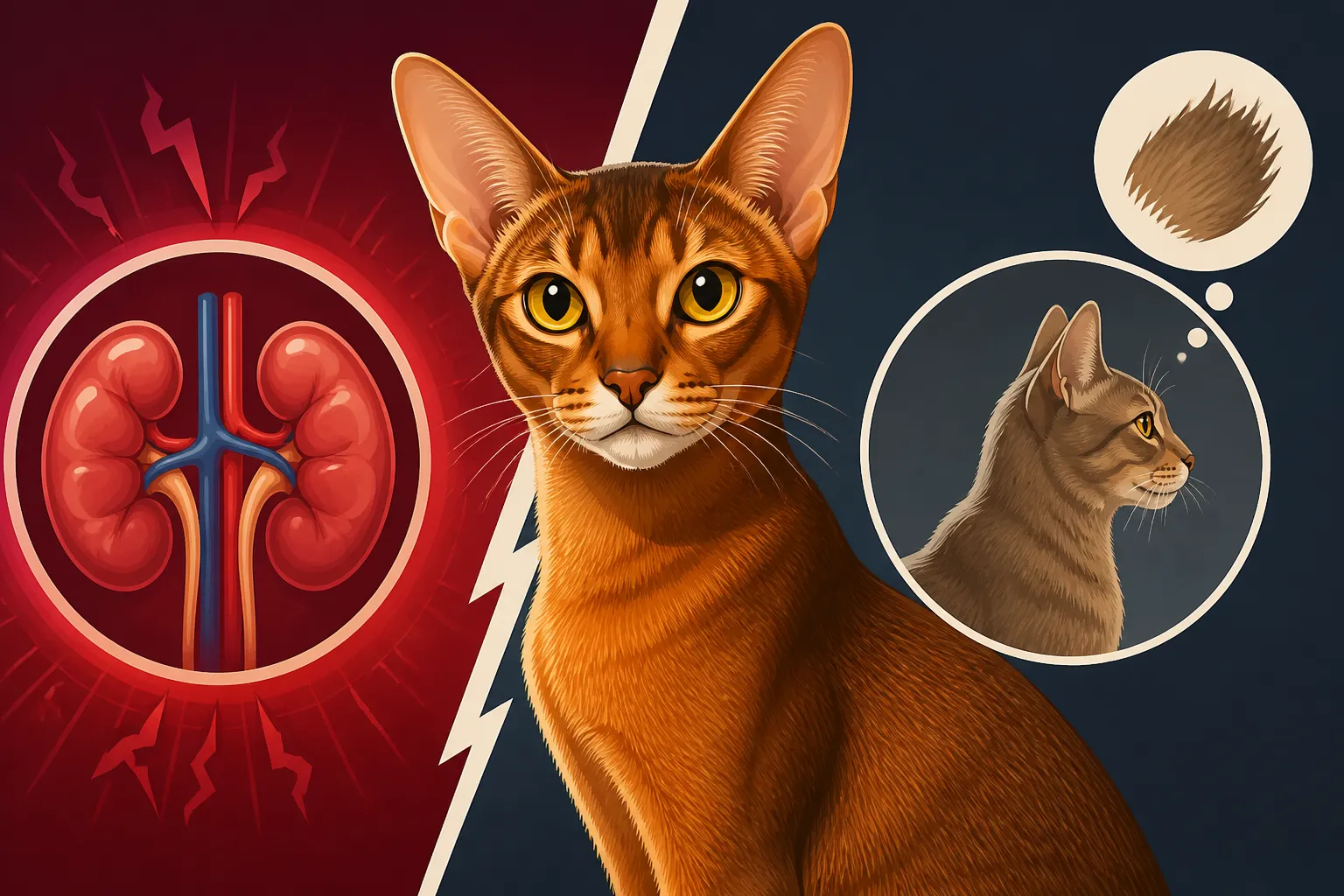
Why an Abyssinian’s Kidneys Fail Before Its Coat Dulls
It's incredibly frustrating, isn't it? You cherish your active, vibrant Abyssinian, and you do everything right – the best food, plenty of play, regular vet check-ups. Yet, there’s this nagging worry, a whispered concern among Abyssinian owners and breeders: kidney disease, particularly renal amyloidosis, can creep in, silently stealing their vitality long before you ever see a dull coat or outward sign of distress. This guide will dive deep into why this happens, helping you understand the insidious nature of this condition and what subtle indicators to watch for to protect your beloved companion.
Understanding Renal Amyloidosis in Abyssinians: The Silent Threat
One of the most heartbreaking realities for Abyssinian owners is the breed's predisposition to renal amyloidosis. Unlike some conditions that announce their presence with obvious physical changes, this particular kidney issue often works in the shadows, making early detection a significant challenge. It's a cruel trick of nature, leaving your energetic, bright-eyed friend looking perfectly normal even as vital organs are slowly compromised.
The Insidious Nature of Amyloid Deposits
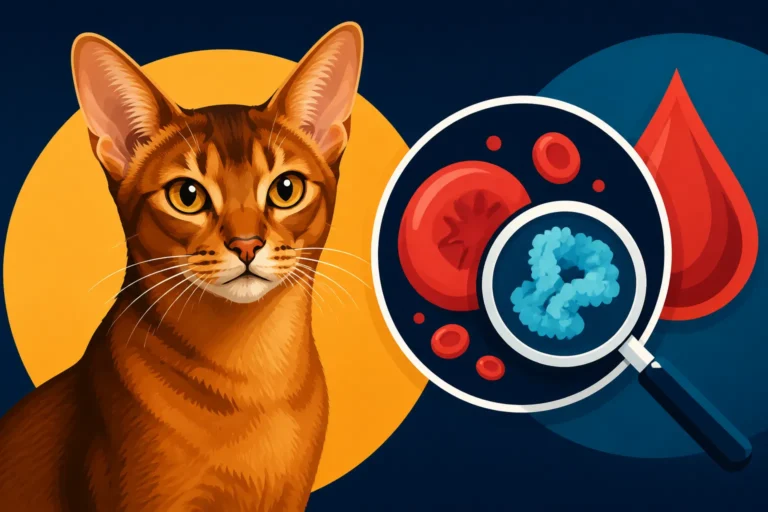
Let's talk about what amyloidosis actually is. Imagine a rogue protein, amyloid, starting to build up in various organs. In Abyssinians, for reasons still being fully understood, this protein frequently targets the kidneys. These amyloid proteins don't belong there, and as they accumulate, they form deposits that gradually choke off the normal function of the kidney tissues. It's like tiny, invisible blockages forming within the intricate filtering system that keeps your cat healthy.
The problem is, this accumulation doesn't happen overnight, and it certainly doesn't cause immediate outward symptoms. Your cat's kidneys are incredibly resilient, designed with a significant "reserve capacity." This means they can lose a lot of their function—sometimes as much as 75%—before your Abyssinian even starts to show signs of illness. During this long, silent phase, the amyloid is diligently doing its damage, but your cat's remaining kidney tissue is working overtime, compensating heroically. This is a key reason why you won't see symptoms like a dull coat; the body is still managing, albeit barely. You might be interested to learn more about What Amyloid Is and Why It Reaches Abyssinian Kidneys.
Genetic Predisposition and Early Onset Concerns
While we can't point to a single, definitive gene test for Abyssinian amyloidosis, the consensus among breeders and veterinary geneticists is that there's a strong genetic component at play. This isn't like Pyruvate Kinase Deficiency (PKD) or Progressive Retinal Atrophy (PRA), where a simple DNA test can definitively tell you if your cat is clear, a carrier, or affected. Unfortunately, Why No Gene Test Exists for Abyssinian Amyloidosis is a complex issue still being researched, making responsible breeding even more challenging.
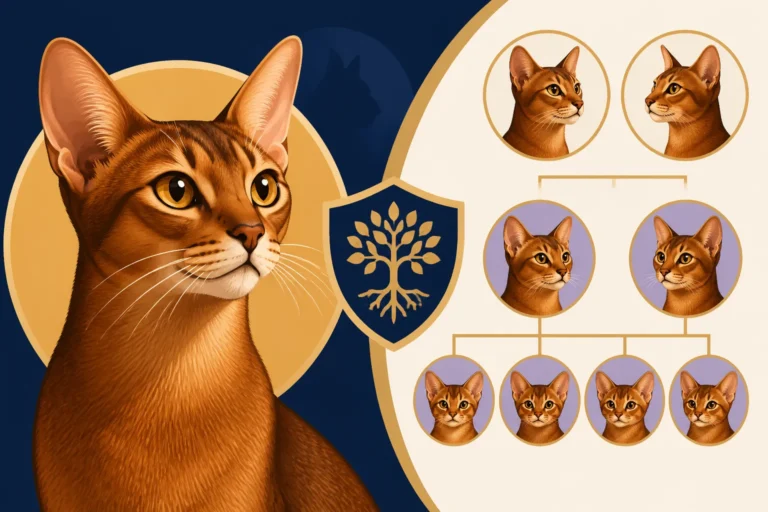
What we do know is that some lines are more prone to developing the condition, and it can affect Abyssinians at a surprisingly young age. While kidney disease is often associated with older cats, it's not uncommon to see Abyssinians as young as two or three years old begin to show signs of renal amyloidosis. This early onset is particularly heartbreaking because it robs these vibrant cats of many years of life. This is why when considering an Abyssinian kitten, asking detailed questions about Why an Abyssinian Line's History Matters More Than Any Test becomes paramount.
Why the Coat Stays Bright (Initially)
The Abyssinian coat is a thing of beauty – short, fine, ticked, and usually gleaming with health. When we think of a sick cat, a dull, unkempt coat is often one of the first images that comes to mind. It's a classic symptom of many chronic illnesses, as the cat's body prioritizes essential functions over maintaining luxurious fur. But with early renal amyloidosis, your Abyssinian's coat can remain gloriously pristine, a testament to their inherent robustness and the slow, internal progression of the disease.
The energy levels of an Abyssinian also play a role. These cats are known for being perpetually on the go, often masking discomfort with their boundless enthusiasm. A dull coat often indicates that a cat is feeling unwell enough to stop grooming, or that their nutritional status is severely impacted. In the early stages of renal amyloidosis, while the kidneys are indeed struggling, the cat may still be eating well and grooming diligently. It's only much later, when kidney function drops dramatically, and toxins build up significantly, that systemic signs like a poor coat, lethargy, or noticeable weight loss might appear. But by then, the disease is often very advanced, making management much harder. This is a good example of Why a Lean Abyssinian Hides Illness Longer Than a Heavy Cat.
The Insidious Progression of Kidney Disease
Understanding how kidney disease progresses is key to appreciating why early detection is such a tricky business, especially in a breed like the Abyssinian. It’s not a sudden breakdown, but a gradual decline that the body works hard to conceal.
The Kidneys' Amazing Compensatory Abilities
As mentioned, your Abyssinian's kidneys are incredible organs, packed with redundancy. Each kidney has thousands of tiny filtering units called nephrons. When some of these nephrons are damaged by amyloid deposits, the remaining healthy ones simply work harder to pick up the slack. This compensatory mechanism is a double-edged sword: it keeps your cat feeling and looking well for a long time, but it also means that by the time overt signs of illness appear, a significant portion of kidney function has already been lost.
This "silent decline" can be frustrating for owners and vets alike. You bring your cat in for their annual check-up, and everything seems fine. The traditional blood values like creatinine and BUN (Blood Urea Nitrogen) might still be within normal limits because the remaining nephrons are valiantly filtering the blood. It's a testament to the cat's physiological resilience, but it also means we need to look beyond the surface, particularly for breeds with known predispositions like Abyssinians.
Subtle Behavioral Changes as Early Warnings
Since the outward physical signs are delayed, owners often need to become detectives, looking for the most subtle shifts in their Abyssinian's behavior. These aren't always dramatic; sometimes, it’s just a feeling that something is "off." One of the earliest and most important clues is an increase in thirst and urination. Your Abyssinian might visit the water bowl more frequently, or you might notice fuller, more numerous clumps in the litter box. This happens because the damaged kidneys lose their ability to concentrate urine, leading to more diluted pee and the body trying to compensate by drinking more. A very alert owner might notice Why a Thirsty Young Abyssinian Is a Red Flag.
Other subtle signs can include:
- Slight decrease in appetite: Maybe they’re not finishing all their food, or they’re a little pickier than usual.
- Minor weight loss: Difficult to spot in a lean, active Abyssinian, but a trend over months can be significant. Why an Abyssinian's Weight Loss Is Never Minor highlights the importance of monitoring this.
- Less enthusiastic play: Still playful, but maybe not quite as relentless or for as long.
- More frequent napping: Abyssinians are active, so any increase in downtime, even if slight, can be a red flag.
These changes are so easy to dismiss as "just getting older" or "a bit tired today," but in a breed susceptible to kidney issues, they warrant closer investigation.
The Lag Between Internal Damage and External Symptoms
The reason the coat doesn't dull and lethargy isn't pronounced in early kidney disease is simply the physiological lag. The kidney's job is filtration and waste removal. As this process becomes less efficient due to amyloid accumulation, waste products slowly begin to build up in the bloodstream. However, this buildup needs to reach a certain threshold before it starts affecting other bodily systems enough to cause noticeable external signs.
An Abyssinian’s naturally lean build and high metabolism can sometimes work against them here. They often burn through calories efficiently and maintain good muscle mass, which can mask the subtle muscle wasting that sometimes accompanies chronic illness. Their vibrant personality also means they often power through discomfort, making it even harder for owners to pick up on early distress. It’s a sad irony that their robust nature allows the disease to progress further undetected.
What to Look For: Early Detection Markers and Veterinary Insight
Given the silent nature of Abyssinian kidney disease, proactive monitoring and a keen eye for specific diagnostic markers are absolutely crucial. This is where your vet becomes your most important ally.
Bloodwork Beyond Creatinine
For years, creatinine and BUN levels in blood tests were the primary indicators of kidney function. The problem, especially in Abyssinians, is that these values only rise significantly once about 75% of kidney function is already gone. This means by the time your vet sees an elevated creatinine, the disease is already quite advanced.
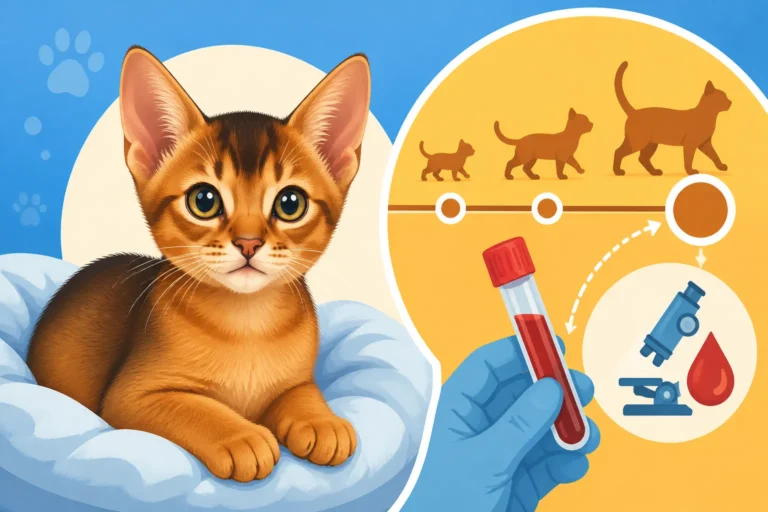
This is where newer diagnostic tools like SDMA (Symmetric Dimethylarginine) come into play. SDMA is a much more sensitive biomarker for kidney function. It can detect a decline in kidney function much earlier, often when only 40% of kidney function has been lost. This difference is huge! Catching kidney disease at 40% loss versus 75% loss gives you and your vet a much larger window for intervention and management, potentially adding precious years to your Abyssinian's life. It's a game-changer, and you should always ensure your vet includes it in routine blood panels for your Abyssinian. Understanding How the SDMA Value Reads on an Abyssinian can empower you to discuss these tests with your vet.
It's vital to remember that Why a Normal Creatinine Does Not Clear an Abyssinian is precisely because of this compensatory mechanism and the later rise in traditional markers. Always advocate for the most comprehensive testing.
| Kidney Function Marker | What it Measures | Detection Threshold | Abyssinian Relevance |
|---|---|---|---|
| Creatinine | Muscle waste product, filtered by kidneys | Rises after ~75% kidney function loss | Traditional, but too late for early Abyssinian amyloidosis |
| BUN | Waste product from protein breakdown | Rises after ~75% kidney function loss | Similar to Creatinine, late indicator |
| SDMA | Amino acid byproduct, filtered by kidneys | Rises after ~40% kidney function loss | Crucial early indicator for Abyssinians! |
| Urine Specific Gravity (USG) | Kidney's ability to concentrate urine | Early indicator of reduced kidney function | Key alongside bloodwork for early detection |
| Urine Protein:Creatinine Ratio | Amount of protein leaking into urine | Early sign of kidney damage (proteinuria) | Important for monitoring kidney damage progression |
Urine Analysis: The Unsung Hero
Beyond blood tests, a thorough urine analysis is another cornerstone of early kidney disease detection. Two main aspects are particularly insightful:
- Urine Specific Gravity (USG): This measures how concentrated your cat's urine is. Healthy kidneys produce concentrated urine. As kidney function declines, they lose this ability, resulting in more dilute urine (a lower USG). This can be one of the very earliest indicators that something is amiss, sometimes even before SDMA levels start to creep up. If your Abyssinian is drinking more and peeing more diluted urine, that's a significant red flag.
- Urine Protein:Creatinine Ratio (UPC): This test helps identify proteinuria – the leakage of protein into the urine. Healthy kidneys retain protein in the blood, so protein in the urine indicates damage to the filtering units. Persistent proteinuria, even with seemingly normal blood values, can be an early sign of kidney damage, especially in conditions like amyloidosis where the filtering membranes are compromised.
Regular urine checks, ideally every 6-12 months for at-risk breeds like Abyssinians, especially as they enter middle age, can provide critical insights that blood tests alone might miss. This proactive approach is vital for How Young an Abyssinian Can Lose Its Kidneys and for initiating management strategies if concerns arise.
Lifestyle and Behavioral Red Flags
Even with the best veterinary care and advanced testing, your daily observation remains paramount. You know your Abyssinian best. Any sustained change in their routine, energy levels, or habits warrants a call to the vet. As we discussed, a slightly less bouncy cat, one who is a bit thirstier, or whose litter box output changes subtly, could be giving you invaluable early signals.
It's easy to dismiss these things, but Abyssinians are creatures of habit and high energy. A decline in their usual zest, even if it's just a little less crazy zoomies or a preference for napping over playing with their favorite wand toy, could indicate an underlying health issue. Don't wait for the dramatic signs like vomiting, extreme lethargy, or that tell-tale dull coat. By then, the battle is much harder.
Early diagnosis doesn't mean the end of the road; it means you have options. It means your vet can begin to manage the disease with dietary changes, medications, and fluid therapy, potentially significantly extending your Abyssinian's quality of life. Veterinary support, and sometimes even pet insurance providers like Healthy Paws, are vital resources in navigating long-term conditions like kidney disease, helping manage the costs associated with ongoing care such as monitoring Which Blood Values Catch an Abyssinian's Kidneys Early and regular urine analyses. Early detection allows you to put a plan in place with your vet, managing symptoms and supporting kidney function, which can make a huge difference in How Long an Abyssinian Lives After Amyloidosis Shows.
Disclaimer
This article is for general informational purposes only and does not constitute professional advice. Laws, prices and regulations vary by location and change over time. Consult a qualified professional for guidance on your specific situation.