What an Abyssinian’s Grandparents Reveal About Its Kidneys
One of the most heartbreaking worries for any Abyssinian parent is the specter of kidney disease, especially since it often strikes without warning and there's no single, easy test to predict its arrival. It's a frustrating situation that leaves many of us feeling helpless, wondering if our beloved, energetic cats are ticking time bombs. This guide aims to pull back the curtain on this complex issue, specifically by helping you understand what your Abyssinian's grandparents can tell you about their kidney health, offering a crucial piece of the puzzle in preventing or managing this silent threat.
Understanding the Shadow of Renal Amyloidosis in Abyssinians
When we talk about kidney problems in Abyssinians, one particular condition looms large: Renal Amyloidosis. It's a disease that brings a unique kind of dread because, unlike some other hereditary conditions with clear genetic markers, this one operates in the shadows, making it incredibly difficult to anticipate. As dedicated Abyssinian owners, we want to do everything we can to safeguard our cats, but the lack of straightforward answers for amyloidosis can be incredibly disheartening.
The Silent Threat: What Renal Amyloidosis Does
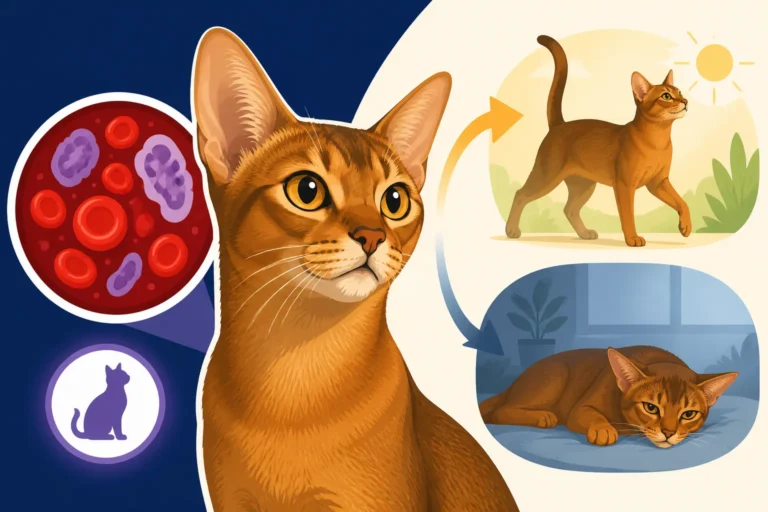
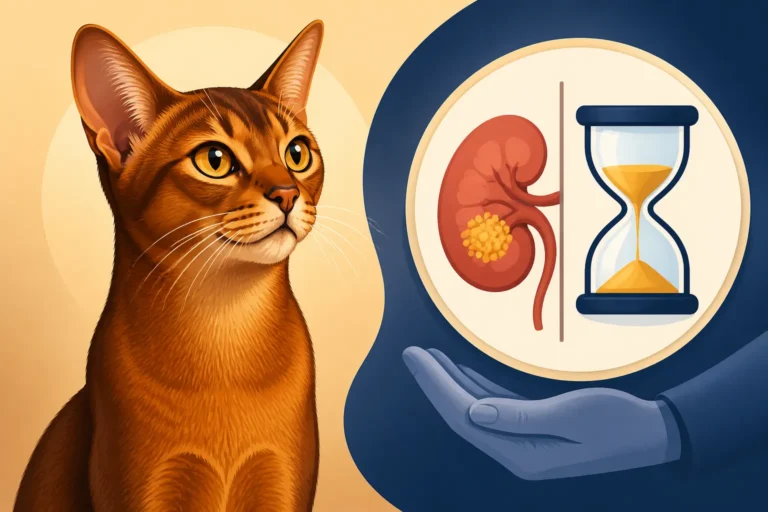
At its core, amyloidosis involves the abnormal deposition of amyloid protein in various organs, and in Abyssinians, it most commonly targets the kidneys. Imagine tiny, sticky protein strands accumulating, slowly suffocating the delicate kidney tissue. This accumulation prevents the kidneys from doing their vital job of filtering waste products from the blood. Over time, as more and more amyloid builds up, the kidneys become damaged, leading to progressive kidney failure. The frustrating part is that this process can be insidious, showing no obvious signs until the disease is quite advanced. This makes it a truly silent threat, often only revealing itself when symptoms become undeniable, and by then, the damage is already significant. Understanding what amyloid is and why it reaches Abyssinian kidneys is the first step in appreciating the challenge this disease presents.
The Frustration of No Direct Genetic Test
Perhaps the biggest source of anxiety surrounding renal amyloidosis in our breed is the stark reality that there is no specific DNA test available to definitively identify carriers or affected individuals. We have wonderful genetic tests for conditions like Pyruvate Kinase Deficiency (PKD) and Progressive Retinal Atrophy (PRA-rdAc), which provide clear answers and allow breeders to make informed decisions. But for amyloidosis, we're left without that crucial tool. This means that even with the most conscientious breeding practices, there's always an element of uncertainty. The absence of a simple "yes" or "no" test for something so potentially devastating is a source of immense frustration for both breeders and pet owners, highlighting why careful pedigree analysis and open communication about family health history become paramount. As many long-time Abyssinian enthusiasts know, Renal Amyloidosis Is the Abyssinian Problem Nobody Can Test For, which makes every bit of family history priceless.
The Genetic Puzzle: Why Grandparents Hold the Key
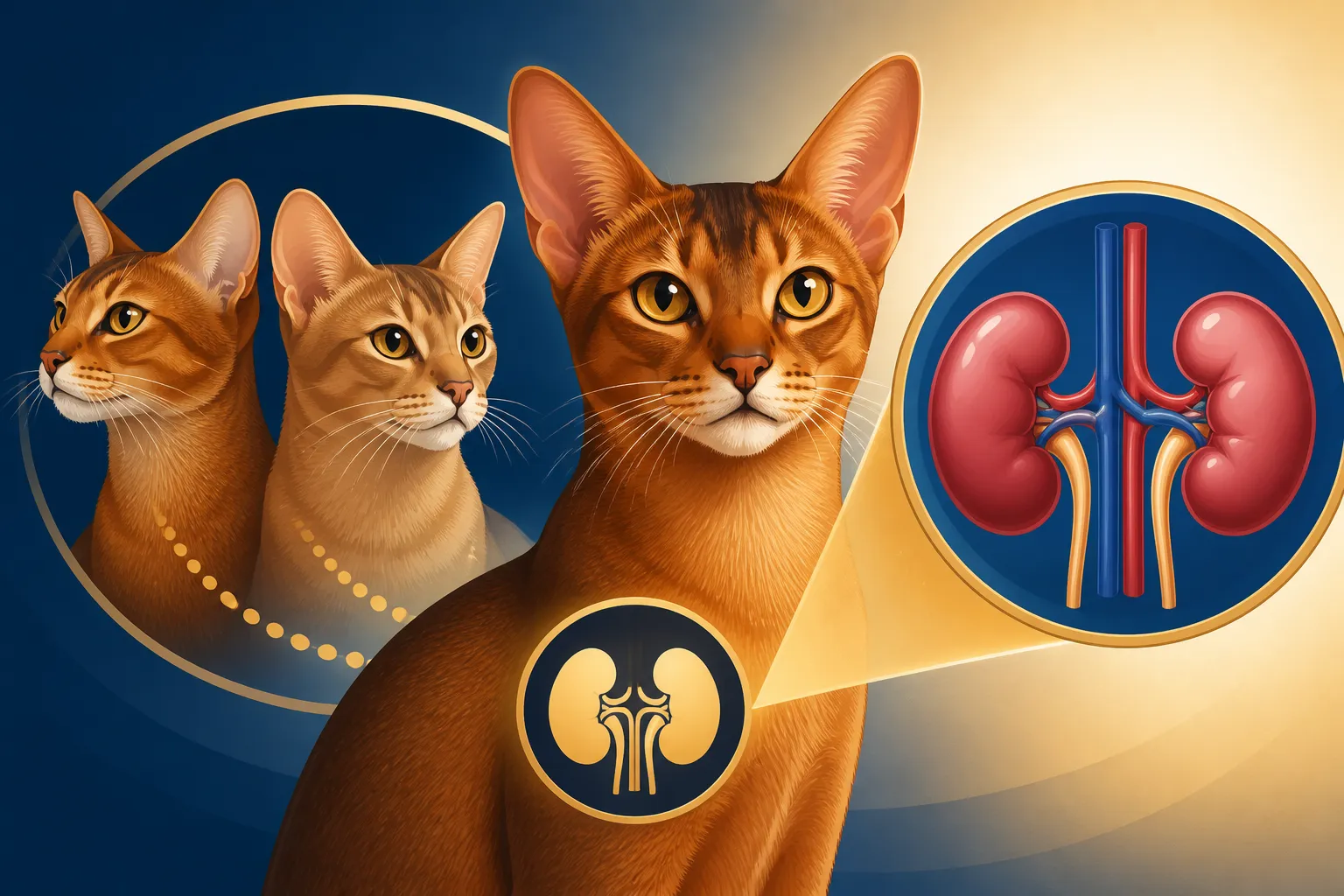
Given the lack of a direct genetic test, you might feel like you're fumbling in the dark. However, the path to understanding your Abyssinian's kidney health isn't entirely blind. Instead of a single, obvious sign, we have to look for patterns, and those patterns often become clearer when you extend your gaze beyond just the immediate parents to the grandparent generation. This is where the complex, polygenic nature of the disease comes into play, making your cat's ancestral line a critical map.
Beyond Parents: The Polygenic Reality
Unlike diseases caused by a single, identifiable gene mutation, renal amyloidosis in Abyssinians is thought to be a polygenic condition. This means that multiple genes, possibly interacting with environmental factors, all contribute to the risk of developing the disease. Think of it like a recipe: it's not just one ingredient that makes a dish, but the combination and proportions of many. Because multiple genes are involved, a cat might inherit some risk factors from one parent and other risk factors from the other, even if neither parent individually shows signs of the disease or has a single "bad gene" to test for. This complexity is precisely Why No Gene Test Exists for Abyssinian Amyloidosis; it's not a simple case of dominant or recessive inheritance that can be easily screened. Therefore, simply knowing that your kitten's parents are healthy isn't enough; the genetic predisposition can lie hidden, passed down through generations, only to manifest under the right—or rather, wrong—circumstances.
Family History as the Best Indicator
When you can't test for a specific gene, the next best thing, and arguably the most powerful tool we have, is comprehensive family history. By examining the health and longevity of your Abyssinian's grandparents, great-grandparents, and even beyond, you can start to identify patterns. Did multiple cats in a particular line succumb to kidney failure at a younger age? Were there recurring instances of unexplained decline that vets later attributed to kidney issues? These are the crucial questions. Breeders who are truly dedicated to the health of the breed meticulously track these details, often keeping records that span many generations. This kind of detailed record-keeping helps to highlight lines that may carry a higher inherent risk for amyloidosis. This is why an Abyssinian Line's History Matters More Than Any Test; it’s the collective health story that offers the most insight.
Why the "Clear by Parentage" Isn't Enough
For many genetic conditions, if both parents are tested clear, their offspring are considered "clear by parentage." This is a fantastic and reliable way to ensure a kitten won't be affected by those specific single-gene diseases. However, for a polygenic condition like amyloidosis, "clear by parentage" simply doesn't apply in the same way. A parent might carry several of the contributing genes without ever developing the disease themselves, especially if they didn't inherit the full complement of risk factors, or if environmental triggers were absent. But when bred, these partial genetic contributions can combine in the offspring in a way that creates a higher risk. This is why looking at the grandparents is so vital: they represent another layer of genetic history, offering a wider view of the predispositions within the family tree that might not be obvious from the immediate parents alone.
Deciphering the Pedigree: What to Look For in Ancestral Health Records
So, you understand the importance of family history, especially the grandparents. But how do you actually go about gathering and interpreting this information? It's not always as simple as glancing at a piece of paper. You'll need to know what questions to ask, where to look, and how to read between the lines to get the full picture of your Abyssinian's potential kidney health risks.
Asking the Right Questions to Your Breeder
Your breeder is your most invaluable resource. A responsible and ethical Abyssinian breeder will be transparent and forthcoming with health information about their lines. Don't be shy about asking direct and detailed questions regarding the grandparents and other close relatives of your kitten. Specifically, inquire about:
- Causes and Ages of Death: For any cat in the pedigree, especially the grandparents, what were the causes of death? Were there any instances of early kidney failure (e.g., before 8-10 years old)? How Young an Abyssinian Can Lose Its Kidneys is a critical piece of information.
- Kidney Issues and Symptoms: Did any grandparents or their siblings show signs of chronic kidney disease, such as increased thirst, weight loss, or changes in coat condition? These are often the subtle early warnings.
- Veterinary Records: While you won't get access to full medical records, a breeder should be able to confirm if specific kidney-related tests (like SDMA or routine blood work) were part of their older cats' wellness checks, and what the outcomes were.
- Longevity in the Line: While not a direct indicator of amyloidosis, a pattern of long-lived cats (15+ years) with good health is a positive sign for overall robust genetics. Conversely, a pattern of cats dying young, even from varied causes, can be a red flag prompting further inquiry.
A good breeder will not only answer these questions but often volunteer the information proactively. They understand the concerns surrounding Renal Amyloidosis and are committed to improving breed health through careful selection and transparency.
Interpreting Health Registries and Databases
Some breed clubs and health organizations maintain voluntary databases where breeders can submit health information, including causes of death or diagnoses of conditions like amyloidosis. While these are not universally exhaustive, they can be a helpful supplementary resource. For example, the Orthopedic Foundation for Animals (OFA) maintains a public database for various conditions in dogs and cats, including kidney issues. While direct amyloidosis entries might be scarce due to the lack of a specific test, you might find entries for general kidney disease or causes of death. These databases can provide another layer of confirmation or raise questions that you can then bring back to your breeder. Always cross-reference information and understand that not every breeder participates, nor is every health issue reported.
The Value of Detailed Pedigree Information
Beyond just names and titles, a truly informative pedigree provides an in-depth view of the ancestral line. A breeder who can furnish you with a pedigree that includes not only parentage but also health notes, genetic test results for other conditions (like PK Deficiency and PRA-rdAc), and documented causes of death for key ancestors, is providing invaluable insight. This comprehensive view helps you understand the genetic landscape your kitten is inheriting.
Consider this: if your kitten's grandparents on both sides lived to ripe old ages, say 15 or 16, without any documented history of kidney disease or early decline, that's a much more reassuring picture than if several grandparents or great-grandparents passed away at 7 or 8 due to kidney failure. This detailed historical data helps to inform your personal risk assessment and guides your discussions with your veterinarian about preventive care and monitoring for your own Abyssinian.
| Information to Seek About Grandparents | Why It Matters for Kidney Health |
|---|---|
| Age and Cause of Death | Early kidney failure (before 10 years) is a significant red flag for potential amyloidosis risk. |
| History of Kidney Disease (CKD) | Documented chronic kidney disease or amyloidosis in any relative increases genetic risk. |
| Symptoms of Kidney Issues | Excessive thirst, unexplained weight loss, dull coat, or lethargy in older relatives are warning signs. |
| Longevity of Line | A consistent pattern of long-lived, healthy cats (15+ years) generally indicates robust genetics. |
| Breeder Transparency | Willingness to openly discuss past health issues suggests responsible breeding practices. |
Proactive Measures Beyond Genetics: Supporting Your Abyssinian's Kidney Health
While understanding your Abyssinian's genetic background is crucial, it's only one piece of the puzzle. Even with a seemingly "clear" family history, proactive care and diligent monitoring are essential to support kidney health throughout your cat's life. Think of it as giving your beloved companion the best possible foundation, regardless of any underlying predispositions.
Early Detection Through Regular Vet Checks
Regular veterinary check-ups are paramount for early detection of any health issue, but they become even more critical for conditions like renal amyloidosis, which often show no outward signs until advanced. Your vet can monitor key indicators that might signal developing kidney problems long before your cat seems unwell. Which Blood Values Catch an Abyssinian's Kidneys Early? The SDMA (Symmetric Dimethylarginine) blood test is a fantastic tool because it can detect kidney disease much earlier than traditional creatinine levels, sometimes months or even years before creatinine rises. A rising SDMA value, even if still within the "normal" range but trending upwards, can be an early warning sign, prompting further investigation. How the SDMA Value Reads on an Abyssinian can give your vet a head start in managing potential issues. Additionally, routine urinalysis to check for protein in the urine (e.g., a urine protein-creatinine ratio) is also incredibly important, as protein loss through the kidneys can be another early indicator of damage. Remember, Why a Normal Creatinine Does Not Clear an Abyssinian – SDMA is key!
Nutritional Support and Hydration
Diet and hydration play significant roles in kidney health. Ensuring your Abyssinian gets enough water is absolutely vital, especially considering the breed's potential predisposition to kidney issues. Many vets recommend feeding a diet rich in wet food, as this significantly increases a cat's daily water intake compared to an exclusively dry kibble diet. Water fountains can also encourage drinking by providing fresh, circulating water. Why an Abyssinian's Kidneys Make Water Intake Matter cannot be overstated.
When it comes to diet, a high-quality, protein-rich diet is generally recommended for healthy Abyssinians. However, if your cat does develop signs of kidney disease, your vet might recommend a specialized renal diet. These diets are carefully formulated with controlled protein and phosphorus levels to reduce the workload on the kidneys and slow the progression of the disease. While you can't "prevent" amyloidosis with diet alone, supporting overall kidney function can certainly help manage the condition and potentially extend your cat's quality of life. How a Kidney Diet Buys an Abyssinian Time by easing the burden on already compromised kidneys, making them a crucial part of treatment.
Lifestyle Factors for Longevity
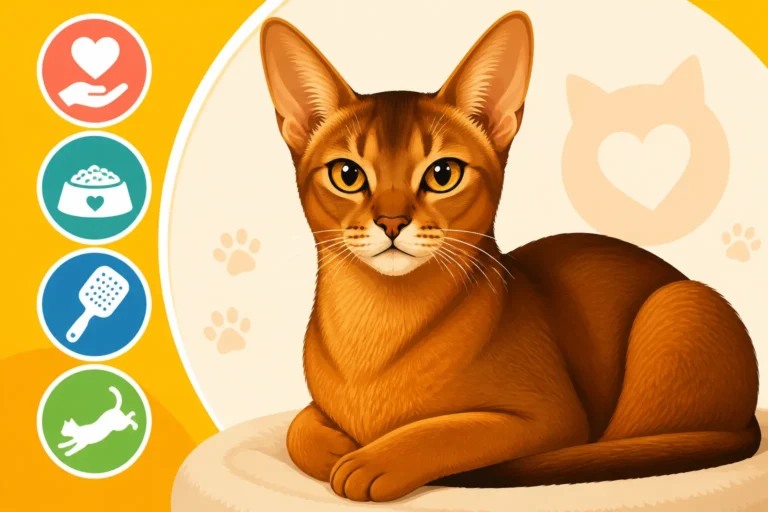
Beyond genetics and specific medical interventions, a holistic approach to your Abyssinian's well-being contributes greatly to their overall health and longevity. Keeping your Abyssinian at a healthy, lean weight is crucial, as excess weight can put additional strain on all organs, including the kidneys. Why an Abyssinian's Weight Loss Is Never Minor is a concept to always keep in mind, as even subtle changes can indicate underlying health issues. Providing a stimulating environment with plenty of vertical climbing spaces and interactive toys helps keep their minds and bodies active, which is vital for this energetic breed. Reducing stress in their environment, ensuring a consistent routine, and providing plenty of affection also contribute to a strong immune system and overall vitality.
Consider investing in pet insurance, like a policy from Healthy Paws, when your Abyssinian is young. While most policies have waiting periods and pre-existing condition clauses, having comprehensive coverage in place before any serious illness develops can alleviate the financial stress of managing long-term conditions like kidney disease. This peace of mind allows you to focus on your cat's care without worrying about astronomical vet bills. Healthy Paws and similar providers can be lifesavers when unexpected health challenges arise, making it easier to afford treatments like fluids at home, specialized diets, or emergency care, ensuring your Abyssinian receives the best possible treatment throughout their life, especially as they enter their senior years. This proactive financial planning is just as important as medical care in ensuring your Abyssinian lives a long, healthy life. Thinking about Caring for an Abyssinian Past Ten? Pet insurance can make a huge difference in those golden years.
Disclaimer
The information provided in this article is for general informational purposes only and is not a substitute for professional veterinary advice. Always consult with a qualified veterinarian for any health concerns or before making any decisions related to your pet's health or treatment.