Why an Abyssinian That Stops Climbing Needs a Vet
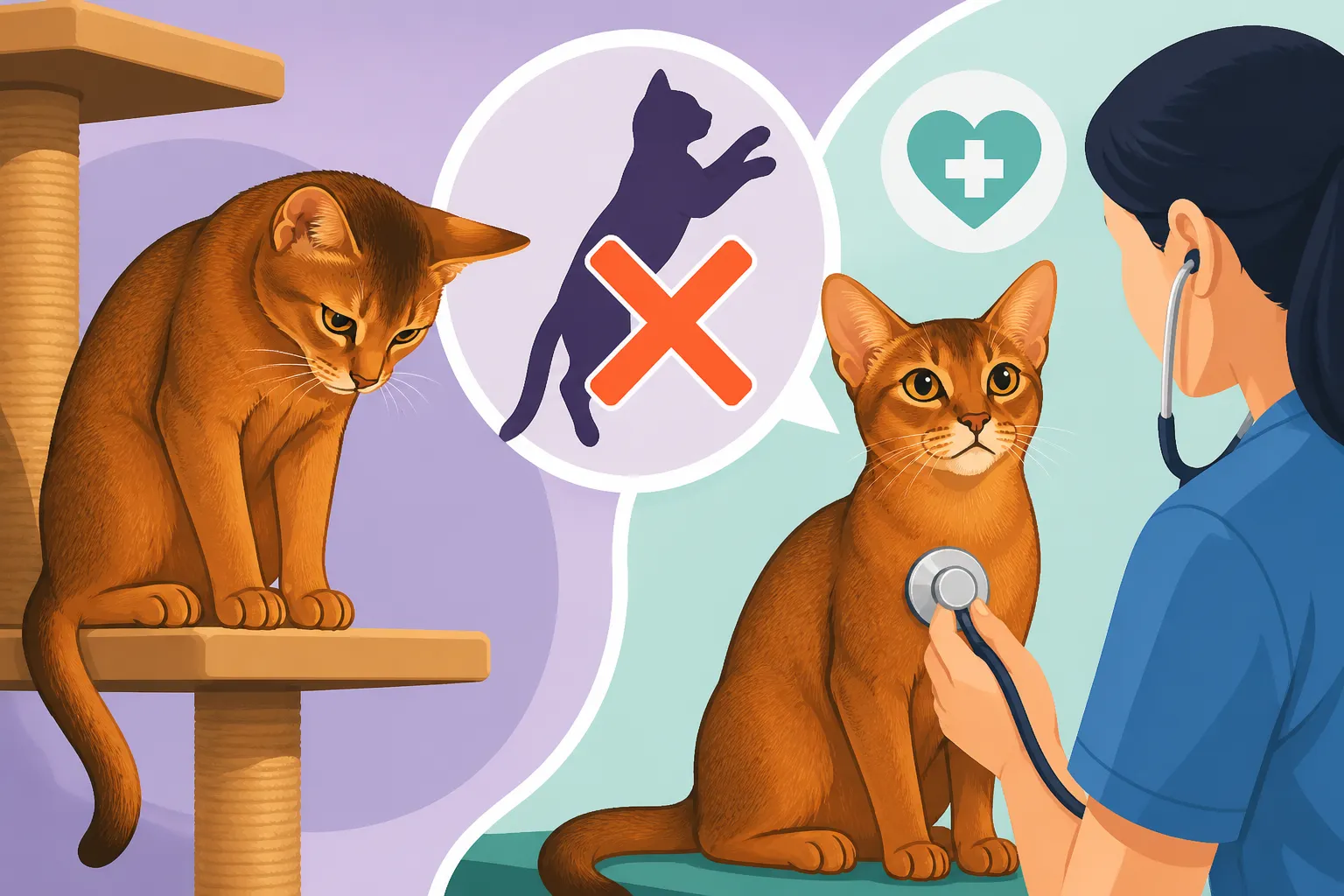
It’s incredibly unsettling when your usually boundless Abyssinian, a cat known for its acrobatic prowess and insatiable curiosity, suddenly stops climbing. This isn’t just a minor shift in behavior; it’s a blaring alarm bell from a breed that fundamentally needs to be up high. When your athletic companion chooses to stay grounded, it’s a clear signal that something is amiss, and it absolutely warrants a prompt visit to your veterinarian.
The Abyssinian's Innate Need for Vertical Space and Activity
Abyssinians aren't just cats; they're dynamic, intelligent, and endlessly active companions who thrive on exploration and elevation. Their natural instincts drive them to seek out the highest perches, not just for a better view, but as a core part of their physical and mental well-being. When this fundamental behavior ceases, it speaks volumes about their internal state.
Understanding the Abyssinian's Natural Drive
From the moment they’re tiny kittens, Abyssinians are movers and shakers. They possess an almost dog-like energy, constantly investigating, playing, and, most notably, climbing. This isn't just a quirky habit; it’s deeply ingrained in their breed characteristics. Their sleek, muscular bodies are perfectly designed for scaling cat trees, bookshelves, and even door frames. They use vertical spaces to survey their territory, escape perceived threats (even playful ones from human hands!), and simply to satisfy their innate need for physical exertion and mental stimulation. Think of it as their daily workout and intellectual challenge rolled into one. They aren't content to merely watch the world go by from a sofa; they want to be actively engaged with it, often from the highest vantage point possible. This relentless drive is a huge part of their charm and why their owners adore them so much.
For an Abyssinian, climbing is an expression of their vitality and joy. They revel in launching themselves up a tall cat tree, navigating a complex series of wall shelves, or even just hopping onto your shoulder to oversee dinner preparations. Their natural athleticism and keen intelligence mean they often map out intricate climbing routes, turning your home into their personal jungle gym. Owners quickly learn to provide ample vertical enrichment, recognizing that An Abyssinian Needs Height More Than It Needs Floor. Without these opportunities, an Abyssinian can become bored and even destructive, but when they have them, they use them constantly. This intrinsic behavior is so central to their identity that any deviation from it is immediately noticeable and concerning.
When a Change in Climbing Habits Becomes a Red Flag
Because climbing is such an integral part of an Abyssinian's life, a noticeable reduction or complete cessation of this activity should never be dismissed as minor. We're not just talking about an older cat slowing down a bit; we're talking about a significant shift from their baseline behavior. This might manifest as hesitancy before jumping, struggling to gain purchase, abandoning a climb halfway, or simply choosing to stay on lower surfaces when higher ones were once their favorite. Perhaps they now only use the lowest tier of their cat tree, or they look longingly at the top of the fridge but don't even attempt the leap. These subtle cues are often the first, and sometimes only, indication that your energetic Abyssinian is experiencing discomfort or illness.
Unlike some other cat breeds that might be content with a more sedentary lifestyle, an Abyssinian who stops climbing is akin to a typically vocal Siamese suddenly falling silent. It goes against their very nature. Their high energy levels often mask illness for as long as possible, a survival instinct that makes it harder for owners to spot trouble. This means that by the time you notice a change in their climbing habits, whatever underlying issue is present might already be quite advanced. It’s why Why a Lean Abyssinian Hides Illness Longer Than a Heavy Cat, and why any behavioral shift, especially one so profound, demands immediate attention. Don’t wait to see if it improves on its own; act swiftly.
Common Health Issues That Affect an Abyssinian's Mobility
When an Abyssinian stops climbing, it's almost always due to pain or weakness, and these can stem from a variety of health conditions. Recognizing the potential culprits can help you communicate more effectively with your vet, but remember, only a professional diagnosis can pinpoint the exact cause.
Musculoskeletal Pain and Injury
One of the most immediate concerns when an Abyssinian avoids climbing is pain in their joints, muscles, or bones. Their active lifestyle, while wonderful for their health, can also predispose them to certain injuries or degenerative conditions. For instance, older Abyssinians can certainly develop arthritis, just like any other cat, which makes jumping and landing incredibly painful. You might not see obvious limping; instead, you'll notice a reluctance to engage in activities they once loved. The stiff joints simply can't handle the impact anymore, and they're too proud to show weakness, so they simply stop attempting the climb. A vet can assess joint health and discuss pain management options, which can significantly improve their quality of life.
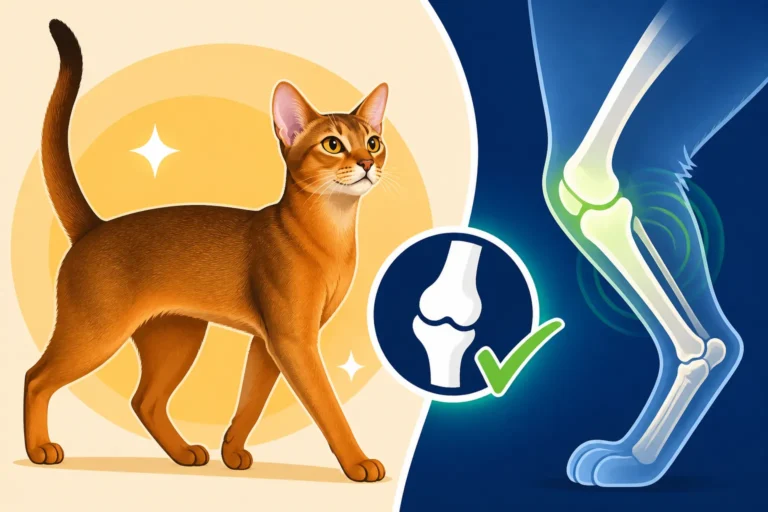
Beyond chronic conditions, acute injuries are also a distinct possibility. An Abyssinian’s adventurous spirit sometimes outstrips their judgment, leading to misjudged leaps or falls. They could have sprained a joint, strained a muscle, or even suffered a hairline fracture that isn't immediately visible. These sorts of injuries, even minor ones, can make the act of climbing agonizing. Another condition, less common but certainly seen in Abyssinians, is patellar luxation, where the kneecap slips out of place. This can cause intermittent discomfort, and you might see your Abyssinian "skip a step" or hesitate before jumping. This type of instability can make them wary of climbing, as they anticipate the pain or awkwardness it might cause. For a deeper understanding of this, you might want to read How Patellar Luxation Shows in a Jumping Abyssinian. Catching these issues early is key to successful treatment and preventing further damage.
Systemic Illnesses Leading to Lethargy and Weakness
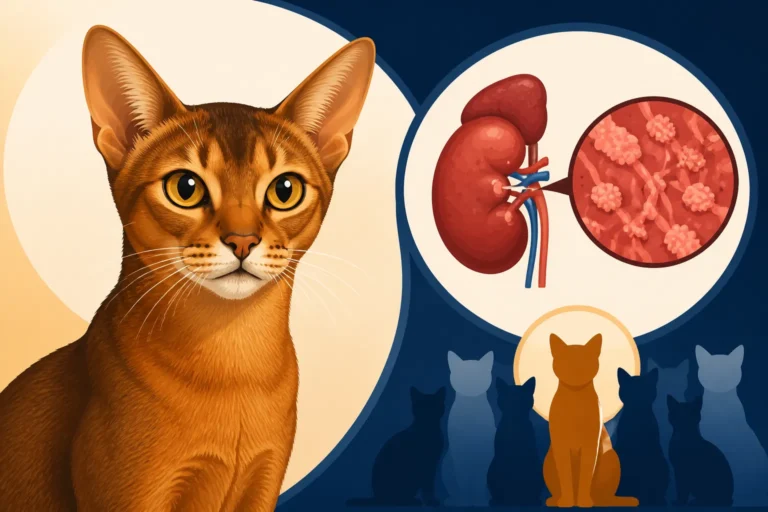
Sometimes, the reluctance to climb isn't about localized pain but rather a generalized feeling of weakness or malaise caused by a systemic illness. Abyssinians, unfortunately, are predisposed to certain conditions that can drain their energy and make strenuous activities like climbing simply too much effort. Kidney disease, for example, is a significant concern in the breed, with Renal Amyloidosis Is the Abyssinian Problem Nobody Can Test For being a particularly devastating form. As kidneys fail, toxins build up, making the cat feel nauseous and lethargic. You might also notice increased thirst or changes in urination before more overt symptoms appear. What Kidney Failure Looks Like in a Young Abyssinian can be heartbreaking, and a decline in activity is a critical warning sign.
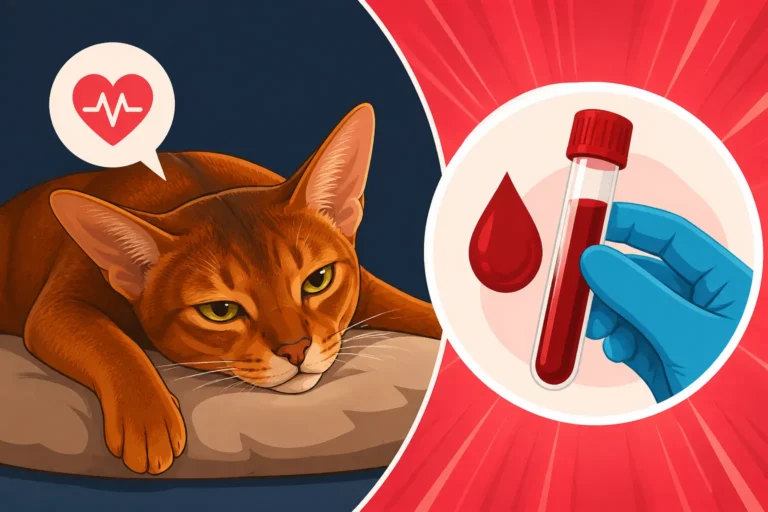
Another serious condition that can lead to profound weakness and a disinterest in climbing is Pyruvate Kinase Deficiency (PK Deficiency). This genetic blood disorder affects red blood cells, leading to intermittent anemia. An anemic Abyssinian will be tired, weak, and their gums might even appear pale. It stands to reason that when their red blood cells aren't effectively carrying oxygen throughout their body, they simply won't have the stamina for their usual high-flying antics. For more details, consider reading What PK Deficiency Does to an Abyssinian's Red Cells or What Intermittent Anemia Looks Like in an Abyssinian. Additionally, older Abyssinians can develop hyperthyroidism, which, despite often causing increased appetite, can paradoxically lead to muscle weakness and fatigue. Why Hyperthyroidism Catches an Older Abyssinian is a common question, and it's another reason why yearly vet checks are so important as they age. Any of these underlying systemic issues can strip an Abyssinian of the energy and strength needed for their beloved climbing, making their sudden quietness an urgent matter.
The Importance of Prompt Veterinary Intervention
When your Abyssinian, typically a graceful climber, starts avoiding vertical spaces, it’s not the time for a "wait and see" approach. Their natural tendency to hide illness means that by the time a symptom like this becomes obvious, the underlying issue could be quite advanced. Early veterinary intervention is paramount for their health and well-being.
What to Expect at the Vet
When you bring your Abyssinian in for this change in behavior, your vet will start with a thorough physical examination. This isn't just a quick once-over; they'll carefully palpate muscles and joints, checking for any signs of pain, swelling, or reduced range of motion. They might gently flex and extend your cat's limbs, observing their reactions and listening for any clicks or grinding sounds. They'll also watch your cat walk and move around the examination room, looking for subtle lameness or an altered gait that might not be obvious at home. This detailed assessment is crucial because Abyssinians are so adept at masking discomfort, as explored in Why an Abyssinian Hides Pain Behind Its Energy.
Following the physical exam, your vet will likely recommend diagnostic tests. Bloodwork is almost always a good idea, as it can reveal a wealth of information about organ function and overall health. They might check a complete blood count (CBC) to look for signs of anemia or infection, and a chemistry panel to assess kidney and liver function, among other things. Which Blood Panel an Abyssinian Should Have Yearly is a good routine to follow, but it's essential now. For issues specifically relating to kidney function, Which Blood Values Catch an Abyssinian's Kidneys Early are crucial to monitor. If a musculoskeletal issue is suspected, X-rays might be necessary to visualize bones and joints, looking for arthritis, fractures, or other abnormalities. In some cases, an ultrasound might be used to examine soft tissues or internal organs. Depending on the initial findings, your vet might even suggest a referral to a specialist, such as a veterinary orthopedic surgeon or an internal medicine specialist, to get a more definitive diagnosis and treatment plan.
Early Detection and Management
The sooner you get your Abyssinian to the vet when you notice a change in their climbing habits, the better their chances for a positive outcome. Early detection of conditions like arthritis, kidney disease, or even a treatable injury can mean the difference between managing a mild condition and facing a severe, life-threatening one. For instance, if caught early, arthritic pain can often be managed effectively with anti-inflammatory medications and joint supplements, allowing your Abyssinian to regain some of their mobility and comfort. Similarly, early intervention for kidney disease, often involving dietary changes and fluid therapy, can significantly slow its progression and extend your cat's quality of life.
Waiting to see if things improve can unfortunately lead to the condition worsening, potentially requiring more aggressive, complex, and expensive treatments down the line. A simple sprain, if left untreated, could develop into chronic pain or compensatory issues in other joints. Early diagnosis also means you have more options available. For many Abyssinian owners, the cost of veterinary care can be a concern, but proactive care and pet insurance can make a huge difference. Companies like Healthy Paws offer coverage that can alleviate the financial stress of unexpected illnesses and accidents, ensuring you can always make the best decisions for your beloved companion without having to worry solely about the cost. Investing in their health early on truly pays dividends in their comfort and your peace of mind.
Supporting Your Abyssinian Through Recovery
Once your veterinarian has diagnosed the issue and prescribed a course of treatment, your role in supporting your Abyssinian’s recovery is crucial. This often involves creating a safe and accessible environment while they heal. If they're dealing with a musculoskeletal injury or chronic pain, you might need to temporarily restrict access to high climbing areas or create ramps and steps to their favorite perches. This ensures they can still enjoy some verticality without putting undue strain on their recovering body. Sometimes, you might need to relocate their food, water, or litter box to a more easily accessible spot, especially if they are particularly weak or in pain.
Physical therapy, gentle massage, or even laser therapy might be recommended by your vet to aid in healing and pain management. Consistent medication administration, whether it's daily pills for arthritis or subcutaneous fluids for kidney disease, will be a key part of their ongoing care. Even as they recover, continue to offer enrichment that doesn't rely on strenuous activity. Puzzle feeders, interactive wand toys that can be played at ground level, or simply more cuddle time can keep their sharp minds engaged and spirits high. Their energy levels might change as they get older, but their need for interaction and stimulation doesn't disappear. You can learn more about how to keep them engaged as they age by exploring How an Abyssinian's Energy Changes After Seven and How to Keep an Old Abyssinian Climbing Safely. Remember, patience and understanding are paramount during this time.
| Potential Cause | Common Symptoms Beyond No Climbing | Diagnostic Tests | Treatment Examples |
|---|---|---|---|
| Arthritis/Joint Pain | Stiffness, difficulty rising, subtle limping, vocalizing when touched | Physical exam, X-rays | Pain medication, joint supplements, physical therapy |
| Muscle Sprain/Strain | Localized pain, swelling, guarding the area, favoring a limb | Physical exam, palpation, possibly X-rays | Rest, anti-inflammatory medication, cold/heat packs |
| Patellar Luxation | Intermittent lameness, "skipping" a step, reluctance to jump | Physical exam (feeling kneecap movement) | Pain management, surgery for severe cases |
| Kidney Disease | Increased thirst/urination, weight loss, decreased appetite, nausea | Bloodwork (SDMA, Creatinine), Urinalysis, Ultrasound | Special diet, fluid therapy, medications for symptoms |
| Anemia (e.g., PK Deficiency) | Pale gums, lethargy, decreased appetite, rapid breathing | Bloodwork (CBC), specific genetic testing | Blood transfusions, splenectomy, supportive care |
| Hyperthyroidism | Weight loss despite increased appetite, restlessness, increased thirst | Bloodwork (Thyroid levels) | Medication, radioactive iodine therapy, surgery |
| Heart Conditions | Shortness of breath, coughing, reduced activity, lethargy | Physical exam (listening to heart), X-rays, Ultrasound (echocardiogram) | Heart medications, dietary adjustments |
Disclaimer
This article is intended for informational purposes only and is not a substitute for professional veterinary advice. Always consult with a qualified veterinarian regarding any health concerns or before making any decisions about your pet's medical care.