Why an Abyssinian Needs Fewer Calories After Twelve
It's a strange thing, isn't it? Our Abyssinian cats, these bundles of boundless energy that seem to defy gravity and never sit still, eventually start to slow down. While they might still have bursts of zoomies well into their senior years, their underlying metabolism and energy needs shift significantly. Understanding why your cherished Abyssinian needs fewer calories after the age of twelve isn't just about preventing weight gain; it's about proactively supporting their long-term health and comfort. This guide will walk you through the subtle, yet crucial, changes happening in your senior Abyssinian's body and how to adjust their diet to match.
The Subtle Slowdown: Metabolism in a Senior Abyssinian
Even if your Abyssinian is still chasing feather wands and scaling cat trees like a pro, their body is changing beneath that glorious ticked coat. The vibrant, high-octane energy they displayed as a young adult begins to mellow after they reach about seven years old, and by twelve, these changes are generally more pronounced. It's not a sudden stop, but a gradual winding down that affects how efficiently their body uses and stores energy.
As our cats age, their cellular processes don't run quite as quickly. This means their basal metabolic rate—the calories burned just to keep their body functioning at rest—starts to decrease. Think of it like an older engine that's still powerful but doesn't need as much fuel to tick over. This natural reduction in metabolic activity, combined with other factors we’ll explore, directly translates into a lower daily caloric requirement. You might not notice your Abyssinian sleeping more in the traditional sense, but their periods of intense activity might be shorter, or they might prefer to observe rather than actively participate in every household event. This inherent metabolic shift is the primary reason why their youthful diet simply won't cut it anymore.
Beyond just the speed of their metabolism, the efficiency of their digestive system can also change. Older cats can sometimes absorb nutrients less effectively, meaning the food they do eat needs to be high quality and easily digestible. However, this doesn't automatically mean they need more calories. Instead, it emphasizes the importance of providing nutrient-dense food that supports their aging body without overloading them with excess energy they can't burn off. It’s a delicate balance, and understanding these internal workings helps us make better dietary choices for them.
Why a Senior's Basal Metabolic Rate Declines
The basal metabolic rate (BMR) is essentially the number of calories your Abyssinian burns just by existing – breathing, maintaining body temperature, circulating blood, and all the other involuntary functions necessary for life. In younger, more active Abyssinians, this rate is naturally higher because their bodies are constantly growing, repairing, and operating at peak efficiency. However, with age, several factors contribute to a natural decline in this rate.
Firstly, cellular turnover slows down. Cells don't regenerate as quickly, and the body's repair mechanisms are less robust, requiring slightly less energy. Secondly, there can be a decrease in various hormone levels that influence metabolism, making the body generally less efficient at burning calories. For example, some older cats might experience subtle changes in thyroid function, even if not clinically hyperthyroid, which can influence energy expenditure. This means that even if your Abyssinian were to lie perfectly still all day, they would still require fewer calories than their younger self to maintain basic life functions.
It's also common for older cats to experience a subtle reduction in internal organ function over time. While not necessarily indicative of disease, organs like the kidneys and liver, which play a significant role in metabolism and energy processing, may operate at a slightly reduced capacity. This can further contribute to a lowered metabolic demand. Owners often worry about weight loss in older cats, and while that can be a sign of illness, preventing unnecessary weight gain by adjusting calories is a proactive step that can support these vital organs and help prolong their healthy function.
Energy Expenditure Versus Perceived Activity
You might look at your twelve-year-old Abyssinian and think, "But she still runs around like a kitten!" And you wouldn't be entirely wrong. Abyssinians are known for their enduring athleticism and playful nature, often staying active much longer than other breeds. However, there's a difference between perceived activity and actual sustained energy expenditure. While they might still have those bursts of energy, the overall duration and intensity of their daily activity are typically reduced.
Consider a young Abyssinian who might spend hours climbing, leaping, and engaging in intense play sessions, often without a significant break. A senior Abyssinian, even one who appears very active, might engage in shorter bursts, followed by longer periods of rest or more sedate observation. They might still climb to the top of the cat tree, but they might take more time getting there, or stay up there longer before descending. This subtle reduction in the sheer volume and continuous nature of their movement means fewer calories are being burned over the course of a day. This is why even when your senior Abyssinian appears active, their energy needs might still have decreased.
It's important not to confuse an Abyssinian's natural curiosity and desire to be involved with a sustained high-energy output. They might still follow you from room to room, supervising your every move, but this passive observation burns far fewer calories than actively chasing a laser pointer for twenty minutes straight. Paying close attention to the quality and duration of their activity, rather than just the presence of activity, is key to accurately assessing their changing energy needs. For more on this, you might find insight in our article on How an Abyssinian's Play Changes After Ten.
Activity Levels and Their Impact on Calorie Needs
The most obvious factor influencing your Abyssinian's calorie requirements as they age is their activity level. While their zest for life remains, their physical capabilities naturally diminish. Arthritis, even mild forms, can make jumping and climbing less appealing, and general stiffness can reduce their desire for extended play sessions. This isn't to say they become sedentary, but their movements often become more deliberate, and less frantic.
Even if they don't seem to be moving less, a gradual reduction in high-impact activities like rapid climbing, long jumps, and vigorous play fights with housemates means fewer calories are being expended. Think about a younger cat who might race up and down the stairs ten times a day just for fun versus an older cat who navigates them more slowly and only when necessary. This accumulation of small energy savings throughout the day leads to a significant reduction in overall caloric burn.
It's crucial for us as owners to recognize these subtle shifts. Sometimes we inadvertently keep feeding them the same amount of food they ate as a five-year-old, because they still look and act so vibrant. However, ignoring these reduced energy outputs can quickly lead to excess weight, which in turn exacerbates other age-related conditions. Adjusting their food intake in line with their true energy expenditure is a cornerstone of responsible senior cat care.
When an Old Abyssinian Slows Down From
Recognizing the signs that your Abyssinian is slowing down isn't always straightforward, especially with a breed renowned for its endless enthusiasm. It’s not usually an abrupt change, but rather a slow, subtle evolution that can easily be missed if you’re not looking for it. One of the first indicators might be a slight decrease in their vertical prowess. Perhaps they still jump on the counter, but they use the stool more often, or they don’t quite clear the top of the tall cat tree as effortlessly as they once did.
You might also observe a shift in their play style. Instead of full-throttle sprints and mid-air acrobatics, play sessions might become shorter, involve less intense movement, or center more around puzzle toys that engage their mind rather than their body. They might still chase a laser dot, but instead of frantic dashes across the room, it's a more measured stalk and pounce. Or perhaps they used to wrestle robustly with another cat, and now their interactions are gentler, more about grooming or quiet companionship. These are not signs of unhappiness, but rather a natural progression of their physical capabilities.
Another area to watch is their sleep patterns and preferred resting spots. While Abyssinians are always keen on a cozy spot, a senior cat might seek out warmer, softer, and more easily accessible sleeping areas. They might spend more time curled up in a sunbeam or in a favorite bed, rather than perched precariously on the highest shelf. If your Abyssinian who used to rule the top of the wardrobe is now content on the armchair, it’s a quiet signal of reduced mobility and a preference for comfort over extreme heights. Our article, What an Old Abyssinian Slows Down From, dives deeper into these important changes.
The Link Between Exercise and Caloric Burn
The relationship between exercise and caloric burn is direct and undeniable for any living creature, including our active Abyssinians. Every movement, every jump, every sprint, requires energy, which is derived from the calories in their food. When a cat is young and constantly on the go, their body demands a steady supply of fuel to power their high metabolism and ceaseless activity. This is why younger Abyssinians can often eat a surprising amount of food without gaining an ounce.
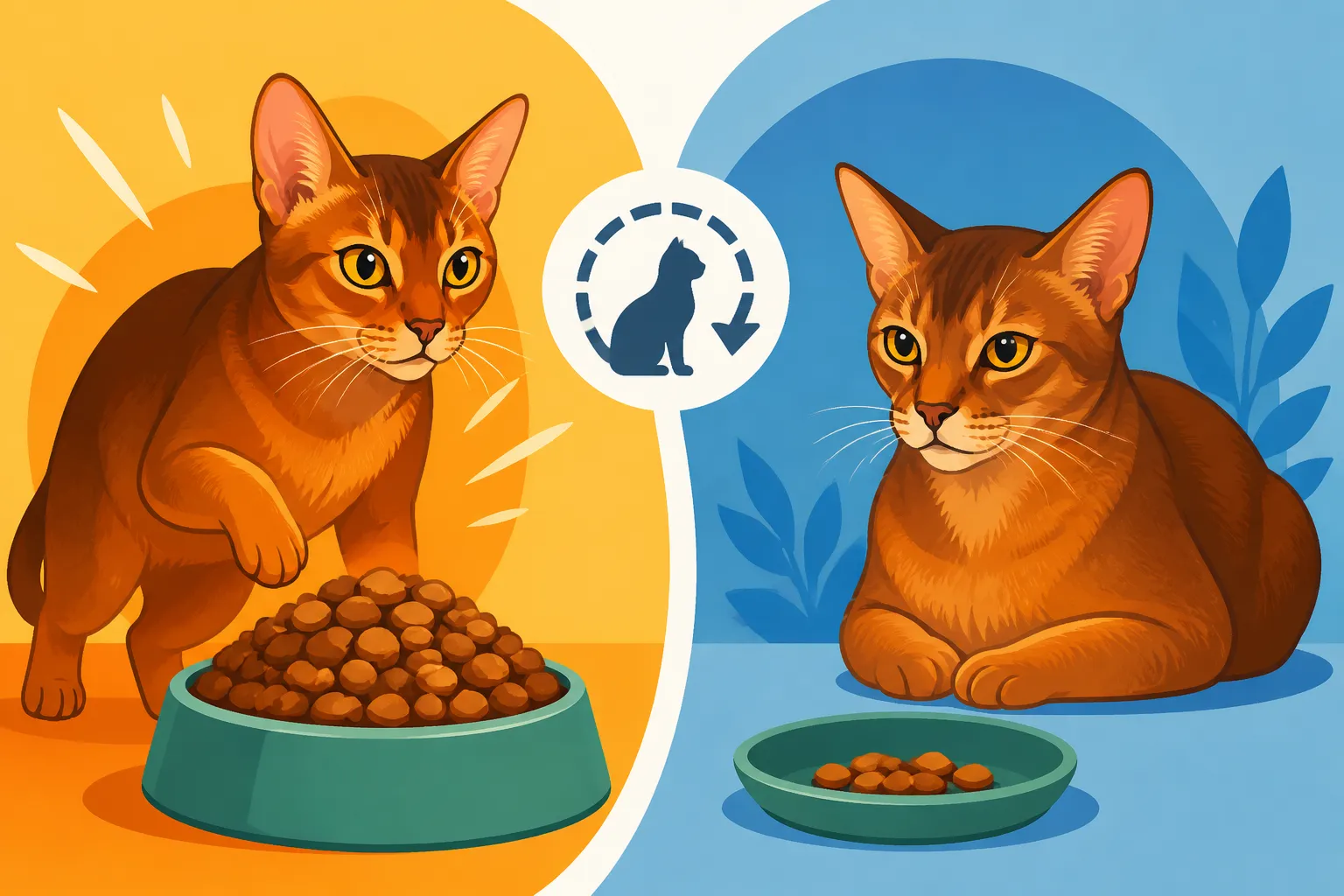
As your Abyssinian enters their senior years, and those high-intensity activities gradually decrease, the caloric demand also drops. If their food intake remains the same while their energy expenditure diminishes, the excess calories have nowhere to go but to be stored as fat. This is why even a cat who still plays a bit can start to pack on the pounds if their diet isn't adjusted. It’s not that they’ve suddenly become lazy; it’s simply that the physics of energy balance have shifted.
Maintaining an ideal weight is paramount for senior Abyssinians, as excess weight places undue strain on aging joints, exacerbates conditions like arthritis, and can contribute to other health issues such as diabetes and heart disease. A lean body mass is protective, allowing them to remain mobile and comfortable for longer. By reducing their caloric intake to match their reduced activity, we directly support their joint health, cardiovascular system, and overall quality of life in their golden years. This proactive approach can make a world of difference in how gracefully they age.
Protecting Muscle Mass While Reducing Calories
One of the biggest concerns when reducing an older cat's caloric intake is ensuring they don't lose vital muscle mass. Sarcopenia, the age-related loss of muscle mass, is a common issue in senior felines and can lead to weakness, reduced mobility, and a diminished quality of life. The goal isn't just to make them lighter, but to ensure that the weight they do carry is healthy muscle, not fat.
This is where the quality of the food becomes even more critical than the quantity. Senior Abyssinians still need high-quality protein to maintain their existing muscle, even if they're not building new muscle like a kitten. Simply cutting back on their regular food without adjusting its composition could lead to muscle wasting, which is counterproductive to their well-being. A diet formulated specifically for senior cats often addresses this by providing an optimal balance of protein, fat, and carbohydrates, along with essential vitamins and minerals.
Working with your veterinarian is essential to strike this balance. They can help you assess your Abyssinian's current body condition score, recommend appropriate food types, and guide you on portion control. Regular weigh-ins and body condition checks at home are also invaluable to ensure your furry friend is losing fat, not muscle, and maintaining a healthy, active senior lifestyle.
The Importance of High-Quality Protein for Seniors
Even with reduced calorie needs, a senior Abyssinian absolutely still requires a diet rich in high-quality protein. This might seem contradictory at first – less food, but still lots of protein? The reason is that protein is the building block for muscle, and maintaining muscle mass is critical for older cats. As cats age, their bodies become less efficient at utilizing protein, meaning they actually need a higher percentage of protein in their diet to prevent sarcopenia.
If an older Abyssinian's diet lacks sufficient protein, their body will start to break down its own muscle tissue to get the amino acids it needs. This leads to frailty, weakness, and a decreased ability to jump, climb, and even navigate their environment safely. A high-protein diet helps to counteract this natural decline, preserving their strength and mobility. Look for foods where meat is the first ingredient, and aim for a high protein percentage specifically designed for senior felines.
This focus on protein isn't about promoting growth, but about maintenance and repair. It ensures that every calorie they consume is working harder to support their lean body mass and overall health. So, while the total amount of food might decrease, the protein density should remain high, or even increase, to help them age gracefully and keep that athletic Abyssinian physique for as long as possible. For more insights on this nutritional aspect, read Why an Old Abyssinian Needs Its Protein Kept Up.
Monitoring Body Condition, Not Just Weight
When adjusting an Abyssinian's diet, simply looking at the number on the scale isn't enough. Body Condition Scoring (BCS) is a far more accurate way to assess their health, especially as they age. Abyssinians, with their lean, muscular build and close-lying ticked coats, can sometimes hide weight changes deceptively well. A few extra pounds on an Abyssinian can make a significant difference to their joints and organs, but might not be immediately obvious.
A healthy Abyssinian should have a tucked-up waist, and you should be able to easily feel their ribs with minimal fat covering, without them being visibly prominent. When viewed from above, there should be a clear hourglass shape. As they age, it’s common to see a slight softening or broadening of the waistline, which indicates fat deposition rather than muscle. Regularly performing a hands-on check of your cat's ribs, spine, and waist can give you crucial insights into whether your dietary adjustments are working.
Your veterinarian can demonstrate how to properly assess your Abyssinian's BCS using a 1-5 or 1-9 scale. This objective assessment helps ensure that any weight loss is healthy fat reduction, not muscle wasting. It also helps to catch subtle changes early, allowing for timely dietary or medical intervention. This proactive monitoring, alongside regular vet check-ups where your vet tracks their weight, is key to managing a senior Abyssinian's health. For example, your vet might suggest specific diagnostic panels or dietary changes if they notice a significant shift, and having pet insurance like Healthy Paws can provide peace of mind for covering these necessary steps. You can also learn how to check your cat’s body condition through their coat by reading How to Read an Abyssinian's Body Condition Through That Coat.
Practical Steps to Adjust Your Senior Abyssinian's Diet
Adjusting your senior Abyssinian's diet isn't a one-time event; it's an ongoing process that requires observation, patience, and often, collaboration with your vet. The goal is a gradual, controlled reduction in calories while maintaining nutritional adequacy and ensuring your cat continues to enjoy their meals. Abyssinian cats are creatures of habit, and sudden drastic changes can be met with suspicion or refusal.
Start by consulting your veterinarian. They can provide tailored advice based on your cat's specific health status, activity level, and any underlying conditions. They might recommend a specific senior cat food formula that is lower in calories but still high in protein and essential nutrients, or they might suggest simply reducing the portion size of their current high-quality adult food. Remember, consistency is key, and any changes should be introduced slowly over several days to weeks to avoid upsetting their digestive system or creating food aversions.
It's also a good idea to measure their food precisely. Eyeballing portions can lead to significant overfeeding over time. Use a kitchen scale for accuracy, especially if using dry kibble. And don't forget to factor in treats! Those little nibbles add up quickly and can derail even the best-laid dietary plans. By taking these practical steps, you can help your Abyssinian maintain a healthy weight and enjoy their senior years to the fullest.
Transitioning to a Senior-Specific Diet
Making the switch to a senior-specific diet for your Abyssinian can feel daunting, especially if they’ve been on the same food for years. Cats, particularly Abyssinians, can be particular about their food, and a sudden change can lead to refusal or digestive upset. The key is a slow, gradual transition over several days, or even a couple of weeks for particularly fussy eaters.
Start by mixing a small amount of the new senior food with their current food. A good rule of thumb is about 10-20% new food to 80-90% old food. Feed this mixture for two to three days. If your Abyssinian eats it without issue and shows no signs of digestive upset (like vomiting or diarrhea), gradually increase the proportion of the new food while decreasing the old. For instance, you could move to a 40/60 split for a few days, then 60/40, and so on, until they are entirely on the new food.
During this transition, pay close attention to their appetite, energy levels, and litter box habits. Any refusal to eat, changes in stool consistency, or signs of discomfort mean you should slow down the transition or consult your vet. They might have a recommendation for an alternative senior formula or advice on how to make the transition smoother. Remember, patience is a virtue here, and a gradual change is much less stressful for your beloved Abyssinian.
Managing Treats and Supplemental Foods
One of the sneakiest sources of excess calories for senior Abyssinians often comes in the form of treats and supplemental foods. We love to spoil our cats, and it’s hard to resist those pleading eyes, but even a few extra treats a day can add up to hundreds of extra calories over the course of a week. When you're trying to manage their overall calorie intake, treats need to be carefully considered and factored into their daily allowance.
The best approach is to minimize treats as much as possible, or at least choose low-calorie, healthy options. Many commercial cat treats are surprisingly high in calories and offer little nutritional value. Instead, consider breaking larger treats into smaller pieces, or using small bits of their regular kibble as "treats" for positive reinforcement. Some vets might even suggest very small pieces of plain cooked chicken or tuna (in water, no salt) as occasional, high-value rewards, but these should be used sparingly.
Remember, the total daily calorie count includes everything your Abyssinian consumes. If you give treats, you'll need to slightly reduce their main meal portion to compensate. It's a delicate balance, but one that is crucial for maintaining their ideal weight. Having a clear plan for treats and sticking to it is an act of love that directly contributes to their long-term health and mobility. For health concerns with aging, especially dental issues common in Abyssinians, having pet insurance like Healthy Paws can be a real help in managing those regular vet bills, ensuring you can prioritize their health without undue stress.
The Role of Regular Vet Check-ups and Monitoring
Regular veterinary check-ups become even more critical for your Abyssinian as they enter their senior years, especially when you're making dietary adjustments. What seems like a healthy weight loss to you might, in fact, be a sign of underlying muscle wasting or an undiagnosed health condition. Your vet is your best partner in ensuring your Abyssinian's health and happiness.
During these visits, your vet will perform a thorough physical examination, assess their body condition score, and discuss any changes you've observed at home. They will also likely recommend yearly blood work, including a complete blood count and chemistry panel, to screen for common age-related conditions like kidney disease, thyroid issues, and diabetes. Early detection of these conditions is paramount, as dietary changes can often play a significant role in their management. You'll want to ensure you're on top of Which Blood Values Catch an Abyssinian's Kidneys Early.
Your vet can also help you determine the precise caloric needs for your individual Abyssinian, which can vary based on their current weight, ideal weight, activity level, and health status. They can provide specific guidance on portion sizes and food choices, ensuring your senior Abyssinian is getting all the nutrients they need without excess calories. These regular check-ups are not just about reactive treatment; they are about proactive, preventative care that allows your Abyssinian to enjoy a long, healthy, and comfortable retirement. Our article When a Middle Aged Abyssinian Needs Yearly Bloodwork offers more details on recommended testing.
Table: General Calorie Needs Comparison for Abyssinians
It’s helpful to visualize how an Abyssinian's calorie needs can change over their lifetime. Keep in mind these are general guidelines, and your individual cat’s needs will vary based on their specific metabolism, activity level, and health status. Always consult your veterinarian for personalized dietary recommendations.
| Age Category | Activity Level | General Calorie Needs (Approximate) | Key Dietary Focus | Common Concerns |
|---|---|---|---|---|
| Kitten (Up to 1 yr) | Very High, Rapid Growth | High (per lb of body weight) | High protein, high fat, easily digestible | Proper growth, immune development |
| Adult (1-7 yrs) | High, Consistent | Moderate to High | High protein, moderate fat, balanced nutrients | Weight management, maintaining muscle |
| Mature Adult (7-12 yrs) | Active but subtle slowdown | Moderate | High protein, quality ingredients, joint support | Early signs of aging, dental health |
| Senior (12+ yrs) | Reduced, More Sedentary | Lower | High quality, digestible protein, lower calories | Weight gain, muscle loss, organ health (kidneys) |
Note: Specific calorie figures are highly variable and depend on individual cat size, neuter status, and brand of food. Always follow vet recommendations and food packaging guidelines, adjusting as needed.
Disclaimer
This article is for general informational purposes only and does not constitute professional advice. Laws, prices and regulations vary by location and change over time. Consult a qualified professional for guidance on your specific situation.