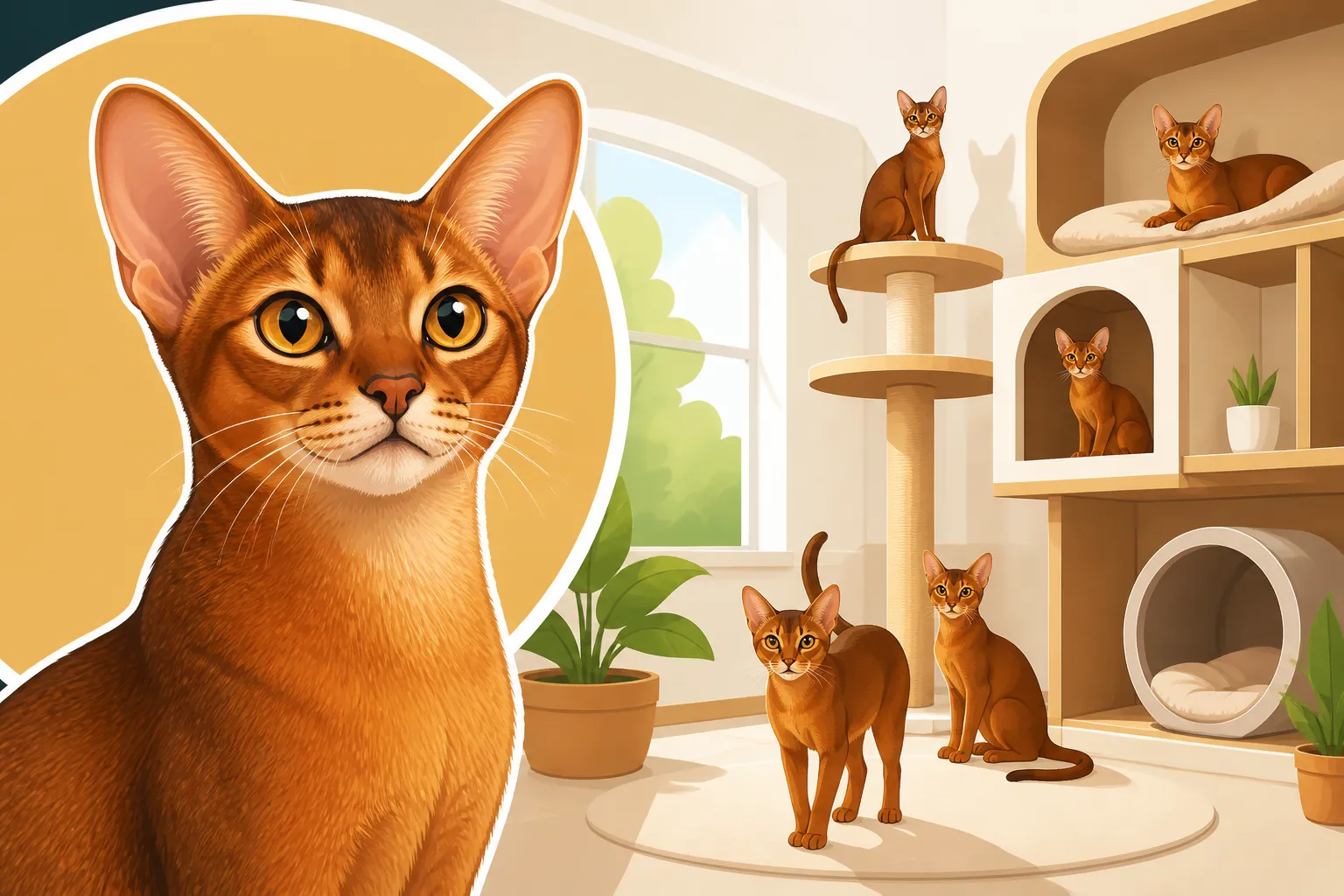
What an Abyssinian Cattery Should Look Like
Searching for your dream Abyssinian kitten is an incredibly exciting journey, but it can also feel a bit overwhelming, right? You want to bring home a healthy, happy, well-adjusted little adventurer, and that means finding a breeder who truly prioritizes their cats' well-being. But what does a good Abyssinian cattery actually look like? It's not always obvious, and sometimes what looks charming on a website is quite different in person. This guide is here to walk you through exactly what to look for when you visit a cattery, helping you make an informed decision for your future feline family member.
More Than Just a Pretty Face: The Fundamentals of a Healthy Cattery Environment
When you step into an Abyssinian breeder's home or dedicated cattery space, your senses should immediately tell you a lot. This isn't just about aesthetics; it's about the core health and comfort of every cat and kitten living there. A responsible breeder understands that a clean, safe, and nurturing environment is the bedrock of producing well-adjusted animals.
Spotless Living Quarters and Fresh Air
First and foremost, a reputable Abyssinian cattery should be meticulously clean. This doesn't mean it has to be a sterile, hospital-like environment – it is, after all, a home where cats live – but it should be undeniably fresh and well-maintained. You shouldn't be hit by an overwhelming smell of ammonia or stale cat odors as soon as you walk through the door. Lingering odors suggest poor ventilation, infrequent litter box cleaning, or a general lack of hygiene, all of which can contribute to respiratory issues and stress in cats.
Take a good look around. Are the litter boxes clean and scooped regularly? You'd be surprised how quickly a dirty litter box can impact a cat's willingness to use it, leading to accidents and stress. The feeding areas should also be spotless, with fresh water readily available in clean bowls. Stagnant water or food left out for extended periods in dirty dishes can harbor bacteria. Pay attention to the bedding too; it should appear freshly laundered and free of excessive stains or strong odors. A breeder who prides themselves on their animals will ensure their living space reflects that dedication, offering a clean, airy, and inviting atmosphere where their Abyssinians can thrive.
Safety and Hazard Prevention for Active Explorers
Abyssinians are incredibly curious and agile cats, known for their boundless energy and investigative nature. This means their environment needs to be not only clean but also incredibly safe. A responsible breeder will have "kitten-proofed" their space, anticipating the inevitable explorations of tiny paws and inquisitive noses. Look for obvious hazards like exposed electrical wires, open cleaning supplies, or small objects that could be swallowed. These little adventurers will get into everything, so a cattery should reflect an understanding of this breed's active temperament.
Consider the layout from a cat's perspective. Are there secure screens on windows to prevent escapes? Are shelves and cat trees sturdy and well-anchored, especially since Abyssinians love to climb high? You might also want to note if there are designated safe zones for kittens, perhaps a playpen or a separate room where they can explore without the potential dangers of the entire house. A breeder who has thought through these details demonstrates a genuine concern for the physical safety and well-being of their charges, recognizing that an Abyssinian's curiosity, while charming, can also lead them into trouble if the environment isn't properly prepared.
A Jungle Gym for the Soul: Enrichment and Space for Active Abyssinians
Abyssinians are not couch potatoes; they are athletes, acrobats, and busy little bees. Their environment needs to cater to this innate energy and intelligence. A good cattery won't just house cats; it will provide an enriching landscape designed to stimulate their minds and bodies.
Vertical Space and Engaging Play Opportunities
One of the most defining characteristics of an Abyssinian is their need for vertical space. They love to climb, perch, and survey their domain from on high. When you visit a cattery, you should see evidence of this understanding. Look for tall cat trees, wall-mounted shelves, or even custom-built "cat highways" that allow them to ascend and descend freely. A breeder who provides ample vertical territory knows that An Abyssinian Needs Height More Than It Needs Floor and that this isn't just a luxury, but a necessity for their physical and mental health.
Beyond climbing structures, there should be a variety of interactive toys. Wand toys, puzzle feeders, crinkle balls, and even simple crumpled paper are all fair game for an Aby. You should observe kittens and adult cats actively playing, or see signs that toys have been recently used. A static environment with no stimulation is a recipe for boredom, which can lead to destructive behaviors or stress. Many breeders even use durable toys and enrichment items sourced from places like Chewy, ensuring a constant supply of engaging activities. This kind of thoughtful enrichment helps sculpt confident, playful, and well-adjusted kittens ready for their new homes.
Separation and Socialization Areas
A well-run cattery will also have designated areas for different stages of a cat's life and for proper socialization. Kittens need a safe, clean space where they can grow and interact with their littermates and mother without being overwhelmed by the entire adult cat population. This allows for critical early development and proper boundaries. As they get a bit older, they should be gradually exposed to new sights, sounds, and experiences within the home environment.
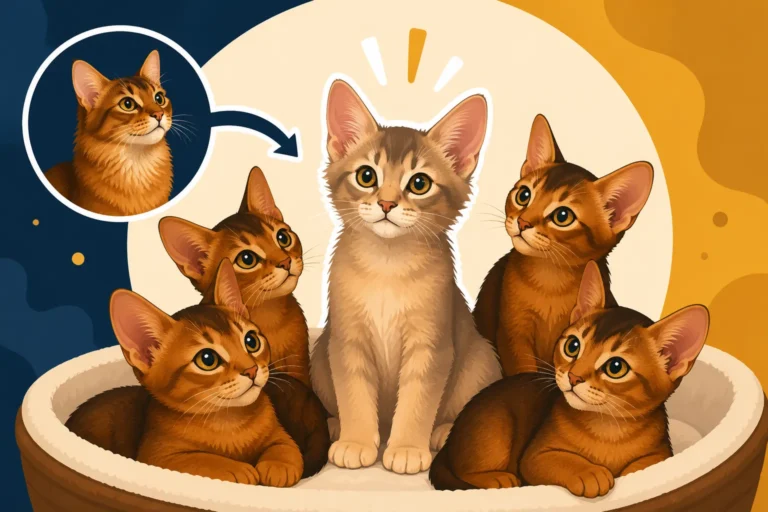
Look for signs of careful socialization. Are the kittens comfortable being handled by the breeder and potentially by you? Are they used to household noises, maybe even a radio or television playing softly? A breeder who spends quality time interacting with each kitten, ensuring they receive individual attention and positive human contact, is laying the groundwork for a friendly, confident companion. This dedicated interaction also extends to how the breeder manages their adult cats. Are they free to roam and interact, or are they isolated? While some breeding animals might need their own quiet space, a generally open and social environment for the cats signals good welfare practices. The goal is a kitten that is not shy or fearful, but rather What an Abyssinian Kitten's First Year Looks Like – bold, curious, and eager to engage with its new world.
Happy Cats, Healthy Cats: Observing Temperament and Well-being
Beyond the physical environment, the cats themselves are your best indicator of a cattery's quality. Their health, behavior, and overall demeanor speak volumes about the care they receive.
Visible Health and Meticulous Grooming
The health of the cats and kittens should be immediately evident. They should be bright-eyed, alert, and active. Their coats should be clean, shiny, and lie close to their bodies, a hallmark of the breed. While The Ticked Coat Is the Whole Abyssinian Grooming Job is relatively low-maintenance, a healthy coat is still a reflection of good nutrition and general well-being. Look for clear eyes, clean ears free of discharge or excessive wax, and clean noses. Their body condition should be lean and muscular, not overly thin or obese.
Watch them move. Do they have a confident gait? Are they energetic and playful? A kitten that is lethargic, hiding, or showing signs of discomfort (like sneezing, watery eyes, or difficulty breathing) should raise an immediate red flag. A responsible breeder will be transparent about any minor issues and ideally won't show you a sick kitten. Furthermore, the breeder should be able to discuss their veterinary care routine, vaccination schedule for the kittens, and provide documentation of recent health checks. This meticulous attention to detail is crucial for ensuring you bring home a robust and healthy Abyssinian.
Temperament and Interaction
The temperament of the cats is arguably one of the most important aspects to observe. Abyssinians are known for their outgoing, playful, and affectionate (though not necessarily "lap cat") personalities. When you interact with the kittens and adult cats, they should be curious, confident, and engaging, rather than fearful or aggressive. Kittens should approach you, perhaps with some initial shyness, but quickly warm up to gentle interaction. They should be comfortable being handled, purring, and playing.
Observe how the cats interact with the breeder. Is there a clear bond of trust and affection? Do the cats seek out the breeder for attention? A breeder who fosters a positive, loving relationship with their animals instills confidence and good social skills in their kittens. If the cats seem timid, hide from interaction, or exhibit overly anxious behaviors, it could indicate a lack of proper socialization or a stressful environment. While Abyssinians are known to be quite independent, a well-socialized Aby will still be friendly and open to new people, which is particularly important if you have other pets or How an Abyssinian Behaves With Children and Dogs in your home. The goal is a kitten that is confident, friendly, and ready to become an integrated part of your family.
Your Detective Hat: Crucial Questions and Critical Red Flags
Visiting a cattery is your opportunity to gather information and ensure you're making a responsible choice. Don't be afraid to ask questions; a good breeder welcomes them!
Essential Questions for the Breeder
Come prepared with a list of questions. A responsible breeder will be happy to answer them thoroughly and transparently. Here are some key areas to cover:
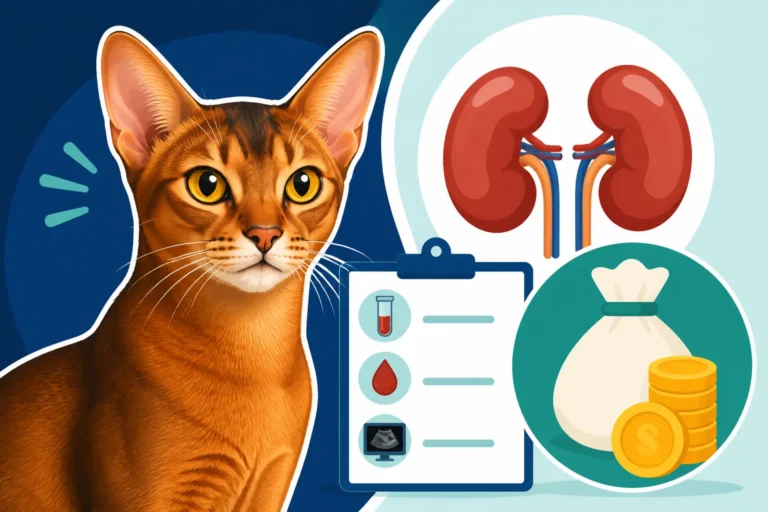
- Health Testing: Ask about the health testing performed on the parents. Abyssinians are prone to certain genetic conditions, notably Pyruvate Kinase Deficiency (PKD) and Progressive Retinal Atrophy (PRA-rdAc). The breeder should be able to provide documentation for both parents. Ask Which Two DNA Tests an Abyssinian Must Have and if the entire breeding line has been screened. They should also be able to discuss the health history of their breeding lines, particularly regarding Renal Amyloidosis Is the Abyssinian Problem Nobody Can Test For.
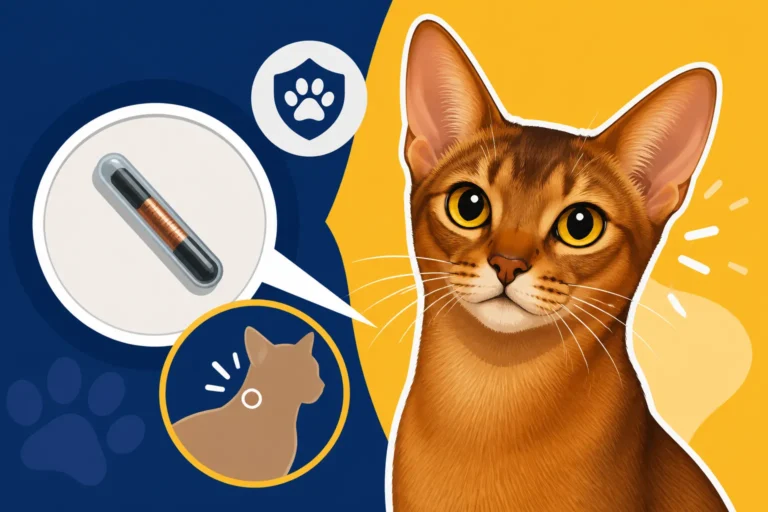
- Vaccinations and Worming: Inquire about the kittens' vaccination schedule and deworming protocols. Kittens should have received at least their first set of vaccinations before going home. What Vaccinations an Abyssinian Kitten Arrives With is a critical detail.
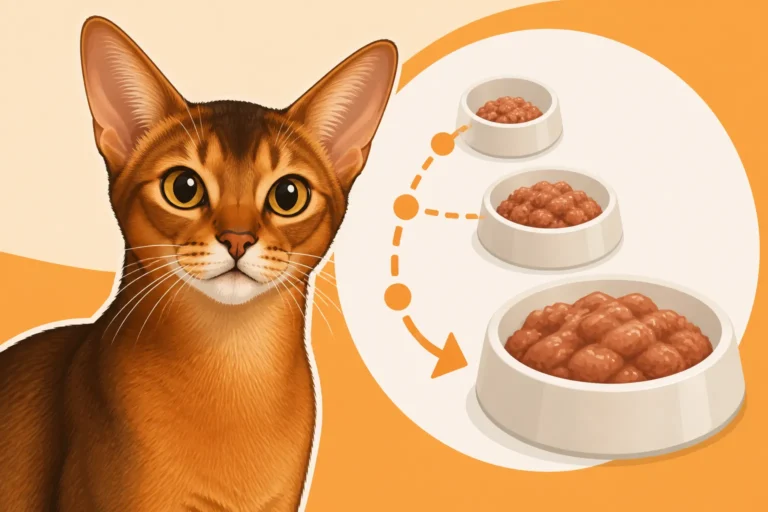
- Diet: What food are the kittens currently eating? Ask about both wet and dry food options. A good breeder will be knowledgeable about feline nutrition and might discuss the benefits of fresh food or well-regarded commercial brands.
- Socialization: How are the kittens socialized? What experiences have they been exposed to?
- Contract and Guarantee: What does their contract entail? What kind of health guarantee do they offer? What an Abyssinian Breeder's Health Guarantee Covers should be clear and in writing.
- Spay/Neuter Policy: Most breeders require a spay/neuter contract for pet kittens. Ensure you understand these terms.
- Age of Placement: When do the kittens go to their new homes? Reputable breeders typically keep kittens until they are at least 12-14 weeks old to ensure proper socialization and development. Why an Abyssinian Kitten Leaves at Fourteen Weeks is important for their emotional well-being.
- Support: What kind of ongoing support does the breeder offer after you take your kitten home?
Common Red Flags to Watch For
While asking questions is vital, also pay close attention to any red flags that might signal a less-than-reputable operation. Trust your gut feeling.
| Observation Area | Green Flag (What to Look For) | Red Flag (What to Avoid) |
|---|---|---|
| Cleanliness | Fresh smell, clean litter boxes, spotless food/water stations | Strong odors, visible waste, dirty dishes, flies |
| Cat Health | Bright eyes, clean ears, active, healthy coats, good muscle tone | Lethargy, sneezing, eye/nasal discharge, matted fur, visible parasites |
| Cat Temperament | Curious, playful, confident, friendly with breeder/strangers | Hiding, excessive fear, aggression, constant meowing due to stress |
| Environment | Ample vertical space, variety of toys, safe, kitten-proofed | Bare cages, limited enrichment, obvious hazards, overcrowded |
| Breeder Knowledge | Can answer questions thoroughly, offers health documentation | Evasive answers, no health records, unable to discuss breed specifics |
| Kitten Age | Kittens stay until 12-14+ weeks | Offers kittens younger than 10-12 weeks, pressuring for early pickup |
| Pricing/Contract | Clear, transparent pricing, comprehensive contract, health guarantee | Unusually low prices, cash-only deals, no contract, no health guarantee |
| Access | Welcomes visits, allows interaction with kittens/parents | Refuses visits, only meets in neutral locations, doesn't show parents |
One major red flag is a breeder who cannot or will not provide documented proof of genetic testing for the parents. How to Spot an Abyssinian Breeder Who Does Not Test is crucial. They might claim their cats are "clear by parentage" or that they don't believe in testing, but this is simply not acceptable for a responsible breeder of Abyssinians. Another warning sign is a breeder who tries to rush you into a decision or pressures you to take a kitten that seems unwell. Similarly, if they refuse to let you see where the cats are actually housed, or won't allow you to interact with the mother cat (the sire might live elsewhere, but the queen should always be accessible), this is a significant cause for concern.
Finally, consider the financial aspect. While Abyssinians are indeed an investment, unusually cheap kittens can be a red flag, often indicating corners cut on health testing, nutrition, or veterinary care. On the other hand, a good breeder understands that pet insurance can be a valuable tool for future owners, and might even recommend reputable providers like Healthy Paws to help cover unexpected veterinary costs, showing they genuinely care about the cat's long-term welfare beyond the point of sale.
Finding the right Abyssinian is about more than just finding an available kitten; it's about finding a breeder whose practices align with ethical care and a genuine love for the breed. By knowing what to look for in a cattery, you're taking the most important step towards welcoming a truly wonderful companion into your home.
Disclaimer
This article is for general informational purposes only and does not constitute professional advice. Laws, prices and regulations vary by location and change over time. Consult a qualified professional for guidance on your specific situation.