Why an Abyssinian Suits an Older Child
Bringing a new cat into a home with children can feel like navigating a minefield, especially when you're trying to choose a breed that will genuinely thrive alongside your family. Many parents dream of a cuddly companion for their kids, but the reality of a high-energy, fiercely independent Abyssinian is far different from a docile lap cat. This guide will delve into why the Abyssinian, with its unique personality and boundless energy, is often a surprisingly perfect match for households with older children who understand boundaries and appreciate an active feline friend.
Understanding the Abyssinian Temperament
Abyssinians are not your typical sofa surfers. They are a whirlwind of motion, intelligence, and curiosity, always on the go, always exploring, and always in the thick of whatever is happening. Their temperament is less "pet" and more "tiny co-pilot," making them a fantastic, engaging companion for the right family. If you're looking for a cat that will snooze quietly in a sunbeam all day, an Abyssinian will likely challenge that expectation with enthusiasm.
The Energetic Explorer, Not a Lap Cat
One of the first things any Abyssinian owner will tell you is that these cats possess an incredible amount of energy. They are often described as being "always on," a perpetual motion machine in search of the next adventure. This isn't a cat that's content to curl up on your lap for hours on end; instead, they want to be involved, observing, and participating in household activities from the highest vantage point possible. They're natural climbers, jumpers, and runners, constantly seeking stimulation.
This high energy means they need outlets. Without sufficient play and mental engagement, an Abyssinian can become restless, and that restlessness can manifest in ways you might not appreciate, like exploring forbidden countertops or dismantling cupboard doors. They need an environment that allows them to express their natural athletic abilities, which means plenty of vertical space, cat trees, and shelves. An Abyssinian Needs Height More Than It Needs Floor is a good read if you're planning your home layout.
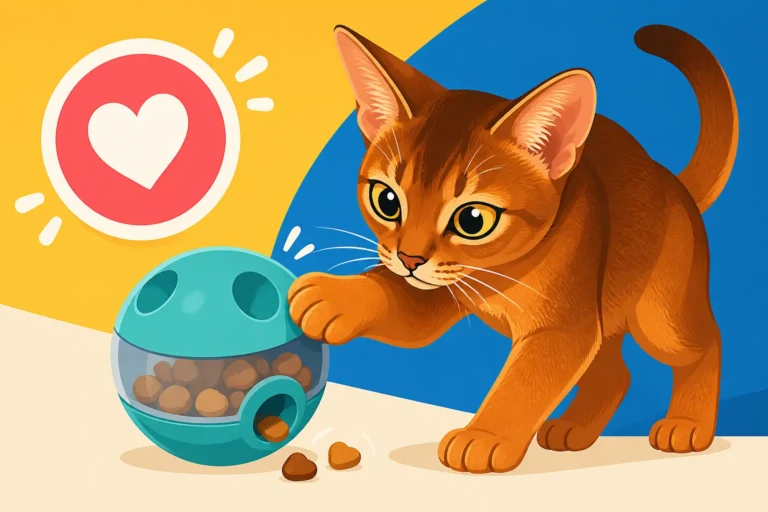
Their exploratory nature isn't just about physical activity; it's also about mental engagement. They're highly intelligent and need their minds challenged. Puzzle feeders, interactive toys, and even simple games of fetch can keep them engaged. If you can provide a stimulating environment, your Abyssinian will be a happy, vibrant member of the family, constantly entertaining you with their antics.
Their Unique Ways of Showing Affection
For those accustomed to cuddly cats, an Abyssinian's display of affection might seem a little understated or unconventional. They are not typically lap cats, which can sometimes lead to misunderstandings, especially if you expect a constant purring weight on your chest. While they might occasionally deign to rest on your lap for a brief moment, their primary mode of interaction is usually more active and participatory. Why an Abyssinian Will Not Sit on Your Lap delves into this more deeply.
Instead of prolonged snuggles, an Abyssinian shows its love by being with you, often following you from room to room like a curious shadow. They'll perch on your shoulder, rub against your legs while you're cooking, or "help" you read the newspaper by pouncing on the pages. They love to be involved in whatever you're doing, offering chirps and trills as they "converse" with you. These are their love languages, and once you learn to recognize them, you'll see just how deeply affectionate and connected they are to their chosen people.
They thrive on interaction, even if it's not physical contact in the way some other breeds might prefer. A simple conversation, a shared glance, or an engaging play session can be incredibly bonding for an Abyssinian. They appreciate being acknowledged and included, and they'll return that attention with unwavering loyalty and endless entertainment. Understanding How an Abyssinian Shows Affection Instead of Lap Sitting is key to a fulfilling relationship with this breed.
Why a Busy Cat Needs Independent Engagement
The Abyssinian's relentless energy and sharp mind mean they can't be left to their own devices entirely, but they also thrive on opportunities for independent exploration and play. They're not the type of cat that will wait patiently for you to entertain them all day. They need environments and toys that allow them to occupy themselves constructively. This often means setting up multiple play stations, scratching posts, and climbing structures throughout the house.
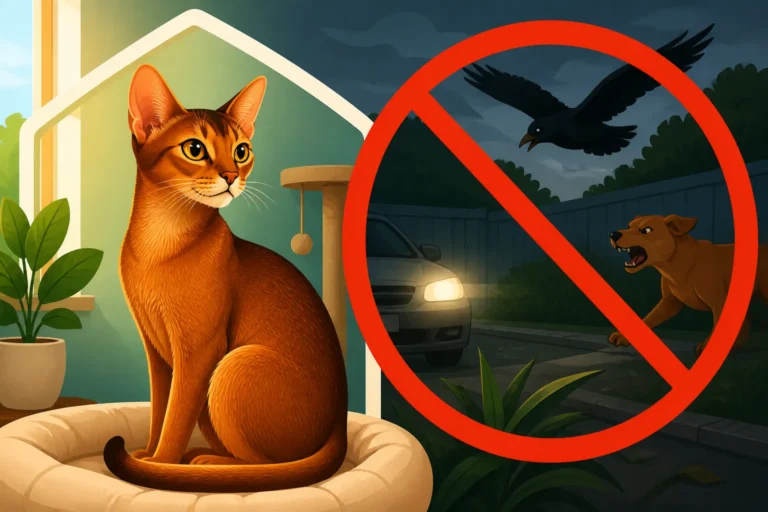
Think of it as setting up an adventure playground indoors. This could involve strategically placed cat trees, shelves that lead to high perches, or even a robust catio for safe outdoor experiences. Products found on platforms like Amazon, from multi-level cat trees to wall-mounted climbing shelves, can be instrumental in creating this enriching environment. The goal is to give them enough varied stimulation that they can choose their own adventure, preventing boredom-induced mischief.
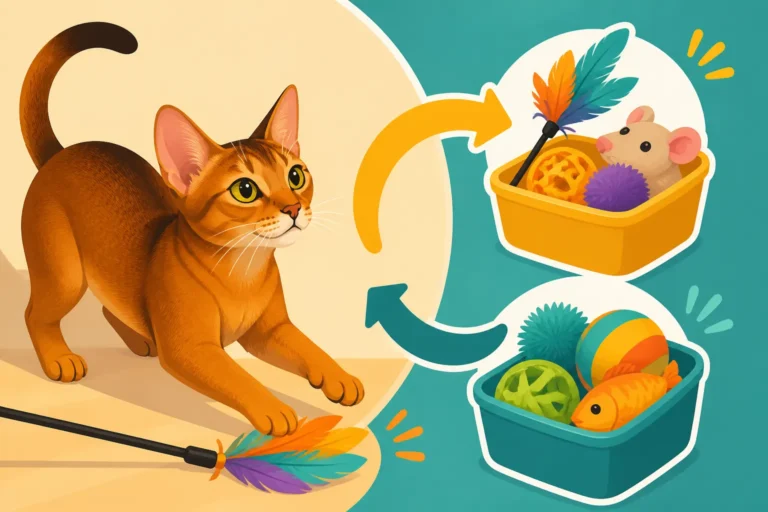
Beyond physical outlets, mental stimulation is paramount. Puzzle toys that dispense treats, remote-controlled mice, or even a simple crinkly ball can provide hours of fun. Rotating toys regularly keeps things fresh and exciting, preventing your Abyssinian from becoming bored with their playthings. This independent engagement is crucial not just for their happiness, but also for preserving your sanity and your household items.
Why Young Children and Abyssinians Can Be a Mismatch
While Abyssinians can be wonderful family pets, their particular blend of high energy, independence, and sometimes sensitive nature means they are generally not the best choice for homes with very young children. This isn't a judgment on either the child or the cat, but rather an honest assessment of how their natural behaviors and needs might clash. It's about ensuring safety and happiness for all members of the household, two-legged and four-legged alike.
The Challenge of Rough Play and Small Hands
Young children, especially toddlers, are still developing their motor skills and understanding of boundaries. Their play can often be uncoordinated, sudden, and, from a cat's perspective, unpredictable and even a bit rough. They might grab a tail, poke an eye, or try to "cuddle" with too much force, all done with the best intentions, but potentially distressing for a sensitive cat like an Abyssinian. A cat's natural instinct when startled or feeling threatened is to defend itself, which could result in a scratch or a bite.
Abyssinians, while generally friendly, are not known for their endless patience with clumsy handling. They are active and agile, and their first instinct when uncomfortable isn't usually to endure it, but to escape. If they feel cornered or unable to get away from unwanted attention, their tolerance can quickly wear thin. This isn't a fault of the cat; it's simply a recognition of their personality. How Rough Play With an Abyssinian Gets can illustrate this point further, showing that while they love to play, it's often on their terms.
It's a difficult situation for both sides. The child isn't intentionally malicious, and the cat isn't inherently aggressive. It's a clash of developmental stages and natural instincts. Expecting a small child to consistently understand and respect a cat's subtle cues is often unrealistic, and expecting an Abyssinian to passively accept rough handling is equally so. This is why supervision is always critical, but even then, accidents can happen quickly in a busy household.
Unpredictable Movements and Abyssinian Sensitivity
Beyond rough handling, young children's unpredictable movements and loud noises can be a source of stress for many cats, and Abyssinians are no exception. A sudden shriek, a toy dropped with a clatter, or a child darting unexpectedly across a room can easily startle an Abyssinian, who is naturally alert and quick to react. While they are bold and curious, they are also creatures of habit and can be sensitive to sudden disruptions in their environment.
This sensitivity can lead to a cat that is constantly on edge, always looking for an escape route, and unable to fully relax in its own home. A stressed cat might begin to exhibit undesirable behaviors, such as hiding excessively, over-grooming, or even spraying. It creates a tension that is unfair to both the cat and the child. While some individual Abyssinians might be more laid-back, the breed's general characteristics lean towards an alert, responsive nature that thrives in a more predictable, calm-yet-active setting.
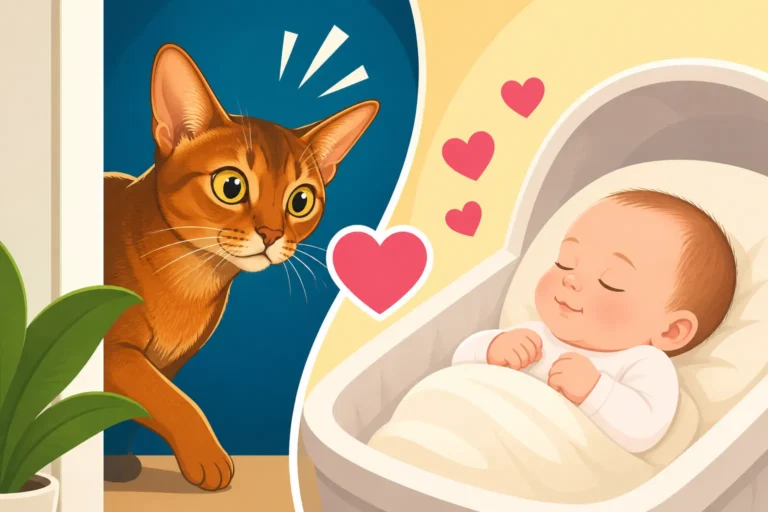
It's also worth considering the health implications. Persistent stress can weaken a cat's immune system, making them more susceptible to illness. A happy Abyssinian is one that feels secure and understood in its environment. When thinking about How an Abyssinian Reacts to a New Baby, it highlights just how much careful management is needed to introduce these cats to very young, unpredictable human family members.
Protecting Both the Cat and the Child
Ultimately, the goal in any family with pets is to ensure the safety and well-being of everyone involved. In a situation where a high-energy, independent cat meets a small, unpredictable child, achieving this balance requires significant effort and constant vigilance. It means teaching the child appropriate interaction, providing the cat with safe zones, and being prepared to intervene frequently.
One crucial aspect is creating "cat-only" spaces where the Abyssinian can retreat and feel safe from unwanted attention. This could be a high shelf, a cat tree, or a room that is off-limits to young children. For the child, it means consistent teaching about gentle touch and respecting the cat's space, which is a big ask for a developing mind. Even with the best intentions, a child's understanding and impulse control are limited.
The reality is that sometimes, despite all efforts, the dynamic simply isn't conducive to a positive relationship. The Abyssinian might constantly hide, or the child might struggle to understand boundaries, leading to frustration for both. Choosing an Abyssinian for a home with older children, or waiting until younger children mature, can significantly reduce these potential stressors and help foster a genuinely harmonious bond based on mutual respect and understanding.
The Older Child as an Ideal Companion for an Abyssinian
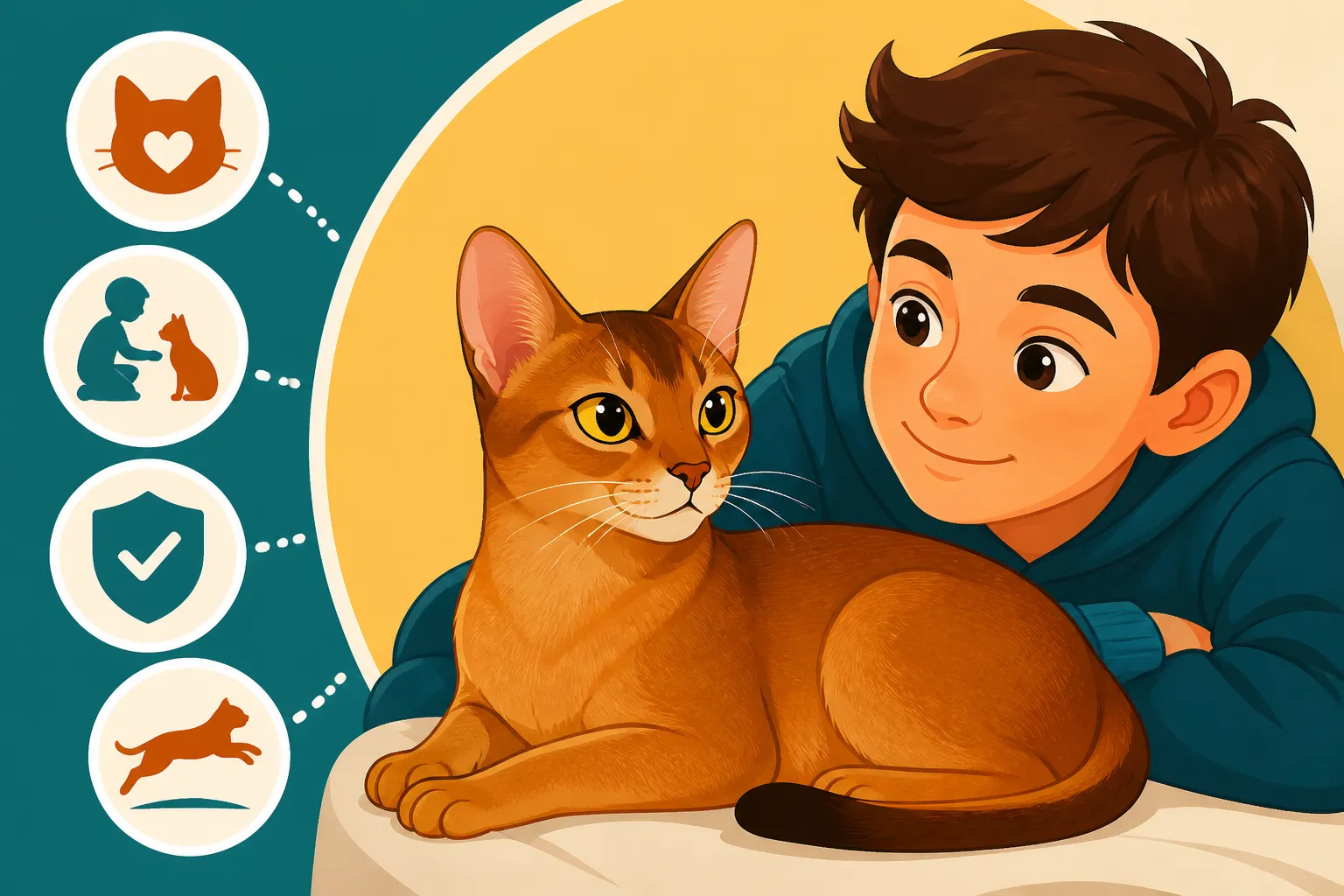
When children reach a certain age, usually around 8-10 years old and up, their ability to understand and respect boundaries, engage in meaningful play, and take on small responsibilities grows exponentially. This maturity makes them excellent companions for an Abyssinian, aligning perfectly with the cat's unique needs and personality. It's a sweet spot where the child's developing empathy meets the cat's intelligent, active nature.
Maturity to Understand Cat Body Language
One of the most significant advantages of an older child is their capacity to learn and interpret cat body language. They can understand that a swishing tail isn't always an invitation to play, but sometimes a sign of agitation. They can recognize when a cat wants to be left alone, when it's engaged in hunting play, or when it's genuinely seeking gentle interaction. This insight is critical for preventing miscommunications that can lead to scratches or fearful behavior in the cat.
An older child can be taught that a direct stare might be perceived as a challenge, or that approaching a sleeping cat too quickly can startle it. They learn to offer a hand for sniffing before petting, or to engage with a wand toy from a respectful distance rather than attempting to pick up the cat. This nuanced understanding allows for a much more respectful and less stressful interaction for the Abyssinian. It transforms potential conflict into a basis for a strong, trusting bond.
Furthermore, older children are capable of sustained, focused attention during playtime. They can engage in the kind of vigorous, interactive play that an Abyssinian craves, using wand toys and laser pointers in a way that truly satisfies the cat's hunting instincts. This kind of play, where the child understands how to mimic prey and allow the cat to "win," is deeply enriching for an Abyssinian. How Much Play an Abyssinian Needs Each Day shows just how vital this engagement is.
Participating in Structured Play and Training
Older children aren't just gentle observers; they can actively participate in the Abyssinian's enrichment. Their ability to follow instructions and engage in structured activities makes them ideal partners for play and even basic training. Abyssinians are highly intelligent and love to learn, and an older child can be taught how to effectively use clicker training to teach tricks like sit, stay, or fetch. Training an Abyssinian Is Easier Than Stopping It is a testament to their intelligence and willingness to learn.
Imagine your child teaching your Abyssinian to fetch a favorite toy, or to weave through their legs on command. Not only is this incredibly stimulating for the cat, but it also fosters a profound sense of accomplishment and connection for the child. It turns pet ownership into an active, rewarding partnership rather than just passive admiration. Engaging in these activities also taps into the Abyssinian's natural curiosity and problem-solving skills, keeping them mentally sharp.
When choosing toys, an older child can quickly learn which ones truly engage an Abyssinian. While a young child might simply wave a toy in a cat's face, an older child can master the art of making a wand toy flutter like a bird or scurry like a mouse, mimicking natural prey movements. Browsing pet supplies on Amazon can reveal a wide array of interactive toys perfect for these structured play sessions. This kind of thoughtful interaction is invaluable for an Abyssinian.
Respecting Boundaries and Independent Nature
Perhaps most importantly, older children are capable of understanding and respecting an Abyssinian's independent nature and need for personal space. They grasp that while the cat loves their company, it's not always available for cuddles on demand. They learn to observe when the cat is resting, grooming, or simply enjoying some quiet time, and to leave it undisturbed. This respect is fundamental to building trust with an Abyssinian.
An older child can appreciate that an Abyssinian's affection is often expressed through proximity rather than physical contact. They understand that the cat following them into a room, or perching on a nearby bookshelf, is a sign of attachment and curiosity, even if it's not direct interaction. They also learn that a cat needs safe retreats—high places or quiet corners—where they can feel secure and relax without being bothered.
This mutual understanding creates a household where the Abyssinian feels safe, respected, and truly at home. The cat doesn't have to constantly be on guard, and the child learns valuable lessons in empathy, patience, and non-verbal communication. It's a partnership built on a deeper level of appreciation for the cat's unique personality.
Integrating an Abyssinian into a Family with Older Children
Successfully bringing an Abyssinian into a home with older children isn't just about the children's maturity; it's also about preparing the environment and establishing clear expectations. It's a collaborative effort that involves the entire family working together to create a stimulating, safe, and loving home for their new feline friend.
Setting Up a Cat-Friendly Home Environment
Abyssinians thrive in environments that cater to their highly active and inquisitive nature. This means more than just a food bowl and a litter box. They need vertical space, opportunities for mental stimulation, and safe havens. Older children can be actively involved in helping to design and implement these cat-friendly features, making them feel invested in the cat's well-being from day one.
Consider installing cat shelves on walls, creating vertical "highways" that allow your Abyssinian to survey their kingdom from above. Sturdy, multi-level cat trees are also essential. You can find a vast selection of these on Amazon, from compact towers to elaborate feline playgrounds. These provide exercise, a sense of security, and prevent the cat from using your curtains as climbing apparatuses. Don't forget scratching posts at every level and in various textures, to redirect their natural need to claw.
Beyond climbing structures, think about enrichment. Puzzle feeders, especially those that require manipulation to release treats, can keep an Abyssinian occupied for extended periods. Interactive toys, like those found from brands focusing on intelligent pet play, are also great. A catio, a secure outdoor enclosure, can be an incredible addition, allowing your Abyssinian to safely experience the sights, sounds, and smells of the outdoors without any of the associated dangers.
Teaching Responsible Pet Ownership
The arrival of an Abyssinian is a fantastic opportunity to teach older children about responsible pet ownership. This goes beyond just feeding and scooping litter (though those are important!). It involves understanding a living creature's needs, respecting its autonomy, and contributing to its care. Assigning age-appropriate chores can instill a sense of responsibility and foster a stronger bond between child and cat.
Older children can be tasked with daily play sessions, ensuring the Abyssinian gets its much-needed exercise and mental stimulation. They can help with feeding times, learning about appropriate portion sizes and nutritional needs. They might also take on grooming tasks, such as weekly brushing, which is minimal for an Abyssinian but still important for bonding and coat health. The Ticked Coat Is the Whole Abyssinian Grooming Job provides insight into how simple this can be.
Teaching responsibility also includes educating children about veterinary care, recognizing signs of illness, and understanding the importance of regular check-ups. While the adults will handle the financial and major decision-making aspects, older children can participate by preparing the carrier for vet visits or simply being aware of the cat's overall health and behavior. This holistic approach ensures the cat is well-cared for and the children gain invaluable life skills.
Fostering a Bond Through Shared Activities
The Abyssinian's active and intelligent nature means they thrive on shared activities that go beyond simple petting. This is where older children truly shine as companions. Their ability to engage in complex play and even training creates a deep, interactive bond that a younger child might not be able to achieve.
Encourage your older child to engage in regular, interactive play sessions with the Abyssinian. This could involve using wand toys to simulate prey, playing fetch with lightweight toys, or even setting up obstacle courses for the cat to navigate. Which Wand Toy an Abyssinian Prefers offers some great ideas for toys that will capture their attention. Abyssinians are quick learners and often enjoy playing games that challenge their intelligence and agility.
Beyond play, consider teaching your child how to clicker train the Abyssinian. This can be an incredibly rewarding experience for both of them. Abyssinians are highly trainable and can learn a variety of tricks, from sitting on command to high-fiving. This shared learning experience strengthens their connection and provides continuous mental stimulation for the cat. It’s a chance for the child to see their efforts directly lead to positive outcomes with their pet, building confidence and empathy.
Managing Expectations and Ensuring a Harmonious Home
Even with older children, bringing an Abyssinian into the home requires ongoing management of expectations and a commitment to understanding this unique breed. They are not low-maintenance pets, but the rewards of sharing your life with an Abyssinian are immense, especially when everyone in the family understands and respects their needs.
Recognizing the Abyssinian's Need for Space
One of the most common misconceptions about cats, especially active breeds like the Abyssinian, is that they are entirely self-sufficient. While they are independent, they also need their personal space respected. This is particularly important in a busy household with children, even older ones. Abyssinians need to know they have safe zones where they can retreat for quiet time without being disturbed.
These safe zones could be a high perch on a cat tree, a cozy bed tucked away in a quiet corner, or even a designated room that serves as their private sanctuary. Teach your children that when the Abyssinian is in its safe space, it's off-limits for play or interaction. This teaches respect for boundaries and allows the cat to regulate its own stimulation, preventing overstimulation and potential stress.
It’s crucial to observe your Abyssinian's cues. Are they seeking solitude more often? Are they hissing or swatting when approached? These can be signs they're feeling overwhelmed and need more space or a quieter environment. Understanding their subtle signals helps ensure a harmonious household where the cat feels secure and respected.
Dealing with Excessive Energy and Stimulation
An Abyssinian's energy levels can be surprising, even for experienced cat owners. They can go from a dead sleep to a full-speed zoomie in seconds. While this energy is part of their charm, it needs to be managed appropriately to prevent boredom and destructive behaviors. This is where the children's role in consistent play becomes vital.
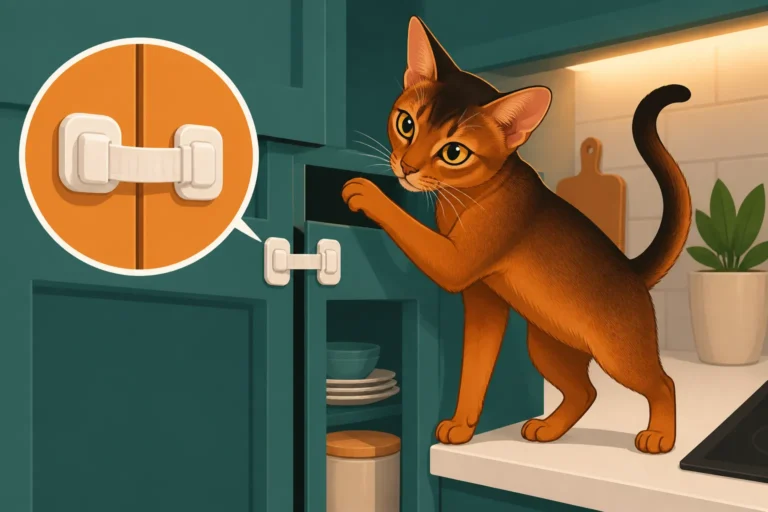
Ensure there are multiple, vigorous play sessions throughout the day, not just one quick one. How Much Play an Abyssinian Needs Each Day cannot be overstated. Interactive toys like wand toys are fantastic for burning off physical energy, while puzzle feeders challenge their minds. If an Abyssinian is left with insufficient outlets, they might start climbing curtains, knocking objects off shelves, or even opening cabinets, a trait often explored in Why an Abyssinian Opens Doors and Cabinets.
The whole family, including older children, needs to be on board with providing this consistent stimulation. A rotating selection of toys, new challenges, and varied play can keep them engaged. If you notice your Abyssinian becoming destructive or overly boisterous, it's usually a sign they need more physical and mental outlets. This isn't naughtiness; it's an Abyssinian telling you it's bored.
Long-Term Commitment and Evolution of the Relationship
Bringing an Abyssinian into the family is a long-term commitment, potentially lasting 12-15 years, or even more. As your children grow, their relationship with the cat will also evolve. What starts as enthusiastic play might become a calmer, more companionable presence as the cat ages and the children move through their teenage years and into adulthood.
It's important to prepare for these changes. As an Abyssinian matures, their energy might slightly wane, though many remain playful well into their senior years. What an Old Abyssinian Slows Down From can give you an idea of what to expect later in life. Their need for routine and familiar surroundings may increase. Older children, by this point, will have developed a deeper understanding of their pet's life stages and can adapt their interactions accordingly, offering comfort and understanding.
This journey teaches children about the full spectrum of life and responsibility. From the boundless energy of a kitten, through the active adult years, to the dignified senior, the Abyssinian offers continuous lessons in companionship, empathy, and care. For the right family with older, respectful, and engaged children, an Abyssinian isn't just a pet; it's a vibrant, intelligent, and deeply rewarding family member.
| Responsibility Area | Older Child (8-12 years) | Teenager (13+ years) |
|---|---|---|
| Feeding | Can help measure food, put bowls down, ensure fresh water. | Can manage daily feeding schedule, monitor food intake, ensure water fountain is clean. |
| Litter Box Maintenance | Can help scoop daily, understand cleanliness importance. | Can take full responsibility for daily scooping and weekly deep cleaning. |
| Play & Enrichment | Lead structured play sessions with wand toys, puzzle feeders. | Initiate varied play, engage in clicker training, research new enrichment ideas (e.g., Amazon toys). |
| Grooming | Weekly brushing with a soft mitt, monitor claws. | Regular coat checks, assist with claw trims if comfortable, ear checks. |
| Health Monitoring | Report changes in cat's behavior to parents. | Actively observe for signs of illness (e.g., changes in appetite/thirst, lethargy), understand vet visit importance. |
| Training | Help teach simple tricks with supervision. | Can independently teach complex tricks, reinforce positive behaviors. |
| Respecting Space | Understand and respect cat's resting times and safe zones. | Consistent application of boundary respect, advocating for the cat's needs if visitors are present. |
Disclaimer
This article is for general informational purposes only and does not constitute professional advice. Laws, prices and regulations vary by location and change over time. Consult a qualified professional for guidance on your specific situation.