How to Rotate an Abyssinian’s Toys
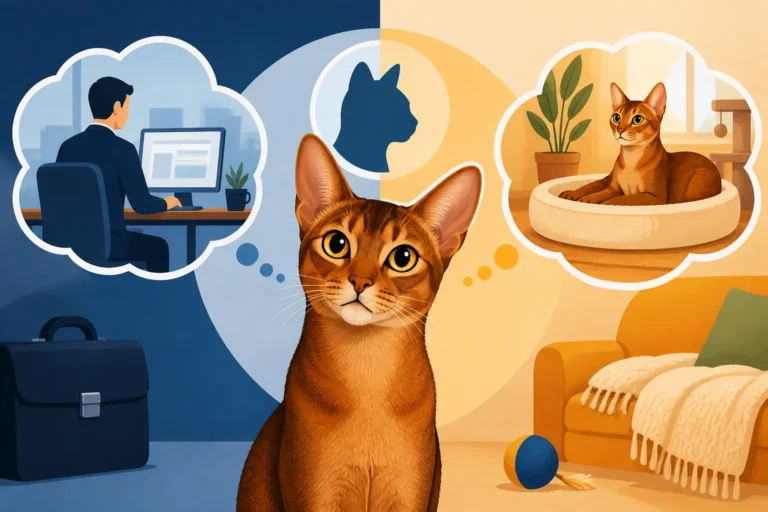
If you've ever watched your Abyssinian charge enthusiastically at a brand new toy, only to completely ignore it a day later, you're not alone. It's incredibly frustrating to invest in something you think they'll love, only for it to end up gathering dust in the corner. Abyssinians are smart, high-energy cats, and keeping them engaged is a full-time job. This guide will walk you through the art of toy rotation, a simple yet effective strategy to keep your Abyssinian's play drive alive and prevent that all-too-common toy boredom from setting in.
Why Your Abyssinian Gets Bored So Fast
Abyssinians are not your average couch potato cats. They're wired differently, a vibrant blend of intelligence, boundless energy, and an unshakeable curiosity. This is part of what makes them so utterly captivating, but it's also why they can burn through a new toy's novelty faster than you can say "zoomies." You buy them something shiny and exciting, they bat it around for a few glorious minutes, and then, poof, it's just another object in their already explored world.
The Abyssinian's Inquisitive Mindset
Think about it: Abyssinians are known for their sharp minds and their natural inclination to explore and problem-solve. They come from a lineage of active, intelligent felines, and their domestic behavior still carries that ancestral drive. When they encounter a new toy, their brains immediately go to work, analyzing its movement, its texture, its potential as "prey." They're trying to figure it out, to master it. Once they've solved the puzzle, once they understand its limitations and its predictable reactions, the initial thrill diminishes. It’s like us doing the same sudoku puzzle every day; eventually, it stops being a challenge. This is why you'll often see them ignore toys they've "conquered." Their minds demand constant novelty, something new to investigate and master. A predictable toy quickly becomes old news to their highly engaged intellect.
The Hunter's Instinct for Novelty
At their core, Abyssinians are miniature hunters, even if their "prey" is a crinkly ball in your living room. A successful hunt involves tracking, stalking, ambushing, and ultimately, capturing. For a cat, especially one as driven as an Abyssinian, the excitement isn't just in the capture itself, but in the entire process – the unpredictability of it. If a toy is always available, always in the same spot, and always reacts the same way, it loses that crucial element of surprise and challenge that fuels their prey drive. It's no longer a fresh rabbit darting through the grass; it's a stuffed toy lying motionless. Why an Abyssinian Loses Interest in a Toy Fast This instinct means they're constantly looking for something that mimics the thrill of a fresh, unknown chase. If a toy sits out too long, it becomes part of the furniture, losing its "prey" status and thus its appeal.
The Strategy Behind Toy Rotation for Abyssinians
So, how do we combat this sophisticated boredom? The answer lies in harnessing their natural desire for novelty with a simple, yet incredibly effective, system: toy rotation. It's not about buying endless new toys (though a few new ones here and there never hurt!), but about strategically managing the ones you already have to maximize their appeal.
How a Smaller Selection Creates Excitement
Imagine walking into a store where every single item is always on display. After a while, nothing truly stands out, right? Now, imagine a boutique that curates its selection, bringing out new, exciting items each week. Suddenly, the anticipation builds, and each piece feels special. The same principle applies to your Abyssinian and their toys. By presenting a smaller, curated selection of toys at any given time, you create an artificial scarcity that actually increases their value in your cat's eyes. When a toy that hasn't been seen for a few weeks or a month suddenly reappears, it's like a brand new discovery. Your Abyssinian's brain registers it as a "new" item, sparking that initial curiosity and reigniting their hunting instincts. They'll pounce on it with renewed vigor, driven by the novelty and the perceived challenge it once again presents. It’s about making the old feel new again, tapping into that short attention span in a positive way.
Setting Up Your Toy Rotation System
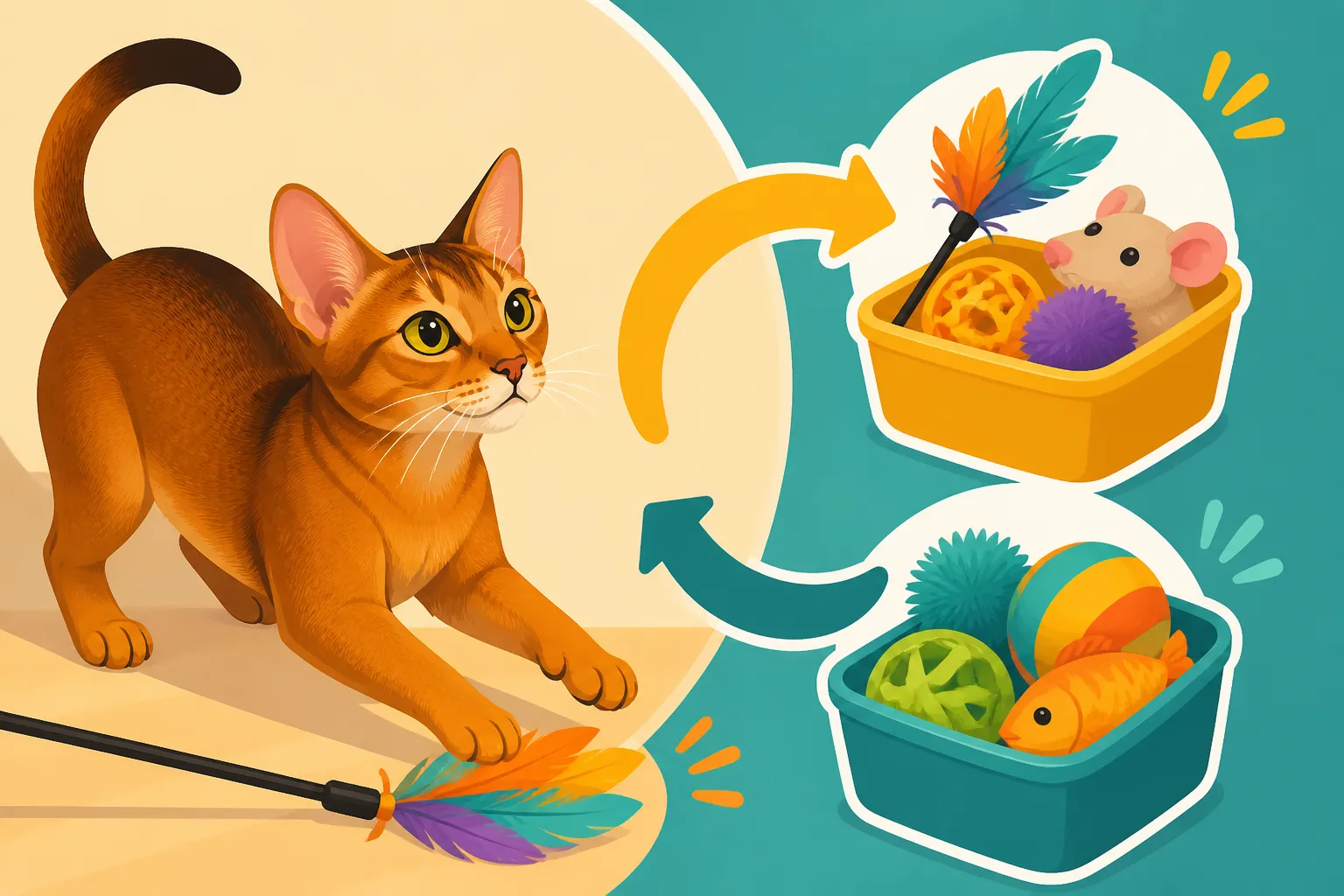
Getting a toy rotation system in place is surprisingly straightforward, and it doesn't require a lot of fancy equipment. First, gather all of your Abyssinian's toys. We're talking everything from crinkle balls and wand toys to catnip mice and puzzle feeders. Next, divide them into 3-4 distinct groups. The size of these groups will depend on how many toys you have, but aim for each group to offer a good variety of textures, sounds, and play styles. For example, one group might have a couple of soft toys, a bouncy ball, and a small kicker toy. Another might feature a different set of small toys, a Which Wand Toy an Abyssinian Prefers component, and a treat-dispensing gadget. You could store these groups in separate small boxes or bags – I often use simple fabric drawstring bags or small bins that can be tucked away in a cupboard. Labeling them "Week 1," "Week 2," etc., can help keep you organized. The key is to keep the "off-duty" toys completely out of sight and out of mind, so your Abyssinian truly experiences them as novel when they return to the rotation. How to Rotate an Abyssinian's Toys is about this deliberate selection and concealment.
Implementing Your Abyssinian's Toy Schedule
Once you have your toy groups sorted, it's time to put the system into action. The beauty of toy rotation is that it's flexible and can be adapted to your Abyssinian's specific needs and your lifestyle.
The Weekly Swap: Keeping Things Fresh
For most Abyssinians, a weekly swap works wonderfully. Pick a day, say Sunday evening, to gather up the current week's toys and put them away, then bring out the next group. This provides a consistent sense of "newness" without overwhelming them with too much change too quickly. When you introduce the new set of toys, you'll often see an immediate surge of interest. They'll sniff, bat, pounce, and chase with renewed enthusiasm because these items haven't been part of their immediate environment for a while. This regular refresh prevents boredom from setting in too deeply and keeps their active minds engaged. You might find that some toys in the rotation are more popular than others. That’s perfectly normal! The idea isn't that every toy is a blockbuster hit every time, but that the variety and novelty of the rotation as a whole keeps them stimulated. Over time, you might even adjust to a bi-weekly rotation if you find your Abyssinian still loves a particular set of toys for longer.
Observing Your Abyssinian's Preferences
This is where being a keen observer of your Abyssinian's behavior truly pays off. After you've rotated toys a few times, you'll start to notice patterns. Which toys do they immediately gravitate towards? Which ones do they give a half-hearted sniff and then ignore? Some Abyssinians are absolute wand toy fanatics, others prefer quiet crinkle balls they can carry around, and some love a good wrestle with a kicker toy. Note these preferences. You might find that certain toys are consistently high-value items, regardless of how long they've been "out of sight." These can be integrated more frequently or perhaps even kept as "special occasion" toys to bring out when you need to redirect unwanted behavior or provide extra enrichment. Conversely, if a toy consistently gets ignored across several rotations, it might be time to consider donating it or offering it to another cat who might appreciate it more. Don't be afraid to experiment with adding new toys to the mix occasionally, especially if you see a favorite type of toy on Amazon. Remember, the goal is not strict adherence to a schedule, but sustained engagement for your energetic friend.
Beyond Rotation: Maximizing Toy Engagement
While toy rotation is a fantastic foundational strategy, it's just one piece of the puzzle when it comes to keeping an Abyssinian truly happy and entertained. Their unique blend of high energy and intelligence means they thrive on a multi-faceted approach to enrichment.
Interactive Play for the Win
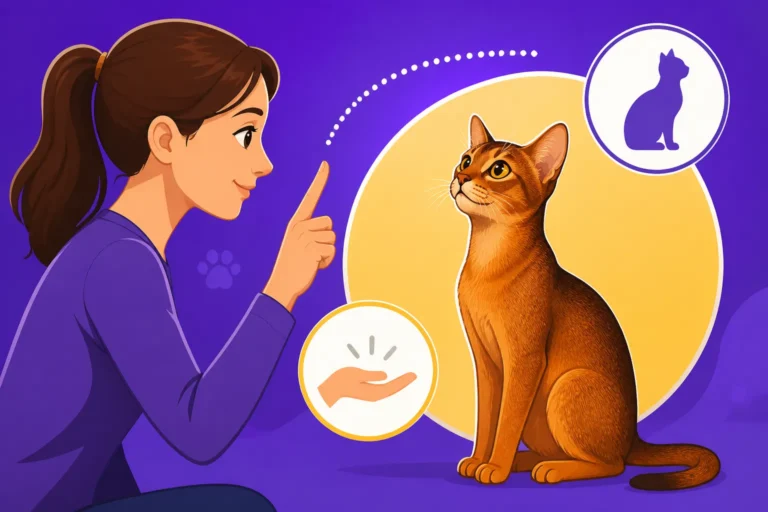
No matter how many fantastic toys you rotate through, the truth is, you are often the best toy your Abyssinian has. Interactive play sessions are paramount for this breed. They crave that connection and the dynamic, unpredictable challenge that only you can provide. Think wand toys with feathers or ribbons – these allow you to simulate prey movement, making the toy dart, hide, and pounce in ways a solo toy can't. A laser pointer can also be a great way to get them moving, but always end a laser session by letting them "catch" a physical toy to satisfy their hunting instinct and prevent frustration. How to Split an Abyssinian's Play Into Sessions is crucial; short, intense bursts throughout the day are often more effective than one long, languid session. Abyssinians love to retrieve, too; a small, soft toy thrown for them can turn into a delightful game of fetch, strengthening your bond and providing excellent exercise.
Incorporating Puzzle Feeders and Foraging
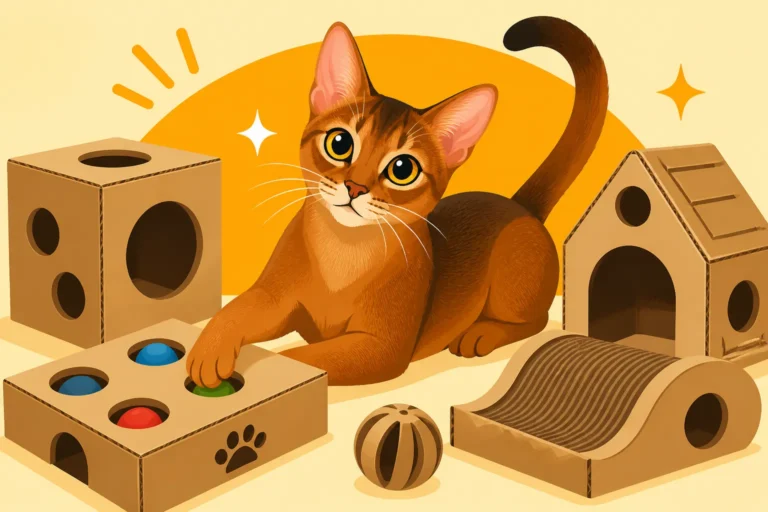
Abyssinians are smart, and their brains need a workout just as much as their bodies. This is where puzzle feeders and foraging come into their own. Instead of simply putting their food in a bowl, invest in a few different Which Puzzle Feeders Hold an Abyssinian's Attention. These can range from simple balls that dispense kibble as they're rolled, to more complex contraptions requiring pawing or nose nudging. This slows down their eating, prevents boredom, and taps into their natural instinct to "work" for their food. You can also try hiding small portions of their daily kibble or treats around the house, in different safe spots for them to "forage" for. Why Foraging Suits an Abyssinian's Mind is a powerful concept for Abyssinians, transforming mealtime into an engaging mental exercise. Just make sure to introduce these slowly and ensure they're able to successfully retrieve the food to avoid frustration. Even a simple cardboard box with some paper can become a fun foraging challenge if you hide treats inside.
Vertical Space and Environmental Enrichment
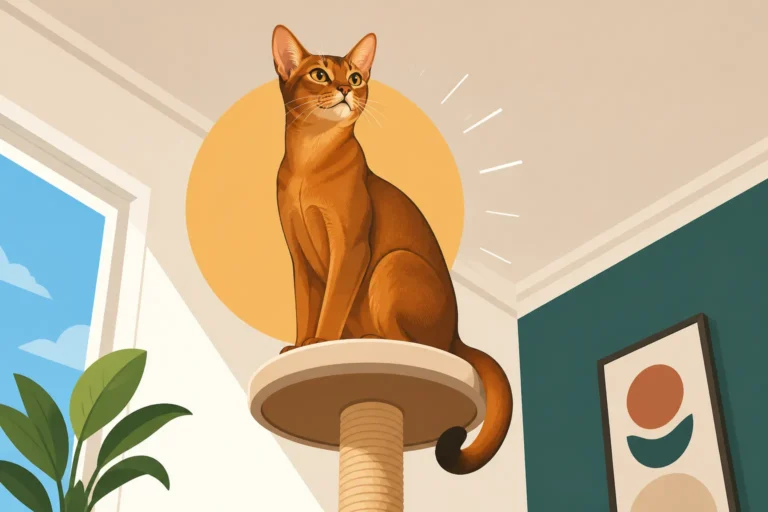
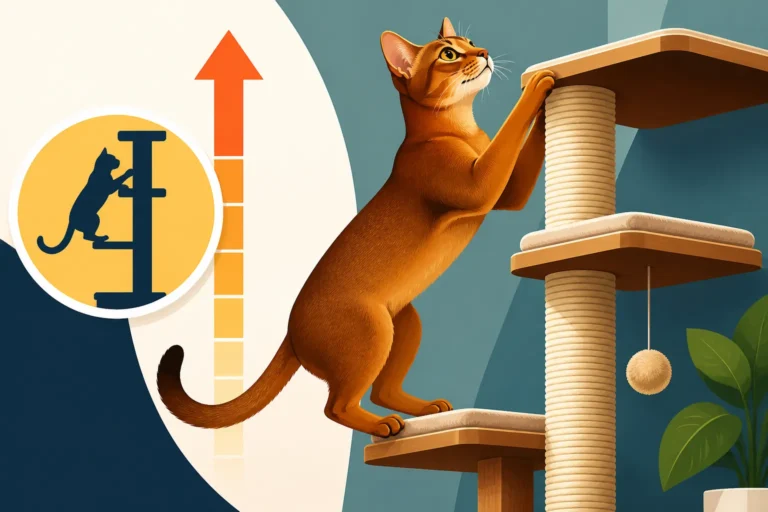
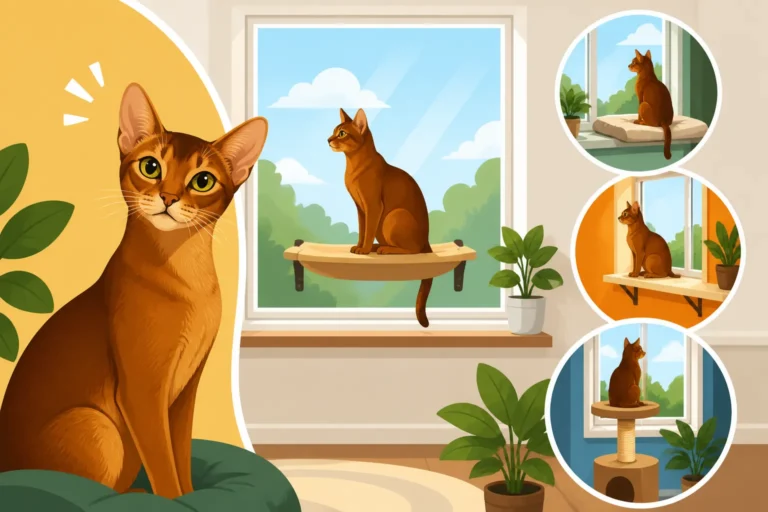
Abyssinians are climbers, jumpers, and explorers. Their world isn't just the floor; it's everything from the top of the fridge to the highest bookshelf. Providing ample vertical space in your home is not just about giving them somewhere to perch; it's about expanding their territory and offering new perspectives, which in turn makes their environment feel more stimulating. An Abyssinian Needs Height More Than It Needs Floor – it's a fundamental truth for this breed. Cat trees, wall-mounted shelves, and clear pathways to high spots are all essential. How to Make an Abyssinian's Climbing Route Safe involves ensuring stability and preventing falls. When they have new vantage points, even familiar toys can take on new interest when viewed from above, or when they can bat them down from a height. A window perch looking out onto a bird feeder provides endless "cat TV" entertainment, giving their hunting instincts a visual outlet even when they're indoors. Don't forget cozy hiding spots too, like cat caves or tunnels, where they can retreat and feel secure, ready to pounce on the next exciting thing.
Toy Rotation at a Glance
| Toy Category | Example Toys | Rotation Tip | Best For |
|---|---|---|---|
| Small Prey Toys | Crinkle balls, felt mice, bouncy balls | Include 3-5 in each weekly rotation. | Solo play, satisfying batting instincts |
| Interactive Toys | Wand toys (feathers, ribbons), laser pointers | Owner-led play daily, not part of static rotation. | Bonding, high-energy exercise, simulated hunt |
| Kicker Toys | Catnip-filled stuffed toys, kickers | One per rotation. Can stay out slightly longer. | Wrestling, back-leg kicking, scent play |
| Puzzle Feeders | Kibble dispensing balls, treat mazes (e.g., from Amazon) | One or two introduced with new food challenges weekly. | Mental stimulation, slow feeding |
| Comfort Toys | Soft plush toys (with or without catnip) | Can be part of general rotation, less critical. | Snuggling, scent marking |
Disclaimer
This article is for general informational purposes only and does not constitute professional advice. Laws, prices and regulations vary by location and change over time. Consult a qualified professional for guidance on your specific situation.