How an Abyssinian’s Play Changes After Ten
It’s a bittersweet moment when you realize your once-tireless Abyssinian, the one who bounded up the tallest cat tree and chased laser pointers with maniacal glee, isn't quite the same blur of motion anymore. Many of us find ourselves wondering if our beloved senior cat is just "slowing down" or if something more is at play. This guide aims to help you understand the natural shifts in an Abyssinian's play habits as they enter their golden years, how to keep them happily engaged, and when to seek veterinary advice.
The Evolving Pace: Understanding Your Abyssinian's Senior Play Style
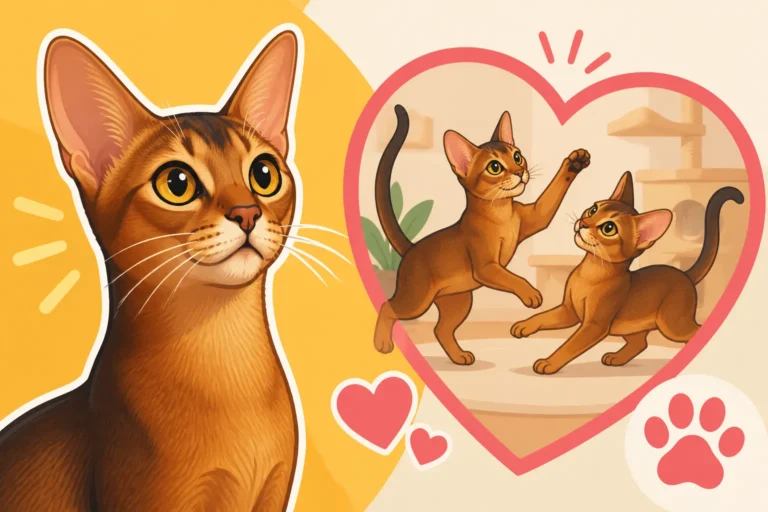
As our cherished Abyssinians gracefully transition into their senior years, typically starting around age ten, it's natural for their boundless energy to temper. The change isn't usually a sudden stop, but rather a gradual evolution, much like watching a vibrant autumn leaf slowly change its hue. You might notice fewer spontaneous sprints across the living room or a slightly longer nap in their favorite sunbeam. This shift in pace doesn't mean they've lost their zest for life, but rather that their play style is adapting to their changing physical capabilities.
The Shift from High-Flying Acrobat to Ground-Level Explorer
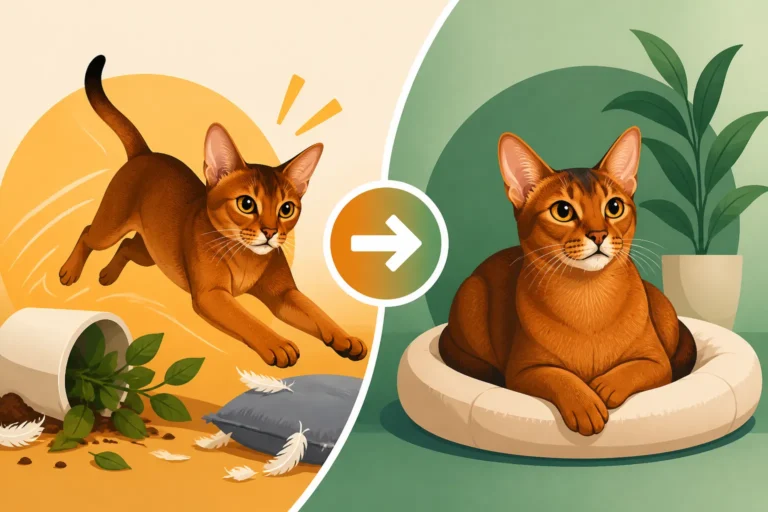
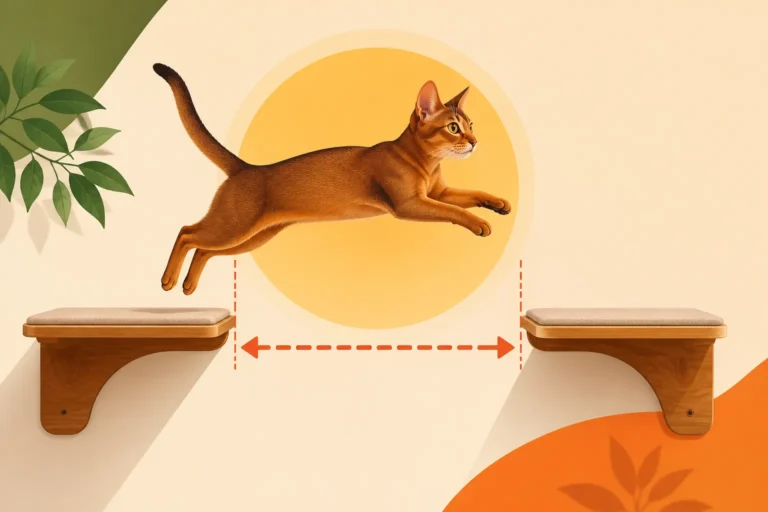
Remember when your Aby would leap onto the highest shelf in a single bound, surveying their kingdom with regal ease? As they age, those gravity-defying feats might become less frequent, or they might take a more cautious, deliberate approach to climbing. Their bodies simply aren't as agile or resilient as they once were. Ligaments might be a little stiffer, joints might ache subtly, and that spring in their step might have lessened. This often means they’ll prefer exploring at ground level or seeking out lower, more stable perches.
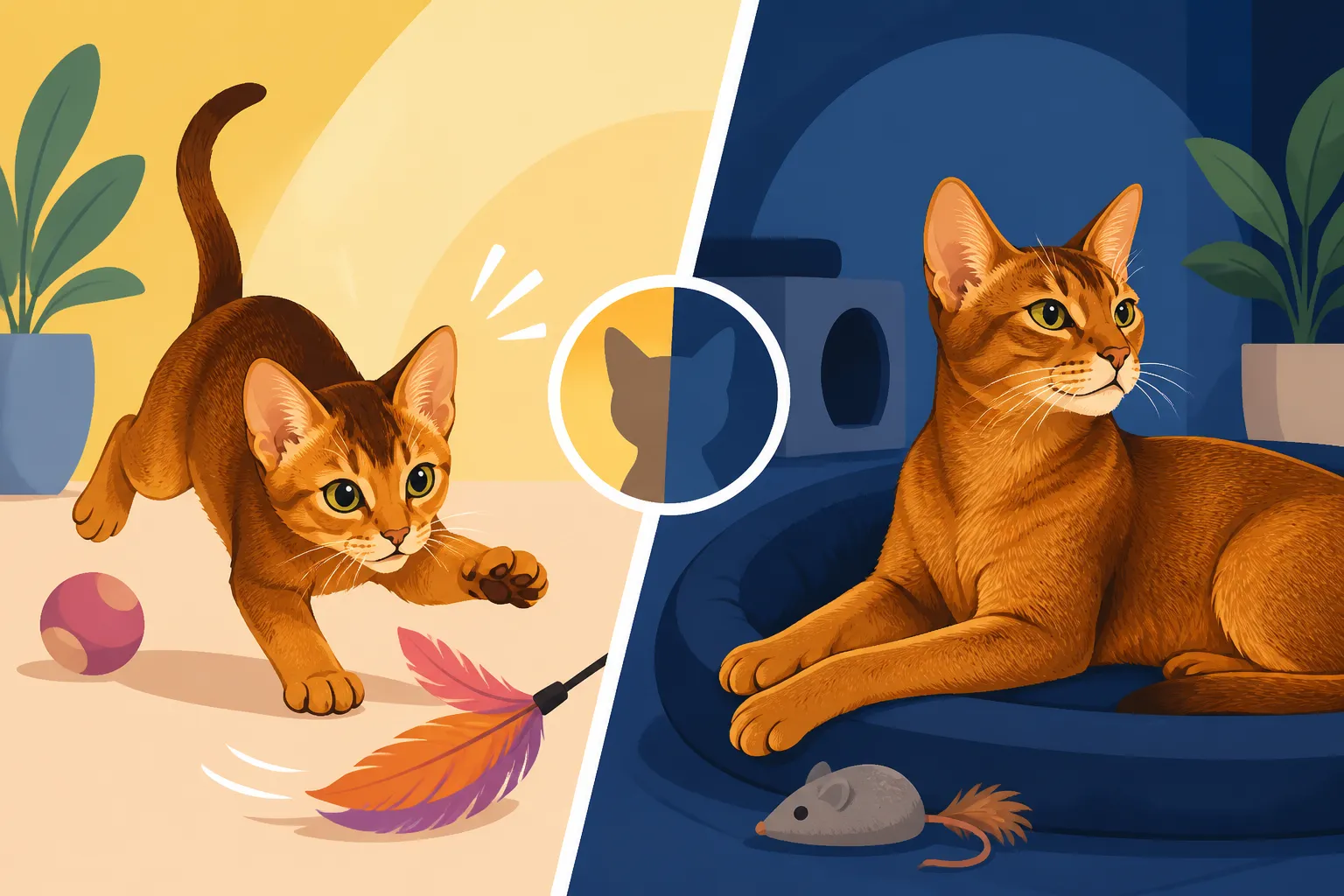
Instead of scaling bookcases, your senior Abyssinian might become a master of the hidden nook, enjoying games that involve tracking a toy across the floor or batting at a fishing wand from a comfortable lying position. They might still love to "hunt" a toy, but the chase could be shorter, with less intense bursts of speed. Think of them as shifting from a highly competitive athlete to a seasoned, strategic player. They still enjoy the game, but they've learned to conserve energy and play smarter, not harder. This is a common and normal progression for the breed, and recognizing it early helps you adjust your interactions with them.
Recognizing the New Rhythms of Play
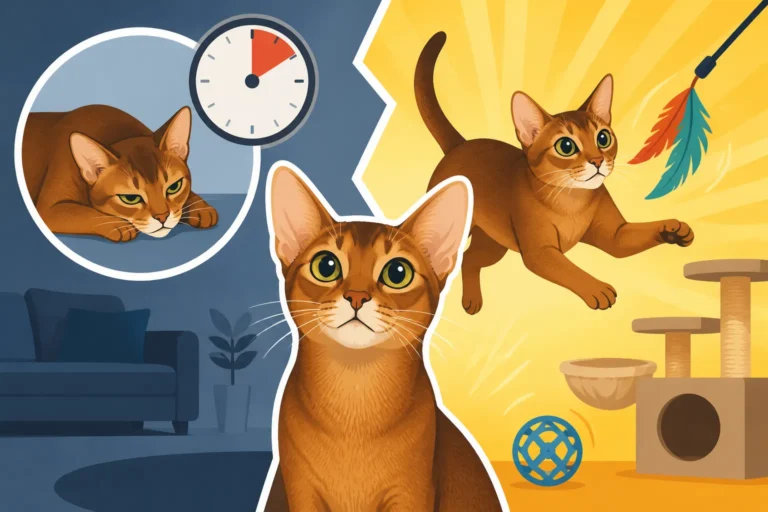
Understanding your senior Abyssinian's new play rhythms is key to keeping them happy and active. You might find that their most energetic periods shift from dawn and dusk "zoomies" to shorter bursts of activity during the day, perhaps after a meal or a good nap. Their playtime might become more predictable, almost ritualistic, especially if you initiate it. Instead of an all-out 20-minute brawl with a feather wand, you might see them engage for 5-10 minutes, take a breather, and then be ready for another short session later.
It’s also common for them to show a preference for certain types of toys. The crinkly ball that once sent them into a frenzy might now be ignored in favor of a soft, quiet plush toy they can bat around gently. Observing these preferences and respecting their new limits is crucial. Don't force them into high-energy play they can no longer comfortably manage; instead, adapt to their rhythm. If they walk away from a toy, it's usually a sign they've had enough or need a different kind of stimulation. What an Old Abyssinian Slows Down From can provide more insights into the physiological reasons behind these changes.
When "Slow Down" Means "Something's Wrong"
While a reduction in activity is a normal part of aging, a sudden or drastic drop in playfulness can be a red flag. Abyssinians, being naturally stoic and highly active, are masters at masking pain or discomfort. They often hide illness longer than other cats, making it harder for owners to notice subtle changes. If your typically playful Abyssinian suddenly loses interest in all their favorite games, becomes withdrawn, or shows signs of difficulty moving, it’s time for a vet visit.
Conditions like arthritis, How Arthritis Shows in an Abyssinian That Used to Climb, dental pain, or even early kidney issues can all manifest as a reluctance to play. A cat in pain won't want to jump, run, or pounce. Look for other accompanying symptoms: changes in appetite or thirst, litter box habits, vocalization, or grooming. If your Aby, who once loved to chase, now just watches the toy with weary eyes, or if they struggle to get up after a nap, don't dismiss it as "just old age." Early detection of underlying health issues can significantly improve their quality of life. Why an Abyssinian That Stops Climbing Needs a Vet emphasizes this critical point.
Curating Playtime for the Golden Years: Keeping the Spark Alive
Just because your Abyssinian is getting older doesn't mean they want to stop playing altogether. Their need for mental and physical stimulation remains, even if the intensity changes. It's about adjusting your approach and curating experiences that match their evolving capabilities and preferences. You're not trying to turn back the clock, but rather to ensure their golden years are filled with joy and appropriate activity.
Adapting Favorite Toys and Games
Many of your Abyssinian's beloved toys can still be part of their routine, with a few modifications. Instead of dangling a feather wand high for them to jump, keep it closer to the ground, allowing them to bat and pounce from a seated or lying position. Drag toys slowly across the floor, mimicking prey movement, rather than having them dart erratically. This slower pace allows them to engage their hunting instincts without straining their joints.
Consider toys with soft textures and quieter sounds, as their senses might also be changing. Puzzle feeders, for example, can still be a fantastic way to engage their minds, but perhaps choose ones with larger openings or fewer complex steps. Brands like Amazon Basics offer a wide array of cat toys, making it easy to find softer wands, quieter balls, or simpler puzzle feeders that are gentle on an aging cat. You might also find they prefer toys that encourage short, focused interactions, like batting a crinkle ball or chasing a gentle laser pointer dot (always ending with a physical toy catch to prevent frustration).
Embracing New Forms of Engagement for Less Mobile Cats
For Abyssinians who are significantly less mobile, new forms of play might be necessary. Scent games can be incredibly stimulating. Hide treats (healthy, senior-appropriate ones!) around the house, especially in low, easily accessible spots, encouraging them to use their excellent sense of smell. You can also introduce new textures or soft sensory toys they can mouth or gently bat. Catnip-filled toys, while not purely "play," can provide a pleasant, stimulating experience for some seniors.
Interactive toys that don't require much physical exertion can also be a hit. Automated laser pointers that sweep the floor in predictable patterns (again, ensure a physical 'catch' at the end with a real toy) or small electronic mice that move slowly can capture their attention. Even simply sitting with them and gently rolling a soft toy for them to bat can reinforce your bond and provide mental engagement. Remember, quality over quantity becomes even more important as they age. For more ideas, explore Which Games Suit an Old Abyssinian.
The Power of Scent and Sound in Senior Play
As an Abyssinian ages, their eyesight might diminish slightly, and their hearing might not be as sharp as it once was. However, their sense of smell often remains incredibly potent. This makes scent-based play a fantastic option. Utilize strong-smelling catnip or silvervine toys to spark interest. You can also rotate toys, bringing out "new" smelling items after a period of being put away, making them more exciting.
Sound also plays a role. Toys with soft rattles or gentle crinkles can be appealing, especially if their vision is declining. Consider hanging a bell on a string at a height they can easily bat, or using crinkly paper for them to investigate. The key is to engage multiple senses to compensate for any age-related decline in others. This multi-sensory approach ensures that playtime remains a rich and rewarding experience, tapping into their natural instincts even if their physical capabilities have changed.
Designing an Environment for Continued Joy and Activity
A well-designed environment is paramount for keeping a senior Abyssinian engaged and comfortable. Their world should adapt to their changing needs, allowing them to continue enjoying their favorite activities safely and without unnecessary strain. This thoughtful approach can dramatically extend their active and happy years.
Modifying Climbing Structures for Easier Access
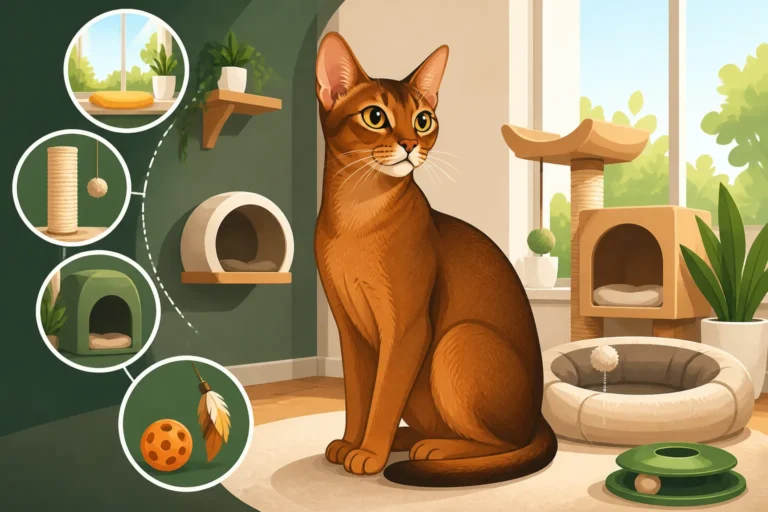
Abyssinians are natural climbers, and even in their senior years, they often retain that instinct. However, those high leaps can become difficult or even painful. It's time to re-evaluate your vertical real estate. Instead of removing cat trees, think about adding steps, ramps, or lower platforms. A sturdy pet ramp can lead up to a favorite window perch or the middle level of a cat tree, allowing them to ascend without jumping. How to Keep an Old Abyssinian Climbing Safely details these modifications.
You might also consider adding more low-to-mid-level perches. A sturdy stool next to a window, a blanket-covered box near a bookshelf, or wall shelves specifically installed at accessible heights can provide opportunities for vertical exploration without extreme exertion. Remember, the goal isn't to prevent climbing, but to make it safe and comfortable. Look for stable, wide steps rather than narrow, wobbly ones. Investing in solid, well-built steps or ramps from retailers like Amazon can be a great way to support their continued love for heights.
Creating Cozy, Accessible Play Zones
Just as important as vertical access is the creation of ground-level play zones that are comfortable and easy to navigate. Senior cats often appreciate warmth and softness, so consider placing soft blankets or beds in areas where they like to play. If they enjoy batting toys around, ensure there's clear, non-slip flooring in those areas to prevent slips and falls. A rug or a non-skid mat under their favorite play spot can make a big difference.
These zones should also be free from clutter. An older cat, especially one with diminishing vision, can easily trip over misplaced items. Keep a selection of their current favorite toys within easy reach. Small, soft balls or crinkle toys can be left in their favorite napping spots for impromptu play sessions. The idea is to make engagement effortless and inviting, so they don't have to work hard just to get started. Ensuring they have a variety of easily accessible spaces reinforces the idea that play is always an option.
The Importance of Safe, Uninterrupted Play Spaces
Finally, consider the overall safety and tranquility of their play environment. Senior Abyssinians, while still social, might prefer quieter play sessions without the boisterous energy of younger pets or children. Designate certain times or areas for their individual play, ensuring they feel secure and can focus without interruption. This is especially true if you have a multi-pet household. A calm, predictable routine provides comfort and security for aging cats.
Ensure their litter boxes, food, and water are easily accessible and located in quiet areas, as these are crucial aspects of their well-being that impact their willingness to engage. A cat worried about accessing basic needs won't be in the mood for play. Regularly check their environment for potential hazards, like unstable furniture or tempting heights they might try to reach but can no longer manage safely. A well-thought-out home supports their physical health and mental contentment, allowing them to remain the vibrant, curious companions we know and love, well into their golden years. Caring for an Abyssinian Past Ten offers broader advice on maintaining their overall well-being during this phase of life.
Disclaimer
This article is for general informational purposes only and does not constitute professional advice. Laws, prices and regulations vary by location and change over time. Consult a qualified professional for guidance on your specific situation.