Why a Chamois Finishes an Abyssinian’s Coat
That incredibly unique, shimmering coat on your Abyssinian is a thing of beauty, isn't it? But getting it to really pop, to show off that incredible ticking and feel like silk, often feels like a secret known only to show breeders. Many owners struggle to get that 'finished' look, finding that regular brushing just doesn't quite capture the depth and sheen. This guide is all about revealing that secret weapon: the humble chamois cloth, and why it's the perfect final touch for your Abyssinian's magnificent coat.
The Marvel of the Abyssinian's Ticked Coat
The Abyssinian's coat is truly a marvel of natural engineering, unlike almost any other domestic cat. It’s what gives them that wild, almost ethereal glow, and it’s also the key to understanding why specific grooming tools, like a chamois, are so effective. If you’ve ever wondered why your Aby seems to shimmer as they move, it all comes down to their unique hair structure.
The Agouti Banding Phenomenon
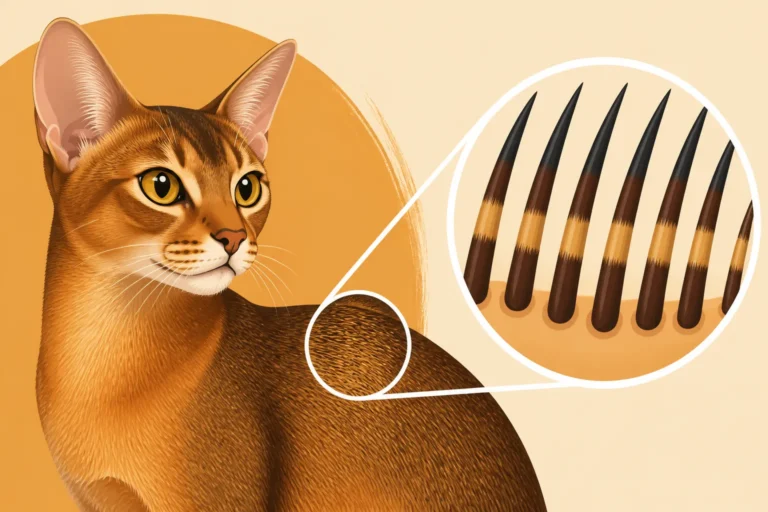
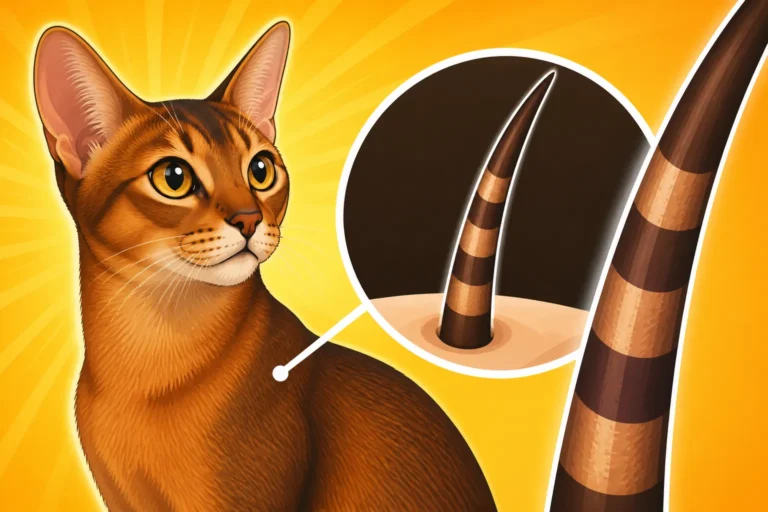
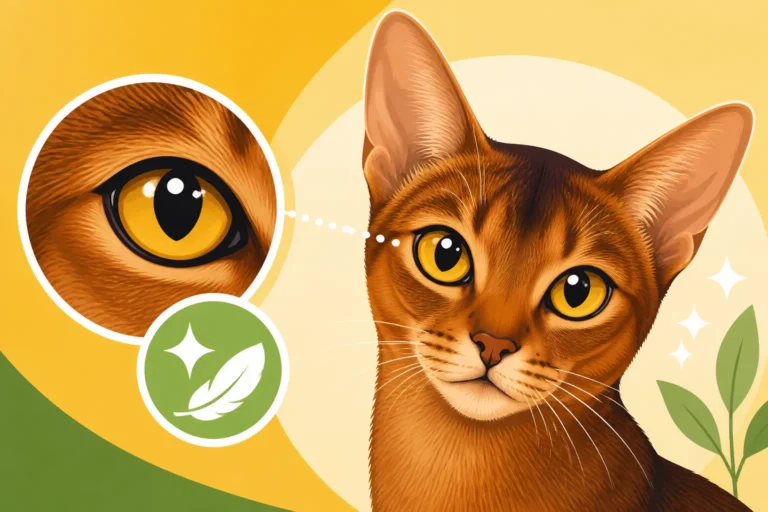
The defining characteristic of an Abyssinian's coat is its ticking, also known as agouti banding. Unlike a tabby with distinct stripes or blotches, each individual hair on an Abyssinian's body is banded with multiple colors. Imagine a tiny rainbow on every single strand, usually three or four bands of color, alternating between a lighter base and darker tips. This intricate pattern gives the coat an incredible depth and a remarkable ability to catch and reflect light, making it appear to change color as your cat moves. There are no obvious stripes or spots on the body; the ticking is uniform, giving the coat a beautifully blended appearance. Why Each Abyssinian Hair Carries Three or Four Bands delves deeper into this fascinating genetic trait. This banding is the very reason their coat doesn't look like a solid color, even from a distance; it's a dynamic tapestry of hues.
The Fine, Close-Lying Texture
Beyond the ticking, the Abyssinian coat is renowned for its incredibly fine and close-lying texture. They have very little undercoat, making their fur remarkably sleek and soft to the touch. It feels luxurious, almost like polished mink or silk, rather than the dense, fluffy feel of many other breeds. This lack of a thick undercoat means that their short, fine hairs lie flat against their body, accentuating their graceful, athletic build. While this contributes to their elegant appearance, it also means they don't have the natural insulation of a double-coated cat. This is why you might find your Abyssinian seeking out the warmest spots in the house or snuggling close to you – their coat isn't designed for extreme cold. The way their coat shimmers is also directly related to this fine texture, as the light can easily penetrate and reflect off the banded hairs without being absorbed by a thick layer of fluff.
Minimal Shedding and Dust Trapping
One of the great joys of living with an Abyssinian is their relatively low shedding. Because they lack a dense undercoat, there's simply less fur to shed compared to many other breeds. While no cat is truly "non-shedding," an Abyssinian's shed hair tends to be fine and less noticeable around the house. Why an Abyssinian's Single Ticked Coat Barely Sheds explains this in more detail. However, this fine, close-lying coat can act as a magnet for fine dust particles, especially in a household environment. Even if you don't see clumps of fur, you might notice a dullness or a slight grittiness if your Aby hasn't had a proper finishing polish. These microscopic dust particles settle on the surface of the hair, muting the natural brilliance of the ticking and preventing that characteristic shimmer from truly shining through. It's like having a fine layer of haze over a beautiful painting, obscuring the vibrant colors beneath. This is where the chamois comes into its own, effectively clearing that haze to reveal the masterpiece underneath.
What Exactly is a Chamois and Why Does it Work?
You might associate chamois cloths more with cleaning cars or polishing fine furniture than grooming a cat, but that's precisely why they are so perfectly suited for the Abyssinian's coat. Their unique material properties make them exceptional at lifting dust and buffing fur without static.
The Material and Properties of a Chamois
Traditionally, a chamois (pronounced "shammy") was made from the skin of a chamois goat, or often from sheepskin. This natural leather is known for its incredible softness, absorbency, and ability to clean and polish surfaces without scratching. It has a very fine, open pore structure that allows it to absorb liquids and fine particles effectively. Today, many chamois cloths are made from synthetic materials, often a blend of rayon and polyester, designed to mimic the qualities of natural chamois. These synthetic versions offer similar benefits: they are exceptionally soft, highly absorbent, and lint-free. Crucially for cat grooming, both natural and good quality synthetic chamois share a key property: they are designed not to create static electricity, which is a common problem with many synthetic cloths and brushes when rubbed against fur.
Why a Chamois is Different from Other Cloths
Think about wiping down a dusty surface with a regular cloth – sometimes you just push the dust around, or worse, create static that makes the dust cling even more. A chamois is fundamentally different. Its texture, whether natural or synthetic, is designed to trap fine dust particles and absorb oils rather than just smearing them. When you gently run a chamois over an Abyssinian's coat, it doesn't just polish; it actively lifts the microscopic dust and loose dander that can dull the fur. More importantly, it helps to distribute the cat's natural skin oils evenly across the hair shafts, enhancing their natural luster and softness. This gentle action, combined with its anti-static properties, means you're not just wiping the coat; you're refining it, bringing out its inherent sheen without any greasy residue or flyaway hairs. This is the finishing touch that truly differentiates a professionally groomed look from a simple brush.
Natural vs. Synthetic Chamois for Cat Grooming
When it comes to choosing a chamois for your Abyssinian, you'll encounter both natural leather and synthetic options. Each has its pros and cons.
Natural Chamois:
- Pros: Exceptionally soft, highly absorbent, very gentle on the coat, often lasts a long time if cared for properly. Many purists swear by the superior feel and polishing ability of genuine leather.
- Cons: Can be more expensive, requires specific care (often cannot be washed with harsh detergents), and some owners prefer to avoid animal products for ethical reasons.
- Best For: Those seeking the traditional, luxurious feel and willing to invest in its care.
Synthetic Chamois:
- Pros: More affordable, durable, easier to clean (often machine washable), consistent in quality, and readily available. Many synthetic chamois cloths are just as effective for grooming. You can often find great multi-packs on Amazon that offer excellent value.
- Cons: Quality can vary, so it's important to choose a reputable brand that explicitly states its anti-static and lint-free properties. Cheaper versions might not be as soft or absorbent as a good natural chamois.
- Best For: Everyday use, budget-conscious owners, and those who prioritize ease of cleaning and maintenance.
For most Abyssinian owners, a high-quality synthetic chamois will do an excellent job. Just ensure it feels very soft and is designed for polishing without leaving residue or static.
Here's a quick comparison of general grooming tools and their purpose:
| Grooming Tool | Primary Purpose | Abyssinian Suitability | Notes |
|---|---|---|---|
| Rubber Grooming Mitt | Removes loose fur, massages skin | Excellent | Gentle, good for weekly de-shedding. Which Grooming Mitt Suits an Abyssinian |
| Fine-Tooth Comb | Detangles, checks for parasites, gentle straightening | Good | Use sparingly, can pull at fine hairs if not careful. |
| Slicker Brush | Removes mats, undercoat (for double-coated breeds) | Poor | Too harsh, can damage fine Abyssinian coat. Why a Slicker Brush Is Wrong for an Abyssinian |
| Deshedding Tool | Removes significant undercoat | Avoid | Absolutely unsuitable, will ruin ticking and damage coat. Why a Deshedding Blade Should Never Touch an Abyssinian |
| Chamois Cloth | Polishes, removes fine dust, enhances shine, de-statics | Excellent | Perfect for the final touch, brings out natural luster. |
The Art of Finishing an Abyssinian's Coat with a Chamois
Using a chamois isn't just about wiping; it's a technique that elevates your Abyssinian's coat from merely brushed to truly brilliant. It’s the final step that makes all the difference, revealing the full glory of their unique ticking and texture.
Preparation is Key: Before the Chamois
Before you even think about introducing the chamois, your Abyssinian's coat needs to be free of any larger loose hairs or tangles. While Abyssinians aren't prone to matting, they do shed fine hairs that need to be removed. Start with a gentle brushing session using a soft rubber grooming mitt or a fine-toothed comb. The goal here is to remove any shed fur and stimulate the skin, bringing natural oils to the surface. A weekly brushing with a rubber mitt is usually sufficient. An Abyssinian Needs Brushing Once a Week and No More highlights the importance of this routine. Make sure your cat is relaxed and enjoys the initial brushing; a calm cat will be more receptive to the chamois step. If their coat feels greasy or has visible dirt, a bath might be in order, but Abyssinians rarely need bathing. When an Abyssinian Actually Needs Washing can help you determine if that's the case. Only after their coat is clean and relatively free of loose hair is it ready for the chamois.
The Buffing Technique for Maximum Shine
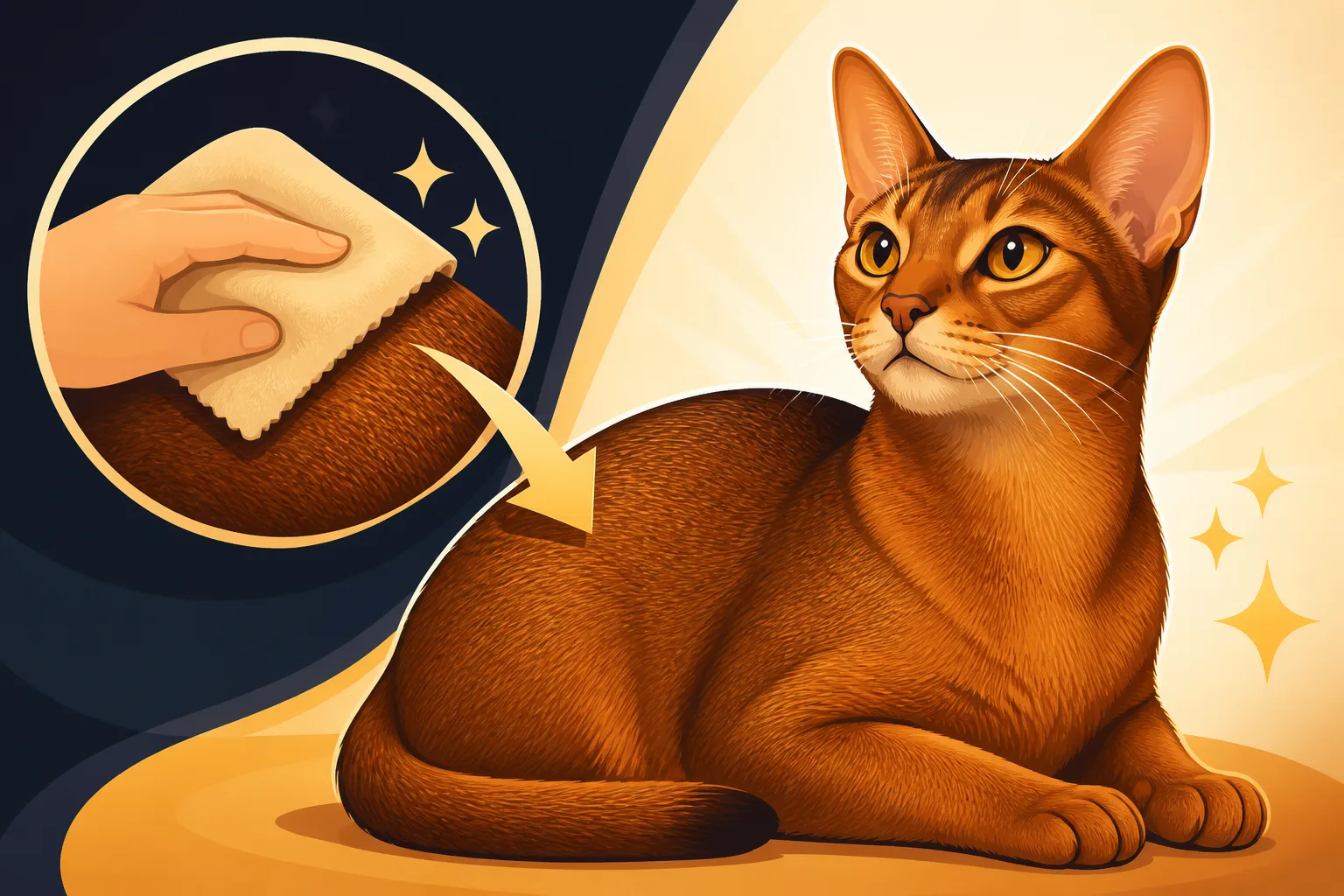
Once your Abyssinian's coat is prepped, it's time for the chamois. The technique is all about light, consistent strokes. Drape the soft, clean chamois over your hand. You don't need to wet it unless specified by the manufacturer for specific cleaning purposes, but for polishing and de-dusting, a dry chamois is usually best.
- Start with the flow of the fur: Begin at your cat's neck and gently stroke downwards towards the tail, following the natural direction of their hair growth.
- Gentle pressure: Use very light, gliding pressure. You're not scrubbing; you're buffing. Imagine you're polishing a delicate piece of glass.
- Short, overlapping strokes: Use short, overlapping strokes, covering the entire body. Pay special attention to the back, flanks, and shoulders, where the ticking is most prominent and dust tends to settle.
- Observe the coat: As you work, you'll start to see the coat transform. The individual hairs will lie flatter, the ticking will become more distinct, and that characteristic Abyssinian shimmer will intensify. Why an Abyssinian's Coat Shimmers When It Moves explains the mechanics behind this visual effect.
- Focus on the shine: The goal is to bring out that deep, almost metallic sheen that makes the Abyssinian's coat so captivating. The chamois works by refining the lay of the individual hairs and removing any micro-particles that might be obscuring the light reflection.
Consistency is key. A few minutes of chamois buffing a couple of times a week, especially after a brushing session, can maintain that show-stopping shine.
The "Dust Magnet" Effect: Removing the Unseen
It's easy to think a cat's coat is clean just because it looks clean. But the Abyssinian's fine, close-lying coat, while beautiful, is a surprisingly efficient dust magnet. Microscopic dust particles, dander, and even environmental pollutants can settle on the surface of each hair shaft, dulling the vibrant ticking. This isn't visible dirt in the traditional sense, but it creates a subtle haze that prevents light from reflecting optimally.
This is where the chamois excels. Its unique fiber structure acts like a microscopic sponge, gently lifting and trapping these tiny particles from the surface of the fur. As you stroke, the chamois effectively "wipes away" this unseen film, revealing the true, rich colors of your Abyssinian's agouti banding. It's like wiping down a dusty window pane to let the sun stream through. The anti-static properties of a good chamois also prevent dust from being immediately attracted back to the freshly polished coat, ensuring a cleaner, longer-lasting shine. This final step is crucial for achieving that pristine, vibrant look that Abyssinian enthusiasts adore, giving the coat a depth and clarity that simply brushing cannot achieve.
The Benefits of a Chamois for Abyssinian Coat Health
Beyond just aesthetics, using a chamois regularly offers tangible benefits for your Abyssinian's overall coat health and even strengthens your bond. It's a small step that yields significant returns.
Enhancing Natural Oils and Luster
A healthy coat isn't just about cleanliness; it's about proper oil distribution. Your Abyssinian's skin produces natural oils that keep their fur soft, supple, and protected. However, these oils don't always distribute evenly, especially if your cat isn't meticulously grooming every inch of themselves. This can lead to areas of dryness or, conversely, a slightly greasy feel.
When you use a chamois, its soft surface gently massages the skin and helps spread these natural sebaceous oils along the length of each hair shaft. This action conditions the fur from root to tip, enhancing its natural luster and making it feel incredibly silky. It's a natural conditioning treatment without any added chemicals. The result is a coat that doesn't just look shiny, but is genuinely healthier, stronger, and more resilient, reflecting the vitality of your cat's skin underneath.
Minimizing Static and Flyaways
If you live in a dry climate or during the winter months, you know the frustration of static electricity in your cat's fur. It can make their coat look messy, cause hairs to stand on end, and can even lead to unpleasant little shocks for both you and your Abyssinian. Static is not just a cosmetic issue; it can be uncomfortable for your cat and even stress them out.
A key advantage of a high-quality chamois, particularly synthetic ones designed for polishing, is their anti-static property. Unlike many synthetic brushes or cloths that can generate static as they rub against fur, a chamois actively helps to neutralize it. By gently buffing the coat, it grounds any static charge, making the hairs lie flat and smooth. This eliminates those annoying flyaways and makes the grooming experience much more pleasant for your cat. A static-free coat is also less likely to attract dust, further prolonging that fresh, polished look.
The Bonding Experience
Grooming isn't just a chore; it's a powerful opportunity to bond with your Abyssinian. These are intelligent, affectionate cats who thrive on interaction with their human companions. A gentle grooming session, particularly with something as soft and soothing as a chamois, can be a deeply relaxing and positive experience for them.
The soft touch of the chamois, combined with your calm presence, reinforces trust and affection. Many Abyssinians learn to look forward to their "chamois time," often purring and leaning into the strokes. It's a moment of quiet connection in an otherwise busy day, strengthening the bond between you and your feline friend. This positive association also makes future grooming and handling easier, which is invaluable when it comes to routine health checks or veterinary visits. Regular, gentle handling from a young age helps them become accustomed to touch, making them more comfortable and cooperative throughout their lives.
Where to Find and Care for Your Chamois
A good chamois cloth is an investment in your Abyssinian's coat and your shared bonding time. Knowing where to find a quality one and how to care for it will ensure it serves you well for years to come.
Sourcing a Quality Chamois
Finding the right chamois isn't difficult, but it pays to be discerning. You're looking for something exceptionally soft, lint-free, and ideally, with anti-static properties.
- Pet Supply Stores: While not always prominently displayed with cat grooming tools, some higher-end pet boutiques or specialized stores might carry grooming chamois. Brands like these often focus on quality and pet-safe materials.
- Automotive or Detailing Stores: Don't shy away from looking in the automotive section of larger retailers or dedicated auto detailing shops. Chamois cloths for car care are designed to be lint-free and non-abrasive, making them perfect for delicate surfaces – including your cat's coat. Just make sure it's a new, clean one, not one that's been used on a car!
- Online Retailers: Online platforms like Amazon and Chewy offer a vast selection. When browsing on Amazon, look for chamois cloths marketed for delicate surfaces, or even specific "pet grooming chamois." Read reviews to ensure others praise its softness and lint-free nature. For instance, searching "synthetic chamois for pet grooming" or "drying towel for cats" might yield suitable results. When shopping on Chewy, you might find specific pet-focused polishing cloths that serve the same function. Look for descriptions that emphasize softness, absorbency, and non-abrasive qualities.
- What to Look For:
- Material: Decide between natural leather (more expensive, traditional feel) or high-quality synthetic (easier care, often more affordable). For most pet owners, synthetic is perfectly fine.
- Softness: This is paramount. It should feel incredibly soft against your skin, with no rough edges or coarse texture.
- Size: A larger chamois gives you more surface area to work with, making the buffing process quicker and more efficient.
- Lint-Free: Absolutely essential. You don't want to add lint to your perfectly polished cat!
Cleaning and Maintaining Your Chamois
To keep your chamois effective and hygienic, proper care is crucial. This will prolong its life and ensure it always performs its best for your Abyssinian.
- After Each Use: Give the chamois a good shake to dislodge any trapped dust or loose hairs. If it's noticeably dusty, you can give it a quick rinse under cool, running water.
- Washing:
- Natural Chamois: These require delicate care. Avoid harsh detergents, as they can strip the natural oils from the leather, making it stiff and less effective. Wash by hand in lukewarm water with a very mild soap (like baby shampoo or a special leather soap), rinse thoroughly until the water runs clear, and gently squeeze out excess water.
- Synthetic Chamois: Most synthetic chamois cloths are machine washable. Check the care label for specific instructions. Use a gentle cycle with a mild detergent and avoid fabric softeners, as these can leave a residue that will transfer to your cat's coat.
- Drying:
- Natural Chamois: Never put a natural chamois in a dryer or dry it in direct sunlight, as this can cause it to shrink and harden. Instead, wring it out gently and hang it to air dry, ideally away from direct heat. It might feel stiff when completely dry, but it will soften again when dampened or used.
- Synthetic Chamois: Most synthetics can be tumble dried on a low heat setting, or simply air dried. Again, avoid excessive heat.
- Storage: Once completely dry, store your chamois flat or folded neatly in a clean, dry place. Avoid crumpling it up, as this can create creases that affect its performance. Keeping it in a breathable bag or container can also protect it from household dust.
With a little care, your chamois will be a trusted tool in your Abyssinian grooming arsenal for years, ensuring their coat always looks its absolute best.
Disclaimer
This article is for general informational purposes only and does not constitute professional advice. Laws, prices and regulations vary by location and change over time. Consult a qualified professional for guidance on your specific situation.