Caring for an Abyssinian Past Ten
Senior Abyssinian care involves managing arthritis, monitoring kidney function, tailoring senior nutrition, and adapting home environments for aging cats.
Know what to watch for.
Breed-specific conditions, screening and DNA tests, what surgery actually costs, and the daily habits that stretch a healthy lifespan.
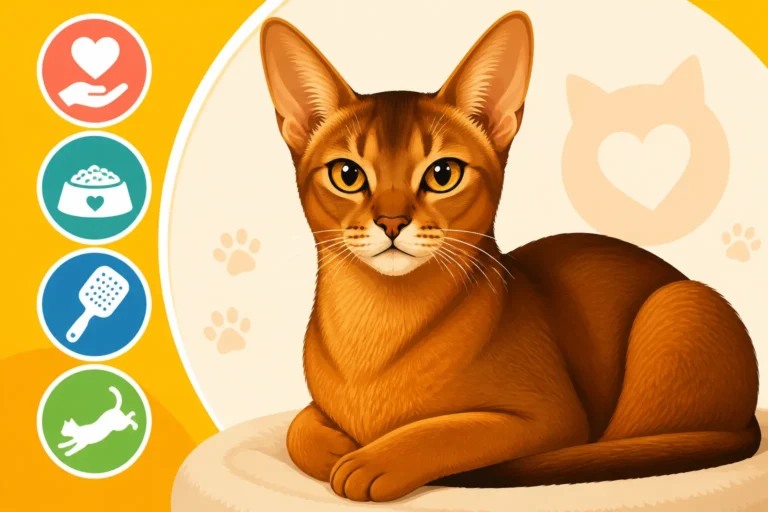
Senior Abyssinian care involves managing arthritis, monitoring kidney function, tailoring senior nutrition, and adapting home environments for aging cats.
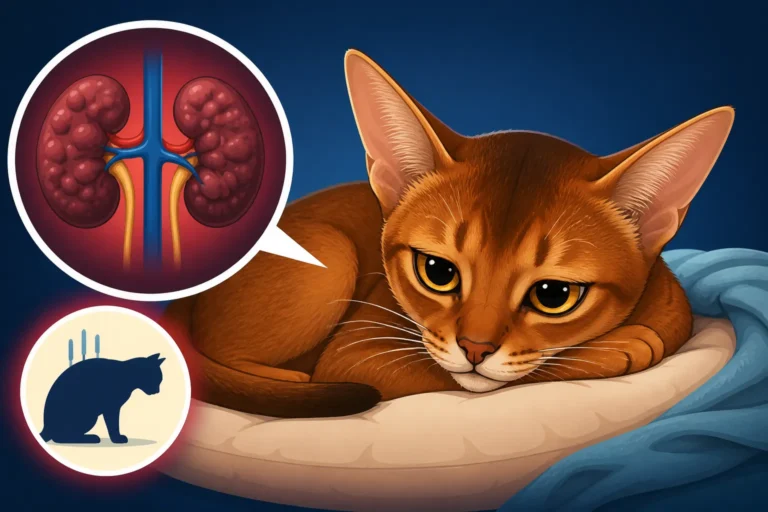
Renal amyloidosis in young Abyssinians causes early kidney failure, subtle behavioral shifts, increased thirst, and progressive weight loss.
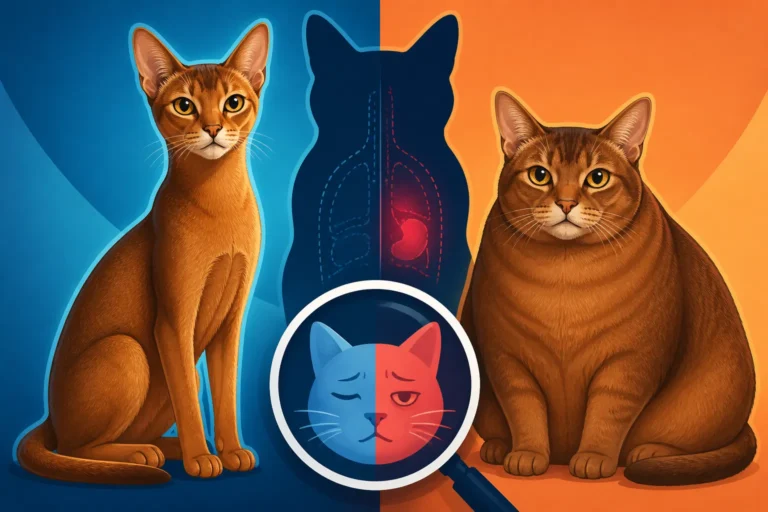
Natural athleticism, a high metabolism, and a ticked coat allow lean Abyssinian cats to successfully hide early illness.
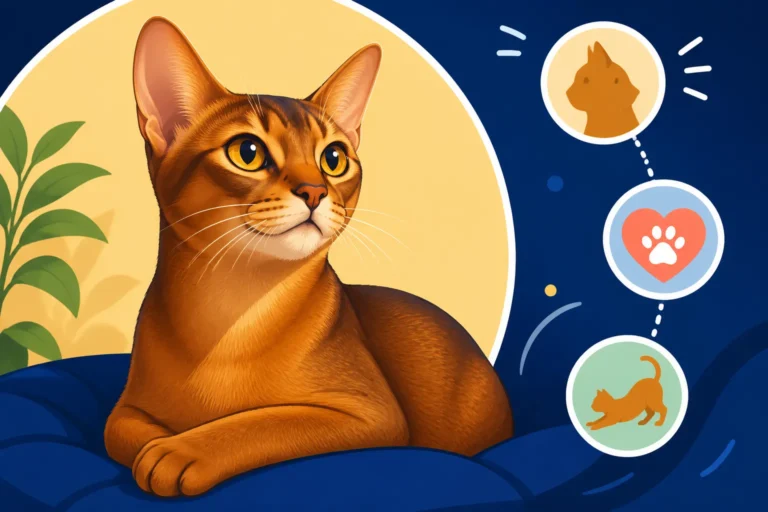
Abyssinian cat lifespans typically range from twelve to fifteen years, influenced by genetics, diet, and preventative veterinary care.
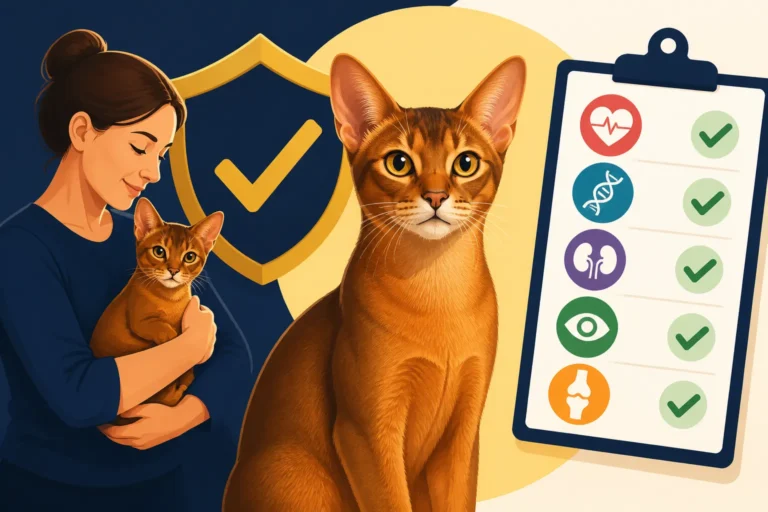
Abyssinian health testing covers Pyruvate Kinase Deficiency and Progressive Retinal Atrophy so buyers avoid preventable genetic diseases.
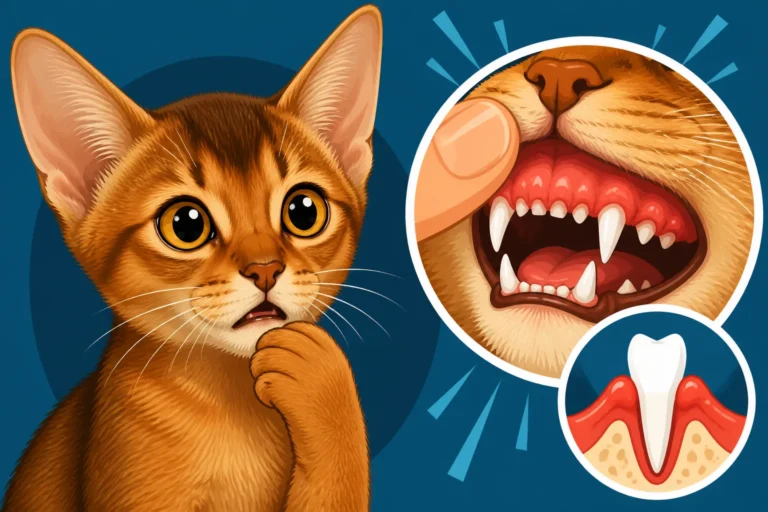
Juvenile gingivitis in Abyssinian kittens stems from an overactive immune response to plaque after permanent adult teeth erupt at six months.
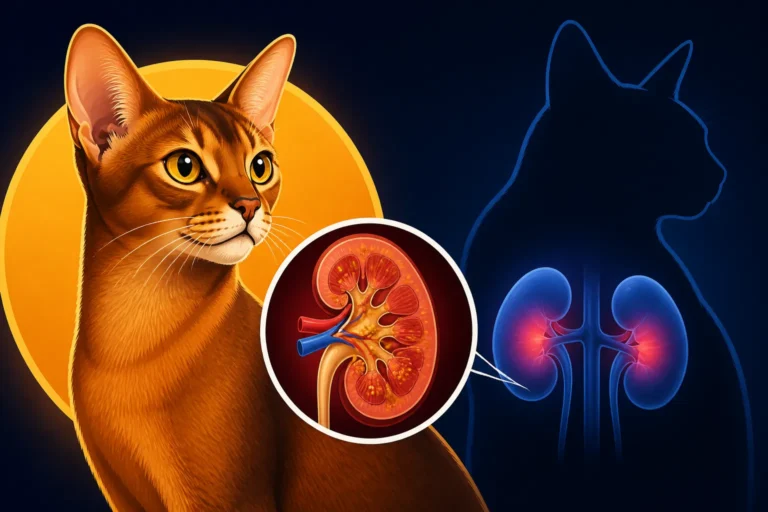
Abyssinian renal amyloidosis is a complex kidney disease causing silent organ failure because no single genetic test exists yet.
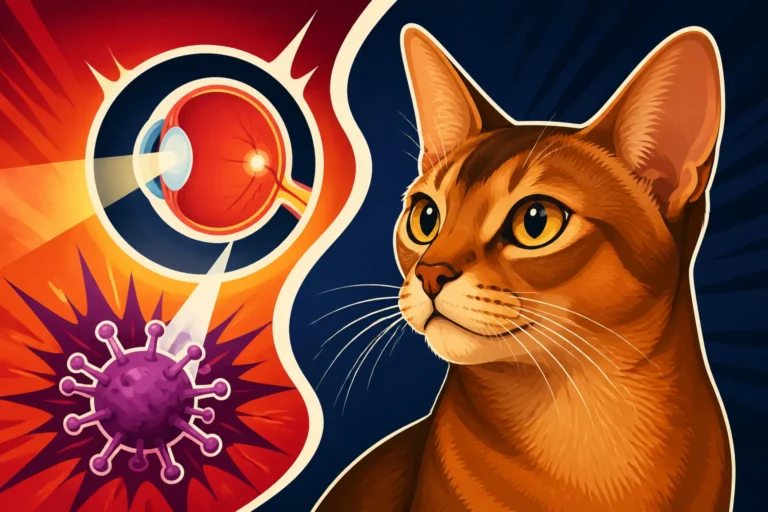
Progressive retinal atrophy causes gradual vision loss and blindness in Abyssinian cats by age five through cell degeneration.
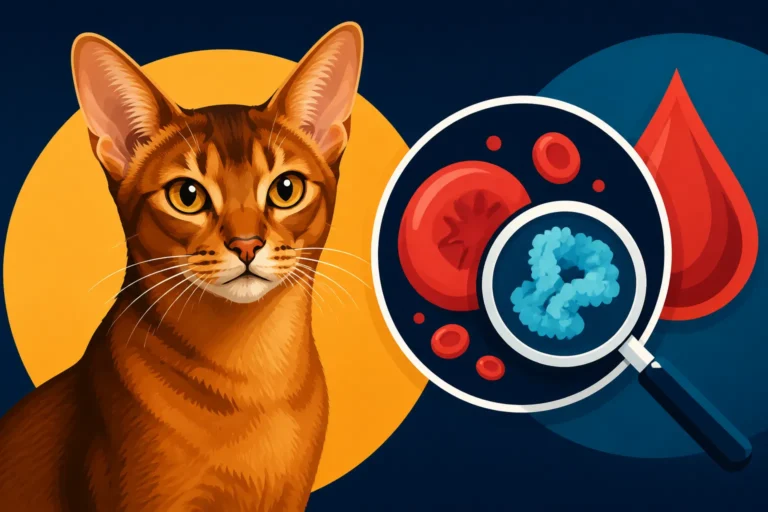
Pyruvate kinase deficiency in Abyssinians causes inherited anemia, and genetic testing helps breeders identify carriers and prevent the disease.
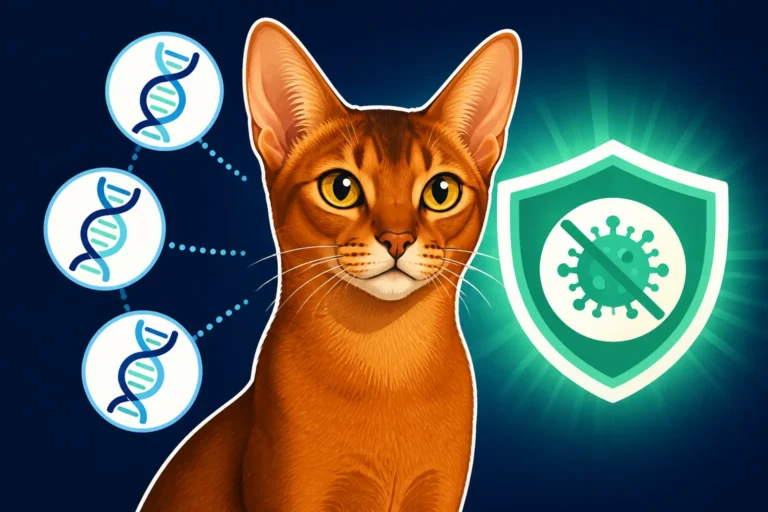
Abyssinian genetic testing covers three conditions, including pyruvate kinase deficiency and PRA-rdAc, while renal amyloidosis still lacks tests.