Why an Abyssinian’s Coat Lies Close to the Body
If you've ever had the pleasure of petting an Abyssinian, you've probably noticed something incredibly distinct about their fur: it lies so remarkably close to their elegant bodies. It's not just short; it’s an entirely different texture and drape compared to most other cats, leaving many new owners wondering what gives this breed its uniquely sleek silhouette. This guide is going to unravel the mysteries behind the Abyssinian's signature coat, explaining why it adheres so closely to their form and what that means for their care and your home life.
The Unique Genetic Blueprint of the Abyssinian's Coat
The Abyssinian's coat isn't just "short hair." It's a marvel of feline genetics, specifically designed to be close-lying and without the fluff or bulk you might expect from other breeds. Understanding this genetic blueprint is key to appreciating their distinctive appearance.
The Magic of the Ticked Gene: Agouti Bands
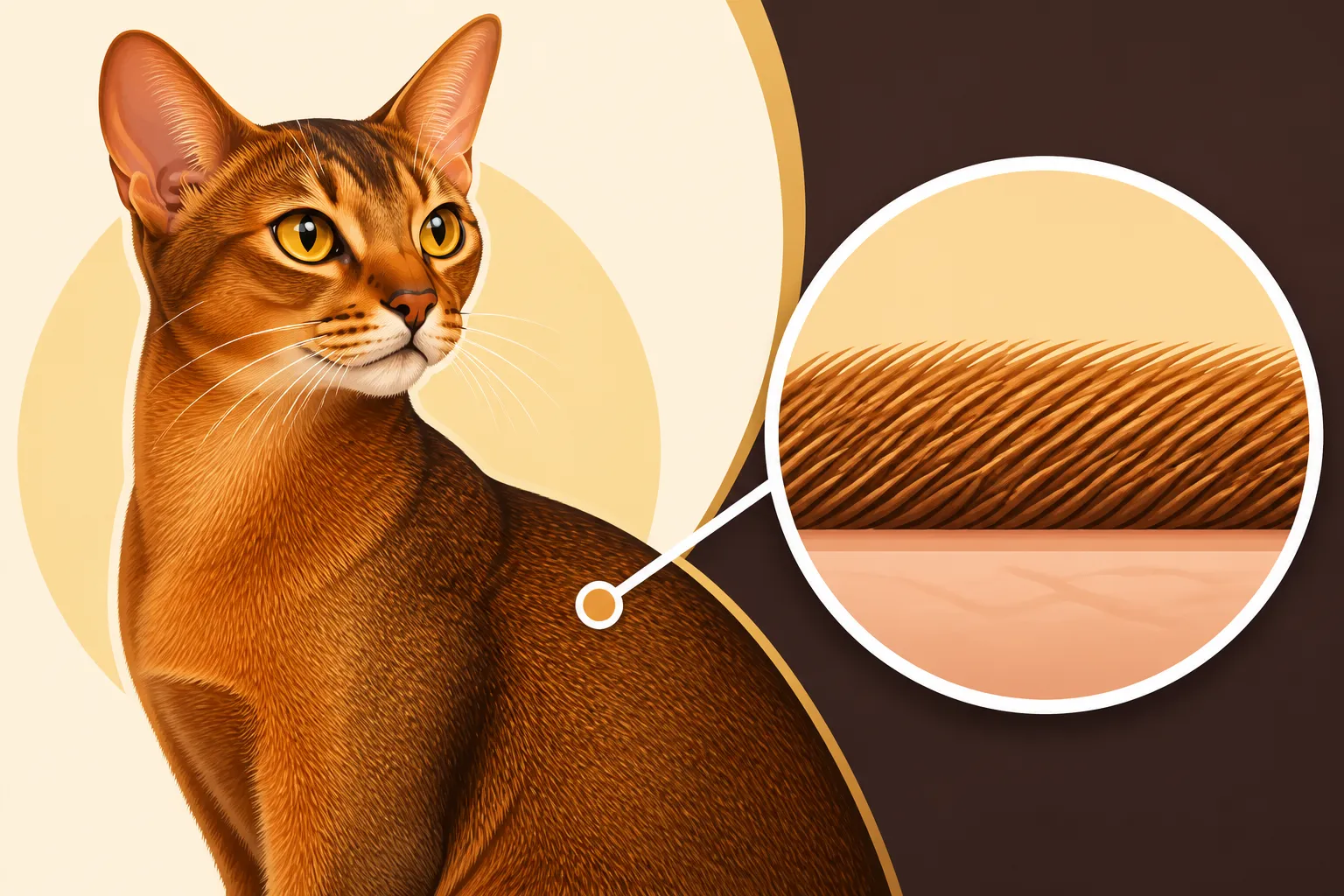
The primary reason an Abyssinian's coat lies so close to its body is directly linked to the "ticked" pattern of its fur, which is controlled by the agouti gene. Unlike tabbies with their distinct stripes, spots, or swirls, each individual hair shaft on an Abyssinian is banded with multiple colors. We're talking about Why Each Abyssinian Hair Carries Three or Four Bands, a phenomenon where the light and dark pigments alternate along the length of each strand, creating what breeders call the "ticking."
This intricate banding isn't just about color; it fundamentally changes the structure and texture of the hair. Each hair is fine and resilient, but because of the way the pigment is distributed, it tends to be less rigid and less prone to standing out from the body. Imagine a tiny paint brush with several different colors painted along its bristles; it's still a single bristle, but the varied color gives it a certain flexibility. This fine, flexible nature means the hairs naturally lie flat, creating that smooth, flowing appearance. There are no solid blocks of color, which is why Why an Abyssinian Has No Tabby Stripes is a hallmark of the breed; the agouti gene ensures a uniform, ticked pattern across their entire body, preventing any visual breaks in that sleek drape. This meticulous genetic detail ensures that the coat truly becomes a second skin, accentuating every curve of their athletic physique.
The Scarcity of the Undercoat: A Sleek Secret
Beyond the ticking, the most significant factor contributing to the Abyssinian's close-lying coat is the almost complete absence of an undercoat. Most cat breeds, especially those with thicker or longer hair, possess a dense, fluffy undercoat beneath their coarser guard hairs. This undercoat serves primarily as insulation, trapping air close to the body to keep the cat warm. However, it also adds significant bulk and volume to the fur, causing it to stand out from the body.
With an Abyssinian, that undercoat is minimal to non-existent. Breeders and enthusiasts often describe it as feeling like a single layer of fur, rather than the double coat seen in many other breeds. This means there's no fluffy cushion pushing the outer guard hairs away from the skin. The result is a coat that hugs every contour of their body, from their broad chest to their tapering tail. Why the Ticked Coat Leaves an Abyssinian Almost No Undercoat isn't just a fun fact; it's the core reason for their lean, athletic profile. If you compare this to a Persian, with its luxuriant, dense undercoat that makes it appear much larger and rounder, the difference is immediately apparent. The Abyssinian’s lack of a bulky undercoat allows for that elegant, almost wild appearance, highlighting their muscular build without adding a single ounce of unnecessary volume. It's truly a testament to natural selection and selective breeding working in harmony.
How This Structure Shapes the Abyssinian's Signature Look
The unique composition of the Abyssinian's coat doesn't just make it lie close; it contributes to their overall captivating aesthetic, both visually and tactilely. It's part of what makes them instantly recognizable and so incredibly beautiful.
The Visual Impact: Shimmer and Sheen
When an Abyssinian moves, their coat seems to come alive with a mesmerizing shimmer and sheen, almost as if they're constantly dappled by sunlight. This isn't just your imagination; it's a direct consequence of the fine, close-lying hairs and their ticked pattern. As the light hits the individual banded hairs from different angles, the colors catch and reflect, creating an iridescent, almost liquid effect. It's particularly striking in motion, making it seem like their fur flows and ripples with every stride, giving them an almost magical aura. Why an Abyssinian's Coat Shimmers When It Moves is a defining characteristic.
This visual depth is further enhanced by how their fur sits against their body. Because there's no underlying bulk, the light isn't absorbed or scattered by a dense undercoat. Instead, it plays directly off the smooth, sleek surface of the guard hairs. This also means that Why an Abyssinian's Coat Looks Different in Every Light; a ruddy Abyssinian might look like burnished copper in bright sunshine, but a deep, rich cinnamon indoors. This optical illusion of shifting colors and liquid movement is entirely dependent on the coat's close-lying nature, which allows light to interact cleanly with each individual ticked hair. It accentuates their lean build, making them appear even more agile and graceful than they already are.
The Tactile Experience: Silken Smoothness
Beyond what you see, the Abyssinian's coat offers a truly unique tactile experience. Run your hand over an Abyssinian, and you'll immediately notice the almost silken smoothness. It's incredibly fine, soft, and feels wonderfully sleek against the skin. This texture is a direct result of the individual hair shafts being fine and lacking a coarse undercoat.
Think about the difference between a plush velvet and a fine silk. Velvet has depth and density, while silk is all about that smooth, flowing drape. The Abyssinian’s coat is like that fine silk. The hairs are delicate, yet strong, and because they lie so flat against the body, there's no resistance or "fuzziness" that you might feel with a cat possessing a thicker, more voluminous coat. This "fine" quality means that even though their coat is short, it's not bristly or rough in the slightest. It's designed for maximum contact with the skin, contributing to that sense of sleekness. How Fine an Abyssinian's Coat Feels is one of the many delights of owning one of these magnificent cats. It’s a coat that encourages petting, a continuous testament to its unique structure, making every stroke a truly luxurious experience.
Practical Implications for Care and Lifestyle
Understanding why the Abyssinian's coat lies close to its body isn't just about aesthetics; it has real, tangible implications for how you care for your cat and how they interact with their environment.
Grooming: Less Is More
One of the wonderful benefits of the Abyssinian's unique coat is its relatively low maintenance when it comes to grooming. Unlike breeds with thick double coats that require daily brushing to prevent mats and excessive shedding, the Abyssinian's sleek, close-lying fur demands far less. The Ticked Coat Is the Whole Abyssinian Grooming Job for the most part. A simple An Abyssinian Needs Brushing Once a Week and No More is usually sufficient to remove any loose hairs, distribute natural skin oils, and keep their coat looking its best. You don't need fancy tools; a soft rubber grooming mitt or a chamois cloth is often all that's required.
In fact, over-grooming an Abyssinian can actually be detrimental. Using harsh brushes or deshedding tools designed for cats with thick undercoats can damage their delicate ticking and even irritate their skin, making the coat appear dull or sparse. Instead, focus on gentle strokes. Many owners find that a simple grooming glove, like those readily available on Chewy or Amazon, works wonders, turning grooming time into a bonding experience. After a quick session, you can even give them a light rub with a chamois cloth to really bring out that magnificent sheen. It truly is one of the easier coats to manage in the feline world.
Temperature Regulation: A Single-Layer Challenge
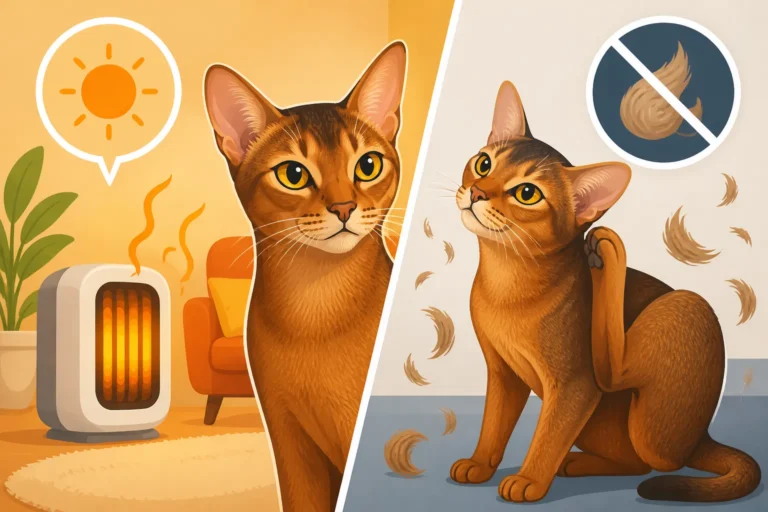
While the lack of an undercoat contributes significantly to the Abyssinian's sleek appearance, it also means they have less natural insulation. This makes them more susceptible to cold temperatures than breeds with thick, plush coats. Owners often observe their Abyssinians gravitating towards the warmest spots in the house – basking in sunbeams, curling up on a warm lap, or burrowing under blankets. How to Keep an Abyssinian Warm in Winter becomes a real consideration for their comfort.
Because Why a Coat With No Undercoat Leaves an Abyssinian Cold, it's crucial to ensure your home environment is comfortable for them, especially during colder months. Providing cozy beds in draft-free areas, offering access to warm blankets, or even a safe, low-wattage heated pet bed (many good options are on Amazon) can make a big difference. Their affinity for warmth is also why they are almost exclusively indoor cats; an Abyssinian left to brave the elements outdoors would quickly become uncomfortable and vulnerable. On the flip side, this single layer means they dry remarkably quickly if they happen to get wet, which is a small silver lining if a bath is ever necessary!
Allergies and Shedding: The "Hypoallergenic" Misconception
Many people wonder if the Abyssinian's sleek coat means they shed less or are "hypoallergenic." Let's tackle that head-on. While Abyssinians do shed, the impact is often less noticeable than with cats that have thick, fluffy coats. Why an Abyssinian's Single Ticked Coat Barely Sheds in large clumps that stand out. Their fine, close-lying hairs tend to blend into surfaces more easily and don't create the same volume of fur bunnies. Regular, gentle weekly brushing will help minimize loose hair around the house.
However, the term “hypoallergenic” is a tricky one for cats. No cat breed is truly hypoallergenic, as the primary allergens are proteins found in their saliva, skin dander, and urine, not just the hair itself. While some individuals with mild cat allergies might find Abyssinians more tolerable due to their less voluminous coat and potentially less dander distribution, they are not a guaranteed solution for allergy sufferers. Whether an Abyssinian Sets Off Cat Allergies is highly individual and depends on the person's specific sensitivities. It's important to understand Why an Abyssinian Is Not a Hypoallergenic Cat in the true sense, and if allergies are a concern, spending time with an Abyssinian before committing to adoption is always recommended. Some foods focus on ingredients that contribute to overall skin and coat health, which might indirectly help with dander, but they are not a direct allergen cure.
Here's a quick comparison of the Abyssinian's coat characteristics against other common cat breeds:
| Feature | Abyssinian | Persian | Domestic Shorthair (Average) | Ragdoll |
|---|---|---|---|---|
| Coat Type | Short, ticked, minimal undercoat | Long, thick, dense undercoat | Short/medium, varying undercoat | Semi-long, soft undercoat |
| Feel | Fine, silky, sleek | Soft, plush, voluminous | Varies, often soft | Silky, rabbit-like |
| Lies Close? | Yes, very | No, stands off body | Moderately, can vary | Yes, relatively |
| Shedding | Moderate, less noticeable | High, requires frequent grooming | Moderate to high | Moderate, less matting |
| Grooming Needs | Low (weekly brush) | High (daily brushing, baths) | Low to moderate (weekly brushing) | Moderate (2-3 times/week) |
| Insulation | Low | High | Moderate | High |
In conclusion, the Abyssinian's coat truly is a work of art, designed by nature and refined by selective breeding to be as elegant and athletic as the cat itself. Its close-lying nature, born from the ticked gene and a minimal undercoat, defines its visual allure and practical care needs, making it a distinct and cherished aspect of this incredible breed.
Disclaimer
This article is for general informational purposes only and does not constitute professional advice. Laws, prices and regulations vary by location and change over time. Consult a qualified professional for guidance on your specific situation.