How Long an Abyssinian Lives Against Other Shorthairs
It’s a natural worry for any cat parent: How long will I have with my beloved companion? When you’ve chosen a breed as vibrant and captivating as the Abyssinian, you quickly realize they’re not just pets; they’re integral family members. We all want to maximize the time we have with our Aby, and understanding their typical lifespan, especially compared to other popular shorthair breeds, can help us provide the very best care.
Understanding the Abyssinian's Typical Lifespan
Abyssinians are known for their striking looks, playful personalities, and boundless energy. But how do these dynamic qualities translate into their longevity? Generally speaking, a well-cared-for Abyssinian can enjoy a fulfilling life, often surprising owners with their robust health deep into their senior years.
The Average Years for an Active Abyssinian
When you bring an Abyssinian into your home, you're usually signing up for a good stretch of companionship. Most Abyssinians, with proper care and a bit of luck, will comfortably live between 12 and 15 years. It's not uncommon, however, for them to sail past this average, reaching 16, 17, or even more. I've personally known Abyssinians who were still chasing laser pointers and scaling cat trees well into their late teens, albeit perhaps a little slower than in their prime. They truly embody the phrase "age is just a number" when they're healthy and happy. This impressive longevity is partly due to a combination of their generally hardy genetics and the dedicated care they receive from their humans.
However, just like with people, there's a wide spectrum. Some Abyssinians might face health challenges earlier in life, while others remain spry and seemingly untouched by time. The key is to understand that these numbers are averages, and individual experiences can vary wildly. What truly matters is providing a high quality of life for every single one of those years. For a deep dive into what's considered typical, you might want to read more on The Twelve to Fifteen Years an Abyssinian Usually Gets.
Genetic Factors and the Abyssinian Lifespan
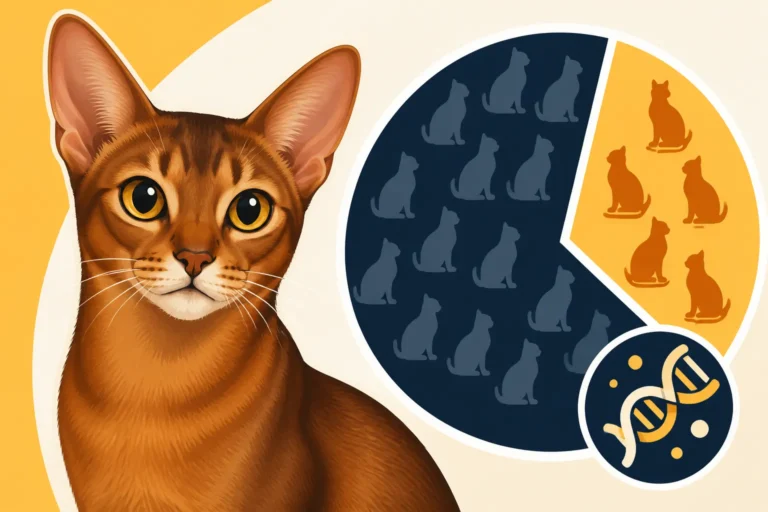
While Abyssinians are generally a healthy breed, like all purebreds, they do have a predisposition to certain genetic conditions that can impact their lifespan if not managed or bred out. Responsible breeders are keenly aware of these issues and work diligently to minimize their occurrence. Two primary genetic tests are typically recommended: one for Pyruvate Kinase Deficiency (PKD) and another for Progressive Retinal Atrophy (PRA-rdAc). These are conditions that can significantly affect an Abyssinian's quality of life and, in the case of PKD, potentially shorten it without proper intervention.
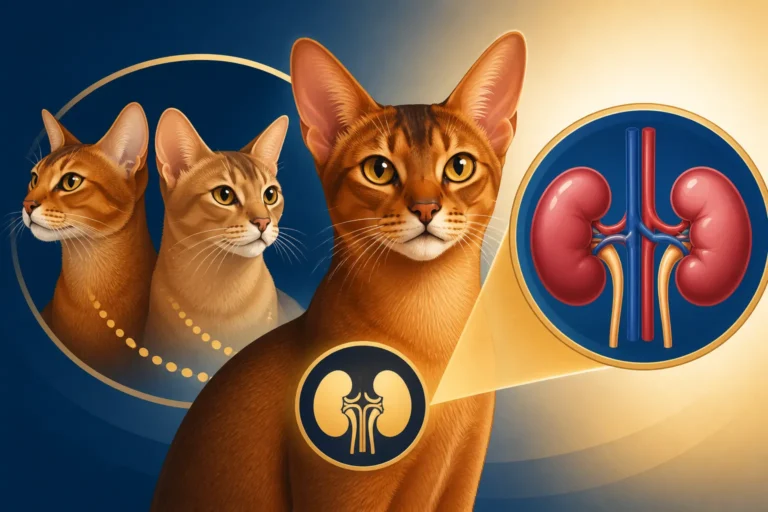
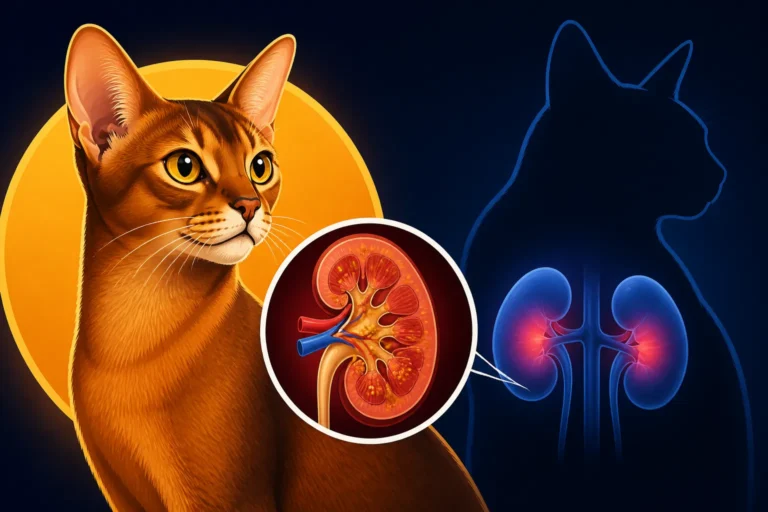
Beyond these testable conditions, Abyssinians are also known to be at a higher risk for conditions like renal amyloidosis, a truly devastating kidney disease for which there is currently no genetic test. This condition, which involves abnormal protein deposits in the kidneys, can strike Abyssinians at a distressingly young age, sometimes leading to kidney failure long before their time. This is where researching a breeder's lines and understanding their health history becomes paramount. It’s a somber reminder that genetics play a huge hand in a cat's health journey, and diligence from both breeders and owners is crucial.
Why an Indoor Abyssinian Reaches Fifteen More Often
It's almost universally accepted among Abyssinian enthusiasts that these cats thrive as indoor-only pets, and for good reason. Keeping your Aby safely indoors dramatically boosts their chances of reaching a ripe old age. Think about it: the outside world, while full of tantalizing adventures, is also brimming with dangers. Cars, aggressive wildlife, exposure to diseases from other animals, parasites, and even cruel human intentions are all risks that are virtually eliminated when your cat lives inside.
An indoor Abyssinian is protected from these external threats, allowing them to expend their considerable energy in a controlled, safe environment. They still need plenty of enrichment, of course – towering cat trees, interactive toys, and plenty of human interaction are non-negotiable for their mental and physical well-being. But the absence of outdoor hazards means fewer vet emergencies for injuries, fewer confrontations with infectious diseases, and generally a much calmer, safer existence. This greatly contributes to why an indoor Abyssinian reaches fifteen more often, living out their full, energetic lifespan without undue risk.
Comparing Abyssinian Lifespan to Popular Shorthair Breeds
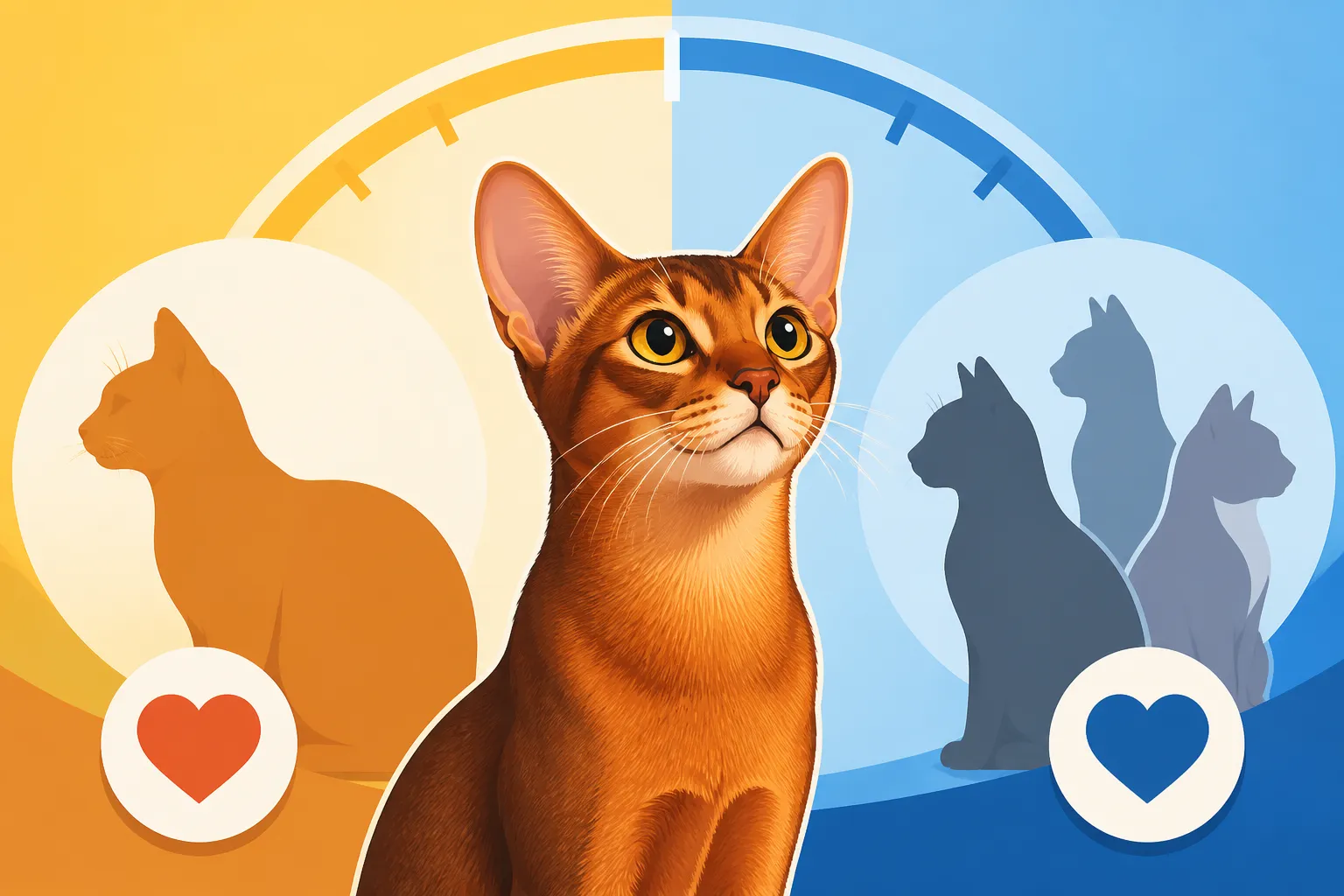
When considering an Abyssinian, many prospective owners might wonder how their longevity stacks up against other popular shorthair breeds. While individual circumstances always play a significant role, general breed averages can offer a useful comparison.
Abyssinian vs. Domestic Shorthair: The General Comparison
The domestic shorthair, often affectionately known as the "moggy" or "alley cat," is the most common type of cat you'll find. They're a genetic melting pot, which often means a broad gene pool and, typically, a robust immune system. Domestic shorthairs generally boast an impressive lifespan, often living between 15 and 20 years, with many exceeding that. This is largely due to their mixed heritage; they aren't predisposed to the specific genetic conditions that can sometimes plague purebred lines.
An Abyssinian's average lifespan of 12-15 years, while excellent for a purebred, might seem a touch shorter when put directly against the often exceptional longevity of a well-cared-for domestic shorthair. However, it's important to remember that domestic shorthairs also face varied health backgrounds and often come from less controlled breeding environments, meaning some might have unknown health issues. The key difference isn't necessarily overall health, but the predictability of health issues. With a well-bred Abyssinian, you often have a clearer picture of potential genetic risks thanks to responsible breeding and testing, whereas a domestic shorthair's genetic history is usually a complete mystery.
Abyssinian Lifespan Compared to a Bengal's
Bengals are another popular, active shorthair breed, known for their wild, exotic looks and energetic personalities. Their average lifespan is quite similar to Abyssinians, generally falling in the 12 to 15-year range. Bengals, much like Abyssinians, require significant mental and physical enrichment to thrive, and their health is often tied to the quality of their care and breeding.
Both breeds are prone to certain genetic conditions. While Abyssinians have PK Deficiency and PRA, Bengals can be susceptible to things like hypertrophic cardiomyopathy (HCM) and progressive retinal atrophy (also a form of PRA, but a different gene than in Abyssinians). This similarity in lifespan and genetic considerations highlights that for active, purebred shorthairs, a dedicated approach to health screening and lifestyle is crucial. Ensuring excellent veterinary care from a young age can help maximize the lifespan of both these magnificent breeds.
How Abyssinian Lifespan Compares to a Siamese's
Siamese cats are another iconic shorthair breed, recognizable by their striking blue eyes and vocal nature. Historically, Siamese cats have been known for their relatively long lifespans, often reaching 15-20 years, with some living even longer. This makes them one of the longer-lived purebred cat breeds.
Comparing this to the Abyssinian's 12-15 year average, the Siamese might appear to have an edge in terms of pure longevity. However, Siamese also have their own set of potential health concerns, including an increased risk of certain cancers, amyloidosis (though often affecting the liver in Siamese, rather than kidneys like in Abyssinians), and some respiratory issues. What's clear is that both breeds benefit immensely from preventative veterinary care, a high-quality diet, and engaging environments. For those concerned about specific breed comparisons, you can delve further into How Abyssinian Lifespan Compares to a Siamese's.
Lifespan of Other Pedigree Shorthairs Like the Russian Blue
Let's look at a few other well-known shorthairs to round out the picture. The Russian Blue, for example, is often lauded for its robust health and impressive lifespan, frequently living 15 to 20 years, much like the Siamese. They are generally considered a hardy breed with fewer widely recognized genetic predispositions compared to some other purebreds.
The British Shorthair, another popular choice, typically lives 12 to 15 years, putting them right in line with the Abyssinian. They are known for their calm demeanor but can be prone to hypertrophic cardiomyopathy and polycystic kidney disease (PKD), though this is different from the Pyruvate Kinase Deficiency in Abyssinians. The Sphynx, a unique shorthair with no fur, also averages around 12 to 15 years, but they require specific care to manage their skin and susceptibility to heart conditions.
In essence, the Abyssinian's typical lifespan is very competitive within the purebred shorthair world. While domestic shorthairs and a few specific purebreds like the Siamese or Russian Blue might lean towards the longer end of the spectrum, the Abyssinian holds its own. The biggest takeaway is that excellent care – including appropriate diet, regular vet visits, and a safe environment – is a far greater determinant of longevity than small differences in breed averages.
Here’s a quick overview of estimated average lifespans for some popular shorthair breeds:
| Breed | Average Lifespan (Years) | Common Health Concerns (Examples) |
|---|---|---|
| Domestic Shorthair | 15-20+ | Varies widely due to genetic diversity |
| Abyssinian | 12-15 (often 17+) | PK Deficiency, PRA-rdAc, Renal Amyloidosis, Juvenile Gingivitis |
| Bengal | 12-15 | HCM, various PRA forms, luxating patella |
| Siamese | 15-20 | Certain cancers, liver amyloidosis, respiratory issues |
| Russian Blue | 15-20 | Generally robust, some bladder stones or eye conditions |
| British Shorthair | 12-15 | HCM, Polycystic Kidney Disease (PKD) |
| Sphynx | 12-15 | HCM, skin conditions, dental issues |
| Oriental Shorthair | 12-15 | Dental issues, liver amyloidosis |
Key Health Challenges Influencing Abyssinian Lifespan
Even with their generally robust nature, Abyssinians, like all breeds, face certain health challenges that can significantly impact their longevity. Understanding these conditions is the first step in prevention and early intervention, giving your Aby the best chance at a long, healthy life.
The Impact of Pyruvate Kinase Deficiency
Pyruvate Kinase Deficiency, often abbreviated as PK Deficiency, is a hereditary blood disorder that Abyssinians can carry. It affects the red blood cells, causing them to break down prematurely, leading to a condition called hemolytic anemia. Cats affected by PK Deficiency can experience intermittent episodes of lethargy, pale gums, weight loss, and jaundice. It’s a serious condition that can severely impact an Abyssinian's quality of life and shorten their lifespan if not managed.
The good news is that we have a DNA test for PK Deficiency. This means responsible breeders can screen their breeding cats to ensure they don't produce affected kittens. A cat can be clear, a carrier, or affected. Carriers won't show symptoms but can pass the gene on, while affected cats will eventually develop the disease. If you're getting a kitten, verifying the parents' clear status is paramount. For more detailed information on this, you can look up What PK Deficiency Does to an Abyssinian's Red Cells. For cats who are affected, management often involves supportive care during anemic crises, and sometimes a splenectomy can help reduce the severity of symptoms, but it's not a cure. Having pet insurance like Healthy Paws, which covers hereditary conditions, can be a lifesaver in managing the extensive veterinary costs associated with ongoing care for conditions like PK Deficiency.
Understanding Progressive Retinal Atrophy
Progressive Retinal Atrophy (PRA-rdAc) is another inherited condition found in Abyssinians that, while not directly life-shortening, drastically affects their quality of life by leading to blindness. It's a progressive disease that causes the photoreceptor cells in the retina to degenerate, eventually leading to complete vision loss, usually by the age of 3-5 years. The initial signs might be subtle, like your cat bumping into furniture in dim light, but it will gradually worsen.
Again, the positive news here is the availability of a DNA test for PRA-rdAc. This test allows breeders to identify carriers and affected cats, preventing the spread of the gene through responsible breeding practices. A clear result means your Abyssinian will not develop this form of PRA. While a cat with PRA-rdAc can still live a full life, adapting to blindness requires significant adjustments for both the cat and the owner. It highlights the importance of genetic screening to ensure that our beloved Abys can enjoy their full sensory experience for as long as possible. Learn more about how this disease progresses by checking out How PRA-rdAc Blinds an Abyssinian Slowly.
The Shadow of Renal Amyloidosis
Perhaps one of the most heartbreaking and challenging health concerns for Abyssinian owners is renal amyloidosis. This condition involves the abnormal deposition of a protein called amyloid in the kidneys, which eventually leads to kidney failure. Unlike PK Deficiency and PRA-rdAc, there is currently no DNA test for amyloidosis. This makes it incredibly difficult for breeders to eliminate it entirely from breeding lines, relying instead on family history and careful observation.
Amyloidosis can manifest at any age, but often affects Abyssinians in their middle to older years, though tragically, some young Abyssinians can also be affected. The symptoms are typical of kidney disease: increased thirst and urination, weight loss, lethargy, and sometimes vomiting. Because there's no genetic test, selecting a kitten from lines with no known history of early kidney disease is crucial. Regular veterinary check-ups, including blood work and urine tests, become even more important for early detection and management, which can help slow the progression and improve quality of life. For more on what these deposits mean, read What Renal Amyloidosis Deposits in an Abyssinian's Kidney. Investing in comprehensive pet insurance like Healthy Paws from a young age can be invaluable for chronic conditions like kidney disease, covering a significant portion of the ongoing treatment costs that can quickly add up.
Why an Abyssinian Kitten's Gums Fail at Six Months
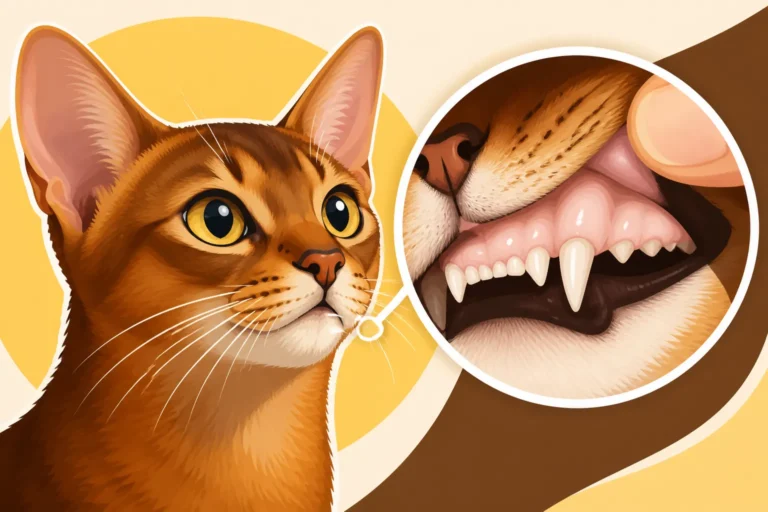
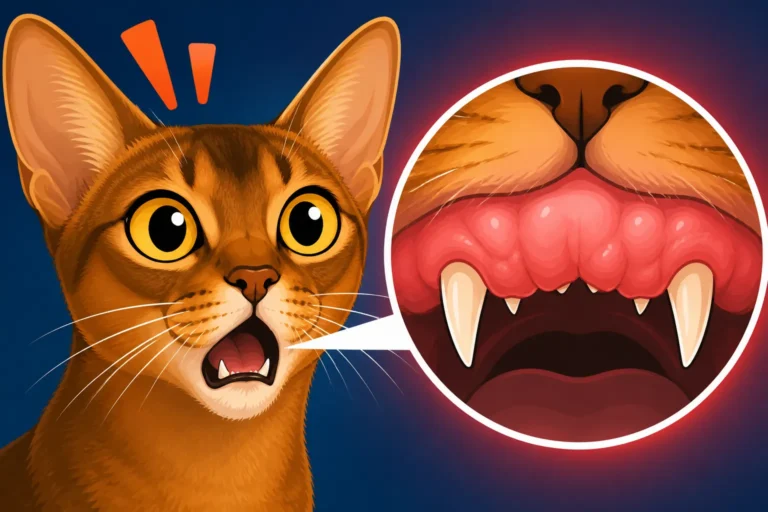
Beyond the more serious life-shortening conditions, Abyssinians are also predisposed to certain dental issues that, while not directly fatal, can severely impact their comfort, nutrition, and overall well-being, potentially influencing their general health over time. One common issue is juvenile gingivitis, which can appear as early as six months of age.
This condition often involves an exaggerated inflammatory response to plaque, leading to red, swollen, and sometimes overgrown gum tissue. If left untreated, this can progress to more severe periodontal disease, tooth resorption, and painful extractions. An Abyssinian with chronic dental pain might struggle to eat, leading to weight loss and a decline in overall health. Regular dental care, including brushing at home from a young age and professional veterinary cleanings, is critical. Owners need to be vigilant about checking their Aby’s mouth regularly. Learning about Why an Abyssinian Kitten's Gums Fail at Six Months can help you prepare for and address this common problem proactively. Early and consistent dental hygiene and veterinary interventions are key to preventing these issues from escalating and affecting their long-term health.
Environmental and Care Factors in Extending an Abyssinian's Life
Beyond genetics, the way we care for our Abyssinians on a daily basis plays a monumental role in how long and how healthily they live. It’s not just about surviving; it’s about thriving, and that’s largely in our hands as responsible pet parents.
The Role of Nutrition and Hydration
A high-quality diet is the cornerstone of good health for any cat, but especially for an active Abyssinian. These cats are little dynamos, burning calories at an impressive rate, which means they need nutrient-dense food that supports their energy levels and maintains their lean muscle mass. Look for a diet rich in animal protein, with moderate fat and low carbohydrates. Many owners find that a combination of wet and dry food works best, especially considering the importance of hydration for Abyssinian kidneys.
Hydration is absolutely critical, particularly because of the breed's predisposition to renal amyloidosis. Ensuring your Abyssinian drinks enough water can help support kidney function and flush toxins. Provide multiple water stations around the house, use ceramic or stainless steel bowls, and consider a pet water fountain, which often encourages cats to drink more due to the running water. Adding wet food to their diet is a fantastic way to boost their daily water intake significantly. Remember, a well-fed and well-hydrated cat has a stronger immune system and better organ function, directly contributing to a longer, healthier life.
Importance of Regular Veterinary Check-ups and Early Detection
Think of your vet as your Abyssinian's personal health detective. Regular check-ups, ideally once a year for adult cats and more frequently for kittens and seniors, are indispensable. These visits aren't just for vaccinations; they're opportunities for your vet to perform a thorough physical examination, catch subtle changes that you might miss, and discuss preventative care. Early detection of any health issue, from dental problems to early kidney disease, is often the difference between successful management and a rapidly progressing illness.
For Abyssinians, proactive screening is particularly important. Your vet might recommend yearly blood tests, including a full blood count and a biochemistry panel, especially as your cat ages. Values like SDMA (Symmetric Dimethylarginine) can catch kidney issues far earlier than traditional creatinine levels, which is vital for a breed susceptible to renal amyloidosis. A regular check of Which Blood Values Catch an Abyssinian's Kidneys Early is a conversation you should have with your veterinarian. These preventative measures, while an expense, are an investment in your cat’s longevity and can save you far more in emergency care down the line. This is where a pet insurance plan from a provider like Healthy Paws can truly shine, helping you afford those essential preventative screenings and any necessary treatments without financial strain.
Mental and Physical Enrichment for a Long, Happy Life
An Abyssinian isn't just a pretty face; they're highly intelligent, endlessly curious, and incredibly energetic. A bored Aby is often a destructive Aby, and chronic stress or lack of stimulation can subtly erode their health over time. Providing ample mental and physical enrichment isn't just about keeping them entertained; it's about supporting their psychological well-being, which is deeply intertwined with their physical health.
This means plenty of interactive play sessions with wand toys, puzzle feeders to challenge their minds, and ample vertical space to climb and explore. Cat trees, wall shelves, and even secured outdoor catios allow them to indulge their natural instincts to climb, jump, and observe their "territory" from on high. A lack of appropriate outlets for their energy can lead to stress-related behaviors, lethargy, or even obesity if they become inactive, all of which can negatively impact their lifespan. A stimulated, happy Abyssinian is more likely to stay active, maintain a healthy weight, and enjoy their golden years to the fullest.
How Abyssinian Breeders Prioritize Longevity
Responsible Abyssinian breeders are the unsung heroes in the quest for healthy, long-lived cats. Their dedication to genetic health, meticulous record-keeping, and ethical breeding practices are fundamental to the breed's continued vitality. Without them, we wouldn't have the vibrant, healthy Abyssinians we cherish.
Genetic Testing and Responsible Breeding Practices
A cornerstone of responsible Abyssinian breeding is genetic testing. As we've discussed, two key conditions, Pyruvate Kinase Deficiency (PKD) and Progressive Retinal Atrophy (PRA-rdAc), have reliable DNA tests. Reputable breeders will always test their breeding cats for these conditions and be transparent with the results. They aim to breed "clear" cats to "clear" cats whenever possible, or at least strategically breed carriers to clear cats to ensure no affected kittens are produced. This practice is crucial for reducing the prevalence of these diseases within the breed.
Beyond just testing, responsible breeders adhere to strict ethical guidelines, ensuring their cats are healthy, well-socialized, and not overbred. They understand that breeding isn't just about producing cute kittens; it's about safeguarding the future health of the entire breed. If a breeder is vague about their testing protocols or can't provide verifiable results, it's a significant red flag. You should always insist on seeing proof of parental health clearances. This kind of diligence at the breeding stage lays the foundation for a long and healthy life for your future Abyssinian. You can delve into What an Abyssinian Breeder Should Have Tested Before You Buy to understand the full scope of necessary tests.
Tracking Family Lines for Health Trends
Given that conditions like renal amyloidosis currently lack a direct genetic test, responsible Abyssinian breeders go a step further: they meticulously track the health and longevity of their entire breeding lines. This means keeping detailed records of not just the parents, but also grandparents, siblings, and offspring, noting any health issues that arise, especially those with suspected hereditary components like kidney disease.
By understanding the health history of multiple generations, breeders can make informed decisions about which cats to breed, avoiding lines that show a pattern of early onset diseases or reduced longevity. This historical data is a powerful tool in minimizing the risk of untestable genetic predispositions. It requires a deep commitment to the breed and an honest assessment of successes and failures within a cattery. When you speak to a breeder, ask about the longevity of their cats' ancestors and what measures they take to address health issues that appear in their lines. This level of transparency and long-term commitment is a hallmark of a truly responsible breeder, dedicated to producing healthy companions.
When an Abyssinian Reaches Senior Years and What to Expect
Even the most energetic Abyssinian will eventually begin to show the subtle signs of aging. While they might still be playful, their bodies and needs will slowly change. Recognizing these shifts and adapting your care is key to ensuring their comfort and well-being in their golden years.
Signs of Aging in Your Energetic Abyssinian
Abyssinians are masters at hiding illness and discomfort, often maintaining their playful demeanor even when they're not feeling 100%. This can make it challenging to spot the early signs of aging. However, around the age of 10 or 11, you might start to notice subtle changes. Their once boundless energy might dim slightly; they might sleep more, or not climb to the very highest shelves with the same agility. You might observe a slight stiffness after waking up, or they might take a moment longer to settle into a jump.
Changes in coat quality, like a duller appearance or a fading of their vibrant ticking, can also be signs. They may also lose a bit of muscle mass, even if their weight remains stable. Pay close attention to changes in appetite, thirst, or litter box habits, as these can be early indicators of underlying health issues like kidney disease or hyperthyroidism, which are more common in older cats. Any significant change in their normal routine or behavior warrants a vet visit. For more on this, you might find What an Old Abyssinian Slows Down From particularly helpful.
Caring for an Abyssinian Past Ten
Once your Abyssinian crosses the decade mark, their care routine often needs a few adjustments to accommodate their changing needs. This is the time when regular veterinary check-ups become even more crucial. Biannual (twice-yearly) vet visits are highly recommended for senior cats, allowing for earlier detection and management of age-related conditions. These visits typically include blood work, urine analysis, and sometimes blood pressure checks, as conditions like kidney disease, hyperthyroidism, and hypertension become more prevalent.
At home, you can make simple modifications to enhance their comfort. Ensure their favorite sleeping spots are easily accessible and well-padded. If they're struggling with high jumps, provide ramps or lower steps to their favorite perches. Maintain their mental stimulation with gentle play and puzzle toys, but don't push them too hard. A high-quality diet tailored for senior cats, which often focuses on highly digestible proteins and controlled phosphorus levels, can support organ health. For a comprehensive guide, check out Caring for an Abyssinian Past Ten. Providing a warm, draft-free environment is also important as older cats can be more sensitive to cold.
Adapting Care for an Older Abyssinian
Adapting your care for an older Abyssinian goes beyond just diet and vet visits; it involves tuning into their individual needs and making small but impactful changes to their daily life. For instance, dental care remains incredibly important, as older cats are prone to dental disease, which can cause pain and lead to systemic health issues. Your vet might recommend more frequent professional cleanings or specific home care routines.
Grooming might also become more challenging for them. While Abyssinians are typically low-maintenance in this regard, an older cat might not be as flexible to groom themselves thoroughly, especially their lower back. Gentle brushing with a soft mitt can help keep their coat healthy and stimulate circulation. Be mindful of their weight; while Why an Abyssinian's Weight Loss Is Never Minor in any cat, it’s particularly concerning in seniors and should prompt a vet visit. Ensuring they have easily accessible litter boxes, perhaps with lower sides, can also prevent accidents and discomfort. Most importantly, continue to provide plenty of love, patience, and gentle interaction. Your presence and comfort are invaluable as they navigate their later years, making every one of their remaining years as rich and comfortable as possible. Pet insurance can also be a huge help here, as Healthy Paws, for example, can assist with the costs of ongoing care for chronic age-related conditions that might arise.
Disclaimer
This article is intended for informational purposes only and does not constitute professional veterinary advice. Always consult with a qualified veterinarian for any health concerns or before making any decisions about your pet's health or treatment.