Why No Gene Test Exists for Abyssinian Amyloidosis
It’s incredibly frustrating when you know a disease runs in your beloved Abyssinian’s lines, yet there’s no clear genetic test to definitively tell you if your cat is at risk or if you’re breeding responsibly. Renal amyloidosis is one such devastating condition, a silent, hereditary killer that we, as Abyssinian owners and breeders, grapple with daily. This guide dives deep into why this elusive disease remains without a simple DNA test and what we can do to protect these wonderful cats.
Understanding Abyssinian Amyloidosis: A Silent Threat to the Kidneys
The term "amyloidosis" might sound complex, but at its heart, it's about a specific protein gone rogue. In Abyssinians, this condition primarily targets the kidneys, leading to a slow, insidious decline that often goes unnoticed until it's quite advanced. It's a heavy burden on the breed, and the lack of a clear genetic marker only adds to the anxiety.
What Exactly is Amyloidosis?
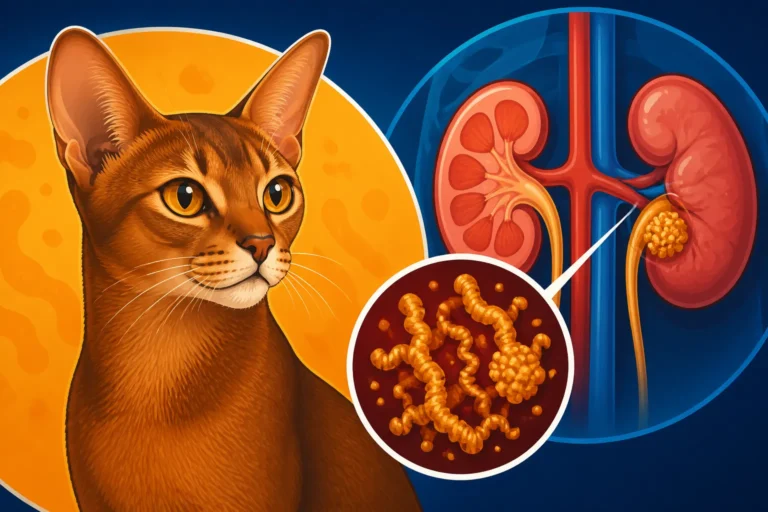
Imagine tiny, sticky, abnormal proteins called amyloid fibrils. These aren't supposed to be there, certainly not in large quantities. Amyloidosis occurs when these misfolded proteins accumulate in various organs and tissues, clumping together and disrupting normal function. Think of it like a microscopic, insidious plaque building up where it shouldn't. Over time, these deposits can physically damage the organ, impeding its ability to do its job, and eventually leading to organ failure.
In cats, and particularly in Abyssinians, the most common and devastating form is renal amyloidosis, meaning these deposits primarily attack the kidneys. Unlike some forms of amyloidosis in other species that might affect the liver or other systems, our Abyssinian friends typically suffer from this kidney-focused version. It's a systemic problem that has a very localized, yet utterly catastrophic, effect on their renal health. If you want to understand more about the specific way these deposits cause harm, we have a detailed piece on What Renal Amyloidosis Deposits in an Abyssinian's Kidney.
The Devastating Impact on Abyssinian Kidneys
The kidneys are vital organs, responsible for filtering waste products from the blood, regulating blood pressure, producing hormones, and maintaining fluid balance. When amyloid fibrils start accumulating in the delicate structures of the kidney, they literally choke off these functions. The amyloid deposits physically replace healthy kidney tissue, reducing the organ's capacity to filter blood effectively.
This process is progressive, meaning it gets worse over time. Initially, the remaining healthy kidney tissue might compensate, masking the problem. Abyssinians are notoriously stoic, and their high energy levels can often hide subtle signs of illness for far longer than you'd expect. By the time symptoms like increased thirst, weight loss, or lethargy become obvious, a significant portion of the kidney function may already be lost. It's a heartbreaking reality that many owners face, realizing their vibrant cat has been silently struggling for months, even years.
The insidious nature of the disease is precisely why it’s such a concern for breeders and owners alike. We know it's a problem, we know it's hereditary, but we can't see it coming in a specific cat until it's too late for prevention. This makes proactive monitoring and understanding family lines absolutely critical for Abyssinian welfare.
The Complexities of Abyssinian Genetics: Why No Simple Test Exists
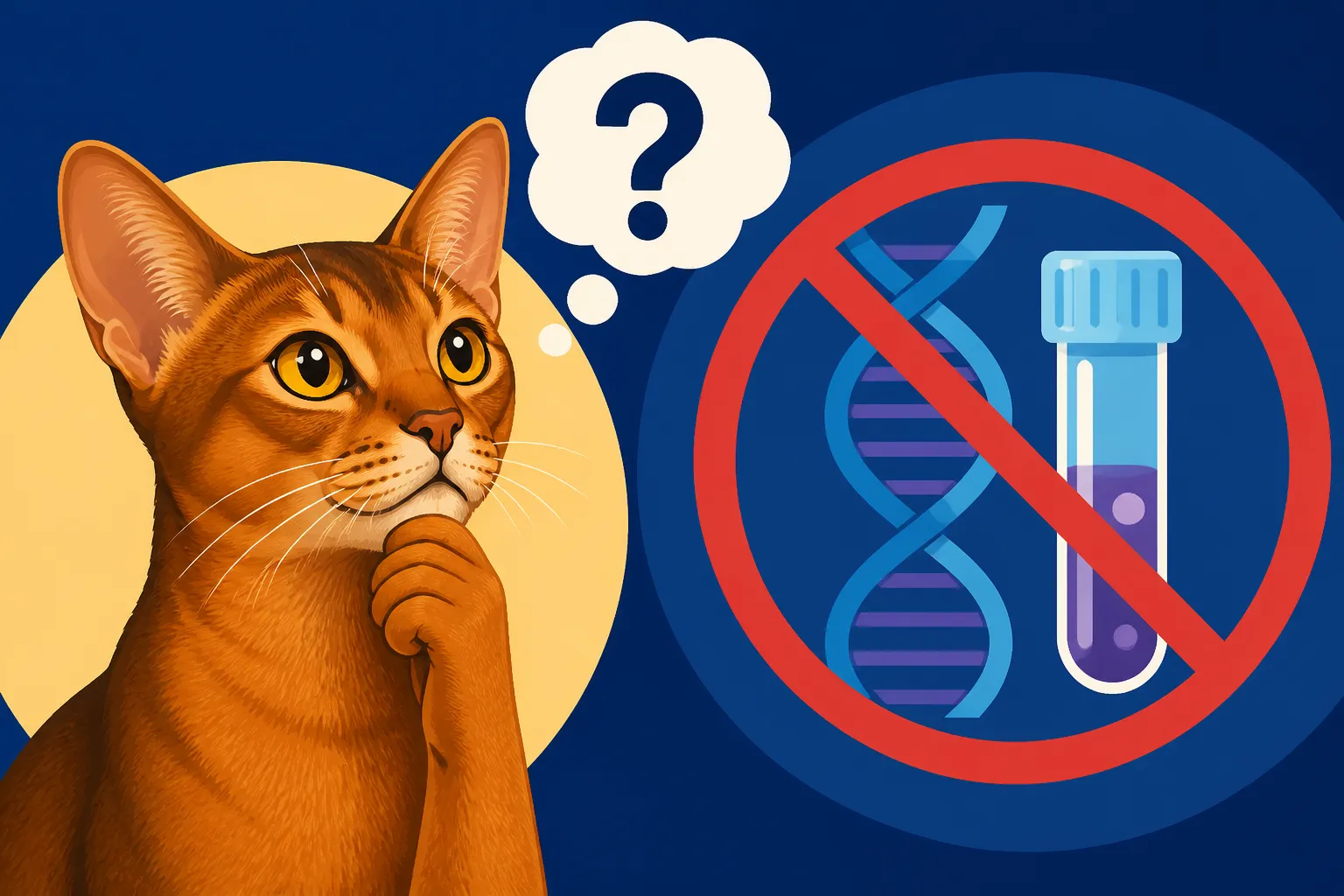
It's natural to wonder, in this age of advanced genetic testing, why we don't have a simple swab for Abyssinian amyloidosis like we do for other breed-specific conditions. The answer lies in the intricate nature of its genetic basis, which is far more complicated than a single, identifiable mutation.
More Than Just One Gene
Unlike diseases such as Pyruvate Kinase Deficiency (PKD) or Progressive Retinal Atrophy (PRA-rdAc), which are caused by a single, identifiable mutation in a specific gene, Abyssinian amyloidosis isn't that straightforward. These "single-gene" disorders are relatively easy for geneticists to pinpoint and develop tests for. You either have the mutation, you carry it, or you don't.
Amyloidosis, however, appears to be a polygenic disease. This means it's influenced by multiple genes, possibly working in concert, along with other non-genetic factors. Imagine a complex orchestral piece where many instruments contribute to the melody, rather than a solo performance. Pinpointing the exact combination of genetic "notes" that lead to amyloidosis, and how they interact, is a monumental scientific challenge. This is precisely Why Abyssinian Amyloidosis Is Not a Single Gene, making it incredibly difficult to isolate a clear target for a simple DNA test.
Furthermore, the expression of these genes might not be a simple 'on' or 'off' switch. Some genes might increase susceptibility, while others might modify the disease's severity or age of onset. This layered genetic interaction makes a single diagnostic test practically impossible with current technology. Researchers would need to identify all contributing genes, understand their individual roles, and then figure out how their combined effect leads to the disease. It's like trying to find every single piece of a scattered jigsaw puzzle without knowing what the final picture looks like.
The Challenge of Unraveling Hereditary Patterns
The difficulty doesn't stop at identifying multiple genes. Polygenic diseases often exhibit what scientists call variable expression and incomplete penetrance. Variable expression means that even if a cat inherits the "risk" genes, the disease might manifest differently in severity or age of onset. Incomplete penetrance means that a cat could carry the genetic predisposition but never actually develop clinical signs of amyloidosis. It’s a frustrating situation where genetics aren't a guarantee, just a higher probability.
Then there are the potential environmental triggers. Could diet, stress, chronic inflammation, or even specific infections play a role in activating or accelerating the disease in genetically predisposed Abyssinians? It's highly likely. This interaction between genetics and environment (gene-environment interaction) further complicates the picture, making it harder to isolate purely genetic causes. Even if we could identify all the genetic risk factors, without understanding the environmental "switches," a genetic test alone might not be fully predictive.
Despite these hurdles, research continues globally to better understand the genetic underpinnings of this frustrating condition. Scientists are employing advanced genomic sequencing and statistical methods to analyze the DNA of affected and unaffected Abyssinians, hoping to uncover subtle patterns that might shed light on the disease's origins. However, for now, the complexity means that a definitive, simple gene test for Abyssinian amyloidosis remains an elusive goal. This is why Why No Gene Test Exists for Abyssinian Amyloidosis remains such a critical topic in the breed community.
The Abyssinian's Vulnerability: A Breed-Specific Predisposition
It’s a cruel twist of fate that our active, playful Abyssinians are particularly prone to this silent disease. Their vibrant energy often masks the insidious progression of renal amyloidosis, making it even more challenging for owners and vets to detect early.
Why Abyssinians Are Particularly Affected
The unfortunate truth is that Abyssinians, along with their long-haired cousins, the Somalis, have a distinct breed predisposition to amyloidosis. It's not just a random occurrence; it's deeply woven into their genetic heritage, likely due to a genetic bottleneck effect or the prominence of certain lines in the breed's development. This is why it's such a known issue, often referred to as Renal Amyloidosis Is the Abyssinian Problem Nobody Can Test For within the community. While other cat breeds can develop amyloidosis, the Abyssinian stands out for the prevalence and severity of its renal form.
This predisposition means that even with careful breeding, the risk persists across the breed. It underscores the profound responsibility breeders have to understand the family history of their cats, and for owners to be vigilant about their cat's health. It's not a matter of "if" in some lines, but "when" and "how severely," making every decision around breeding and care incredibly important. This shared vulnerability highlights the need for the entire Abyssinian community to work together, sharing information and supporting research efforts.
Early Onset and Silent Progression
One of the most heartbreaking aspects of Abyssinian amyloidosis is its tendency to strike at a surprisingly young age. While kidney disease is often associated with senior cats, Abyssinians can begin showing signs, or even succumb to the disease, in what should be the prime of their lives, sometimes as young as two or three years old. It's not uncommon to hear stories of beautiful, energetic Abyssinians developing fatal kidney failure before their fifth birthday, which is why understanding How Young an Abyssinian Can Lose Its Kidneys is so important for owners.
Adding to the tragedy is the disease's silent progression. Cats are masters at hiding illness, and the Abyssinian's naturally active and inquisitive nature can be a particularly effective disguise. Early symptoms are often subtle and easily missed: a slight increase in water intake, a minor dip in appetite, or just being "a little less enthusiastic" about play. These aren't usually red flags for a life-threatening illness in a young, seemingly healthy cat.
By the time more obvious clinical signs appear – significant weight loss, vomiting, extreme thirst, or dullness in the coat – the kidneys may already be extensively damaged, often with over two-thirds of their function compromised. This creates a narrow window for intervention and makes early detection strategies absolutely crucial for giving these cats the best chance at a longer, more comfortable life. It’s a race against a silent clock, and it’s why every Abyssinian owner needs to be proactively involved in their cat’s health monitoring.
Navigating the Unknown: Breeder Responsibilities and Current Strategies
Given the absence of a direct genetic test for Abyssinian amyloidosis, breeders and owners are left to navigate this complex hereditary risk with the best tools available: meticulous record-keeping, careful observation, and a strong partnership with their veterinarian. It's a testament to the dedication within the Abyssinian community that so much effort goes into managing this challenge.
The Critical Role of Family History
Without a specific gene test, pedigree analysis and an honest, open discussion about family health history become paramount. Responsible breeders understand that every breeding decision carries the weight of potential future health outcomes. They meticulously track not just the show titles and physical traits of their lines, but also the health and longevity, particularly any instances of kidney disease or unexplained early deaths. This is why Why Abyssinian Lines Are Judged on Family History Instead of a simple genetic panel is the current gold standard.
A reputable breeder should be able to discuss the health history of the kitten's parents, grandparents, and even great-grandparents, especially concerning kidney issues. They should be transparent about any instances of amyloidosis in their lines, even if it's uncomfortable. This commitment to honesty is crucial for the long-term health of the breed. If a breeder is evasive or dismissive when asked about kidney disease in their cats' ancestry, it should be a significant red flag. It's not about shaming, but about informed decision-making to minimize risk.
Moreover, a strong breeder-owner relationship is vital. When you purchase an Abyssinian kitten, your breeder should encourage you to keep them updated on your cat’s health throughout its life, especially if any significant health issues arise. This feedback loop is invaluable, as it helps the breeder gather more data and make better breeding choices in the future, ultimately contributing to a healthier gene pool for all Abyssinians.
Health Screening for At-Risk Abyssinians
While there's no preventative cure for amyloidosis, early detection of kidney issues allows for interventions that can significantly improve quality of life and extend lifespan. For owners of Abyssinians, especially those from lines where amyloidosis has been present, regular, proactive veterinary check-ups are non-negotiable, even for young, seemingly healthy cats.
One of the earliest, albeit subtle, signs of kidney trouble can be increased thirst or changes in urination frequency. A young Abyssinian suddenly drinking more water than usual, or having larger clumps in the litter box, should be a red flag prompting a vet visit. This is precisely Why a Thirsty Young Abyssinian Is a Red Flag that no owner should ignore. These early indicators, though seemingly minor, can signal that the kidneys are working harder to compensate for reduced function.
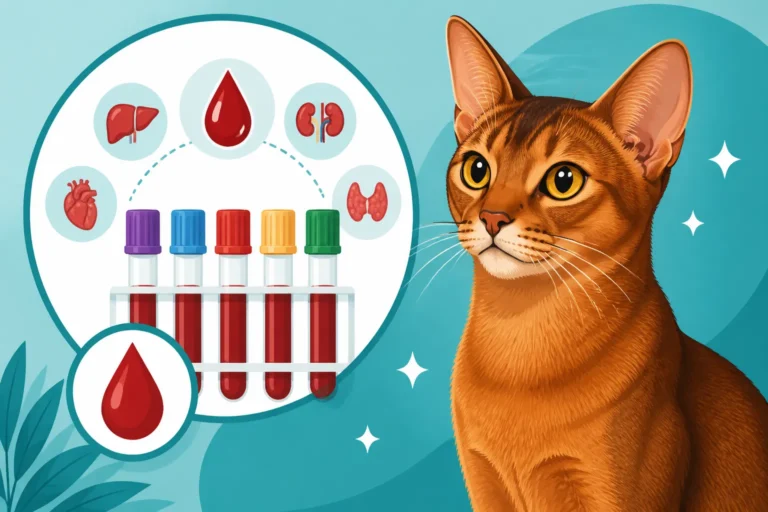
Veterinarians can perform specific blood and urine tests that look for early markers of kidney decline. This typically includes a full biochemistry panel and urinalysis. While these aren't tests for amyloidosis directly, they can identify kidney damage. Regular monitoring allows your vet to establish a baseline for your cat, making it easier to spot deviations over time. Remember, early detection won't prevent amyloidosis, but it can dramatically change the prognosis for managing its effects.
Living with the Risk: Supportive Care and Proactive Management
Even without a definitive genetic test, living with an Abyssinian doesn't mean living in constant fear. Proactive monitoring, understanding the early warning signs, and establishing a strong partnership with your veterinarian can help you provide the best possible care for your cat, mitigating the impact of amyloidosis if it does develop.
Monitoring Kidney Health: What Owners Can Do
For Abyssinians, especially those considered at higher risk due to family history, consistent monitoring of kidney health is paramount. This means more than just annual check-ups. Regular discussions with your vet about specific kidney markers are crucial. Key blood values to watch are Symmetric Dimethylarginine (SDMA) and creatinine. SDMA is particularly valuable because it can detect kidney disease much earlier than creatinine, sometimes before 40% of kidney function is lost, whereas creatinine typically only rises once a significant amount of kidney function is gone. Understanding Which Blood Values Catch an Abyssinian's Kidneys Early is a powerful tool for owners. Your vet can explain How the SDMA Value Reads on an Abyssinian and what the numbers mean for your specific cat.
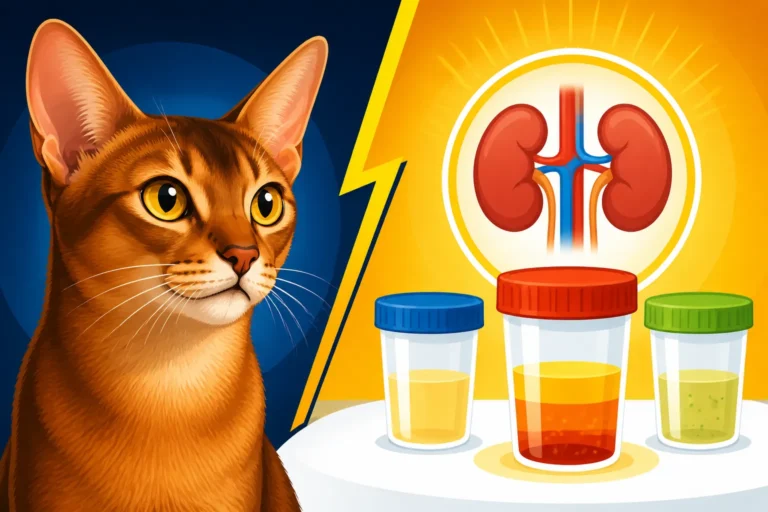
Beyond blood work, urine tests are equally important. Your vet will look at urine specific gravity (USG), which indicates how well the kidneys concentrate urine, and the urine protein-to-creatinine (UPC) ratio, which can flag protein leakage – a sign of kidney damage. Consistent monitoring allows your vet to track trends over time, catching subtle changes before they become critical. It's a proactive approach that prioritizes early intervention, giving your Abyssinian the best chance at a prolonged, comfortable life. Don't hesitate to ask your vet about a personalized monitoring schedule, particularly as your Abyssinian enters its middle years.
Managing the Disease: Supportive Treatments
If your Abyssinian is diagnosed with kidney disease, even if amyloidosis is suspected as the underlying cause, there are many supportive treatments available to help manage the condition and slow its progression. The goal is always to maintain quality of life for as long as possible. One of the cornerstones of kidney disease management is a specialized renal diet. These prescription foods are formulated with controlled protein and phosphorus levels to reduce the workload on the kidneys and prevent the buildup of toxins. Your vet can guide you on the best dietary choices for your cat.
Fluid therapy, often administered subcutaneously at home, can be a life-changing intervention. It helps keep your cat hydrated, flushes toxins, and supports kidney function, especially during periods of dehydration or when appetite is low. Many owners are apprehensive about giving fluids at home, but with proper instruction from your vet, it becomes a routine that can dramatically improve your cat's comfort and longevity. If your cat progresses to kidney failure, knowing How a Vet Manages an Abyssinian in Kidney Failure is incredibly helpful for understanding the treatment options.
Beyond diet and fluids, various medications can help manage symptoms associated with kidney disease, such as anti-nausea drugs, appetite stimulants, and medications to control blood pressure, which often rises with kidney problems. Regular veterinary check-ups and open communication with your vet are vital to adjusting these treatments as needed. The financial burden of managing a chronic condition like kidney disease can be substantial, and this is where pet insurance, such as Healthy Paws, can be incredibly beneficial, helping to cover the costs of diagnostics, medications, and ongoing supportive care, allowing you to focus on your cat's well-being without added financial stress. Investing in a good insurance plan early can provide significant peace of mind down the line.
Here’s a quick comparison of general genetic testing versus the current approach for Abyssinian Amyloidosis:
| Feature | General Genetic Test (e.g., PK Deficiency) | Abyssinian Amyloidosis (Current Approach) |
|---|---|---|
| Detection Method | DNA swab, blood sample | Blood tests (SDMA, Creatinine), Urinalysis (USG, UPC), Physical Exam, Family History |
| Target | Specific single gene mutation | Kidney function indicators, disease symptoms |
| Predictive Ability | High (identifies carriers or affected status) | Indirect (identifies kidney damage, not specific amyloidosis predisposition) |
| Preventative | Yes, allows for informed breeding decisions | No, focuses on early detection and management of disease |
| Cost | Typically one-time per cat | Ongoing costs for regular vet visits, tests, and potential treatment |
| Breeder Action | Avoid breeding affected/carrier to carrier | Track family health, transparently share data, breed from healthy lines |
| Owner Action | Know status of parent cats | Proactive health monitoring, awareness of signs, vet partnership |
| Insurance Relevance | Less for prevention, more for associated care if affected | Highly relevant for managing ongoing diagnostic and treatment costs (e.g., Healthy Paws) |
This table clearly illustrates the challenges we face with amyloidosis. It's not about a simple "yes" or "no" from a lab; it's about vigilance, dedication, and a deep understanding of our individual cats and their lineage. When considering pet insurance, remember that policies like those from Healthy Paws can truly make a difference in your ability to afford the best ongoing care for your Abyssinian, especially if a chronic condition like kidney disease emerges.
Disclaimer
This article provides general information and guidance. It is not a substitute for professional veterinary advice. Always consult with a qualified veterinarian for any health concerns or before making any decisions about your Abyssinian's care, diet, or treatment. Genetic research is ongoing, and recommendations may change over time.