Which Blood Values Catch an Abyssinian’s Kidneys Early
The moment you realize your energetic Abyssinian might be slowing down, even just a tiny bit, a cold dread can creep in. So many Abyssinian owners worry about kidney disease, and for good reason – it’s a silent, insidious threat in our beloved breed. This guide is here to shed light on which blood values can actually help catch kidney problems early, giving you the best chance to support your Abyssinian for a longer, happier life.
Why Early Kidney Detection is a Race Against Time for Abyssinians
It’s a tough truth: kidney disease often progresses significantly before any outward signs become glaringly obvious. For Abyssinians, with their incredible vitality and tendency to mask discomfort, this challenge is even greater. Waiting until your cat is visibly unwell often means the disease is already quite advanced.
The Insidious Nature of Renal Amyloidosis in Abyssinians
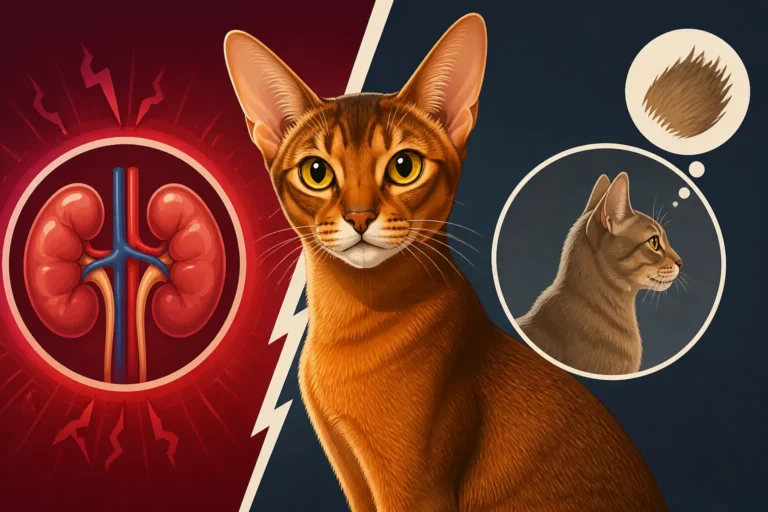
One of the most heartbreaking realities for Abyssinian owners is the breed's predisposition to a specific type of kidney disease called renal amyloidosis. This isn't your average, age-related kidney decline; it’s a hereditary condition where abnormal protein deposits, called amyloid, accumulate in the kidneys, progressively damaging them. What makes it so insidious is that it can strike at surprisingly young ages, sometimes even before three years old, though it often manifests in middle age. The deposits quietly accumulate, and the kidneys slowly lose function without any fanfare.
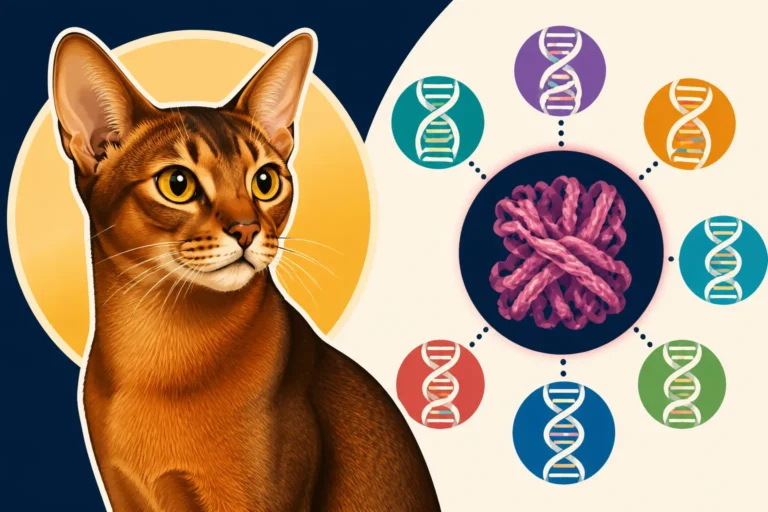
The frustrating part? Unlike some other genetic conditions, there's currently no specific genetic test for Abyssinian renal amyloidosis. This means we can't simply test a kitten's DNA and know for sure if they'll develop it. This lack of a definitive predictive test means we have to rely heavily on vigilant monitoring and understanding the subtle signals our cats might be giving us, or more importantly, the signals their blood and urine can give a veterinarian. It's why recognizing the signs, both overt and hidden, is paramount. You can learn more about this particular challenge in the article, Renal Amyloidosis Is the Abyssinian Problem Nobody Can Test For.
Why Abyssinians Excel at Hiding Illness
If you own an Abyssinian, you know they are bundles of boundless energy, always exploring, climbing, and engaging with their environment. This amazing vivacity, while endearing, also makes them experts at hiding pain or illness. It’s an instinctual survival mechanism from their wild ancestors; a sick or weak animal in nature becomes prey. Our domestic Abyssinians retain that incredible drive to appear healthy, often masking significant discomfort until their bodies simply can't cope anymore.
This means that by the time you notice your Abyssinian is genuinely lethargic, eating less, or drinking excessively, their kidney function might be severely compromised. They are so good at adjusting and compensating that visible symptoms often indicate a much more advanced stage of disease than they would in a less active, more sedate cat breed. It's a cruel irony that their vibrant personality can make early detection of serious health issues, like kidney disease, incredibly difficult for the unsuspecting owner. This ability to mask illness is why proactive screening, even when they seem perfectly healthy, is so crucial for them. The article, Why a Lean Abyssinian Hides Illness Longer Than a Heavy Cat, delves deeper into this inherent trait.
The Standard Blood Panel: What It Usually Tells You (and Doesn't)
When your vet runs routine bloodwork, they'll typically look at a chemistry panel that includes several kidney values. These are incredibly important for overall health assessment, but it’s crucial to understand their limitations when it comes to early detection of chronic kidney disease, especially in a breed as stoic as the Abyssinian.
Creatinine and BUN: The Traditional Markers
For years, blood urea nitrogen (BUN) and creatinine were the primary go-to markers for kidney function. Creatinine is a waste product from muscle metabolism, and BUN is a waste product from protein breakdown. Both are normally filtered out by healthy kidneys. If the kidneys aren't working efficiently, these levels rise in the blood. They're valuable for diagnosing kidney disease once it's established, and certainly for monitoring its progression.
However, here’s the rub: these values typically don't elevate above the "normal" range until a significant portion of kidney function—often as much as 75%—has already been lost. Imagine only discovering a flat tire when it's completely shredded! For an Abyssinian, who is already hiding symptoms, this delay can be critical. A "normal" creatinine or BUN value might lead to a false sense of security, delaying intervention when those precious kidney cells are already under severe stress. This is why just a "normal" creatinine isn't enough to fully clear your Abyssinian, as detailed in Why a Normal Creatinine Does Not Clear an Abyssinian.
The Limitations of "Normal" Ranges
Another important point to remember is that laboratory "normal" ranges are just that—averages derived from a large population of animals. Your Abyssinian might have a creatinine level that falls within the normal range, but for them, given their individual baseline and breed predisposition, it might represent a subtle shift upwards. For example, if your Abyssinian’s creatinine has always hovered at 1.0 mg/dL, and suddenly it's 1.6 mg/dL (still within a lab's normal range of, say, 0.8-2.0 mg/dL), that 60% increase is a red flag.
A good veterinarian will always look at trends over time, rather than just isolated numbers. If a cat's baseline values are known, even small increases within the "normal" range can be significant. This emphasizes the importance of consistent veterinary care and keeping detailed records of your Abyssinian's bloodwork over their lifetime. Without that historical data, it’s much harder to spot these subtle, but critical, early indicators.
SDMA: The Game-Changer in Early Kidney Screening
Thankfully, veterinary medicine is always evolving, and we now have a much more sensitive tool for detecting kidney disease earlier: Symmetric Dimethylarginine, or SDMA. This test has revolutionized how we approach kidney health in cats, particularly for breeds like the Abyssinian that are genetically susceptible.
What SDMA Is and How It Works
SDMA is a biomarker for kidney function that’s produced during the breakdown of proteins in the body. Unlike creatinine, which can be influenced by muscle mass (and Abyssinians are generally lean and muscular), SDMA levels are much more specific to kidney filtration rate. It's almost exclusively cleared by the kidneys, so its concentration in the blood directly reflects how well those kidneys are doing their job.
The beauty of SDMA is its sensitivity. It can detect a decrease in kidney function much earlier than traditional markers. While BUN and creatinine need about 75% of kidney function to be lost before they rise, SDMA can elevate when as little as 25% of kidney function is gone. This is a massive leap forward, giving us a crucial head start in managing conditions like renal amyloidosis. For a breed like the Abyssinian, where every bit of early warning counts, SDMA is truly a game-changer.
When SDMA Levels Start to Rise
Think of SDMA as a finely tuned alarm system. Instead of waiting for a catastrophic failure, it's designed to give a warning much earlier in the process. For an Abyssinian, this can mean the difference between proactive management and reactive crisis intervention. If your vet starts regular SDMA screening when your Abyssinian is middle-aged, say around seven or eight years old, there's a much better chance of catching subtle declines.
An elevated SDMA reading, even if BUN and creatinine are still "normal," prompts further investigation. This might include a detailed urinalysis, a kidney ultrasound, or even blood pressure monitoring. The goal isn't just to get a number, but to use that number as a prompt to dig deeper and understand what's happening internally, before your cat ever shows obvious signs of feeling unwell. This early warning window is invaluable. The way these values read specifically in our breed is discussed in How the SDMA Value Reads on an Abyssinian.
Interpreting Your Abyssinian's SDMA Results
So, you've had your Abyssinian's blood tested, and the SDMA results are back. What do they mean? Typically, a normal SDMA for cats is usually less than 14 µg/dL. If your Abyssinian's result is consistently above this, especially on re-testing, it indicates a decline in kidney function.
Your vet will consider the SDMA in conjunction with other blood values, such as BUN and creatinine, and also your cat's age, weight, and overall health status. A mildly elevated SDMA in an otherwise healthy, older Abyssinian might suggest early, chronic kidney disease that can be managed with diet and careful monitoring. A significantly elevated SDMA, particularly in a younger Abyssinian, warrants more aggressive investigation to determine the underlying cause and severity. Don't hesitate to ask your vet to explain the results thoroughly and what their recommendations for next steps are.
Beyond Blood: The Importance of Urinalysis
While blood tests give us a window into what the kidneys aren't filtering out, a urinalysis provides critical information about what they are letting through. It's like checking both sides of the coin when assessing kidney health, and for Abyssinians, it's an absolutely essential component of early detection.
Urine Specific Gravity: The First Line of Defense
One of the first and most basic tests in a urinalysis is the Urine Specific Gravity (USG). This measures how concentrated your cat's urine is. Healthy kidneys do an amazing job of concentrating urine, conserving water and expelling waste efficiently. If the kidneys start to fail, one of the earliest signs is a reduced ability to concentrate urine.
So, if your Abyssinian’s urine is very dilute, even if they aren't drinking excessively (though a thirsty young Abyssinian is a huge red flag!), it can signal that their kidneys are struggling. A low USG, combined with a slightly elevated SDMA, forms a much stronger case for early kidney disease than either test alone. It's often one of the very first indicators, appearing even before significant changes show up in blood chemistry. This simple, non-invasive test is an unsung hero in the fight for early detection.
Proteinuria and the UPC Ratio: Unmasking Kidney Damage
Another crucial aspect of urinalysis is checking for protein in the urine, a condition known as proteinuria. Healthy kidneys should prevent significant amounts of protein from leaking into the urine. When the delicate filters within the kidneys (the glomeruli) become damaged, they start to allow protein to escape. This is a very concerning sign, often indicating kidney damage, especially if there's no active infection present.
To get a more quantitative and consistent measure, your vet might recommend a Urine Protein:Creatinine (UPC) ratio. This test helps to correct for variations in urine concentration and provides a more accurate picture of how much protein is being lost. A persistently elevated UPC ratio can indicate ongoing kidney damage and is a key factor in staging chronic kidney disease and guiding treatment strategies. Catching proteinuria early, alongside an elevated SDMA, can significantly influence the long-term prognosis for your Abyssinian, making this one of the most vital early indicators.
A Comprehensive Approach: Combining Tests for Maximum Insight
The truth is, no single test tells the whole story. To get the clearest, earliest picture of your Abyssinian's kidney health, we need to combine the insights from multiple diagnostic tools. It's a holistic approach that gives your vet the best chance to spot trouble before it becomes a major problem.
The Synergy of Blood, Urine, and Physical Exams
Imagine a detective trying to solve a mystery with only one clue. That's what relying on just one test for kidney disease is like. A thorough veterinary assessment for an Abyssinian should always combine:
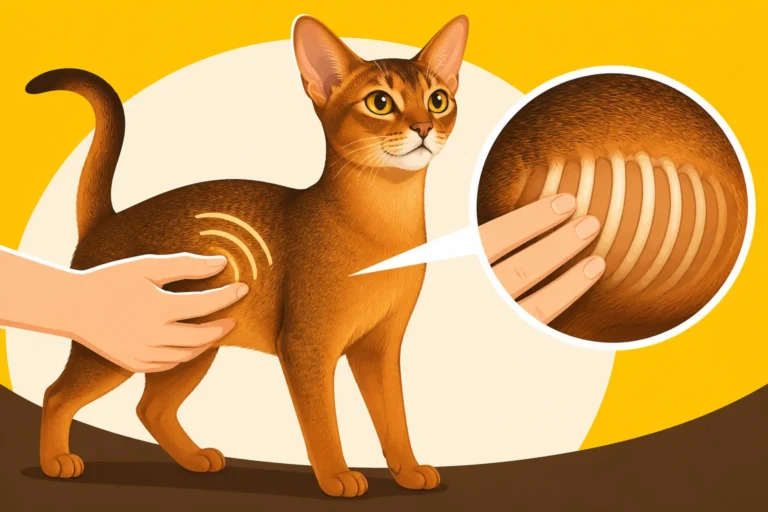
- A detailed physical exam: Your vet will check for subtle changes like weight loss (even slight changes are significant for a lean Abyssinian), changes in coat quality, dental health, and overall hydration. They'll also feel the kidneys for size and texture.
- Comprehensive bloodwork: This includes not only SDMA, BUN, and creatinine, but also electrolytes, phosphorus, and calcium, which can all be affected by kidney function.
- Urinalysis: Including Urine Specific Gravity, pH, presence of blood, glucose, and a sediment exam to look for cells or crystals, followed by a UPC ratio if proteinuria is suspected.
Each piece of this puzzle contributes to a more complete understanding. For instance, a slightly elevated SDMA coupled with dilute urine and a subtle weight loss during the physical exam paints a much clearer picture of early kidney disease than any one of those findings alone. It’s about building a robust case with multiple lines of evidence.
Developing a Proactive Screening Schedule
Given the Abyssinian's genetic predisposition to conditions like renal amyloidosis and their tendency to hide illness, a proactive screening schedule isn't just a good idea—it's essential. This means starting regular health checks even when your Abyssinian seems perfectly fine, especially as they enter their middle years.
Here's a general guideline for a proactive kidney screening schedule:
| Age of Abyssinian | Recommended Screening Frequency | Key Tests |
|---|---|---|
| Kitten (0-1 year) | Initial vet visits, baseline bloodwork | General health check, initial blood panel. |
| Adult (1-7 years) | Annual wellness exams | Physical exam, annual blood pressure. |
| Middle-Aged (7-10 years) | Annual to every 6 months | Physical exam, SDMA, full blood panel, urinalysis (including UPC ratio). |
| Senior (10+ years) | Every 6 months | Physical exam, SDMA, full blood panel, urinalysis (including UPC ratio), blood pressure. |
Please note: This is a general guide. Your vet may recommend more frequent screening based on your individual cat's health history and any initial findings.
This consistent approach allows your veterinarian to establish a baseline for your individual cat and then track subtle changes over time, catching any deviations before they escalate into serious problems. This proactive mindset is one of the best gifts you can give your beloved Abyssinian. You can find more detail on this in When a Middle Aged Abyssinian Needs Yearly Bloodwork.
The Role of Pet Insurance in Early Detection
Let's be real, comprehensive veterinary care, especially with proactive screening and advanced diagnostics, can be a significant financial investment. This is where pet insurance can truly shine, acting as a crucial partner in providing the best possible care for your Abyssinian. Many pet insurance plans, like those offered by Healthy Paws, help cover the costs of diagnostic tests, vet visits, and even long-term management of chronic conditions like kidney disease.
Having pet insurance means you won't have to make heartbreaking decisions based purely on cost when your vet recommends an SDMA test, a full urinalysis, or follow-up ultrasounds. It empowers you to say "yes" to early detection and the best course of action. Plans from providers such as Healthy Paws can significantly reduce out-of-pocket expenses, making comprehensive care more accessible and ensuring your Abyssinian gets the attention they need without delay. It’s a peace-of-mind investment that truly pays off when those unexpected health concerns arise.
What Happens After an Early Diagnosis?
Receiving an early diagnosis of kidney disease, even if it's just early-stage, can feel devastating. But it's important to remember that early detection is a gift. It opens the door to proactive management that can significantly slow progression and maintain a good quality of life for your Abyssinian for much longer.
Initial Steps and Further Diagnostics
Once early kidney disease is suspected based on blood and urine values, your vet will likely recommend further diagnostics to confirm the diagnosis and establish the stage of the disease. This might include:
- Blood pressure measurement: High blood pressure is both a cause and a consequence of kidney disease and needs to be managed.
- Abdominal ultrasound: This imaging can assess the size, shape, and internal architecture of the kidneys, looking for any abnormalities consistent with amyloidosis or other kidney issues.
- Repeat blood and urine tests: To confirm persistent changes and rule out transient factors.
Once a diagnosis and stage are established, initial management often focuses on supportive care. This typically involves transitioning to a prescription kidney-supportive diet, which is specially formulated with controlled protein, phosphorus, and sodium levels. These diets are designed to reduce the workload on the kidneys and slow the progression of the disease. Your vet may also discuss increasing water intake through wet food or even subcutaneous fluids at home if your cat is not drinking enough.
Managing Renal Amyloidosis in Abyssinians
While there is no cure for renal amyloidosis in Abyssinians, early and diligent management can make a world of difference. The key is to support the remaining healthy kidney tissue and minimize the accumulation of amyloid, though options here are limited without a specific treatment for amyloid itself. Management typically focuses on:
- Dietary modification: As mentioned, kidney-specific diets are paramount.
- Fluid therapy: Ensuring adequate hydration is crucial for kidney health. Many Abyssinians with kidney disease benefit from receiving supplemental fluids under the skin at home.
- Blood pressure control: Medications might be prescribed to keep blood pressure in a healthy range.
- Management of proteinuria: Medications can help reduce protein loss in the urine, which protects the kidneys from further damage.
The goal is to slow the progression of the disease, alleviate any symptoms, and maintain your Abyssinian's comfort and energy levels for as long as possible. It's a journey, and your veterinary team will be your best resource in navigating it. For more detailed insights into advanced care, refer to How a Vet Manages an Abyssinian in Kidney Failure.
The Importance of Regular Monitoring
Managing chronic kidney disease, even in its early stages, is an ongoing process. Regular follow-up appointments with your veterinarian are non-negotiable. These visits typically involve repeat bloodwork (including SDMA, BUN, creatinine, phosphorus), urinalysis (including UPC ratio), and blood pressure checks. The frequency of these visits will depend on the stage of your Abyssinian's kidney disease and how well they are responding to treatment.
This consistent monitoring allows your vet to adjust medications, refine dietary strategies, and address any new concerns promptly. It also ensures that your Abyssinian is as comfortable as possible. Your diligence as an owner, coupled with professional veterinary care, is the best defense against this challenging disease.
Disclaimer
The information provided in this article is for educational purposes only and is not a substitute for professional veterinary advice. Always consult with a qualified veterinarian for any health concerns or before making any decisions about your pet's health or treatment.