Why an Abyssinian’s Weight Loss Is Never Minor
It's incredibly unsettling when you notice your sleek, energetic Abyssinian starting to lose weight. Unlike some chunkier breeds where a few pounds might go unnoticed, an Abyssinian's naturally athletic and lean build means that any significant dip in their body condition is almost always a red flag that something deeper is amiss. This guide will help you understand why even minor weight loss in an Abyssinian warrants immediate attention and what could be causing it.
The Abyssinian's Unique Physique and Metabolism
Abyssinians are known for their striking appearance and boundless energy. This combination of a lean body and a high metabolism means they burn calories at a rapid rate, making weight fluctuations particularly telling.
The Naturally Lean and Athletic Build
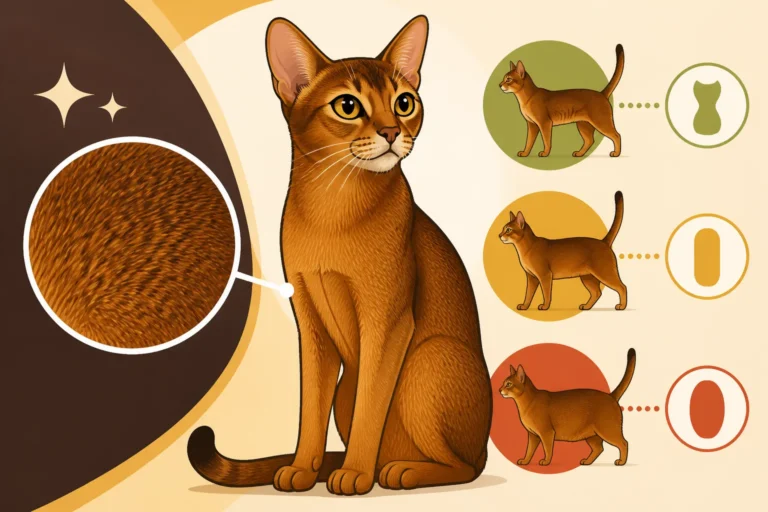
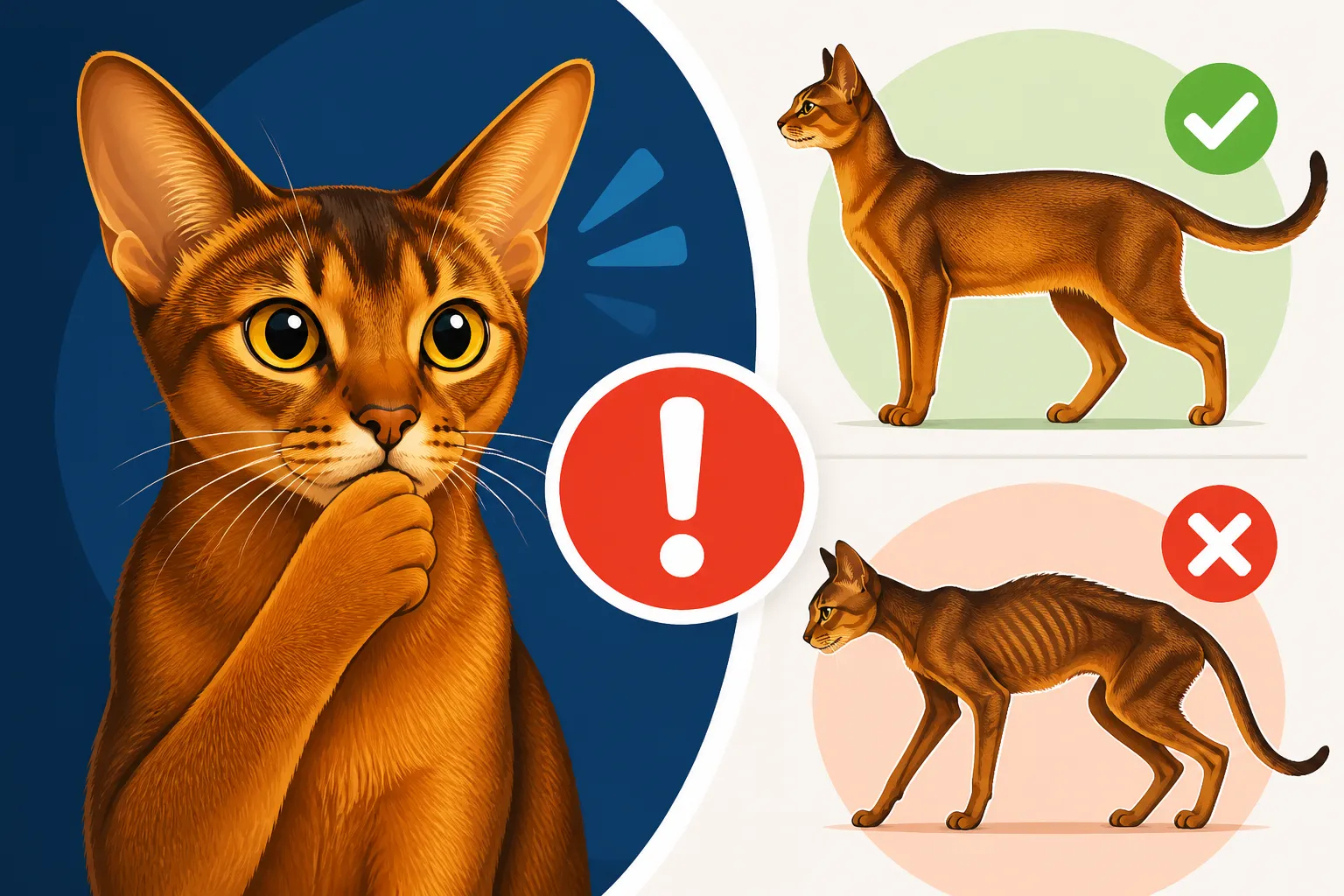
Walk into any room with an Abyssinian, and you'll immediately notice their svelte, muscular frame. They're not built for lounging around; they're built for speed, agility, and scaling heights. Their bodies are lithe, with long, slender legs and a graceful arch to their back. This lean physique means there's very little fat padding to lose before underlying issues become apparent. You can usually feel their ribs easily, but they shouldn't be prominent or sharp. When an Abyssinian starts to lose weight, it's often muscle mass that's going first, which can be hard to spot under their beautiful, ticked coat until it's quite advanced. It's a cruel trick of their genetics that Why a Lean Abyssinian Hides Illness Longer Than a Heavy Cat often leads owners to miss early signs, assuming their cat is just "extra active."
Their physical form is a testament to their active lifestyle. They are constantly exploring, jumping, and playing, demanding a consistent and high-quality caloric intake to maintain their energy levels and muscle tone. Any disruption to this delicate balance, whether from illness or stress, can quickly manifest as weight loss. It’s not just about aesthetics; their lean build is integral to their health and vitality.
High Metabolism and Energy Output
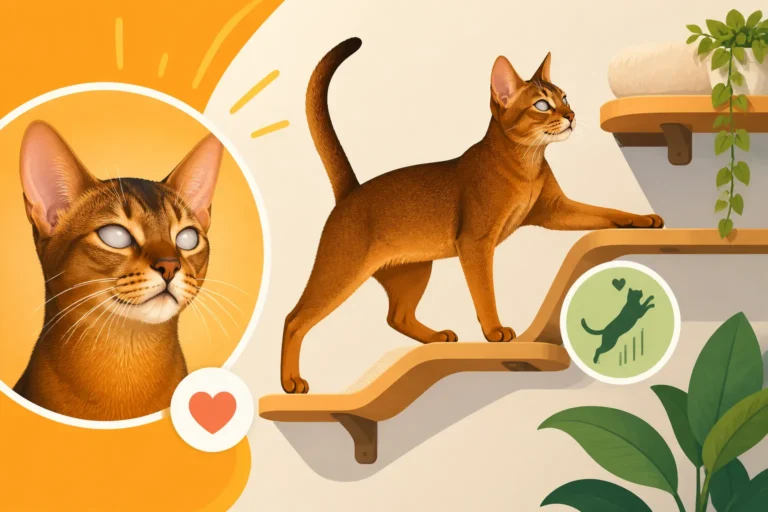
Abyssinians are perpetual motion machines. They rarely sit still for long, constantly patrolling their territory, interacting with their human companions, and engaging in bursts of intense play. This incredible activity level translates directly into a high metabolic rate, meaning they naturally burn through a significant number of calories every single day. They need a steady supply of nutrient-dense food to fuel this non-stop lifestyle.
Because their caloric needs are so high, even a slight decrease in food intake, or an underlying condition that impacts nutrient absorption, can quickly lead to a noticeable drop in weight. It's not like a less active cat that might be able to coast on stored reserves for a while. For an Abyssinian, that buffer is much smaller, and the signs of caloric deficit show up much faster. This makes them excellent indicators of their own health – when they tell you something is wrong by losing weight, it's usually worth listening to immediately.
Early Warning Signs That Accompany Weight Loss
Weight loss in an Abyssinian is rarely an isolated symptom. It's often accompanied by other subtle, or sometimes not-so-subtle, changes that give clues to the underlying cause.
Subtle Changes in Appetite and Eating Habits
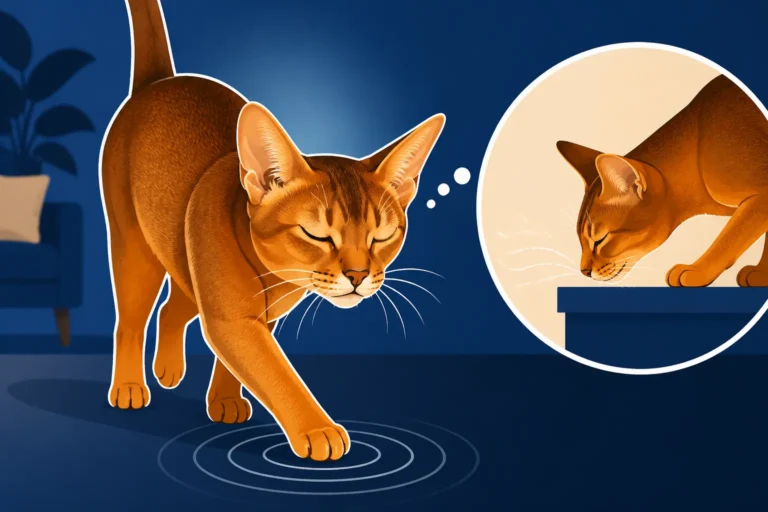
It’s easy to think that weight loss simply means your cat isn’t eating, but with an Abyssinian, it can be much more nuanced than an empty food bowl. You might notice your cat is picking at their food, eating smaller portions, or taking much longer to finish a meal they used to gobble down. Perhaps they're suddenly uninterested in their favorite treats, or they only want to eat certain textures, avoiding crunchy kibble for softer wet food. They might even approach the bowl, sniff it, and then walk away, clearly hungry but reluctant to eat.
Another common sign is a change in the type of food they prefer. A cat with dental pain, for instance, might stop eating hard kibble entirely, favoring only wet food, or even refusing food altogether. Conversely, a cat with nausea might eat less of everything. Monitoring these subtle shifts in their relationship with food can provide crucial insights before the weight loss becomes dramatic. Keep a journal if you need to, noting portion sizes and enthusiasm at meal times.
Behavioral Shifts Signaling Deeper Issues
Beyond changes in eating, Abyssinians experiencing illness often exhibit shifts in their normally boisterous behavior. They might become less playful, spending more time napping or simply sitting quietly. A cat that once greeted you at the door with an enthusiastic chirp might now just give a weak meow or not come at all. They might start hiding in unusual places, seeking solitude rather than company, which is quite out of character for such a social breed. Even subtle changes in their vocalizations, or a decrease in their usual climbing antics, can be indicative.
A significant drop in their energy levels, less interaction with family members, or a reduced desire to engage in their favorite activities (like chasing a wand toy) are all important signals. Remember, Abyssinians are masters of masking discomfort, so if you're noticing a distinct change in their personality, coupled with weight loss, it's time to act. Don't dismiss a sudden quietness or lethargy as simply "getting older" without a vet check, especially if it coincides with unexplained weight loss.
Common Health Concerns Linked to Weight Loss in Abyssinians
Given their robust nature, when an Abyssinian starts losing weight, it's often a symptom of an underlying medical condition. Many of these issues are manageable, especially when caught early.
Dental Disease and Oral Pain
Imagine trying to eat your favorite meal when every chew sends a sharp pang through your mouth. That's what dental disease can feel like for your Abyssinian. Issues like gingivitis, periodontitis, or even tooth resorption (a common, painful condition where the tooth structure breaks down) can make eating excruciating. Abyssinian kittens, unfortunately, are also prone to Why an Abyssinian Kitten's Gums Fail at Six Months, a condition called juvenile gingivitis, which can make eating very uncomfortable from a young age. When a cat is in pain, they'll often approach their food bowl, perhaps even paw at it, but then shy away. They want to eat, but the discomfort is too great. This leads to a gradual, but steady, decline in caloric intake and subsequent weight loss.
You might notice drooling, pawing at the mouth, bad breath, or even a visible redness or swelling of the gums. Sometimes, a cat might start dropping food from their mouth while eating. Regular dental check-ups are paramount for Abyssinians, as early intervention can save them from significant pain and prevent further health complications associated with poor oral health.
Kidney Disease and Renal Amyloidosis
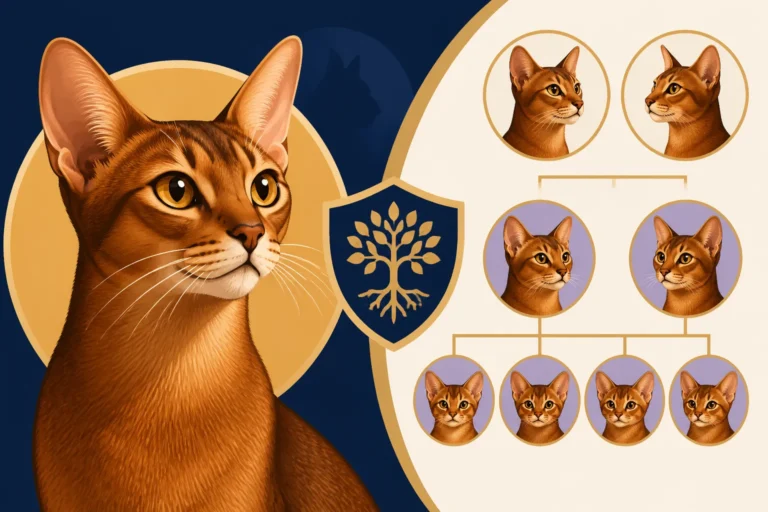
Kidney disease is a particularly poignant concern for the Abyssinian breed, due in large part to the genetic predisposition for Renal Amyloidosis Is the Abyssinian Problem Nobody Can Test For. This devastating condition involves the abnormal deposition of amyloid protein in the kidneys, which eventually impairs their function. The kidneys are vital for filtering waste products from the blood, and when they fail, toxins build up, causing nausea, vomiting, lethargy, and a significant loss of appetite. This is why kidney disease often presents with notable weight loss, sometimes quite dramatically in younger cats, which can be heartbreaking when you consider What Kidney Failure Looks Like in a Young Abyssinian.
Other symptoms of kidney disease can include increased thirst and urination, a dull coat, and general malaise. Since there's no genetic test for amyloidosis, responsible breeders track family lines meticulously, but it remains a risk. Early detection through regular veterinary check-ups, including blood and urine tests, is crucial for managing the progression of kidney disease and maintaining the cat's quality of life. Understanding What Renal Amyloidosis Deposits in an Abyssinian's Kidney helps underscore the seriousness of this condition.
Hyperthyroidism in Older Abyssinians
While kidney disease can strike at any age, hyperthyroidism is a condition more commonly seen in middle-aged to older Abyssinians. It occurs when the thyroid gland produces too much thyroid hormone, accelerating the cat's metabolism to an unhealthy degree. The most classic symptom? Weight loss despite a ravenous appetite. Owners often describe their hyperthyroid cat as "eating everything in sight" but still getting thinner. This paradox can be confusing, making it easy to overlook the seriousness of the weight loss.
Beyond the weight loss and increased appetite, you might notice your Abyssinian becoming more restless, vocal, and perhaps even aggressive or irritable. They might have a rapid heart rate, a greasy coat, or episodes of vomiting and diarrhea. It's a condition that truly highlights Why Hyperthyroidism Catches an Older Abyssinian more frequently than younger ones. Thankfully, hyperthyroidism is usually treatable with medication, diet, or radioactive iodine therapy, all of which can reverse the weight loss and other symptoms, returning your energetic Abyssinian to their normal self.
Inflammatory Bowel Disease (IBD)
Inflammatory Bowel Disease, or IBD, is another condition that can lead to significant weight loss in Abyssinians. This chronic gastrointestinal disorder causes inflammation in the digestive tract, impairing the cat's ability to properly digest food and absorb nutrients. Even if your Abyssinian is eating a normal amount, their body isn't able to extract the necessary calories and nutrients from their food. This 'malabsorption' is a direct route to weight loss, along with other unpleasant symptoms.
Symptoms of IBD can vary widely but often include chronic vomiting, diarrhea, changes in appetite (either increased or decreased), and abdominal discomfort. Some cats might also experience a dull coat or lethargy. Diagnosing IBD often involves a process of elimination, ruling out other conditions, and sometimes requires biopsies of the intestinal tract. Management typically involves dietary changes, often to a novel protein or hydrolyzed protein diet, and sometimes medications to control inflammation. It’s a frustrating condition for both cat and owner, but with careful management, many Abyssinians with IBD can lead comfortable lives and regain a healthy weight.
Pyruvate Kinase Deficiency (PKD) and Anemia
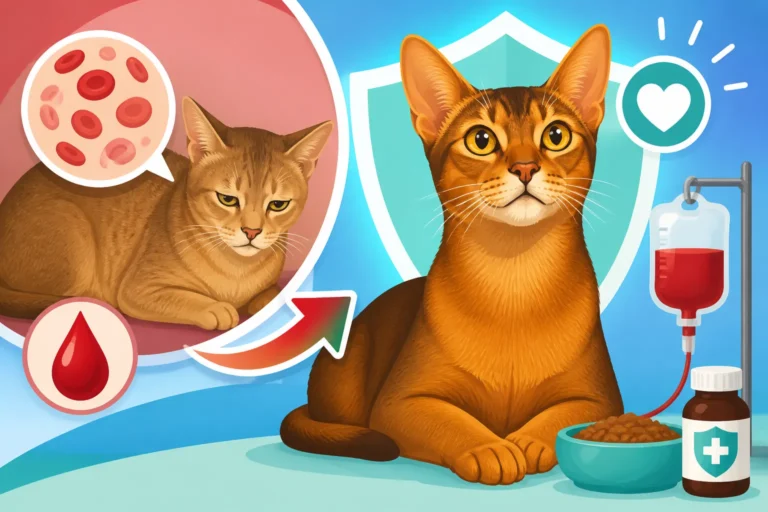
Pyruvate Kinase Deficiency Is the Abyssinian's Best Known Test because it's a specific genetic disease that can cause intermittent hemolytic anemia. This means the red blood cells, which carry oxygen throughout the body, are destroyed prematurely. When an Abyssinian is anemic, their body isn't getting enough oxygen, leading to extreme lethargy, weakness, and a general feeling of being unwell. This malaise directly impacts their appetite and activity levels, contributing to weight loss.
The anemia can wax and wane, meaning symptoms might come and go, making it even harder to pinpoint. Owners might notice their cat is unusually tired, has pale gums, or is less interested in food and play during an anemic episode. Understanding What PK Deficiency Does to an Abyssinian's Red Cells highlights why it's so important for Abyssinians to be tested for this condition, especially if they show signs of anemia and weight loss. While there's no cure for PKD, supportive care, including blood transfusions during severe crises and sometimes splenectomy, can manage the condition and improve quality of life.
The Urgency of Veterinary Intervention
It’s easy to second-guess yourself, especially with a cat that often seems fine one moment and a little off the next. But when it comes to weight loss in an Abyssinian, hesitation can genuinely be detrimental.
Why "Wait and See" Is Dangerous for Abyssinians
With their incredible ability to mask pain and illness, "wait and see" is perhaps the most dangerous approach an Abyssinian owner can take. By the time you notice weight loss, especially in such a lean and active breed, an underlying condition is often already quite advanced. Their evolutionary instincts tell them to hide weakness from predators, and they apply this same logic to their human companions. They'll continue to climb, play, and interact, albeit with less vigor, long after they've started to feel unwell.
Every day that passes without a diagnosis and treatment is a day the condition can progress, potentially making treatment more difficult, more expensive, and less effective. Waiting means your cat is enduring prolonged discomfort and risking irreversible damage to their organs or overall health. Think of it this way: if your Abyssinian, a creature of boundless energy, is losing weight, it's not because they've decided to diet. It's because their body is struggling, and they need your help, urgently.
Diagnostic Steps a Vet Will Take
When you bring your weight-losing Abyssinian to the vet, be prepared for a thorough workup. Your vet won't just look at the scales; they'll be looking for clues everywhere. They'll start with a comprehensive physical examination, checking their teeth, palpating their abdomen, listening to their heart, and assessing their overall body condition. Beyond the physical, a series of diagnostic tests will likely be recommended.
Common blood tests include a Complete Blood Count (CBC) to check for anemia or infection, and a biochemical profile to evaluate organ function (kidneys, liver, pancreas). For Abyssinians, specifically, blood tests to check kidney values like SDMA are incredibly important for early detection, even when creatinine is still in the normal range. Which Blood Values Catch an Abyssinian's Kidneys Early could be life-saving. A thyroid panel is crucial, especially for older cats, to rule out hyperthyroidism. If your cat's genetic testing history isn't clear, or if you acquired them from a rescue, your vet might recommend a DNA test for conditions like Pyruvate Kinase Deficiency (PKD). Understanding How the Abyssinian's DNA Panel Is Ordered can help you prepare for this. Urine analysis is also vital, providing insights into kidney function, hydration, and potential infections. Depending on initial findings, imaging like X-rays or ultrasound might be recommended to visualize internal organs and look for tumors, foreign bodies, or other abnormalities.
| Potential Symptoms | Common Associated Conditions | Initial Diagnostic Tests |
|---|---|---|
| Weight Loss + Decreased Appetite | Dental Disease, Kidney Disease, IBD, Cancer, Pancreatitis | Oral Exam, Bloodwork (CBC, Chem, SDMA), Urinalysis, Imaging |
| Weight Loss + Increased Appetite | Hyperthyroidism, Diabetes, Malabsorption (less common) | Bloodwork (Thyroid Panel, Glucose), Urinalysis |
| Weight Loss + Vomiting/Diarrhea | IBD, Pancreatitis, Kidney Disease, Parasites, Food Sensitivities | Fecal Exam, Bloodwork, Urinalysis, Dietary Trial, Imaging |
| Weight Loss + Lethargy/Pale Gums | Anemia (e.g., PKD), Kidney Disease, Heart Disease, Cancer | Bloodwork (CBC, Chem), PKD DNA Test, Cardiac Auscultation |
This table provides a simplified overview; always consult your veterinarian for proper diagnosis and treatment.
Managing and Supporting an Abyssinian During Recovery
Once a diagnosis is made, the journey shifts to treatment and supportive care. This period requires patience, dedication, and often, a significant financial investment.
Nutritional Strategies for Weight Gain
Getting an Abyssinian to gain weight, especially after a period of illness-induced loss, requires a strategic approach. It’s not just about giving them more food; it's about giving them the right food in a way that encourages eating and supports their recovery. Your vet might recommend a high-calorie, highly palatable diet that is easy to digest. This often means prescription diets tailored for convalescence or specific medical conditions, which are formulated to provide maximum nutrition in smaller portions.
Sometimes, appetite stimulants might be necessary to kickstart their hunger, or anti-nausea medications to make them feel more comfortable eating. For cats who are severely underweight or unwilling to eat, assisted feeding via a syringe or even a temporary feeding tube may be considered to ensure they receive vital nutrients. Offering small, frequent meals throughout the day, warming wet food to enhance its aroma, and making mealtime a calm, positive experience can also make a huge difference. Don't be afraid to try different flavors and textures, always under vet guidance, to find something your recovering Abyssinian will happily consume.
Environmental Enrichment to Reduce Stress
An Abyssinian's mental well-being is intrinsically linked to their physical health. During recovery, reducing stress and providing a stimulating, yet calming, environment is paramount. A stressed cat is less likely to eat well and more likely to suffer from suppressed immunity. Maintain a consistent routine for feeding, play, and interaction, as predictability can be very comforting. Ensure they have quiet, safe spaces where they can retreat and rest undisturbed, especially if they are feeling vulnerable.
Continue with gentle, interactive play sessions, adjusting the intensity to match their current energy levels. Even a few minutes of chasing a feather wand or batting a puzzle feeder can boost their spirits and encourage natural behaviors without overexertion. Familiar scents, soft bedding, and access to window perches can also contribute to their sense of security and well-being. Keeping their world stable and engaging helps them focus on healing and regaining their lost weight.
The Role of Pet Insurance in Managing Costs
Let's be realistic: veterinary care, especially for chronic or complex conditions, can become very expensive, very quickly. From diagnostic tests to specialized diets, medications, and potential emergency visits, the costs can add up to thousands of dollars. This is where pet insurance can be an absolute lifesaver. Companies like Healthy Paws offer comprehensive coverage that can significantly alleviate the financial burden of unexpected illnesses and accidents.
Having a good pet insurance plan means you can make medical decisions based on what's best for your beloved Abyssinian, rather than on your bank account balance. It allows you to pursue aggressive diagnostics and treatments, ensuring your cat gets the best possible care without delay. While it won't cover pre-existing conditions, enrolling your Abyssinian when they are young and healthy ensures coverage for future unexpected illnesses. Think of it as investing in your peace of mind and your Abyssinian's long-term health.
When your active, lean Abyssinian begins to lose weight, it's not a trivial matter. It's their way of telling you, often subtly, that something serious is happening internally. Their high metabolism and natural athleticism mean they have little reserve, and even minor weight loss can signify a significant underlying health issue, from dental pain and inflammatory bowel disease to more severe conditions like kidney disease or hyperthyroidism. Prompt veterinary attention, thorough diagnostics, and dedicated supportive care are crucial to uncovering the cause, initiating effective treatment, and helping your cherished Abyssinian regain their vitality. Always prioritize a vet visit; it's the most loving and responsible action you can take.
Disclaimer
This article is intended for informational purposes only and does not constitute veterinary advice. Always consult with a qualified veterinarian for any health concerns or before making any decisions about your pet's health or treatment plan.