Why the Abyssinian Outlives Most Pedigree Shorthairs
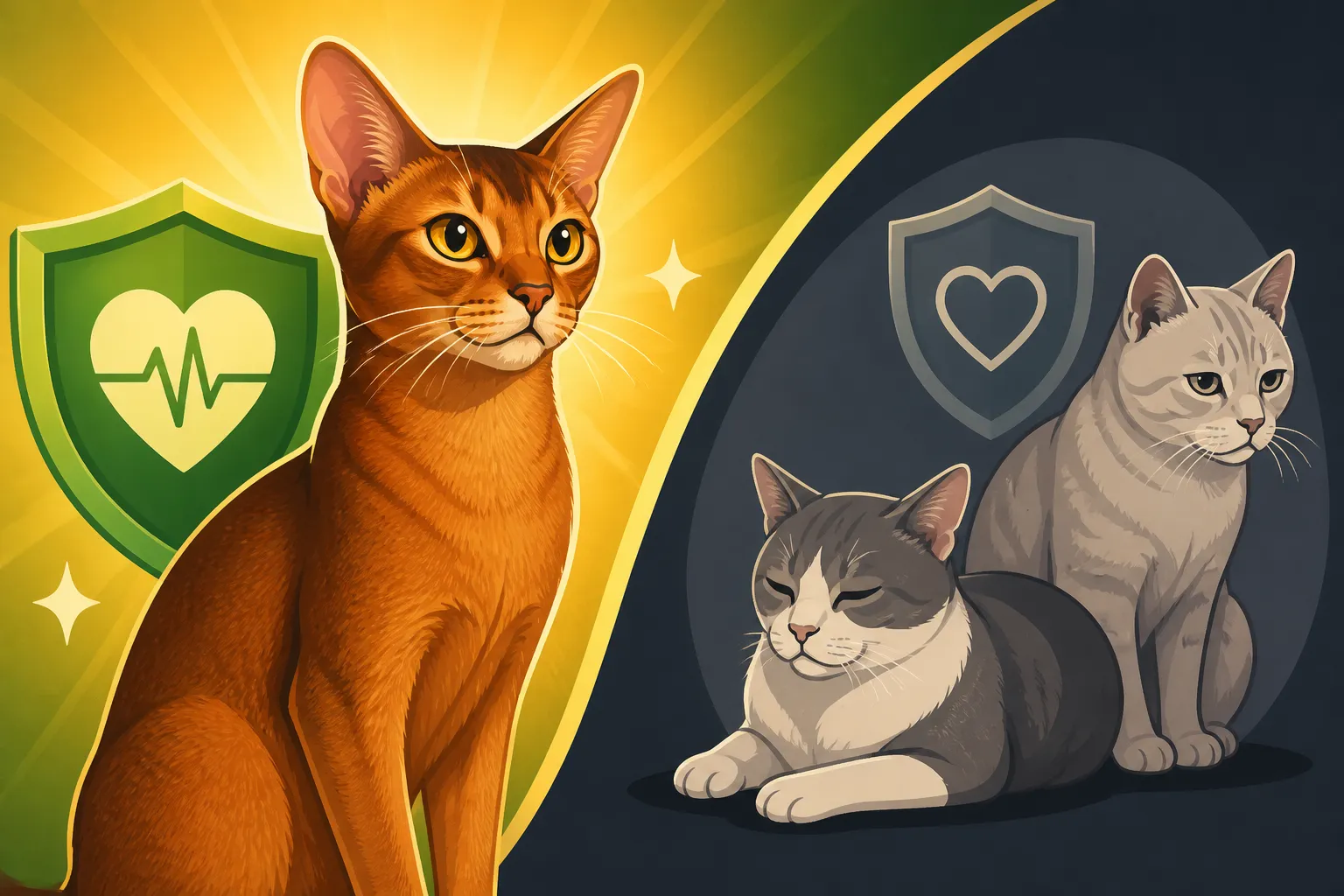
It's a common, heartbreaking worry for anyone considering a pedigree cat: will they be plagued by health issues and have a tragically short life? While it's true some purebreds come with their own set of challenges, the Abyssinian often defies this stereotype, consistently living long, vibrant lives, often outliving many other pedigree shorthairs. This comprehensive guide will delve into the unique combination of genetic strengths, their dynamic lifestyle, the dedicated efforts of responsible breeders, and the proactive care from their owners that contribute to their impressive longevity.
Genetic Resilience and Targeted Health Screening
One of the most significant reasons Abyssinians tend to live longer than many other pedigree shorthairs lies in their genetic makeup and the focused efforts of responsible breeders to maintain it. Unlike some breeds developed for extreme physical traits that can lead to health compromises, the Abyssinian's standard emphasizes an athletic, balanced physique, which naturally promotes robustness.
Fewer Breed-Specific Genetic Conditions
While no breed is entirely free from genetic predispositions, Abyssinians have a relatively small number of well-documented, breed-specific conditions compared to some of their purebred cousins. This isn't to say they're immune to everything, but the critical point is the number and severity of the conditions. Many other breeds might face a litany of heart issues, neurological disorders, or joint problems that are widespread within their lines. The Abyssinian, however, largely avoids this extensive list.
For instance, you'll rarely hear of an Abyssinian being commonly afflicted with conditions like Polycystic Kidney Disease (PKD), which is prevalent in Persians and related breeds, or Hypertrophic Cardiomyopathy (HCM) as a primary breed concern, unlike Maine Coons or Ragdolls. This doesn't mean a random Abyssinian can't develop these, but they are not considered breed-defining issues that shorten lifespan on a population level. Their sturdy, lean build and moderate features contribute to a lower incidence of structural problems that might otherwise lead to chronic pain or necessitate expensive, invasive surgeries as they age.
Impact of Extensive DNA Testing
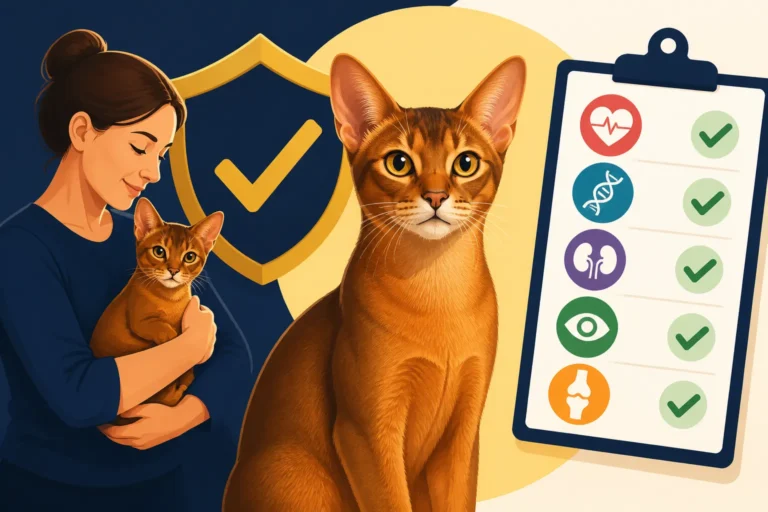
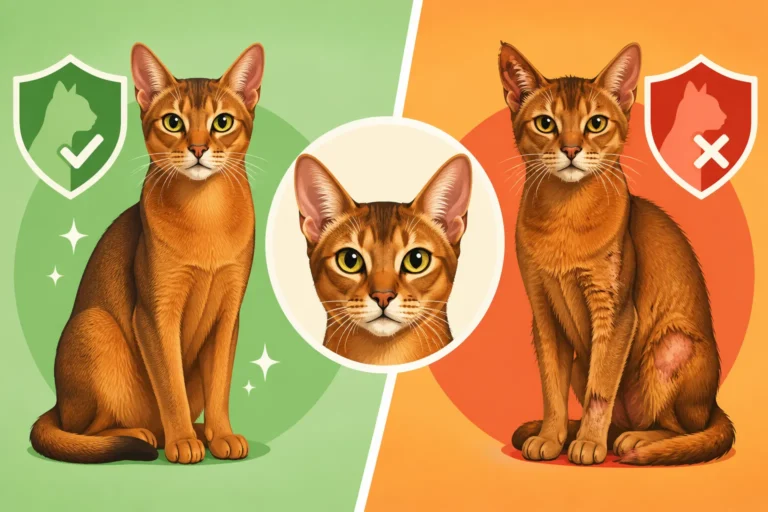
The Abyssinian breeding community has been proactive in implementing genetic testing for the known inheritable diseases, which significantly impacts the breed's overall health and longevity. Breeders rigorously screen their cats, ensuring that at-risk pairings are avoided, thereby reducing the prevalence of these conditions in future generations. This diligent approach is a cornerstone of why the breed thrives.
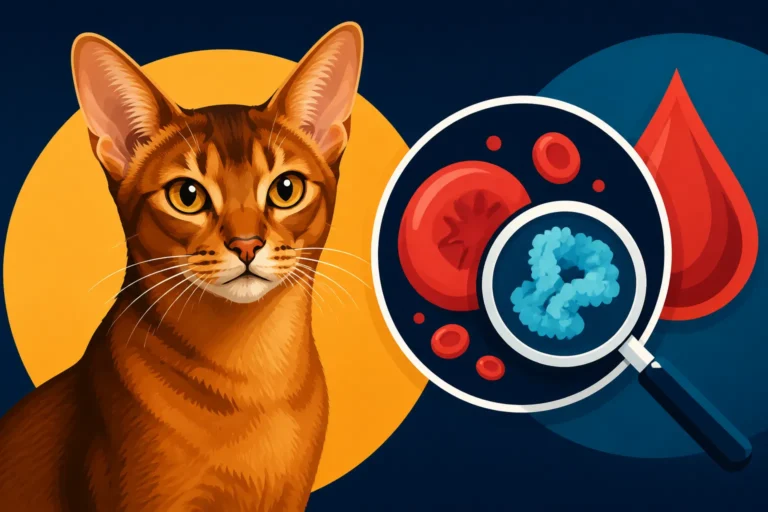
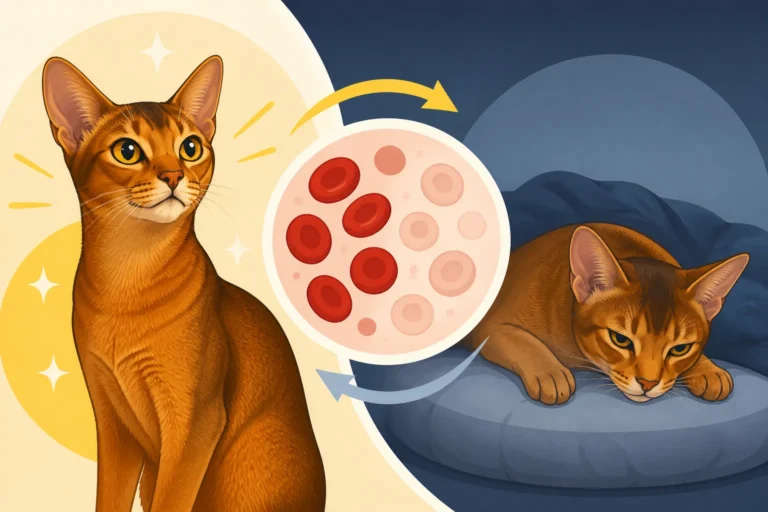
The primary genetic conditions Abyssinians are tested for are Pyruvate Kinase Deficiency (PKD or PK-Def) and Progressive Retinal Atrophy (PRA-rdAc). Pyruvate Kinase Deficiency Is the Abyssinian's Best Known Test, a condition that affects red blood cells and can lead to anemia. Similarly, PRA-rdAc Takes an Abyssinian's Sight by Five, slowly leading to blindness. By DNA testing prospective breeding cats, breeders can identify carriers and affected individuals. A responsible breeder will never breed two carriers together, effectively eliminating the possibility of producing affected kittens. For example, a breeder might use a lab like Optimal Selection or Wisdom Panel to run comprehensive genetic panels on their breeding stock. You can even check How the Abyssinian's DNA Panel Is Ordered and What an Abyssinian Breeder Should Have Tested Before You Buy to understand the commitment involved. This proactive screening dramatically reduces the chances of a kitten suffering from these debilitating diseases, allowing them to live out their full natural lifespan without these genetic burdens. This is a huge win for the breed's overall health trajectory.
An Athletic, Always-On Lifestyle
Abyssinians aren't just genetically lucky; their inherent nature contributes significantly to their impressive lifespans. These are not couch potatoes by any stretch of the imagination. Their constant activity and lean body mass keep them incredibly fit, mirroring the health benefits of regular exercise in humans.
Constant Movement and Lean Body Mass
Walk into a home with an Abyssinian, and you'll quickly realize these cats are in perpetual motion. They are jumpers, climbers, and explorers, constantly investigating their surroundings. This high activity level naturally maintains a lean, muscular physique. You rarely see an overweight Abyssinian, which is a major factor in their health. Obesity in cats, as in people, is linked to a host of serious health problems: diabetes, heart disease, joint issues, and a significantly reduced lifespan.
An Abyssinian's commitment to movement means their cardiovascular system is constantly getting a workout, their muscles remain strong, and their joints stay flexible. They burn through calories with impressive efficiency. This constant engagement isn't just physical; it's mental too. A mentally stimulated cat is a happy cat, and a happy cat is generally a healthier cat. If you've ever seen an Abyssinian scale a cat tree to its highest perch or chase a wand toy with single-minded intensity for twenty minutes straight, you'll understand why Why a Lean Abyssinian Hides Illness Longer Than a Heavy Cat, because their vitality is so inherent. They simply don't have much excess weight to hide behind, and their drive keeps them moving.
Efficient Digestion and Nutritional Needs
Given their tireless energy, Abyssinians have specific dietary needs that, when met, further bolster their longevity. They require a high-quality, protein-rich diet to fuel their active muscles and support their rapid metabolism. A cat that never stops moving needs a consistent supply of good nutrition.
Many owners find that What to Feed an Abyssinian That Never Stops Moving revolves around frequent, smaller meals rather than leaving a large bowl out, as this can encourage better digestion and portion control. High-quality wet food is often recommended to ensure adequate hydration, which is crucial for kidney health – a common concern for all felines as they age. While Renal Amyloidosis Is the Abyssinian Problem Nobody Can Test For, ensuring they get enough moisture through their diet can still support overall kidney function. This breed doesn't typically suffer from the digestive sensitivities or food allergies that plague some other breeds, making it easier for owners to provide consistent, nourishing meals that support their long-term health. The combination of a highly active metabolism and appropriate nutrition translates into a robust immune system and strong organ function, setting the stage for a longer, healthier life.
The Pillars of Responsible Breeding Practices
The health and longevity of any purebred cat are inextricably linked to the ethics and practices of the breeders behind them. For Abyssinians, responsible breeding is not just a nice-to-have; it's a foundational element that has preserved and enhanced the breed's vitality over generations.
Focus on Health Over Extreme Traits
One of the greatest advantages the Abyssinian has is that the breed standard emphasizes natural athleticism and balance over exaggerated or extreme physical characteristics. You won't find flat faces that impede breathing, excessively short legs that cause spinal issues, or oversized features that stress joints. Instead, the ideal Abyssinian is elegant, medium-sized, and well-proportioned – a physique that inherently supports good health.
Breeders who prioritize health diligently select for these natural, robust traits. They aren't trying to create a cat that looks like a caricature; they're working to preserve the active, graceful animal that has captivated owners for decades. This focus means less genetic bottlenecking on traits that might look "cute" or "exotic" but come with a heavy health price. Instead, breeders are looking for vitality, good temperament, and structural soundness, which are all hallmarks of a long-lived animal. This commitment to functional anatomy is a quiet but powerful force in Why the Abyssinian Outlives Most Pedigree Shorthairs.
Importance of Pedigree Tracking and Open Communication
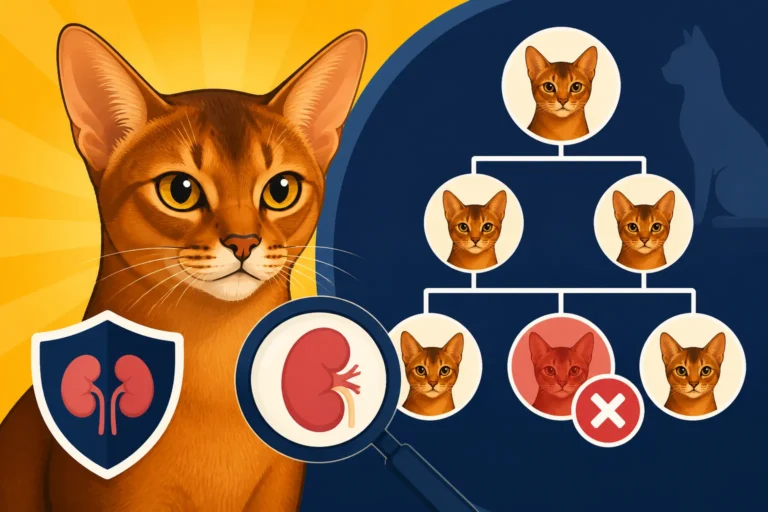
Responsible Abyssinian breeders are meticulous record-keepers. They don't just know the parents of a kitten; they know the grandparents, great-grandparents, and often beyond. This extensive pedigree tracking isn't just for show titles; it's a vital tool for understanding health trends within specific lines. They track not just the genetic test results, but also the longevity and causes of death within a cat's lineage.
This transparency allows breeders to identify patterns of health issues, even those for which no genetic test currently exists, like the aforementioned Renal Amyloidosis. A reputable breeder will openly discuss the health history of their cattery, including any challenges they've faced. They understand that a healthy future for the breed depends on honest reporting and informed decisions. They'll also provide a comprehensive health guarantee, giving new owners peace of mind and demonstrating their confidence in their breeding program. For instance, reputable breeders register their test results publicly through organizations like the Cat Fanciers' Association (CFA) or The International Cat Association (TICA) or through specific genetic testing labs, so you can verify the health claims. This commitment to understanding and improving genetic health sets a high bar and contributes significantly to the overall well-being and extended lifespans of these beautiful cats.
Dedicated Owner Care and Environmental Factors
Even with excellent genetics and responsible breeding, an Abyssinian's long life largely depends on the care and environment their human companions provide. Abyssinian owners tend to be highly engaged and understand the unique needs of this intelligent, active breed, fostering an environment where they can truly thrive.
Proactive Veterinary Care and Dental Health
Abyssinian owners are often very attuned to their cats' health, partly because Abyssinians are so active and expressive that any slight change in behavior can be a red flag. Regular veterinary check-ups are essential, even when they appear perfectly healthy. When an Abyssinian reaches middle age, typically around 7-8 years old, annual bloodwork becomes incredibly important. This proactive approach can catch conditions like kidney disease or hyperthyroidism early, allowing for intervention before they become severe.
Dental health is another critical aspect that Abyssinian owners often prioritize. Why Abyssinian Dental Work Is the Biggest Line in the Budget for many owners. Abyssinians are unfortunately prone to certain dental issues, particularly a condition called juvenile gingivitis, which can lead to tooth resorption and early tooth loss if not managed. This means regular at-home dental care (brushing!) from a young age and professional dental cleanings under anesthesia are often necessary. Neglecting dental health can lead to systemic infections, heart problems, and chronic pain, all of which shorten a cat's life. By staying on top of their oral hygiene and comprehensive vet visits, owners directly contribute to their Abyssinian's overall health and longevity. It's also why many owners consider pet insurance from providers like Healthy Paws, knowing that proactive and reactive vet care, especially dental procedures, can add up quickly over a long lifespan.
Indoor Living and Enriched Environments
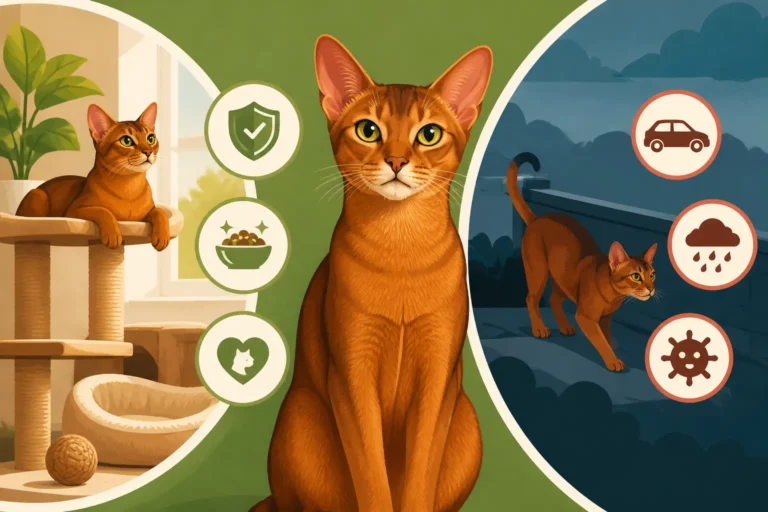
Abyssinians are incredibly curious and athletic, which makes them prime candidates for indoor living. While their adventurous spirit might make you think they'd love to roam free, keeping them strictly indoors significantly protects them from a myriad of dangers that can cut short a cat's life: traffic accidents, fights with other animals, exposure to parasites and diseases, and accidental poisoning. An indoor Abyssinian Reaches Fifteen More Often than an outdoor adventurer.
However, an indoor life for an Abyssinian doesn't mean a boring life. These cats demand an enriched environment to truly flourish. They need plenty of vertical space – tall cat trees, wall shelves, and access to high perches – to satisfy their climbing instincts. Puzzle feeders, interactive toys, and regular play sessions are crucial for their mental stimulation. A bored Abyssinian can become a destructive one, but a stimulated Abyssinian is a happy and healthy one. Owners who provide this level of engagement ensure their cats remain physically fit and mentally sharp well into their senior years. The commitment to a safe, stimulating indoor environment, coupled with vigilant care and a strong relationship with a veterinarian, creates the ideal conditions for an Abyssinian to enjoy The Twelve to Fifteen Years an Abyssinian Usually Gets, and often even more. Considering the potential costs associated with a long and healthy life, many thoughtful owners secure pet insurance early on. A robust plan from a provider like Healthy Paws can provide financial peace of mind for unexpected medical needs that might arise over two decades.
Abyssinian Lifespan Compared to Other Pedigree Shorthairs
To truly appreciate the Abyssinian's longevity, it helps to put it into perspective against other popular pedigree shorthair breeds. While individual cats will always vary, breed averages tell an important story.
Here's a comparison of typical average lifespans for some common pedigree shorthair breeds:
| Breed | Average Lifespan (Years) | Key Health Considerations (General) |
|---|---|---|
| Abyssinian | 12 – 15+ | PK Deficiency, PRA-rdAc, Juvenile Gingivitis, Renal Amyloidosis (no test) |
| Siamese | 12 – 15 | Cardiac issues, Respiratory issues, Feline Hyperesthesia Syndrome |
| Bengal | 12 – 15 | HCM, PK Deficiency (shared with Aby), GI sensitivities |
| British Shorthair | 12 – 15 | HCM, Polycystic Kidney Disease (PKD), obesity tendencies |
| Russian Blue | 10 – 16 | Dental disease, bladder stones |
| Sphynx | 8 – 14 | HCM, skin conditions, dental disease |
| Scottish Fold | 11 – 14 | Osteochondrodysplasia (joint/cartilage disease), HCM, PKD |
As you can see from the table, Abyssinians consistently sit at the higher end of the average lifespan spectrum for pedigree shorthairs, often matching or exceeding even robust breeds like the Siamese and Bengal. While they do have their specific health considerations, the proactive breeding practices and the breed's inherently athletic nature help mitigate some of the broader, more pervasive health challenges seen in other breeds. This data, coupled with anecdotal evidence from long-time Abyssinian owners, solidifies their reputation for impressive longevity.
Maintaining Lifelong Health and Vitality
Ensuring an Abyssinian lives a long, healthy life isn't a one-time effort; it's a lifelong commitment that evolves as they age. From kittenhood through their senior years, tailored care is paramount.
Supporting Senior Abyssinians
As Abyssinians age, their needs will gradually change, just like any other cat. While they may retain their youthful energy for an astonishingly long time, you might notice a slight slowing down around 10 to 12 years of age. Caring for an Abyssinian Past Ten involves a keen eye and understanding their subtle cues. Their metabolism might slow, requiring slight adjustments to their diet to prevent weight gain, even though they are generally lean.
Regular vet visits become even more crucial in their golden years. Annual or even bi-annual check-ups, including blood panels and urine tests, can help detect age-related conditions like kidney disease (Which Blood Values Catch an Abyssinian's Kidneys Early), hyperthyroidism, or arthritis early. You might notice your once fearless climber isn't quite as agile, perhaps skipping the highest shelves or taking more careful leaps. Providing accessible ramps or lower perches can help them continue to enjoy their vertical world safely. Maintaining their muscle mass with appropriate protein intake and gentle play can also extend their comfort and mobility. The goal is not just to extend their life, but to ensure that those extra years are filled with comfort and joy, just as they deserve.
The Role of Preventative Care and Owner Vigilance
The old adage "an ounce of prevention is worth a pound of cure" rings particularly true for Abyssinian cats. Proactive preventative care is a cornerstone of their long lifespans. This includes a strict indoor-only lifestyle, regular vaccinations as recommended by your vet, and consistent parasite control. Even for indoor cats, fleas, ticks, and internal parasites can hitch a ride inside, so prevention is key.
Beyond routine vet visits, owner vigilance is paramount. Abyssinians are known for being stoic and can hide illness remarkably well, sometimes because their high energy masks subtle signs. Why an Abyssinian Hides Pain Behind Its Energy is something every owner learns. Slight changes in appetite, water consumption, litter box habits, or a decrease in their characteristic playful energy warrant a vet visit. For instance, a suddenly thirsty young Abyssinian is a red flag for kidney issues. Pet insurance, such as a plan from Healthy Paws, can be incredibly valuable here, allowing owners to pursue diagnostics and treatment without financial hesitation, supporting that lifelong vigilance. Catching issues early, combined with their strong genetic foundation and active lifestyle, means Abyssinians truly have an excellent chance at a long, fulfilling life alongside their devoted human companions. They are not just pets; they are energetic, intelligent members of the family who thrive with attentive, informed care.
Disclaimer
Please remember that while this guide provides general information about Abyssinian health and lifespan, every cat is an individual. The information presented here is not a substitute for professional veterinary advice. Always consult with your veterinarian for any health concerns or before making decisions about your cat's care, diet, or treatment.