How Abyssinian Lifespan Compares to a Bengal’s
Bringing an Abyssinian into your home is an incredible joy, but like any beloved family member, you want them to be with you for as long as possible. It's only natural to wonder how their potential lifespan stacks up against other active and intelligent breeds, especially one as dynamic as the Bengal. This guide will explore the typical years you can expect with an Abyssinian, compare it to a Bengal's longevity, and delve into the crucial factors that can help your cherished companion live a long, vibrant life.
Understanding the Abyssinian Lifespan
Abyssinians are known for their lively personalities and stunning looks, but beyond that, they are generally a robust breed. Understanding their typical lifespan and the factors that influence it can help you provide the best possible care for your energetic companion.
Typical Lifespan for an Abyssinian
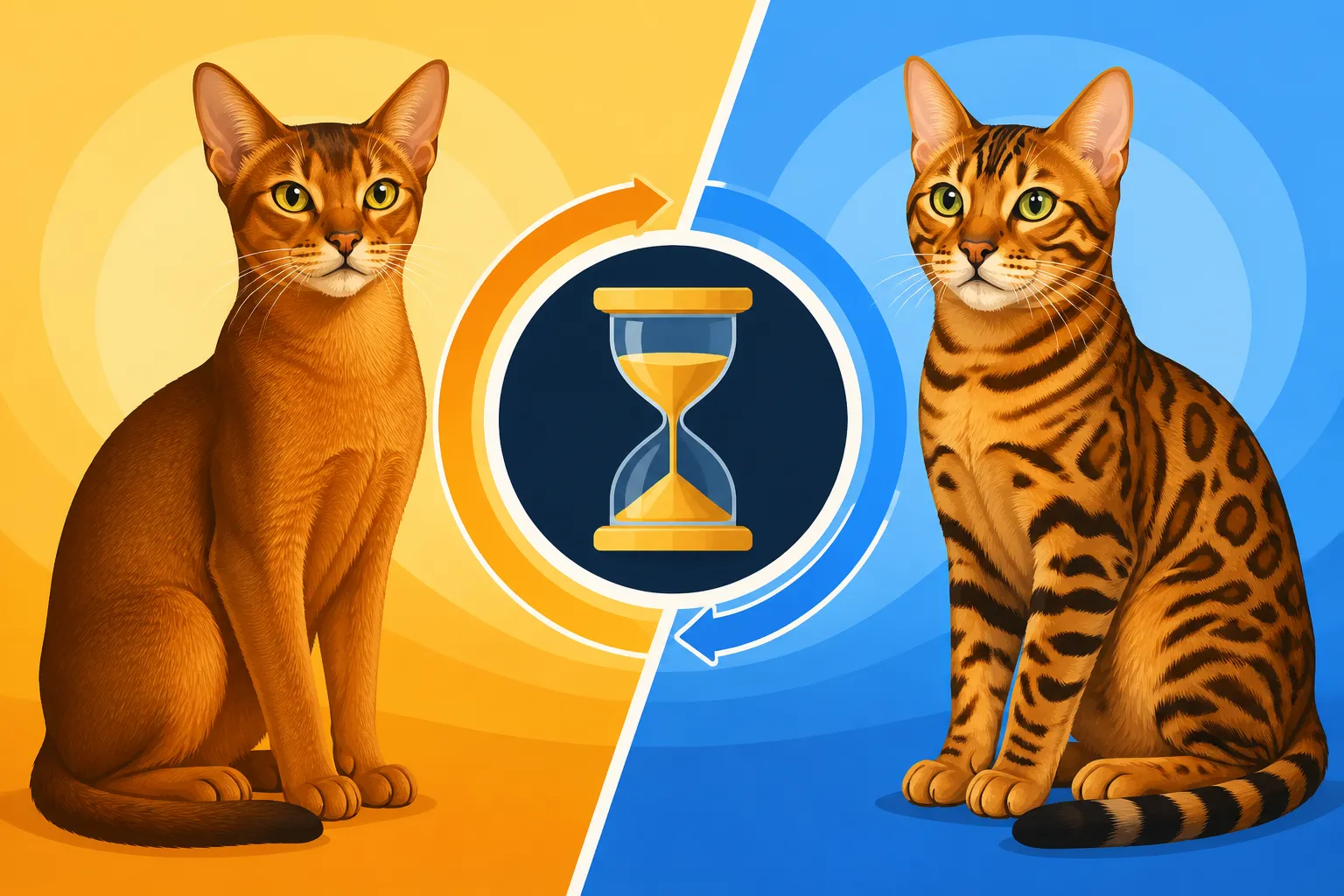
On average, a well-cared-for Abyssinian can be expected to live between 12 to 15 years. However, it's not uncommon for some lucky Abyssinians to push past this, reaching 18, 19, or even 20 years old. These figures aren't just arbitrary numbers; they reflect a combination of genetics, diligent care, and a truly enriched indoor life. Just like us, a healthy lifestyle contributes significantly to longevity. Factors like a balanced diet, consistent exercise, and regular veterinary check-ups play a huge role. For example, The Twelve to Fifteen Years an Abyssinian Usually Gets is often seen in cats that have been kept indoors, away from the dangers of traffic, predators, and infectious diseases, which dramatically extends their chances of reaching a ripe old age. Indeed, you'll find that Why an Indoor Abyssinian Reaches Fifteen More Often boils down to minimizing risks and maximizing comfort and safety.
Common Health Concerns in Abyssinians Affecting Lifespan
While Abyssinians are generally healthy, there are a few breed-specific health concerns that prospective and current owners should be aware of, as they can potentially impact lifespan if not managed. The most well-known are Pyruvate Kinase Deficiency (PKD), Progressive Retinal Atrophy (PRA-rdAc), and Renal Amyloidosis. Fortunately, for conditions like PKD and PRA-rdAc, there are reliable DNA tests available, which responsible breeders utilize to avoid passing these genes down. You can learn more about Which Four Diseases the Abyssinian Actually Carries and the specific tests available.
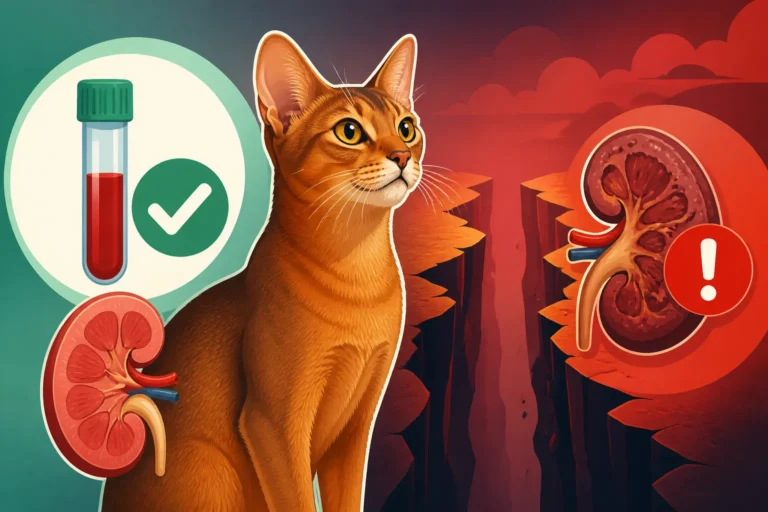
Renal Amyloidosis, on the other hand, is a more insidious concern. It's a progressive kidney disease where abnormal proteins accumulate in the kidneys, eventually leading to kidney failure. Sadly, Renal Amyloidosis Is the Abyssinian Problem Nobody Can Test For with a simple DNA test, making careful breeding practices based on family history incredibly important. Early detection through regular vet check-ups, including monitoring kidney values as your Abyssinian ages, is paramount. Proactive management, especially of dental health, is also crucial, as chronic inflammation from severe dental disease can sometimes exacerbate other health issues.
The Bengal's Lifespan: A Comparison
Bengal cats, with their wild appearance and equally wild energy, are another popular breed. Their lineage from Asian Leopard Cats often leads people to wonder if they have a significantly different lifespan.
Average Longevity of a Bengal Cat
Bengal cats typically live for about 10 to 15 years, putting them in a similar range to the Abyssinian. However, some individual Bengals might live a bit shorter or longer depending on their specific genetic lines and overall care. The initial "hybrid vigor" often associated with their wild ancestry can sometimes lead to a robust constitution, but it doesn't necessarily guarantee a longer life than well-bred domestic cats. Just like with Abyssinians, a high-quality diet, plenty of exercise to burn off that boundless energy, and a safe indoor environment are critical for a Bengal to reach the higher end of its expected lifespan. Their active nature means they need constant engagement, which contributes to both their physical and mental health over the years.
Health Issues Prevalent in Bengals
Bengals, despite their wild roots, are also susceptible to certain genetic health conditions that can affect their longevity. Hypertrophic Cardiomyopathy (HCM) is a common heart condition seen in many cat breeds, including Bengals, which can lead to heart failure. Another concern is Progressive Retinal Atrophy (PRA-b), a different form of retinal degeneration from the Abyssinian's PRA-rdAc, but with similar blinding consequences. Some Bengal lines can also carry Pyruvate Kinase Deficiency, the same condition found in Abyssinians, highlighting the importance of genetic testing across breeds. Inflammatory Bowel Disease (IBD) is also observed more frequently in some Bengals, requiring careful dietary management.
The comparison here highlights a critical point: both breeds benefit immensely from responsible breeding. A breeder who actively screens their cats for these conditions provides a much stronger foundation for a long and healthy life for your kitten. Whether you're looking at a sleek Abyssinian or a stunning Bengal, asking about parental health testing is non-negotiable.
Key Factors Influencing Both Breeds' Lifespans
It's clear that while breeds have typical lifespans and predispositions, individual care makes an enormous difference. For both Abyssinians and Bengals, certain overarching factors heavily influence how many wonderful years you get to share with them.
The Role of Genetics and Responsible Breeding
This cannot be stressed enough: good genetics are the cornerstone of a long life. For Abyssinians, this means parents tested clear for PK Deficiency and PRA-rdAc, and a breeder transparent about the history of kidney disease (specifically amyloidosis) in their lines. Since there's no gene test for Abyssinian amyloidosis, knowing What an Abyssinian's Grandparents Reveal About Its Kidneys can offer invaluable insights into potential predispositions. Similarly, responsible Bengal breeders will screen for HCM via echocardiograms and DNA test for PRA-b and PK deficiency. When you choose a kitten, you're not just buying a pet; you're inheriting a genetic legacy. A reputable breeder invests in these health screenings precisely because they want to ensure their kittens have the best possible start to a long, healthy life. This upfront investment in testing helps mitigate costly and heartbreaking health issues down the line. Many owners find peace of mind with pet insurance providers like Healthy Paws, knowing that unexpected health issues, even with the best breeding, can arise and be covered.
Impact of Diet, Exercise, and Environment
Beyond genetics, daily care forms the backbone of a long and healthy life for both breeds.
- Diet: Both Abyssinians and Bengals are high-energy cats who thrive on a high-quality diet rich in animal protein. They burn a lot of calories, so ensuring they get adequate nutrition is vital for maintaining muscle mass and overall health. Why a Lean Abyssinian Hides Illness Longer Than a Heavy Cat underscores the importance of a proper diet to keep them at an ideal weight. Conversely, Why an Abyssinian's Weight Loss Is Never Minor and always warrants a vet visit.
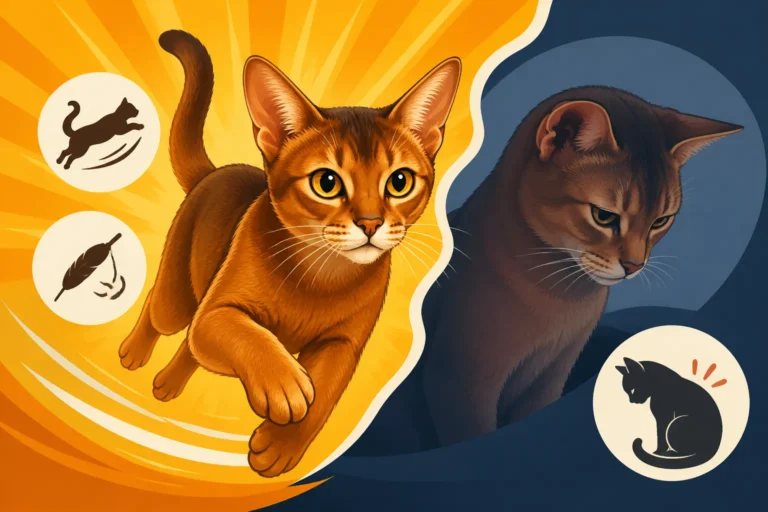
- Exercise: These are not sedentary cats. Abyssinians are known as the "clowns of the cat kingdom" for a reason – they are constantly on the move, climbing, jumping, and playing. Bengals are equally athletic and need outlets for their energy. Providing ample opportunities for play, climbing, and exploration is crucial for their physical fitness and mental well-being. A bored Abyssinian or Bengal is more prone to stress, which can manifest in various behavioral or physical issues.
- Environment: Keeping both breeds strictly indoors is arguably the single most impactful choice for extending their lifespan. An indoor environment protects them from traffic accidents, fights with other animals, exposure to parasites and diseases, and harmful substances. An enriched indoor environment, filled with vertical climbing spaces, puzzle feeders, and regular interactive play, is vital for their mental stimulation.
Practical Steps for Maximizing Your Cat's Years
While genetics lay the foundation, your daily care and proactive approach to their health are what truly pave the way for a long and happy life with your Abyssinian or Bengal.
Proactive Veterinary Care and Preventative Measures
Regular veterinary care is not just about reacting to illness; it's about prevention and early detection.
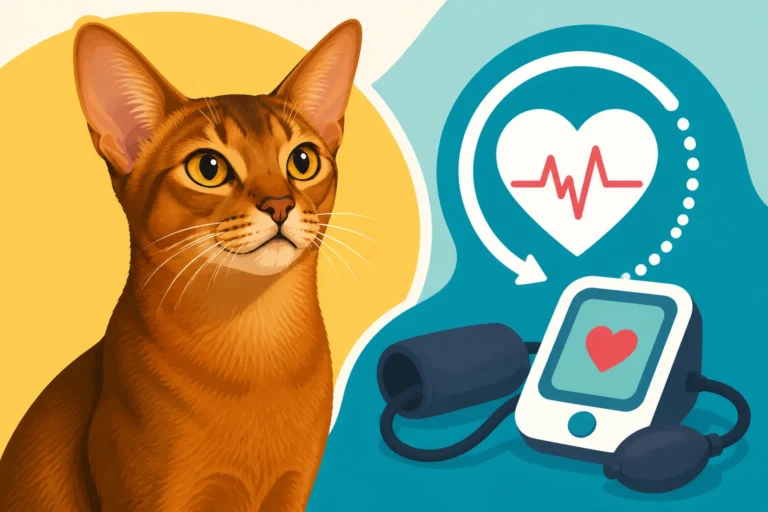
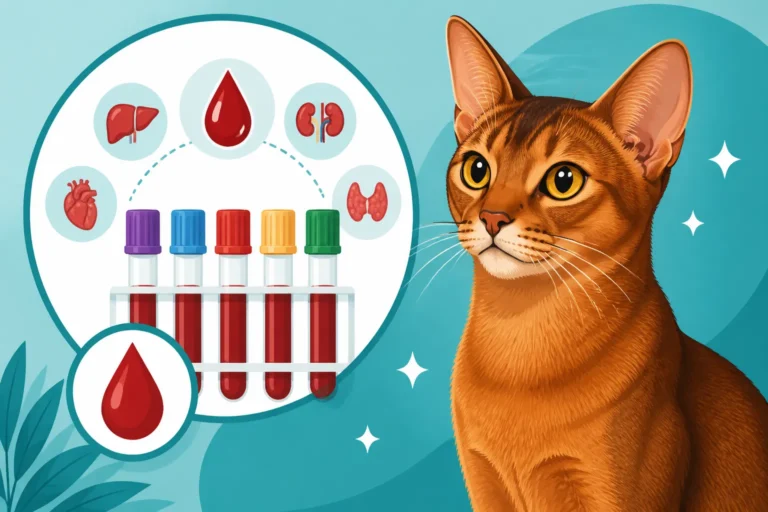
- Routine Exams: Annual check-ups are essential, even if your cat seems perfectly healthy. These visits allow your vet to catch subtle changes that you might miss. For a middle-aged Abyssinian, for instance, When a Middle Aged Abyssinian Needs Yearly Bloodwork can reveal early signs of kidney issues or hyperthyroidism before they become critical.
- Vaccinations & Parasite Control: Keeping up with recommended vaccinations and maintaining a consistent parasite prevention program protects your cat from common, potentially life-threatening diseases.
- Dental Care: Dental health is often overlooked but profoundly impacts overall health. Both breeds can be prone to dental issues. How Often an Abyssinian Needs Its Teeth Cleaned is usually more frequent than for other breeds, sometimes even yearly professional cleanings, due to a predisposition to gingivitis and tooth resorption. Untreated dental disease can lead to pain, infection, and even impact vital organs.
- Early Detection: Be vigilant about any changes in behavior, appetite, thirst, or litter box habits. Increased thirst or urination, for example, can be an early sign of kidney issues in an Abyssinian. Your vet can run blood tests like SDMA to detect kidney changes long before traditional values rise.
Investing in a robust pet insurance plan, such as those offered by Healthy Paws, early in your cat's life can be a game-changer. It provides financial security against unexpected illnesses, accidents, and even some chronic conditions, allowing you to make healthcare decisions based on what's best for your cat, not just your wallet.
Creating an Optimal Home Environment
The home environment plays a massive role in your cat's physical and mental health, directly influencing their stress levels and physical activity.
- Enrichment is Key: For energetic breeds like Abyssinians and Bengals, a stimulating environment prevents boredom and destructive behaviors. This means providing plenty of vertical space with cat trees, wall shelves, and scratching posts. The Abyssinian Is the Busiest Cat in the House means they need constant challenges and opportunities to climb and explore. Rotating toys, puzzle feeders, and regular interactive play sessions are non-negotiable.
- Stress Reduction: A stable, predictable home environment with safe hiding spots helps reduce stress. While Abyssinians are generally social and outgoing, changes in routine or household can still be stressful. For Bengals, their sensitive nature means they also benefit from a calm, consistent home.
- Cleanliness: Regular cleaning of litter boxes and food/water bowls is basic but vital hygiene that prevents illness.
- Hydration: Ensure constant access to fresh water. Many cats, including Abyssinians, enjoy drinking from a running tap or a pet fountain. Adequate hydration is especially important for kidney health, a particular concern for Abyssinians.
By diligently managing these factors, you can significantly tip the scales in favor of a longer, healthier, and happier life for your vibrant Abyssinian or magnificent Bengal.
| Feature | Abyssinian | Bengal |
|---|---|---|
| Typical Lifespan | 12-15 years (some up to 20) | 10-15 years |
| Energy Level | Very High (agile, curious, playful) | Very High (athletic, intelligent, often mischievous) |
| Common Health Concerns | PK Deficiency, PRA-rdAc, Renal Amyloidosis, Juvenile Gingivitis | Hypertrophic Cardiomyopathy (HCM), PRA-b, PK Deficiency, IBD |
| Genetic Testing | PK Deficiency, PRA-rdAc | HCM (echocardiogram), PRA-b, PK Deficiency |
| Dental Needs | High (prone to gingivitis, needs frequent care) | Moderate to High |
| Dietary Needs | High protein, moderate fat (to fuel energy) | High protein, moderate fat (to fuel energy) |
| Environmental Needs | High climbing, mental stimulation | High climbing, robust play, mental stimulation |
Disclaimer
The information provided in this article is for general informational purposes only and does not constitute veterinary advice. Always consult with a qualified veterinarian for any health concerns or before making any decisions related to your pet's health and treatment. Breed-specific health information is based on general trends and individual cats may vary.