Why an Abyssinian Cheek Swab Is Enough
It’s a common moment for new Abyssinian parents: you get your DNA testing kit, and inside, there’s just a simple cheek swab. Immediately, the question pops into your head, "Can this little cotton tip really gather enough information to tell me about my energetic, complex Abyssinian's genetic health?" This guide is here to unravel that mystery, explaining precisely why a simple cheek swab is not only enough but is actually the gold standard for reliable genetic testing in your beloved Aby.
The Power of DNA in a Single Cell
The sheer amount of information packed into even one microscopic cell is truly astounding. Think about it: every single cell in your Abyssinian's body contains a complete set of their genetic instructions, their entire DNA blueprint. This means that whether you're taking a blood sample, a hair follicle, or simply scraping some cells from the inside of their mouth, you're tapping into the same vast library of genetic code. It’s all identical, from the tip of their ticked tail to their expressive, almond-shaped eyes.
When it comes to DNA, quality over quantity is often the key. We don't need a huge chunk of tissue to get accurate results. What we need are intact cells that can provide a clear, uncontaminated genetic sample. The beauty of the cheek swab is that it provides exactly this: a gentle, non-invasive way to collect these precious cells without causing any stress to your cat.
How DNA Samples Are Collected
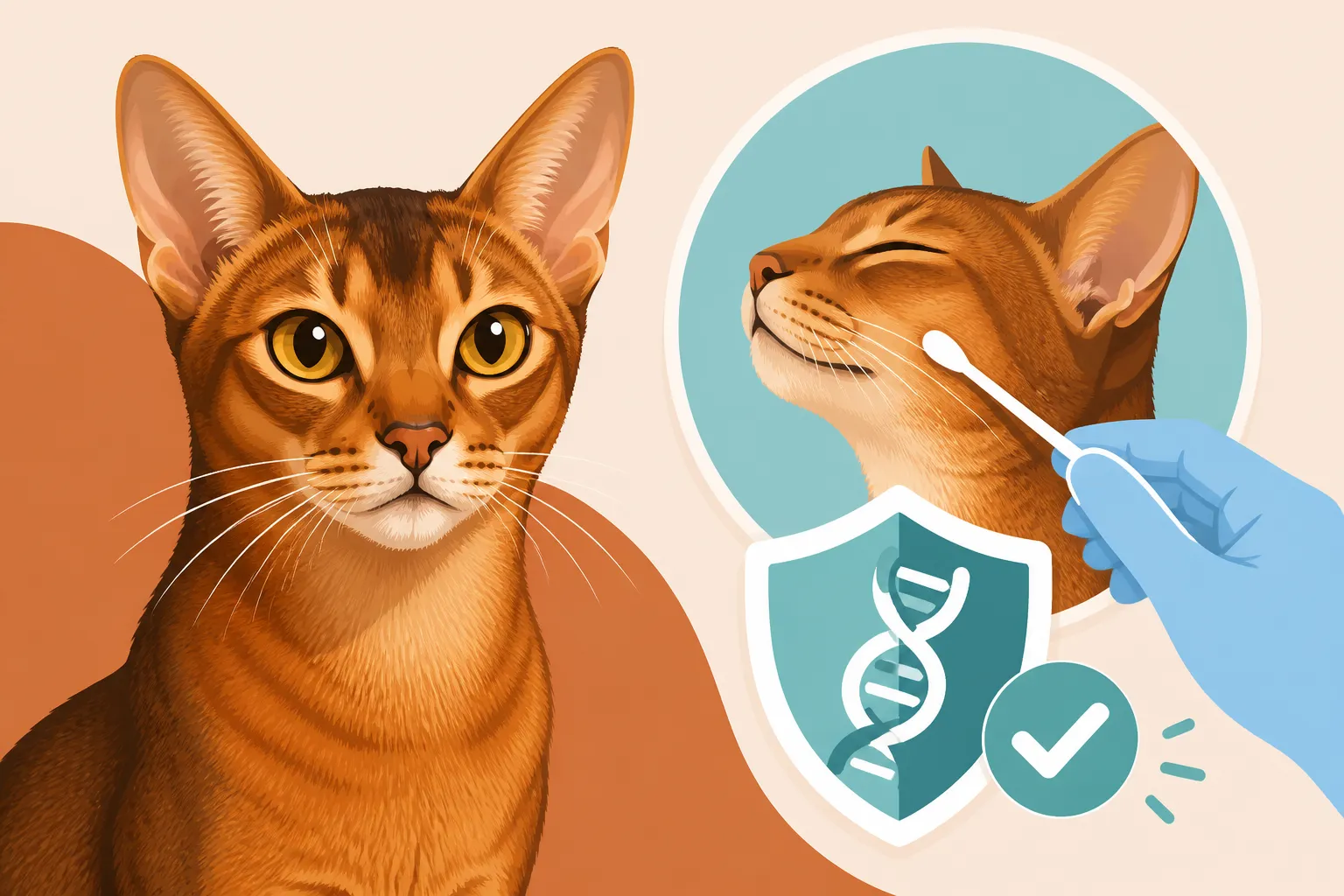
The process of collecting a DNA sample via cheek swab is remarkably simple, which is part of its widespread appeal. You're typically provided with a sterile brush or a specialized swab, often resembling a large Q-tip with a more robust collection tip. The goal is to gently rub this tip along the inside of your Abyssinian’s cheek and gum line. As you do this, thousands of epithelial cells – those superficial cells that line the mouth – are painlessly collected onto the swab.
These epithelial cells are constantly shedding and replenishing, making them an easy target for collection. You're not drawing blood, you're not cutting hair, and there's no need for sedation. It’s quick, easy, and can be done right in the comfort of your home. This makes it ideal for even the most spirited of Abyssinians, who might protest more invasive procedures. The trick is simply getting them to tolerate a few seconds of this gentle rubbing, which is usually accomplished with a bit of calm handling and perhaps a tasty treat afterward.
Extracting Genetic Material from a Swab
Once you've collected your Abyssinian's cheek swab and sent it off to the lab, the real magic begins. The scientists don't just "look" at the swab; they perform a series of sophisticated laboratory techniques to isolate and amplify the DNA. First, the swab is introduced to a solution that helps to break open the collected cells, releasing their genetic contents. This is often followed by a purification process to separate the DNA from other cellular components and contaminants.
After purification, the DNA is often too small in quantity to be easily analyzed. This is where a process called Polymerase Chain Reaction, or PCR, comes in. PCR is like a genetic photocopier; it makes millions of copies of specific DNA segments. This amplification creates a robust sample that allows scientists to accurately read and interpret the genetic code. So, while you might only provide a few hundred thousand cells on your swab, the lab can effectively multiply their DNA to quantities sufficient for rigorous testing. This incredible scientific capability is why a small cheek swab can yield such comprehensive and reliable results, proving that the tiny sample is indeed mighty.
Why a Cheek Swab is More Than Enough for Abyssinian Genetic Screening
The simplicity of a cheek swab often leads people to question its power, but in the world of genetic testing, it’s truly a marvel. For specific genetic screenings, like those crucial for the Abyssinian breed, a cheek swab is not just adequate; it's the preferred method due to its reliability and ease of use. The DNA collected from these buccal cells is exactly the same as the DNA found in every other cell in your cat's body, ensuring consistent and accurate results for genetic markers.
Pinpointing Specific Genetic Markers
When a lab receives an Abyssinian cheek swab, they aren't trying to map the cat's entire genome from scratch, although that's certainly possible with larger samples. Instead, for breed-specific genetic health panels, they are specifically looking for known mutations at particular locations (genetic markers) on the cat's DNA. Think of it like searching for a specific word in a massive encyclopedia. You don't need to read every single page; you just need to turn to the right page number and scan for that one word.
For Abyssinians, these targeted searches are focused on mutations linked to hereditary diseases like Pyruvate Kinase Deficiency (PKD) and Progressive Retinal Atrophy (PRA-rdAc). The tests are designed to identify the presence or absence of these specific genetic alterations. A properly collected cheek swab provides enough high-quality DNA for the lab to perform these targeted assays with remarkable precision. This is why when considering how the Abyssinian's DNA panel is ordered, breeders and owners confidently rely on cheek swabs.
Reliability and Accuracy of Swab Tests
The accuracy of genetic tests performed on cheek swabs is incredibly high, assuming the sample is collected correctly and processed by a reputable laboratory. These tests have been validated over many years within the veterinary genetics community. For instance, the diagnostic tests for conditions like Pyruvate Kinase Deficiency Is the Abyssinian's Best Known Test, and the specific test for PRA-rdAc, have undergone rigorous scientific review to ensure their efficacy.
Modern molecular diagnostics are so advanced that they can detect minute quantities of specific DNA sequences. This means that even a relatively small number of buccal cells on a swab can yield a definitive result. The key is to ensure the swab is adequately saturated with cells (meaning you’ve rubbed it firmly enough, but gently, on the inside of the cheek) and that it's not contaminated by other cats' DNA or excessive food particles. When these simple steps are followed, the results from an Abyssinian cheek swab are as reliable as those from a blood sample, without the stress of a vet visit for collection.
What a Swab Test Can Tell You About Your Abyssinian's Health
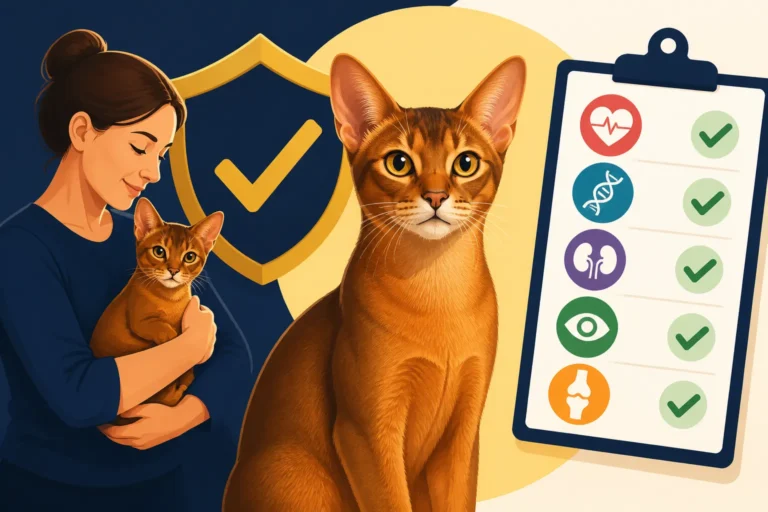
Genetic testing using a cheek swab provides invaluable insight into your Abyssinian's predispositions for certain hereditary conditions. This knowledge isn't just for breeders; it's vital for pet owners who want to understand and proactively manage their cat's long-term health. Knowing your cat's genetic status allows you to work with your veterinarian on appropriate monitoring and preventative care strategies.
Understanding Pyruvate Kinase Deficiency PK Deficiency
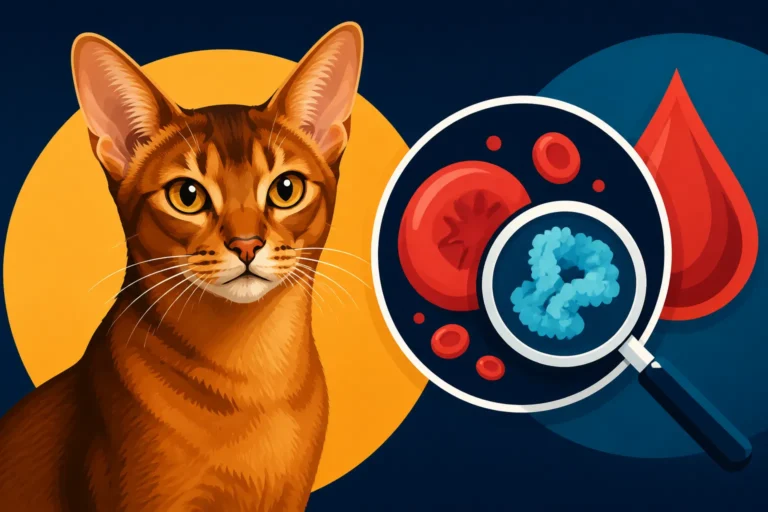
One of the most significant genetic conditions screened for in Abyssinians is Pyruvate Kinase Deficiency, often abbreviated as PK Deficiency. This inherited disorder affects the red blood cells, causing them to break down prematurely, leading to a form of anemia. Owners might notice their cat becoming lethargic, having pale gums, or showing a general lack of energy. Knowing if your Abyssinian is affected or a carrier is crucial.
A cheek swab test can tell you definitively if your Abyssinian is clear, a carrier, or affected by PK Deficiency. If your cat is a carrier, it means they carry one copy of the mutated gene but usually show no symptoms themselves. However, they can pass the gene to their offspring. If they are affected, they have two copies of the gene and will likely develop symptoms of anemia, which can vary in severity. Understanding what PK Deficiency Does to an Abyssinian's Red Cells from a young age can help you plan for potential challenges and ensure your vet is aware of this predisposition.
Screening for Progressive Retinal Atrophy PRA-rdAc
Another critical condition that can be identified via a simple cheek swab is Progressive Retinal Atrophy, specifically the rdAc form. This is an inherited eye disease that causes the photoreceptor cells in the retina to degenerate over time, ultimately leading to blindness. PRA-rdAc Takes an Abyssinian's Sight by Five, often progressing in early adulthood. Early detection, or rather, knowing your cat's genetic status from a kitten, is key to preventing affected cats from being bred.
The DNA test for PRA-rdAc identifies the specific genetic mutation responsible for this condition. Like PK Deficiency, an Abyssinian can be clear, a carrier, or affected. A clear cat has no copies of the mutation. A carrier cat carries one copy and will not develop the disease but can pass it on. An affected cat has two copies of the mutation and will eventually go blind. Knowing how PRA-rdAc Blinds an Abyssinian Slowly allows owners to prepare and provide a safe, consistent environment for their cat as their vision diminishes. It's a testament to the power of these tests that such a devastating condition can be screened for so easily.
The Limitations and Future of Genetic Testing
While genetic testing via cheek swab is incredibly powerful for specific known mutations, it's important to understand its limitations. Not all hereditary conditions have a known genetic marker that can be tested for. A prime example in the Abyssinian breed is Renal Amyloidosis Is the Abyssinian Problem Nobody Can Test For. This devastating kidney disease, while clearly hereditary, does not yet have a direct gene test available. In such cases, breeders and owners must rely heavily on detailed pedigree analysis and careful health screening of related cats to assess risk. This highlights why The Abyssinian Has Three DNA Tests and One Disease With None.
However, the field of genetic research is constantly advancing. Scientists are continuously working to identify new genetic markers for other diseases. What we can't test for today, we might be able to test for tomorrow. For now, the combination of proven DNA tests for conditions like PK Deficiency and PRA-rdAc, coupled with diligent health screening and attention to family history for conditions like amyloidosis, forms the most comprehensive approach to Abyssinian health.
Ensuring a Good Sample: Tips for Owners
Getting a reliable DNA test result starts with collecting a good quality sample. While the cheek swab method is incredibly forgiving, a few simple steps can ensure your Abyssinian’s sample is perfect for the lab, saving you time and potential re-tests. Remember, a clear sample means clear results, allowing you to quickly get peace of mind about your beloved Aby.
Preparing Your Abyssinian for the Swab
Preparation is key to a stress-free and effective sample collection. First and foremost, make sure your Abyssinian hasn't eaten for at least an hour, preferably two, before you plan to swab them. Food particles can contaminate the sample and make it harder for the lab to extract pure DNA. Giving them some plain water is fine, as it can help rinse their mouth.
If you have multiple cats, it's absolutely crucial to separate the Abyssinian you're testing from other cats for at least 30 minutes prior to swabbing. This prevents accidental cross-contamination if they've been grooming each other or sharing toys. Imagine sending in a swab that contains DNA from two different cats – the results would be confusing or inconclusive! A quiet room where you can comfortably handle your cat is ideal. Have your kit open and ready, so you're not fumbling with packaging while trying to hold a squirming Aby.
The Collection Process Itself
Now for the actual swabbing! Unwrap the sterile swab carefully, making sure not to touch the collection tip with your fingers, as this can introduce human DNA. Gently but firmly open your Abyssinian’s mouth. Some cats tolerate this better if you hold their head gently upwards. Insert the swab into their mouth and firmly rub the tip against the inside of their cheek and gums, rotating it as you go. You want to collect as many cells as possible, so don't be shy – but always be gentle! Aim for about 10-15 seconds on each side of the mouth. You should see a slightly cloudy residue on the swab, indicating you've picked up cells.
After swabbing, let the swab air dry for a few minutes before placing it back into its protective sleeve or tube. This prevents mold growth, which can degrade the DNA sample during transit. Most kits come with clear instructions; always follow those specific guidelines, as they might have slight variations.
Handling and Shipping Your Sample
Once the swab is dry, place it securely back into the provided packaging. Ensure all necessary paperwork is filled out accurately, matching your cat's name and details to the sample tube. This is vital for the lab to correctly identify your cat and process the results. If you’re using a service like Optimal Selection or a similar genetic testing provider, they often have specific protocols.
Ship your sample as soon as possible after collection. While DNA is remarkably stable, minimizing the time in transit reduces any risk of degradation. Use a shipping method recommended by the lab – often a standard postal service is fine, but check for any specific requirements regarding tracking or expedited shipping, especially if you live in a warm climate. Prompt and careful shipping ensures your precious sample arrives at the lab in optimal condition, ready for analysis. When thinking about How Much an Abyssinian DNA Panel Costs, remember that proper sample collection is an investment in accurate results.
Here’s a quick overview of what those cheek swabs are typically used for:
| Genetic Test | What it screens for | Why a Cheek Swab is Effective | Importance for Abyssinian Owners |
|---|---|---|---|
| Pyruvate Kinase Deficiency (PKD) | An inherited metabolic disorder causing red blood cell breakdown and anemia. | Identifies specific gene mutation (PKLR) present in buccal cells. | Helps breeders avoid passing on the gene; allows owners of affected cats to monitor health. |
| Progressive Retinal Atrophy (PRA-rdAc) | An inherited eye disease leading to the degeneration of photoreceptors and blindness. | Identifies specific gene mutation (CEP290) present in buccal cells. | Prevents breeding of affected cats; allows owners of affected cats to prepare for vision loss. |
| Longhair Gene (for Somalis) | Identifies if an Abyssinian carries the recessive gene for long hair, which results in Somalis. | Identifies specific gene mutation responsible for hair length in buccal cells. | Crucial for breeders to manage coat length in litters; clarifies genetic lineage. |
It's clear that while a cheek swab might seem like a small thing, it contains all the necessary genetic information to provide profound insights into your Abyssinian's health. The science behind it is robust, and when done correctly, it's an incredibly reliable, non-invasive tool. Knowing your Abyssinian's genetic status allows you to make informed decisions about their care, health, and potential breeding, ensuring a healthier future for this wonderful breed. If you're considering genetic testing, rest assured that the humble cheek swab is more than capable of the job, giving you peace of mind and valuable knowledge.
Disclaimer
Please remember that this information is for educational purposes only and should not replace professional veterinary advice. Always consult with a qualified veterinarian regarding your Abyssinian's health and specific medical conditions. Genetic test results should be interpreted in conjunction with a vet's assessment and your cat's overall health history.